

Critical thinking skills are among the most important skills that children and adults can learn today. Information moves fast, opinions spread even faster, and the ability to evaluate information from reliable sources is no longer optional.
Whether we’re talking about young children learning to understand the world or adults navigating work and personal decisions, critical thinking is the ability that supports clear judgment, smarter problem-solving, and confident decision-making.
Many parents and educators agree that developing critical thinking skills should start early. Children ages six and up naturally ask questions, explore new ideas, and try to make sense of the real world around them. When guided the right way, this natural curiosity becomes the foundation of strong reasoning skills they’ll use throughout life.
In this guide, you’ll learn what critical thinking skills really are, why they matter in learning and daily decision-making, how children acquire them, and how anyone can develop these skills. You’ll also see real user thoughts from parents, teachers, and learners who practice critical thinking every day.
What Are Critical Thinking Skills?
Critical thinking is the ability to interpret information, analyze ideas, and make reasoned judgments based on evidence, not assumptions. It goes much deeper than simply memorizing facts. It’s about understanding how information works, asking open-ended questions, and evaluating arguments from different angles.
When children or adults become critical thinkers, they understand not just what they think, but why they think it. They learn to pause, examine the situation, and choose a response rooted in logic rather than impulse.
A parent once shared that I used to give my daughter quick answers because it felt easier. When I started asking her what she thought instead, her entire thought process changed. She began explaining her ideas and coming up with her own solutions. This is a simple but powerful example of how critical thinking for kids can begin.
Why Critical Thinking Skills Matter More Than Ever
The modern world presents more choices, opinions, and information than any previous generation. Developing the ability to evaluate information is essential for navigating school work and daily life.
Critical thinking skills help children and adults understand situations logically. Instead of reacting emotionally or following the crowd, they can interpret ideas carefully. These skills also reduce the likelihood of falling for misinformation.
When students learn to question sources, compare details, and check facts, they naturally become more confident decision-makers. Teachers often report that children who practice critical thinking are better communicators.
They explain their reasoning more clearly, participate thoughtfully in class discussions, and collaborate better during group work. In the real world, these same abilities support stronger professional relationships and more effective leadership.
How Children Learn to Think Critically
Young children naturally want to explore. This curiosity is the perfect starting point for developing critical thinking skills. Parents and educators play a huge role by providing environments where children ages five and up can ask questions, make mistakes, and try new strategies.
One teacher explained, “The moment I stop giving kids the answers and start giving them the tools to find answers, their confidence grows. They learn how to think, not what to think.”
Children learn best through discussion, experimentation, and discovery. Activities like strategy games, simple science experiments, hands-on projects, and storytelling exercises help build their thought process step by step.
Even everyday tasks like deciding what to wear in different weather conditions or choosing how to solve a small conflict at school are opportunities for critical thinking.
The Core Elements of Critical Thinking
Understanding the main elements of critical thinking makes it easier to practice and teach them. While definitions may vary slightly, most educators agree on several foundational components.
Interpretation
Interpretation is the ability to understand information or experiences and explain what they mean. Children learn this when they retell a story in their own words or explain why a character acted a certain way. Adults use interpretation when evaluating data, reading news, or analyzing workplace situations.

Analysis
Analysis includes breaking down information into smaller parts to understand it better. When children compare two ideas in a lesson or adults study trends at work, they’re analyzing. This skill helps students move past surface-level understanding.
Evaluation
Evaluation involves judging the credibility of information and deciding whether something is reliable. This is where learning to identify reliable sources becomes essential. Kids might evaluate whether a video online is accurate, while adults might examine research before making decisions.

Reasoning and Inference
Reasoning is the ability to draw logical conclusions from evidence. Children learn this skill when predicting what happens next in a story. Adults use it when solving complex problems at work or in their personal lives.

Decision-Making
Critical thinking leads to informed decisions. Instead of choosing impulsively, individuals evaluate their options, consider consequences, and select the most reasonable solution.
A college student summed it up well: “Once I learned how to break down problems instead of panicking, my entire approach to studying and life changed.”

Why Developing Critical Thinking Skills Is Valuable
Critical thinking skills support personal success, academic performance, and emotional resilience. They help individuals navigate challenges with confidence. Here’s a brief overview explained in paragraph form for easy reading.
Critical thinking helps people solve problems more effectively by allowing them to break situations into smaller steps, understand the root cause, and identify solutions based on evidence.
It also improves communication because individuals learn to express their thoughts clearly, listen to others, and support their opinions with facts. These skills also reduce the chances of believing misinformation, especially online, where inaccurate content spreads quickly.
Students and adults who practice critical thinking become more confident, independent, and capable of handling real-world situations.
How to Develop Critical Thinking Skills in Daily Life
Critical thinking is not a skill learned once. It develops through continuous practice. Children, teens, and adults can all strengthen their reasoning abilities by using simple habits and small changes in their daily routine.
Ask More Thoughtful Questions
Asking questions is one of the easiest ways to develop critical thinking. When children ask why something happens or how something works, they begin forming logical connections. Adults benefit from doing the same. It encourages reflection, deeper understanding, and curiosity.
Parents often say that an open-ended question can shift a conversation instantly. A mother shared, “When I started asking my son, ‘What do you think will happen?’ instead of giving him the answer, he became more confident in expressing his ideas.”
Practice Active Listening
Active listening means paying attention to what others are saying without interrupting. It requires empathy and patience. When students and adults practice active listening, they gather more information before forming a judgment, which leads to stronger, more informed conclusions.
Encourage Curiosity in Children
Children learn best when curiosity is encouraged, not shut down. Parents and educators can nurture curiosity by letting children explore different activities, experiment, and ask questions freely. This is especially important during early childhood when learning patterns form quickly.
Use Strategy Games and Real-Life Activities
Strategy games like puzzles, board games, building sets, or age-appropriate logic games encourage children to think ahead, plan, and evaluate options.
Adults benefit from similar games or problem-solving activities. Even simple tasks like comparing prices at the store or planning a weekly schedule can help sharpen thinking skills.
Reflect on Choices and Experiences
Reflection helps individuals understand what worked, what didn’t, and what can be improved. Children learn reflection when they think about how they solved a problem or explain what they learned from a mistake. Adults use reflection to grow in their careers, relationships, and personal habits.
Explore Diverse Perspectives
Understanding different viewpoints strengthens critical thinking. When children or adults discuss topics with others, their reasoning expands. Reading books, watching educational content, or engaging in thoughtful conversation exposes learners to diverse ways of thinking.
Encourage Independent Problem Solving
Children often want help immediately, but independent problem-solving builds confidence. Letting kids try to solve simple challenges on their own strengthens their reasoning. Adults can also grow by challenging themselves to explore solutions before seeking help.
Critical Thinking Skills vs Analytical Skills
People often mix these terms, but they have different focuses. Here’s a simple explanation without using a table. Critical thinking skills involve evaluating information, making judgments, understanding perspectives, and forming logical conclusions.
Analytical skills focus more on breaking information into smaller parts, identifying patterns, and interpreting data. While analytical skills support critical thinking, critical thinking goes further by using analysis, evaluation, and reasoning to guide decisions.
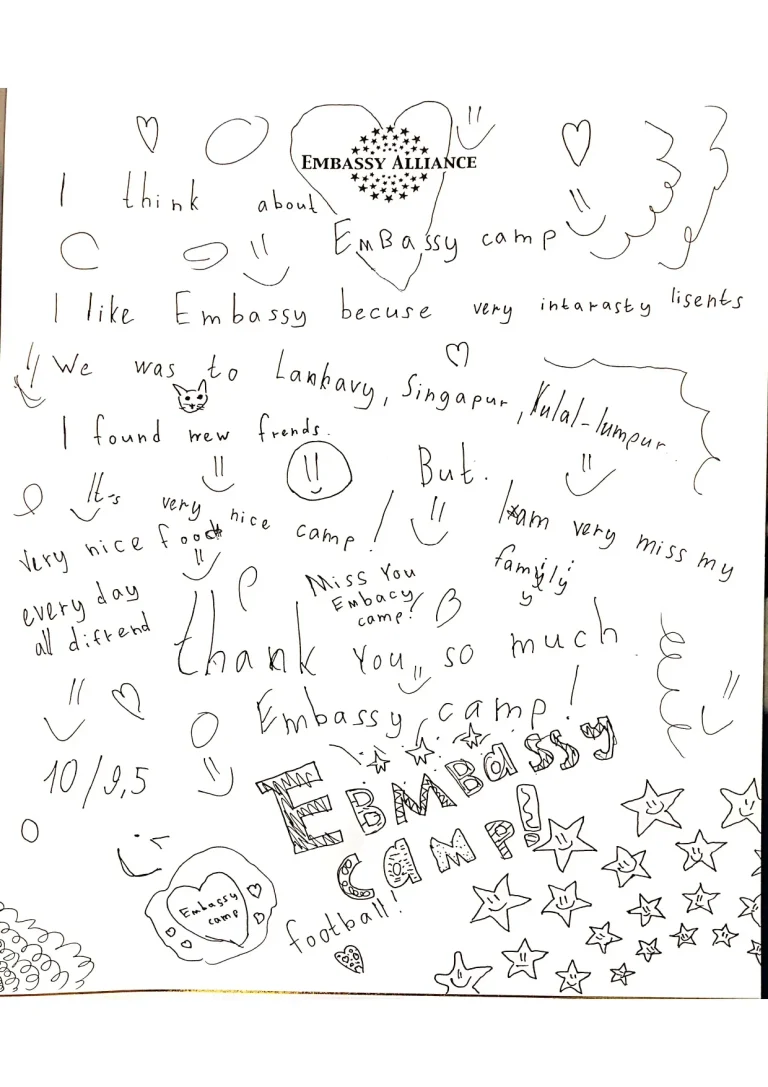
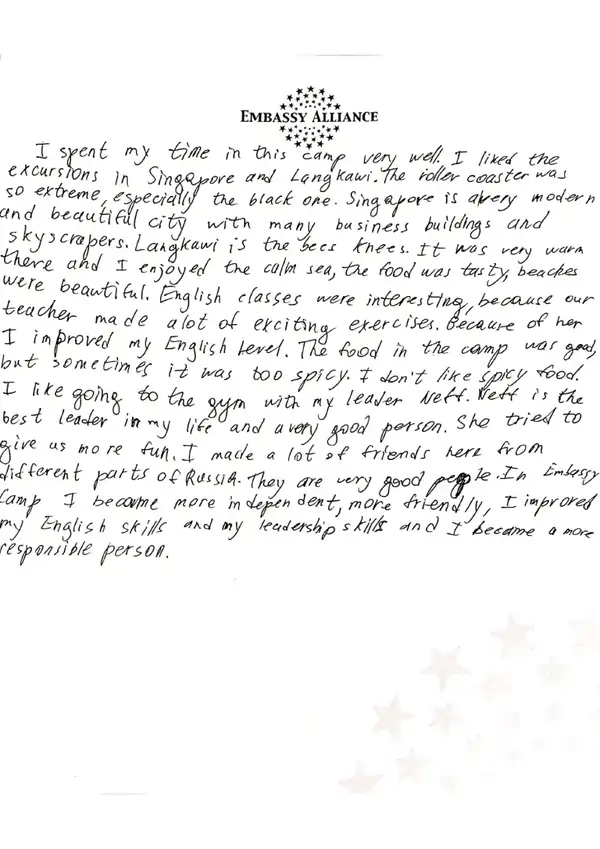
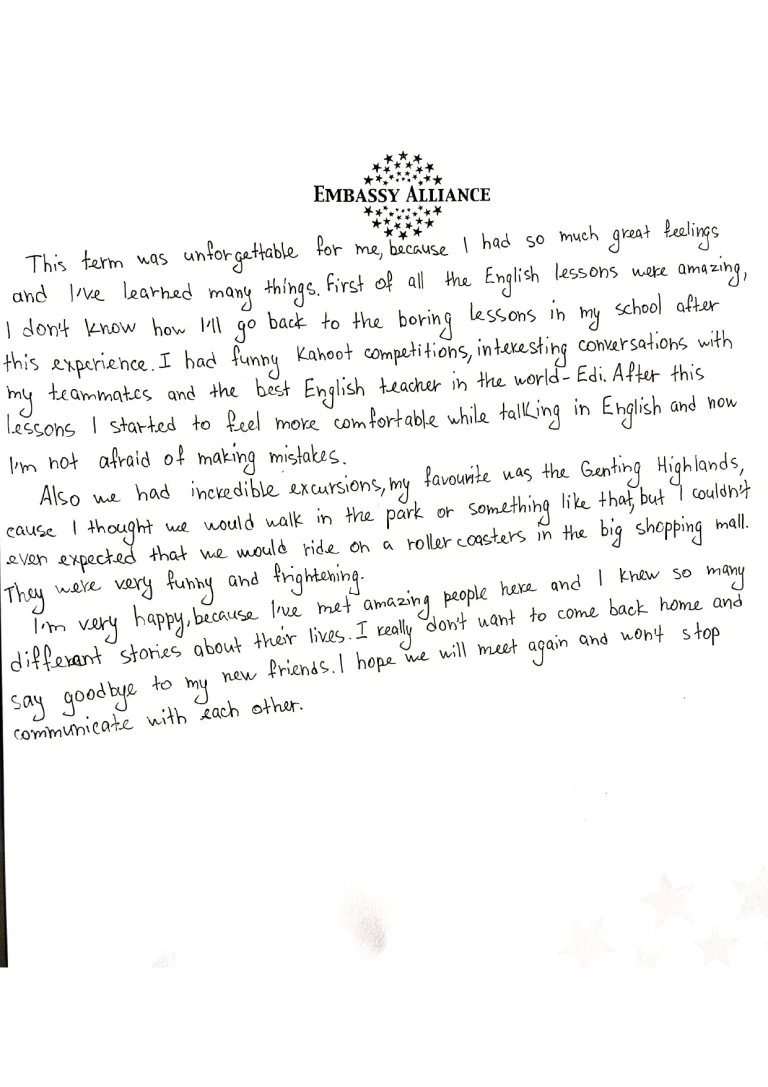
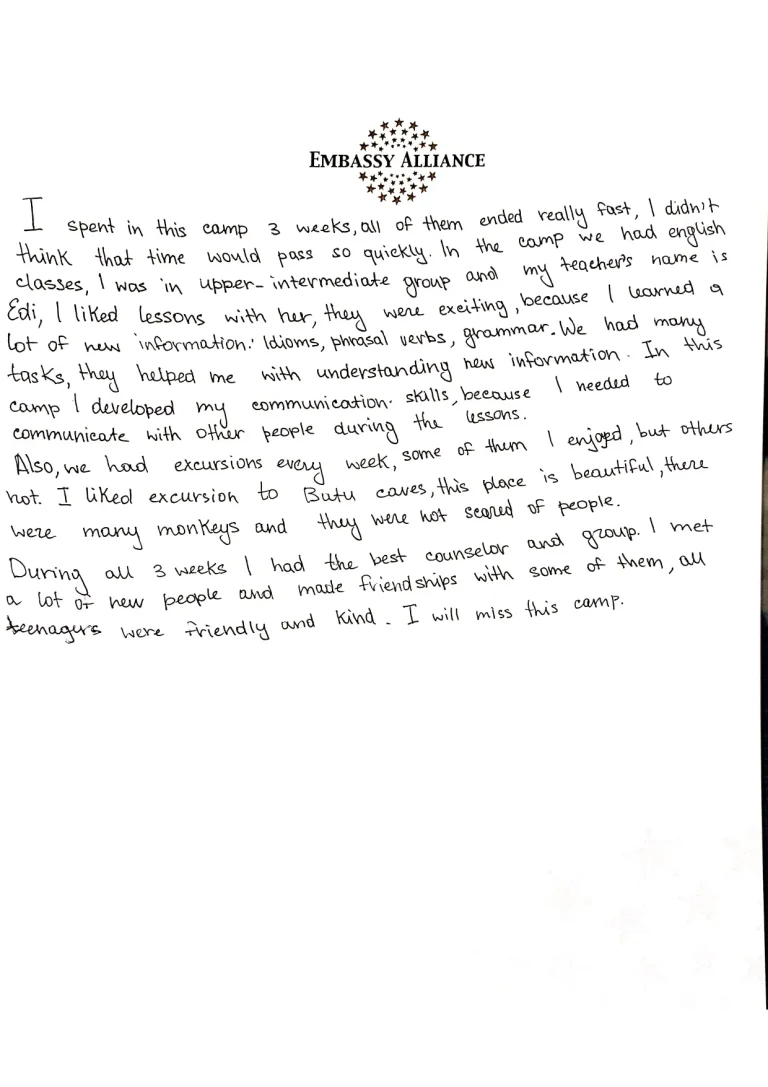
Empower Your Child’s Mind with Embassy Camps
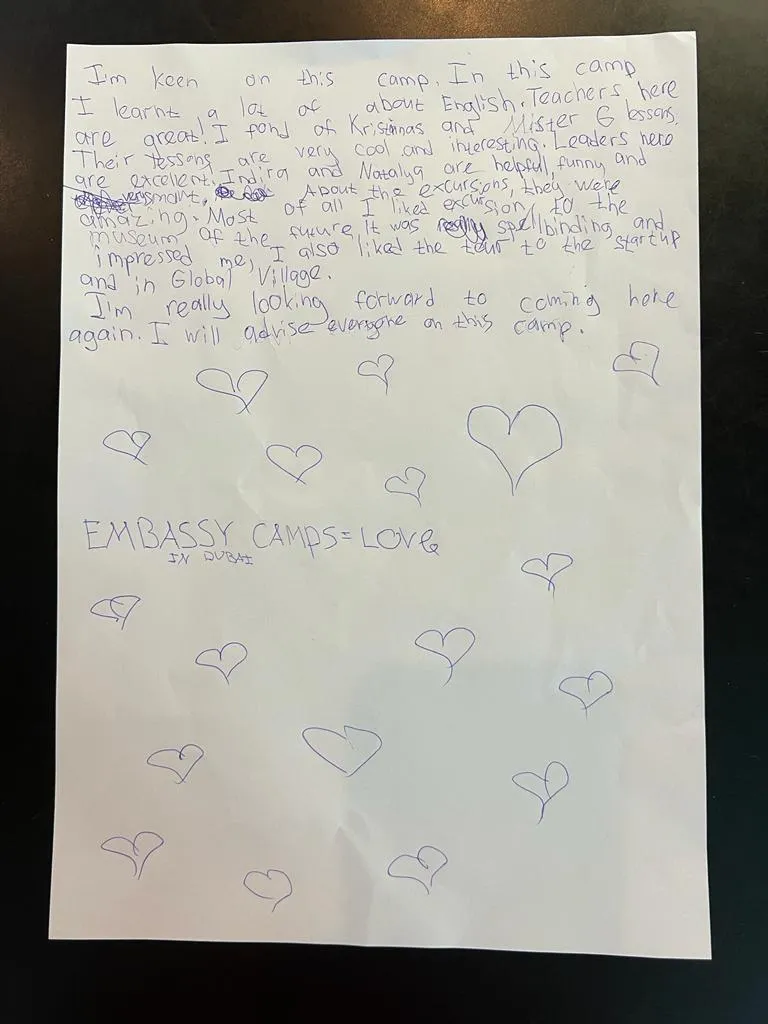
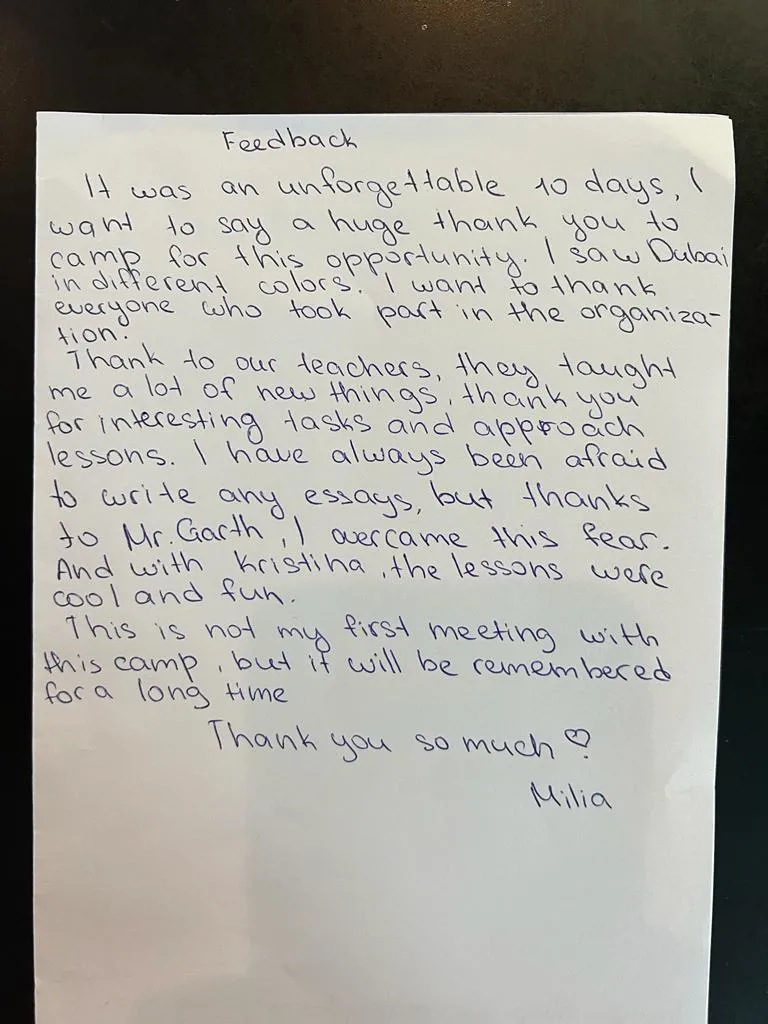
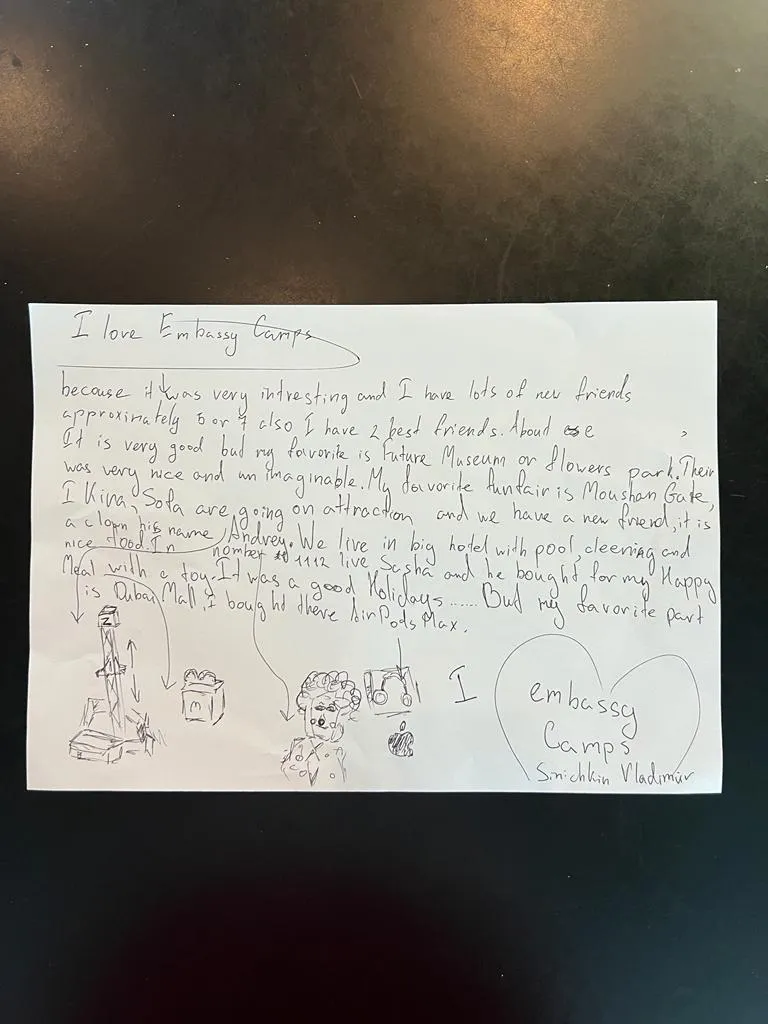
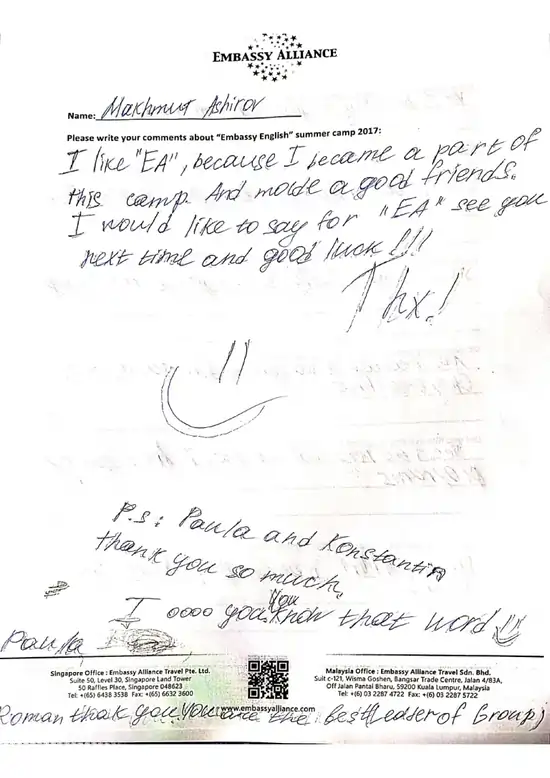
If you want to give your child more than just academic knowledge, if you want them to grow into confident, creative thinkers who solve problems with clarity, explore Embassy Camps. Our programs combine hands-on learning, interactive group projects, and real-world problem solving that naturally build critical thinking, decision-making, and teamwork. Each camp is designed to spark curiosity, nurture independence, and help children and teens develop the skills they’ll rely on for life.
Real User Thoughts on Developing Critical Thinking
Many parents, educators, and learners share similar experiences when practicing these skills. Here are a few natural comments gathered from real discussions:
“My son struggled with decision-making until we started playing simple strategy games. Now he thinks through his choices with more confidence.”
“As a teacher, nothing is more rewarding than watching students explain their reasoning. It shows they’re not just memorizing but truly understanding.”
“Critical thinking changed the way I consume news. I find myself checking sources, comparing details, and forming opinions based on facts instead of reactions.”
“I realized kids are capable of deeper thinking when adults stop rushing to correct them and start guiding them through the process.”
These reflections show how accessible and impactful critical thinking can be when practiced consistently.
Final Thoughts
Critical thinking skills are essential for navigating today’s world. They allow children, teens, and adults to evaluate information, solve problems, understand diverse perspectives, and make thoughtful decisions.
By encouraging curiosity, asking better questions, practicing analysis, and reflecting on experiences, anyone can develop strong critical thinking abilities.
Parents and educators play a powerful role in shaping these habits from an early age. When children learn to think critically, they grow into adults who understand complexity, communicate clearly, and approach challenges with confidence.
Developing critical thinking skills isn’t a one-time lesson; it’s a lifelong practice that prepares individuals for success in education, the workplace, and the real world.
FAQs
What is the first step in building critical thinking skills?
The first step is learning to ask clear, meaningful questions. Questions open the door to analysis, deeper understanding, and stronger reasoning.
How can parents help children develop critical thinking at home?
Parents can encourage curiosity, discuss everyday choices, play strategy games, and guide kids to explain their reasoning instead of giving quick answers.
Do critical thinking skills improve academic performance?
Yes. Students who analyze information, question sources, and explain their thought process typically understand lessons more deeply and perform better in school.
Can critical thinking be taught to very young children?
Absolutely. Young children develop early thinking skills through play, conversation, problem-solving, and age-appropriate decision-making.
How does critical thinking help in the workplace?
It supports smarter decisions, clearer communication, better problem-solving, and the ability to evaluate information before taking action.
What is the biggest barrier to strong critical thinking?
The biggest challenge is relying on assumptions or quick reactions instead of slowing down to examine facts, context, and multiple perspectives.