
Introduction: The Importance of Leadership Skills for Teens
In today’s fast-paced world, leadership skills for teens are essential. As teens face challenges both in school and their social lives, the ability to lead, make decisions, and communicate effectively plays a pivotal role in their development. By nurturing these skills, parents and mentors can help teens become more confident, resilient, and successful individuals.
The development of leadership skills not only helps teens thrive academically but also prepares them for the challenges of the real world. Strong leadership allows teens to work well with peers, solve problems effectively, and build meaningful relationships. As teens develop these critical skills, they also gain a deeper sense of self-improvement and empowerment, which contributes to their overall personal growth.
This guide will explore 15 essential leadership skills for teens, offering parents practical strategies to help their teens unlock their leadership potential and prepare them for future success.

What Are Leadership Skills for Teens?
Why Leadership Skills Matter for Teens
Leadership skills for teens are vital because they set the foundation for a young person’s success—both now and in the future. Developing these skills not only boosts teen empowerment but also plays a significant role in personal growth. When teens develop the ability to lead, they cultivate qualities such as confidence, empathy, and problem-solving that are invaluable in their personal and academic lives.
Teens with strong leadership skills are better equipped to handle the challenges they encounter in school, extracurricular activities, and their social lives. They learn to manage conflict, make informed decisions, and take initiative, all of which contribute to youth development. These qualities also help teens establish healthy relationships, communicate more effectively, and become better problem solvers in real-world situations.
Moreover, cultivating leadership abilities early on can give teens a head start in their future careers. Many organizations and colleges value leadership roles in young people, seeing them as indicators of self-motivation, resilience, and a strong work ethic. By encouraging leadership development in teens, parents and mentors can equip them with the tools they need to succeed academically and socially, setting them up for success in both college and the workforce.
How Parents Can Foster Leadership Skills in Teens
As a parent, you play a critical role in nurturing leadership skills for teens. While teens are naturally developing their abilities, your guidance and support can make all the difference in how effectively they develop these skills. Here are some practical ways parents can help their teens grow into confident, capable leaders:
- Encourage Active Participation: Get your teen involved in clubs, sports, or community service activities where they can assume leadership roles. This helps them practice teamwork, communication skills, and problem-solving.
- Model Leadership Qualities: Lead by example. Show integrity, positive communication, and empathy in your daily interactions. Teens often learn by observing, so demonstrating these qualities can have a profound impact on their behavior.
- Foster Independence: Allow your teen to take the lead in decision-making processes. Encourage them to think critically about the choices they make and to take responsibility for their actions, thus reinforcing self-improvement and accountability.
- Provide Feedback and Support: Offer constructive feedback when your teen demonstrates leadership qualities. Celebrate their successes and help them navigate setbacks with continuous learning.
Top 15 Leadership Skills for Teens: Every Teen Should Develop
Developing leadership skills for teens is a continuous process that involves various key qualities. By encouraging your teen to cultivate these skills, you help them become more confident, capable leaders in their academic, social, and personal lives. Here are 15 essential leadership skills for teens, each with actionable advice on how parents can support their teens in developing them:
1. Communication Skills
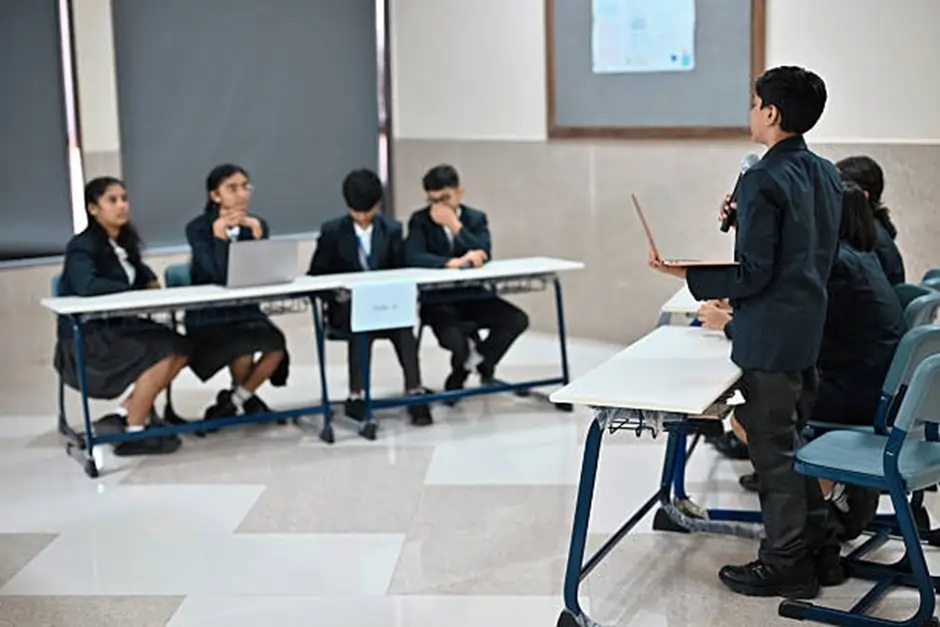
Effective communication skills are the cornerstone of leadership. Teens with strong communication abilities can express their ideas clearly and listen attentively to others. Encourage your teen to practice positive communication by engaging in conversations, asking open-ended questions, and honing their public speaking skills. The more they practice, the more comfortable they will become with expressing their thoughts in front of others.

2. Confidence Building
Good leaders are strong problem solvers. Teens with problem-solving skills can approach challenges calmly and develop creative solutions. Help your teen practice these skills by engaging in decision-making exercises. Discuss problems and potential solutions with them, offering guidance on how to weigh options and assess potential outcomes.

3. Problem-Solving
Good leaders are strong problem solvers. Teens with problem-solving skills can approach challenges calmly and develop creative solutions. Help your teen practice these skills by engaging in decision-making exercises. Discuss problems and potential solutions with them, offering guidance on how to weigh options and assess potential outcomes.

4. Teamwork
Effective leadership involves working well with others. Teamwork is essential for teens to learn how to collaborate, motivate others, and achieve common goals. Encourage your teen to participate in group activities or team sports, where they can practice collaboration, share responsibility, and learn how to lead by example.

5. Decision-Making
Teens must develop the ability to make informed decisions. Leadership requires making tough choices, and decision-making skills are essential. Support your teen in making their own decisions by discussing the potential consequences and weighing pros and cons together. This encourages them to take ownership of their choices and learn how to lead with confidence.

6. Empathy
Leaders with empathy understand and relate to the emotions of others. This quality helps teens build strong relationships and resolve conflicts effectively. Encourage your teen to practice active listening, validate others’ feelings, and put themselves in others’ shoes. Developing empathy will enable them to connect with their peers on a deeper level, making them more effective leaders.

7. Self-Discipline
Self-discipline is essential for any leader. It allows teens to stay focused on their goals, manage their time effectively, and follow through on their commitments. Help your teen build self-discipline by encouraging them to set clear, achievable goals and stay organized. Rewarding progress, rather than just the result, can also help reinforce disciplined behavior.

8. Accountability
Leaders take responsibility for their actions and decisions. Encourage your teen to practice accountability by owning up to their mistakes, learning from them, and striving to improve. This teaches them the importance of integrity and builds trust with others. Accountability also helps teens develop a strong sense of responsibility in leadership roles.

9. Integrity
Integrity is the foundation of effective leadership. Teens with integrity are honest, ethical, and make decisions based on a strong moral compass. Model integrity for your teen by being truthful, transparent, and consistent in your actions. Encourage your teen to do the same, helping them understand that being a good leader means staying true to one’s values.

10. Adaptability
Good leaders are adaptable and flexible in the face of change. Encourage your teen to embrace adaptability by exposing them to different situations that require quick thinking and flexibility. By learning how to adjust to new circumstances, teens will build resilience and strengthen their leadership skills.

11. Leadership Roles
Taking on leadership roles provides teens with hands-on experience in managing people and making decisions. Encourage your teen to take on leadership positions in clubs, teams, or community service projects. Whether it’s organizing an event or managing a group task, these roles offer practical ways for teens to practice leadership development.

12. Vision and Goal-Setting
Great leaders have a clear vision and set goals to achieve it. Help your teen develop vision by encouraging them to set both short-term and long-term goals. Support them in creating action plans to reach those goals, and teach them the importance of revising their plans as they grow and learn.

13. Positive Attitude
A positive attitude helps leaders stay motivated and inspire others. Encourage your teen to maintain an optimistic outlook, even when facing challenges. A positive mindset enables teens to approach problems with solutions in mind and boosts their confidence as they strive to achieve their goals.

14. Resilience
Leadership is about bouncing back from setbacks. Resilience helps teens recover from failure and try again. Teach your teen that failure is a natural part of life and that each mistake is an opportunity to learn and grow. By embracing resilience, teens will develop the strength to overcome challenges and persist in their leadership journey.
15. Mentorship and Role Modeling
Effective leaders not only seek mentorship but also offer guidance to others. Encourage your teen to find mentors who can guide their leadership journey. At the same time, encourage them to mentor others, providing advice and support to peers. This creates a cycle of leadership growth and helps them develop role modeling abilities that will serve them well in the future.

How Summer Camps Can Build Leadership Skills for Teens
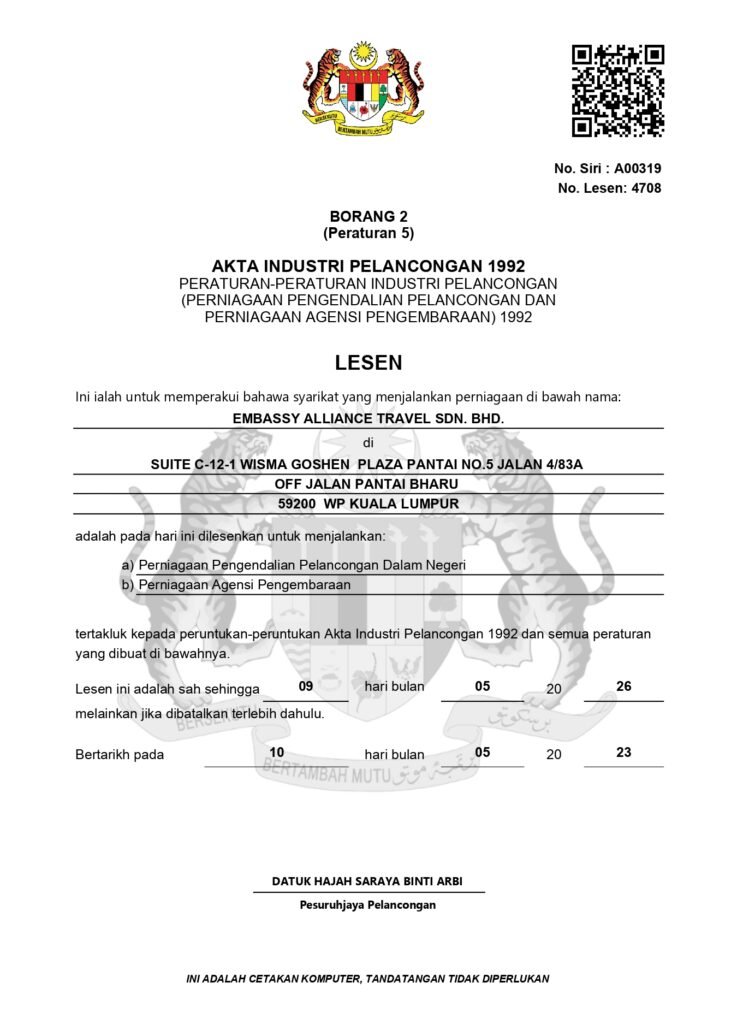
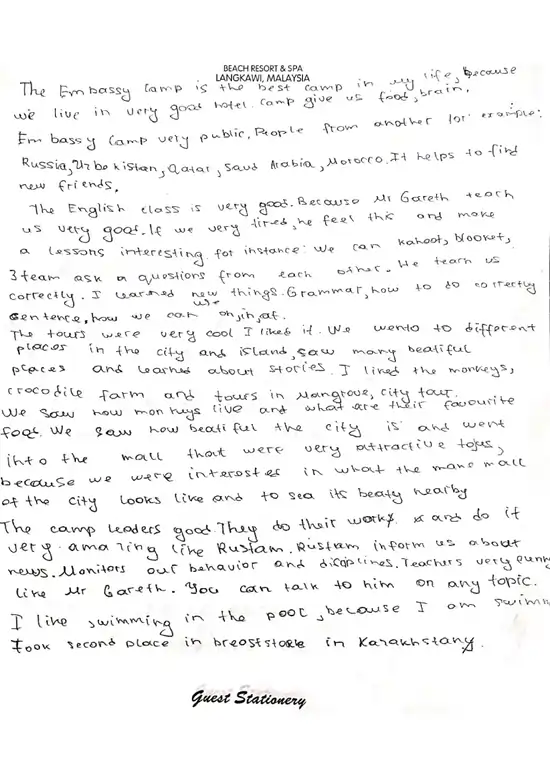
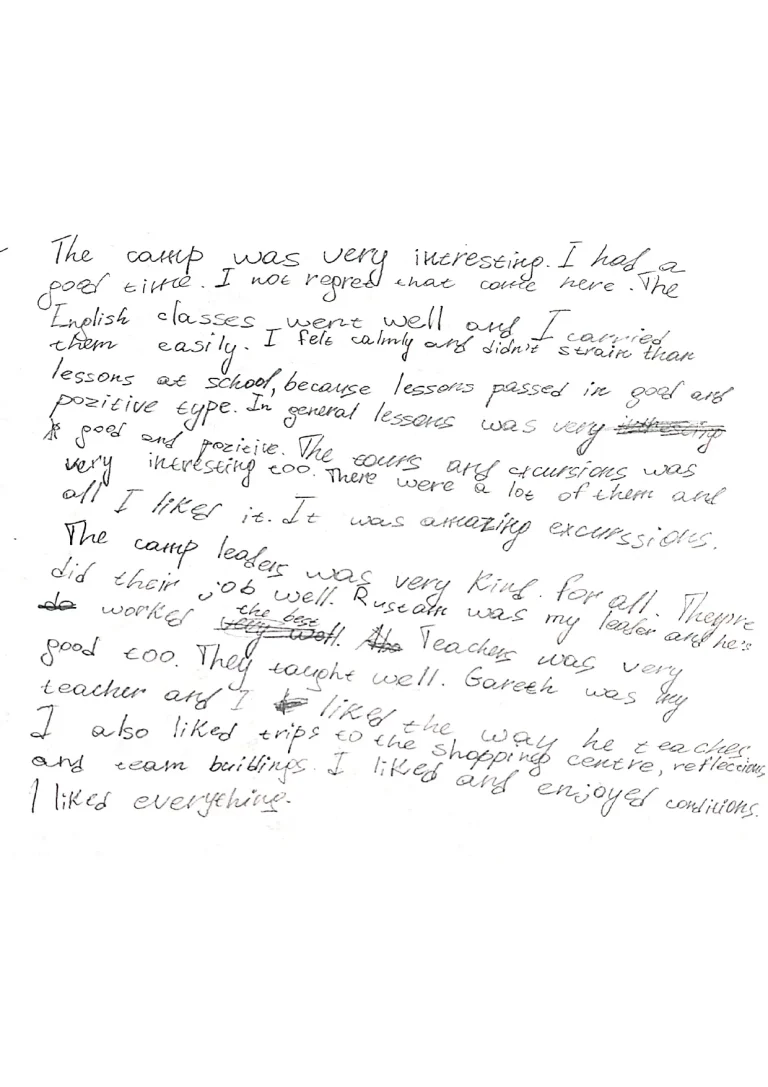
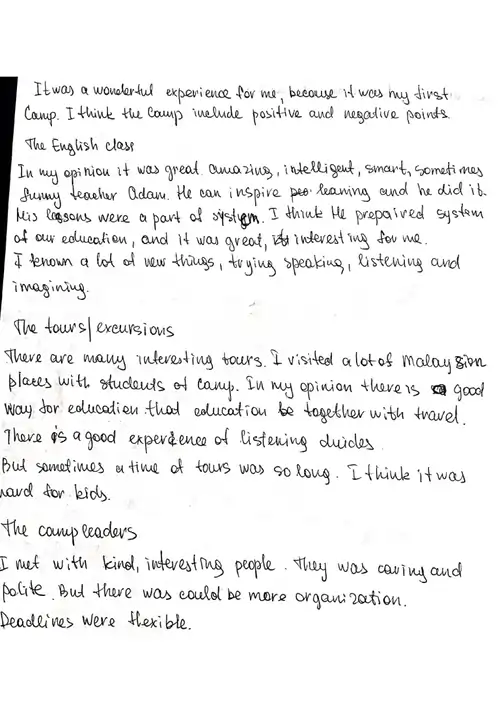
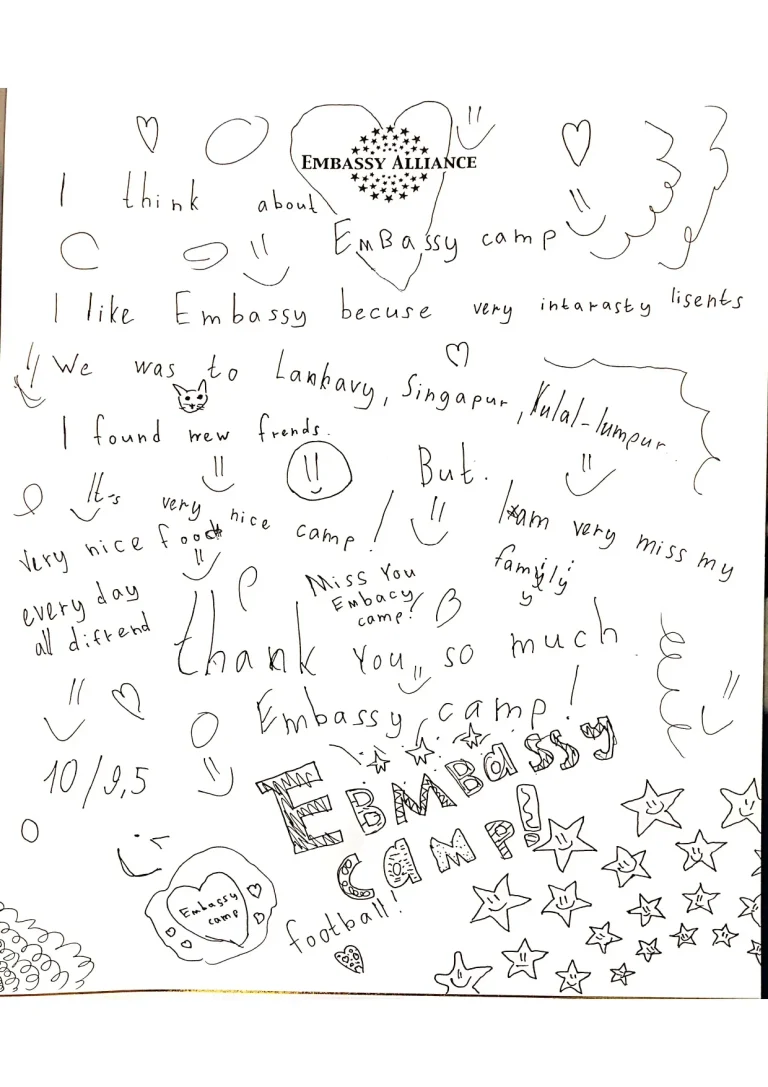
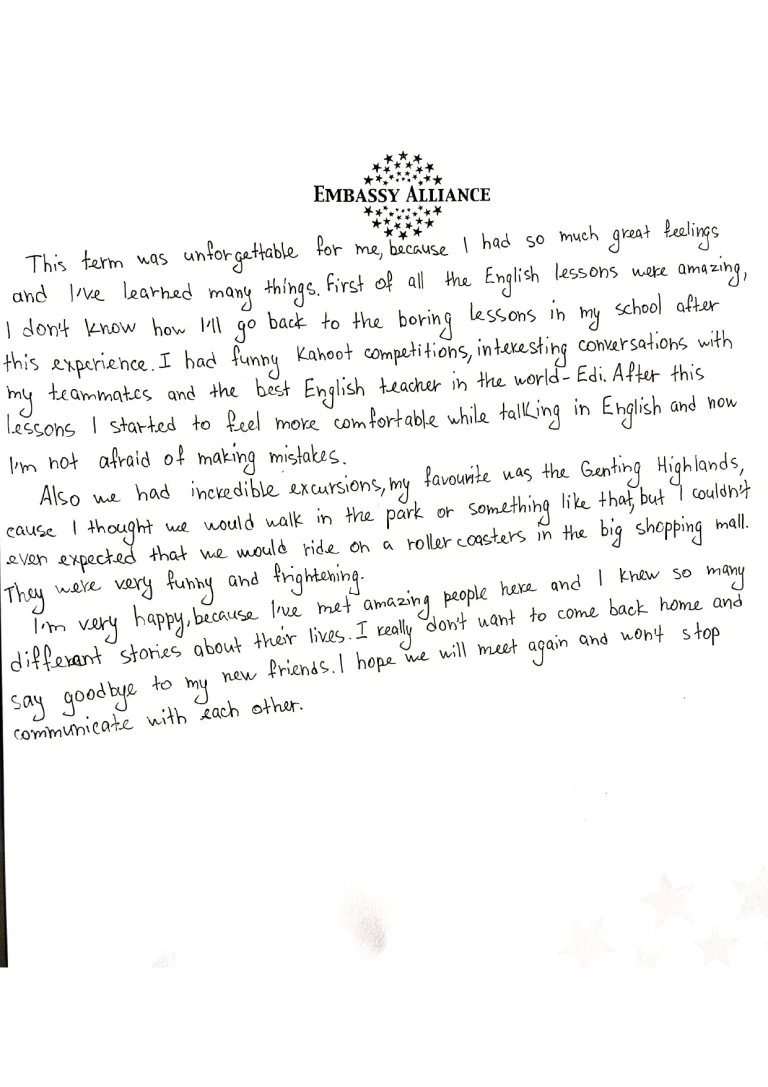
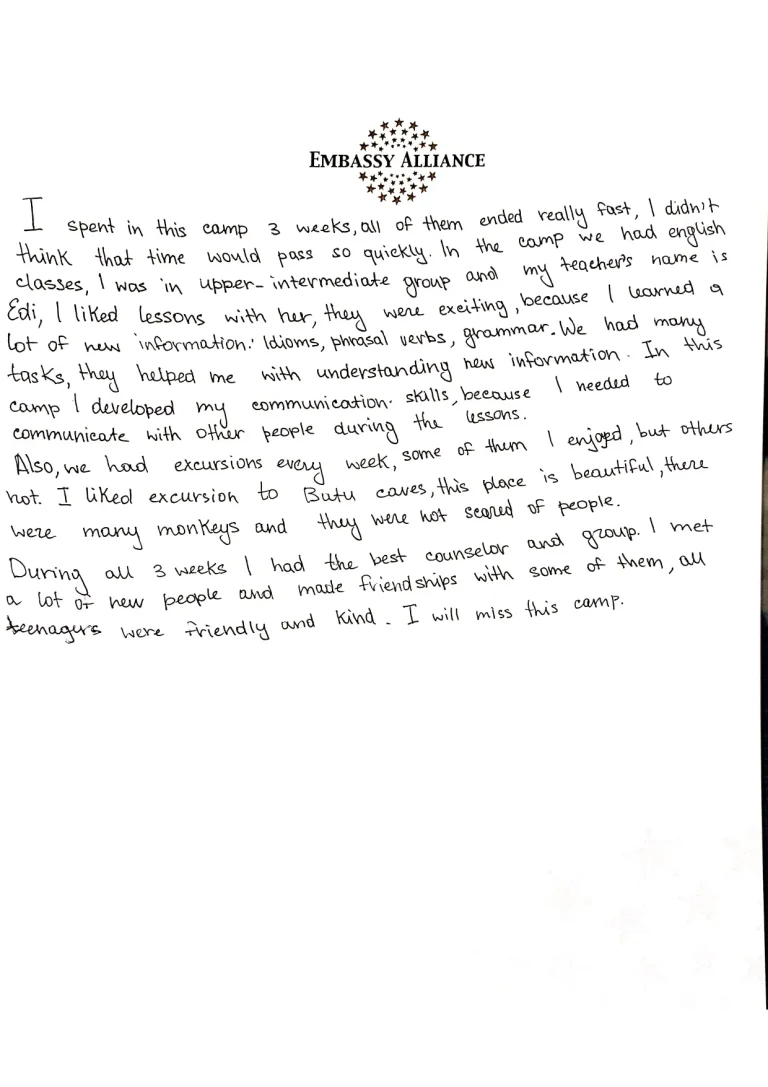
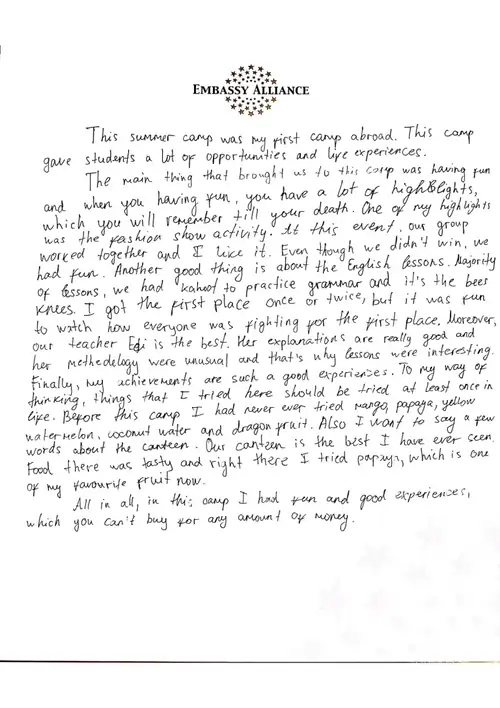
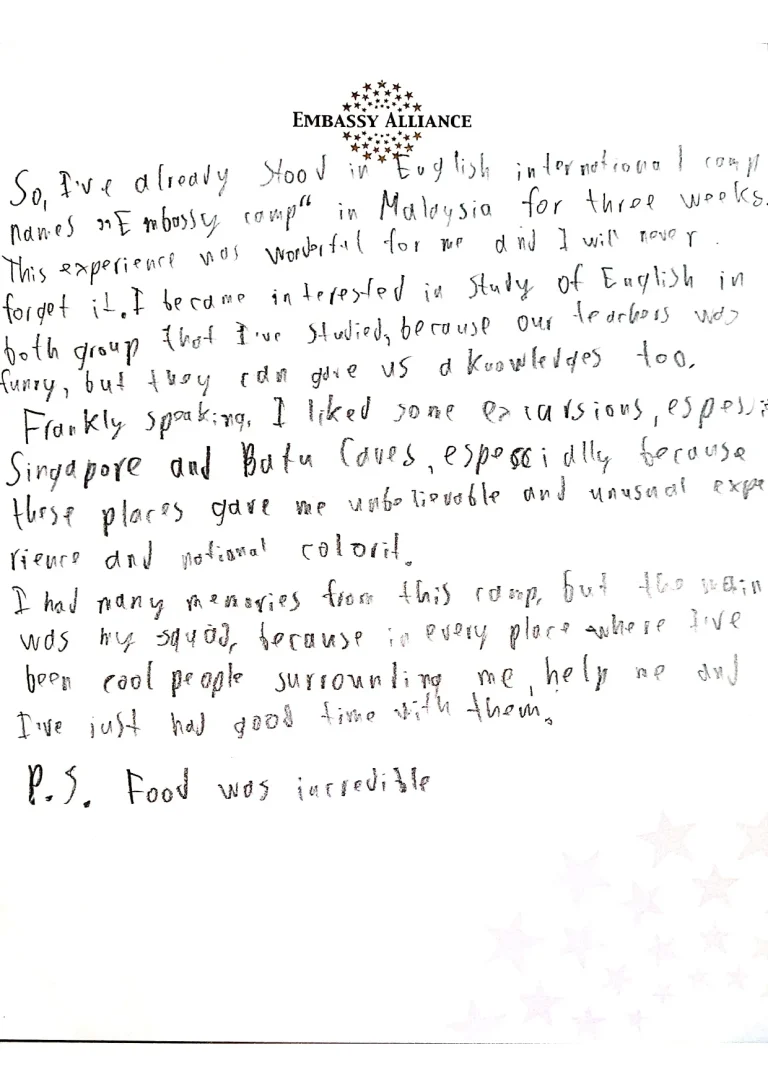
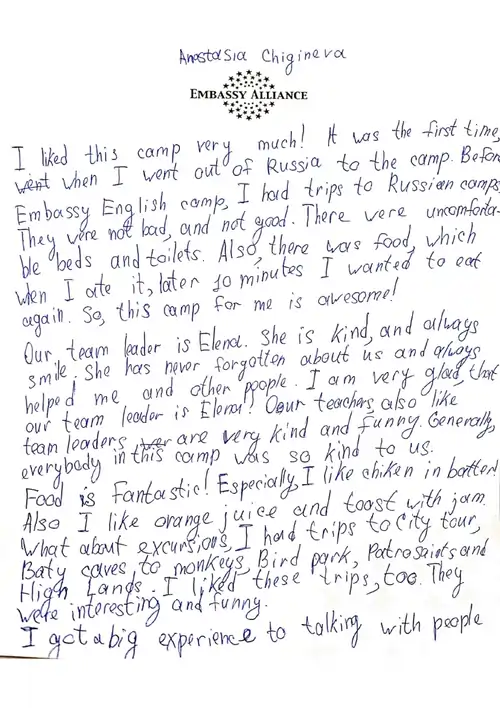
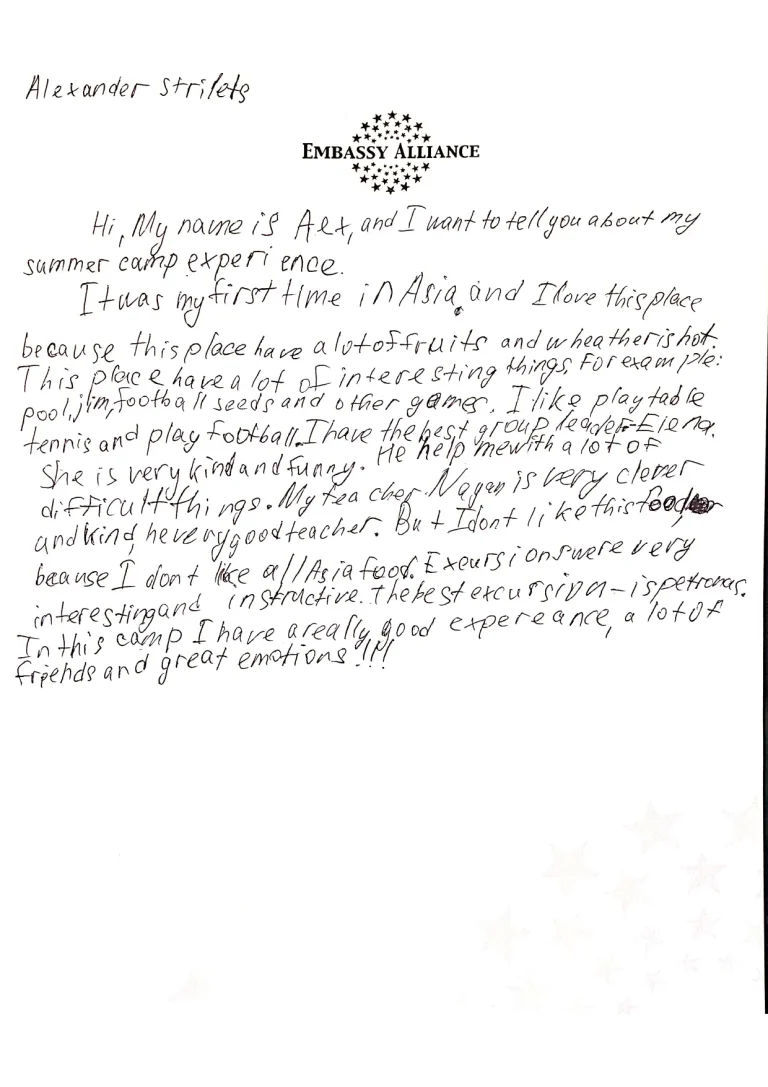
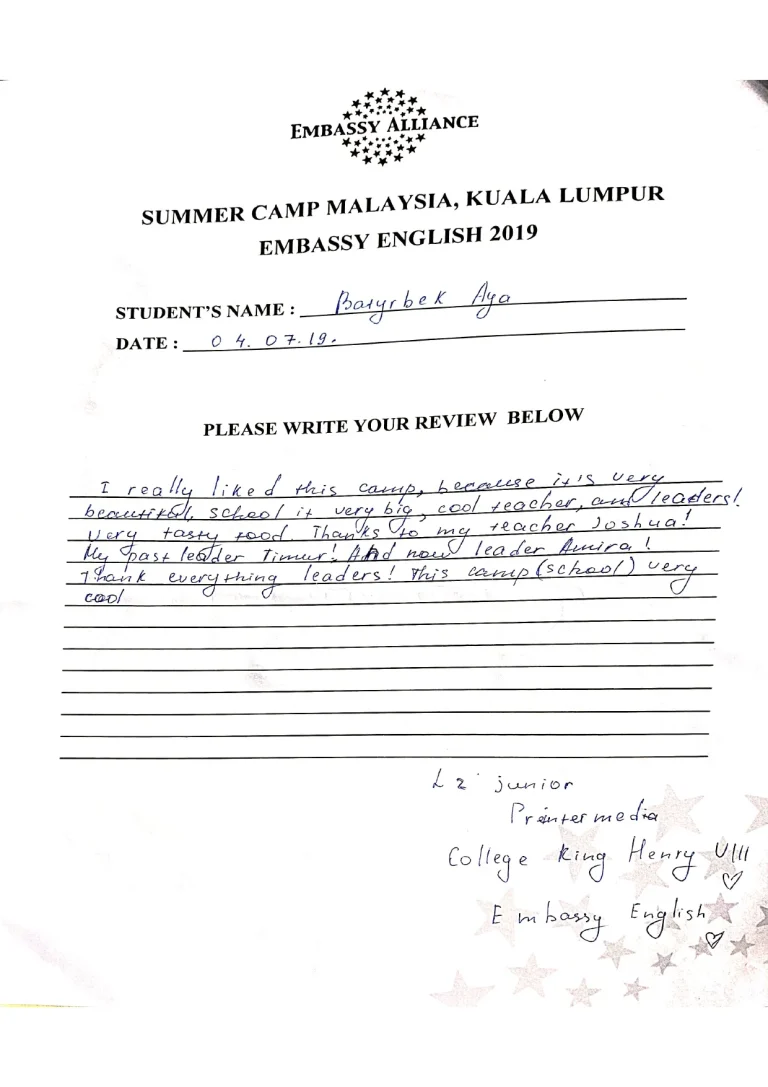
Summer camps provide an excellent environment for teens to develop and strengthen leadership skills in a dynamic, hands-on setting. Programs like those offered by Embassy Camp are specifically designed to help teens gain valuable experiences in leadership roles, foster teamwork, and practice effective communication skills. These experiences go beyond the classroom, offering a real-world context for teens to practice and refine their leadership abilities.
At Embassy Camp, teens engage in group activities, team-building exercises, and challenges that push them to think critically, solve problems, and collaborate with others. By stepping into leadership roles in these activities, teens learn how to motivate others, manage responsibilities, and handle conflict—all while developing strong interpersonal skills and building confidence.
One of the key benefits of leadership development programs like those at Embassy Camp is the opportunity to interact with peers from diverse backgrounds. This exposure to different perspectives encourages empathy and promotes the importance of working together toward common goals. As teens work with others, they learn how to communicate effectively, listen actively, and lead with integrity.
Furthermore, camps provide a safe space where teens can take risks, make decisions, and handle challenges in a supportive environment. Whether leading a team during a sports activity or organizing a community service project, these experiences teach teens that leadership is about more than just authority—it’s about role modeling positive behaviors, taking initiative, and empowering others.
Overall, Leadership camps offer the ideal setting for teens to practice the leadership skills they need to succeed both in and outside of school, setting the stage for personal growth and youth empowerment.
Help Your Teen Unlock Their Leadership Potential
Leadership grows through experience. Embassy Camps provide teens with hands-on activities that strengthen responsibility, decision making and teamwork in a supportive international environment.
Conclusion: Empowering Your Teen with Leadership Skills
Developing leadership skills for teens is one of the most valuable gifts parents can give to their children. These skills not only help teens succeed academically and socially but also prepare them for the challenges of adulthood. Whether it’s through participating in school activities, engaging in community service, or attending leadership-focused programs like those offered at Embassy Camp, teens have numerous opportunities to build confidence, enhance communication skills, and learn to solve problems effectively.
By nurturing qualities such as self-discipline, empathy, and decision-making, parents can guide their teens toward becoming good leaders who lead by example, inspire others, and contribute positively to their communities. These skills are crucial not only for immediate success but also for long-term personal growth and youth empowerment.
The development of leadership qualities helps teens navigate the complexities of their teenage years and sets them up for future opportunities. Whether through mentorship, practice, or real-life experiences, every step taken to build leadership skills is an investment in your teen’s future. So, encourage them to take initiative, explore new challenges, and embrace their potential as teen leaders.
By helping your teen develop leadership skills, you are preparing them for success in the real world, equipping them with the tools they need to face challenges head-on and become leaders in their own right.
FAQs
What are the 5 R's of leadership?
The 5 R's of leadership include:
Respect – Value others' opinions and treat everyone with dignity.
Responsibility – Own your actions and decisions with accountability.
Resilience – Stay adaptable and strong during challenges.
Relationships – Build positive connections and teamwork.
Results – Focus on achieving meaningful goals.
What are the 4 C's of leadership?
The 4 C’s of leadership are:
Communication – Express ideas clearly and listen well.
Collaboration – Work effectively with others.
Critical Thinking – Analyze situations and make wise decisions.
Creativity – Encourage innovative ideas and solutions.
What are the top 10 leadership skills of great leaders?
The top 10 leadership skills include:
Communication, Emotional Intelligence, Vision, Decision-Making, Integrity,
Adaptability, Problem-Solving, Empathy, Delegation, and Confidence.
What are the 5 P's of leadership?
The 5 P’s of leadership include:
Purpose – Clear direction and mission.
Passion – Genuine enthusiasm and commitment.
Performance – Delivering consistent results.
People – Valuing and supporting teams.
Persistence – Staying determined through challenges.
What are the ABCD of leadership?
The ABCD of leadership include:
A – Attitude – Positive mindset that motivates others.
B – Belief – Confidence in yourself, the team, and the vision.
C – Communication – Sharing and listening effectively.
D – Determination – Strong will to achieve goals.
What are the 7 most powerful leadership skills?
The 7 most powerful leadership skills include:
Communication, Emotional Intelligence, Visionary Thinking, Decision-Making,
Integrity, Adaptability, and Empowerment.
What are the 8 habits of great leaders?
The 8 habits of great leaders include:
Self-Reflection, Continuous Learning, Active Listening, Lead by Example,
Time Management, Building Trust, Empathy, and Resilience.