

Choosing the right camp season is one of the most important decisions parents make when planning meaningful experiences for their teenagers. The debate around summer vs winter camps often goes beyond weather or school holidays. It touches academic progress, personal development, social exposure, and long-term benefits for a teen’s growth.
For families exploring Winter Camps or traditional summer programs across global destinations like Singapore, Malaysia, Dubai, and Korea, the real question is not which season is better, but which season suits your teen’s needs, personality, and goals.
This guide breaks down summer vs winter camps in a clear, structured way to help parents make a confident and informed decision.
Understanding Seasonal Camps for Teens (Ages 10–17)
Seasonal camps are short-term international programs designed to combine learning, skill building, cultural exposure, and structured supervision. Both summer and winter camps follow this core idea, but the format, intensity, and outcomes differ based on the season.
At the 10–17 age range, camps must balance:
- Academic engagement without school pressure
- Age-appropriate independence
- Personal confidence and social skills
- Safety, structure, and supervision
That balance looks different in summer vs winter camps.
What Are Summer Camps?
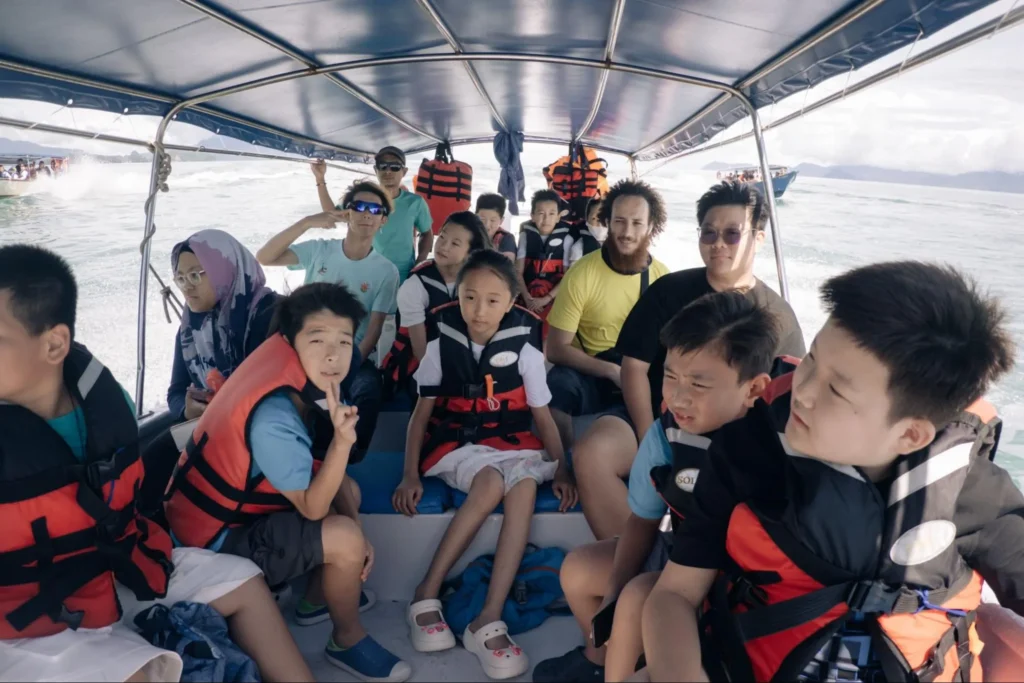
Summer camps typically run during long school holidays and offer extended programs lasting two to four weeks. They are designed for immersive learning, social bonding, and exploration.
Common Features of Summer Camps
- Longer duration and deeper curriculum coverage
- Outdoor activities alongside academics
- Language immersion and leadership projects
- Multinational student groups
- Gradual skill development over time
Summer camps often focus on holistic growth, giving teens the time and space to adapt, build friendships, and gain independence at a comfortable pace.
What Are Winter Camps?

Winter camps are shorter, more focused programs usually held during year-end or mid-year breaks. They are ideal for teens who prefer structured, goal-oriented learning experiences.
Common Features of Winter Camps
- Shorter duration, usually one to two weeks
- Intensive academic or skill-specific focus
- Smaller groups and tighter schedules
- Cultural exposure without long separation from home
- Strong emphasis on discipline and learning efficiency
Winter Camps appeal to families looking for productive use of limited holiday time without committing to long programs.
Summer vs Winter Camps: Core Differences at a Glance
| Factor | Summer Camps | Winter Camps |
|---|---|---|
| Program Length | 2–4 weeks | 1–2 weeks |
| Learning Style | Exploratory and immersive | Intensive and focused |
| Academic Depth | Gradual and comprehensive | Condensed and targeted |
| Social Interaction | Extended bonding and friendships | Smaller, close-knit groups |
| Ideal For | First-time campers, younger teens | Mature teens, repeat campers |
| Weather & Activities | Outdoor, excursions, sports | Indoor learning, cultural tours |
| Flexibility | High | Moderate |
This comparison is central when parents evaluate summer vs winter camps for long-term value.
Academic and Skill Development: Which Season Delivers More?
Academic outcomes vary more by program design than season, but seasonal structure still matters.
Academic Learning in Summer Camps
Summer camps support:
- English language immersion through daily use
- Project-based learning in leadership, innovation, and communication
- Confidence in public speaking and teamwork
- Gradual improvement without academic pressure
For teens aged 10–14, summer programs often deliver better results due to extended exposure and relaxed pacing.
Academic Learning in Winter Camps
Winter camps excel at:
- Focused English improvement
- Skill refresh or exam-adjacent learning
- Leadership workshops and future skills
- Cultural education with academic structure
Older teens aged 15–17 often thrive in winter camps due to maturity and focus.
Personal Growth and Independence by Season
Beyond academics, camps shape independence, confidence, and social maturity.
How Summer Camps Support Personal Growth
- More time to adjust to a new country and environment
- Strong friendships through shared experiences
- Higher emotional resilience and adaptability
- Independence built gradually
Summer programs are especially beneficial for first-time international campers.
How Winter Camps Shape Personal Discipline
- Faster adaptation to routines
- Improved time management skills
- Confidence through achievement in a short timeframe
- Strong mentor-student engagement
For teens who already have travel experience, winter camps can feel empowering and efficient.
Age-Based Recommendations: Summer vs Winter Camps
| Age Group | Recommended Season | Reason |
|---|---|---|
| 10–12 | Summer Camps | Gentle adjustment, longer support |
| 13–14 | Summer Camps | Balanced learning and social growth |
| 15–17 | Winter Camps or Summer Camps | Depends on maturity and goals |
Global Destinations and Seasonal Suitability
Different destinations shine in different seasons.
Summer Camp Destinations
- Singapore: English immersion, safety, multicultural exposure
- Malaysia: Balanced academics, cultural exploration
- Korea: Language plus innovation and culture
Winter Camp Destinations
- Dubai: Future skills, innovation, structured learning
- Singapore: Short academic intensives
- Malaysia: Focused English and leadership camps
This geographic flexibility is an important factor when evaluating summer vs winter camps globally.
Cost, Value, and Time Investment
Summer camps usually cost more due to longer duration but offer higher experiential value. Winter camps are cost-efficient and time-efficient, especially for families with packed academic calendars.
Parents should assess:
- Time availability
- Desired outcomes
- Budget versus long-term value
How Embassy Camp Designs Both Summer and Winter Programs
Embassy Camp designs its seasonal programs with age-specific structure, academic depth, and student wellbeing at the core.
Embassy Camp Summer Programs Focus On
- English immersion through daily practice
- Leadership, teamwork, and communication
- Cultural excursions and experiential learning
- Safe residential environments with supervision
Embassy Camp Winter Programs Focus On
- Skill-based academic intensives
- Smaller groups and personalized attention
- Innovation, future skills, and English mastery
- Productive use of short school breaks
Across destinations like Singapore, Malaysia, Dubai, and Korea, Embassy Camp ensures consistency in quality while adapting learning styles to the season.
Parents Decision Tree: How to Choose the Right Camp Season for Your Teen
Use this simple decision framework to determine whether summer vs winter camps are the best fit for your teen. Start at the top and follow the path that most closely matches your child.
Step 1: Is This Your Teen’s First International Camp?
Yes
→ Choose Summer Camps
Longer duration allows gradual adjustment, confidence building, and emotional comfort.
No
→ Move to Step 2
Step 2: What Is Your Teen’s Age and Maturity Level?
Aged 10–14
→ Choose Summer Camps
Younger teens benefit from immersive learning, flexible schedules, and social bonding time.
Aged 15–17
→ Move to Step 3
Step 3: What Is the Primary Goal?
Improve English, confidence, teamwork, and independence
→ Choose Summer Camps
Develop specific skills, leadership, or academic focus in limited time
→ Choose Winter Camps
Step 4: How Much Holiday Time Is Available?
3–4 weeks available
→ Summer Camps offer deeper learning and long-term impact.
1–2 weeks available
→ Winter Camps provide efficient, high-impact learning.
Step 5: Learning Style of Your Teen
| Teen Learning Style | Recommended Option |
|---|---|
| Explorative, social, adaptable | Summer Camps |
| Focused, disciplined, goal-driven | Winter Camps |
| Hesitant or first-time traveler | Summer Camps |
| Experienced, confident traveler | Winter Camps |
Quick Recommendation Summary for Parents
Choose Summer Camps if your teen:
- Is new to international programs
- Needs confidence and language immersion
- Learns better through exploration and experience
Choose Winter Camps if your teen:
- Is academically driven and independent
- Has limited holiday time
- Wants focused, outcome-based learning
How Embassy Camp Supports the Right Choice
Embassy Camp helps parents choose the right season, not just a popular one. Programs are designed so that teens can begin with summer camps and naturally progress into winter camps as their maturity and goals evolve.
This approach ensures:
- Age-appropriate learning
- Smooth transition between seasons
- Long-term academic and personal growth
Ready to book your teen’s summer?
Give your teen a summer that blends travel, new friends, and future-ready skills. Embassy Camps offers international programs in Malaysia, Bali, Singapore, and Dubai, combining memorable trips with valuable skills such as AI applications, touch typing, speed reading, mental math, and English language proficiency.
Why parents choose Embassy Camps
- International locations with a balanced mix of learning and exploration.
- Future-ready curriculum, from English to AI and study skills.
- Caring, trained staff and structured supervision for peace of mind.
- Residential and travel formats for teens who want deeper immersion.
What happens at camp
Teens participate in collaborative workshops, cultural excursions, and coached practice sessions that build confidence, critical thinking, and communication skills.
Next step: Visit the official site to explore dates, locations, and availability, then talk to a specialist.
Frequently Asked Questions About Summer vs Winter Camps
What is the main difference between summer vs winter camps?
The main difference between summer vs winter camps is duration and learning intensity. Summer camps last longer and focus on immersive learning and personal growth, while winter camps are shorter and more intensive, concentrating on specific academic or skill-based outcomes.
Are summer camps better than winter camps for younger teens?
Yes, summer camps are generally better for teens aged 10–14. The longer duration allows younger students to adjust gradually, build confidence, and develop social skills without pressure. This makes summer camps ideal for first-time international camp experiences.
Who should choose winter camps instead of summer camps?
Winter Camps are better suited for older teens aged 15–17 who are independent, goal-oriented, and comfortable with structured learning. Winter camps work well when students have limited holiday time but want focused academic or skill development.
Do winter camps provide the same academic value as summer camps?
Yes, winter camps provide strong academic value but in a different format. While summer camps offer gradual learning and immersion, winter camps deliver concentrated learning outcomes in a shorter timeframe. The effectiveness depends on the teen’s learning style and maturity.
How do parents decide between summer vs winter camps?
Parents should consider:
- Their teen’s age and maturity level
- Academic and personal development goals
- Comfort with international travel
- Available holiday time
Choosing between summer vs winter camps is about matching the season to the teen’s readiness, not choosing one season as universally better.
Are international winter camps safe for teens?
Yes, reputable winter camps follow strict supervision, accommodation, and safety standards. Programs are structured, monitored, and designed specifically for teens, ensuring safety even during shorter, high-intensity programs.
Which destinations work best for summer camps?
Popular summer camp destinations include Singapore, Malaysia, and Korea. These locations offer safe environments, strong educational infrastructure, and multicultural exposure that support long-term learning and personal growth.
Which destinations are better suited for winter camps?
Winter camps perform especially well in destinations like Dubai, Singapore, and Malaysia, where weather conditions, infrastructure, and learning facilities support focused academic and leadership programs during short breaks.
Can a teen attend both summer and winter camps?
Yes, many families choose a progression approach. Teens often start with summer camps to build confidence and later attend winter camps for advanced skills. This combination creates balanced academic and personal development over time.
How does Embassy Camp support both summer and winter learning goals?
Embassy Camp designs both summer and winter programs with age-appropriate structure, academic depth, and student wellbeing in mind. Program intensity, duration, and learning methods are adapted by season while maintaining consistent quality and supervision across all destinations.
Final Thoughts for Parents
When deciding between Summer vs Winter Camps, focus less on the calendar and more on your teen’s readiness, learning style, and long-term goals. Both seasons offer powerful opportunities when programs are well-structured and age-appropriate.
Embassy Camp’s global programs are designed to support academic excellence, personal confidence, and international exposure, regardless of season. With the right choice, seasonal camps become more than holidays. They become milestones in your teen’s growth journey.