


Every year, as summer approaches, the same question surfaces in millions of households: Do I send my teenager to a summer camp or enrol them in a summer school program?
It sounds like a simple choice. But the more you look into it, the more complex it becomes. Both options promise growth, learning, and memorable experiences. But they do it in completely different ways, and what works brilliantly for one teen might be the wrong fit for another.
This guide breaks down the summer camp vs summer school debate honestly, drawing on real experiences from parents and teens worldwide. By the end, you will know exactly which option suits your child, their goals, and your family.
What Is a Summer Camp, Exactly?

A summer camp is a structured residential or day program where teenagers participate in a mix of experiential activities, team-building exercises, outdoor adventures, and skill-based workshops. The learning happens mostly through doing, not sitting in a classroom.
Modern summer camps, especially international ones, go far beyond the traditional campfire-and-canoe image. Today’s programs blend cultural immersion, leadership development, language enrichment, and personal growth into a single immersive experience.
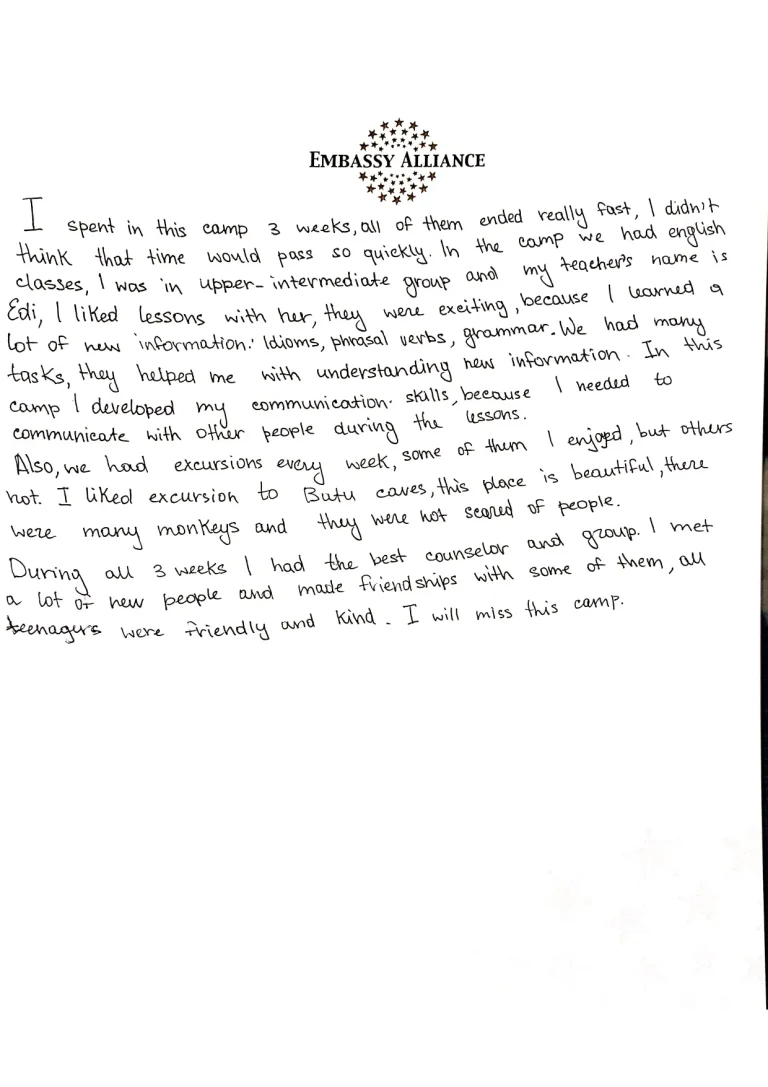
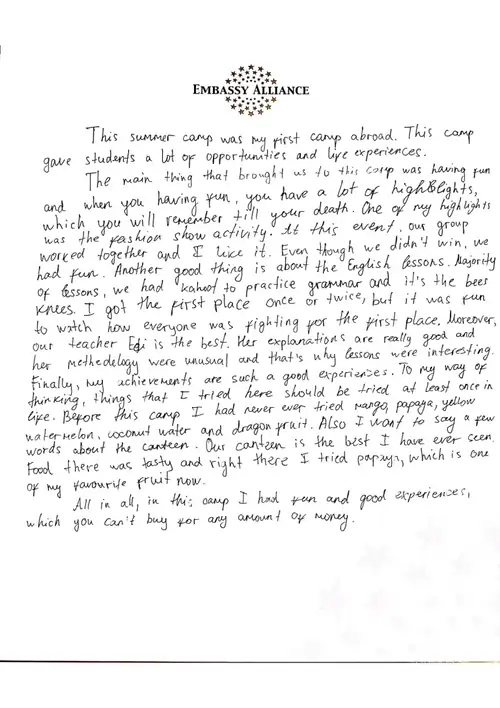
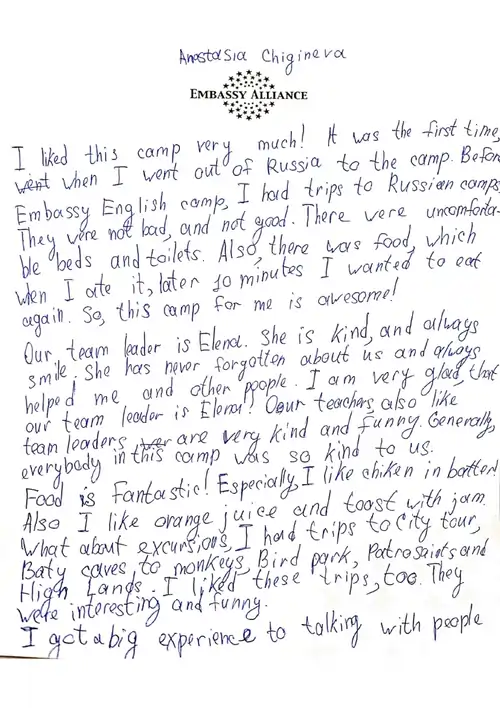
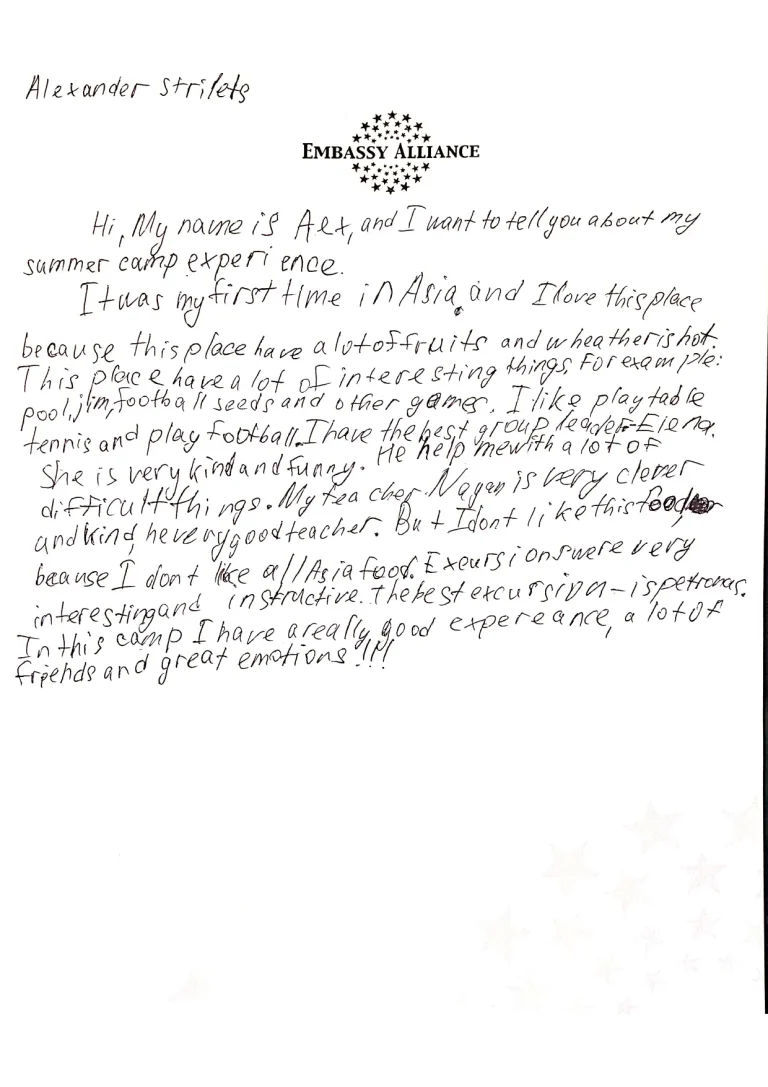
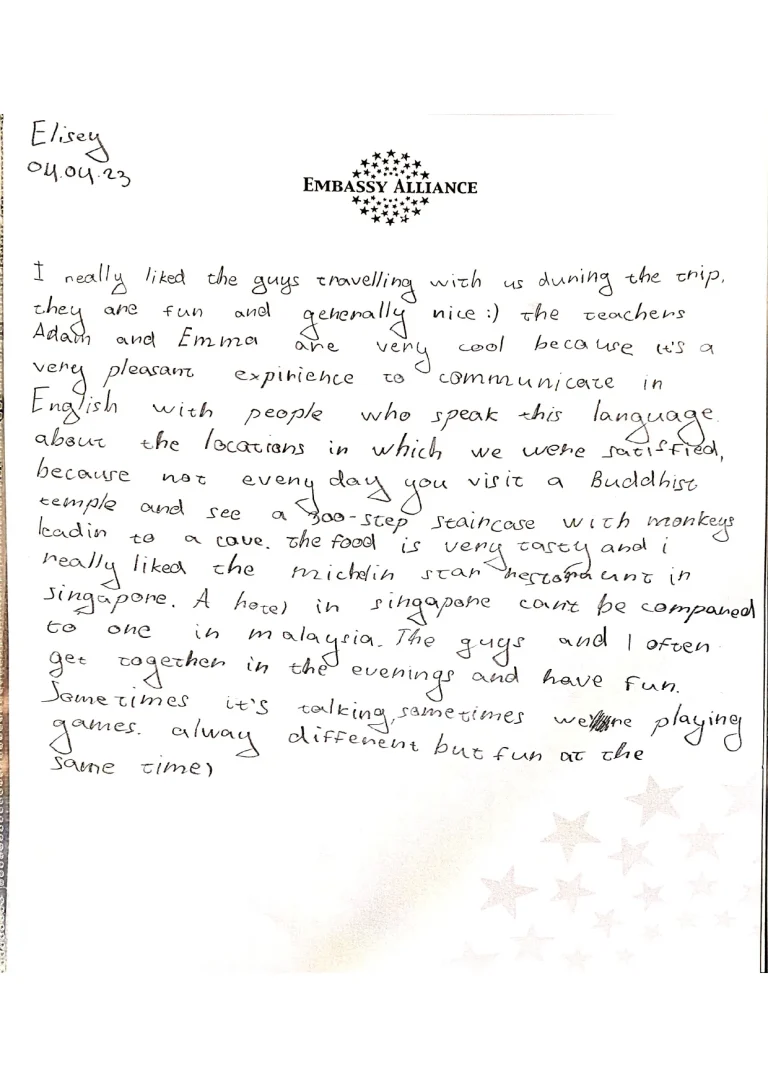
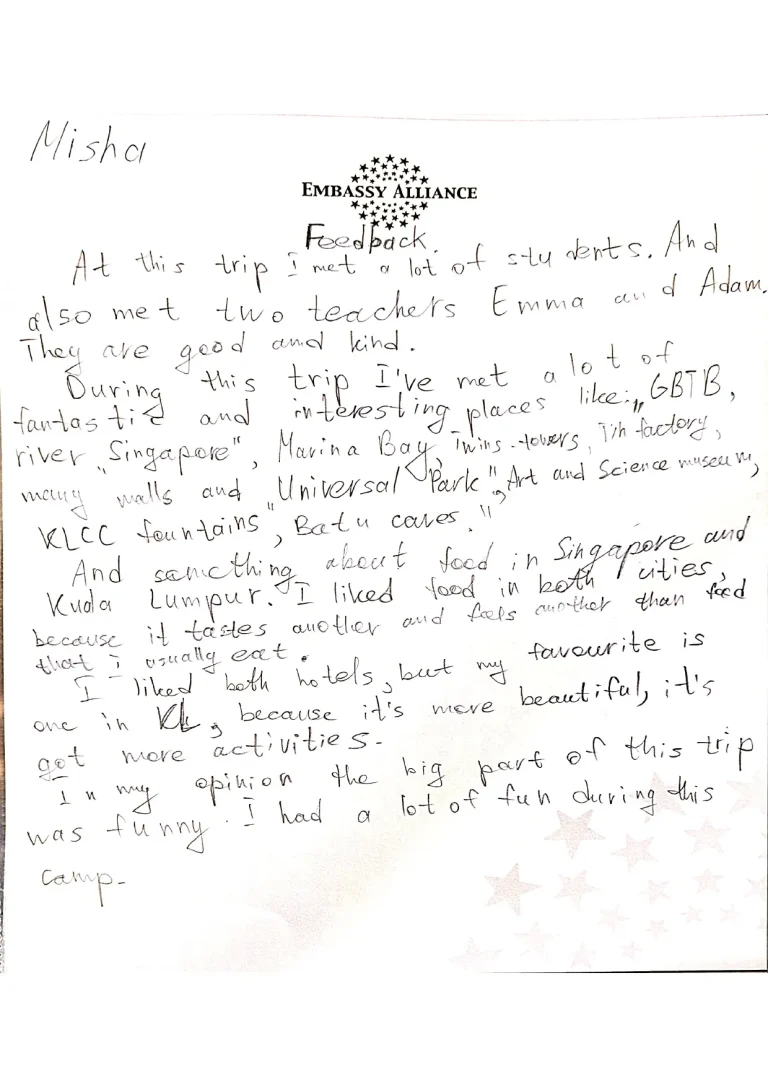
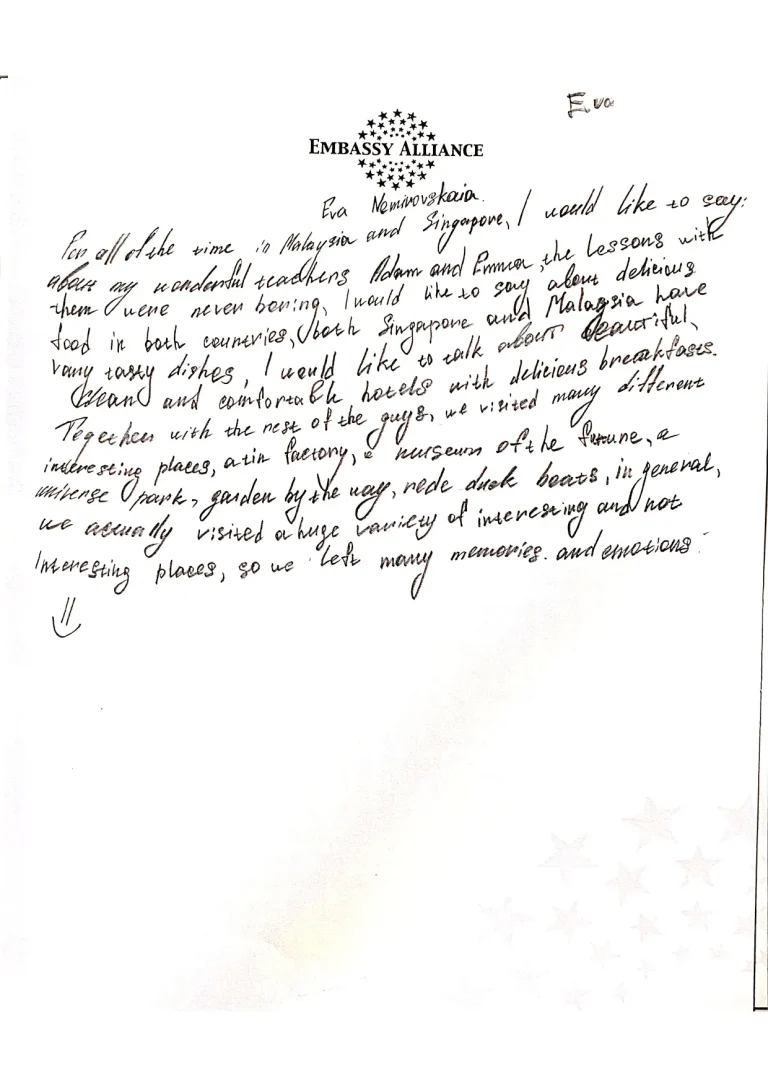
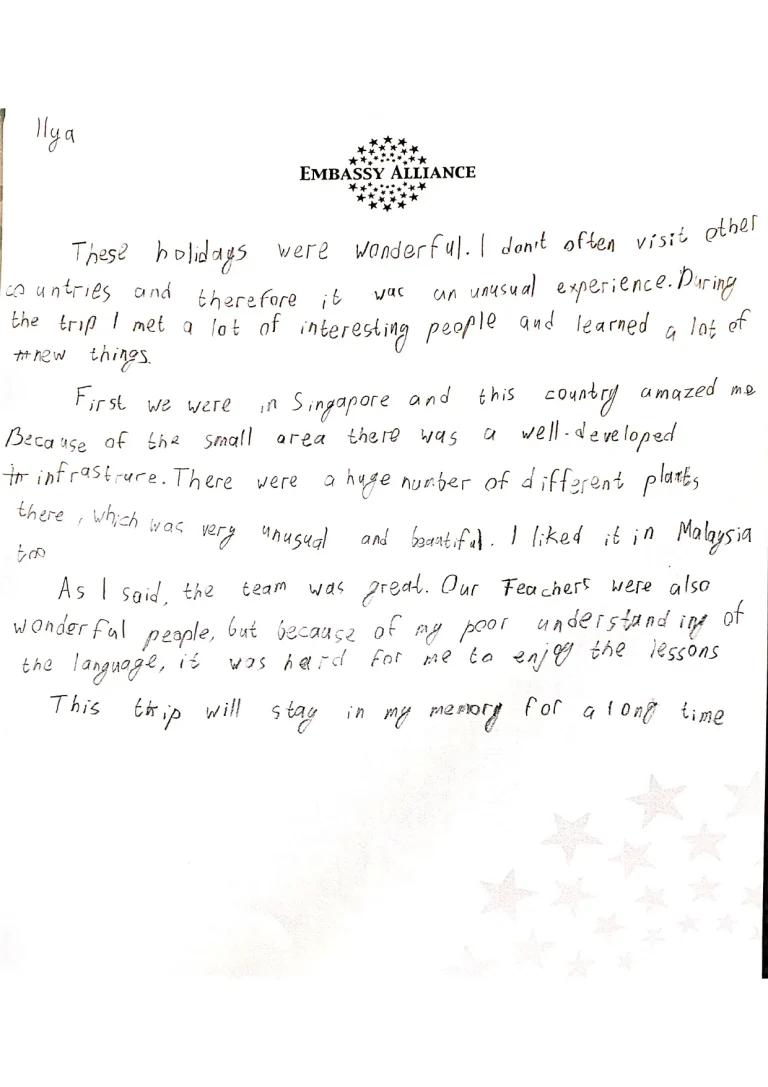
At Embassy Camp, for example, teens travel to destinations like Malaysia, Bali, Dubai, Singapore, Qatar, and Korea. Mornings are dedicated to learning future-ready skills such as AI tools, mental math, speed reading, and public speaking. Afternoons involve cultural excursions, and evenings are spent on team-building activities that quietly shape character.
It is structured enough to be purposeful, but free enough to feel like the best summer of your teen years.
What Is a Summer School Program?

Summer school is an academic program that runs during the summer break. It can take many forms: remedial classes for students who need to catch up, enrichment programs for high achievers, subject-specific intensives, or pre-college preparation courses.
Some summer school programs are held at prestigious universities. Others are online or run by independent education providers. The common thread is academic structure: there are classes, assignments, assessments, and a specific curriculum to follow.
For teens targeting top universities, building a stronger academic foundation, or exploring a specific subject like law, science, or business, summer school offers a focused and credentialed experience.
Summer Camp vs Summer School: A Side-by-Side Comparison
Before diving deeper, here is a clear overview of how these two options stack up against each other:
| Feature | Summer Camp | Summer School |
|---|---|---|
| Primary Focus | Personal growth, life skills, adventure | Academic learning, subject mastery |
| Environment | Outdoor, residential, travel-based | Classroom or hybrid setting |
| Duration | 1–4 weeks typically | 4–8 weeks typically |
| Key Skills Built | Leadership, teamwork, independence | Critical thinking, subject knowledge |
| Social Element | Strong peer bonding, cross-cultural friendships | Peer collaboration, academic networking |
| Pace | Activity-driven, experiential | Structured, curriculum-based |
| Best For | Teens who need confidence and life experience | Teens targeting academic goals or college prep |
| Cost Range | Moderate to high (varies by location) | Moderate to high (varies by program) |
| Parental Control | Less daily oversight by design | More structured oversight |
| Certificate/Outcome | Skills certificate, personal portfolio | Course credit or academic certificate |
Now that you have the overview, let us go deeper into what each option actually delivers.
The Real Benefits of Summer Camp for Teens
Ask any parent whose teenager attended an international summer camp, and they will tell you the same thing: their child came back different. More confident. More open. More capable.
That transformation does not happen by accident. Here is what summer camps genuinely deliver:
1. Confidence That Lasts
Confidence is not taught in a classroom. It is earned. When your teen navigates a new country, introduces themselves to strangers from different cultures, or stands up to deliver a speech in front of their peers, something shifts internally. That kind of earned confidence follows them into school, into interviews, and into life.
2. Real-World Social Skills
Camp environments are social by nature. Teens share rooms, eat together, solve problems together, and rely on each other during team challenges. The social skills they develop, from managing conflict to building trust quickly, are ones that classrooms rarely teach effectively.
3. Independence and Self-Reliance
For many teenagers, summer camp is the first time they are truly away from home, making their own decisions, managing their time, and handling challenges without a parent nearby. That experience of independence is invaluable, and it often marks a real turning point in emotional maturity.
4. Global Awareness and Cultural Intelligence
International camps bring together teens from across the world. Sharing experiences with peers from different countries, languages, and backgrounds builds the kind of cultural awareness that no textbook can replicate. In a globalised workforce, that perspective is a serious advantage.
5. Future-Ready Skills
The best international camps now weave in skills like AI literacy, critical thinking, speed reading, and communication frameworks. These are not extras. They are the skills that will define your teen’s ability to thrive in the next decade.
The Real Benefits of Summer School for Teens
Summer school is not a punishment, and it has not been for a long time. For the right teenager, it is a powerful tool.
Academic Acceleration
If your teen is passionate about a specific subject, whether that is economics, computer science, law, or creative writing, a summer school program lets them dive deep in a way that a standard school year simply does not allow. They come back in September already ahead.
College Application Strength
For students aiming at competitive universities, a summer school certificate from a respected institution genuinely adds weight to their application. It signals academic initiative and subject-specific commitment, which admissions teams notice.
Academic Recovery Without Stigma
Some teens use summer school to revisit subjects they struggled with during the year. Done in the right environment, this is not a setback. It is a smart, proactive decision that removes gaps before they compound.
Structured Intellectual Stimulation
Not every teenager wants a purely activity-based summer. Some genuinely enjoy learning and thrive when given an academic challenge during the break. Summer school respects that. It gives intellectually curious teens a place where that curiosity is valued and developed.
How to Choose: Match the Option to Your Teen
The summer camp vs summer school decision is less about which is objectively better and more about which is better for your specific teenager right now.
Here is a simple decision framework:
Choose Summer Camp If Your Teen:
- Lacks confidence or struggles socially
- Needs a break from academic pressure, but should still be doing something valuable
- Has not yet developed independence or self-management skills
- Would benefit from cross-cultural exposure and a global mindset
- Is curious about the world and loves hands-on learning
- Is between 12 and 18 and ready for an immersive overseas experience
Choose Summer School If Your Teen:
- Has a specific academic gap they need to close before the next school year
- Is targeting a competitive university and wants to strengthen their application
- Has a clear academic passion that they want to explore at a deeper level
- Thrives in structured learning environments and gets restless without intellectual stimulation
- Needs course credits or a formal academic certificate
Consider Both If Your Teen:
- Is high-achieving but lacks soft skills and life experience
- Has time in the summer for a camp, followed by a short academic intensive
- Needs both academic reinforcement and personal development
International Summer Camps by Destination: What Your Teen Gets
If you decide that summer camp is the right direction, the destination itself shapes the experience significantly. Here is a quick breakdown of what Embassy Camp offers across its global locations:
| Destination | Camp Type | Top Skills |
|---|---|---|
| Dubai | Leadership + Innovation + VR Workshops | Public speaking, futuristic thinking |
| Malaysia | English Immersion + Smart Skills | AI, speed reading, mental math |
| Singapore | Academic + Cultural Exchange | Critical thinking, global awareness |
| Bali | Adventure + Personal Development | Confidence, outdoor leadership |
| Qatar | Communication + Cultural Immersion | Conversational English, teamwork |
| Korea | Cultural Exchange + Smart Skills | Independence, global mindset |
Busting Common Myths About Both Options
Myth 1: “Summer Camp Is Just a Holiday”
This one is outdated. Modern international summer camps are carefully designed programs with structured learning, skill development, and measurable outcomes. Teens do not just play; they grow.
Myth 2: “Summer School Only Matters for Struggling Students”
Far from it. Many of the world’s top high achievers use summer school to get ahead, not catch up. Pre-college programs at leading universities attract some of the most motivated students globally.
Myth 3: “My Teen Is Too Young for an Overseas Camp”
With the right program, teens as young as 12 thrive in international camp settings. The key is choosing a camp with strong pastoral care, experienced leaders, and a well-supervised environment.
Myth 4: “Summer School Guarantees University Entry”
No program guarantees anything. Summer school can certainly strengthen a university application, but it works best as part of a broader strategy that includes grades, extracurriculars, and personal development.
What Parents Actually Say: Real Experiences
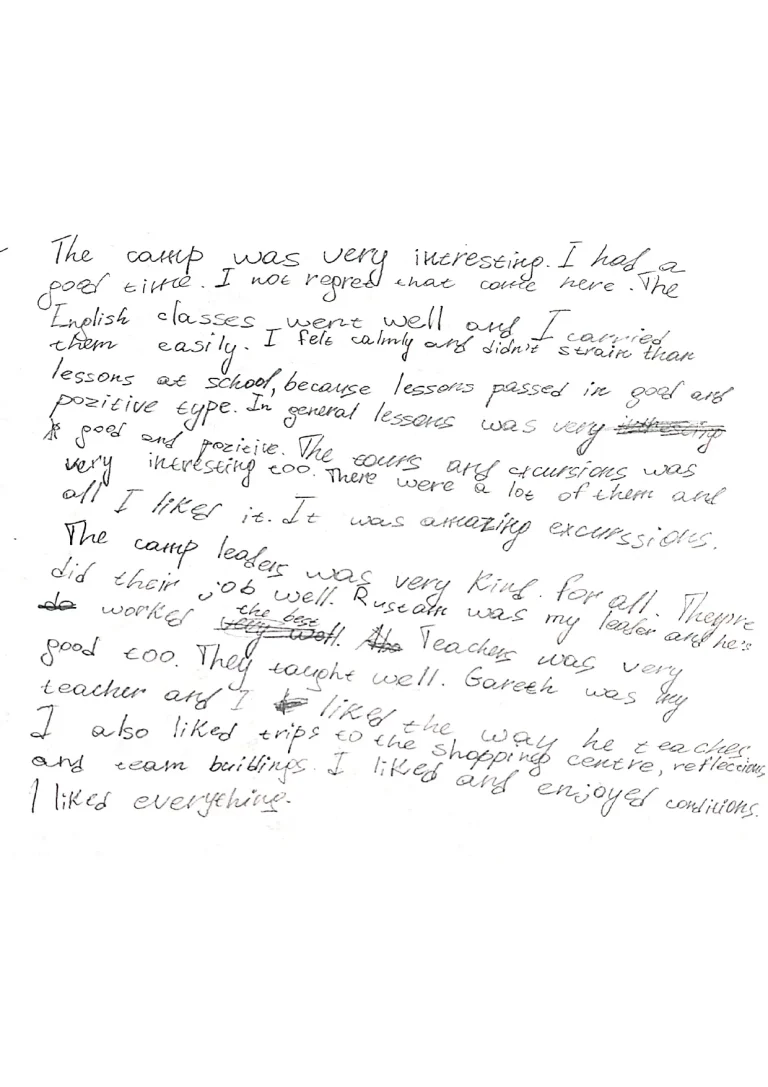
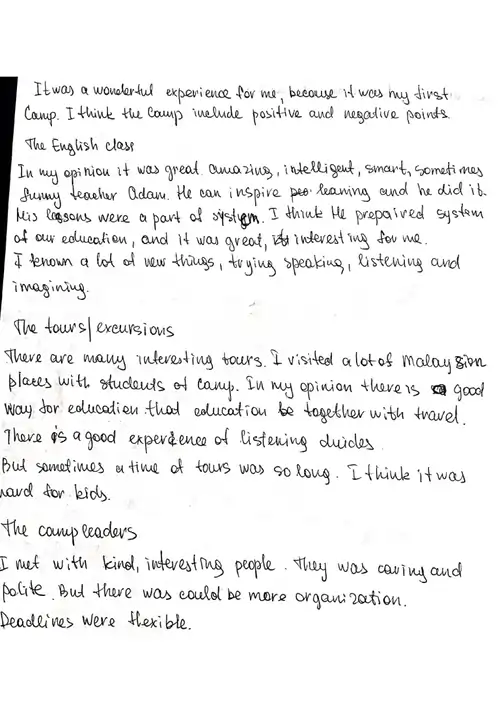
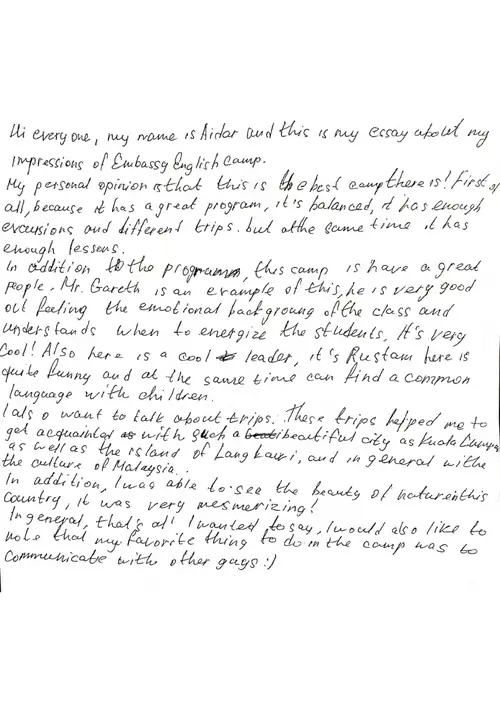
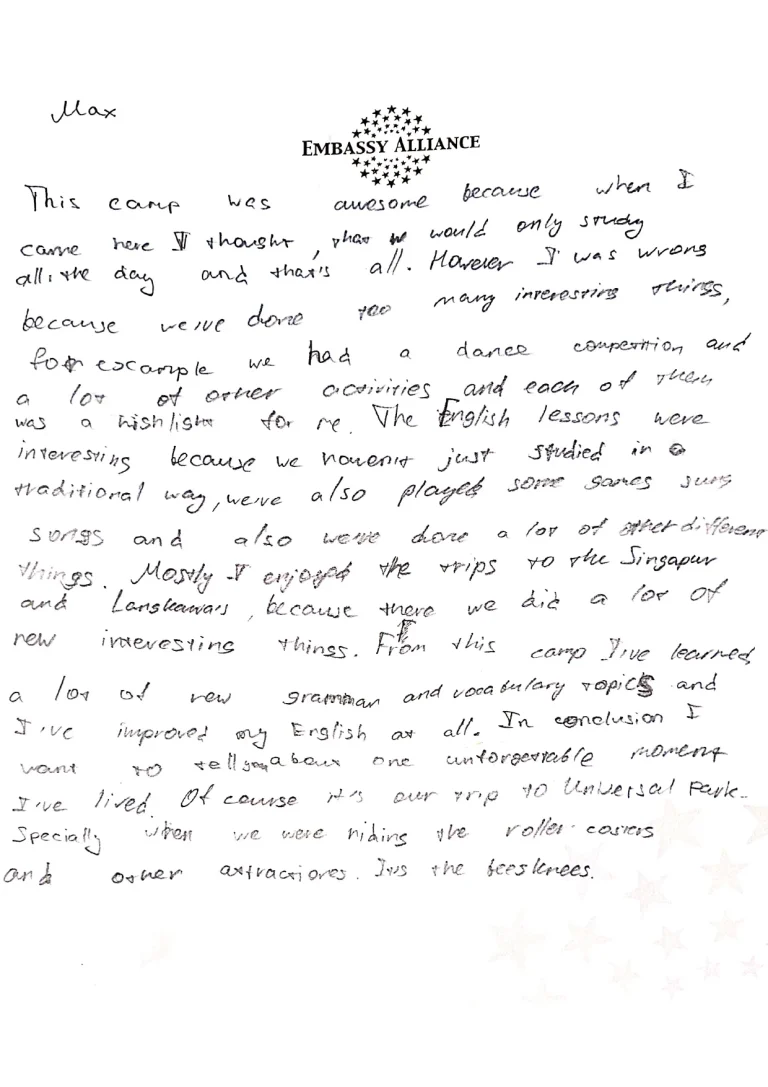
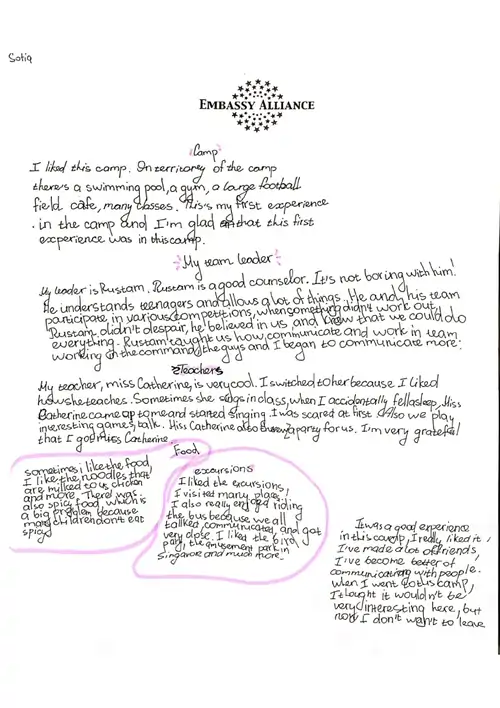
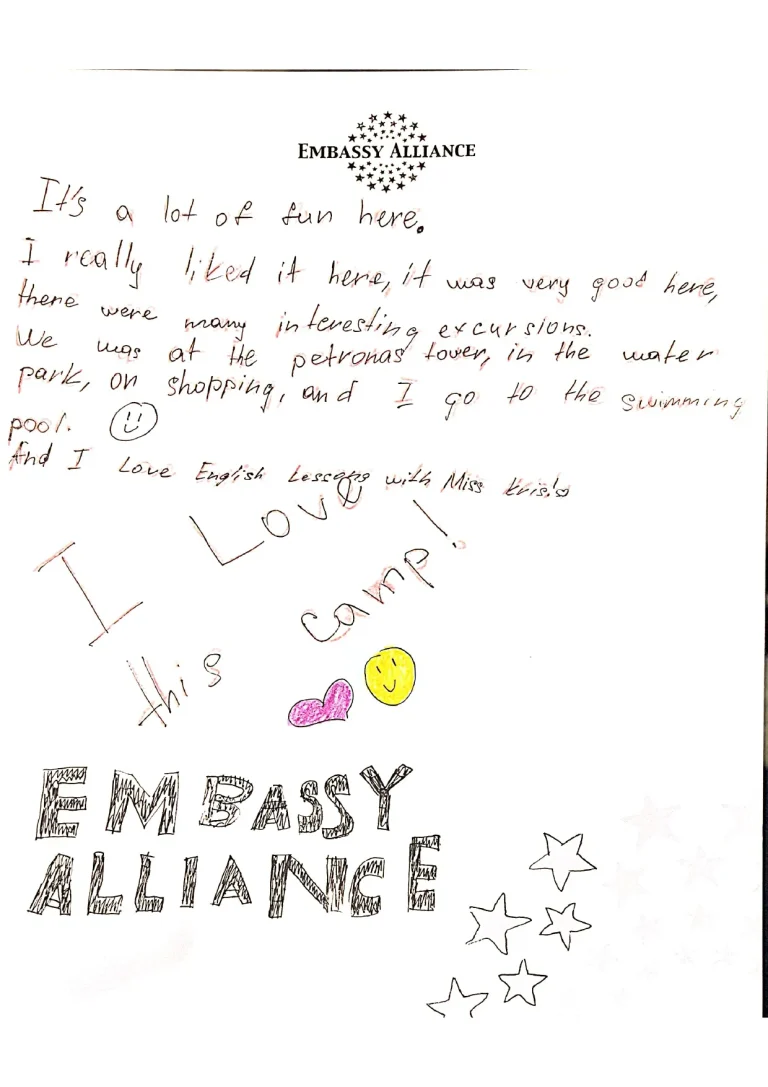
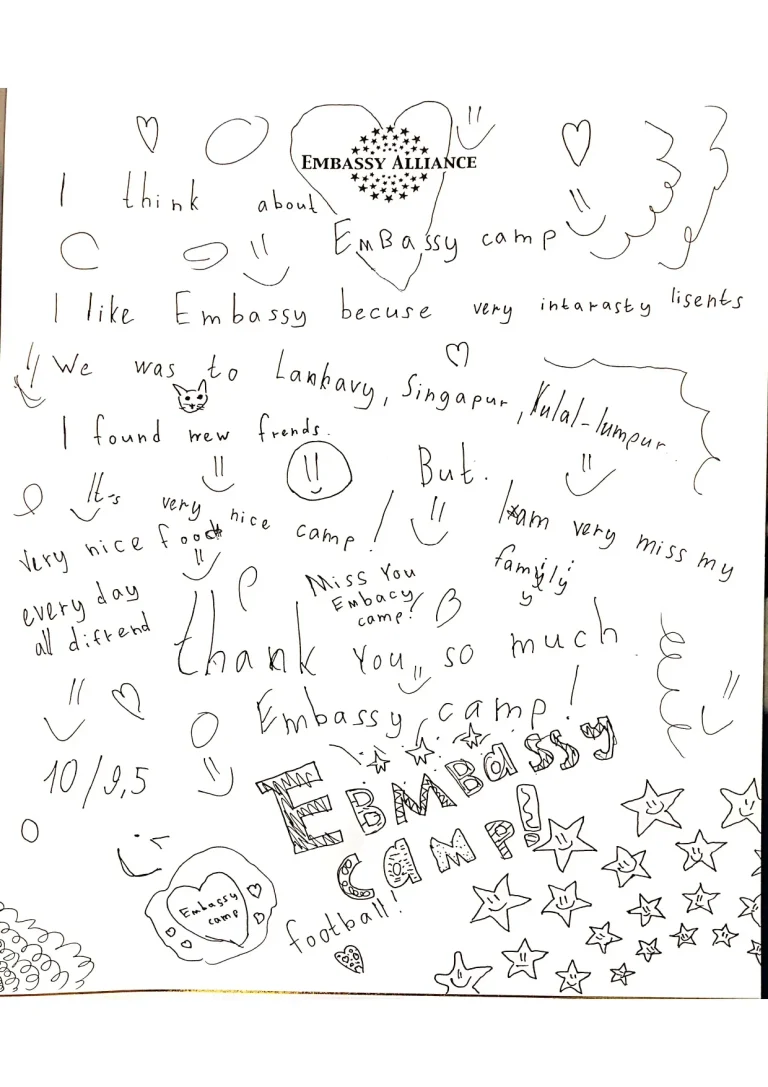
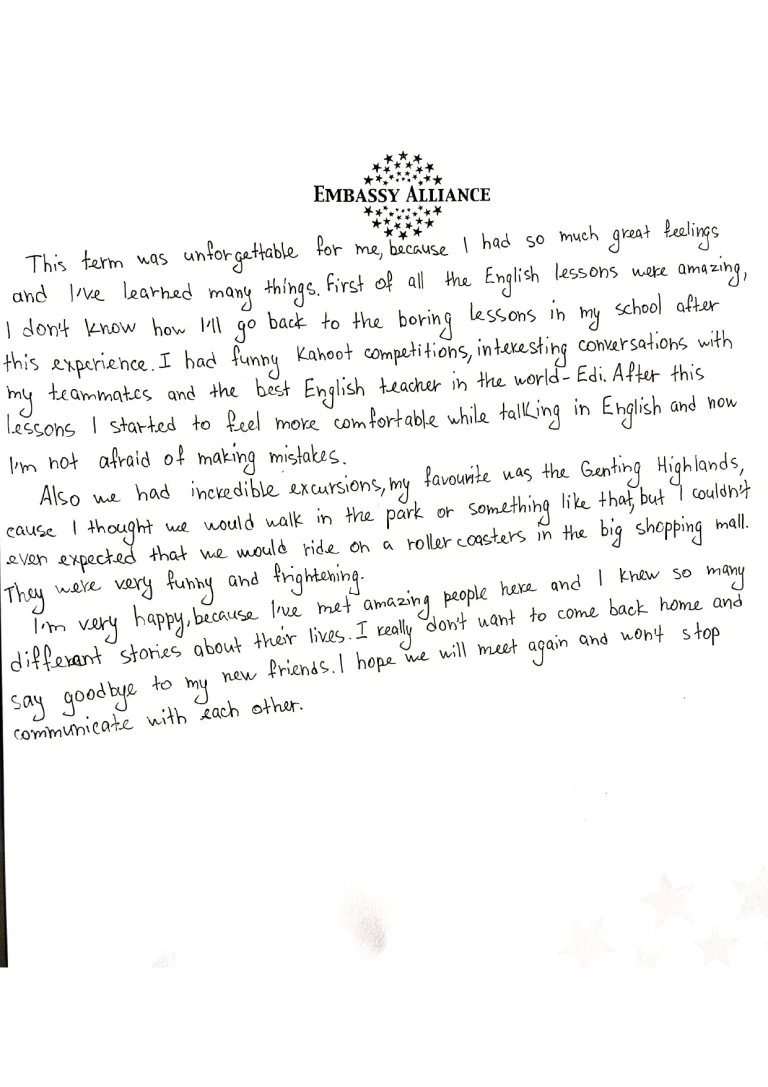
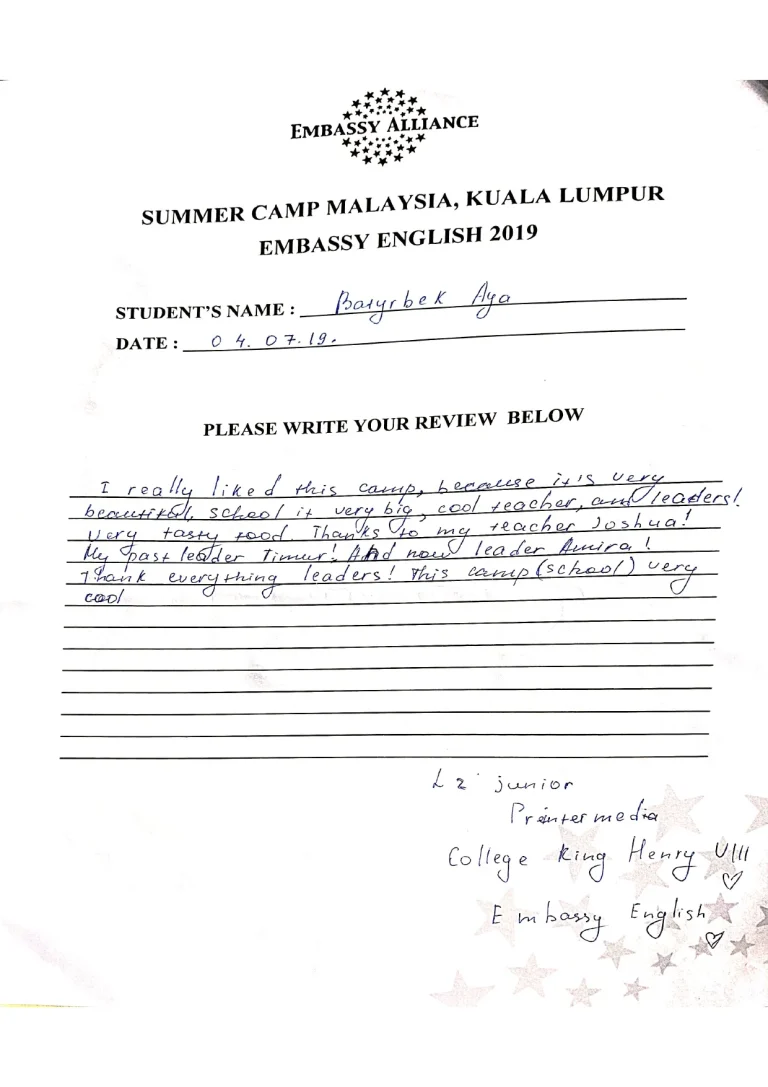
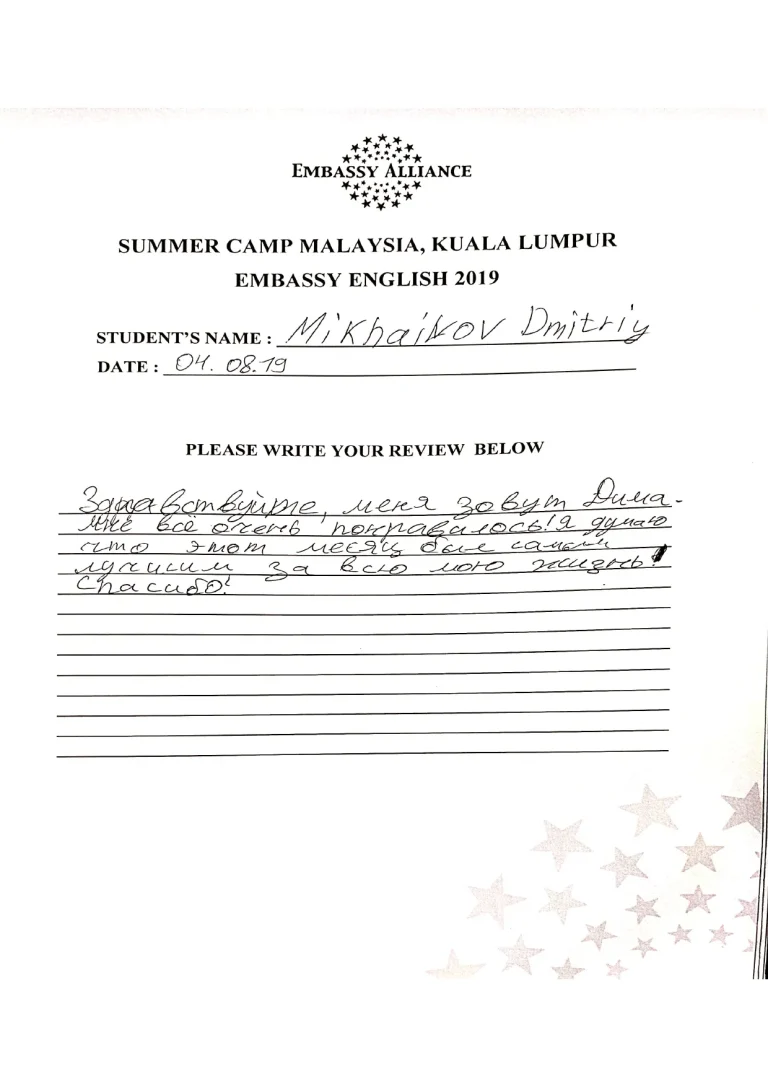
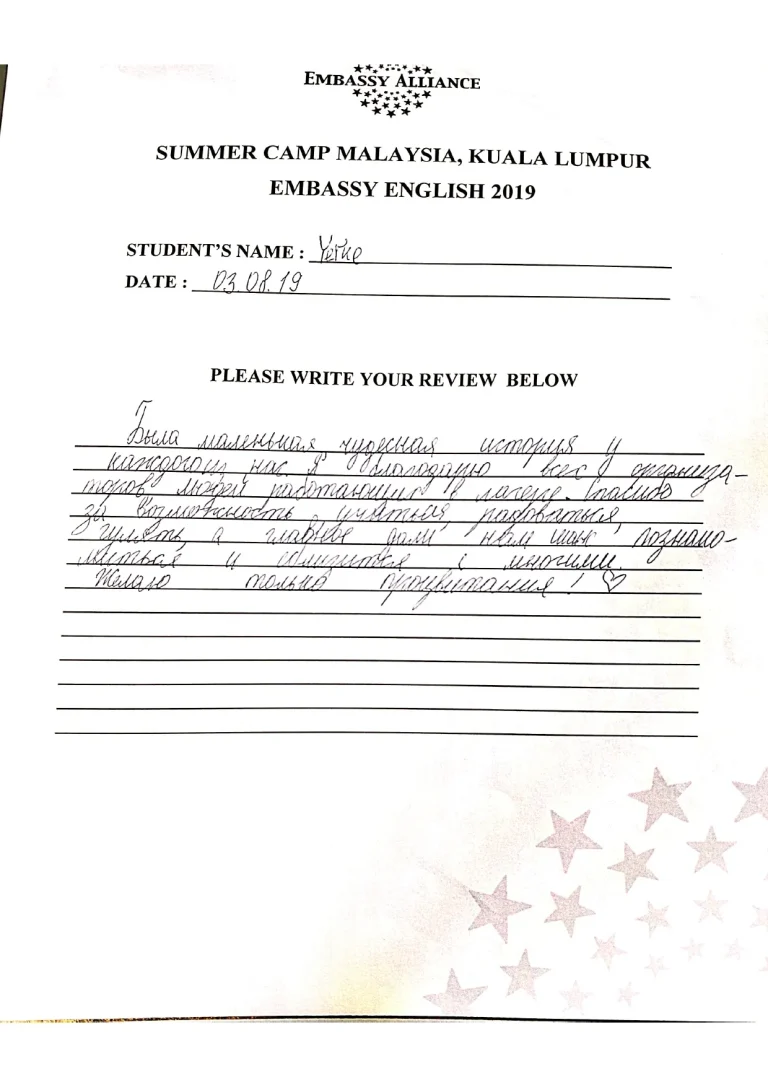
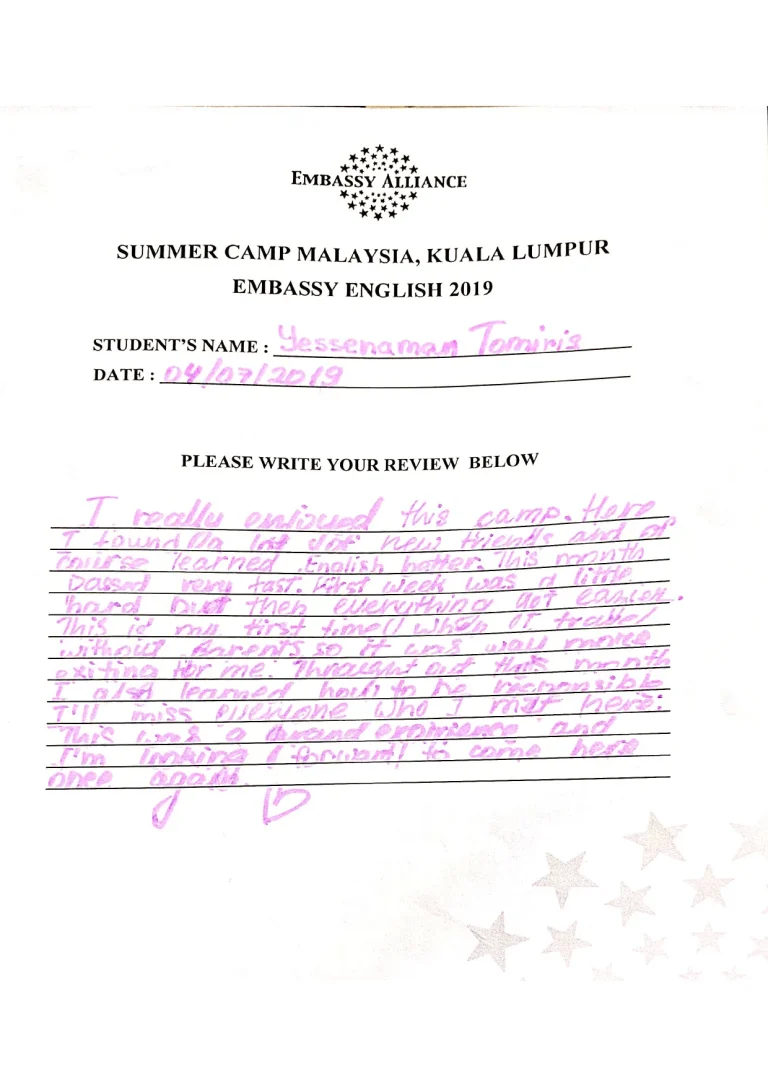
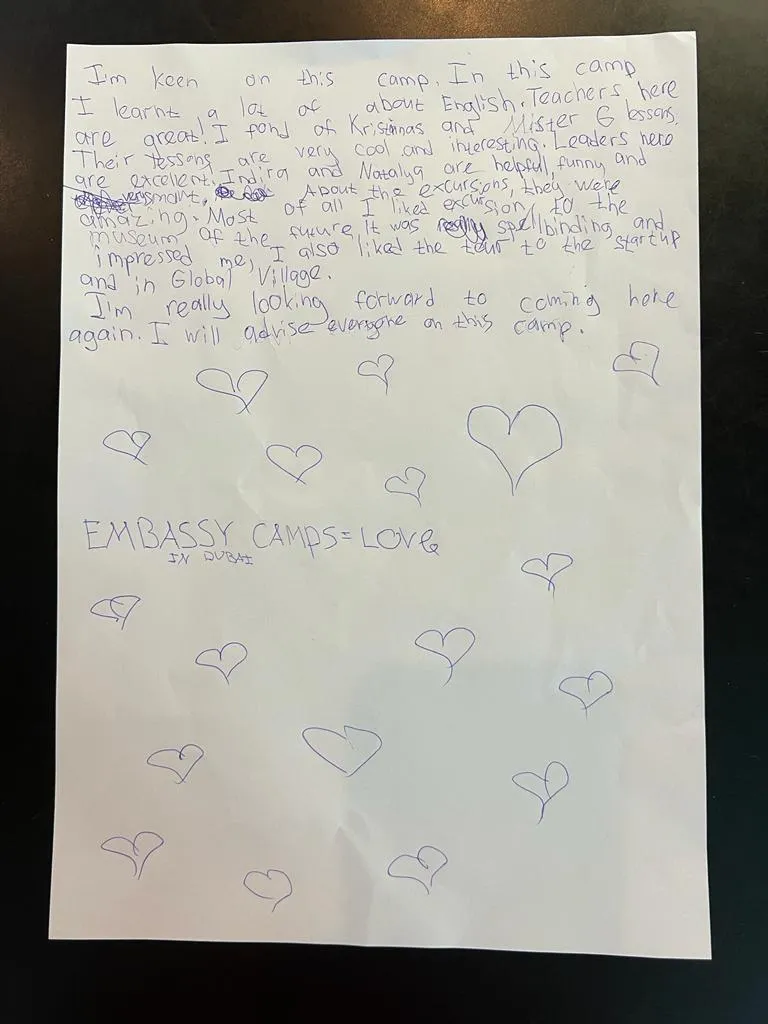
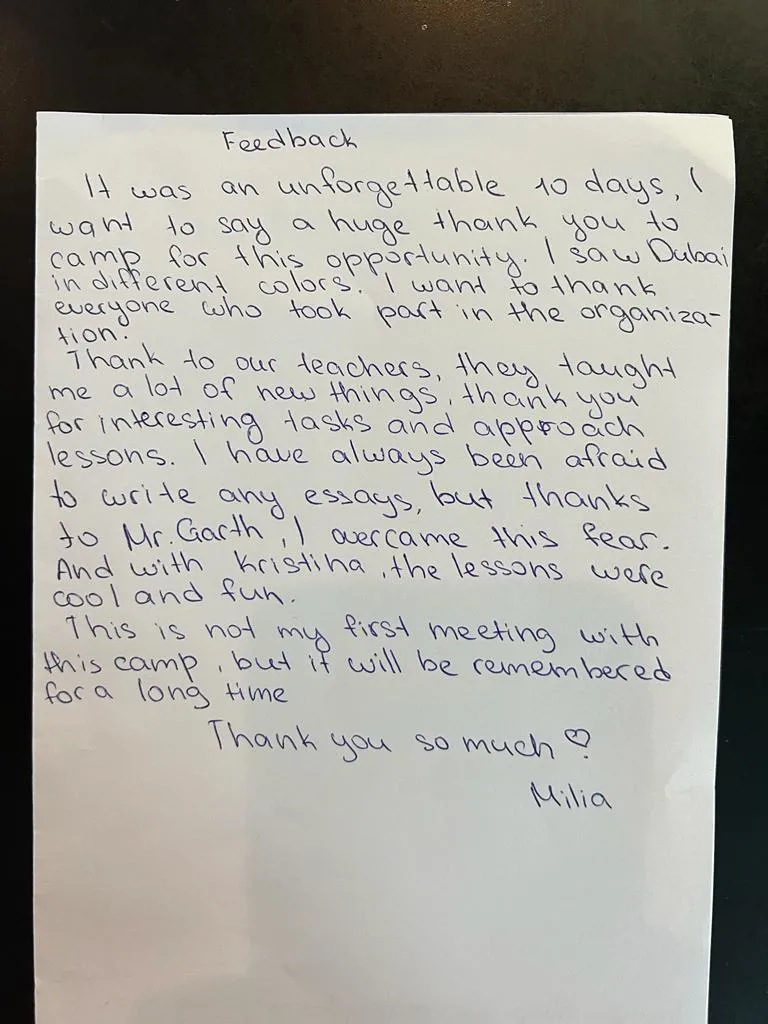
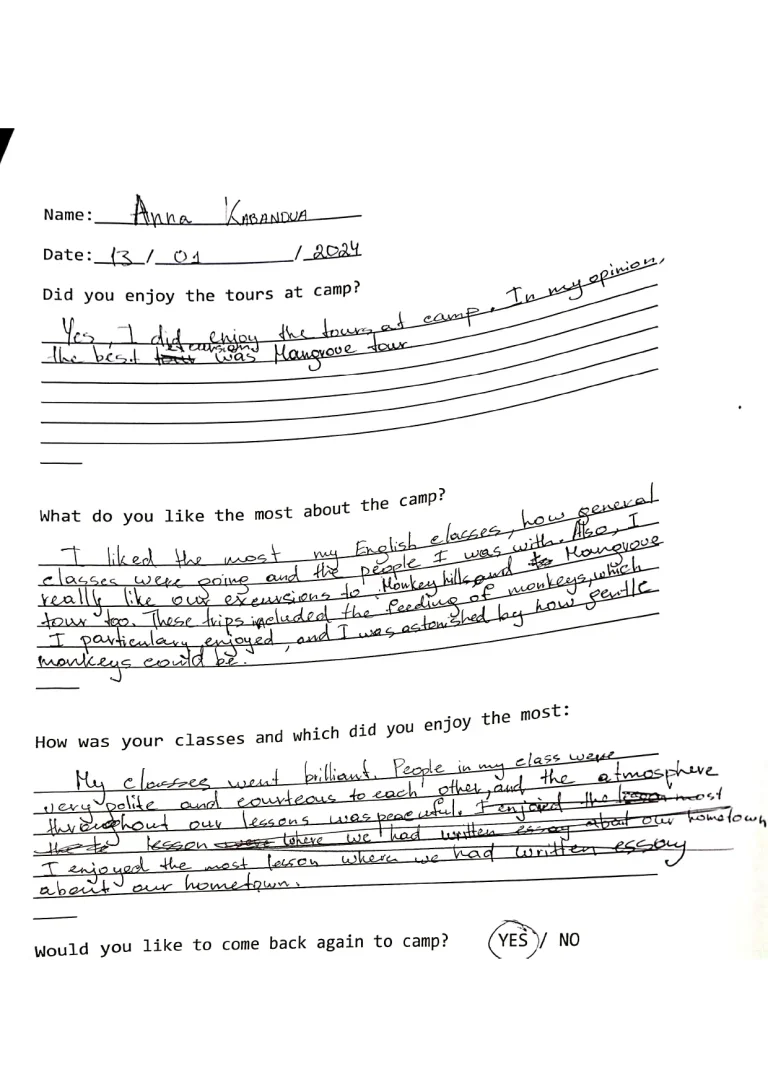
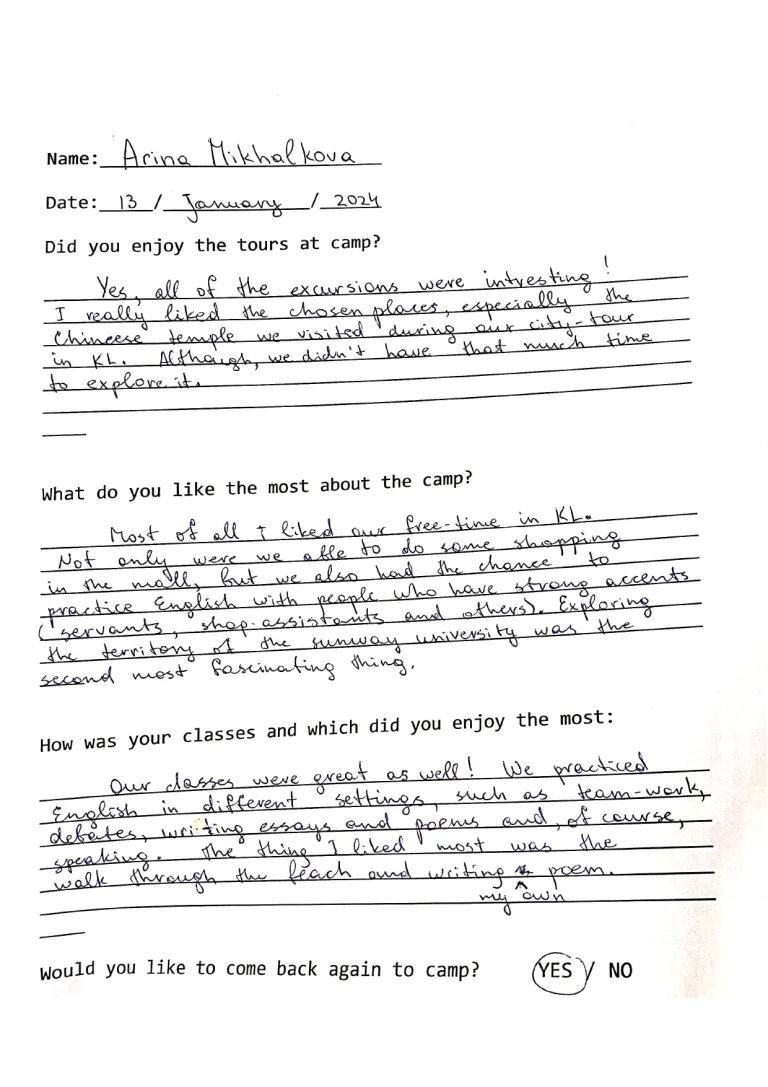
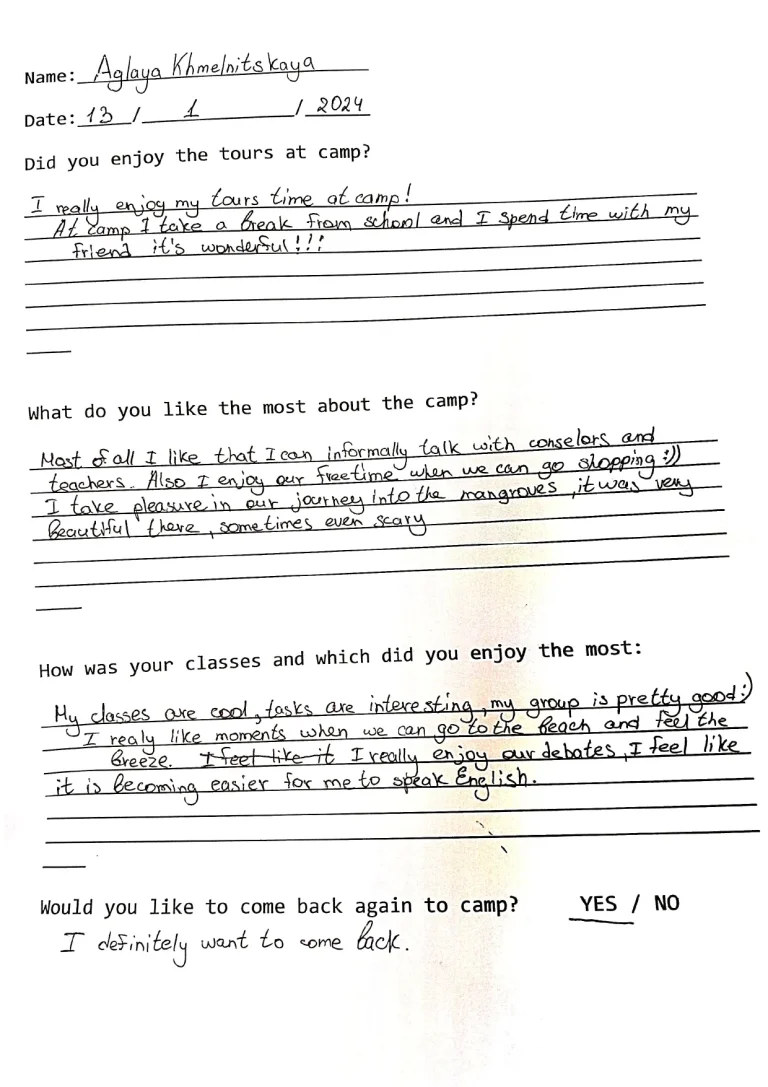
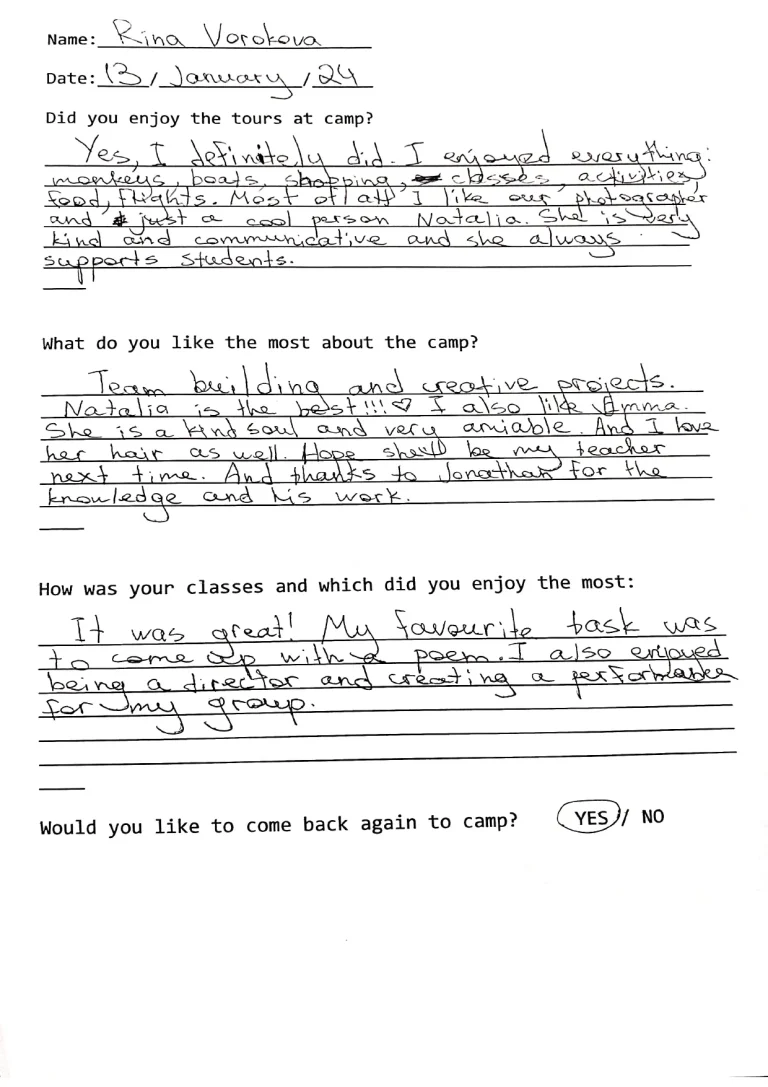
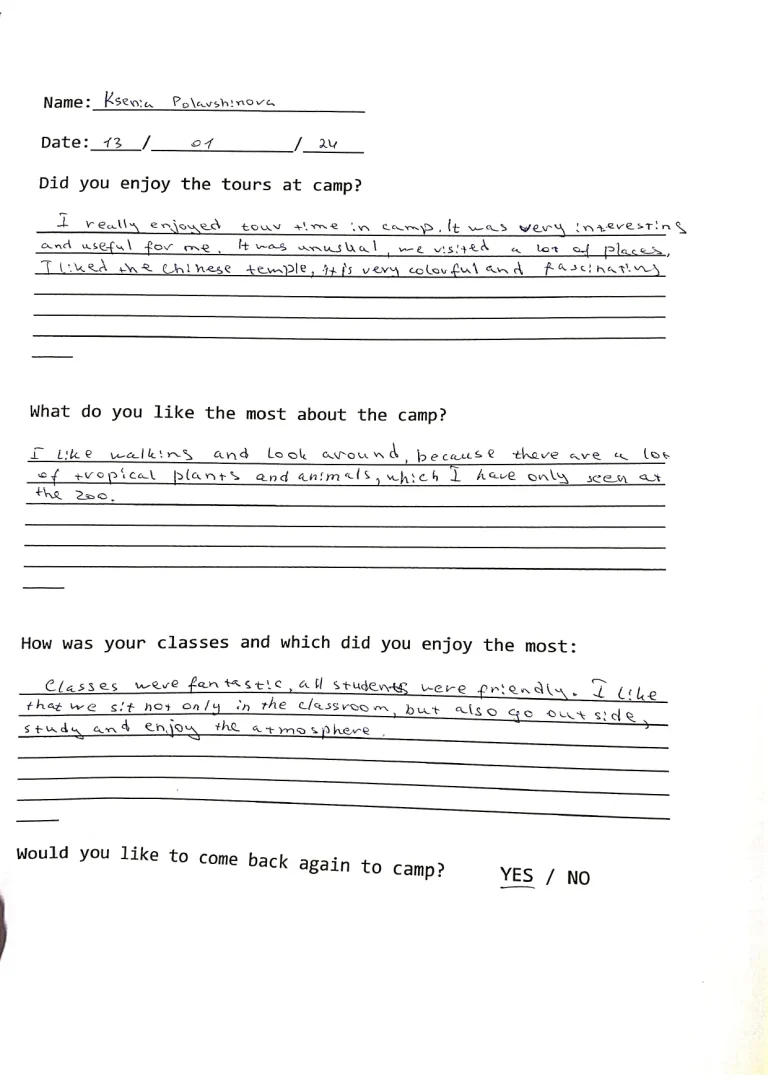
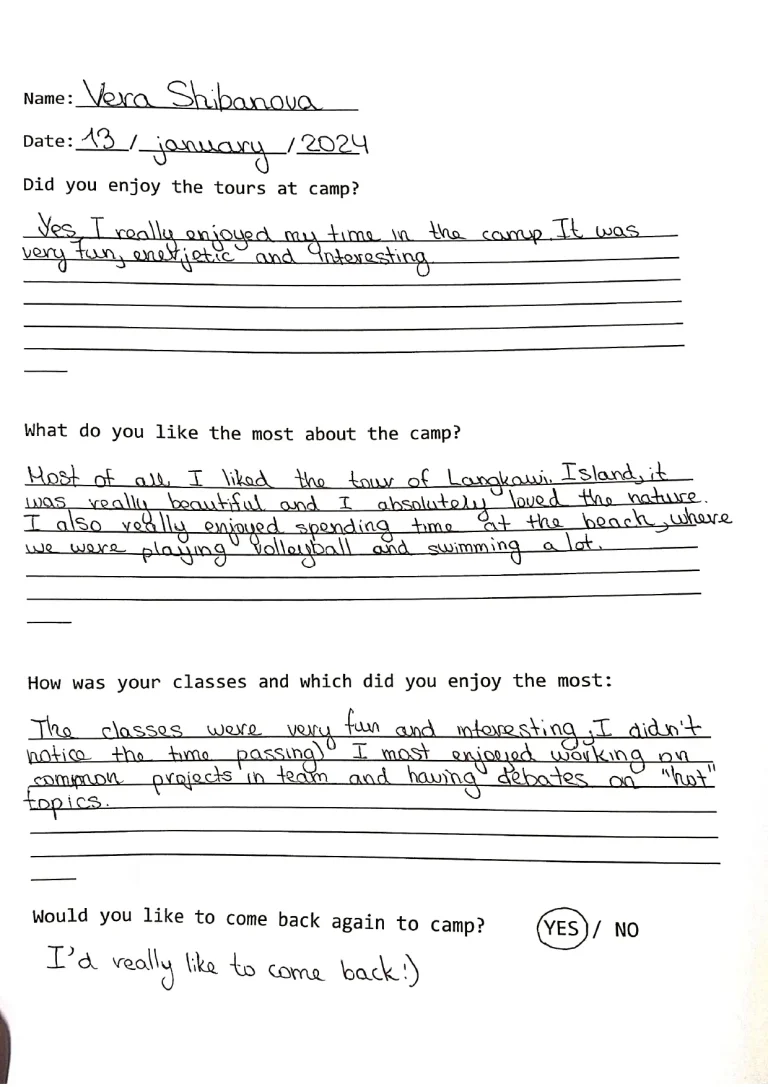
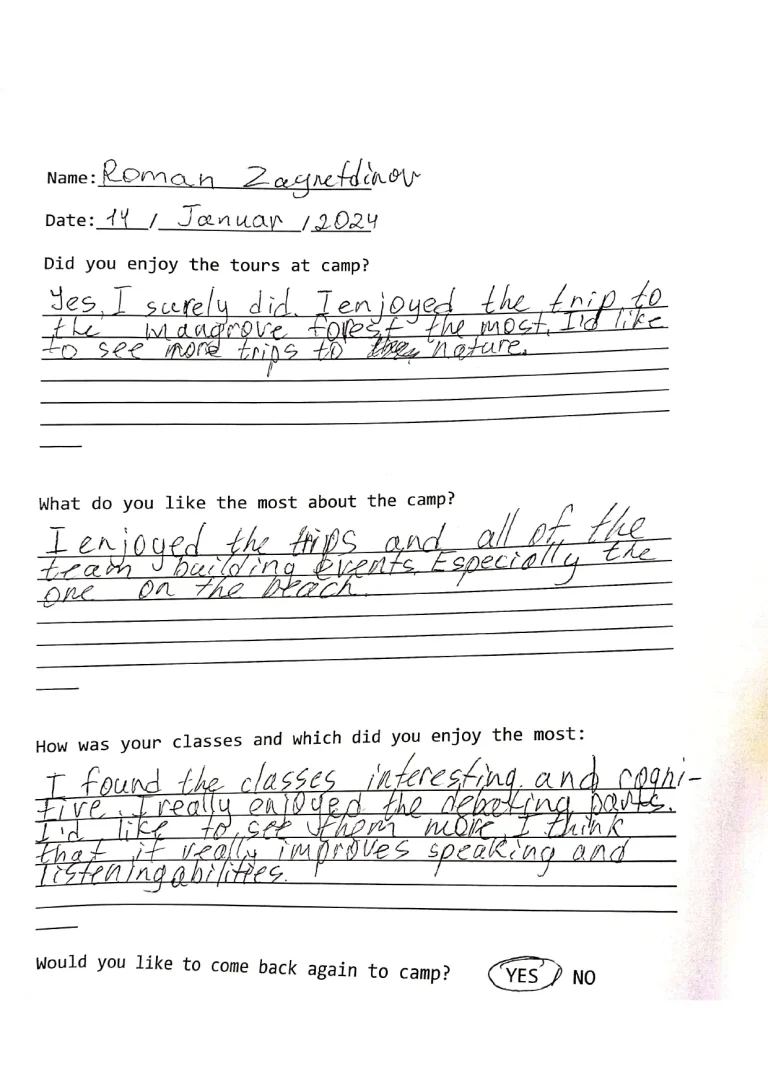
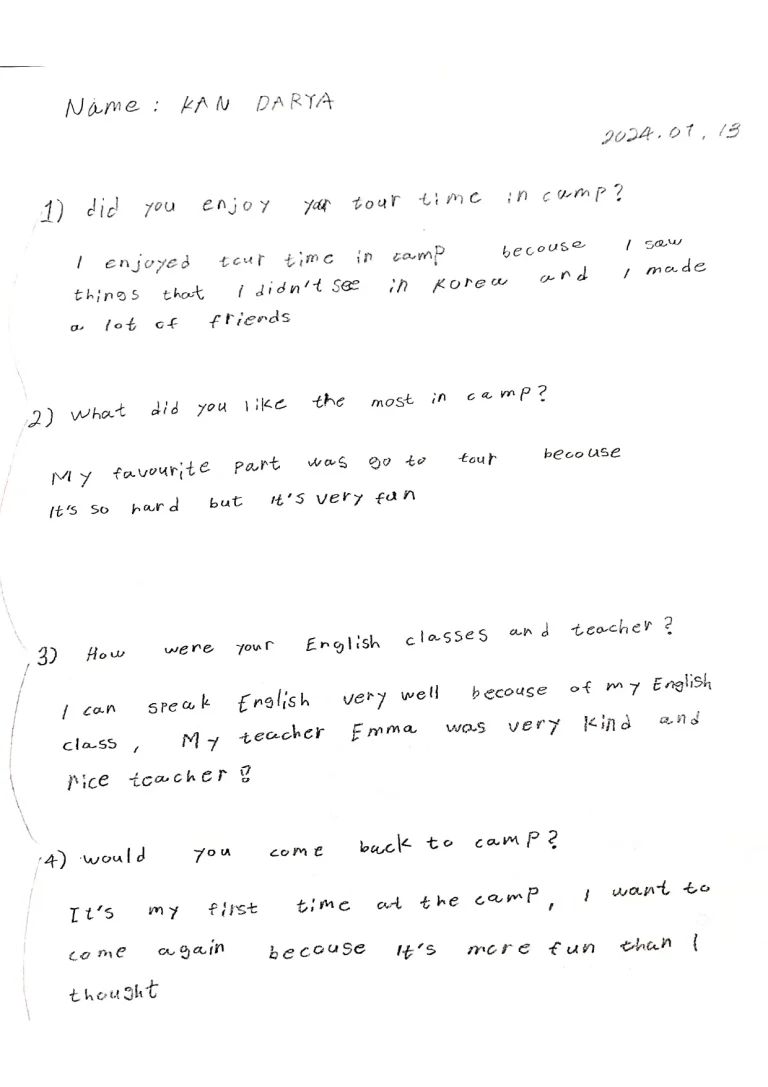
One parent whose daughter attended Embassy Camp in Dubai put it this way: “She left as a quiet, slightly anxious 15-year-old. She came back talking about her new friends from six countries, her presentation she gave on the last day, and how she wants to go back next year. We did not recognise her confidence.”
Another parent who enrolled their son in a summer school program at a UK university noted: “He came back with a clear sense of what he wants to study. The academic experience gave him direction. For him, that was exactly what he needed.”
Both outcomes are valid. Both are genuine. The difference was the teenager, their needs, and the timing.
Ready to book your teen’s summer?
Give your teen a summer that blends travel, new friends, and future-ready skills. Embassy Camps offers international programs in Malaysia, Bali, Singapore, and Dubai, Korea, Qatar, China, and Spain, combining memorable trips with valuable skills such as AI applications, touch typing, speed reading, mental math, and English language proficiency.
Why parents choose Embassy Camps
- International locations with a balanced mix of learning and exploration.
- Future-ready curriculum, from English to AI and study skills.
- Caring, trained staff and structured supervision for peace of mind.
- Residential and travel formats for teens who want deeper immersion.
What happens at camp
Teens participate in collaborative workshops, cultural excursions, and coached practice sessions that build confidence, critical thinking, and communication skills.
Next step: Visit the official site to explore dates, locations, and availability, then talk to a specialist.
Frequently Asked Questions About Summer camp vs summer school
Is summer camp better than summer school for teenagers?
Neither is universally better. Summer camp excels at building soft skills, confidence, independence, and global awareness. Summer school is better for academic enrichment, subject mastery, and college preparation. The best choice depends entirely on your teen’s current needs and goals.
At what age is best for an international summer camp?
Most international summer camps accept teens between 12 and 18. The ideal age varies by program, but many parents find that 13 to 16 is a particularly transformative window, when teens are old enough to travel confidently but still at a stage where new experiences shape them significantly.
Can a teen attend both a summer camp and summer school in the same summer?
Yes, and some families do exactly this. A three- to four-week summer camp, followed by a focused academic program, can give your teen the best of both worlds, provided the schedule is realistic, and your teen is on board.
How much does an international summer camp cost?
Costs vary widely depending on the destination, duration, and program. International camps typically range from affordable regional options to premium multi-week programs in cities like Dubai or Singapore. Most providers offer early booking discounts and scholarship options worth exploring.
Do summer camps help with college applications?
Absolutely. While summer camps do not offer academic credits, the experiences gained at international programs, including leadership roles, cross-cultural projects, and skill certificates, can add genuine depth to a college application, particularly in the personal statement and extracurricular sections.
Is it safe to send a teenager to an international summer camp alone?
Reputable international summer camps maintain strict safeguarding protocols, supervised environments, and experienced staff trained in pastoral care. Teens travel as groups, are supervised throughout, and parents receive regular updates. Safety is always the priority at well-run programs.
Final Thoughts: Trust Your Teen, Choose with Intention
The summer camp vs summer school debate does not have a single right answer. What it does have is the right answer for your teenager.
If they need to grow as a person, gain independence, make global friendships, and step outside their comfort zone, an international summer camp will give them an experience they will carry for life.
If they need academic direction, subject depth, or university preparation, a well-chosen summer school program will deliver real, measurable value.
And if they are lucky, they might just need both.
Whatever you choose, the investment in your teenager’s summer is an investment in the person they are becoming. Make it count.