

Introduction: The Importance of Social Skills for Teens in 2026
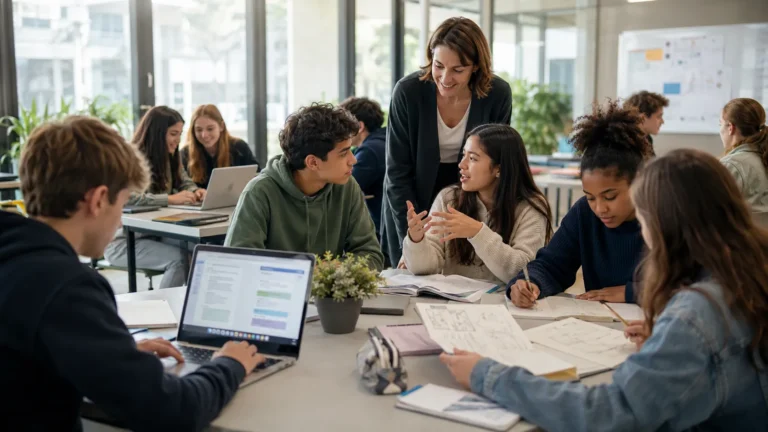
In 2026, social skills for teens are more important than ever before. As the world becomes increasingly digital, the ability to navigate social situations and engage in face-to-face interactions remains a critical skill for young people. Teens who develop strong social skills are better equipped to handle social interactions, manage conflicts, and build meaningful relationships both in school and beyond. These skills not only contribute to personal growth but are also essential for social-emotional learning (SEL), which lays the foundation for teen empowerment.
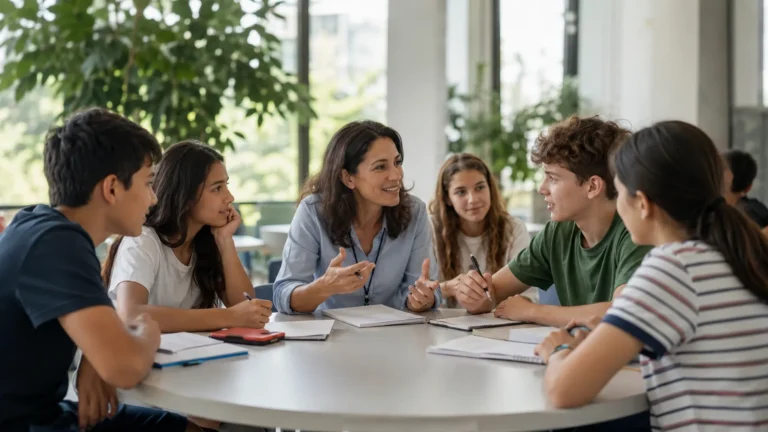
Developing effective communication skills, practicing active listening, and understanding non-verbal cues like body language are vital to becoming a confident, empathetic individual. Social skills are necessary for teens to succeed in a variety of areas—academically, emotionally, and socially. As parents, fostering these skills can help your teen build strong relationships, solve problems effectively, and become more resilient in the face of challenges.
This article will explore 12 essential social skills for teens and provide practical tips for parents to guide their teens in developing these crucial abilities.
What Are Social Skills for Teens?
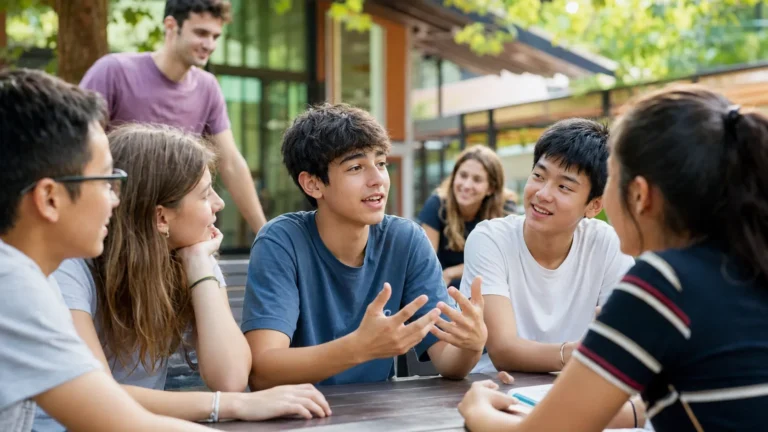
Social skills for teens are the tools young people use to interact with others positively and effectively. These skills go beyond just talking with friends; they encompass a wide range of abilities that enable teens to engage in meaningful social interactions, manage relationships, and navigate various social situations. Good social skills include everything from active listening to understanding body language and knowing how to handle conflicts maturely and respectfully.
At the core of social skills is the ability to communicate clearly, express emotions appropriately, and understand others’ feelings. Teens who develop these skills are more likely to thrive in group activities, form strong friendships, and have positive experiences both at school and in their personal lives. Furthermore, mastering social skills can help teens build confidence, as they become more comfortable engaging with their peers and taking on leadership roles.
In the context of social emotional learning (SEL), social skills for teens are directly linked to their emotional intelligence. Teens who can recognize and manage their own emotions, as well as empathize with others, are better equipped to handle conflict resolution and make thoughtful decisions in social situations. Whether it’s during a family gathering or a school project, teens with strong social skills are more capable of handling real-life challenges.
Why Social Skills Matter for Teens
Social skills for teens are not just essential for navigating daily interactions—they play a pivotal role in a teen’s overall personal growth and emotional well-being. In the teenage years, adolescents are developing the foundation for their future relationships, career success, and emotional resilience. Strong social skills empower teens to express themselves, understand others, and navigate the complexities of social environments, both online and offline.
One of the main reasons social skills matter so much is that they directly impact a teen’s ability to form and maintain meaningful relationships. Teens who lack confidence in their communication skills or struggle with conflict resolution often find themselves isolated or misunderstood. Developing social skills such as active listening, eye contact, and clear verbal expression helps teens connect with their peers, family members, and mentors. These skills also foster a sense of belonging and community, which is essential for emotional well-being.
Additionally, teens with strong social skills are more adept at solving problems in real life. Whether it’s handling group dynamics during a project or managing differences in opinion with friends, teens with problem-solving abilities can navigate these situations with confidence and maturity. They are also less likely to resort to conflict or aggression, instead choosing to approach situations with a mindset focused on cooperation and compromise.
In the long run, teens who master social skills have a significant advantage in both their academic and personal lives. As they enter adulthood, these skills continue to serve them, from leadership roles in the workplace to navigating personal relationships.
How Parents Can Help Teens Develop Social Skills
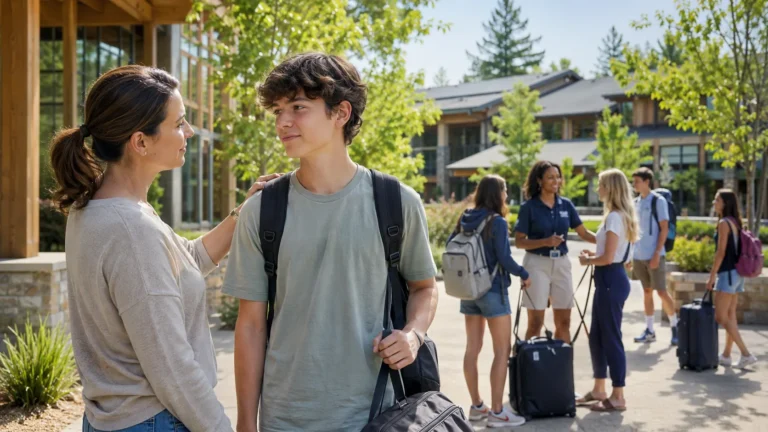
Parents play a key role in helping teens develop social skills. As role models, they can guide teens through real-life situations, offering support and encouragement to build confidence and improve communication skills. There are several ways parents can foster the development of social skills for teens in everyday interactions:
Encourage Open Dialogue
One of the first steps in helping teens improve their social skills is to encourage open and honest communication. Parents can create a safe space where their teens feel comfortable expressing themselves without judgment. Encouraging active listening during conversations helps teens become more attuned to the feelings and thoughts of others, which is a critical component of empathy and effective communication.
Model Positive Social Behaviors
Teens often learn by observing their parents. By modeling positive social interactions, parents can demonstrate how to handle difficult social situations, like disagreements or misunderstandings. Practicing good eye contact, clear expression of thoughts, and using polite language during family discussions are simple but effective ways to show how to communicate respectfully. By observing these actions, teens will begin to mimic these behaviors in their own social interactions.
Provide Real-Life Opportunities for Social Interaction
Encouraging teens to participate in group activities, volunteer work, or sports teams helps them practice social skills in a variety of environments. These experiences give teens the chance to engage with others, practice problem-solving in social settings, and develop teamwork skills. Group activities also expose teens to diverse perspectives, which can enhance their ability to understand and empathize with people from different backgrounds.
Support Conflict Resolution Skills
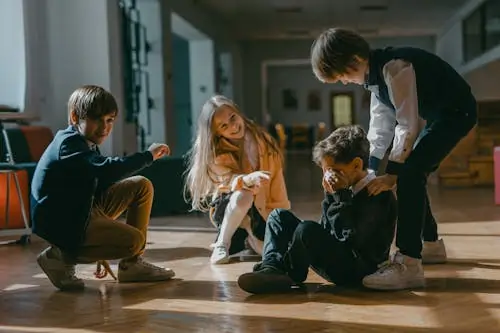
Conflicts are a natural part of growing up, and learning how to resolve them respectfully is an essential part of developing social skills. Parents can guide their teens in understanding how to address conflicts with peers or family members constructively. Teach them to approach disagreements with calmness, focus on problem-solving, and listen to all parties involved before reacting. By learning to handle conflict peacefully, teens build confidence and avoid escalating situations unnecessarily.
Encourage Mindfulness and Reflection
Mindfulness exercises can help teens stay present and become more self-aware in their social interactions. Encourage teens to reflect on their conversations and behaviors after social events. This self-reflection can help them identify areas for improvement, whether it’s how they handled a disagreement, interacted with new people, or expressed their emotions. Over time, this practice can help teens improve their social-emotional learning and strengthen their social skills.
12 Essential Social Skills Every Teen Should Master
1. Communication Skills
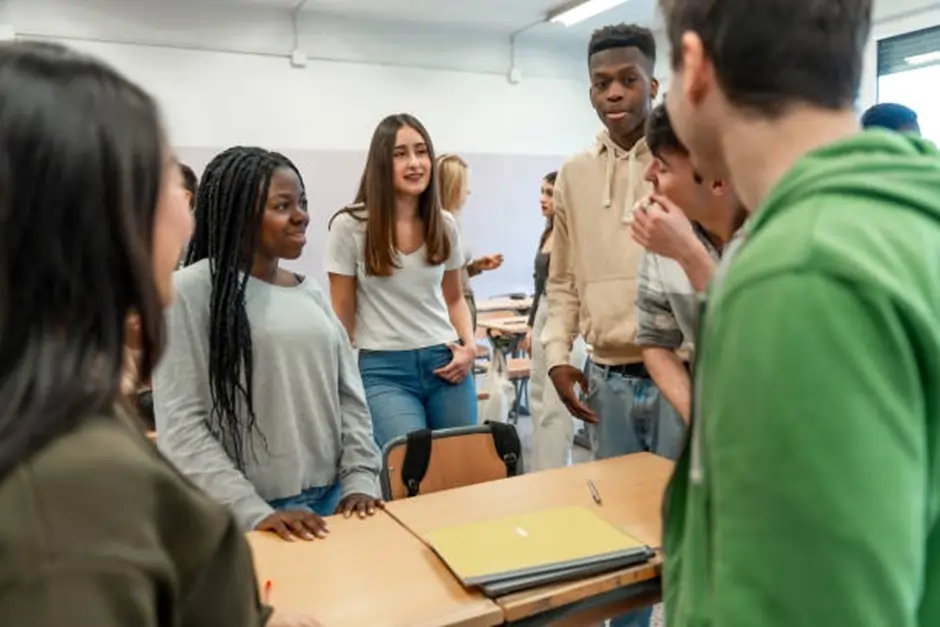
Communication skills are fundamental to social skills for teens. Teens need to be able to express their thoughts clearly, listen actively, and engage in meaningful conversations. Encourage your teen to practice active listening, maintain eye contact, and speak with confidence. These skills will help them build strong relationships and succeed in academic and social settings.
2. Empathy
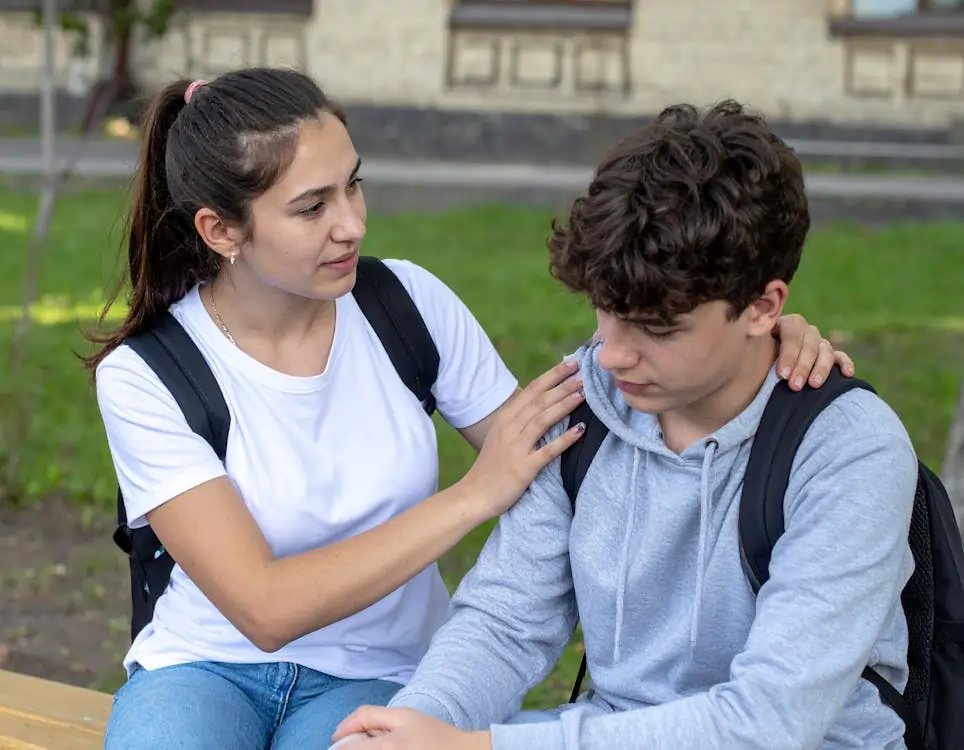
Empathy is the ability to understand and share the feelings of others. It’s a key component of social-emotional learning and a critical social skill for teens. Encourage your teen to consider other people’s perspectives and respond with kindness and compassion. Developing empathy will help them build stronger friendships and navigate complex social situations.
3. Conflict Resolution
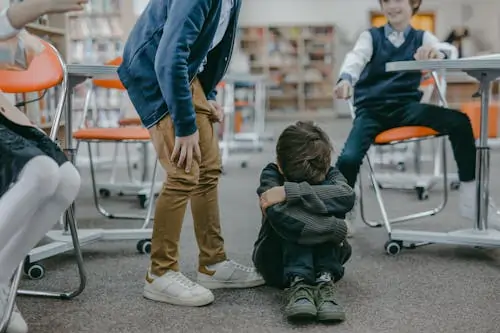
Conflict resolution is an important social skill that helps teens manage disagreements without escalating tensions. Teach your teen how to handle conflict calmly by focusing on problem-solving and finding solutions that benefit everyone involved. Practicing conflict resolution will help them avoid unnecessary stress and build confidence in their ability to manage tough situations.
4. Teamwork
Being able to collaborate effectively with others is essential in both school and future work environments. Encourage your teen to participate in group activities and take on leadership roles in collaborative projects. Teamwork teaches teens how to respect different opinions, listen to others, and contribute to a common goal.

5. Active Listening
Active listening is the practice of paying full attention to the speaker, understanding their message, and responding thoughtfully. Teens who master active listening are more likely to build stronger connections with others and engage in meaningful conversations. Encourage your teen to listen without interrupting, ask questions for clarity, and give feedback to show they’re engaged.
6. Emotional Regulation
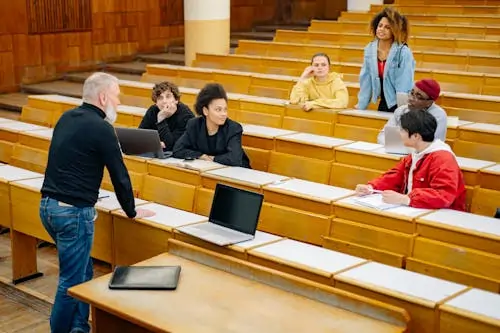
Being able to manage emotions is a critical skill for teens. Emotional regulation helps teens stay calm under pressure and handle stress effectively. Encourage your teen to practice mindfulness exercises and develop healthy coping strategies for managing their emotions, such as deep breathing or journaling.

7. Self-Confidence
Self-confidence is key to healthy social interactions. Teens with high self-esteem are more likely to initiate conversations, participate in group activities, and take on leadership roles. Encourage your teen to set goals, celebrate small victories, and practice positive self-talk to build their confidence over time.

8. Making Small Talk
Not all conversations need to be deep and meaningful. Small talk is a valuable social skill that helps teens initiate and maintain conversations in casual settings. Encourage your teen to practice small talk by asking open-ended questions, sharing interests, and being mindful of body language.
9. Non-Verbal Communication
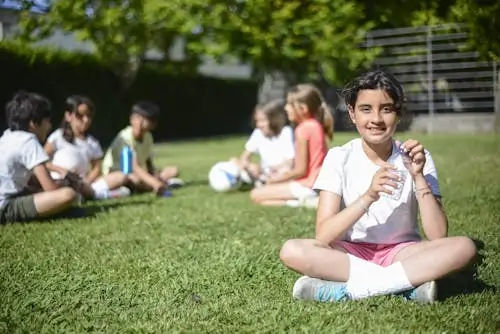
Non-verbal communication, such as body language, facial expressions, and gestures, plays a big role in social interactions. Teach your teen to be aware of their own non-verbal cues and to interpret others’ body language to understand how people are feeling. This skill can enhance their ability to connect with others and avoid misunderstandings.

10. Leadership Skills
Teens can begin to develop leadership skills through involvement in group activities and school projects. Encourage your teen to take initiative, manage responsibilities, and guide others. Being a leader involves listening to others, making decisions, and inspiring others to work toward a shared goal.

11. Giving and Receiving Feedback
Feedback is an essential part of growth, and teens need to learn how to give and receive it gracefully. Teach your teen to offer constructive criticism and to accept feedback with an open mind. This skill will help them improve in various areas, from academics to social interactions.
12. Building Friendships
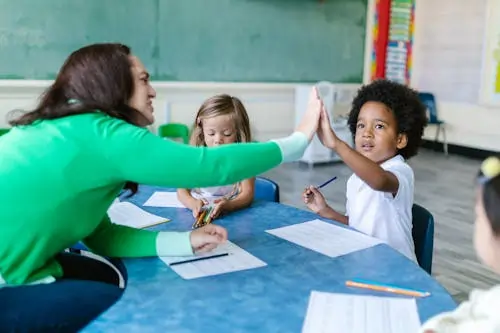
Building lasting friendships requires effort and understanding. Encourage your teen to be supportive, trustworthy, and empathetic toward their friends. Help them understand that true friendships are built on mutual respect and shared interests.

Common Challenges Teens Face with Social Skills
While developing social skills for teens is essential for their personal growth, it’s not always an easy journey. Teens face a variety of challenges when it comes to interacting with others, especially as they navigate the complexities of adolescence. Here are some common obstacles and tips for parents to help their teens overcome them.
1. Shyness and Social Anxiety
Many teens struggle with shyness or social anxiety, which can make it difficult to engage in social situations and develop strong communication skills. Teens may feel nervous about speaking in front of others or fear being judged, which can hold them back from forming connections. Parents can help by encouraging small social interactions, offering positive reinforcement, and practicing active listening to create a comfortable environment.
2. Peer Pressure
Peer pressure can influence teens to behave in ways that don’t align with their true selves. Teens may feel compelled to fit in with a particular group, even if it means compromising their values or distancing themselves from healthy friendships. Parents can guide their teens in understanding the importance of maintaining integrity and making decisions based on their own beliefs rather than the expectations of others.
3. Difficulty with Conflict Resolution
Conflict resolution is a skill that many teens still need to master. Disagreements with friends, family, or classmates can lead to frustration and sometimes escalate into arguments. To overcome this challenge, parents should model healthy conflict resolution strategies and help teens understand how to approach disputes with problem-solving in mind. Encouraging teens to stay calm and seek win-win solutions will improve their social skills and build confidence in handling tough situations.
4. Overreliance on Social Media
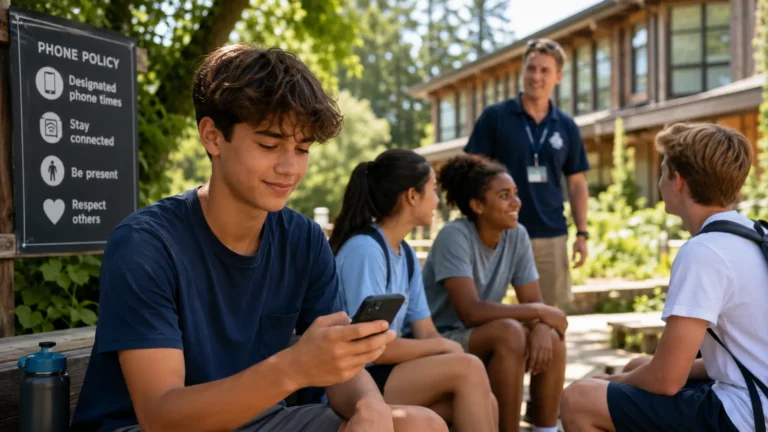
In today’s digital age, social media has become an integral part of social life, but it can also hinder the development of social skills for teens. Teens may rely too heavily on texting or social media interactions, which lack the nuance of face-to-face interactions. Parents can help their teens strike a balance by encouraging real-life interactions and limiting screen time in favor of social activities that foster active listening and non-verbal communication.
5. Lack of Empathy
Empathy is a critical social skill, but not all teens instinctively understand the emotions of others. Some may struggle with understanding different perspectives, especially during the turbulent teenage years. Parents can help by encouraging their teens to consider the feelings of others, engage in volunteer work, and practice mindfulness exercises to become more aware of their own emotions and those of others.
How Summer Camps Help Build Social Skills for Teens
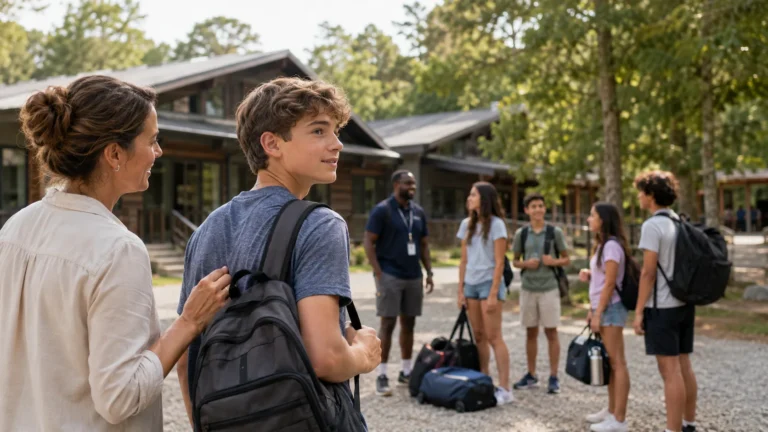
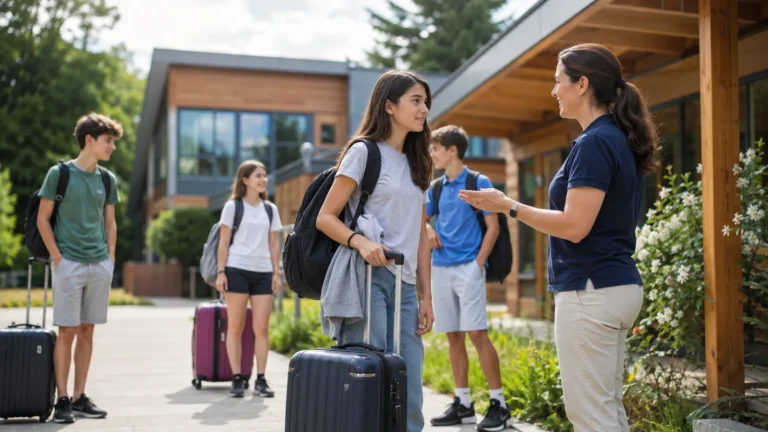
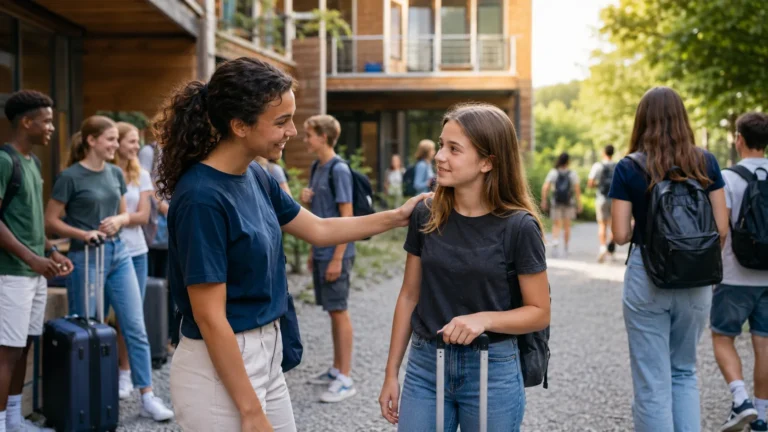
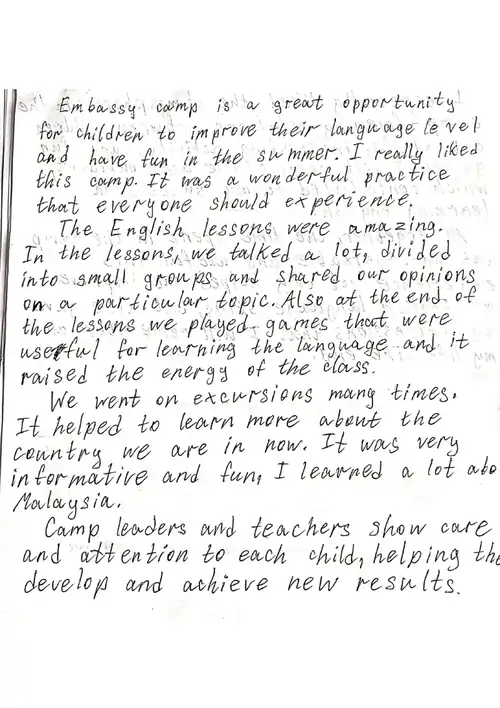
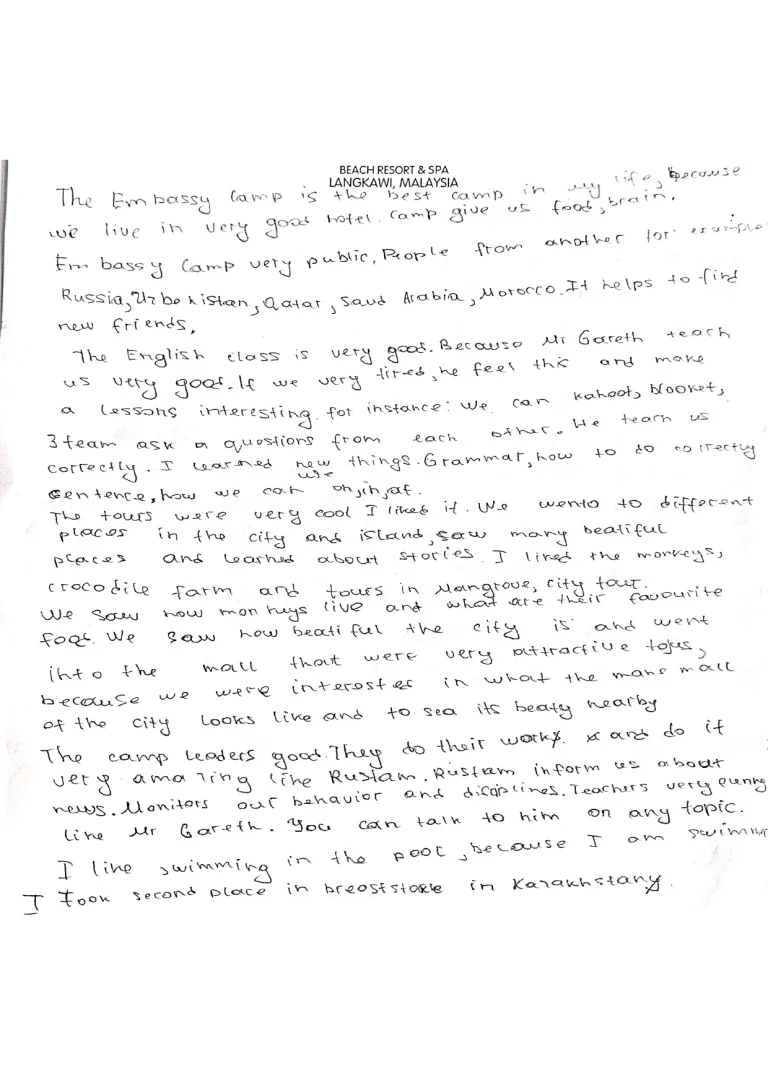
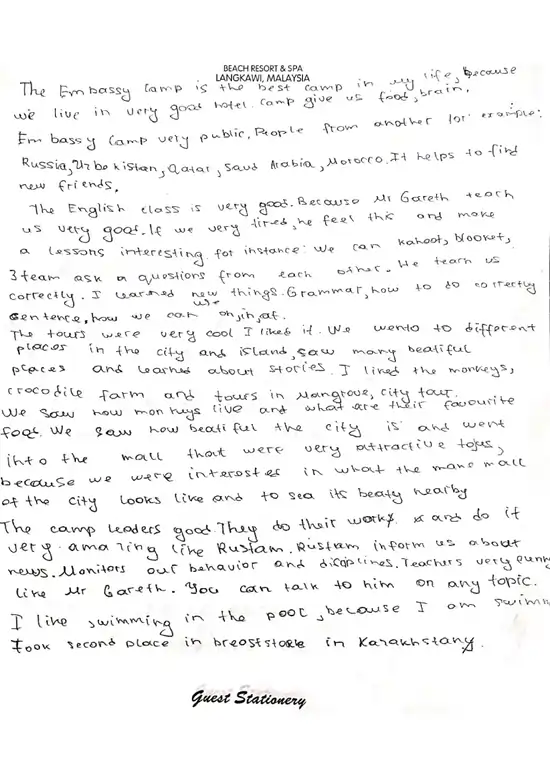
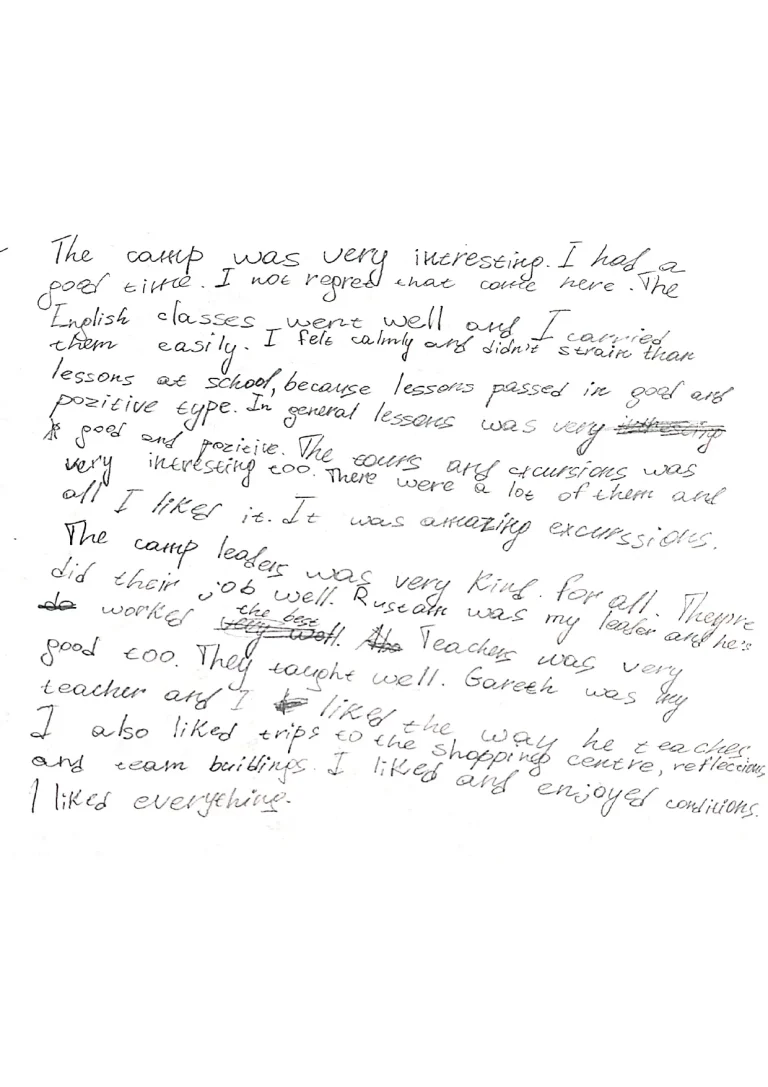
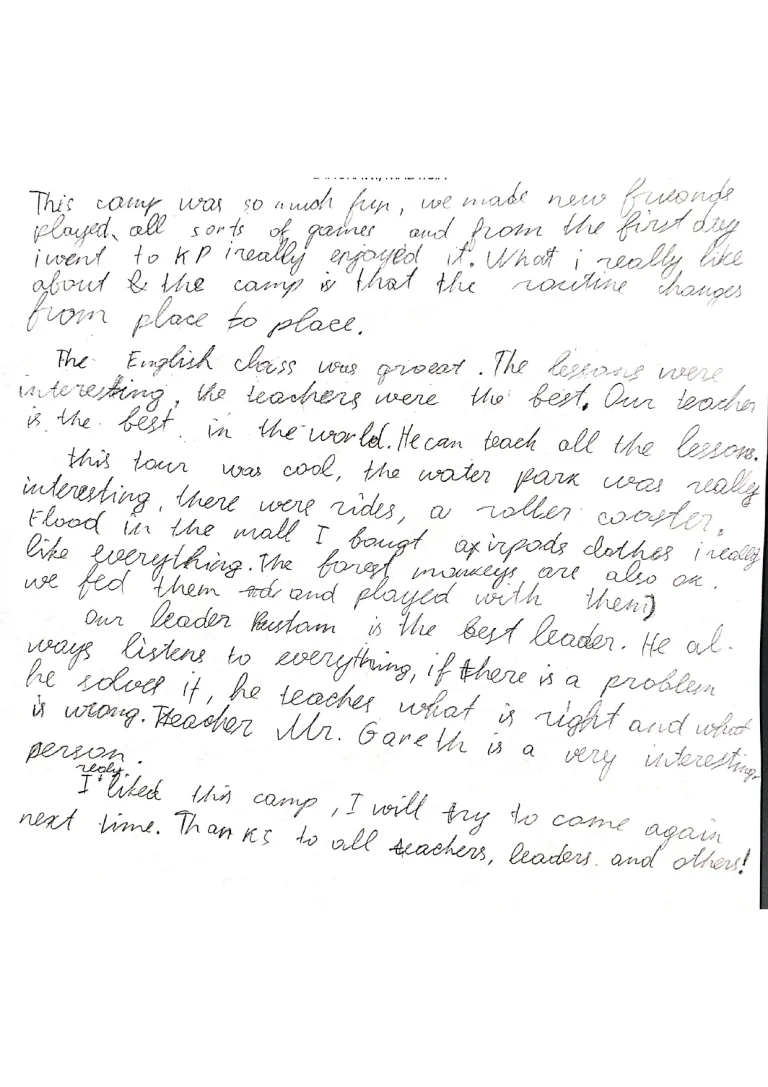
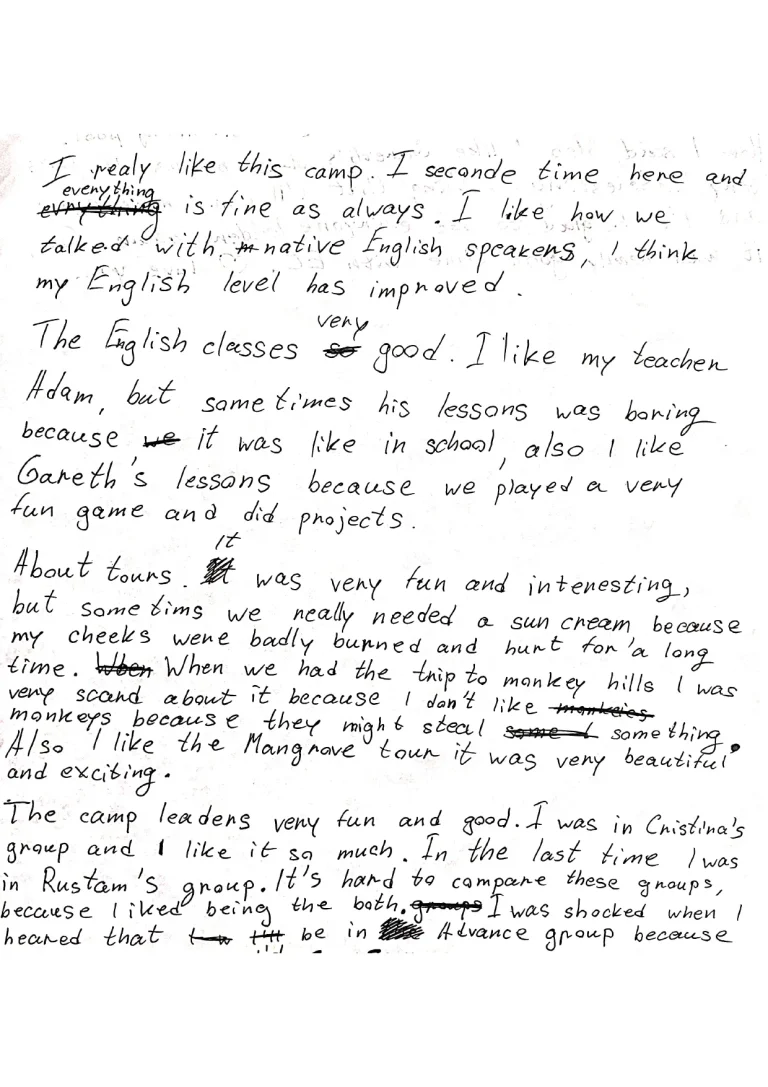
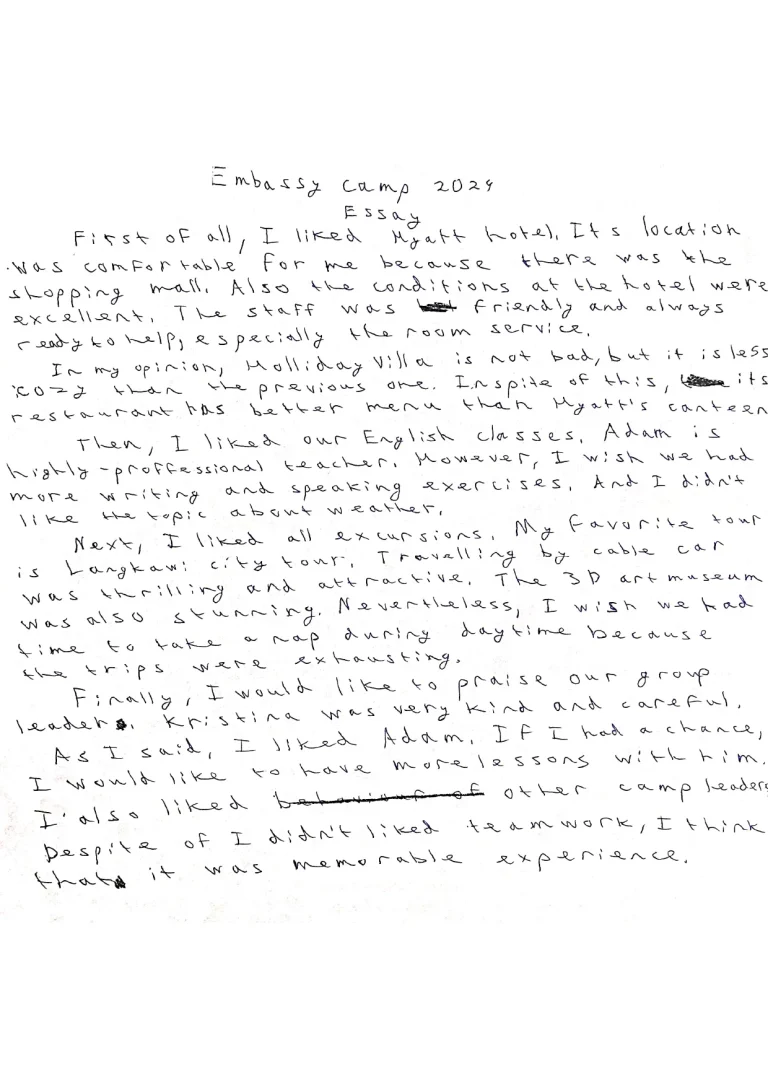
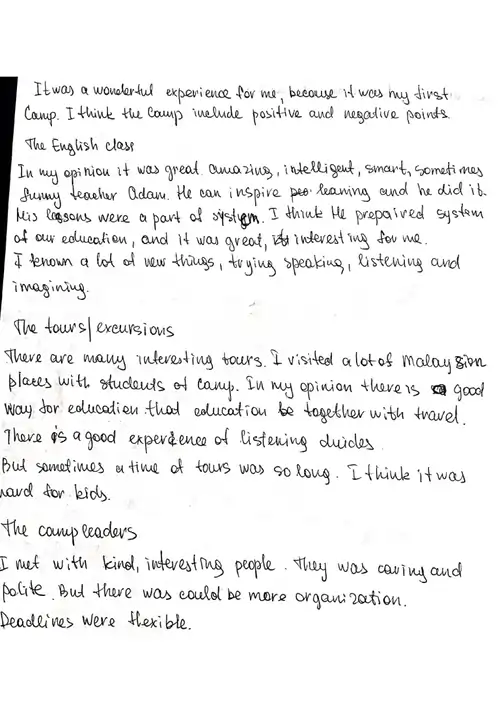
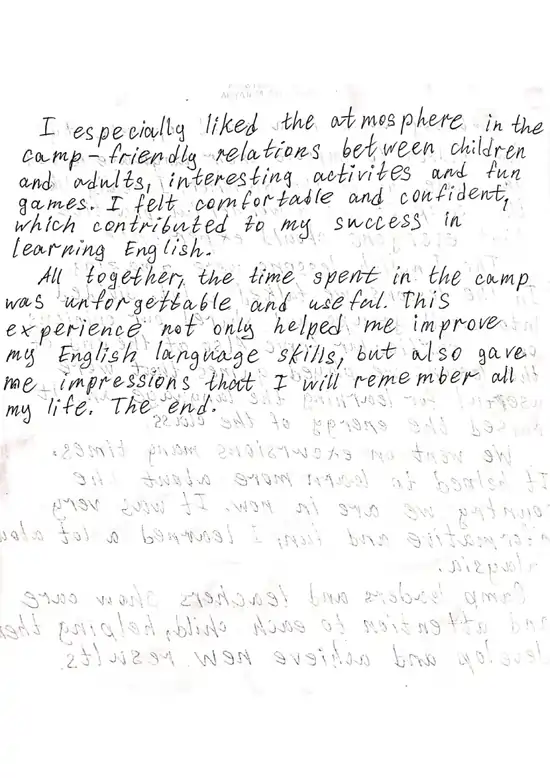
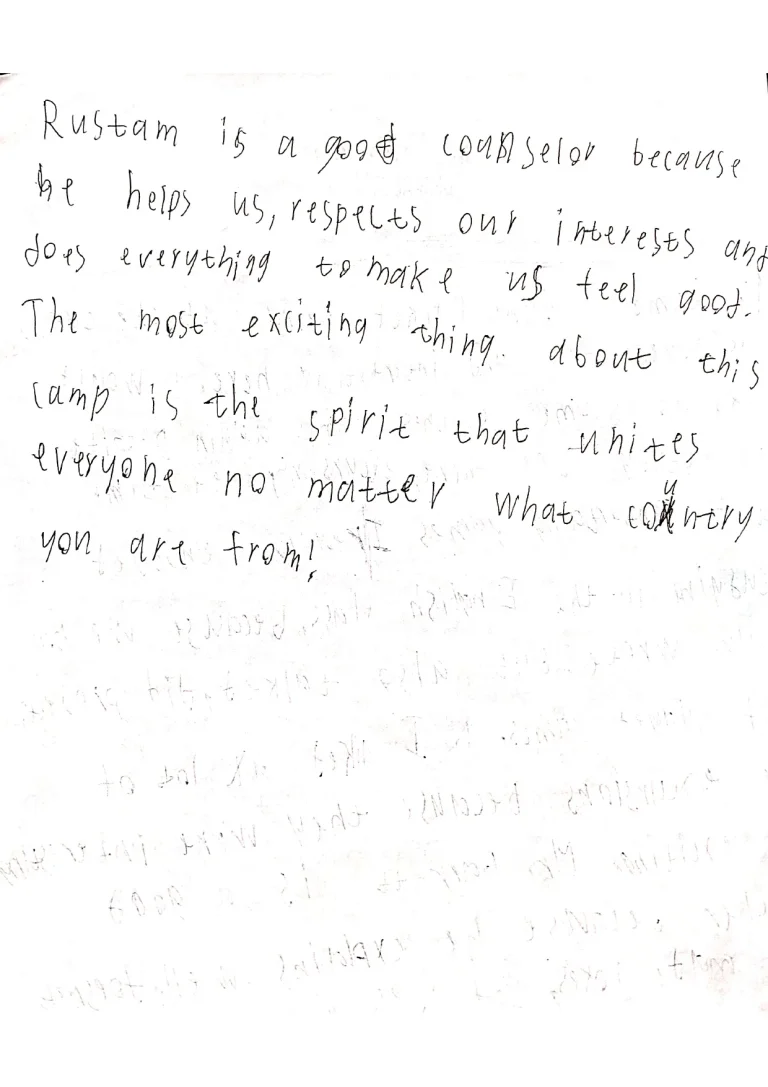
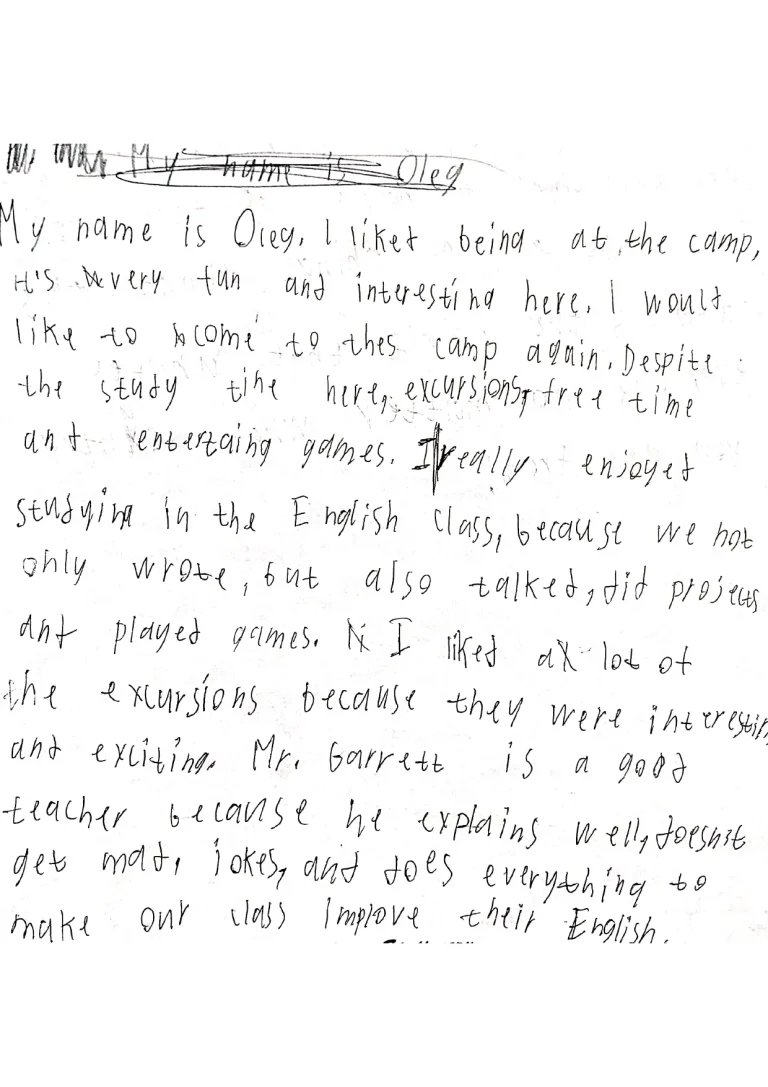
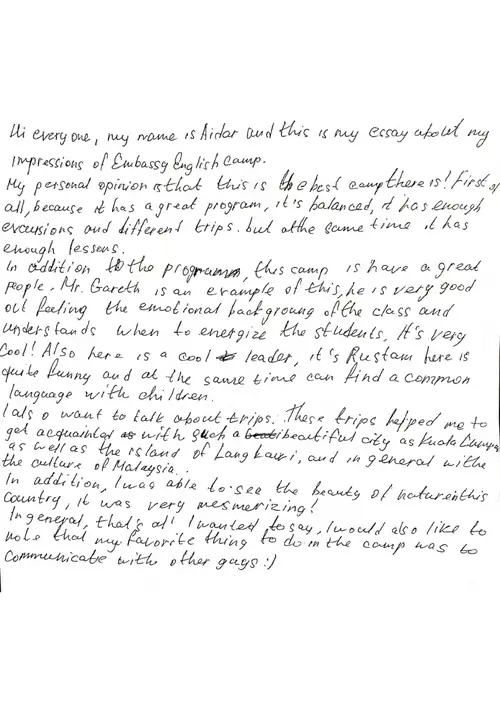
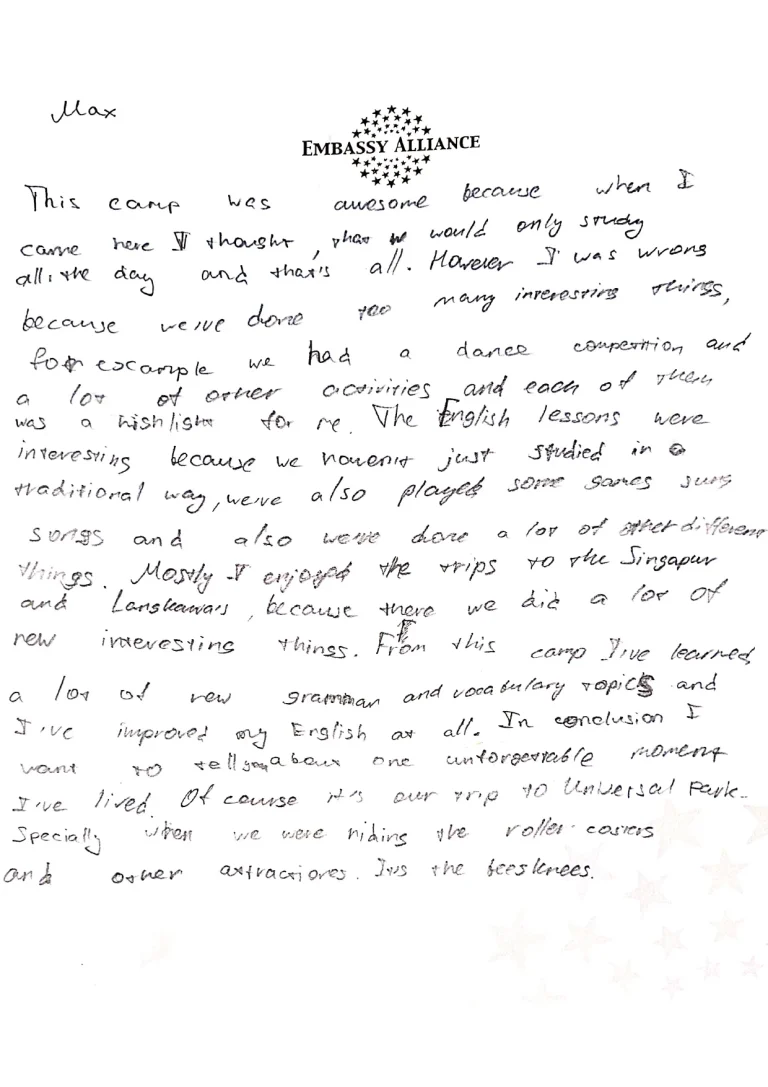
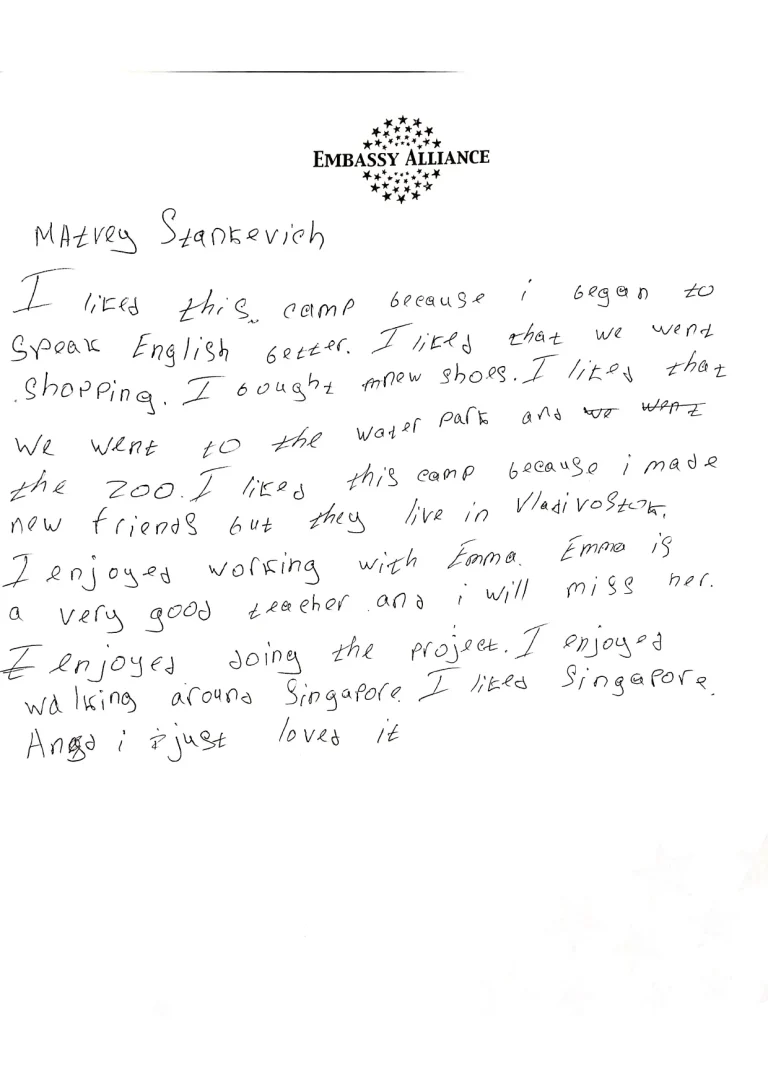
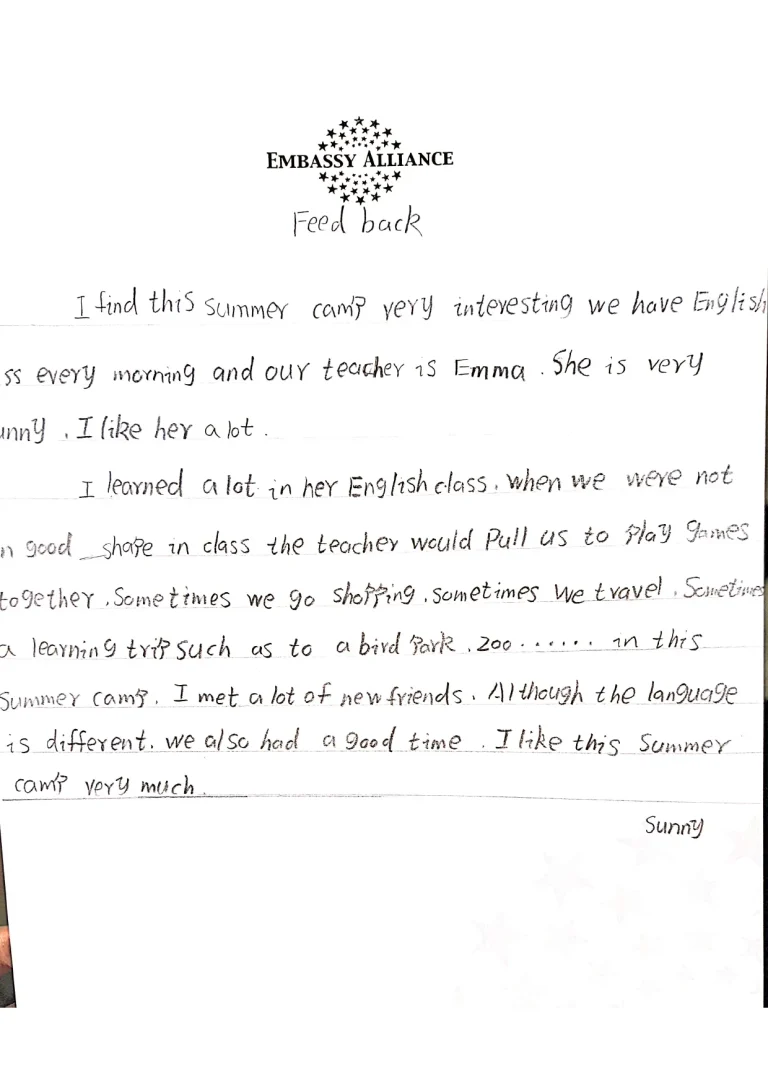
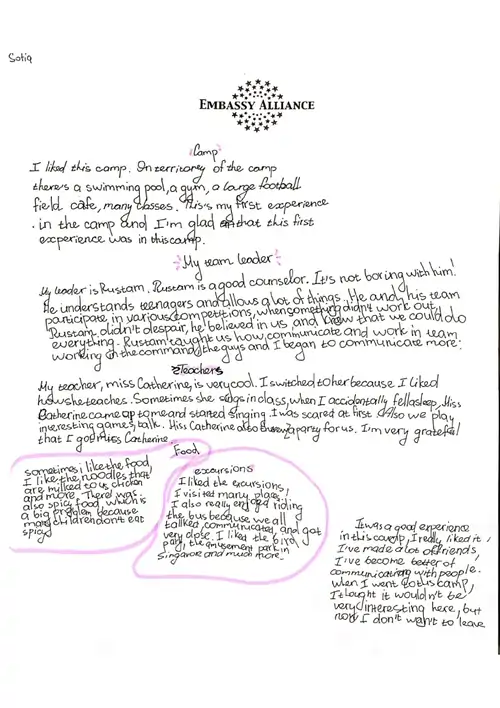
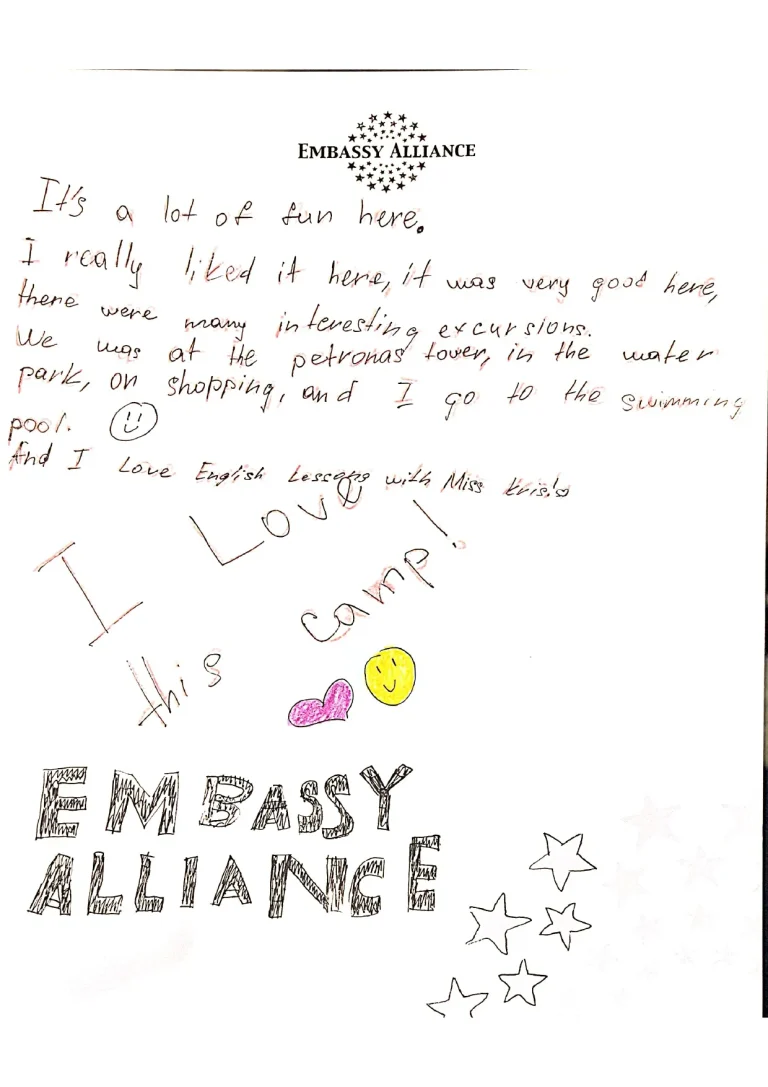
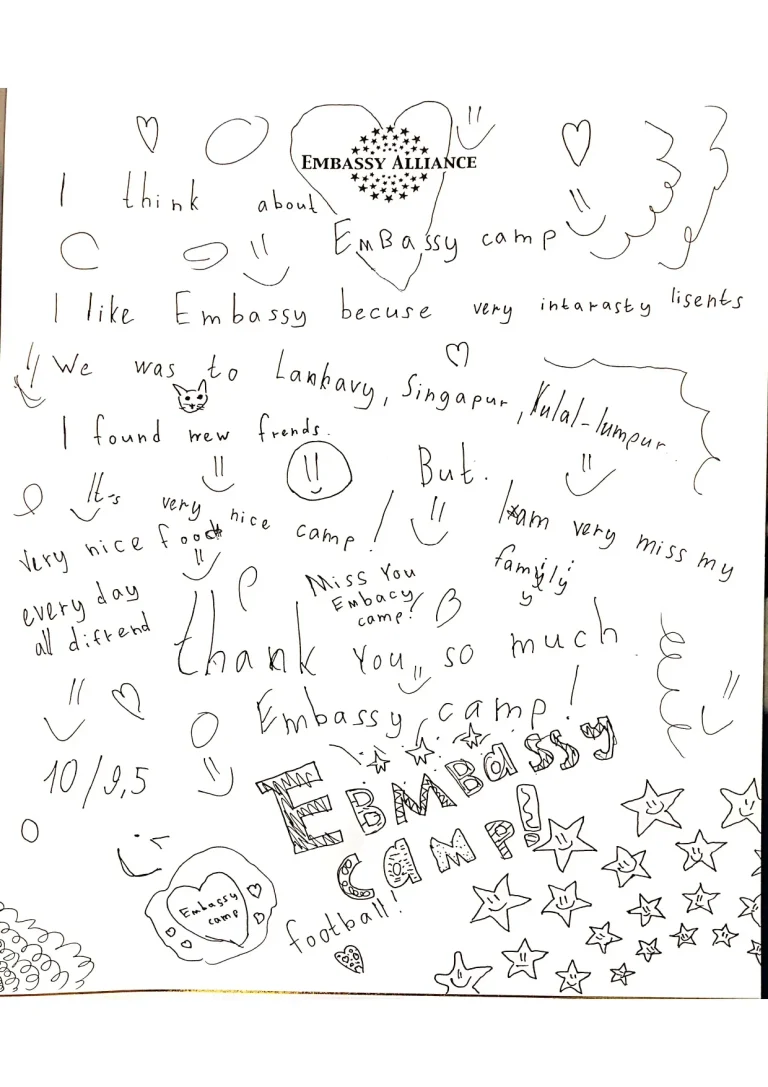
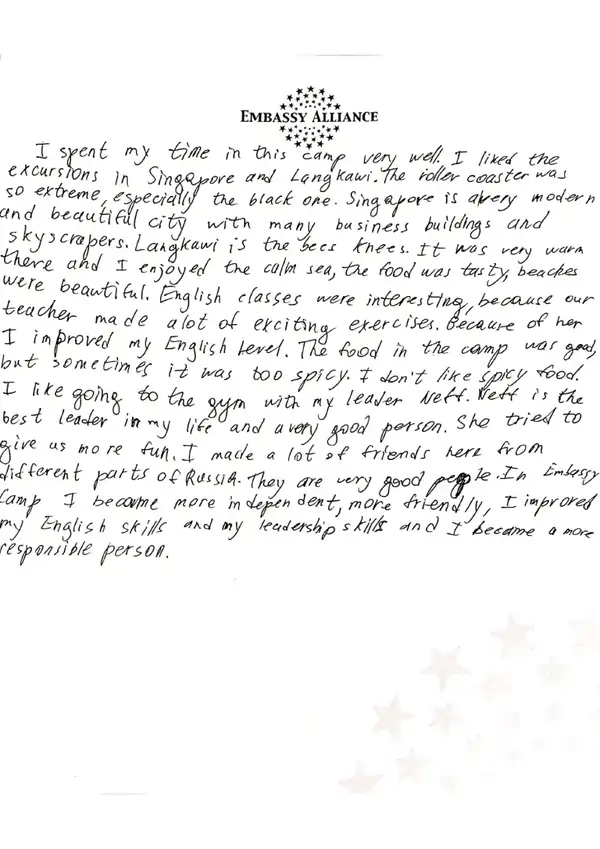
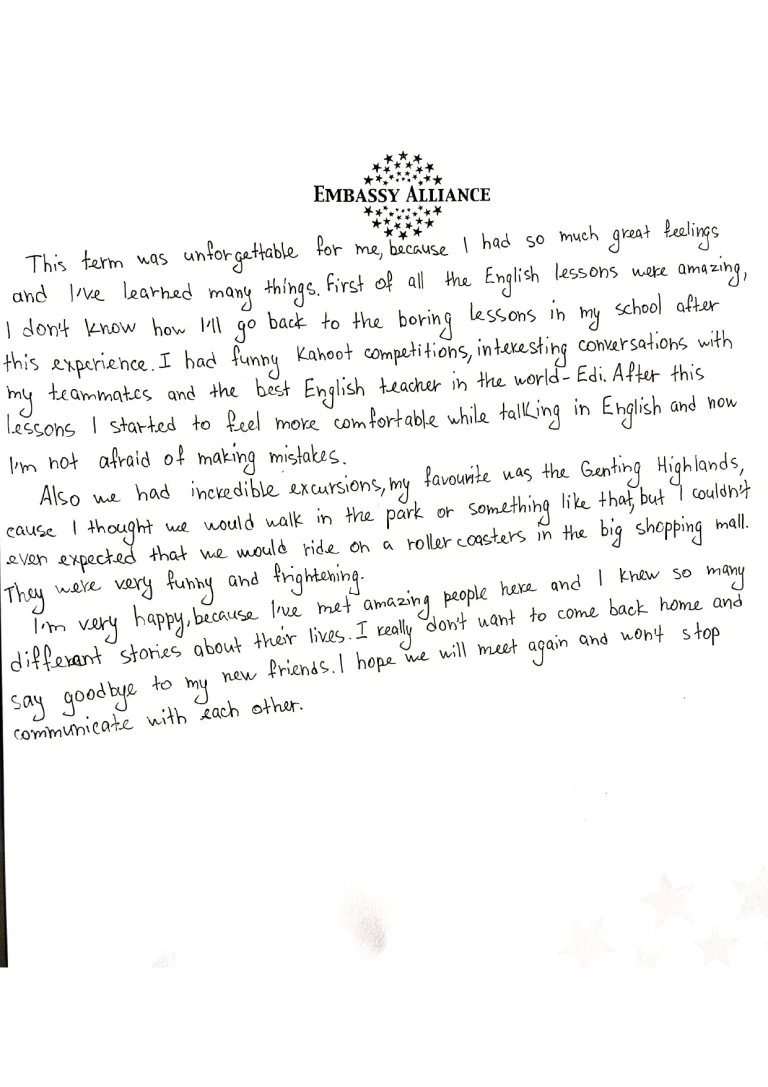
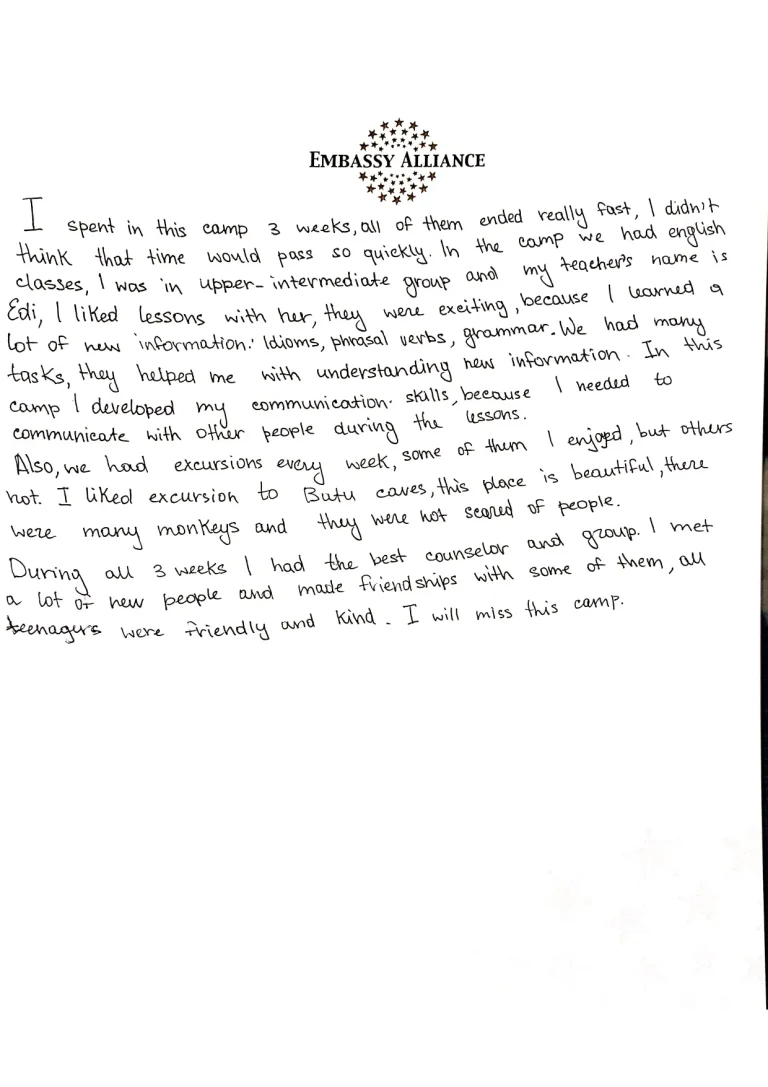
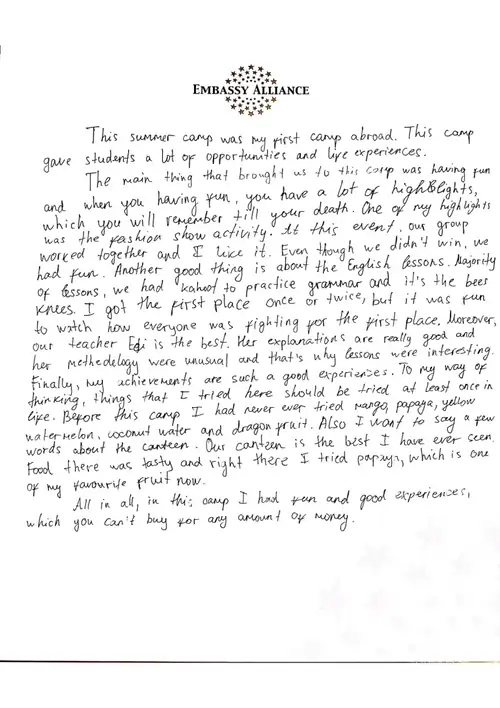
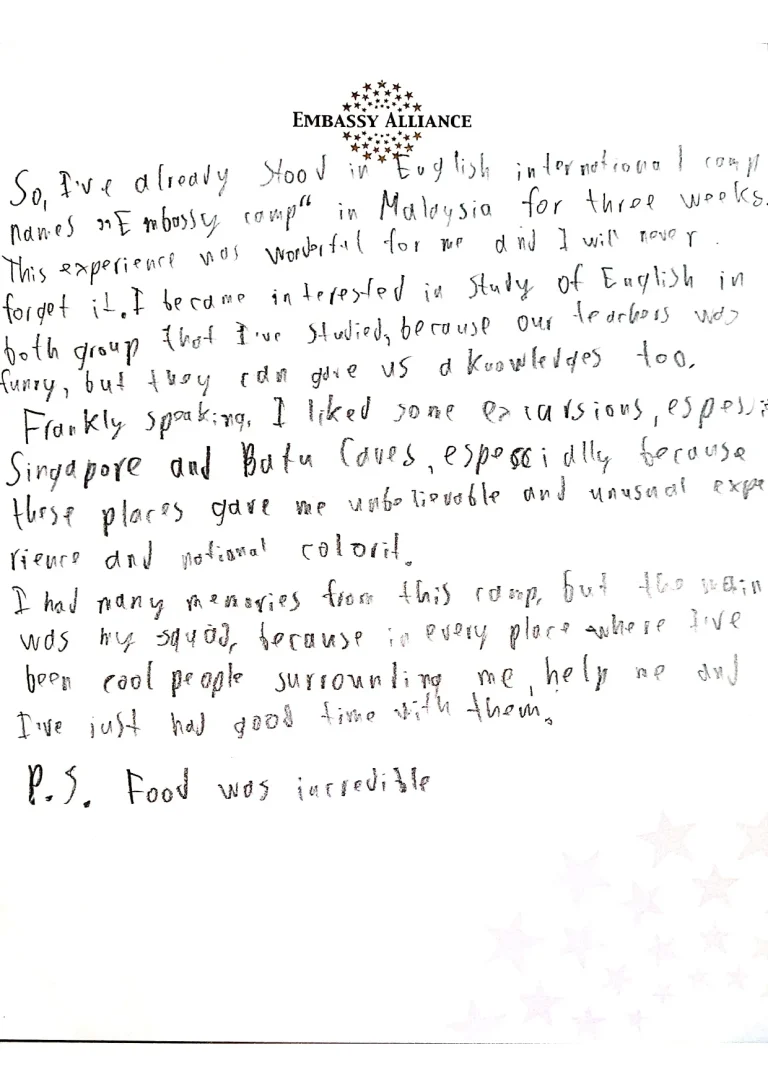
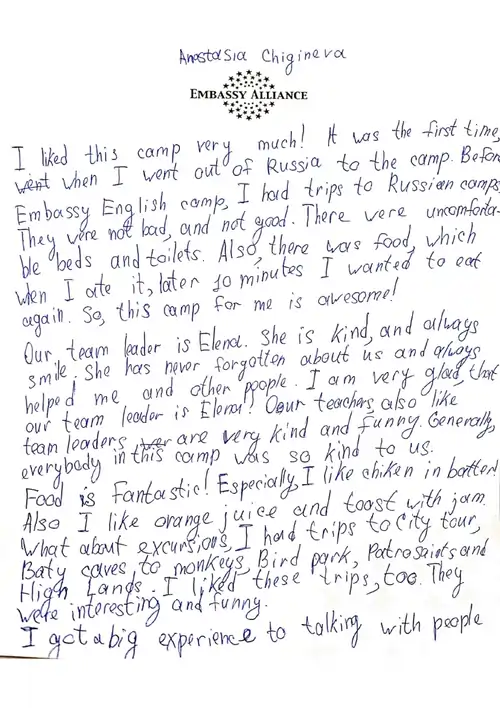
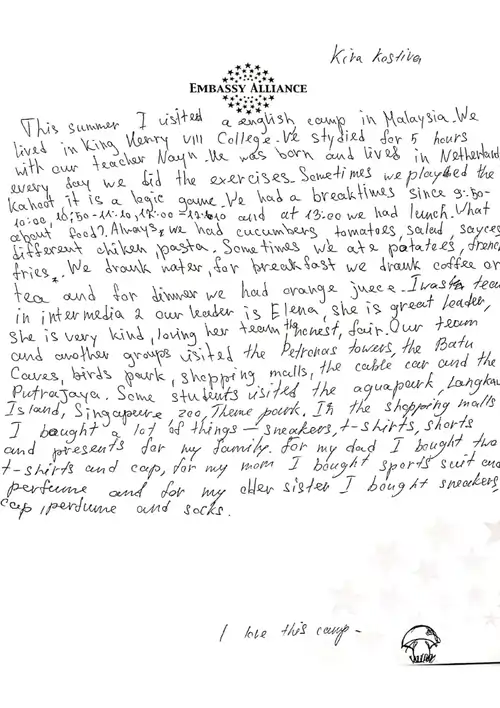
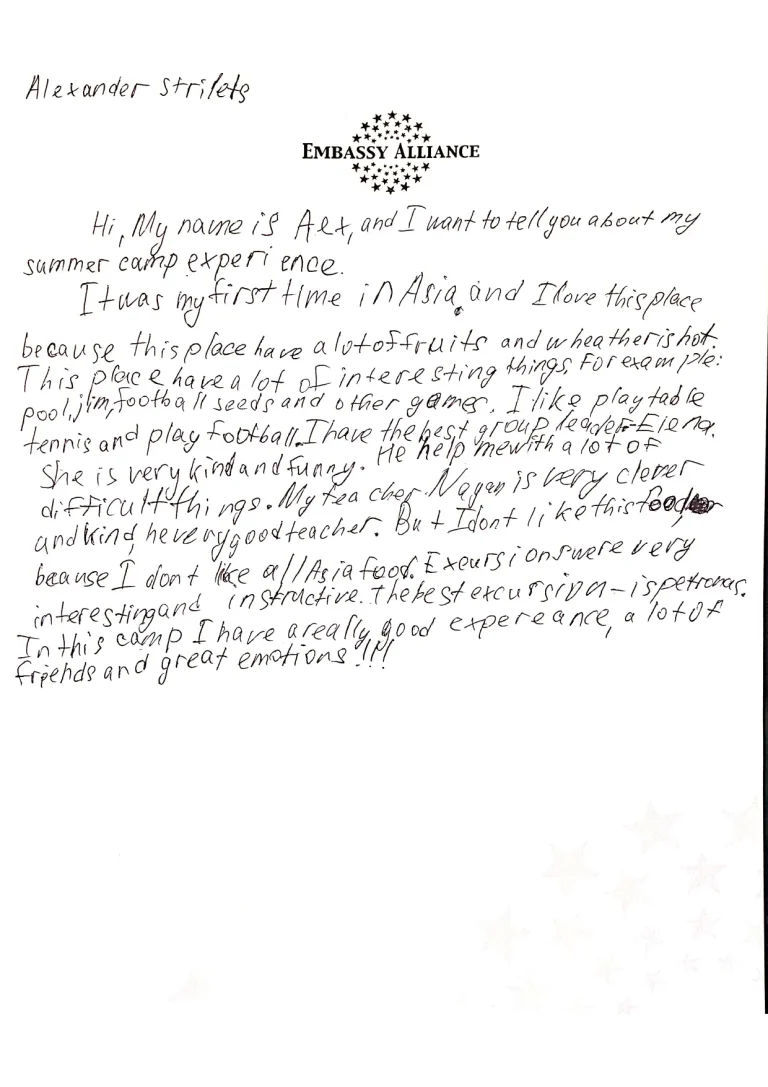
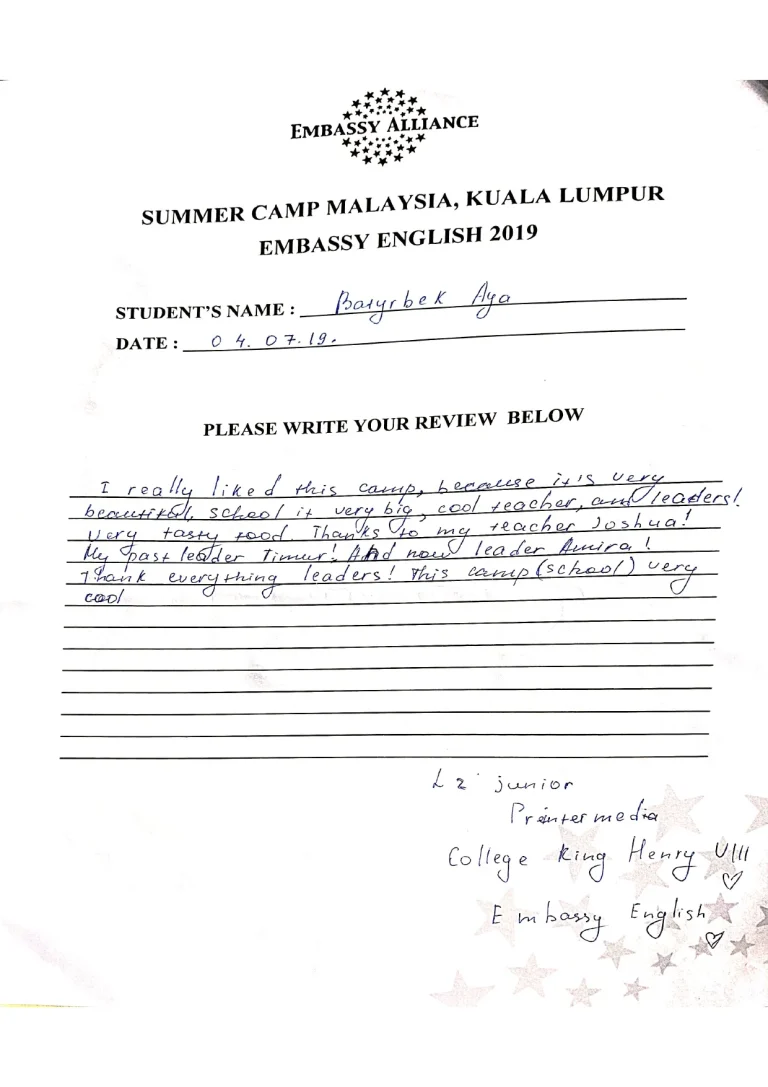
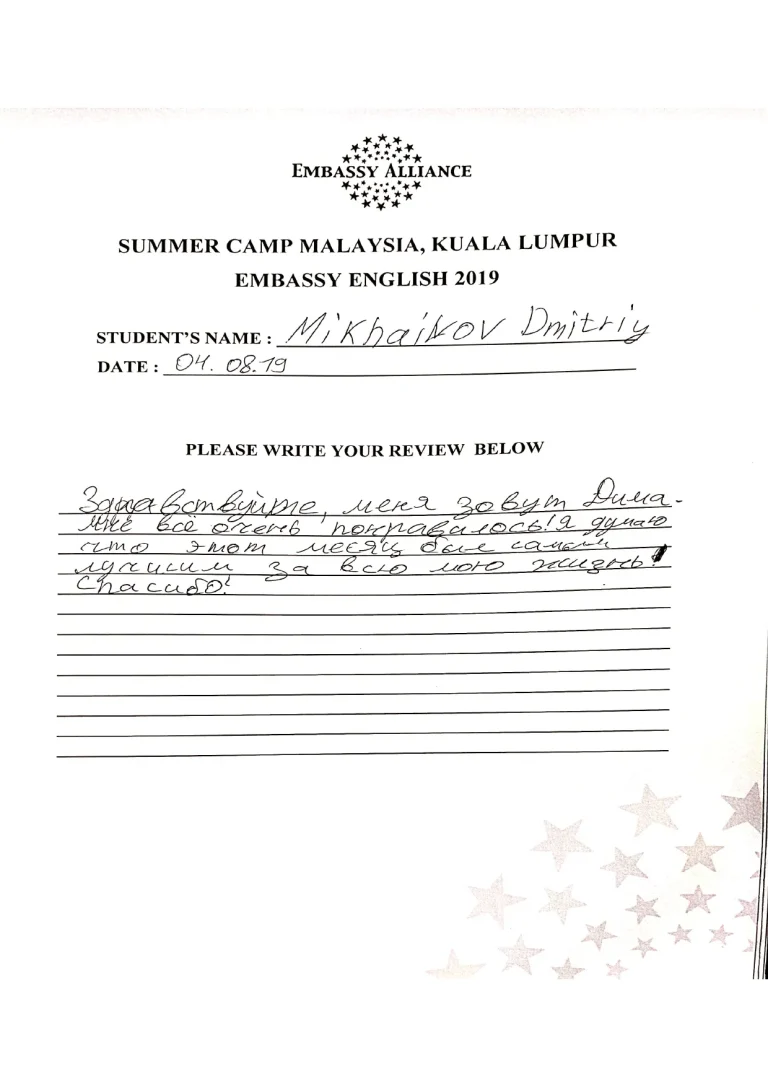
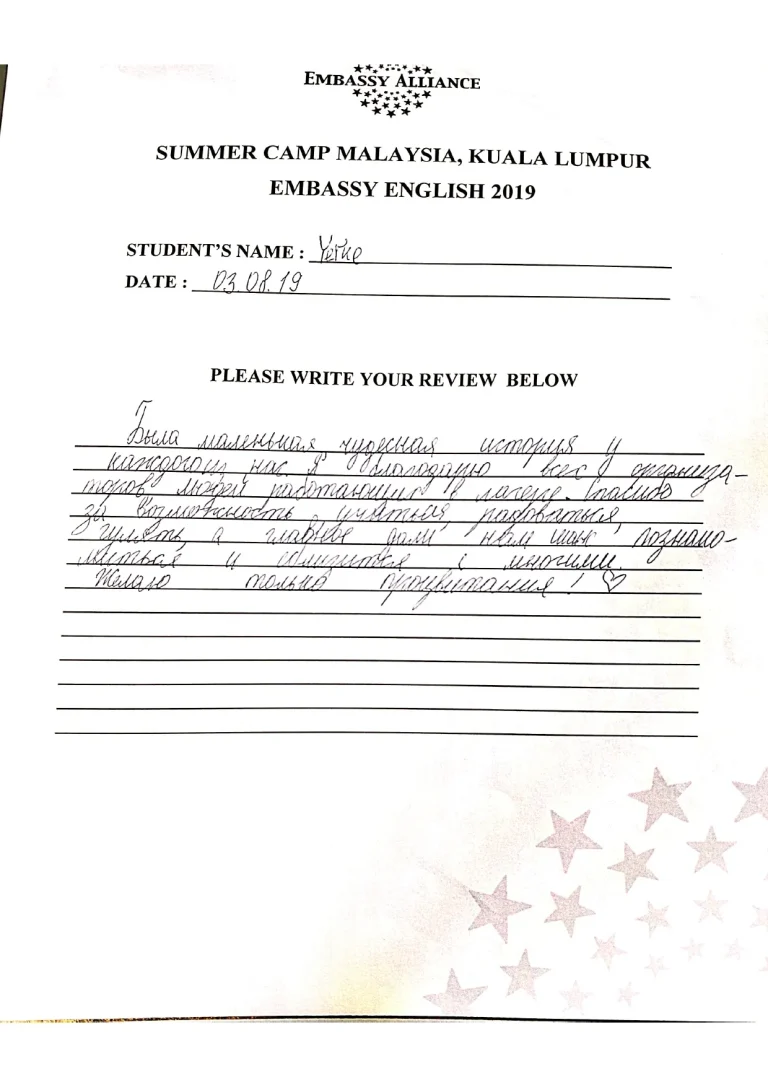
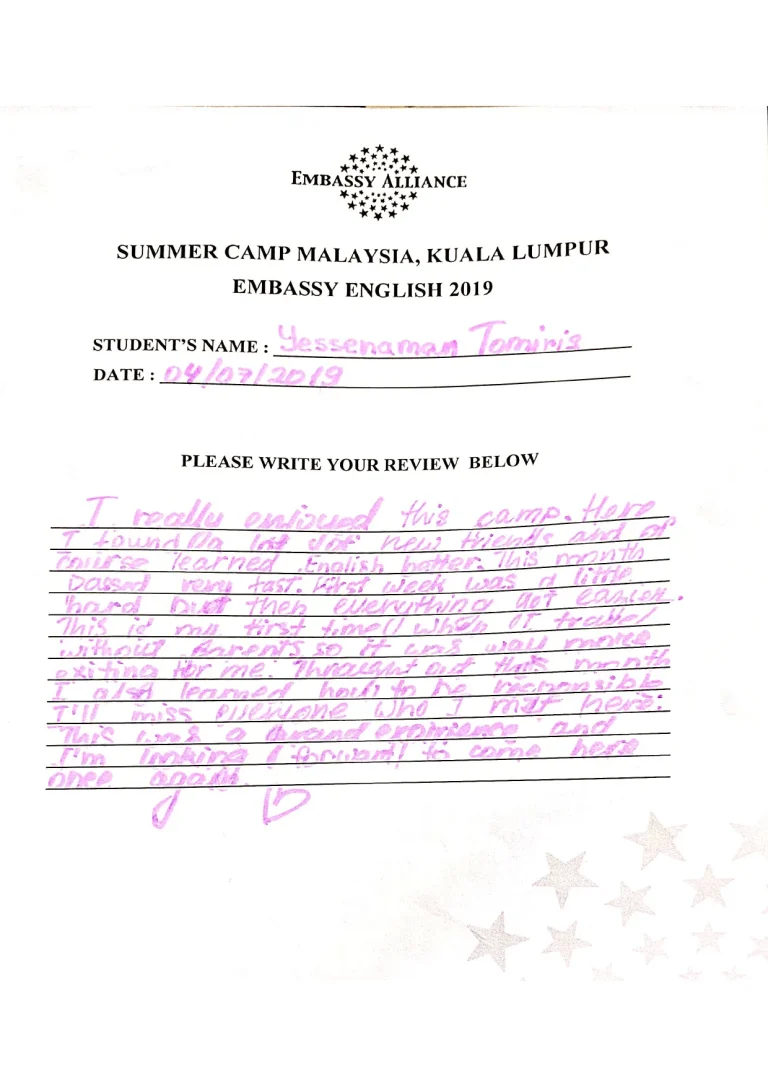
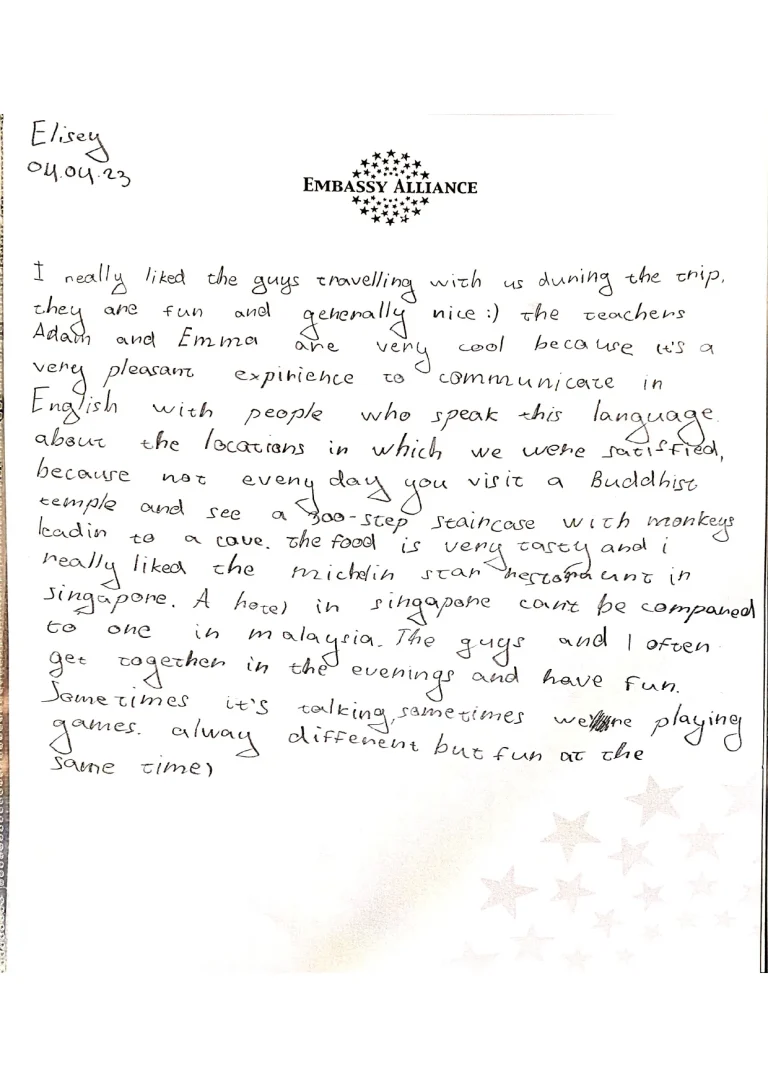
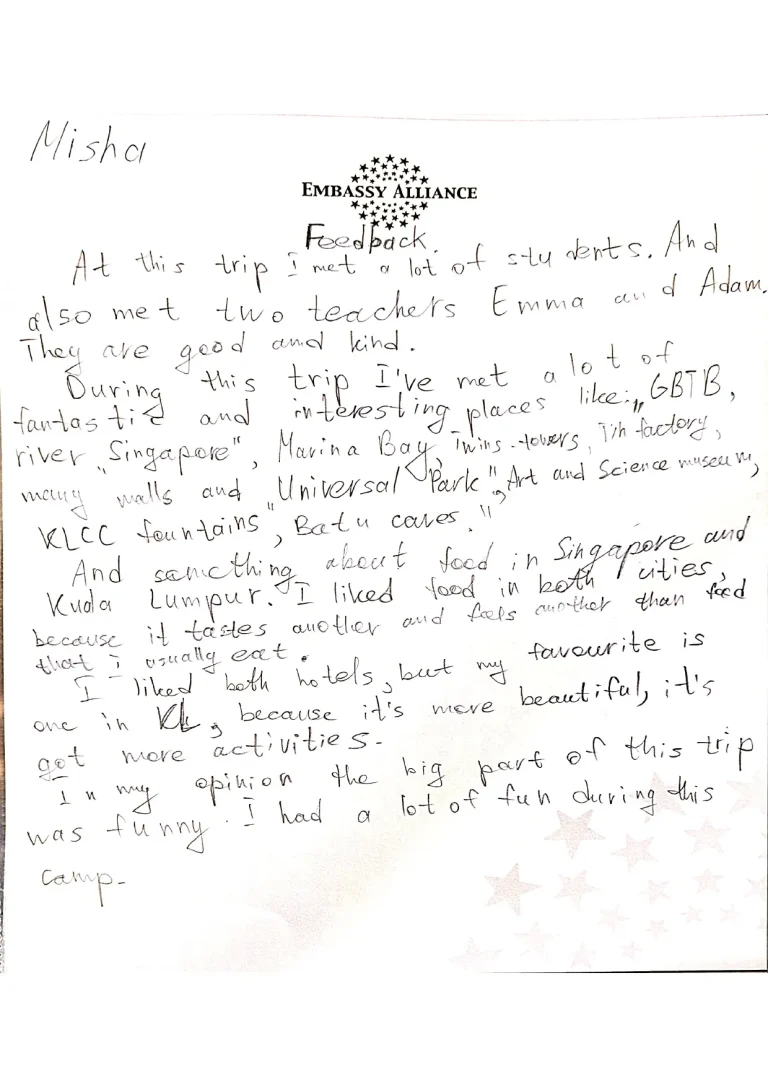
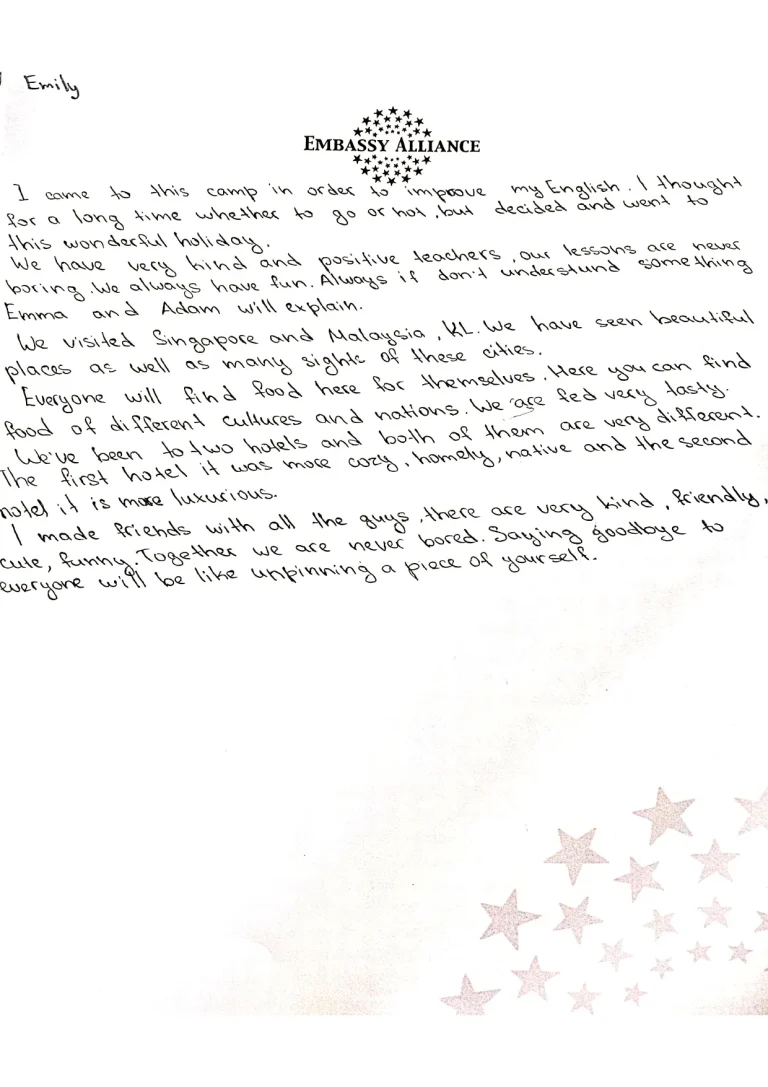
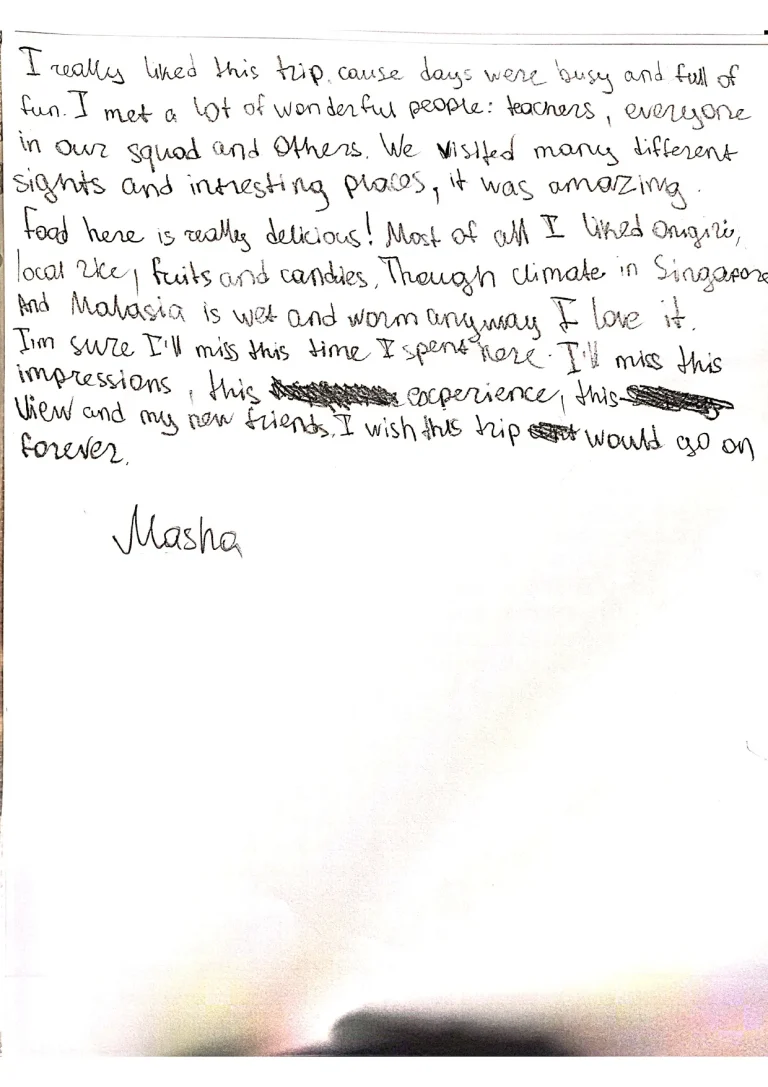
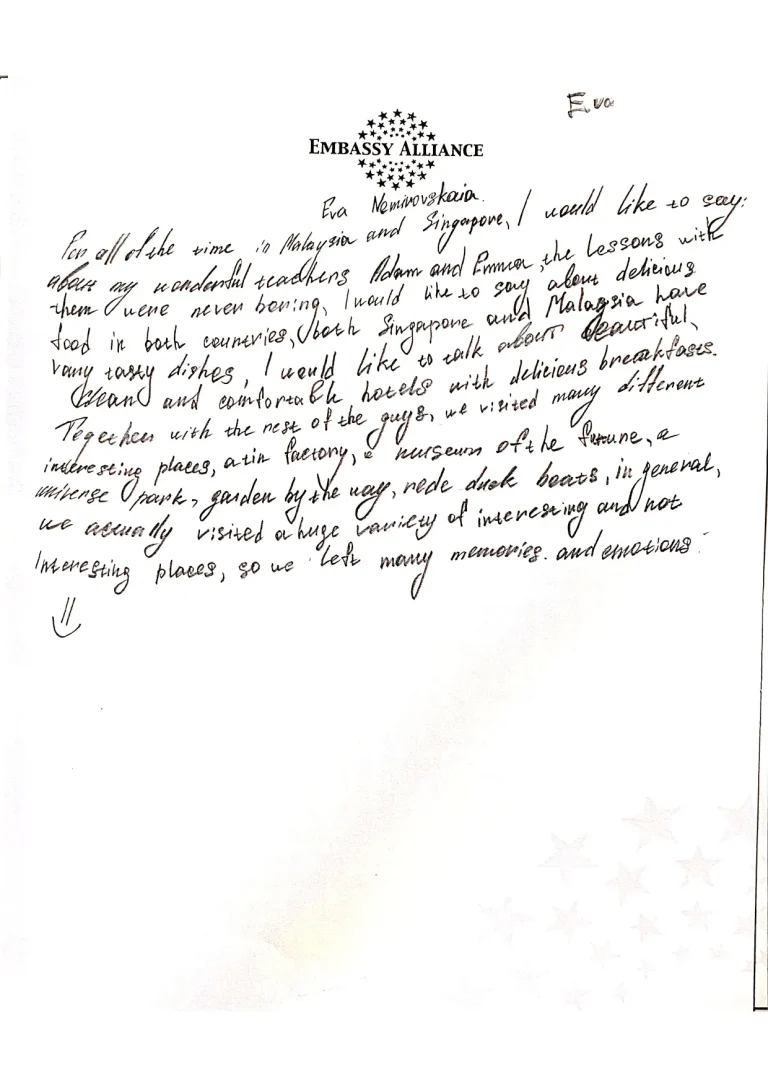
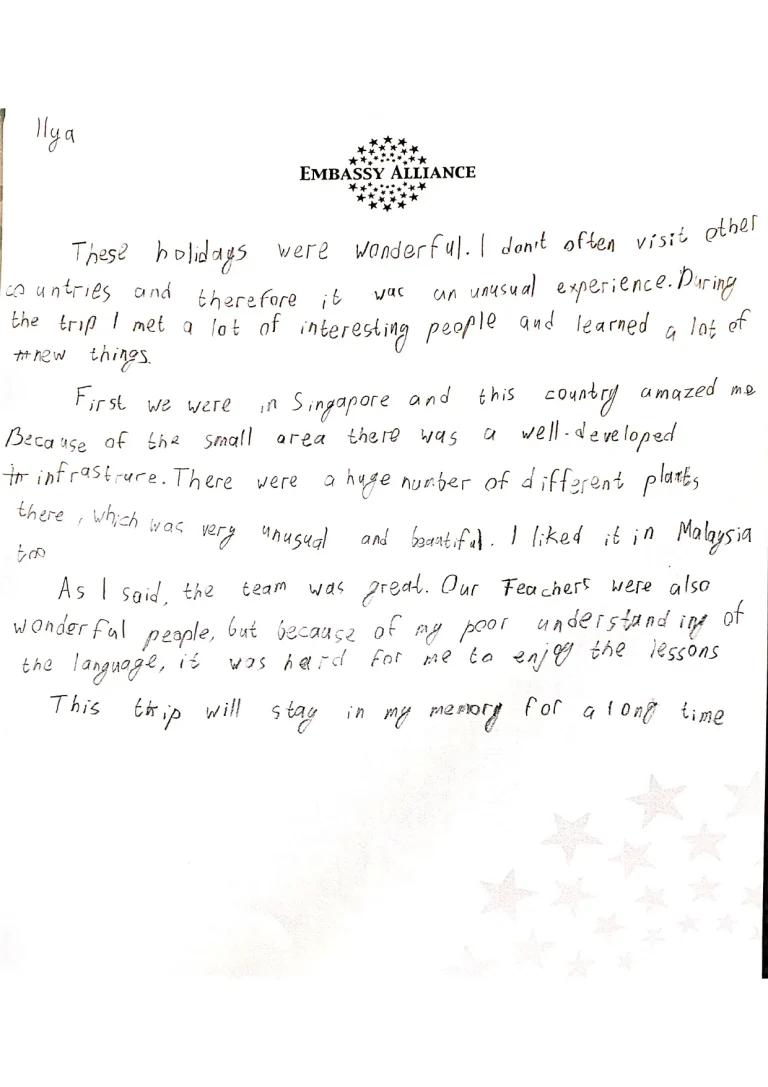
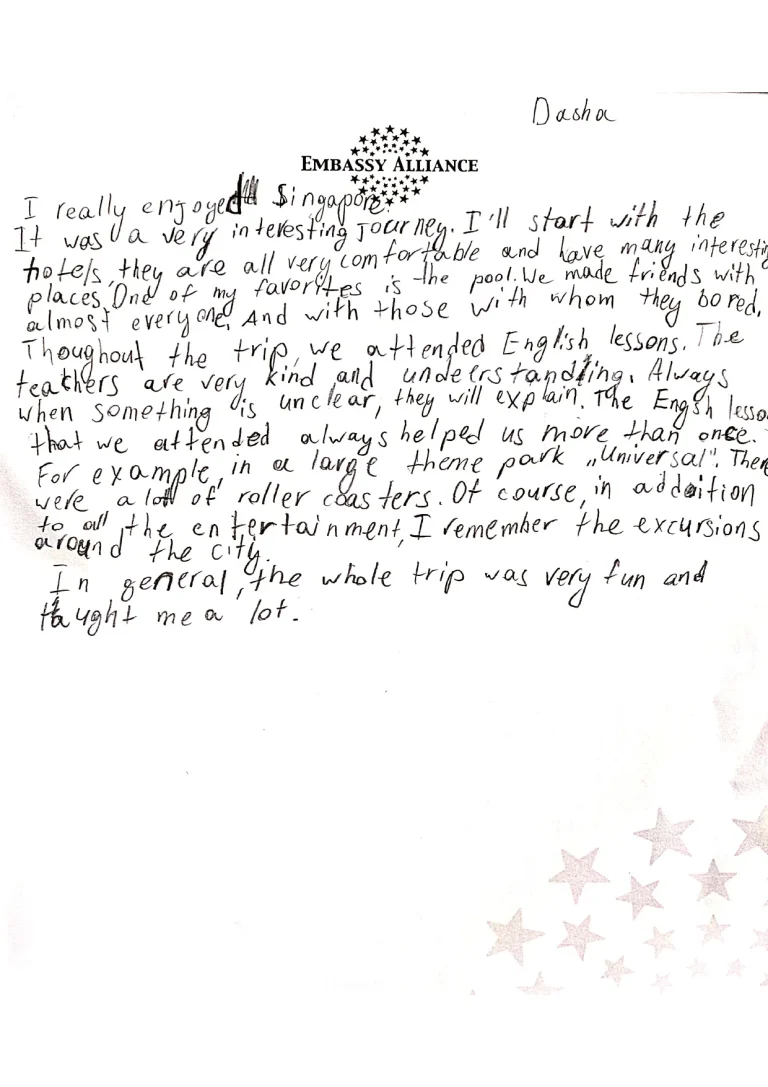
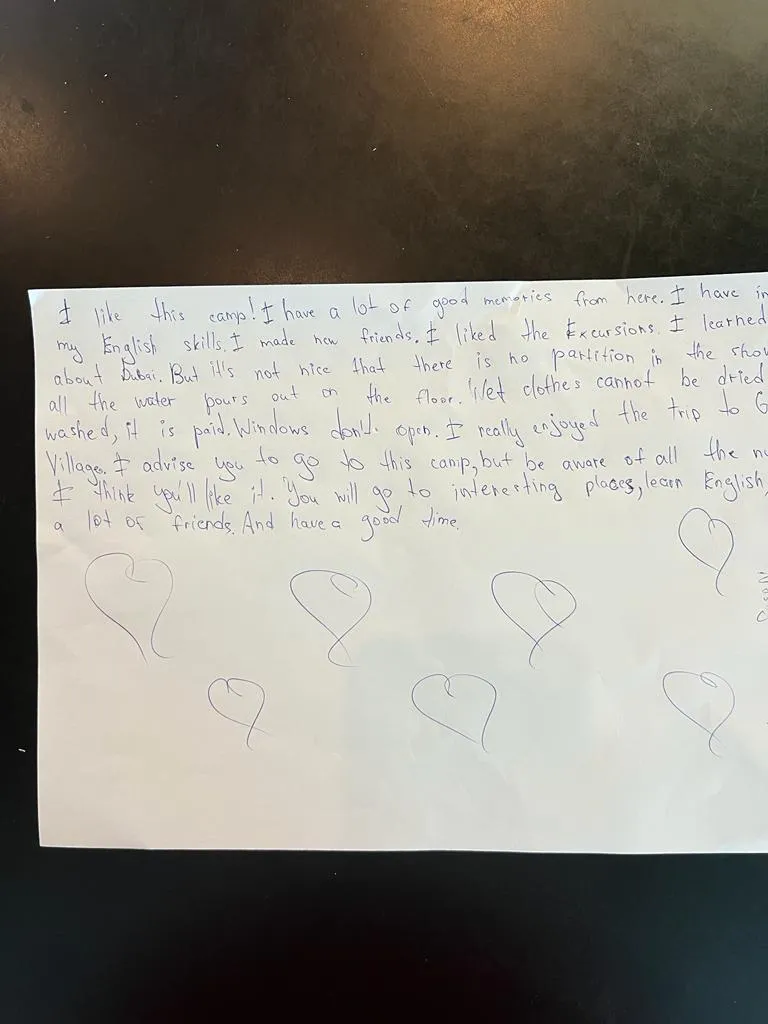
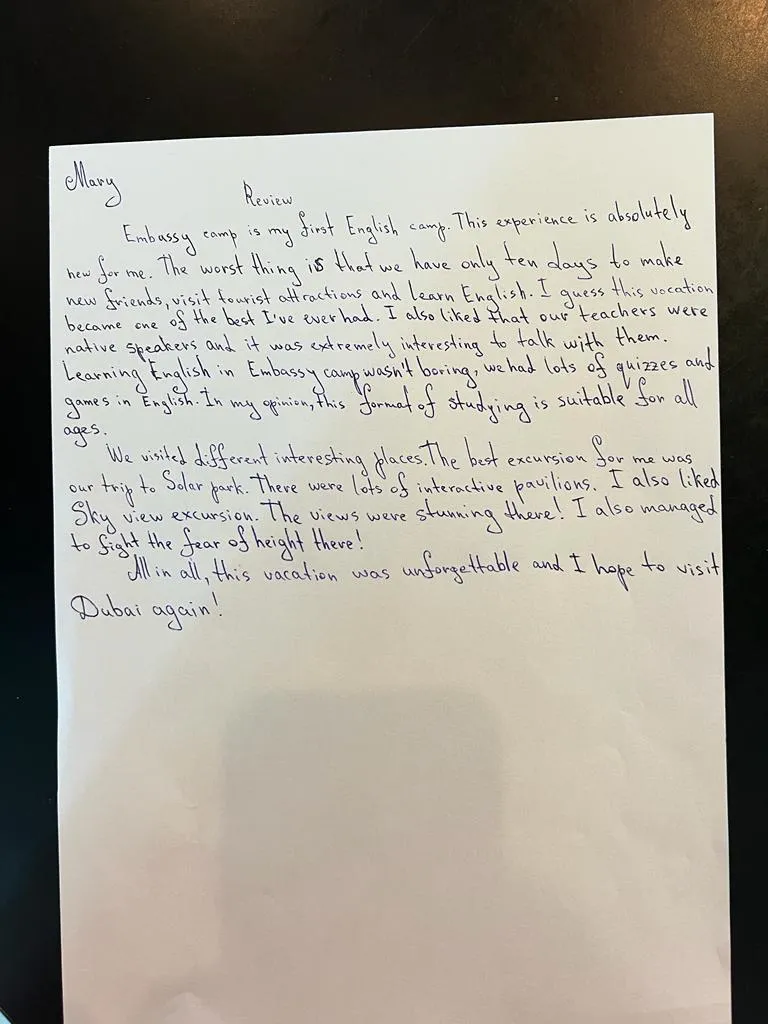
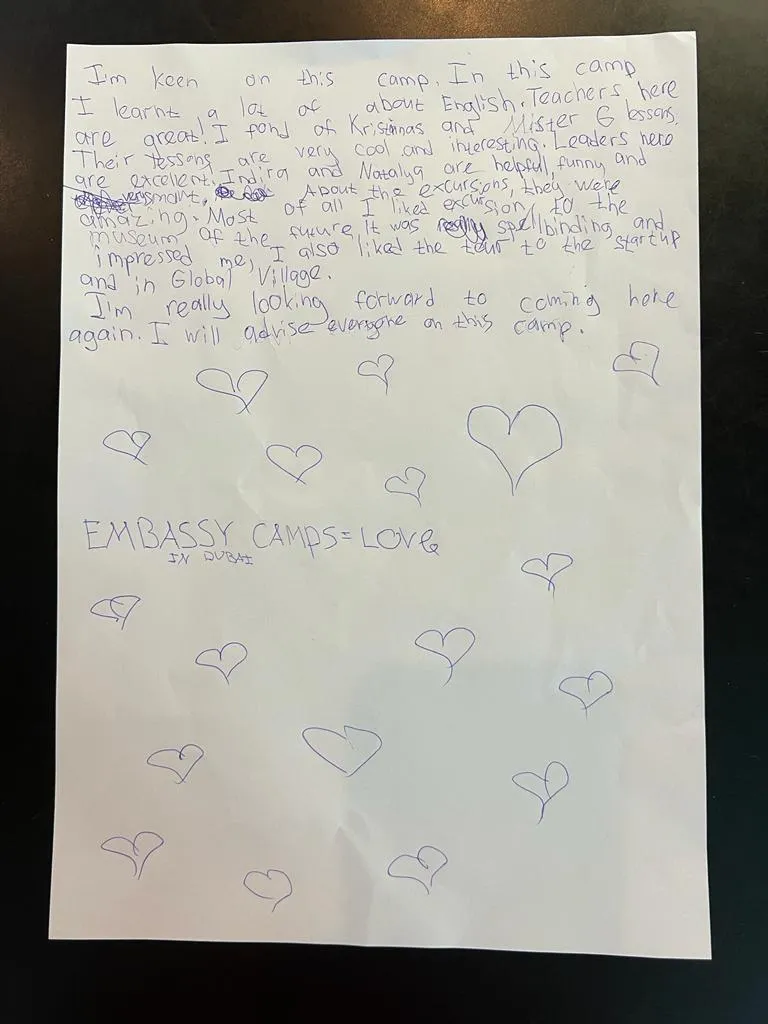
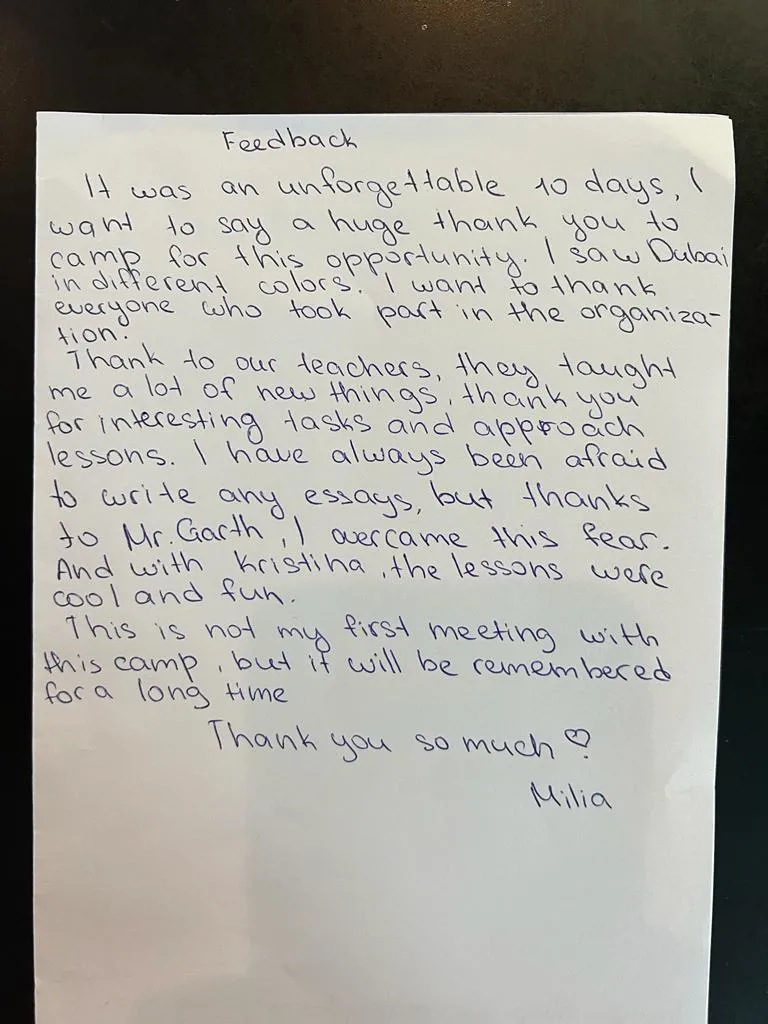
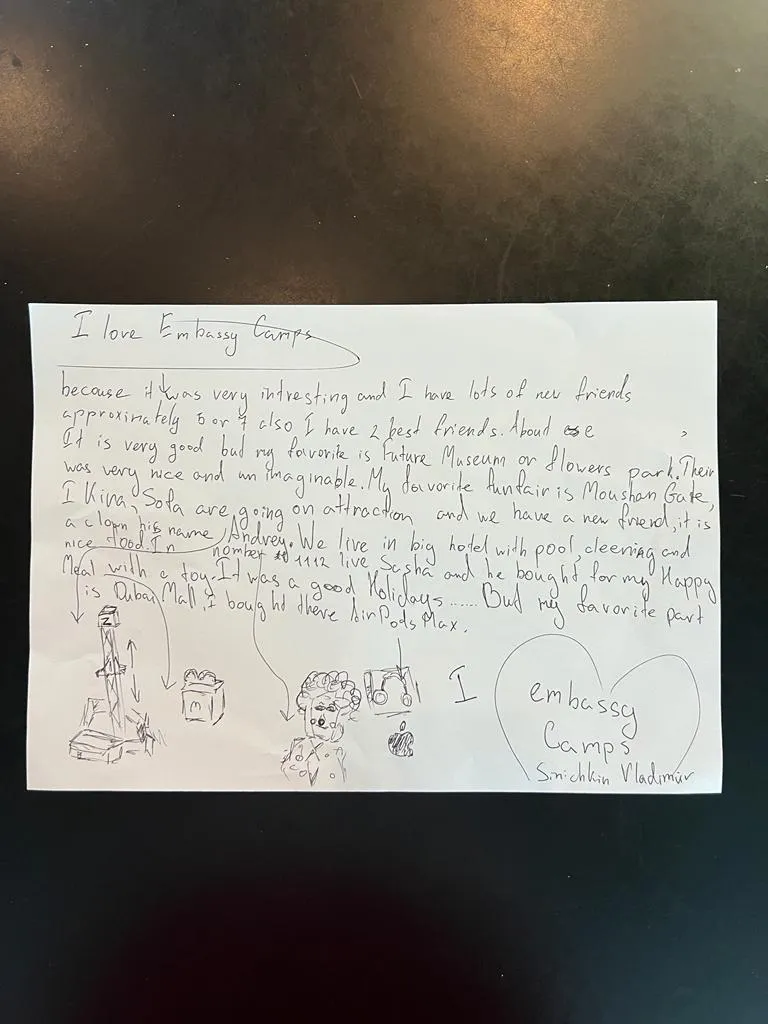
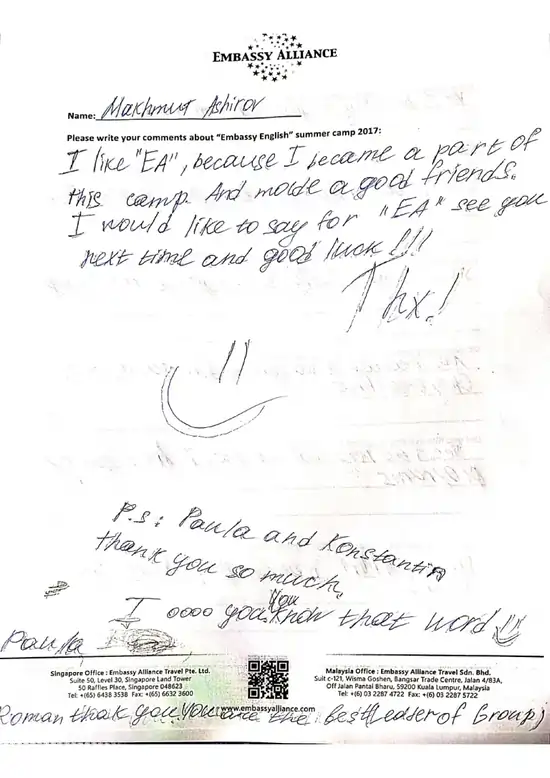
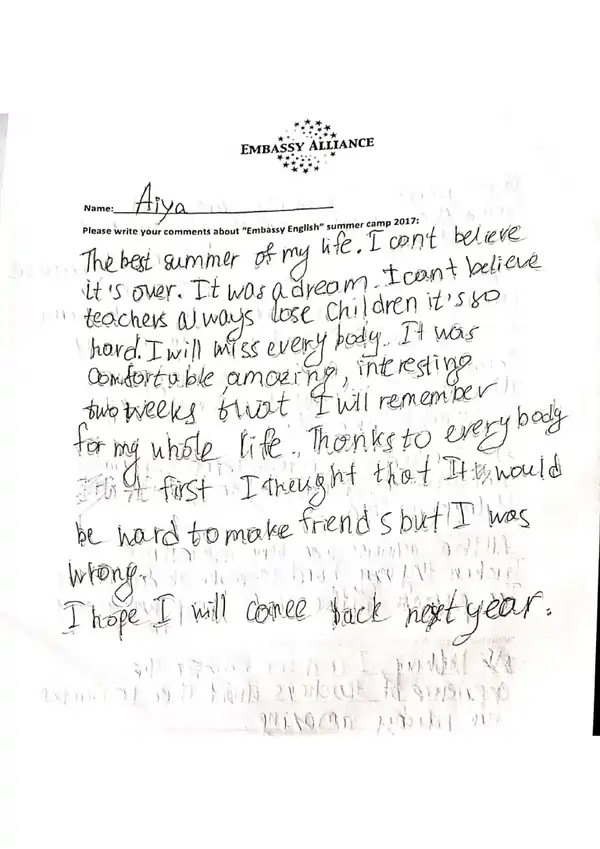
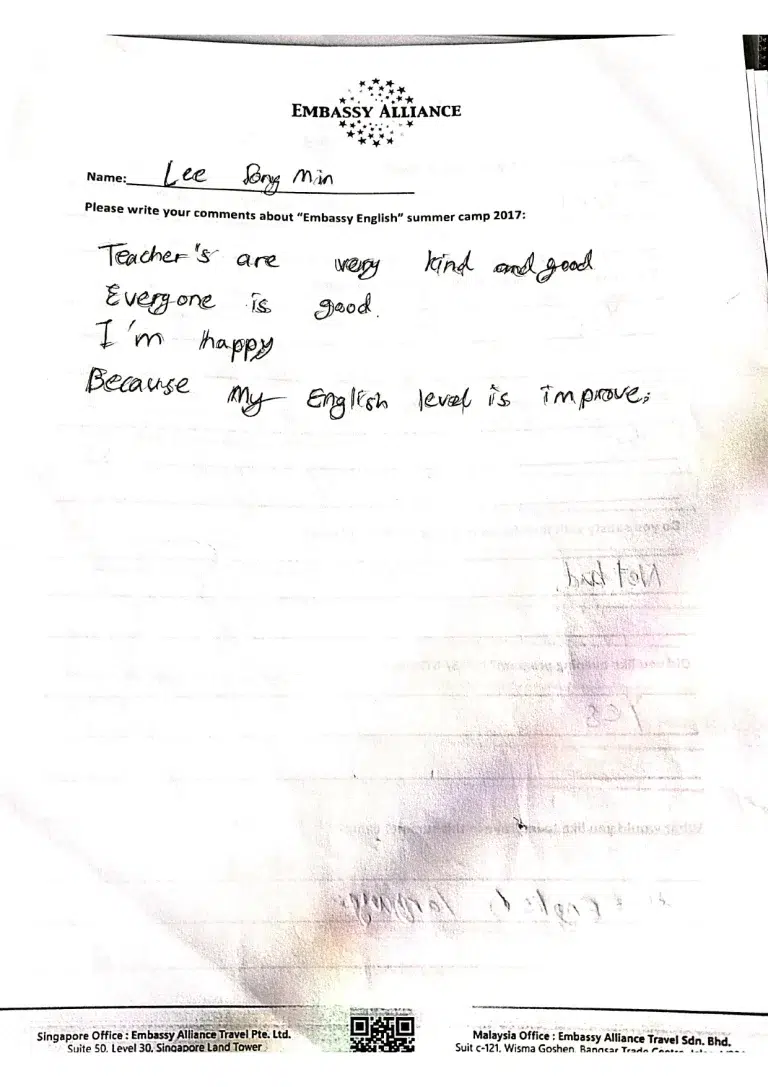
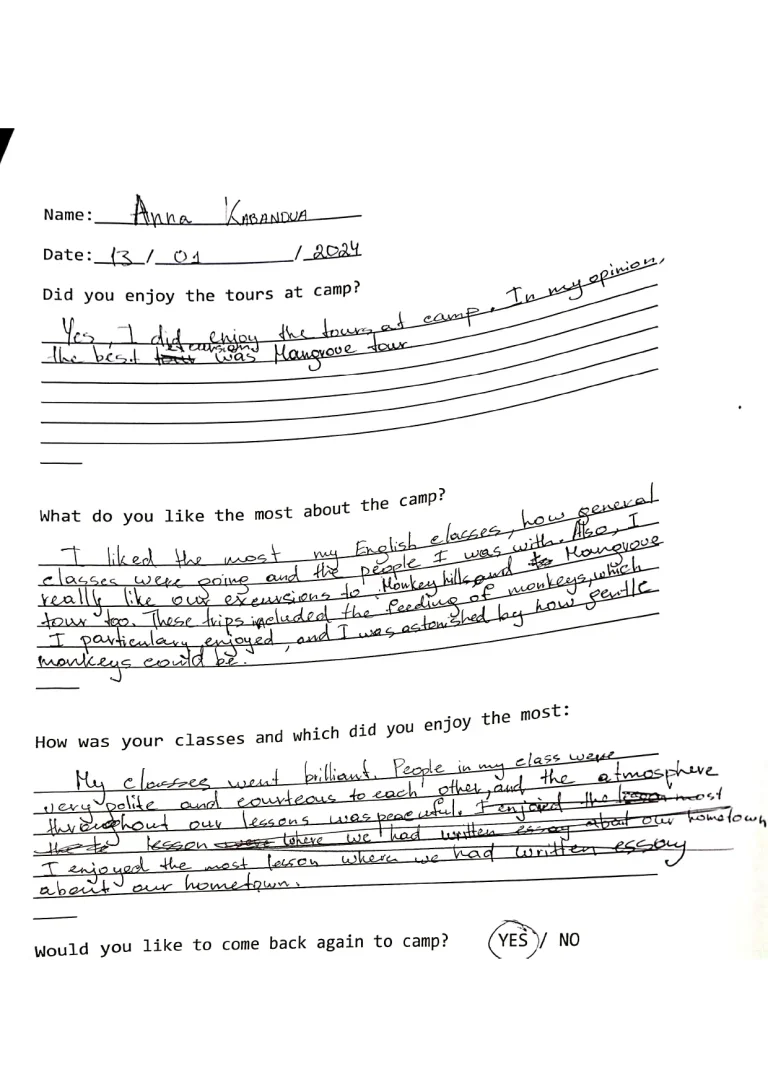
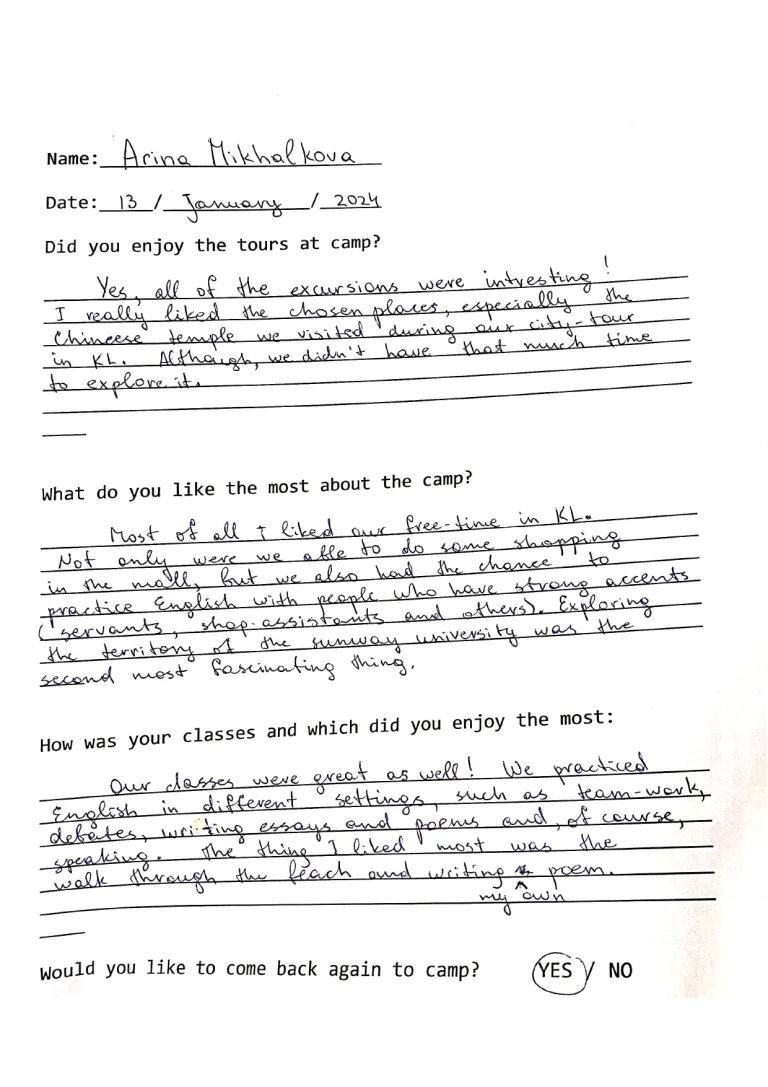
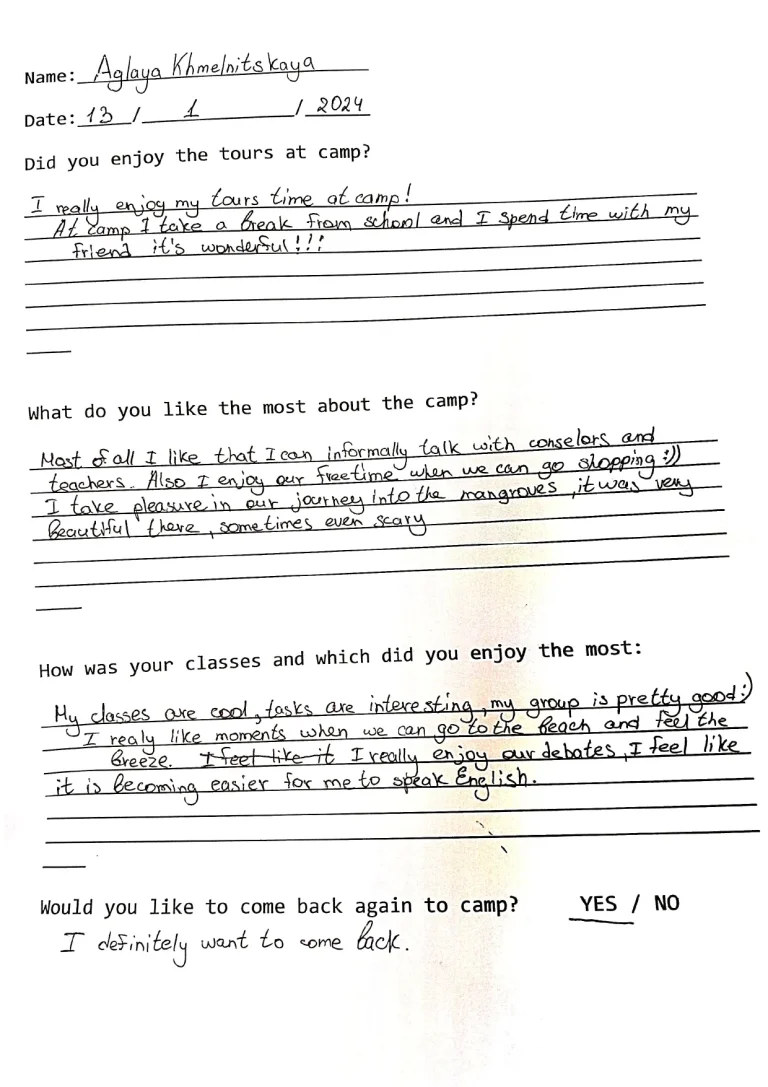
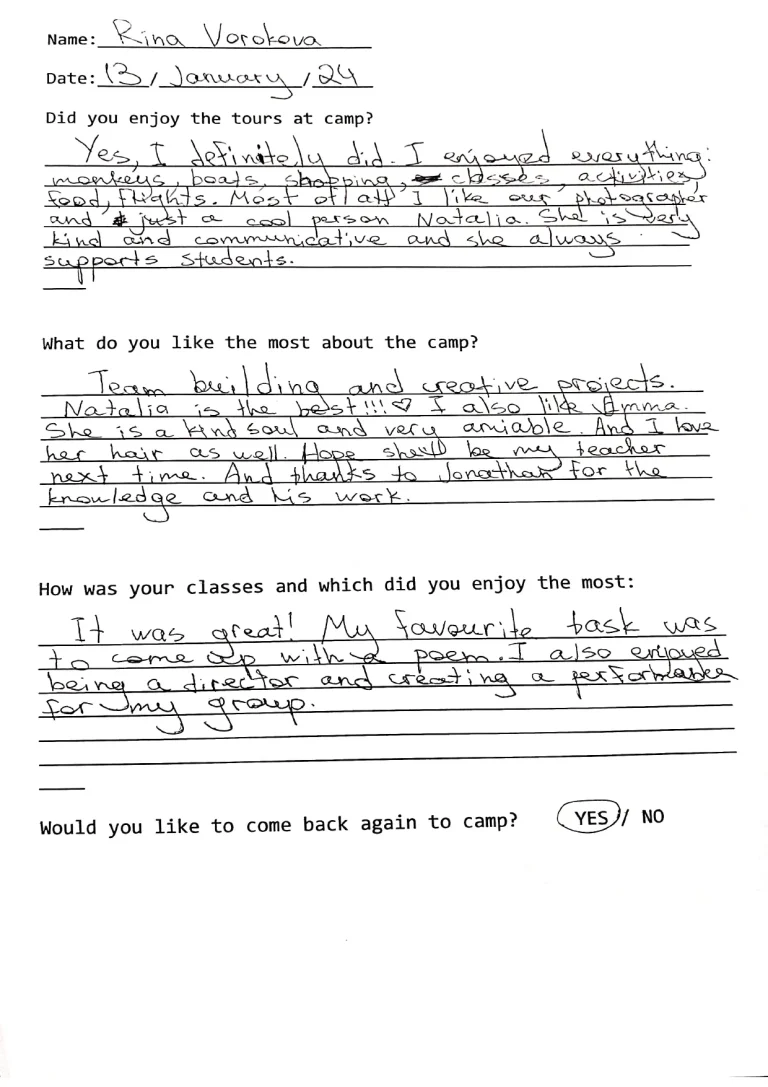
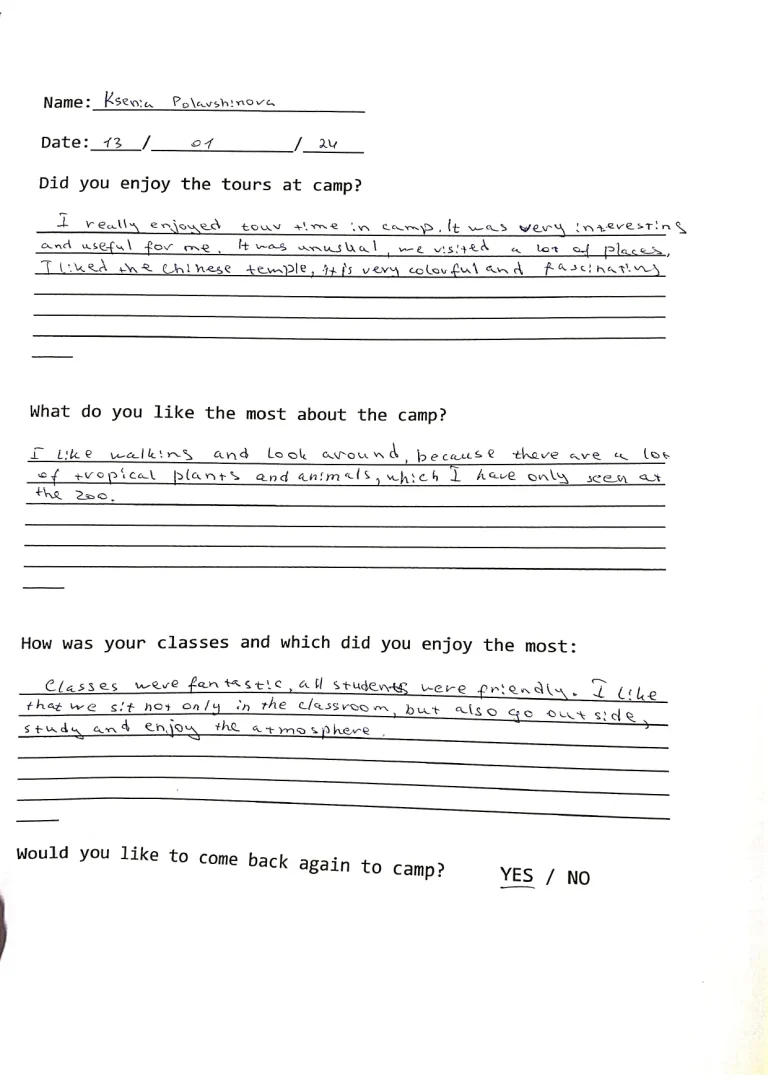
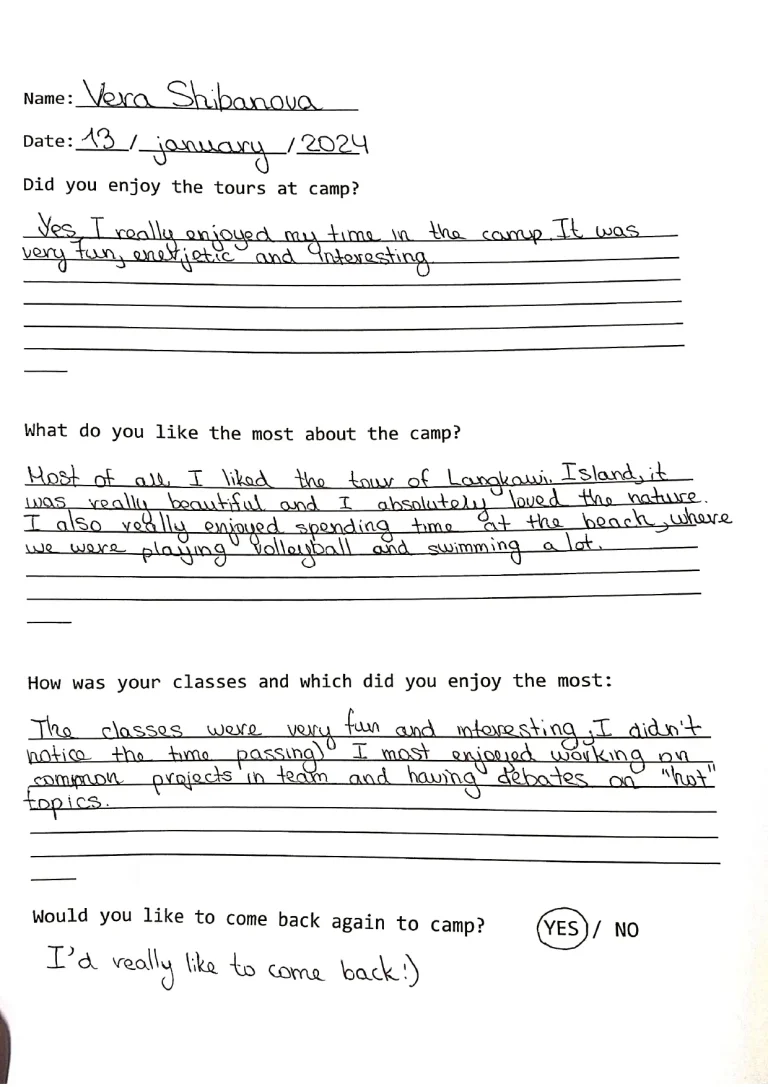
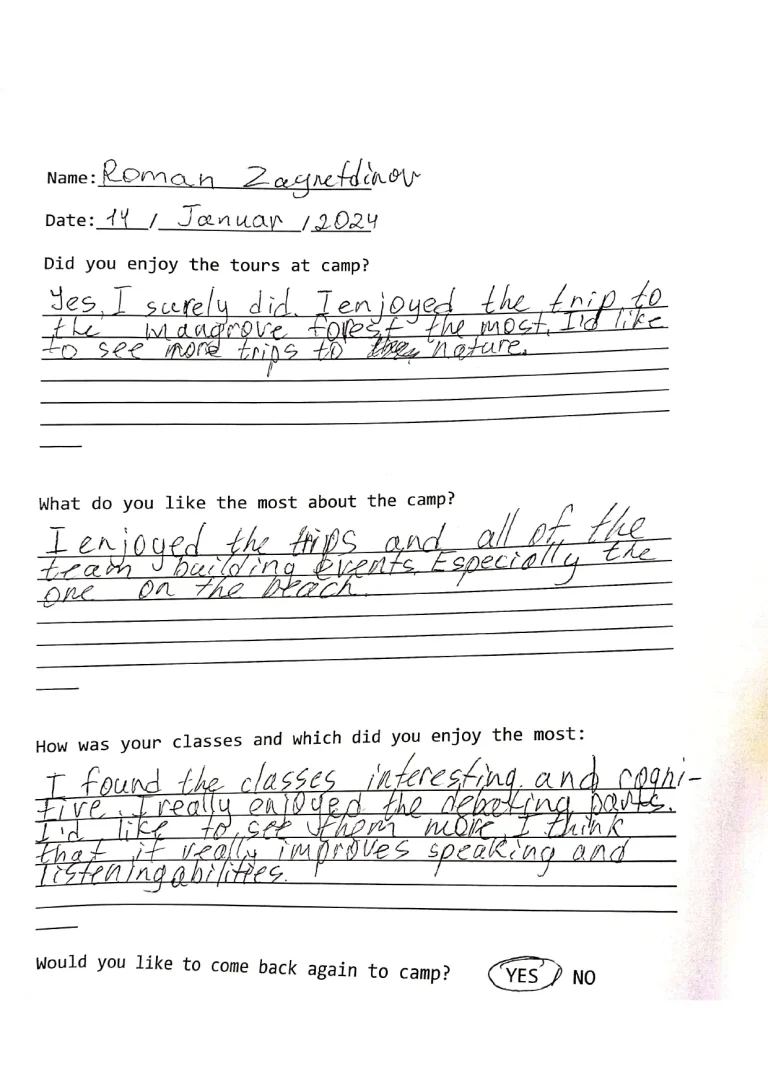
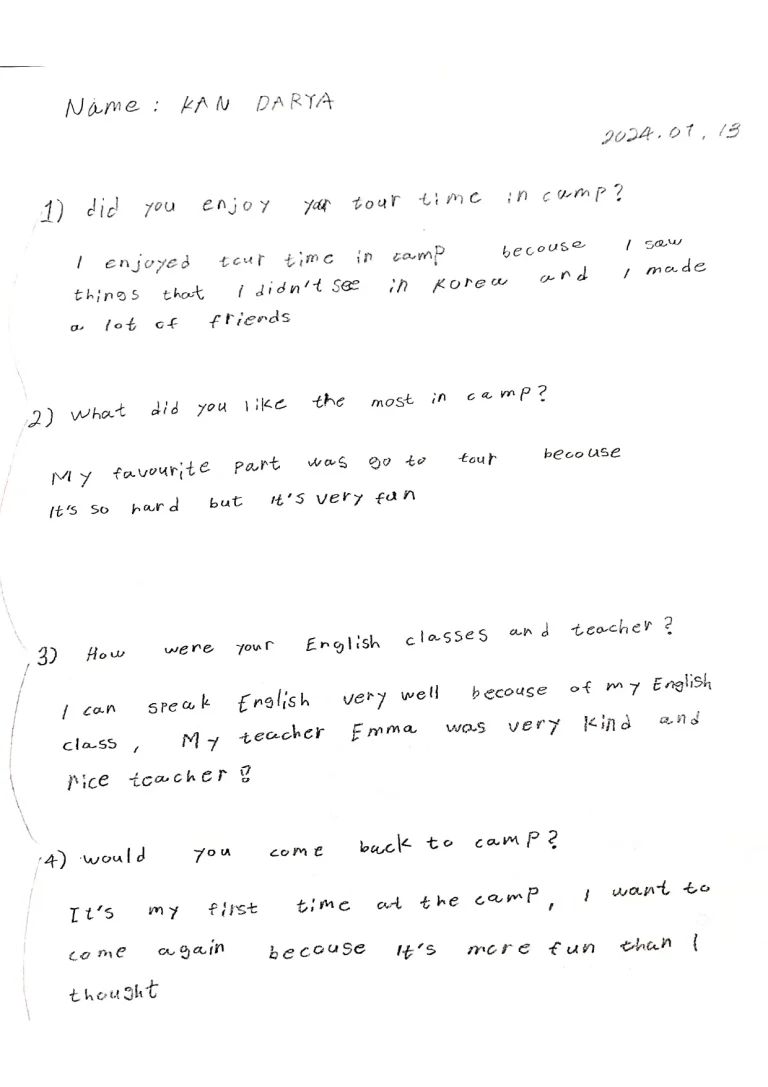
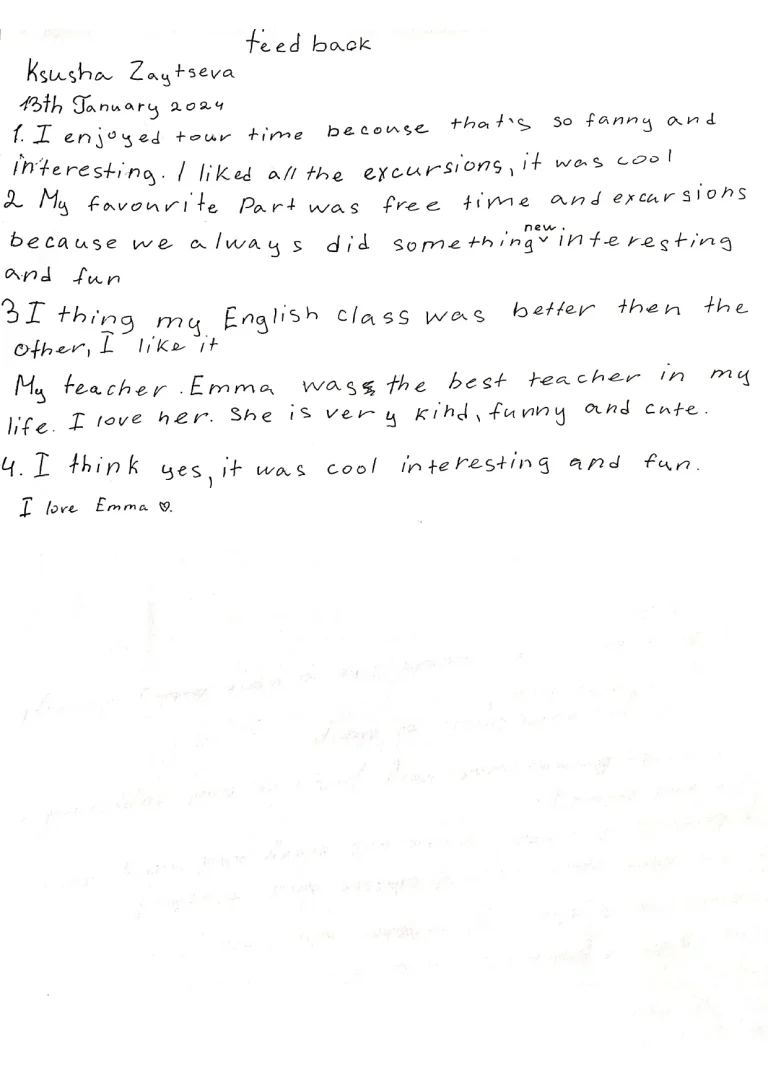
One of the most effective ways for teens to develop social skills is by participating in activities that encourage interaction with peers in a structured environment. Summer camps provide an ideal setting for teens to practice social skills like communication, problem-solving, and teamwork. Camps, such as those offered by Embassy Camp, are specifically designed to help teens improve social skills for teens through engaging group activities and real-world experiences.
1. Group Activities for Peer Interaction
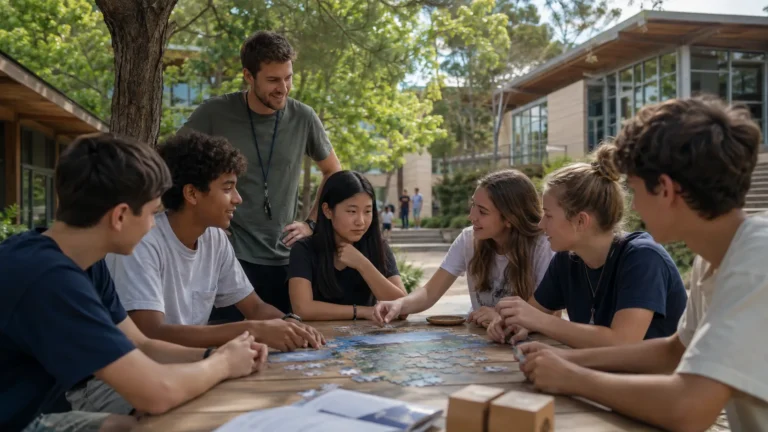
At summer camps, teens are often placed in groups where they must work together to achieve common goals. These group activities teach teens how to communicate effectively, collaborate with others, and constructively resolve conflicts. Whether it’s a team sport, a creative project, or a community service initiative, teens practice active listening, decision-making, and problem-solving skills. These experiences encourage teen empowerment as they gain confidence in their ability to interact and lead within a group setting.
2. Role Modeling and Leadership Opportunities
Camps also provide ample opportunities for teen leadership. Whether leading a group in a recreational activity or taking charge of a project, teens learn the importance of leading by example and using positive communication to guide others. Role modeling good behavior and making decisions that benefit the group are key elements of developing strong leadership skills. Through these experiences, teens develop the confidence to take on leadership roles in their everyday lives.
3. Exposure to Diverse Perspectives
One of the greatest benefits of summer camps is the exposure to a wide range of backgrounds and personalities. Teens interact with peers from different cultural, social, and geographical backgrounds, which helps broaden their understanding of others and develop empathy. These interactions promote social-emotional learning by encouraging teens to view the world through others’ eyes and respond with understanding and respect. Teens gain the ability to adapt to new social environments and manage their emotions in diverse social situations.
4. Safe Environment for Risk-Taking
Teens are encouraged to step outside their comfort zones in the supportive and safe environment of a summer camp. Taking risks—whether it’s participating in a team challenge, speaking in front of others, or making new friends—helps teens build confidence and develop social skills in real-life scenarios. This environment allows them to practice making decisions, handling emotions, and solving problems with the support of counselors and peers, giving them the tools to thrive in other areas of life.
5. Building Lifelong Friendships
Beyond learning social skills, summer camps provide an opportunity for teens to build meaningful, lasting friendships. These friendships are built on shared experiences and mutual respect, which are essential for developing strong social connections. By learning how to navigate social interactions with peers in different settings, teens can form bonds that last far beyond their time at camp.
Give Your Teen the Chance to Build Strong Social Skills
Help your teen grow confidence, communication abilities, and real-world social skills in a fun and supportive environment. Embassy Camps offer the perfect setting for teens to learn, connect, and thrive.
Conclusion: Helping Your Teen Build Strong Social Skills for the Future
Developing social skills for teens is a crucial aspect of their personal growth and emotional well-being. By mastering skills like communication, conflict resolution, and empathy, teens are better equipped to navigate the complexities of their teenage years and prepare for the challenges of adulthood. These skills lay the foundation for success in relationships, education, and future careers.
Parents play an essential role in fostering these skills by providing guidance, encouragement, and opportunities for practice. Whether through everyday interactions, group activities, or attending programs like Embassy Camp, parents can help teens build the confidence they need to thrive in both real life and social situations. By nurturing these abilities, teens will grow into well-rounded individuals who are not only skilled communicators but also empathetic leaders and effective problem-solvers.
Ultimately, the goal is to equip teens with the tools they need to lead fulfilling lives, form lasting friendships, and become compassionate, good leaders in their communities. Social skills are key to achieving this, and with the right support and opportunities, teens can develop the social-emotional learning necessary for a successful future.