


Quick Answer
An international summer camp for shy teenagers can be a positive experience when the program is structured, supervised and emotionally supportive. The right camp gives shy teens small, manageable chances to speak, join group activities, make friends and build confidence without being pushed too quickly.
For parents, the key is choosing a confidence camp that understands different personalities. A shy teenager may not need a loud or highly competitive environment. They may need a warm group leader, predictable routines, smaller team activities, English practice in real situations, and enough time to feel comfortable.
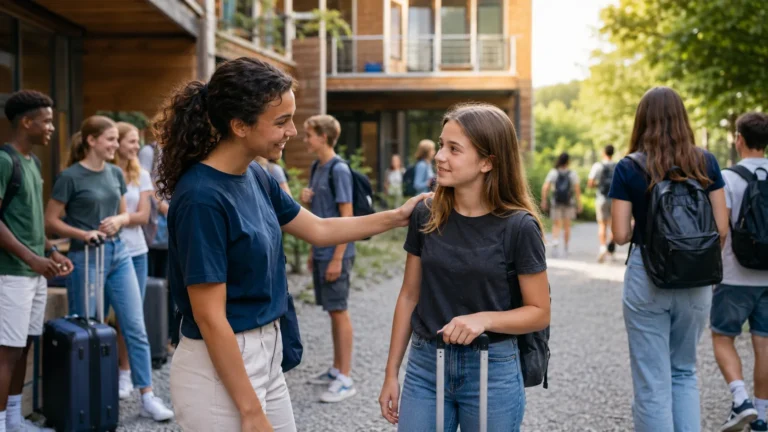
At Embassy Camp, published safety information says professional group leaders care for students 24/7, every group of 16 students has one camp leader and one assistant, and camp leaders find an individual approach to each child. These details matter when choosing the first camp for shy child because supervision and emotional comfort are just as important as activities and destination.
Parents of shy teenagers often ask the same questions before booking an international summer camp. Will my child make friends? What if they feel lonely? Will they be forced to speak in front of everyone? What if they do not join activities? Will the camp leaders notice if they are uncomfortable?
These are valid concerns. A shy teenager may enjoy learning, travel and new experiences, but still feel nervous about group activities, unfamiliar students, speaking English or sleeping away from home.
The goal is not to change a shy teenager into a completely different person. The goal is to help them feel more confident, capable and socially comfortable in a safe environment.

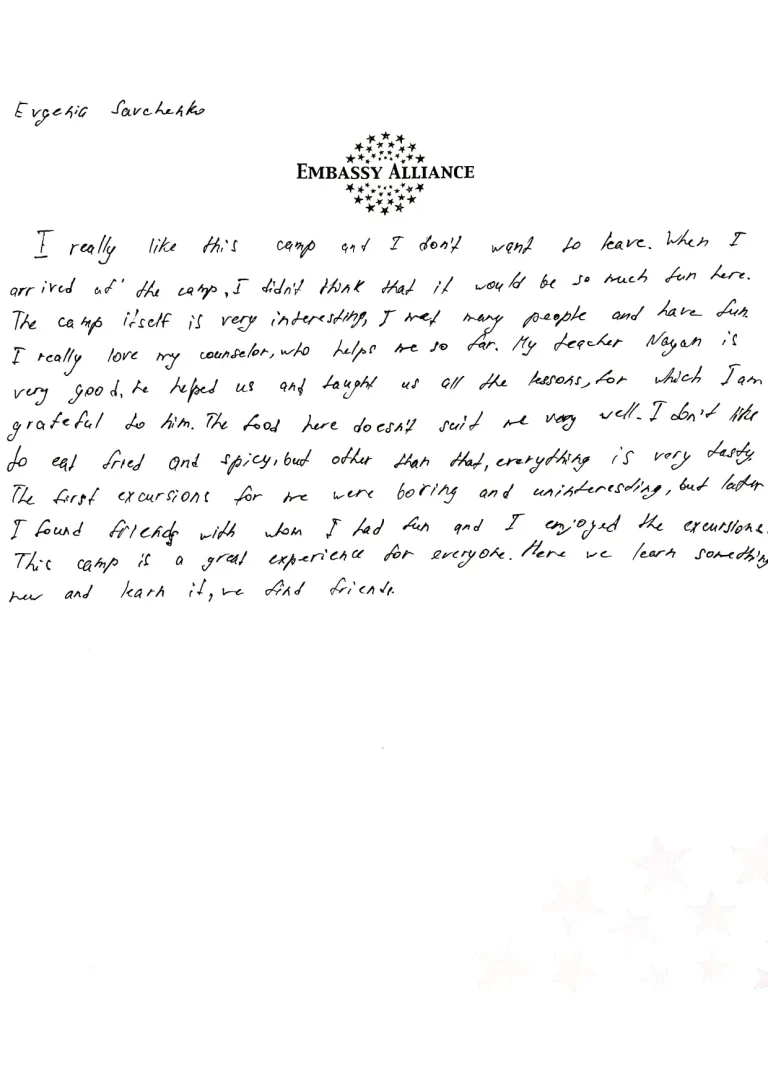
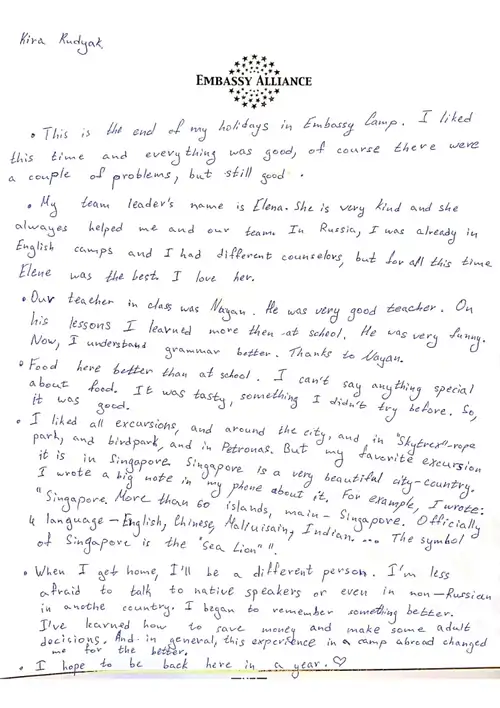
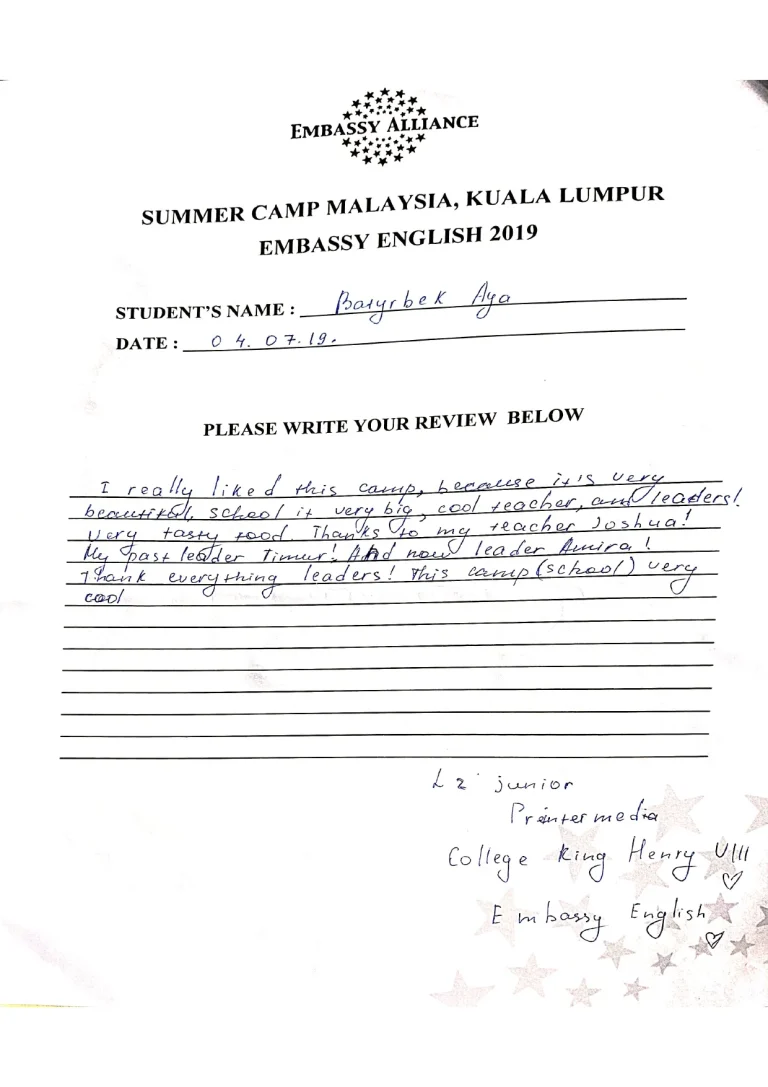
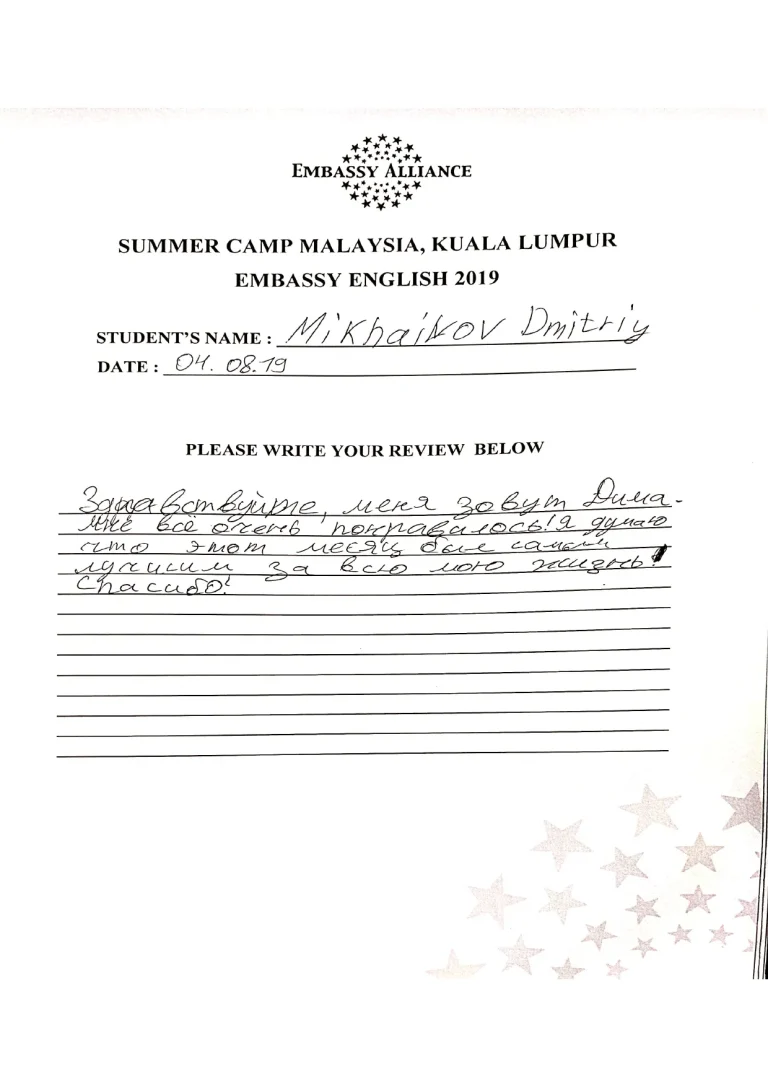
Is This the Right Camp Fit for a Shy Teen?
The best summer camp for shy teenagers is not the loudest or most intense option. It is the program that gives students safety, structure and small social wins they can build on each day.
Families who are unsure where to begin can get help choosing summer camps based on the child’s age, confidence level, travel experience and destination preference.
Why Parents Worry About Sending a Shy Teen to Camp
For many families, the biggest worry is not whether the camp is interesting. It is whether the child will feel emotionally safe enough to participate.
Parents may wonder if an international camp is too much for a shy child, or whether it will help their confidence. The answer depends on the camp environment. A supportive program can help a shy teen grow, but a loud, poorly supervised or overly competitive camp can feel overwhelming.
Parents comparing programs can also read Embassy Camp’s guide on how to choose the right international summer camp.
Three Conditions That Help Shy Teenagers Open Up
A confidence camp works best when it creates the right emotional conditions before asking students to participate more actively.
- Predictability Clear schedules, arrival support, room rules and daily routines reduce uncertainty for a first camp for shy child.
- Gentle Social Entry Small groups, partner tasks and shared activities make social skills for shy teens feel natural instead of forced.
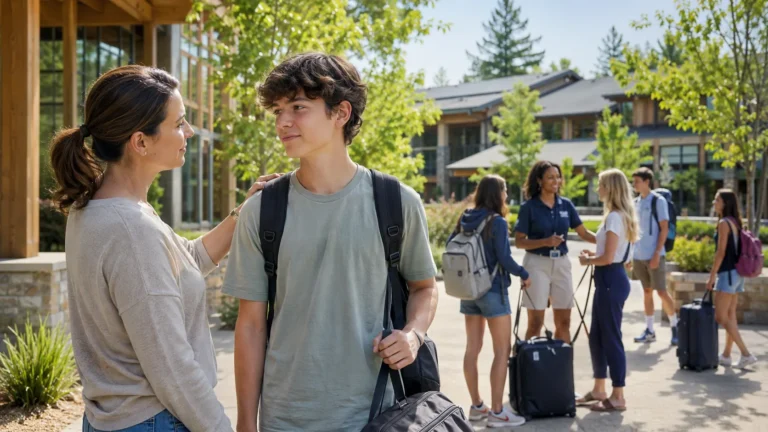
- Trusted Adult Support Group leaders should notice quiet students, check in calmly and help them join without embarrassment.
Is Summer Camp Good for Shy Teenagers?
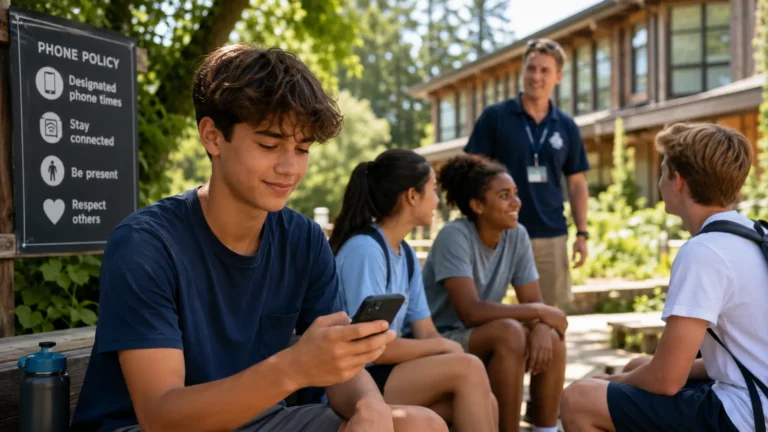
Yes, a summer camp for shy teenagers can be helpful when the environment is supportive and not overwhelming. Camps can give shy teens a structured way to practice social skills, join group activities and build independence away from their usual routine.
The best camp experience for a shy teenager usually includes:
- Friendly group leaders
- Clear daily schedules
- Small group activities
- Gentle encouragement
- No public pressure or embarrassment
- Opportunities to speak naturally
- Supervised free time
- Support during homesickness
- Safe accommodation
- Parent communication
Shy teenagers are more likely to grow when the camp gives them gradual chances to participate, not sudden pressure to perform.
Shyness Is Not a Problem to Fix
Parents should remember that shyness is not a weakness. Many shy teenagers are thoughtful, observant, careful and emotionally aware. They may simply need more time before speaking, joining a group or trusting new people.
A good confidence camp should respect this. It should not label a student as difficult, antisocial or uncooperative just because they are quiet at first.
Instead, the camp should help shy teenagers move forward step by step:
- First, feel safe in the group
- Then, learn names and routines
- Then, join simple activities
- Then, speak in pairs or small groups
- Then, participate more openly
- Then, build confidence through success
This process is much better than forcing a shy teenager to “just speak up” before they are ready.
How an International Camp Builds Confidence
An international summer camp can build confidence because it gives teenagers a new environment where they can try new behaviors without being stuck in old school or family labels.
A shy teen who is quiet at school may feel different at camp because everyone is meeting for the first time. They have a fresh start.
New Friendships
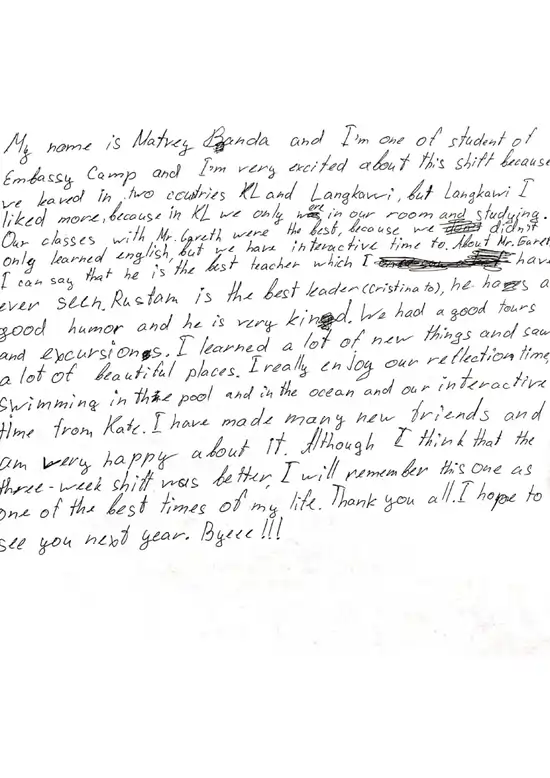
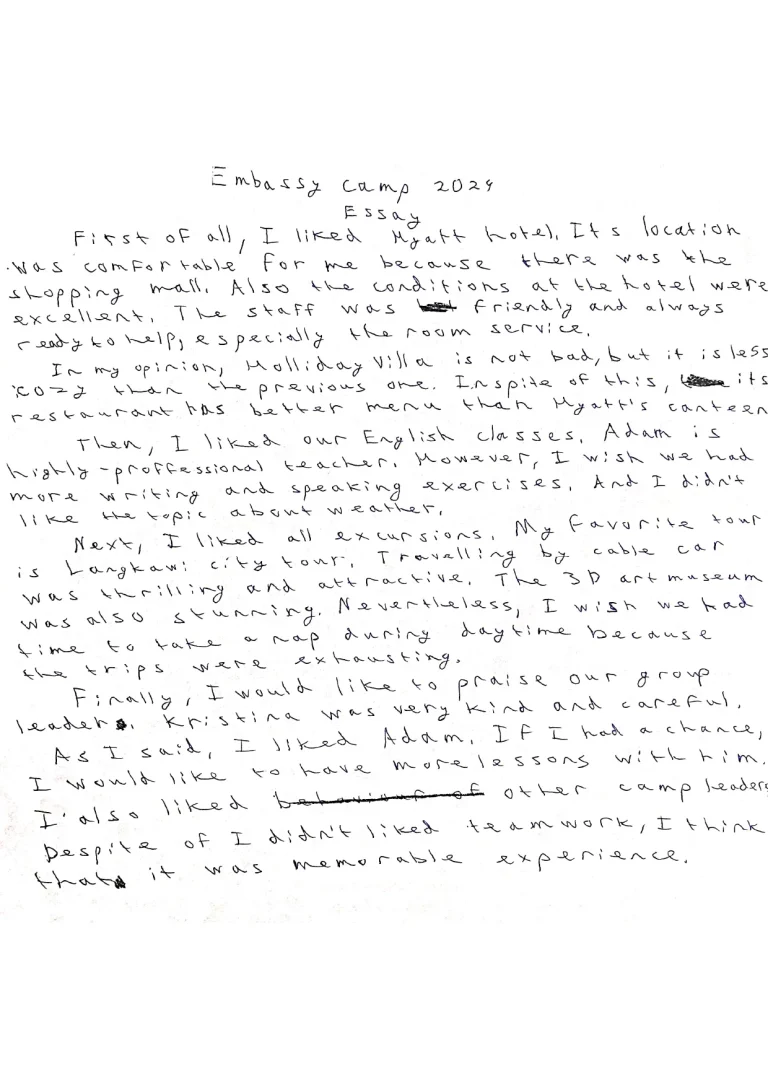
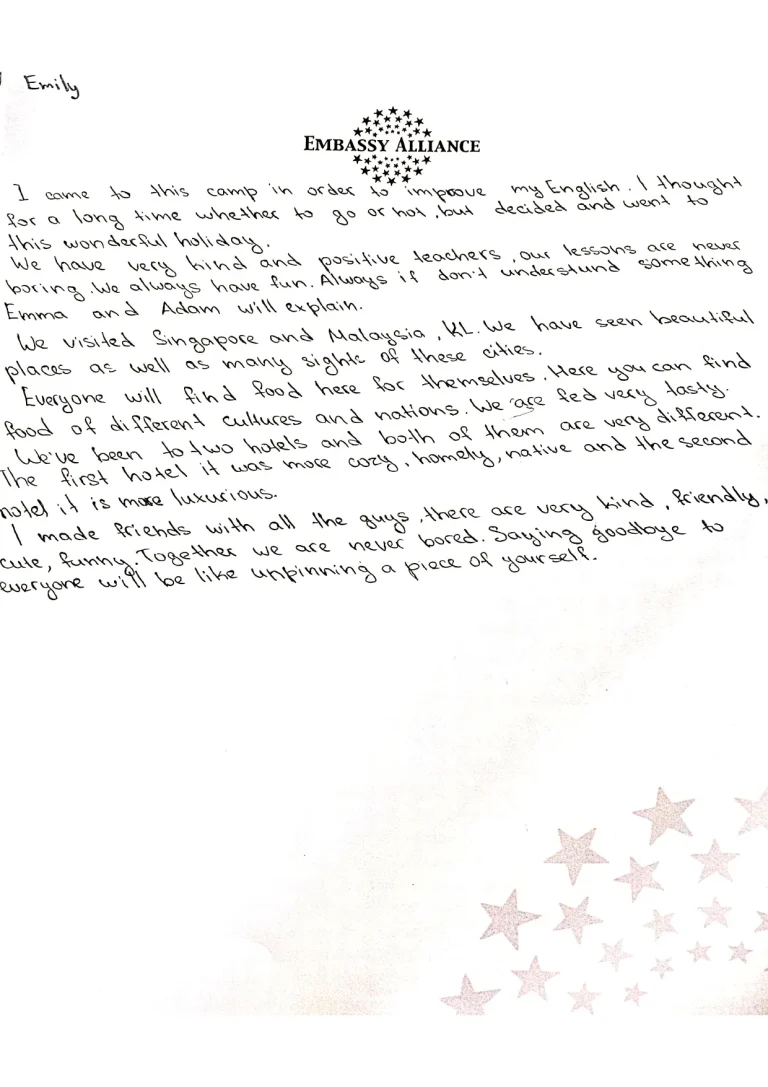
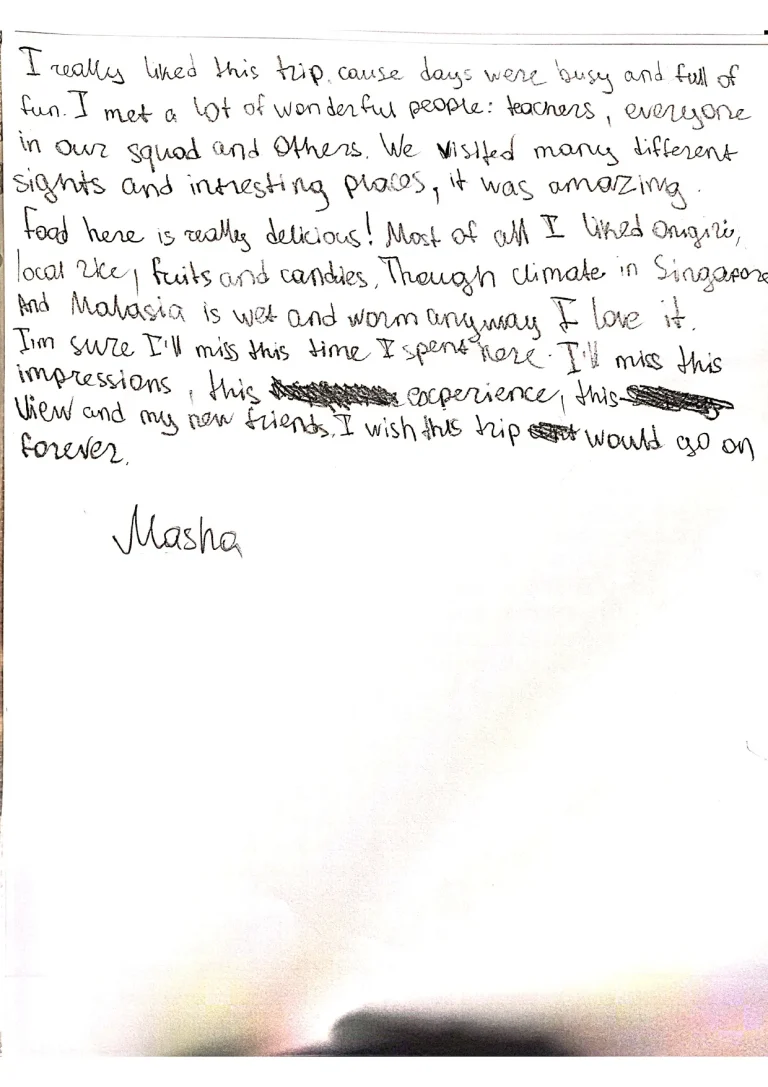
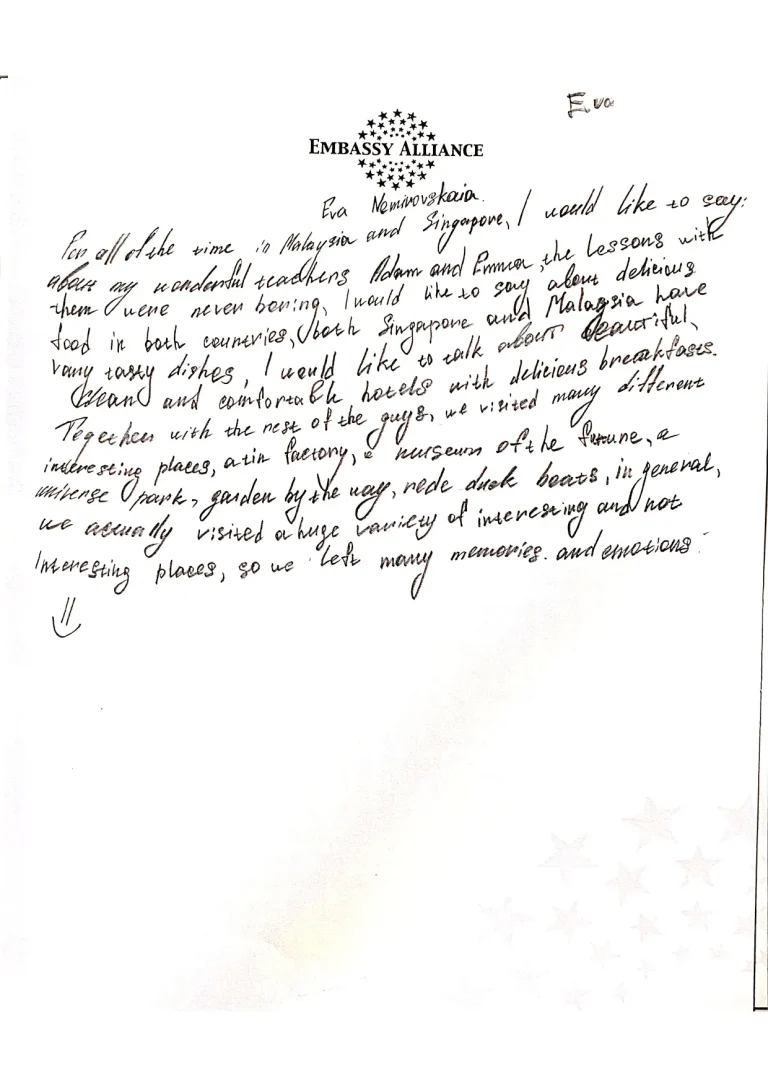
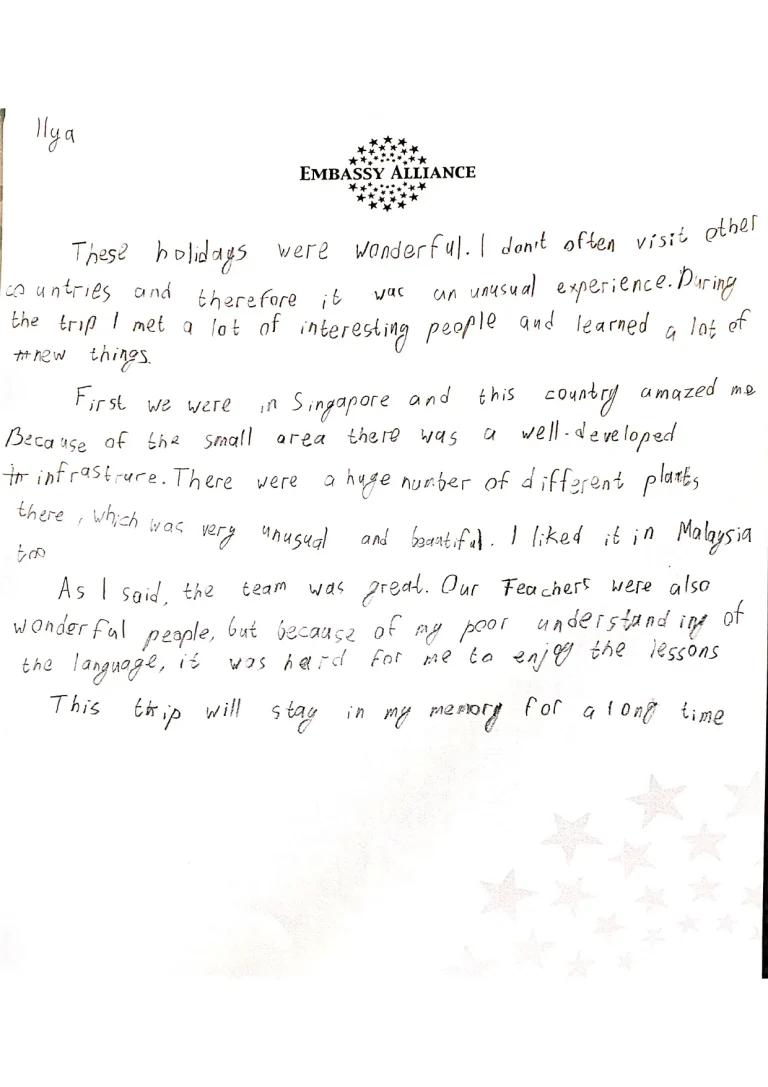
Shy teenagers often find it easier to make friends through shared activities rather than direct conversation. Team games, excursions, English tasks, cultural activities and room groups can create natural moments to connect.
English Practice
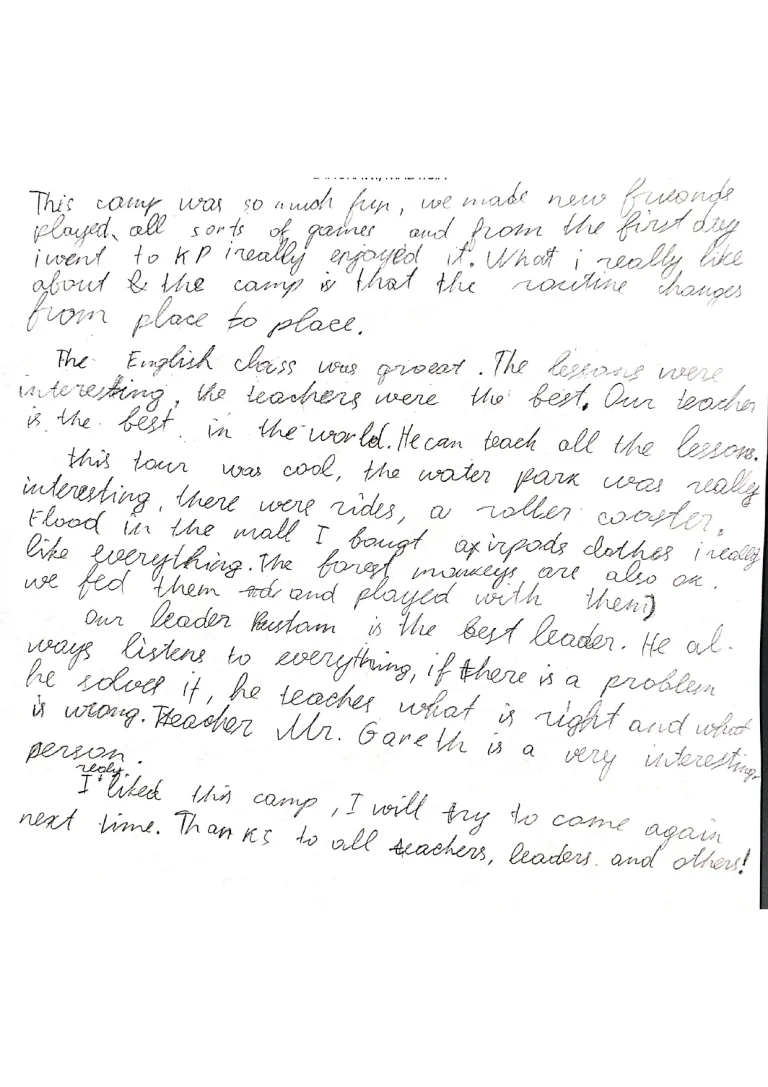
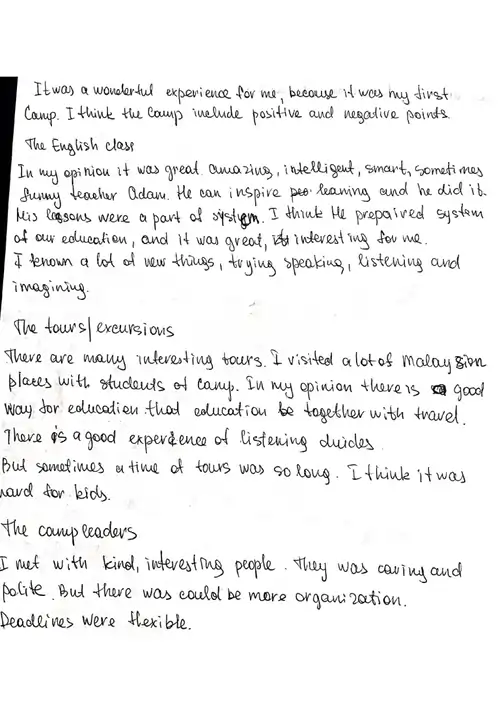
For shy teens, English practice can feel intimidating at first. But when communication happens through real activities, it becomes less formal. A student may start by answering simple questions, then slowly become more comfortable speaking in front of others.
Small Achievements
Confidence grows when a teenager sees progress. This may be as simple as asking a question in English, joining a team activity, making one new friend or speaking during a group task.
Independence
Living away from home, following a routine, managing personal belongings and joining activities can help shy teens feel more capable.
Supportive Adults
A calm and observant camp leader can notice when a student needs encouragement, space or one-to-one support.
What Type of Camp Is Best for a Shy Teenager?
Not every camp is the right fit. Some camps are very competitive, loud or performance-heavy. That may be exciting for outgoing students, but stressful for shy teenagers.
Parents should look for a camp that balances structure, social activities and emotional support.
| Camp Feature | Why It Helps Shy Teenagers |
|---|---|
| Small group support | Makes it easier to join conversations and activities. |
| Clear daily schedule | Reduces uncertainty and anxiety. |
| Friendly group leaders | Helps students feel noticed and supported. |
| Team-based activities | Encourages connection without forcing direct attention. |
| English practice through real tasks | Builds confidence naturally. |
| Supervised accommodation | Helps students feel safe after the day ends. |
| Parent communication | Reassures families during the adjustment period. |
| Gradual participation | Allows shy teens to open up at their own pace. |
A good first camp for shy child should feel structured, warm and predictable.

What Parents Should Tell the Camp Before Arrival
Parents know their child better than anyone. Before the camp starts, they should share helpful information with the camp team.
- My child is shy at first but warms up slowly.
- They may not ask for help unless someone checks in gently.
- They prefer one-to-one or small group conversations at first.
- They may feel nervous before group presentations.
- They may need encouragement to join activities.
- They can become quiet when tired or overwhelmed.
- They respond well to calm support, not pressure.
- They have never traveled without family before.
This information helps camp leaders support the student in a respectful way.
Parents should not hide shyness from the camp. It is better to explain it clearly so the team can help the child settle in.
How Safe Is a Summer Camp for Shy Teenagers?
A summer camp for shy teenagers can be safe when the program has strong supervision, clear accommodation rules, parent communication and staff who understand different student personalities.
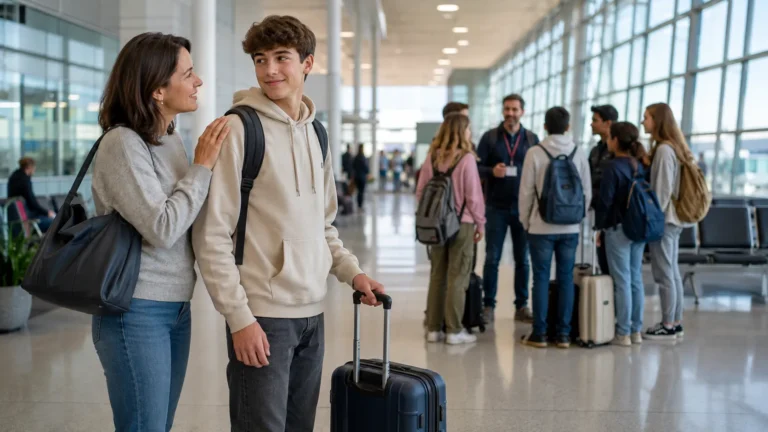
Embassy Camp’s published safety information says professional group leaders care for children 24/7, one camp leader and one assistant support every group of 16 students, camp leaders accompany students from airports, and male and female participants stay in separate guarded dormitories or hotel floors.
These safety details are especially important for shy teenagers because they may not always speak up quickly when they need help. Parents should ask how camp leaders check in with quieter students, how homesickness is handled and who the student can contact after hours.
Parents can also read Embassy Camp’s guide: Are International Summer Camps Safe for Teenagers?
What Age Is Best for a Summer Camp for Shy Teenagers?
There is no perfect age for every child. The best age depends on maturity, emotional readiness and how much support the camp provides.
| Age Group | Readiness Level | Parent Advice |
|---|---|---|
| 9 to 11 | May need close support | Choose a highly structured camp with strong supervision and regular updates. |
| 12 to 14 | Often ready with preparation | Look for a gentle first camp experience with small group activities. |
| 15 to 17 | Good age for independence-building | Choose a camp with leadership, English practice and social confidence opportunities. |
| 18 to 19 | More independent | Confirm whether the program treats older students as minors or young adults. |
For many shy teenagers, the first camp experience is more important than the destination. A supportive environment matters more than a famous city or a long itinerary.
Parents preparing a first-time traveler can also read Embassy Camp’s guide on how to prepare your teen for their first international camp.
A Simple Readiness Test for Parents
Before choosing a summer camp for shy teenagers, ask whether your child can handle a few basic steps with support. They do not need to be fully independent, but they should be ready to try.
- Can they spend a night away from home with trusted adults nearby?
- Can they ask for help when they are hungry, tired, confused or uncomfortable?
- Can they follow a daily schedule with reminders?
- Can they join at least one small group activity with encouragement?
- Can they understand that feeling nervous at first is normal?
If several answers are “not yet,” parents can still plan a camp experience, but they should choose a shorter, more structured program with strong group leader support and clear parent communication.
What Parents Should Check Before Booking
Before booking a confidence camp for a shy teenager, parents should ask more than standard price and date questions.
- What is the staff-to-student ratio?
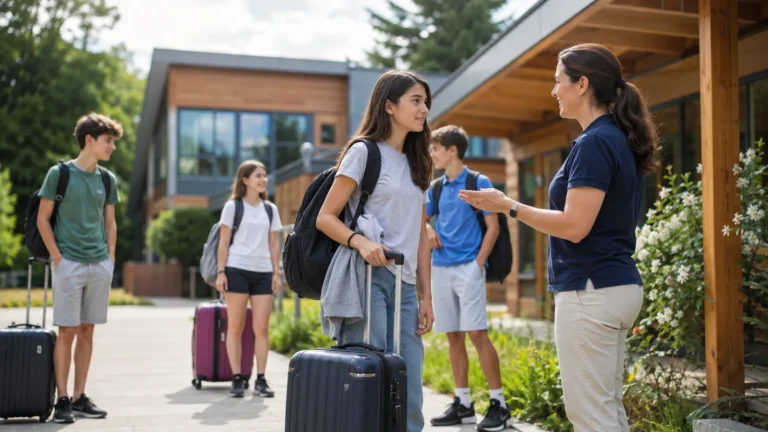
- Who supports students during the first few days?
- How do leaders help shy or quiet students join activities?
- Are activities done in small groups or large groups?
- Are students forced to perform or present?
- How is homesickness handled?
- Can parents contact the camp team during the program?
- How are roommates assigned?
- Are boys and girls accommodated separately?
- Is airport pickup included?
- What happens if a student feels overwhelmed?
- Are English activities beginner-friendly?
- What is included in the program fee?
These questions help parents understand whether the camp is emotionally safe, not only physically safe.
How to Prepare a Shy Teenager Before Camp
Preparation can make a big difference. A shy teenager should not arrive feeling surprised by every part of the experience.
Parents can help by discussing:
- What the first travel day may look like
- Who will meet them at the airport
- Where they will sleep
- How they can contact parents
- What to do if they feel nervous
- How to introduce themselves
- How to ask a camp leader for help
- What small goal they can try each day
A useful goal could be saying hello to one new person, joining one group activity, asking one question in English, sitting with someone new at lunch or telling a leader if something feels uncomfortable.
Small goals feel achievable. They help shy teenagers grow without feeling judged.
Parent tip: A shy teen does not need a perfect personality match with every camper. One kind roommate, one trusted group leader and one small daily success can be enough to make the first camp feel positive.
What If My Teen Gets Homesick?
Homesickness is common, especially for shy teenagers and first-time campers. It does not mean the camp is failing or the child should come home immediately.
Parents should ask the camp how homesickness is handled. Good support may include:
- Gentle check-ins from group leaders
- Encouragement to join activities
- Help making friends
- A short parent call if needed
- Support from roommates or group members
- A predictable evening routine
- Clear reassurance that feelings are normal
Parents should avoid calling too often in the first few days unless the camp recommends it. Constant contact can sometimes make homesickness stronger. A balanced approach is better: stay available, but let the student build confidence.
This connects closely with Embassy Camp’s guide on how parents stay in touch during international summer camp.
Will a Shy Teen Make Friends at Camp?
Many shy teenagers do make friends at camp, especially when friendships develop through shared routines rather than forced socializing.
Camp friendships often form during:
- Room sharing
- Meals
- Team games
- Excursions
- English activities
- Group challenges
- Evening programs
- Travel days
A shy teenager may not make ten friends immediately. That is okay. One or two comfortable friendships can be enough to make the camp feel successful.
Parents should not measure success only by how social the child looks in photos. A quiet student may still be enjoying the experience deeply.
What Is Included in the Program Fee?
Program inclusions vary by destination and package. For shy teenagers, parents should look beyond accommodation and activities. They should ask whether the fee includes the support systems that help a first-time camper settle in.
Ask whether the fee includes:
- Accommodation
- Meals
- Airport pickup and drop-off
- Local transport
- English or skill-based lessons
- Activities and excursions
- Camp leader supervision
- Parent communication
- Local SIM card, if offered
- Camp materials
- Emergency support process
Parents can read Embassy Camp’s guide on what is included in an international summer camp fee for a full breakdown. Families comparing budgets can also read how much international summer camps cost.
Red Flags for Parents of Shy Teenagers
Be cautious if a camp seems too intense, vague or dismissive of emotional needs.
- “They will be fine” with no support details
- No clear staff-to-student ratio
- No explanation of homesickness support
- No parent communication process
- No small group structure
- Too much focus on competition or performance
- No clear accommodation supervision
- No airport arrival support
- No flexibility for quieter students
- Pressure to book without answering questions
A shy teenager needs encouragement, not pressure. The right camp should make parents feel heard.
Embassy Camp Perspective: Confidence Through Supportive Independence
For shy teenagers, the best international camp is not one that forces them to become outgoing. It is one that gives them safe chances to become more confident. Parents can also learn more about Embassy Camp before comparing destinations.
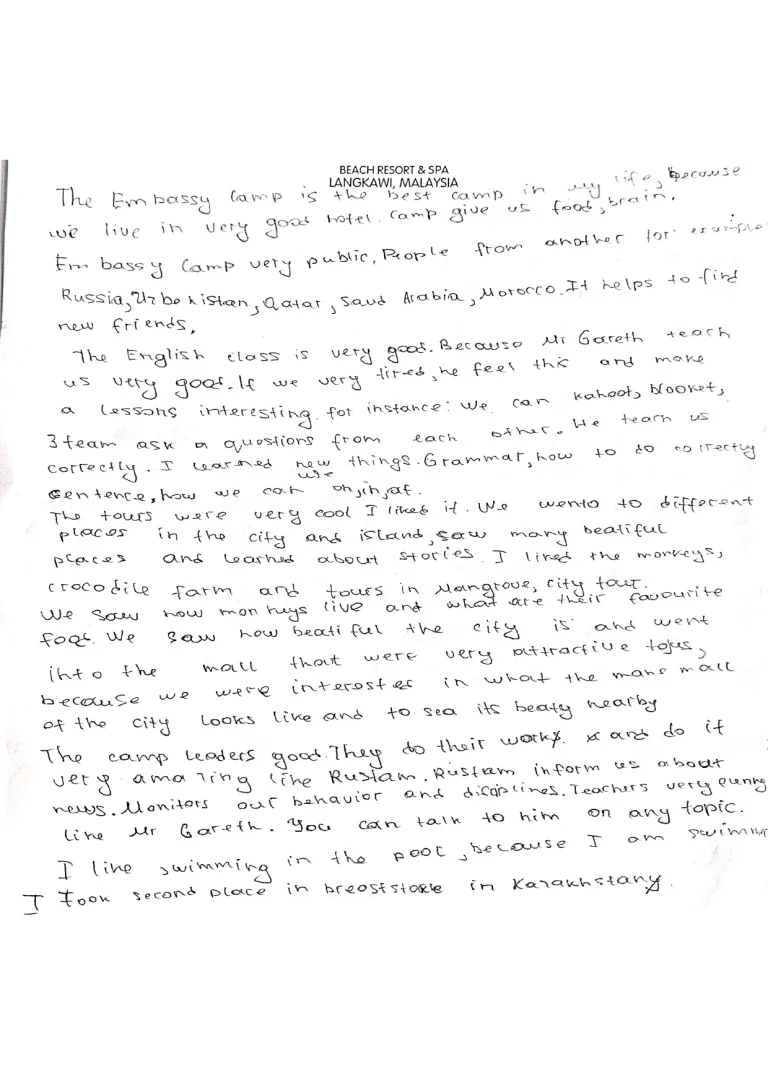
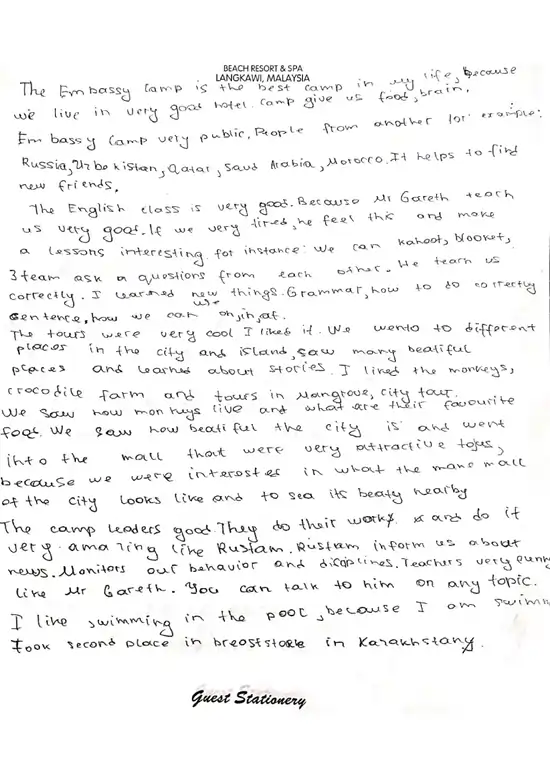
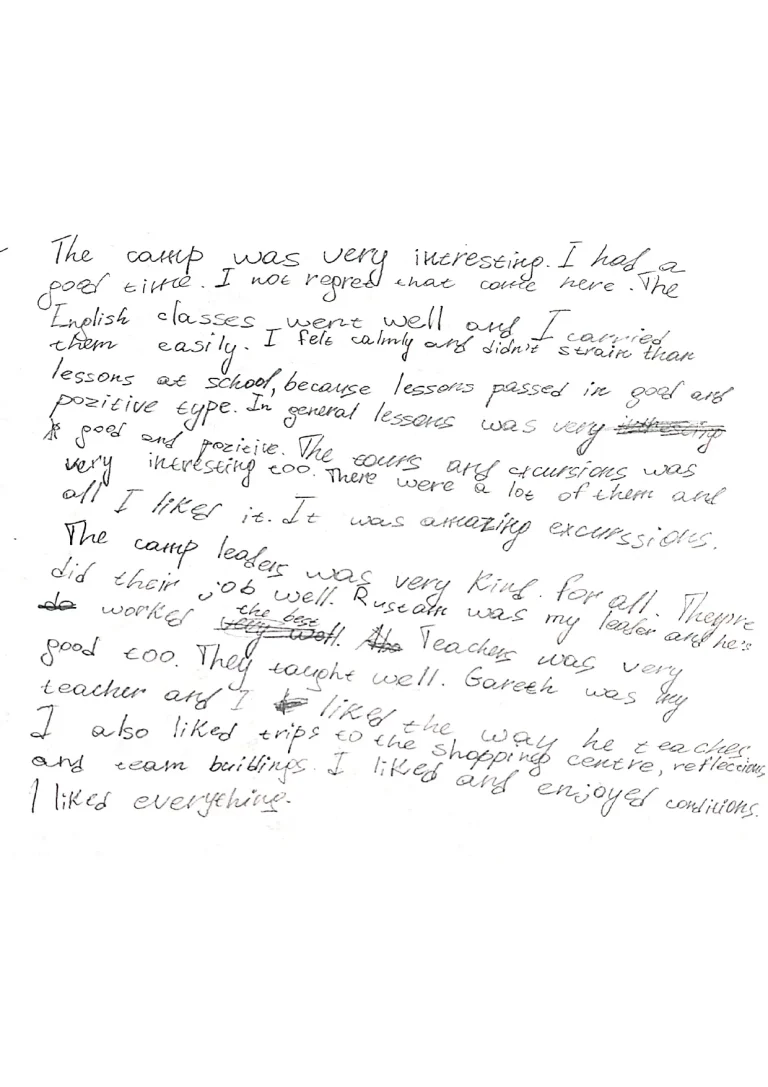
Embassy Camp’s wider programs combine international travel, English learning, leadership, smart skills, team activities and cultural experiences. For shy teens, this mix can be valuable because confidence can grow through many small moments, not only public speaking.
A student may build confidence by ordering food in English, joining a team challenge, walking through a new city with a group, sharing a room respectfully, asking a leader for help or making one new friend.
That kind of growth is quiet, but it matters.
Parents exploring options can compare Embassy Camp summer camps in Malaysia, summer camps in Singapore, summer camps in Dubai, summer camps in Bali, summer camps in Korea, summer camps in Spain and summer camps in China.
Need help choosing the right camp for a shy teenager?
Speak with an Embassy Camp advisor to compare destinations, supervision, accommodation, activities and the best first camp experience for your child.
Explore Embassy Camp ProgramsFAQs About Summer Camp for Shy Teenagers
Is summer camp good for shy teenagers?
Yes, a summer camp for shy teenagers can be helpful when the environment is supportive, supervised and not overly pressured. The right camp gives shy teens chances to make friends, practice communication and build independence through small, manageable steps.
What age is best for summer camp for shy teenagers?
The best age depends on the child’s maturity and emotional readiness. Many shy teenagers between 12 and 17 can benefit from international camp if the program has clear supervision, small group activities, parent communication and supportive leaders.
How safe is summer camp for shy teenagers for first-time teen travelers?
It can be safe when the camp has trained leaders, airport support, supervised accommodation, clear routines and parent communication. For shy teens, parents should also ask how leaders support quiet students and homesickness.
What should parents check before booking?
Parents should check supervision ratio, group leader support, accommodation safety, airport pickup, parent communication, homesickness support, activity style, roommate arrangements and whether shy students are encouraged without being pressured.
Can a shy teenager make friends at international camp?
Yes, many shy teenagers make friends through shared activities, meals, room groups, excursions and team tasks. They may need more time than outgoing students, but one or two meaningful friendships can still make the camp experience successful.
Is a confidence camp different from a regular summer camp?
A confidence camp usually focuses more intentionally on communication, independence, teamwork, leadership and social skills. A regular camp may still build confidence, but parents should check whether the program actively supports shy or quieter students.
Should parents tell the camp their child is shy?
Yes. Parents should tell the camp team if their child is shy, slow to warm up or nervous in groups. This helps leaders support the student gently and notice if they need help joining activities.
What if my shy teen wants to come home early?
Parents should stay calm and speak with the camp team first. Homesickness often improves after the first few days. Ask how the student is eating, sleeping, joining activities and interacting with others before making a decision.
Final Thoughts
An international summer camp for shy teenagers can be a meaningful step toward confidence, independence and social growth. The key is choosing a camp that respects your child’s personality and supports them gently.
A shy teenager does not need to become the loudest person in the room. They need to feel safe enough to try, speak, join and grow at their own pace.
When parents choose a supervised, structured and emotionally supportive program, summer camp can become more than a holiday. It can become a safe first step toward confidence.