


Preparing your teen for their first international camp is one of the most meaningful things you can do before they leave home. It shapes how quickly they settle in, how confidently they connect with others, and how much they actually grow from the experience. Most parents focus on the packing list. The parents whose teenagers thrive focus on everything that happens before the suitcase comes out.
This parent guide for teen camp covers every stage of preparation, from the first conversation at the kitchen table to the drop-off goodbye, so your teenager arrives ready, confident, and genuinely excited for what is ahead.
Why Does Teen Camp Preparation Matter More Than Most Parents Realise?
Teen camp preparation matters because confidence at camp is built at home, not on arrival day. The teenagers who settle fastest into an international teen camp experience are rarely the loudest or the most outwardly confident. They are the ones who arrived knowing what to expect, having practiced being away from home, and carrying coping strategies they have actually used before.
Research from psychologist Dr. Christopher Thurber, published through the American Camp Association, confirms this clearly. Children and teenagers who arrive at camp with no prior separation experience and no practiced coping strategies are significantly more likely to struggle in the first 48 hours than those whose parents invested time in preparation beforehand.
The preparation itself is not complicated. It just needs to start earlier than most parents think.
What Does a First International Teen Camp Experience Actually Look Like?
Knowing what to expect at an international teen camp is the single fastest way to reduce pre-camp anxiety in both teenagers and parents. When the unknown becomes familiar, the fear attached to it almost always shrinks.
At a well-designed international camp like Embassy Camp, a typical day looks something like this:
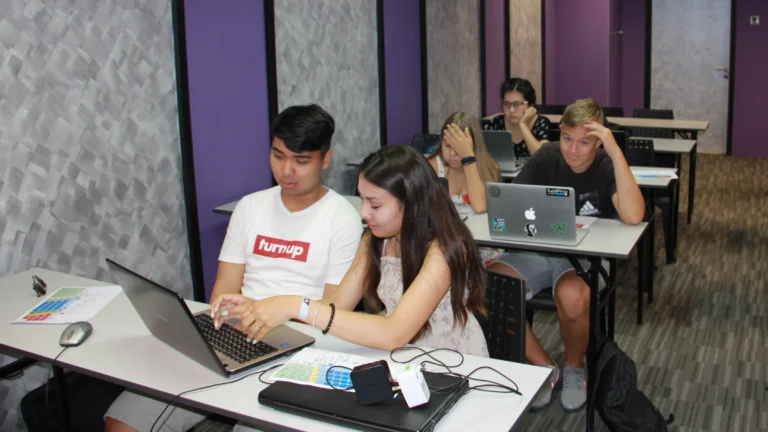
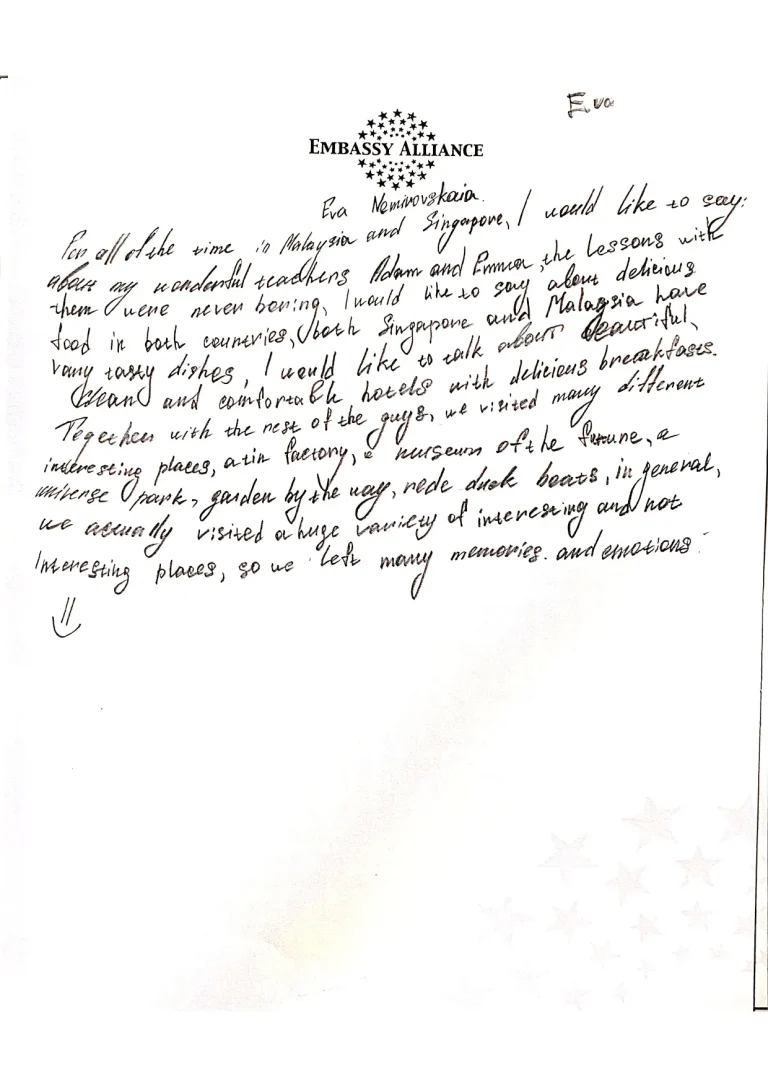
Mornings usually begin with structured skill sessions, whether that is leadership workshops, English communication practice, AI and future skills training, or academic enrichment, depending on the program your teenager has joined. These sessions are interactive and collaborative, not classroom-style lectures.
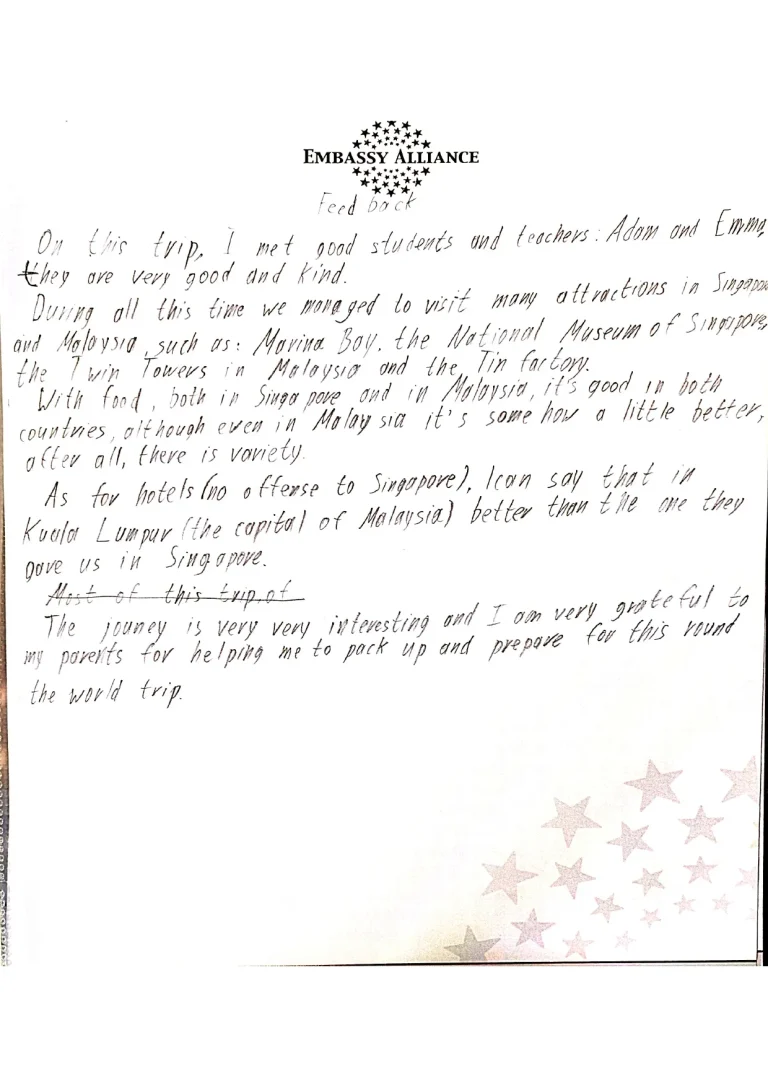
Afternoons shift into cultural activities, group challenges, excursions to local landmarks, or adventure-based experiences that change by destination. In Malaysia, that might mean exploring Kuala Lumpur’s heritage districts. In Bali, it could be an eco-trail or a cultural village visit. In Spain, an afternoon in a medieval town. The environment itself is part of the learning.
Evenings bring the group together for social activities, team reflection sessions, or camp-wide events. This is often where the most memorable friendships form, because the pressure of the day is gone and teenagers simply enjoy being together.
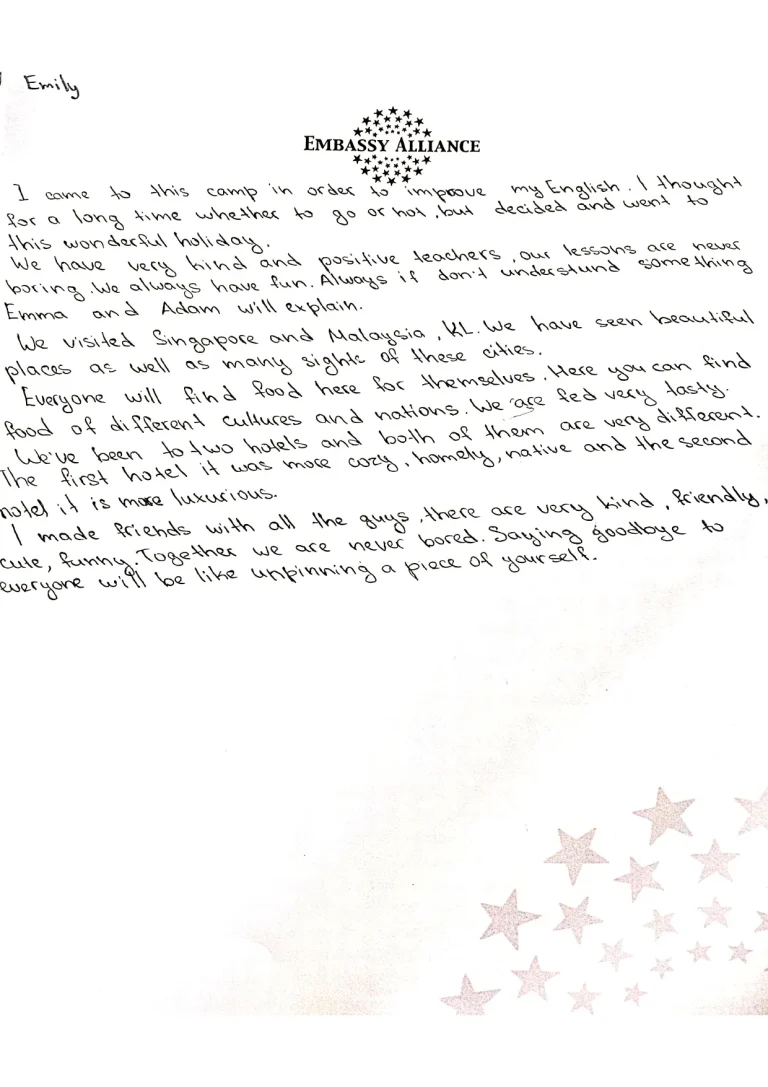
Throughout all of this, your teenager is surrounded by peers from Malaysia, Singapore, Dubai, Korea, Qatar, and beyond. Nobody knows anyone at the start. That shared unfamiliarity is actually one of the most powerful bonding conditions a teenager can experience.

How Do You Start the Conversation About an International Camp?
Start early, keep it honest, and make it a two-way conversation rather than a briefing. The goal of this first conversation is not to convince your teenager that camp will be amazing. It is to open the door so they can tell you what they are excited about and what they are worried about.
Most teenagers will have a mix of both. That is healthy and completely normal.
A few things worth covering in those early conversations:
- What the daily schedule looks like and what kinds of activities happen each day
- Who the camp counselors are, what their qualifications are, and what their role is
- How does communication with home work during the program
- What your teenager should do if they feel upset, overwhelmed, or need help
- What other teenagers from their country or region have experienced at the same camp
Avoid phrases like “you will be fine” or “stop worrying.” Teenagers who feel dismissed tend to shut down. Teenagers who feel heard tend to open up, process their feelings, and arrive at camp in a far better emotional state.
A simple question like “what part of it feels most unfamiliar to you?” often unlocks more useful conversation than ten minutes of reassurance.
How Do You Build Teen Confidence Before the Program Starts?
Building teen confidence before an international camp starts is about creating small wins at home, not grand gestures. Confidence does not come from being told you can do something. It comes from actually doing smaller versions of it and discovering that you survived.
Here are the specific things that work in practice:
Practice separation before the program. If your teenager has never spent a night away from home, an international camp is a significant jump. Arrange a sleepover at a relative’s house, a weekend trip with a school group, or a short stay with a family friend. After each one, ask what was hardest, what helped, and what they would do differently. You are not just building their tolerance for being away. You are helping them build a personal toolkit of coping strategies they can actually use.
Give them real responsibility in the preparation. Let your teenager pack their own bag with your guidance rather than packing it for them. Ask them to research one thing about the destination country. Let them choose what comfort item to bring. Every small act of ownership over the experience shifts them from feeling like something is happening to them to feeling like they are part of making it happen.
Talk about the destination like it is an adventure, not an assignment. Show them videos of the city or country they are heading to. Look up local foods together. Find a fun fact about the culture that connects to something they already love. Preparing teens for new experiences works best when curiosity replaces anxiety as the dominant feeling.
Normalise the nervousness. Tell your teenager directly that feeling nervous before something new is completely normal, and that the feeling usually means something worth doing is about to happen. This reframe, teaching them to interpret butterflies as excitement rather than warning signals, is one of the most useful things you can give them before any first experience.
What Skills Should Your Teen Have Before Their First International Camp?
Teen independence abroad does not just happen when the plane lands. It grows from small daily habits that start at home. Before your teenager attends their first international camp experience, make sure they are comfortable with the following:
Self-management basics:
- Waking up with an alarm without a parent
- Managing their own daily hygiene routine
- Keeping track of their belongings independently
- Asking an adult for help when something goes wrong
Social basics:
- Introducing themselves confidently to someone new
- Handling a mild disagreement with a peer without needing a parent to intervene
- Sitting with a group they do not know and starting a conversation
- Saying how they feel using words rather than shutting down
Practical travel basics for international programs:
- Knowing their full name, date of birth, and nationality for any check-in process
- Understanding how to keep their passport and travel documents safe
- Knowing the camp’s emergency contact number and how to use it
- Basic awareness of the local currency and how payments work, if needed
None of these need to be mastered before camp starts. Camp itself is where many of these skills get genuinely tested and developed. But the more comfortable your teenager is with these basics, the more energy they have for actually enjoying the experience rather than managing basic logistics.

What Should You Pack for an International Teen Camp?
A good international camp packing list looks different from a local day camp list for several important reasons. Your teenager is going further, staying longer, and encountering a wider range of environments and activities.
Pack with your teenager, not for them. Walk through the list together, explain why each item is included, and let them make small decisions about what goes in. This hands-on process builds familiarity and gives them genuine confidence about what is in their bag and where to find it.
Clothing and footwear:
- Enough comfortable, activity-friendly clothing for every day, plus two spare changes
- One smart-casual outfit for any evening events or cultural visits
- Sturdy, well-fitted shoes that have already been broken in before the program
- Lightweight rain jacket or layer, depending on the destination and season
- Comfortable sandals or slip-ons for downtime
Daily essentials:
- Refillable water bottle clearly labeled with your teenager’s name
- Sunscreen, insect repellent, and personal care items that they actually use daily
- Any prescription medication with written instructions and enough supply for the full program, plus extra days
- A small first aid kit for personal use, including plasters and pain relief
Smart and safety items:
- Copies of travel documents are stored separately from the originals
- A small amount of local currency for personal spending if appropriate
- A travel adapter if the destination country uses a different plug type
- A physical notebook and pen are useful for journaling and note-taking during activities
Comfort and well-being:
- A family photo or a short handwritten letter from home to open on day one
- A small personal comfort item, such as a favourite book or journal
- Earphones for personal downtime during travel
Label absolutely everything. Lost items are one of the most common sources of unnecessary distress at camp, and labeling takes less than twenty minutes at home. Every water bottle, jacket, bag, and toiletry bag should have your teenager’s name on it.
What not to pack:
- Expensive electronics beyond what the camp specifies
- Large amounts of cash
- Jewellery or branded items you would be upset to lose
- More luggage than your teenager can physically carry and manage alone
How Do You Handle Teen Travel Anxiety Before the Program?
Teen travel anxiety before a first international camp experience usually comes from three specific sources: fear of not fitting in, fear of something going wrong far from home, and fear of missing home more than they can handle. Each one has a practical solution.
Fear of not fitting in:
Remind your teenager that every single person at camp is in the same position on day one. Nobody knows anyone. Nobody has an existing friend group to fall back on. The playing field is genuinely level in a way it rarely is at school. Most teenagers find this liberating once they arrive, even if it feels terrifying before they do.
Fear of something going wrong:
Walk your teenager through the camp’s safety procedures clearly and calmly. At Embassy Camp, every program runs with trained counselors, clear emergency protocols, and 24-hour staff presence. Knowing specifically what happens if they need help, who to go to, and what the process is transforms vague worry into manageable awareness.
Fear of missing home:
This is the big one, and it deserves its own section.
How Do You Prepare Your Teen for Homesickness at Camp?
Homesickness at camp is not a sign that something is wrong. It is one of the most normal human responses to being in a new place, away from the people and routines that feel safe. Research by Dr. Christopher Thurber shows that 83 percent of young people experience some degree of homesickness during their first overnight camp. The goal is not to prevent it entirely. The goal is to give your teenager the tools to move through it.
Before camp, do this:
Have an honest conversation about homesickness before it happens. Tell your teenager directly that missing home is completely normal, that most of their campmates will feel it too at some point, and that the feeling almost always fades within the first couple of days as the program gets underway and new connections form.
Create what psychologists call a coping kit. This is not a physical object. It is a set of strategies your teenager has agreed in advance to use when the feeling hits. Useful strategies include joining the next group activity rather than sitting alone, writing in a journal, looking at the family photo they packed, or going to find a counselor for a short chat.
Practice using these strategies before camp by trying them during the separation practices you do at home in the weeks leading up to the program.
The one thing you must never say:
Never promise your teenager that you will pick them up early if they feel homesick. The American Camp Association is clear on this. Making that promise communicates doubt in your teenager’s ability to cope, and it becomes a mental escape hatch that makes settling in significantly harder. A teenager who knows a rescue is available often does not invest in finding their footing at camp. A teenager who knows they are staying almost always does.
During camp, if they call feeling homesick:
Keep your tone warm but confident. Validate the feeling without amplifying it. Remind them of their coping strategies. Tell them you are proud of them for being there. Then let them go back to camp. Avoid keeping them on the phone for extended periods, as this slows down the natural process of engagement and connection that resolves homesickness faster than any conversation can.
What Are the Best Drop-Off Tips for Teen Camp Parents?
Teen camp drop-off tips all come back to one core principle: your emotional state sets your teenager’s emotional state. Children and teenagers are extraordinarily good at reading their parents’ feelings, often more accurately than the parent realises.
If you arrive at drop-off looking worried, your teenager will decide there is something to be worried about. If you arrive looking confident and excited, they will borrow that feeling and carry it through the door with them.
Here is what the drop-off should look like in practice:
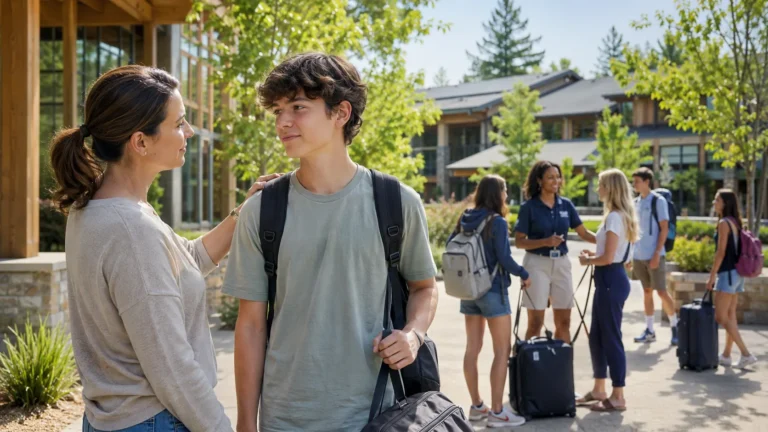
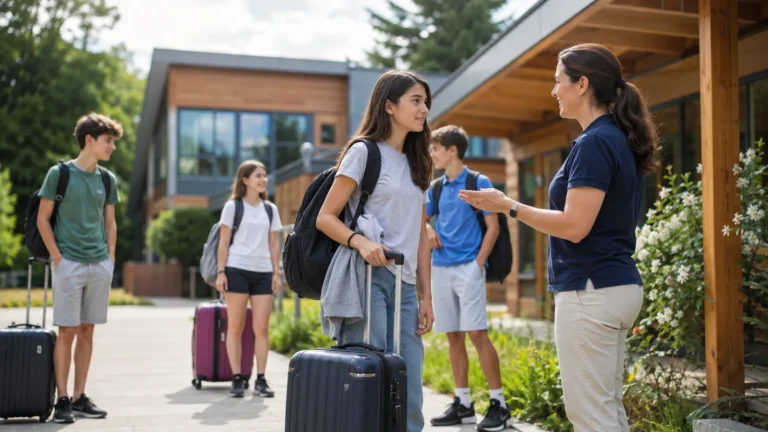
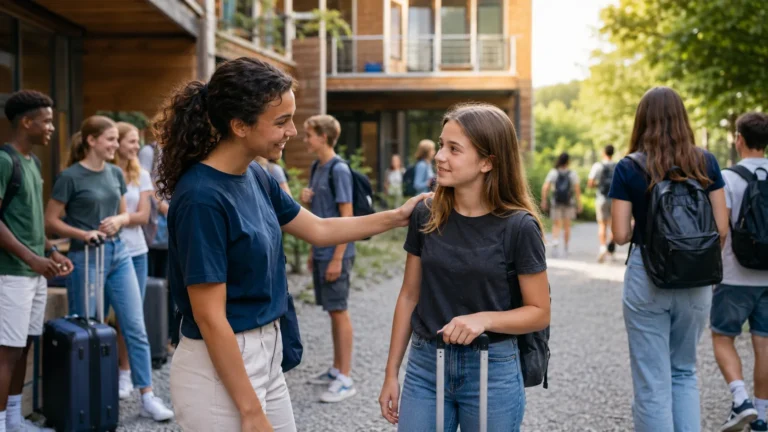
Arrive a little early. Give your teenager time to locate where their bags go, find their name on any lists, and meet at least one counselor or staff member before the program officially starts. Familiarity with even one adult face makes the moment you leave significantly easier.
Help them make one connection. If you spot another teenager standing alone near the registration area, encourage your teen to say hello. One early connection, even just a brief exchange of names and where they are from, dramatically reduces the feeling of being alone in a crowd.
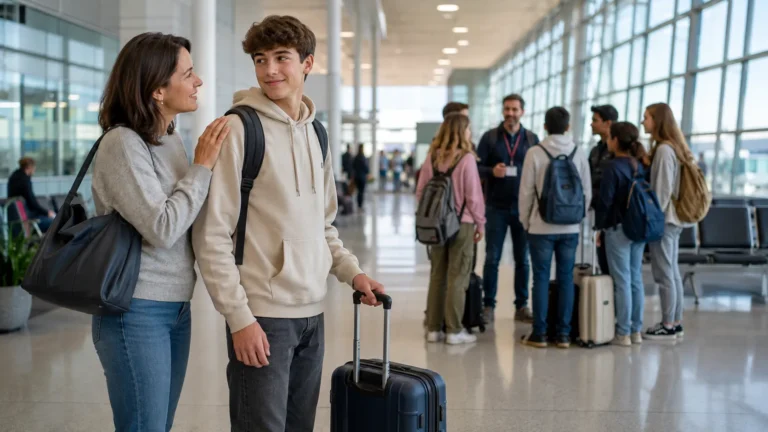
Keep the goodbye short, warm, and confident. One genuine hug, one encouraging word, and then let them go. Phrases like “I cannot wait to hear everything when you get back” work far better than “I am going to miss you so much.” The first focuses its attention forward. The second pulls it back toward home.
Leave promptly. Lingering after the goodbye signals uncertainty. Most teenagers who appear upset at the moment of drop-off are engaged and enjoying themselves within a few minutes of the parent leaving. Your quick exit is an act of confidence in them, not abandonment.
Save your own feelings for the drive home. It is completely normal to feel emotional at drop-off. Feel it fully once you are out of sight. Your teenager does not need to carry your feelings into their first day.
What Should You Expect When Your Teen Comes Home?
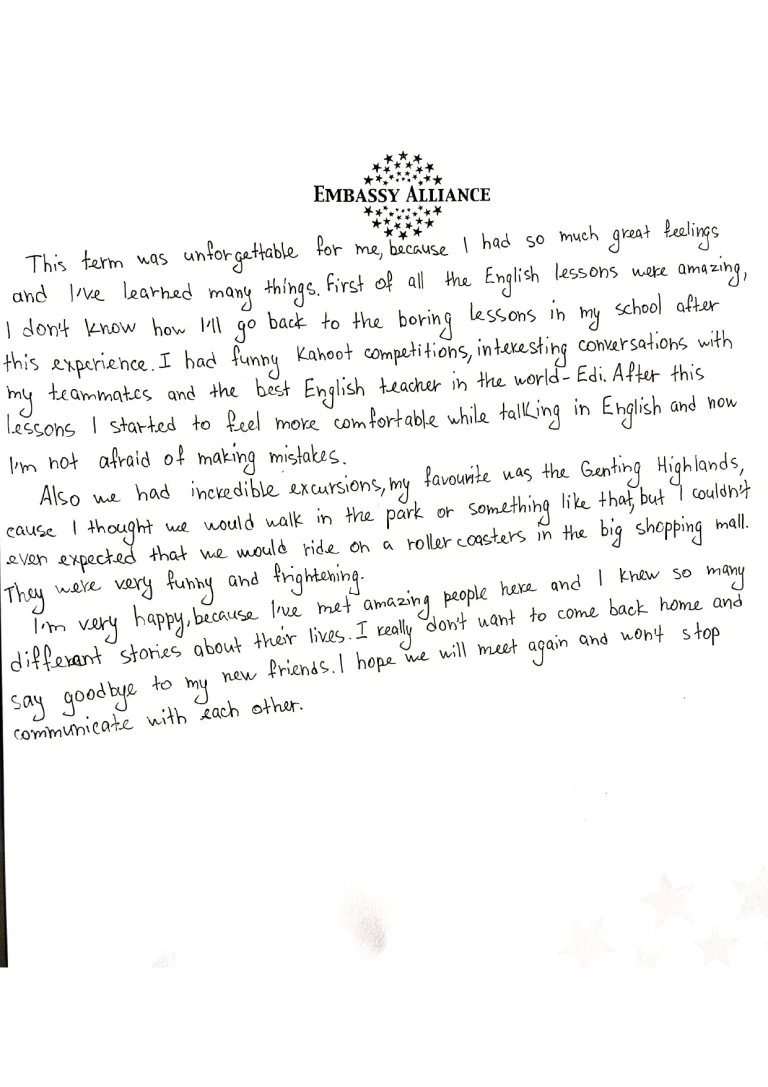
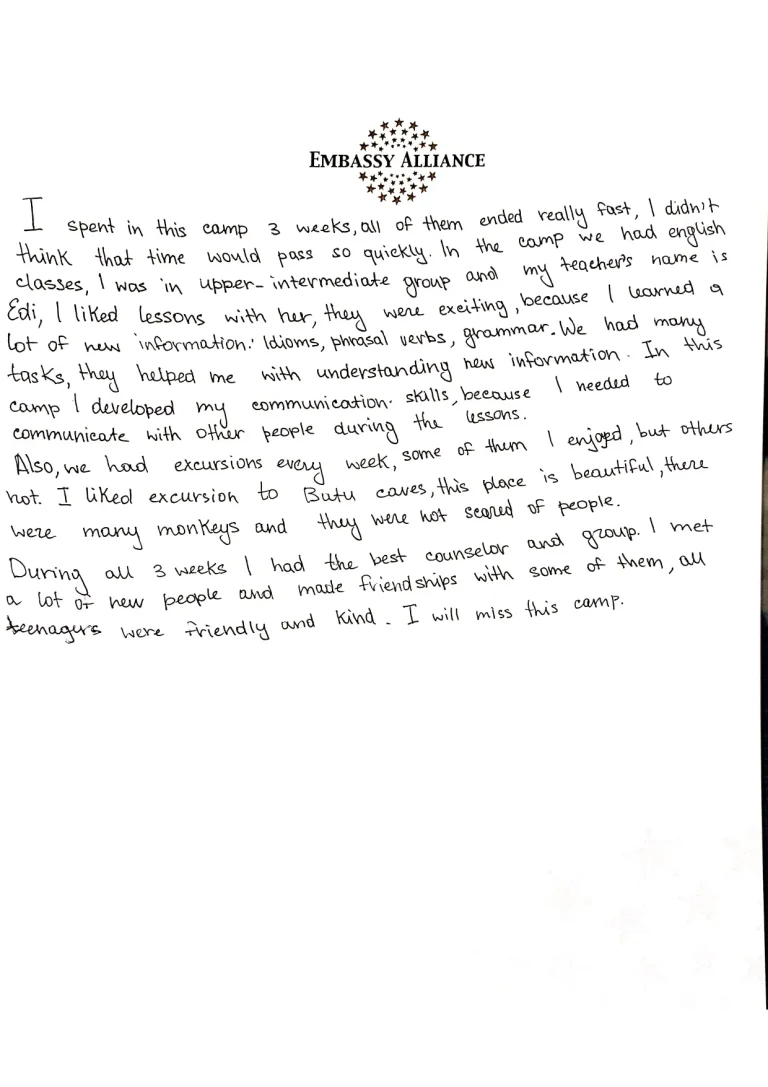
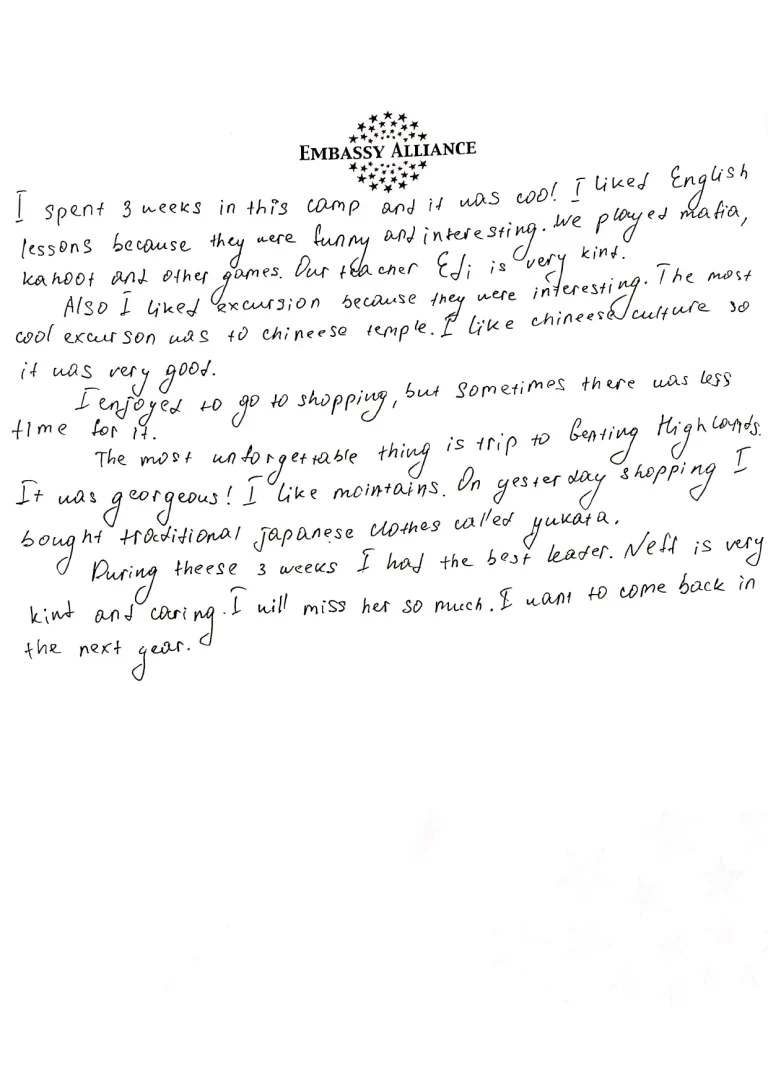
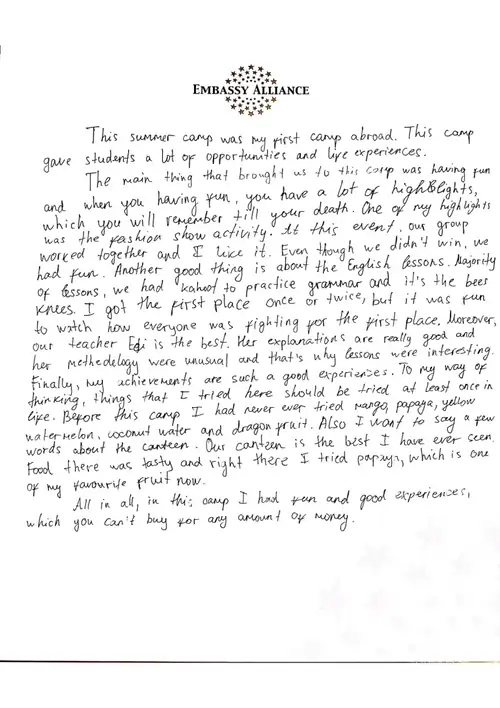
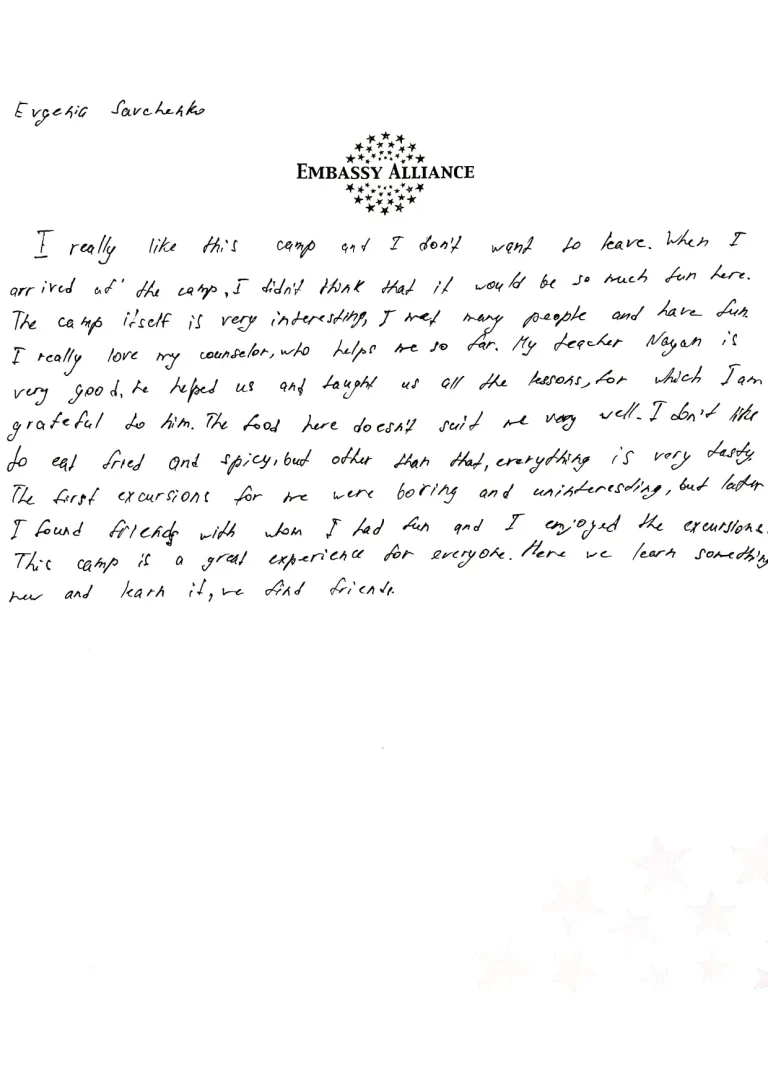
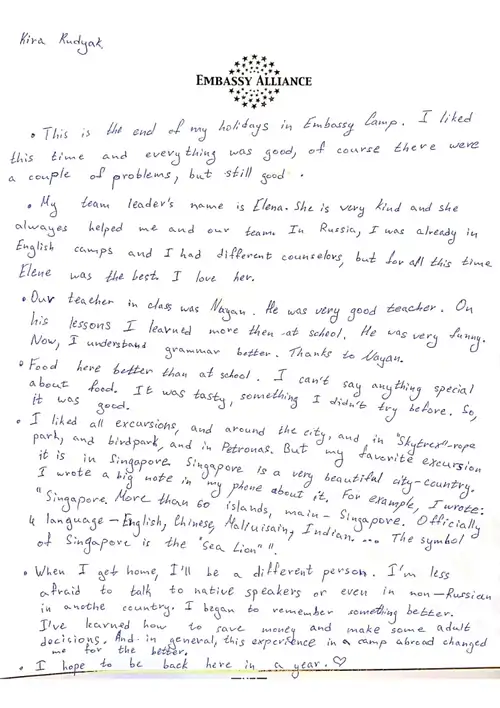
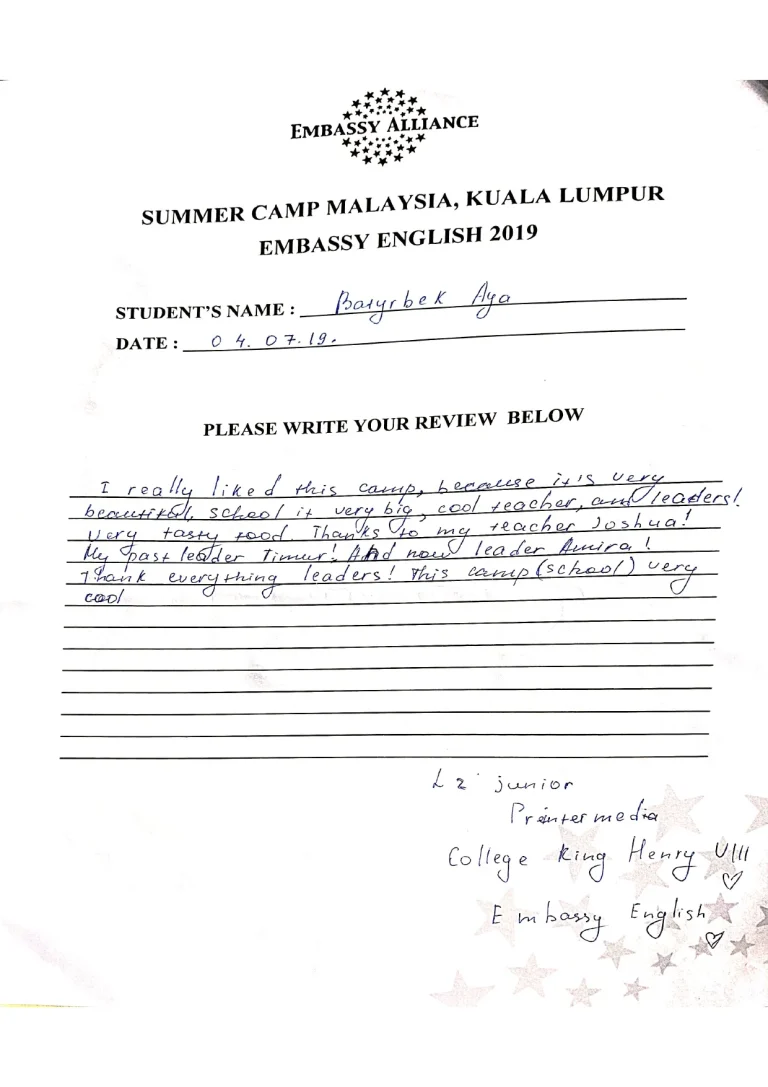
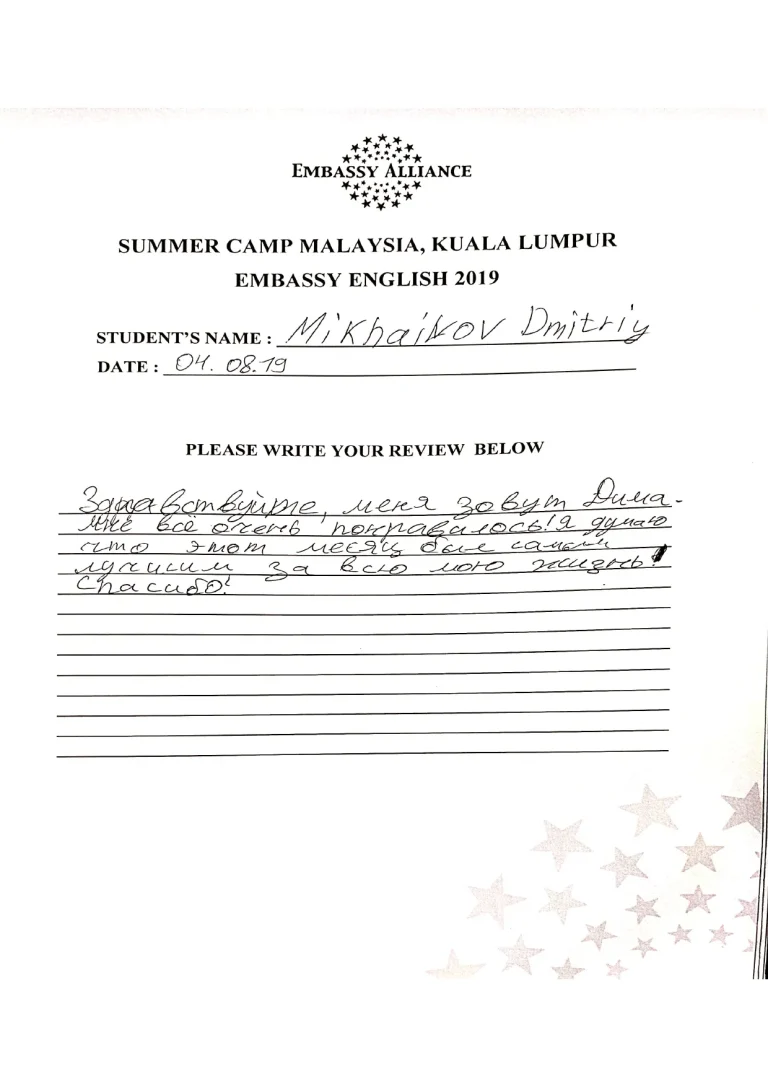
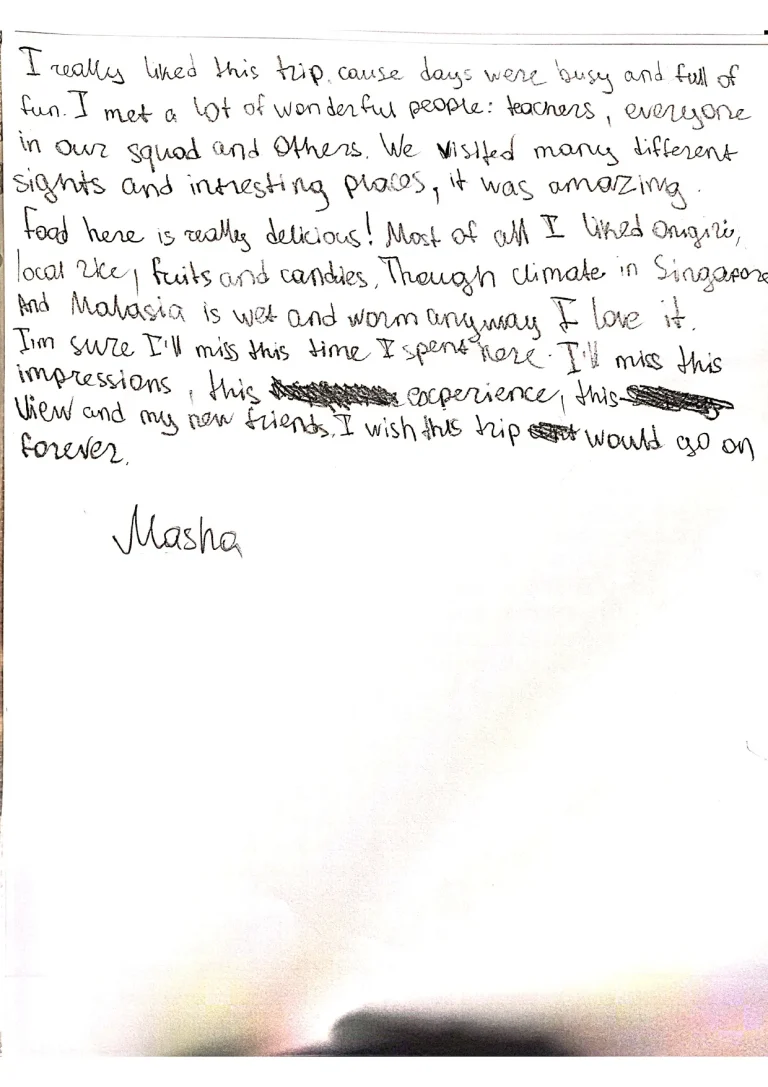
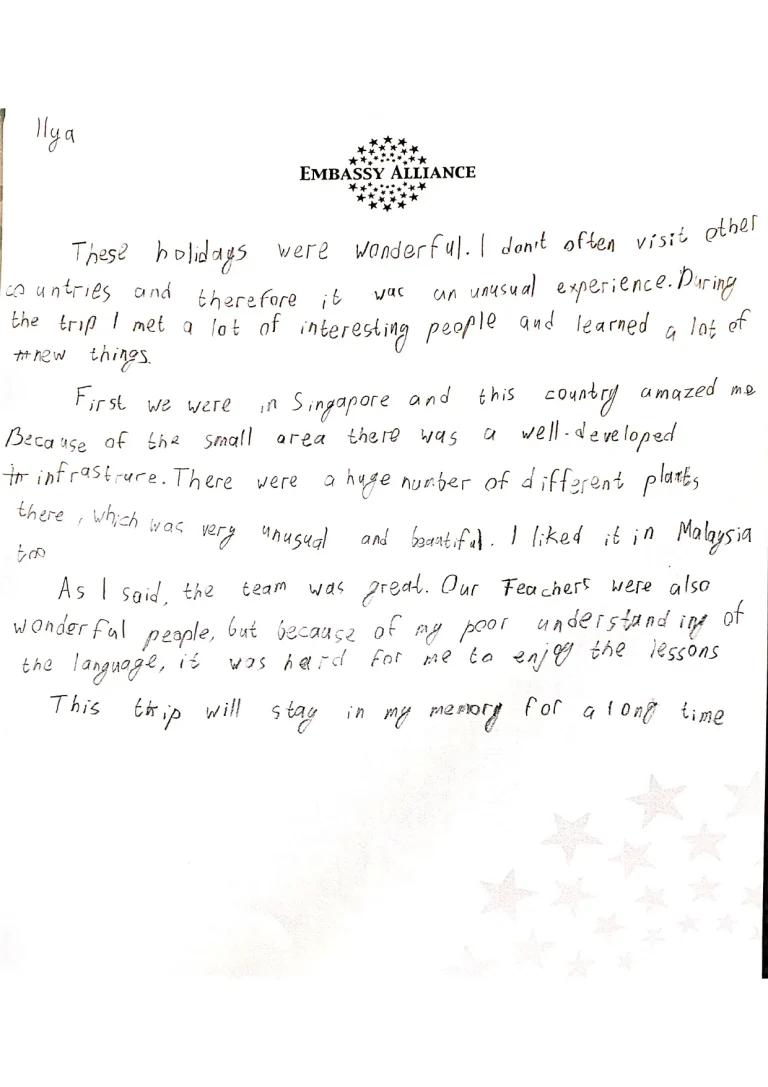
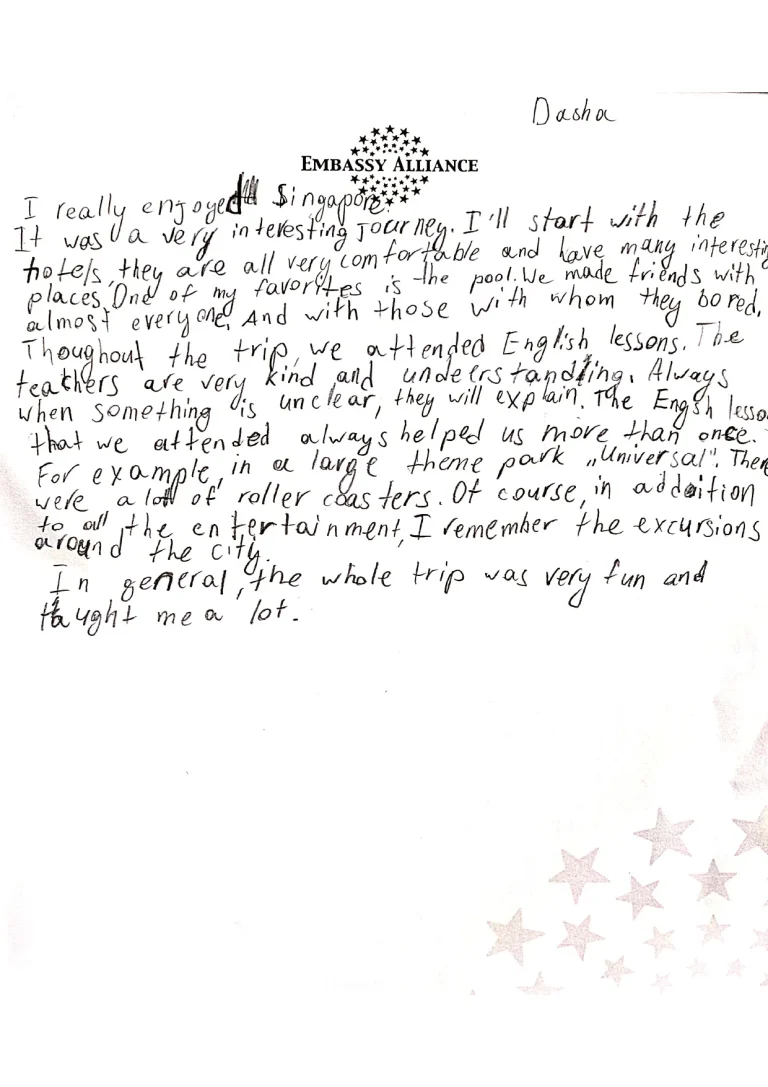
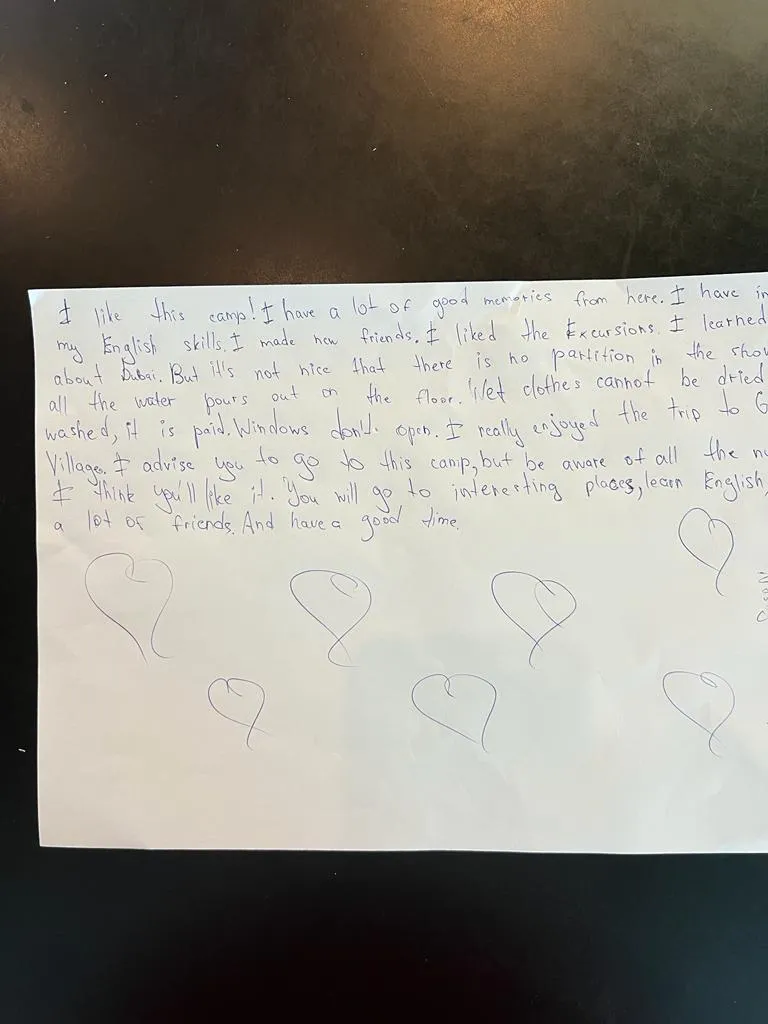
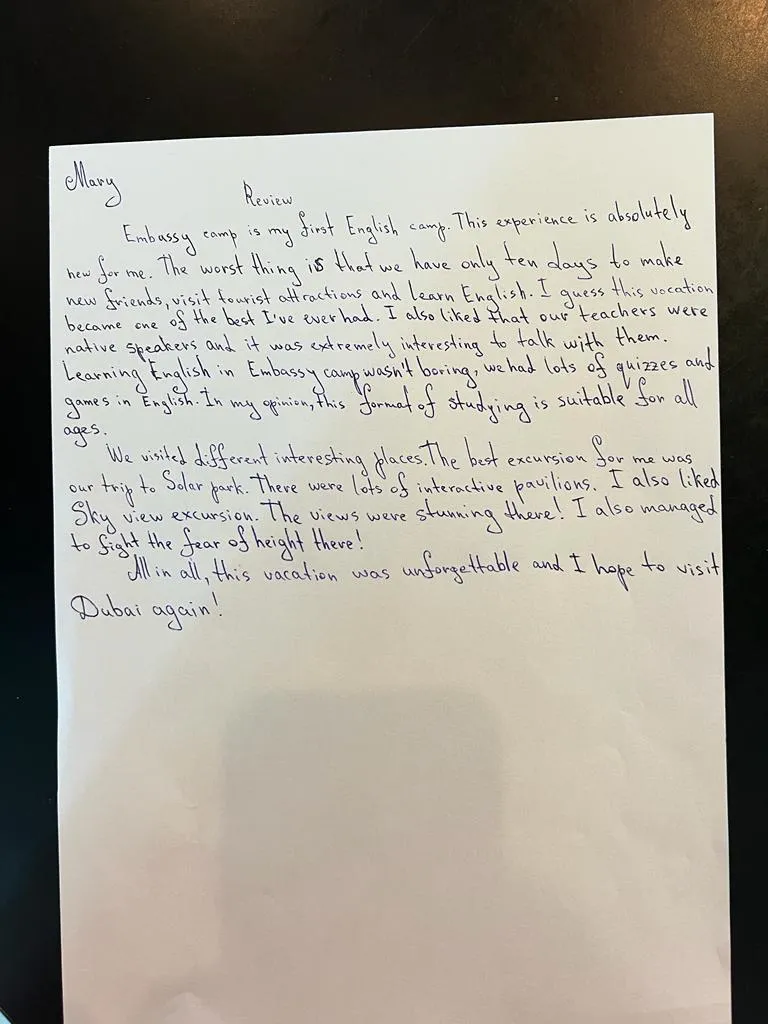
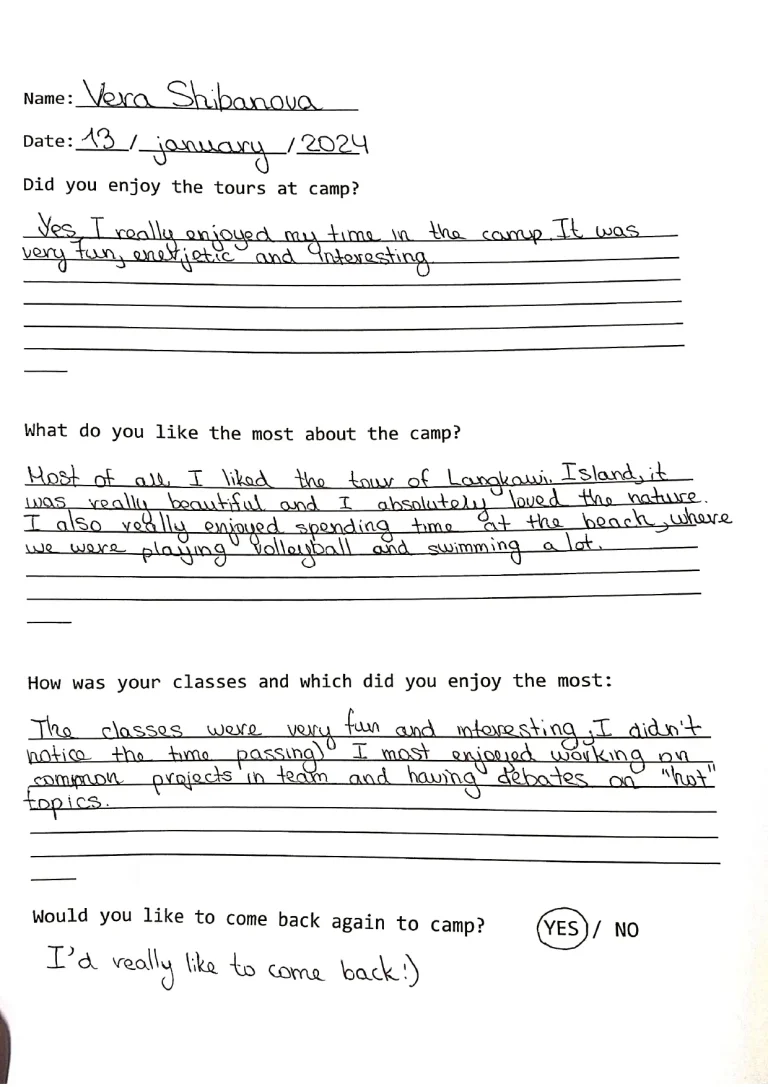
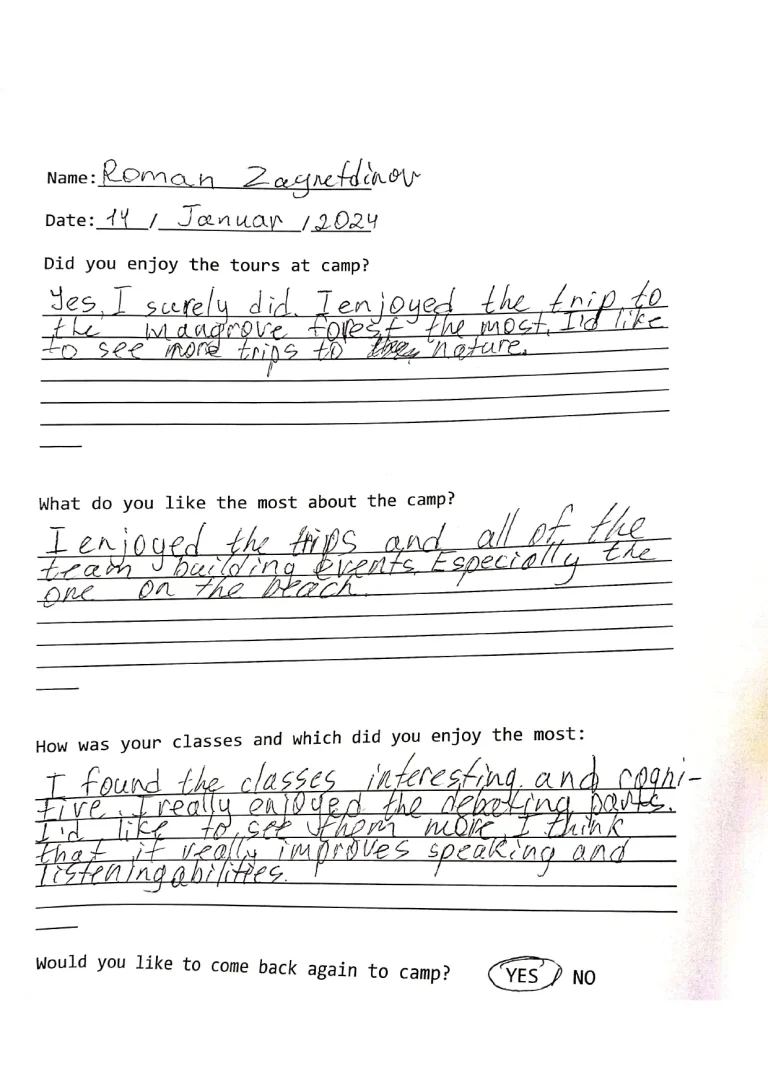
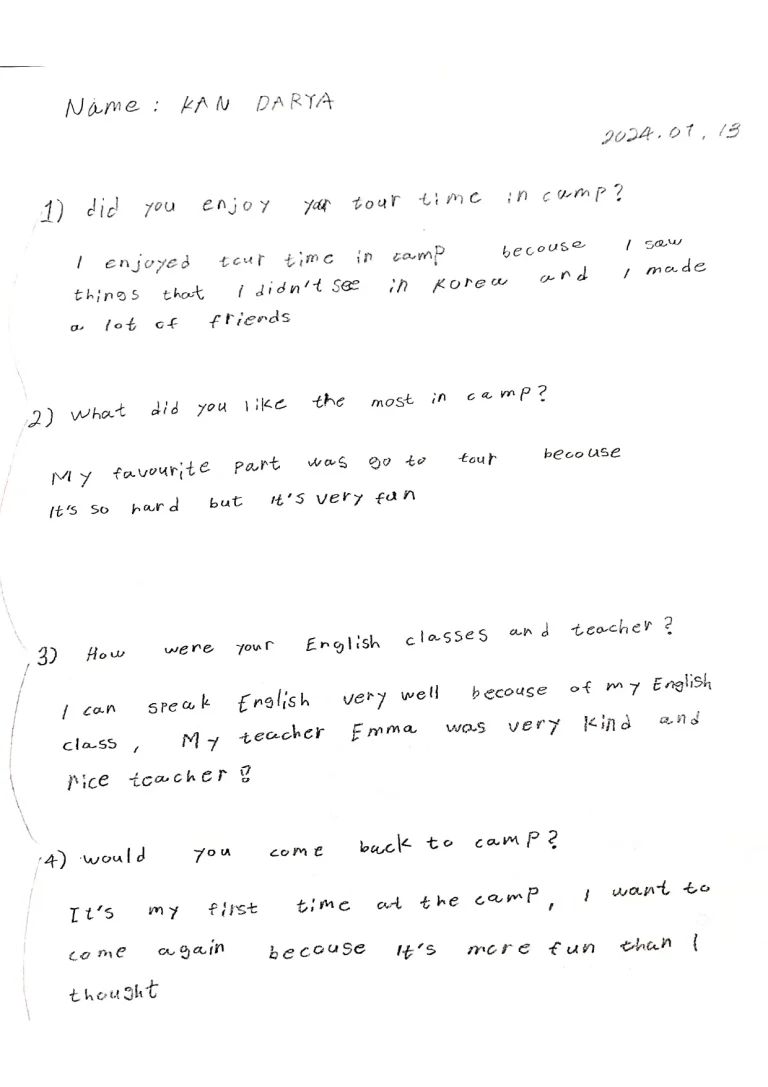
The teenager who comes home from their first international teen camp experience is rarely quite the same as the one who left. Most parents describe this shift as quietly surprising. Children who were reserved come home more talkative. Teenagers who were anxious come home more settled. Young people who spend most of their holidays on screens come home more interested in people and experiences.
You might also notice:
- Exhaustion for the first day or two, which is completely normal after a full program
- A flood of names, inside jokes, and stories that you cannot fully follow but that clearly matter deeply
- A stronger sense of opinion about what they want to do and who they want to be
- Small but real independence gains, like managing their own morning routine or making decisions without asking for permission first
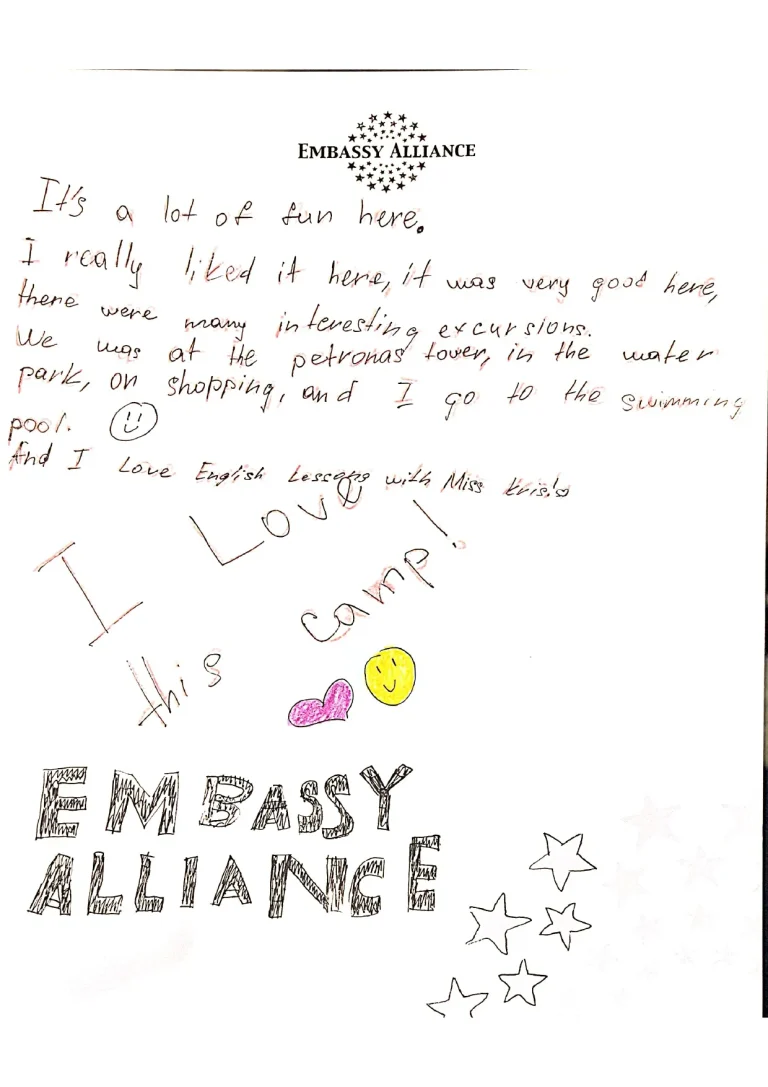
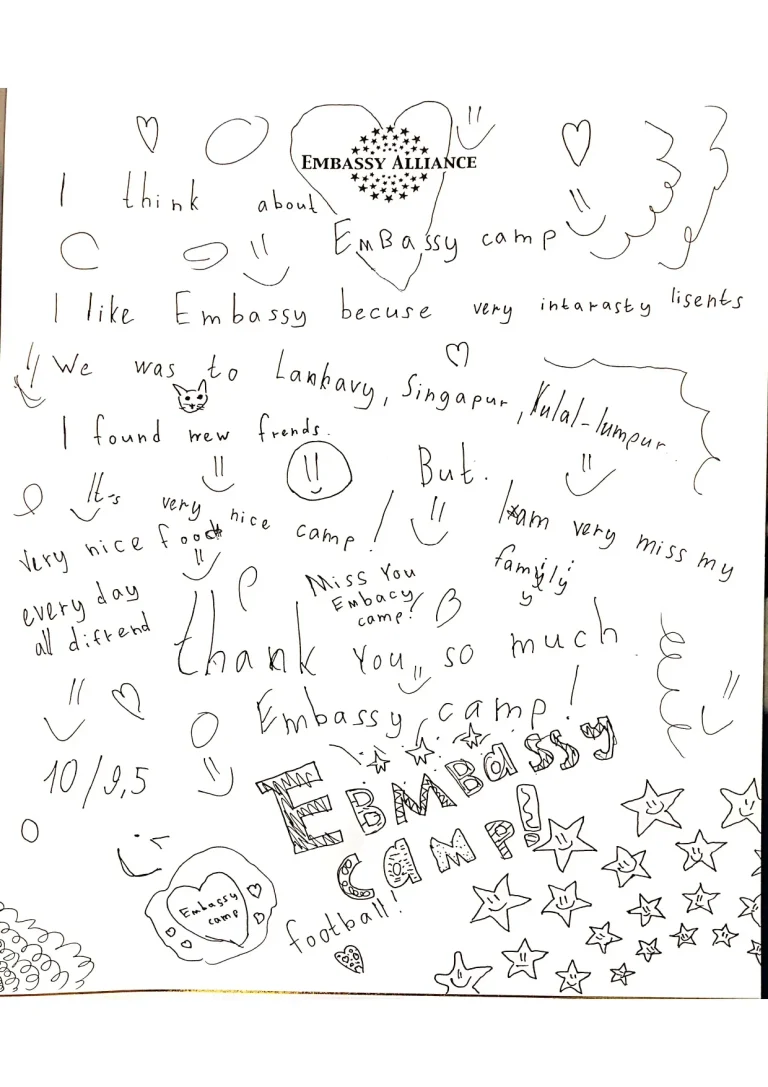
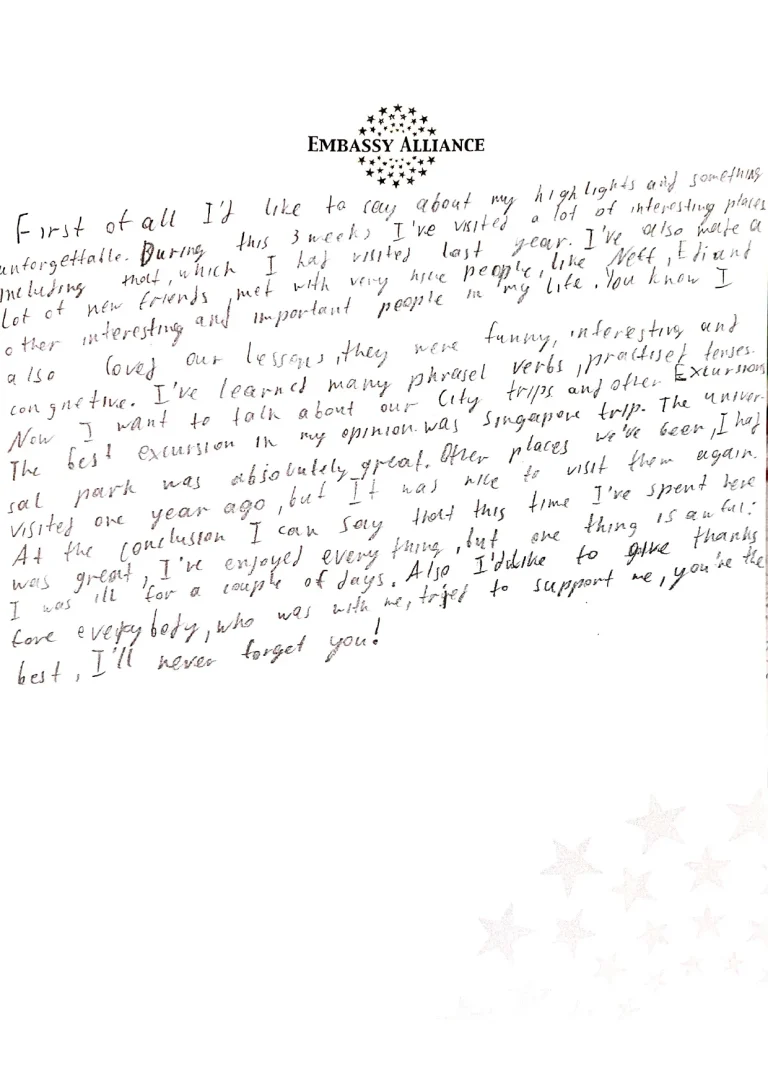
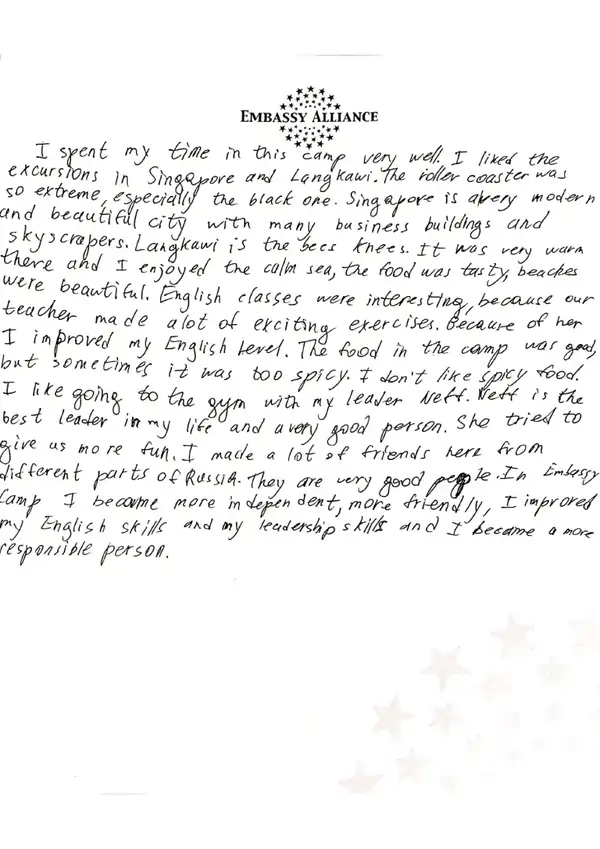
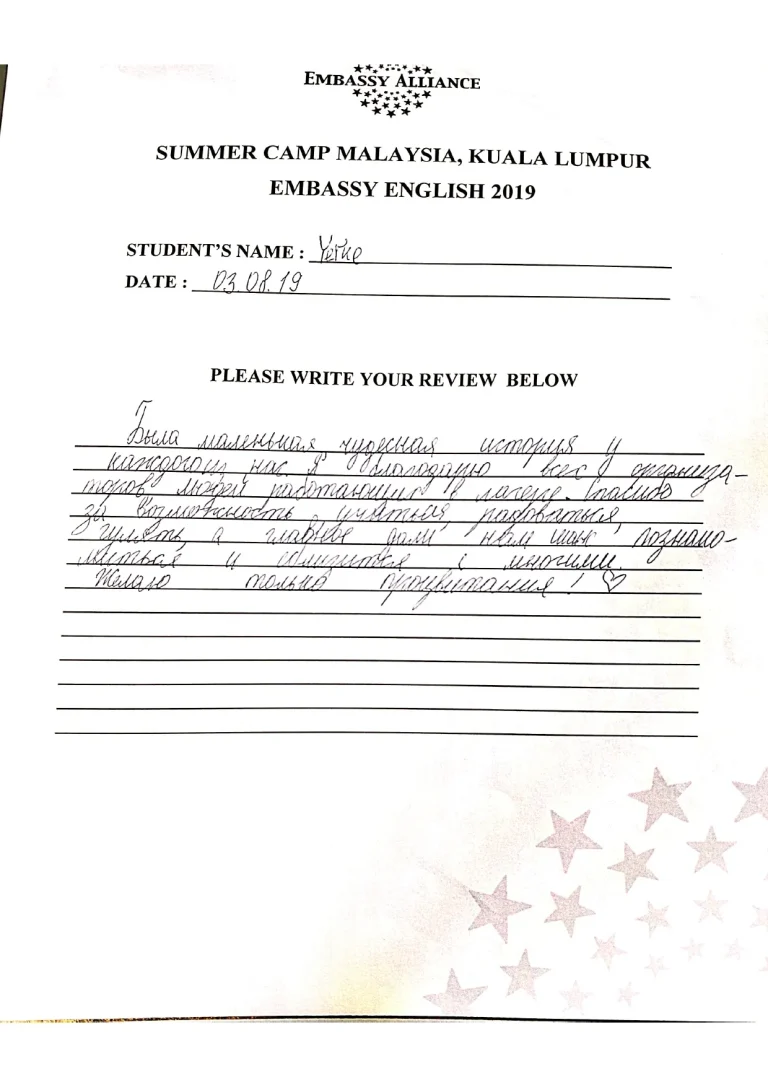
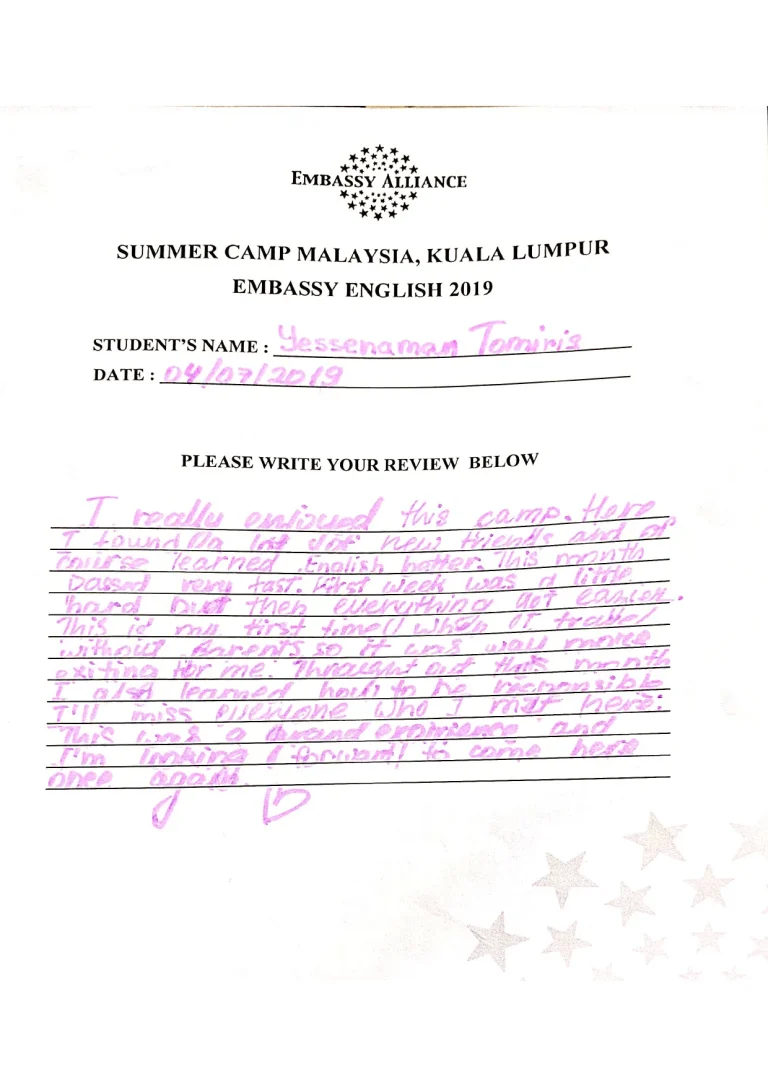
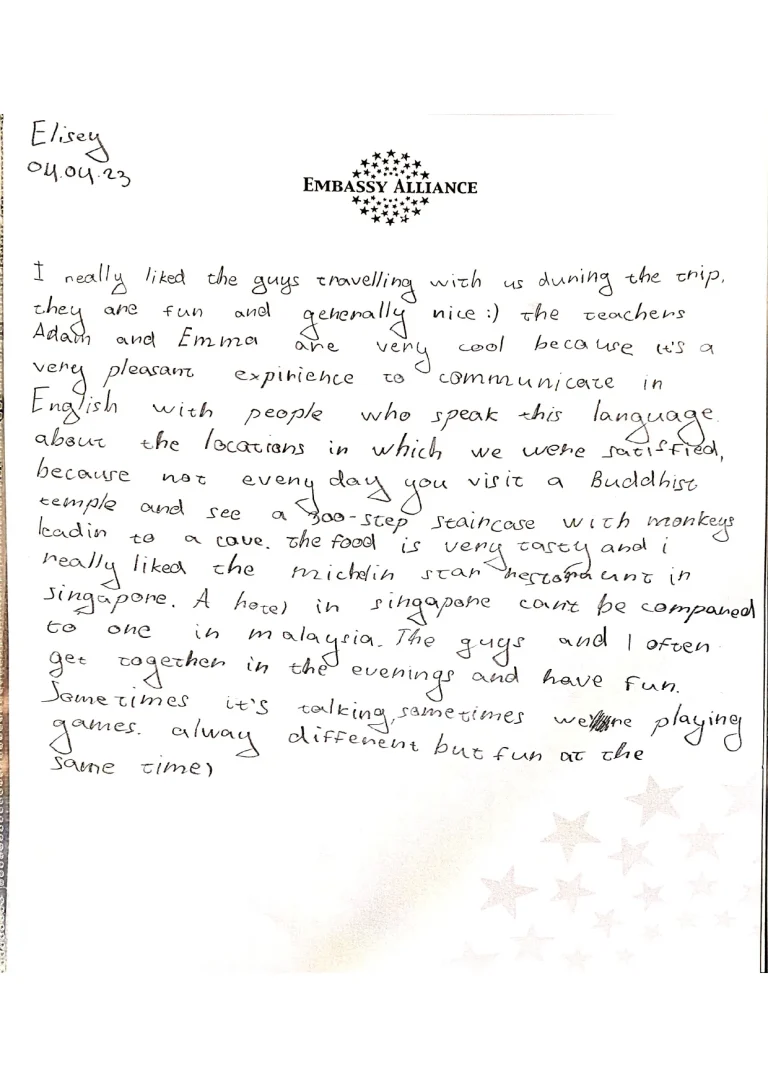
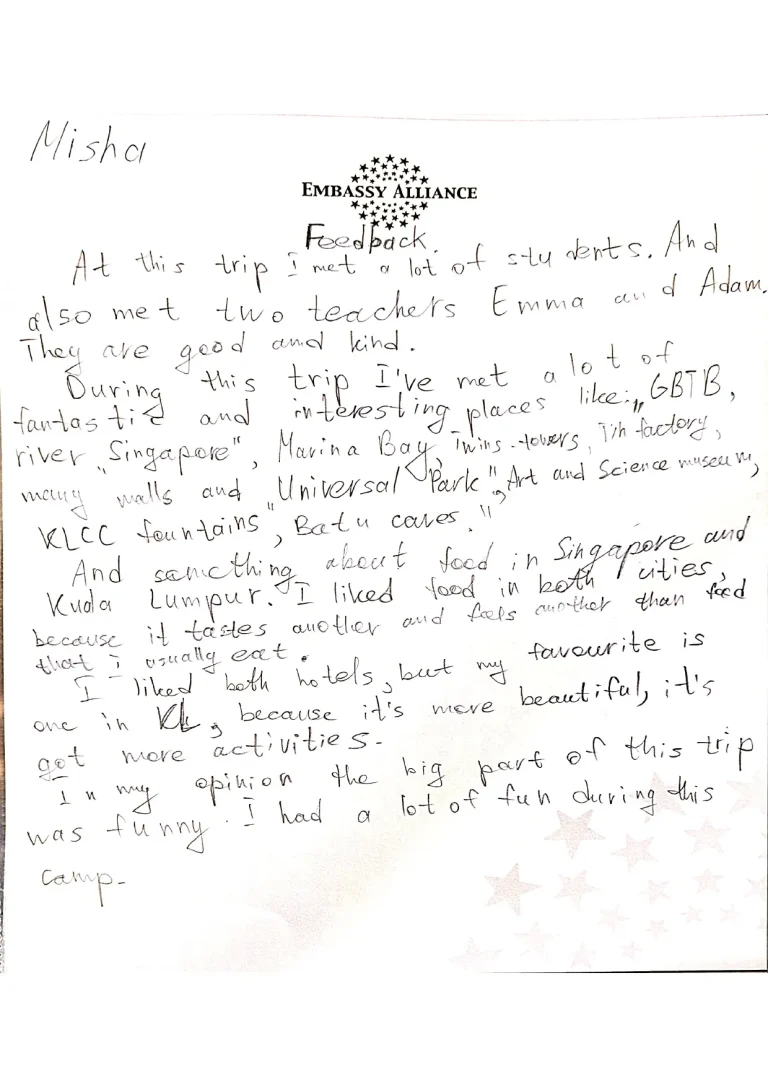
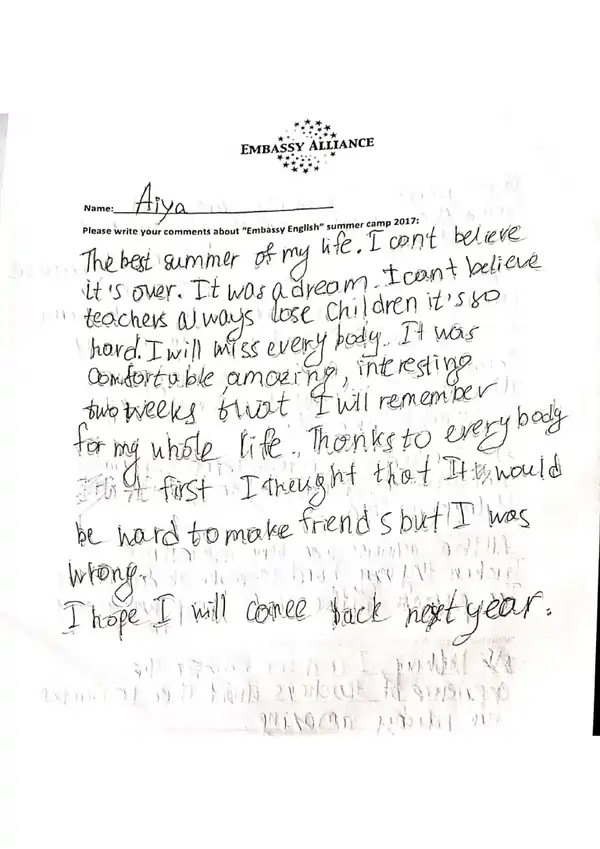
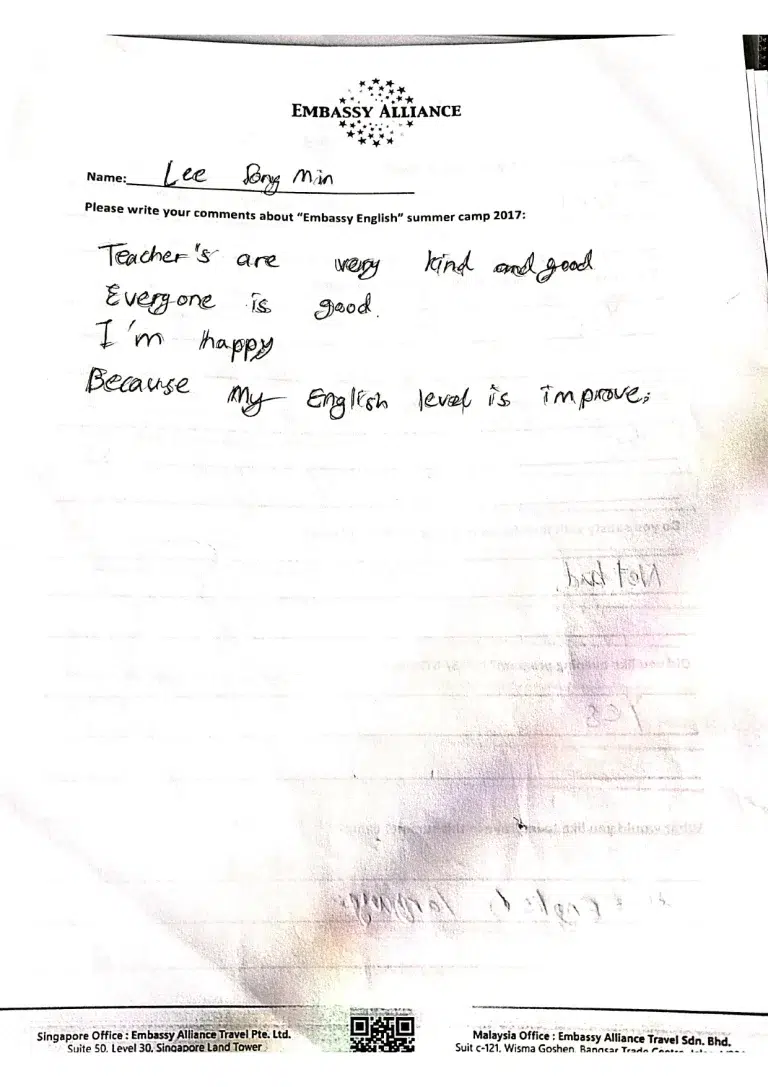
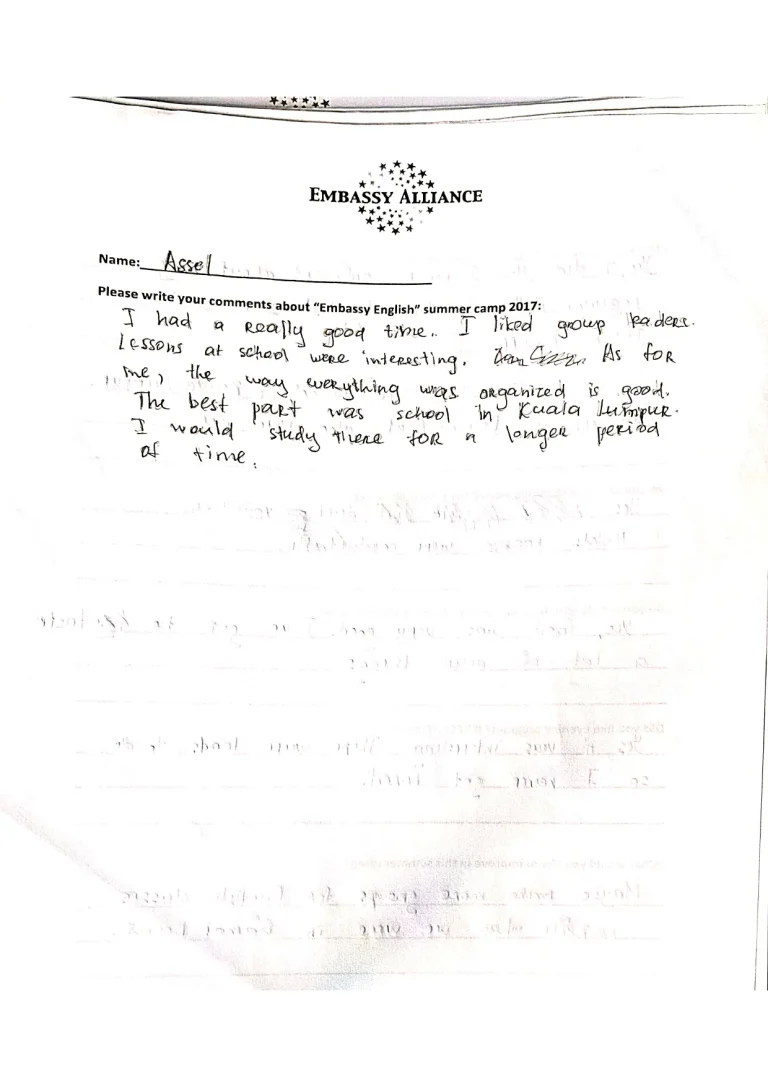
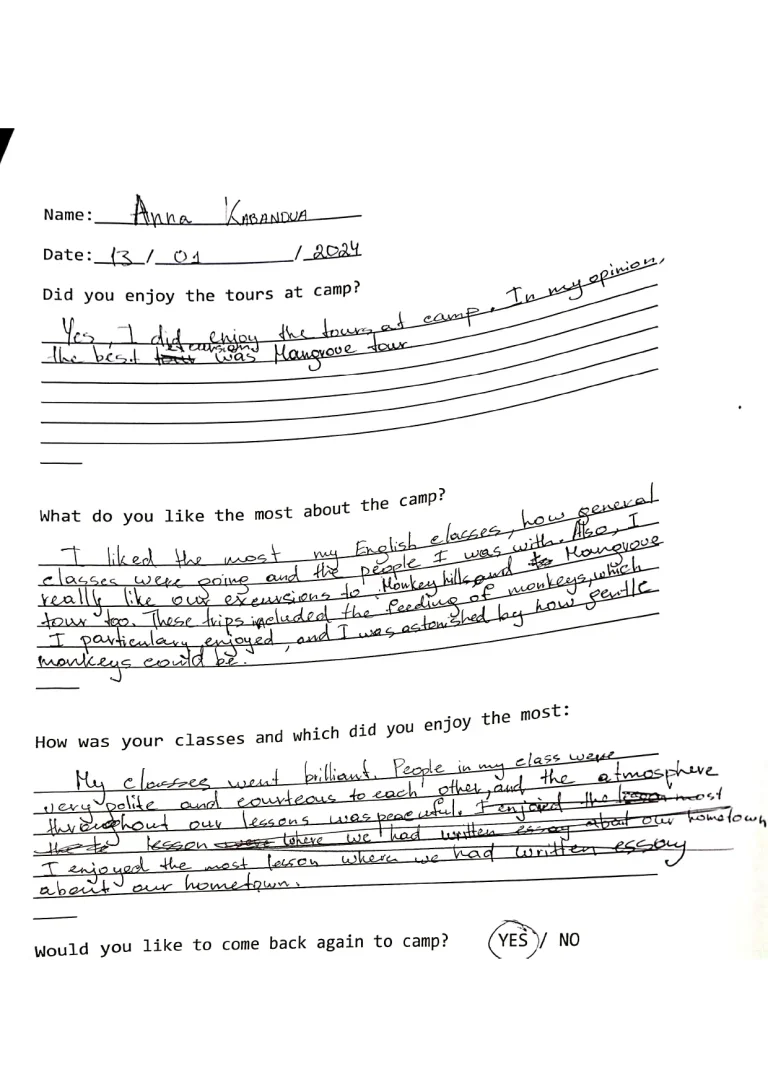
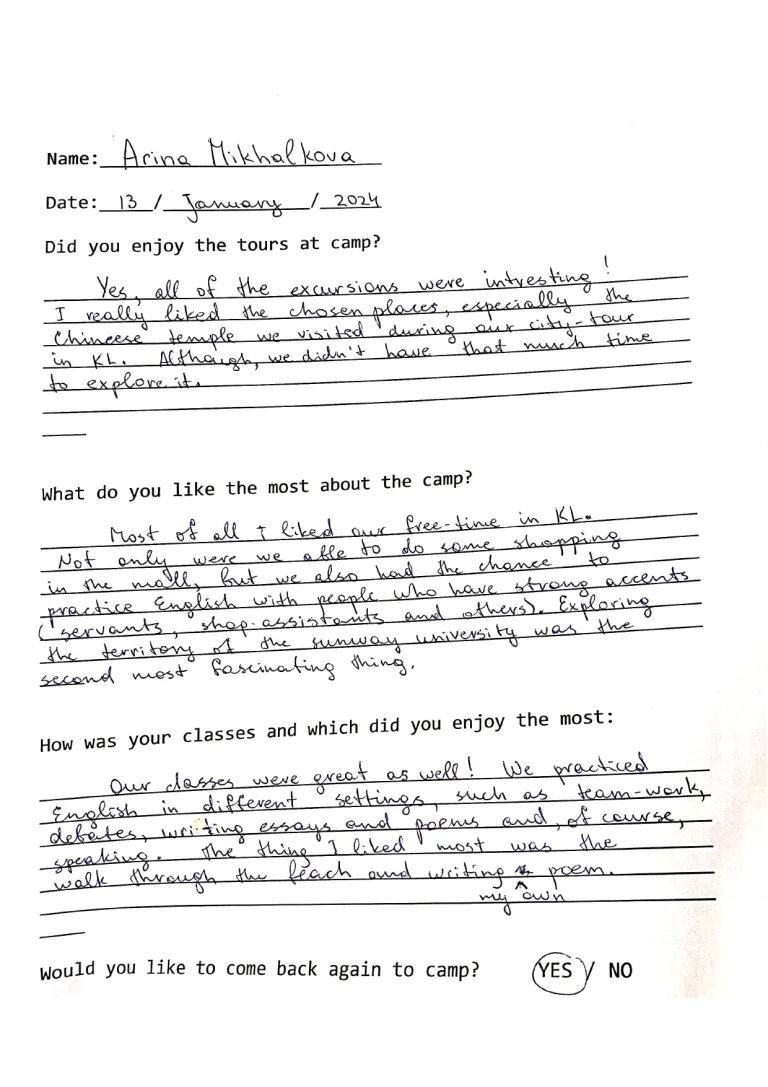
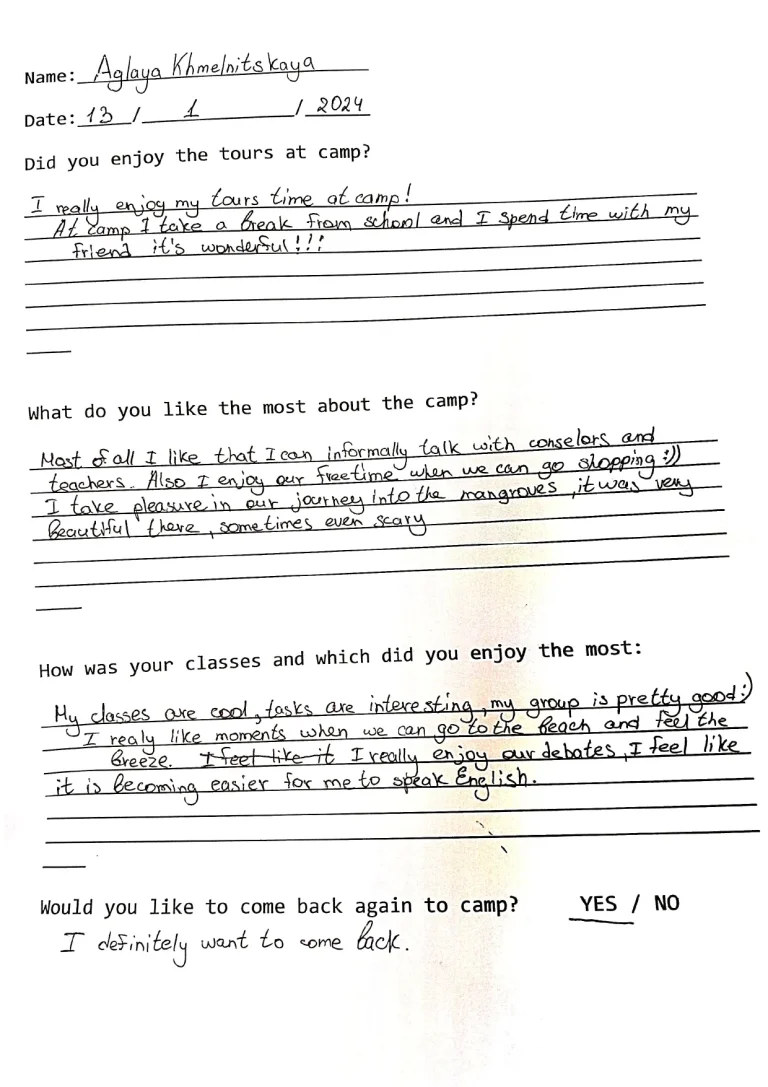
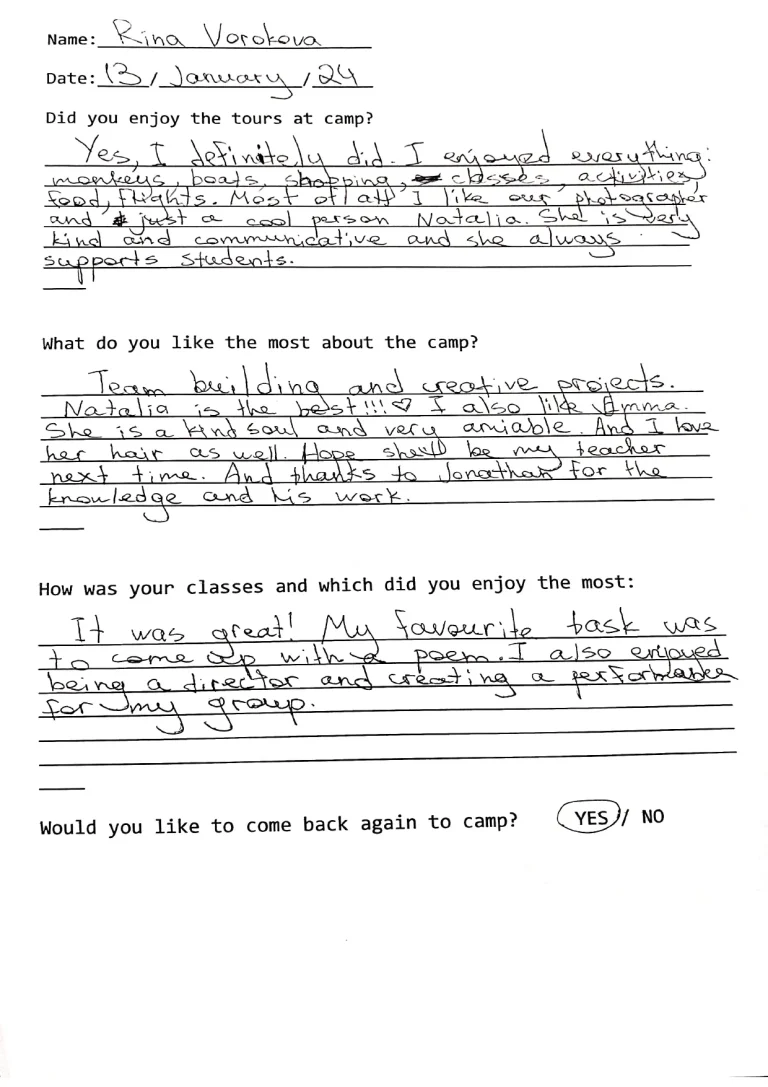
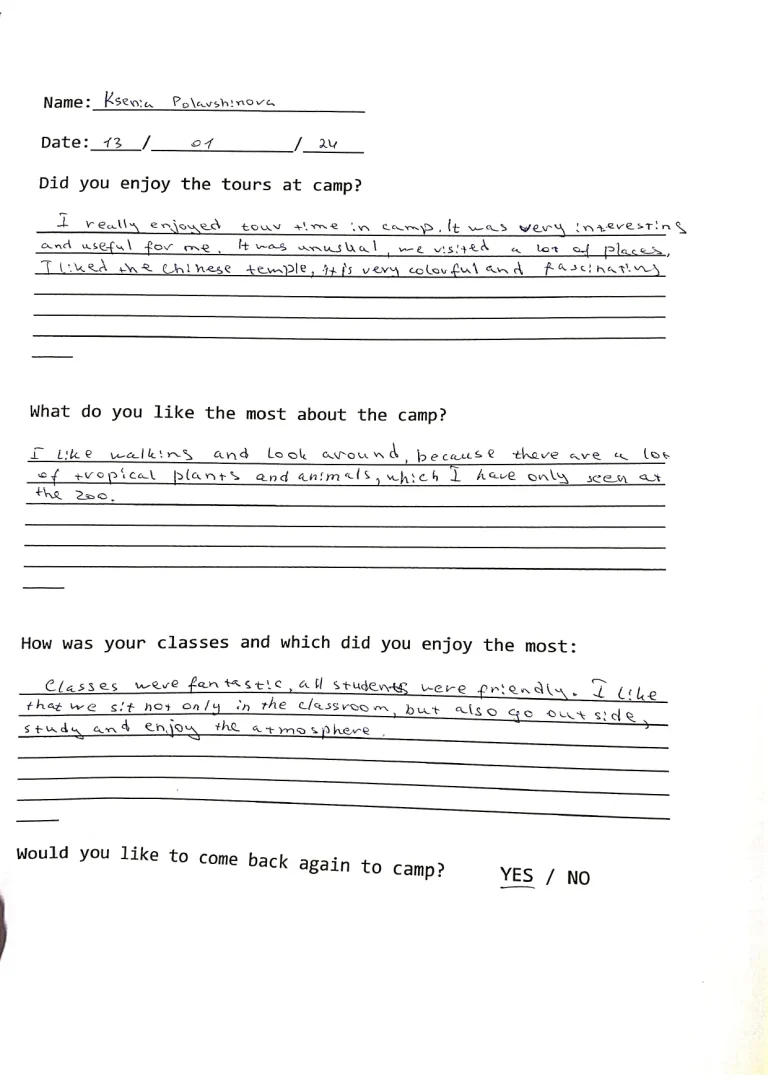
- A strong desire to go back the following year or to recommend it to their friends
Give your teenager space to decompress before the debrief. Ask open questions rather than closed ones. Try “what was the moment you felt most proud of yourself?” rather than “did you enjoy it?” The first unlocks reflection. The second gets you a one-word answer.
Celebrate what they did specifically, not just the fact that they went. Naming the exact growth you observe, “I noticed you handled that situation much more calmly than you would have before camp,” reinforces the experience and makes it meaningful beyond the memories.
Comparison: Teens Who Arrive Prepared vs. Teens Who Arrive Unprepared
| Factor | Prepared Teen | Unprepared Teen |
|---|---|---|
| First 24 Hours | Settles in quickly, engages with peers | Anxious, withdrawn, focused on home |
| Homesickness | Experiences it briefly, uses coping tools | May struggle longer without strategies |
| Making Friends | Initiates conversation, joins activities | Waits to be approached, misses early bonding |
| Drop-off Experience | Confident goodbye, quick engagement | Difficult separation, slower start |
| Overall Program Experience | Gets full value from day one | Spends early days adjusting rather than growing |
| Post-Camp Confidence | Noticeably stronger | Moderate improvement |
| Desire to Return | Very high | Mixed |
Ready to Give Your Teenager This Experience?
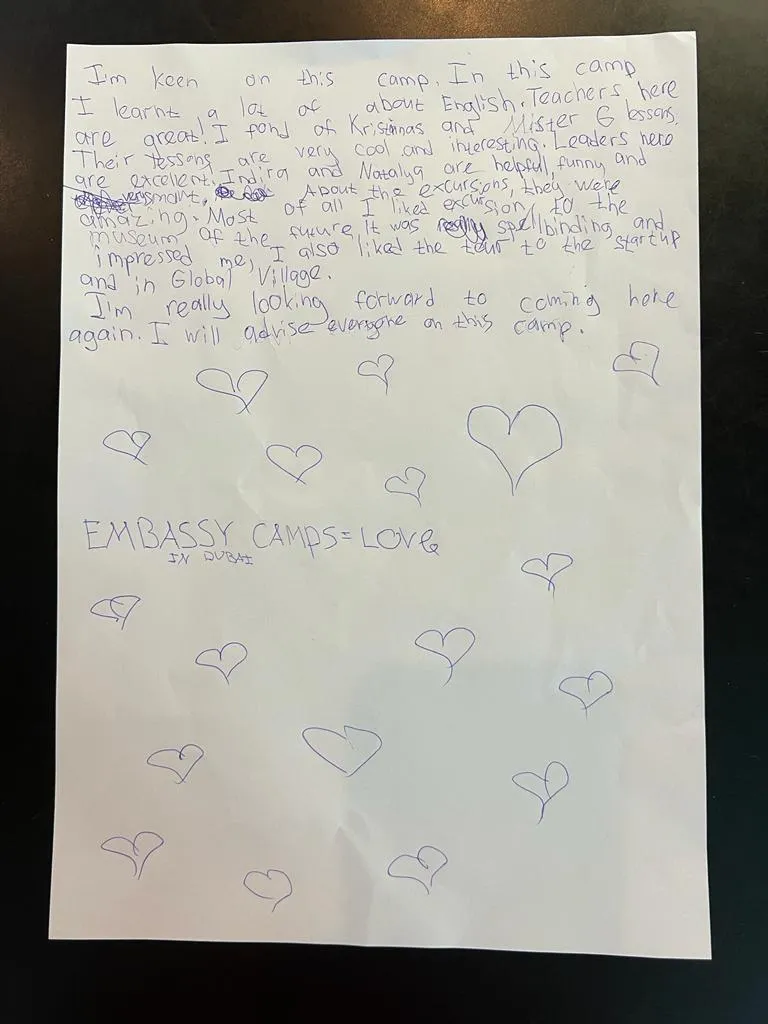
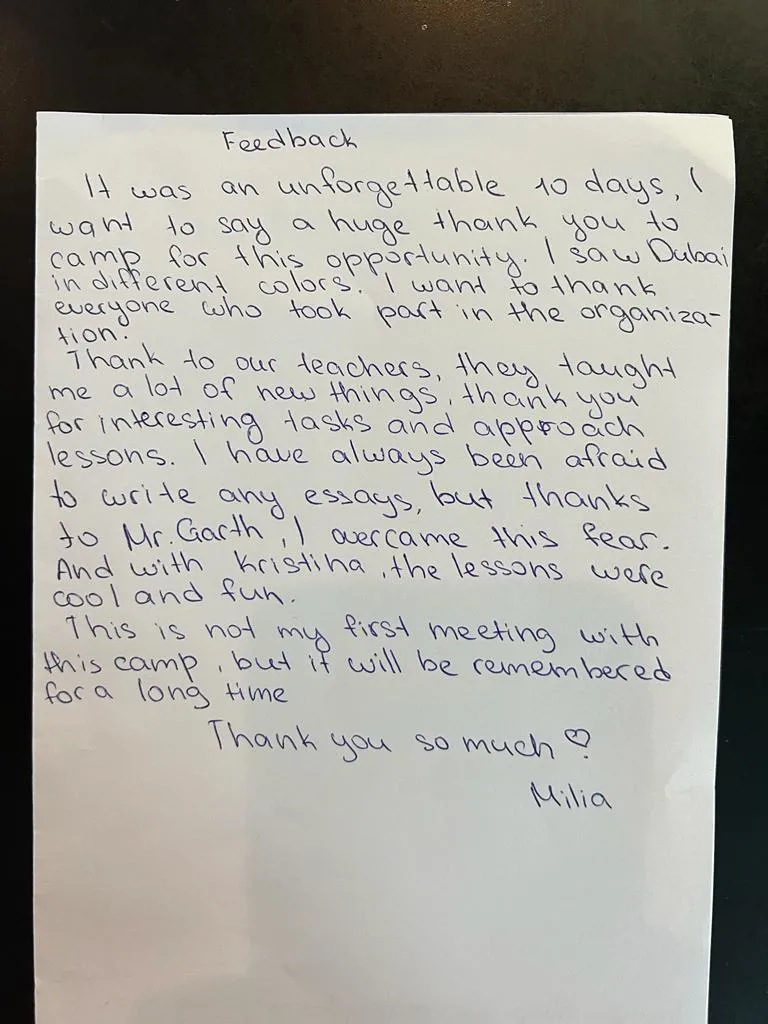
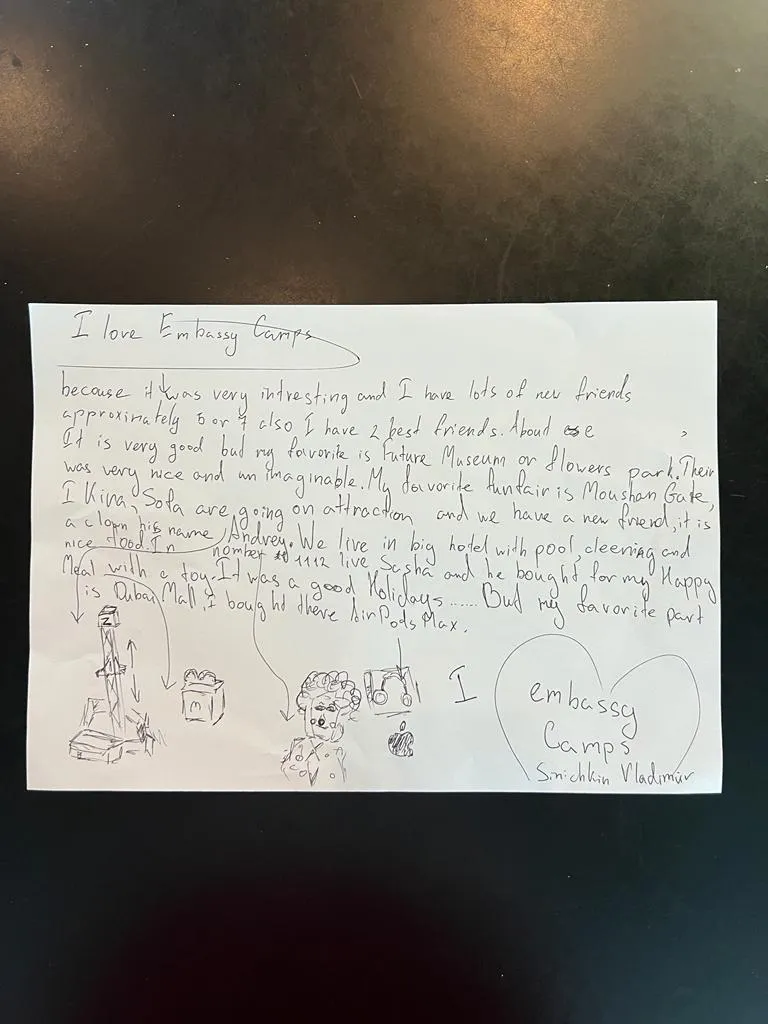
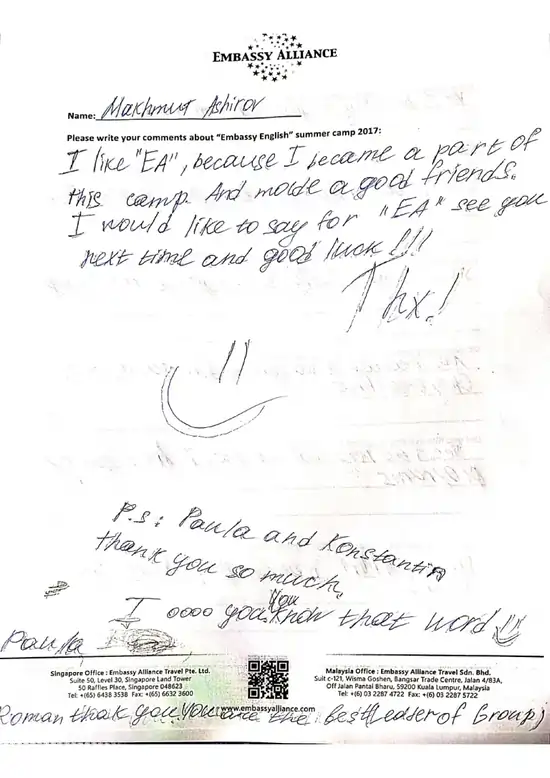
At Embassy Camp, we design every program around one goal: helping teenagers grow into confident, capable, and globally aware young adults.
Our international camps run across Malaysia, Singapore, Dubai, Bali, Spain, Korea, and Qatar. Every program combines real skill-building, cross-cultural friendships, and structured challenge in an environment that is safe, supervised, and genuinely transformative.
FAQ: How to Prepare Your Teen for Their First International Camp
How early should I start preparing my teenager for their first international camp?
Start at least four to six weeks before the program begins. This gives you enough time for meaningful conversations, one or two practice separation experiences, practical packing preparation, and the gradual emotional build-up that helps teenagers arrive excited rather than overwhelmed. Starting the night before is the most common mistake parents make, and it shows up clearly in how their teenager experiences the first day.
What if my teenager flatly refuses to go?
Refusal before camp almost always reflects anxiety about the unknown rather than a genuine preference not to attend. Start by listening to the specific concerns without dismissing them. Address each one practically and honestly. Look at the camp website together, watch videos of the destination, and talk to parents whose teenagers have already attended the same program. Give your teenager some control over small decisions, such as which activities to prioritise or what to pack. If resistance is severe, consider whether they have had enough practice with shorter separations first, and build those experiences up gradually before trying an international program.
Should my teenager have a phone at an international camp?
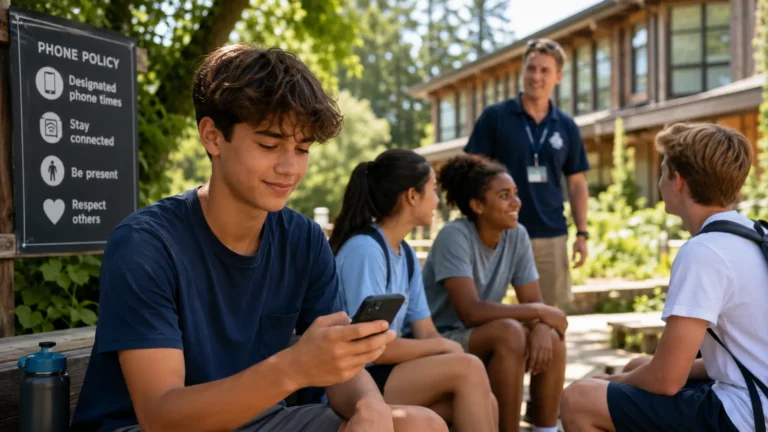
This depends on the specific camp’s policy. Embassy Camp provides regular updates to parents and has clear communication protocols, so you always know your teenager is safe. For teenagers, limited phone access during the program actually tends to improve the experience significantly. When teenagers are not checking their home social media feed, they invest more fully in the people and experiences right in front of them. That investment is where the real growth happens.
How do I know if the international camp is genuinely safe?
Ask the camp provider directly about staff qualifications, safeguarding policies, emergency protocols, and the staff-to-participant ratio. A reputable camp like Embassy Camp will answer all of these questions clearly and confidently. Look for programs with vetted and trained counselors, 24-hour supervision, established emergency procedures, and a track record of running programs safely across multiple years and destinations. Vague answers to safety questions are a red flag. Specific, confident answers are a strong positive signal.
What is the right age for a teenager's first international camp?
Most teenagers are ready for an international camp experience from around age 10 to 12, depending on their maturity and previous experience with being away from home. Embassy Camp runs programs for teenagers aged 10 to 18 across multiple destinations, with program content and group dynamics designed specifically for each age range. Age is one factor. Emotional readiness and prior separation experience matter just as much.
How do I handle my own anxiety about sending my teenager abroad?
Your feelings are completely valid. Sending your teenager to an international camp, especially for the first time, is a significant moment for any parent. The most useful thing you can do with that anxiety is channel it into preparation rather than letting it leak into your teenager’s emotional state before they leave. Research the camp thoroughly, ask every question you need answered, speak to other parents who have sent their teenagers to the same program, and then make a confident decision. Once you have made it, commit to showing your teenager that you believe in them. That belief is one of the most powerful things you can give them before they go.
Final Thoughts
Preparing your teen for their first international camp experience is not about removing every uncertainty before they leave. It is about giving them the confidence, the tools, and the emotional readiness to handle the uncertainties themselves once they arrive.
The teenagers who come home from their first international camp transformed are rarely the ones whose parents packed the perfect bag or wrote the longest checklist. They are the ones whose parents had honest conversations, practiced separation, built genuine confidence, and then stepped back and trusted their teenager to rise.
That is what this kind of preparation makes possible. Not a perfect first day. A teenager who knows they can handle whatever the first day brings.
If you are looking for an international teen camp that makes this preparation worthwhile, Embassy Camp runs programs across Malaysia, Singapore, Dubai, Bali, Korea, Qatar, and Spain for teenagers aged 10 to 18. Every program combines real skill-building, cross-cultural friendships, expert counselors, and structured daily experiences designed to bring out the best in your teenager from day one.
The next program intake is filling up. If your teenager is ready for their first international camp experience, now is the right time to explore what is available.