


Quick Answer
ChatGPT for students can be useful when teenagers learn to use it as a study partner, not as a shortcut for copying answers. With the right guidance, students can use ChatGPT to understand difficult topics, create practice questions, improve writing, plan projects, summarize notes, check their reasoning and build better AI study skills.
The safest approach is to teach AI literacy students can actually use in real life. This means knowing how to write better prompts, check facts, protect personal information, avoid plagiarism and understand when AI may be wrong.
OpenAI says ChatGPT is not meant for children under 13, and children ages 13 to 18 should have parental consent before using ChatGPT. OpenAI also advises caution for children who meet the age requirement.
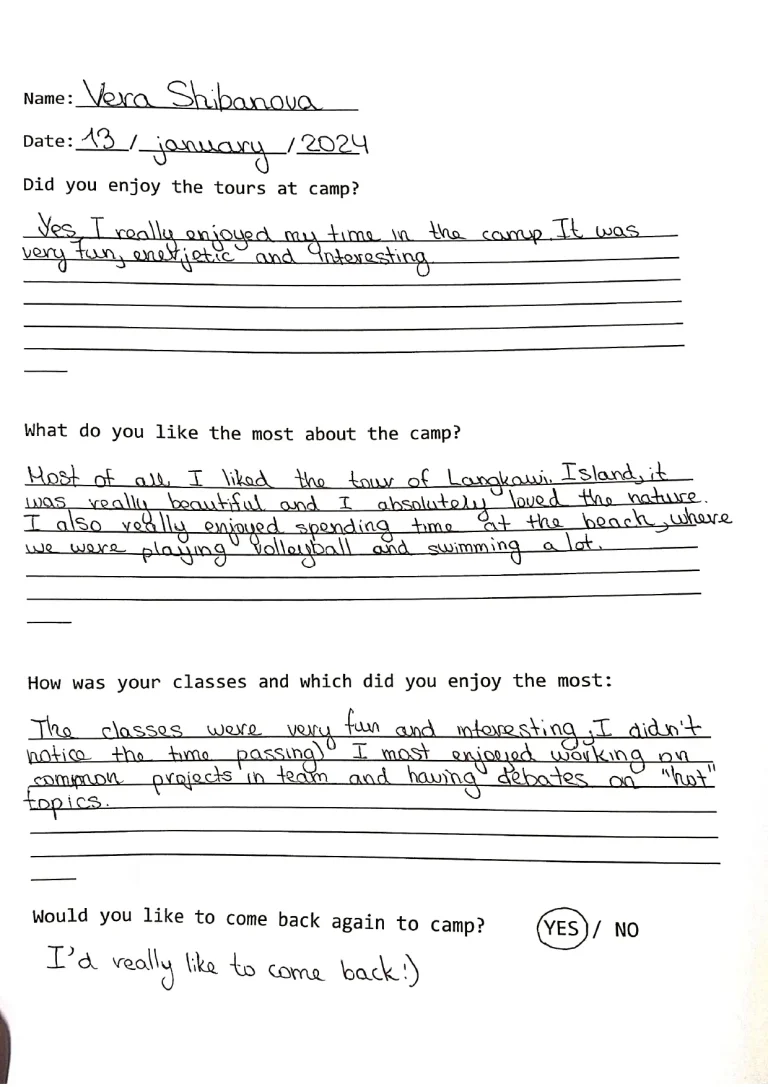
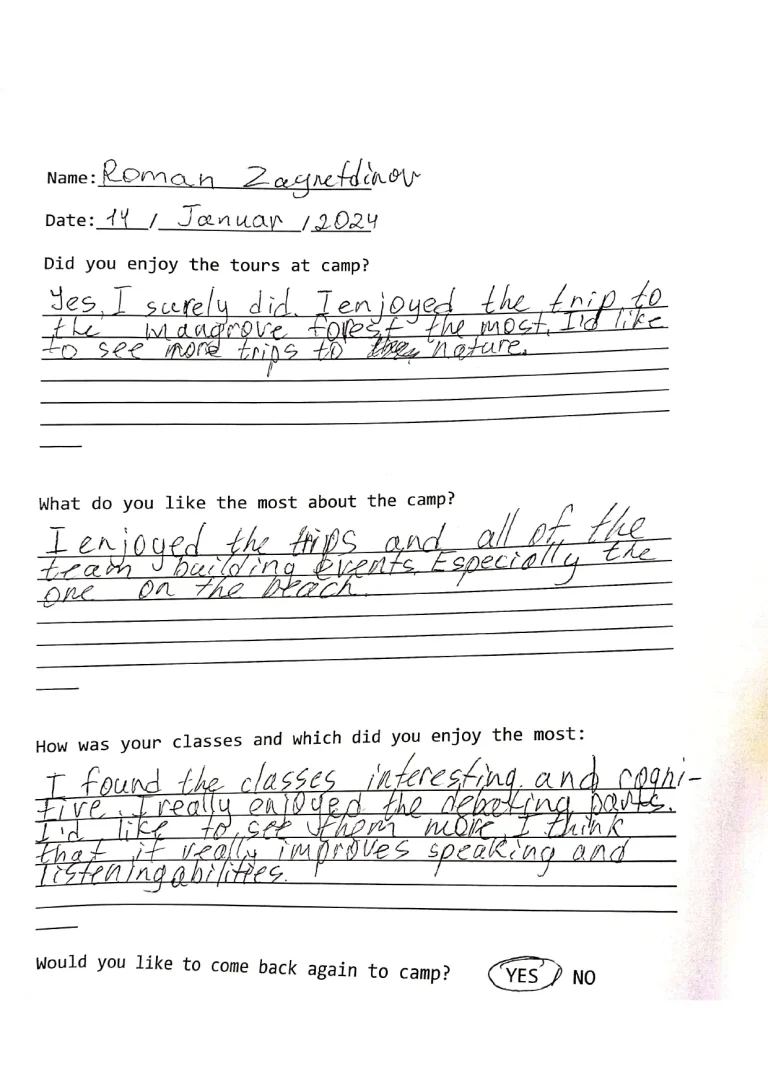
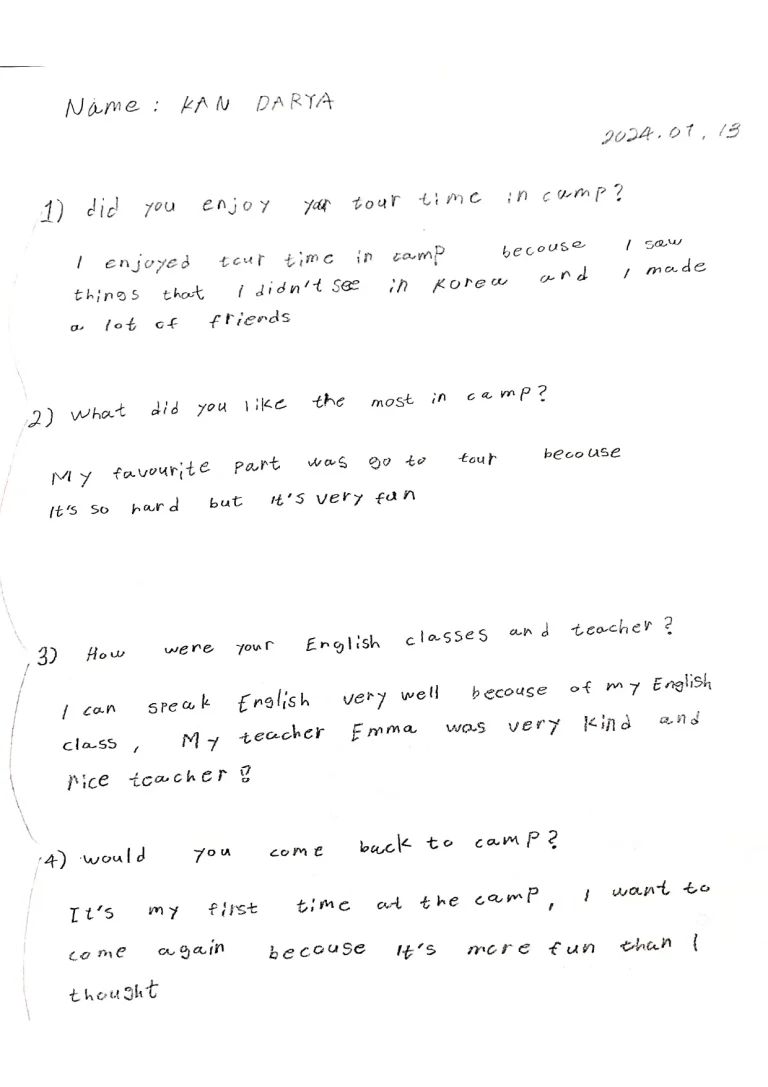
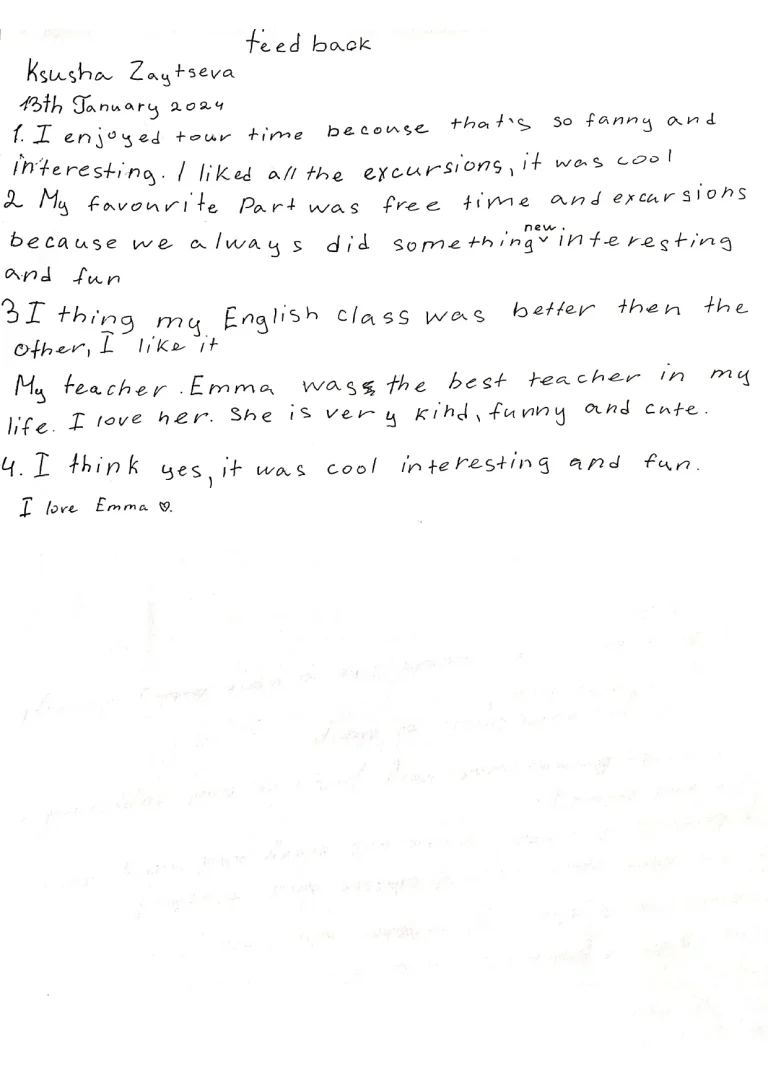
For families interested in practical AI learning, Embassy Camp’s AI Future Camp focuses on AI platforms, prompt writing, touch typing, smart skills, English practice and team-based learning in Malaysia.
Students are growing up in a world where AI tools are becoming part of schoolwork, university life, careers and daily problem-solving. Ignoring AI is no longer realistic. The better question is how teenagers can learn to use it safely, honestly and intelligently.
ChatGPT for students is not only about getting quick answers. Used well, it can help teenagers become better thinkers. It can explain concepts in simpler language, ask follow-up questions, generate practice quizzes and help students organize their ideas before writing.

Why ChatGPT for Students Matters Now
OpenAI’s Study Mode is designed to guide students through problems using questions, structured explanations and opportunities for reflection, instead of simply giving the answer right away.
This is exactly the kind of habit parents should encourage: use AI to learn, not to avoid learning.
Parents comparing future skills programs can also explore international summer camps by Embassy Camp and the guide on how to choose the right international summer camp.
What Teens Should Learn Before Using ChatGPT
Before teenagers use ChatGPT for homework or projects, they need a simple foundation. The goal is not to make them technical experts. The goal is to help them become responsible AI users.
A safe beginner framework includes:
- What ChatGPT can and cannot do
- Why AI answers may be incomplete or wrong
- How to write clear prompts
- How to ask follow-up questions
- How to check facts from reliable sources
- How to avoid copying AI-generated work
- How to protect personal information
- How to use AI within school rules
These are core AI literacy students need before they start using advanced tools.
Useful ChatGPT Skills Students Can Learn
ChatGPT can support many student skills when it is used with guidance. The most useful skills are not about shortcuts. They are about thinking, organizing and improving.
1. Prompt Writing for Students
Prompt writing for students means learning how to ask better questions. A weak prompt gives a vague answer. A strong prompt gives useful guidance.
Weak prompt: “Explain photosynthesis.”
Better student prompt: “Explain photosynthesis to a 14-year-old. Use simple language, then quiz me with five questions and wait for my answers.”
Good prompts usually include:
- The topic
- The student’s level
- The type of help needed
- The format of the answer
- Whether the student wants hints, examples or practice questions
Prompt writing for students is one of the most practical AI skills because it teaches clarity. If a teen cannot explain what they need, AI cannot help them properly.
2. Turning Notes Into Study Guides
Students often collect notes but do not know how to study from them. ChatGPT can help turn class notes into a structured study guide.
“Turn these notes into a study guide with key terms, short explanations, common mistakes and five practice questions.”
OpenAI’s Study Mode can work with uploaded materials such as class notes, worksheets, slides, textbook excerpts and images, when uploads are available in the student’s chat.
Parents should remind students that uploaded materials may still be read imperfectly. Students should check the output against their original notes.
3. Learning Through Questions
A strong use of ChatGPT for students is asking it to teach through questions.
Shortcut prompt: “Give me the answer.”
Learning prompt: “Ask me one question at a time and help me understand where I am wrong.”
OpenAI says Study Mode can ask open-ended questions, give feedback, help correct misunderstandings and quiz users one question at a time.
This turns ChatGPT into a learning guide rather than an answer machine.

4. Explaining Difficult Topics in Simple Language
Many students struggle because textbooks or teachers move too quickly. ChatGPT can explain a topic in layers.
“Explain this topic simply first. Then explain it at exam level. Then give me a real-life example.”
OpenAI says Study Mode can begin with a simple explanation, add more detail when the student is ready and adjust with prompts such as “use simpler language” or “go deeper.”
This can be especially helpful for students who feel shy asking questions in class.
5. Creating Practice Questions and Flashcards
Students often understand a topic while reading but forget it later. Practice questions help them check what they actually remember.
Useful prompts include:
- “Create 10 quiz questions from my notes.”
- “Make flashcards for these biology terms.”
- “Ask me questions one by one and explain what I missed.”
- “Give me a mixed review quiz with easy, medium and hard questions.”
OpenAI’s Study Mode FAQ says students can ask it to quiz them, create practice questions, explain missed answers and create flashcard-style review.
This is one of the safest and most useful AI study skills because it encourages active recall.
6. Improving Writing Without Copying
ChatGPT can help students improve writing, but it should not write the whole assignment for them.
“Read my paragraph and suggest how I can make it clearer. Do not rewrite it completely. Explain what I should improve.”
This helps students learn structure, grammar, clarity and argument development.
Students can use ChatGPT to:
- Check if an introduction is clear
- Improve sentence flow
- Find weak arguments
- Create an outline
- Practice thesis statements
- Identify repeated ideas
- Ask for feedback before final editing
Parents should teach one rule clearly: AI can support writing, but the student should still do the thinking.
7. Research Support and Fact Checking
Students may use ChatGPT to understand a topic before researching it properly. However, they should not treat every AI answer as a reliable source.
“Give me background context on this topic and list what facts I should verify from reliable sources.”
Students should then check official websites, textbooks, teacher materials and trusted academic sources.
This is a key part of AI literacy students need: AI can help organize research, but it should not replace evidence.
8. Planning Projects and Presentations
ChatGPT can help students break big projects into smaller steps. This is useful for teenagers who feel overwhelmed by long assignments.
“Help me plan a 2-week schedule for my science project. Include research, outline, first draft, revision and presentation practice.”
This helps with time management, organization and confidence.
For students attending international programs, this skill also supports group work, presentations and team challenges.
What Students Should Not Use ChatGPT For
Parents should be clear about misuse. ChatGPT should not be used to cheat, copy full assignments or avoid learning.
Students should not use ChatGPT to:
- Submit AI-written essays as their own work
- Copy answers without understanding them
- Invent citations
- Share personal passwords or private information
- Replace teacher instructions
- Avoid reading required materials
- Make decisions without checking facts
- Generate harmful, inappropriate or dishonest content
OpenAI notes that Study Mode does not replace teachers, tutors, course materials or academic requirements. Students should use it as a study aid and follow the rules of their class, school or organization.
How Safe Is ChatGPT for Students?
ChatGPT for students can be useful, but parents should treat it like any powerful digital tool. It needs boundaries, supervision and good habits.
OpenAI says ChatGPT is not meant for children under 13, and children ages 13 to 18 need parental consent. OpenAI also advises caution even for children who meet the age requirements.
For teens, safety depends on:
- Age-appropriate use
- Clear family rules
- Parent awareness
- School policy
- Good privacy habits
- Critical thinking
- Avoiding overreliance
- Understanding that AI can be wrong
Parents should also discuss emotional safety. AI should not become a teenager’s only place for advice, reassurance or decision-making. It is a tool, not a replacement for parents, teachers, mentors or friends.
Parental Controls and Teen Safety
Parents can use ChatGPT parental controls when a parent or guardian account is linked with a teen account. OpenAI says linked parents can manage selected settings, set quiet hours and receive safety notifications in limited situations. Parents do not get access to read or monitor the teen’s conversations.
Available controls may include settings related to reducing sensitive content, voice mode, image generation, Study Mode and quiet hours. OpenAI also says parents with linked teen accounts can turn on Study Mode so new main ChatGPT conversations start with Study Mode by default.
This matters because ChatGPT for students works best when learning settings, screen-time habits and family expectations are aligned.
What Age Is Best for ChatGPT for Students?
The best age depends on maturity, school rules and parent guidance. Since ChatGPT is not meant for children under 13, most direct student use should begin with teenagers who are old enough to understand rules, privacy and academic honesty.
| Age Group | AI Readiness | Parent Advice |
|---|---|---|
| Under 13 | Not suitable for independent use | Any education-related interaction should be adult-led. |
| 13 to 14 | Beginner stage | Use parental consent, simple rules and supervised learning tasks. |
| 15 to 17 | Strong learning stage | Teach prompt writing, fact checking, study planning and academic honesty. |
| 18 to 19 | More independent | Focus on research, career skills, productivity and responsible AI use. |
For many teenagers, the best first step is not advanced AI. It is learning how to ask good questions and verify answers.
How ChatGPT Skills Fit Into Future Skills Education
AI skills are now connected with many future-ready abilities: communication, problem-solving, creativity, digital literacy, logical thinking and independent learning.
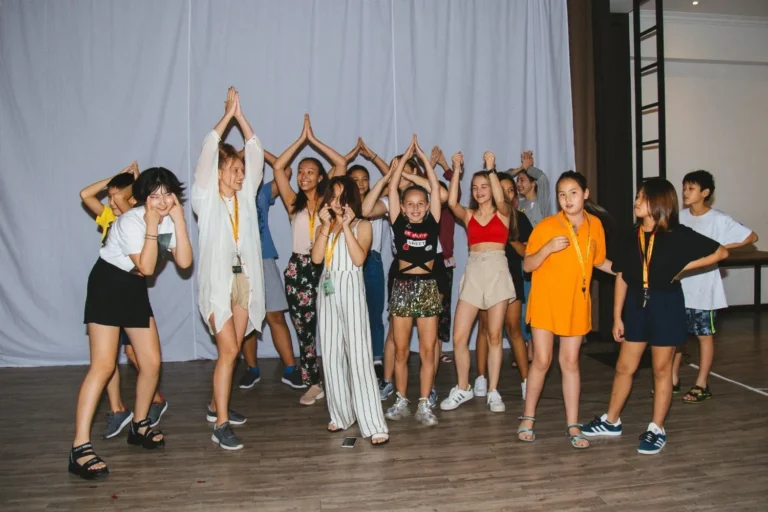
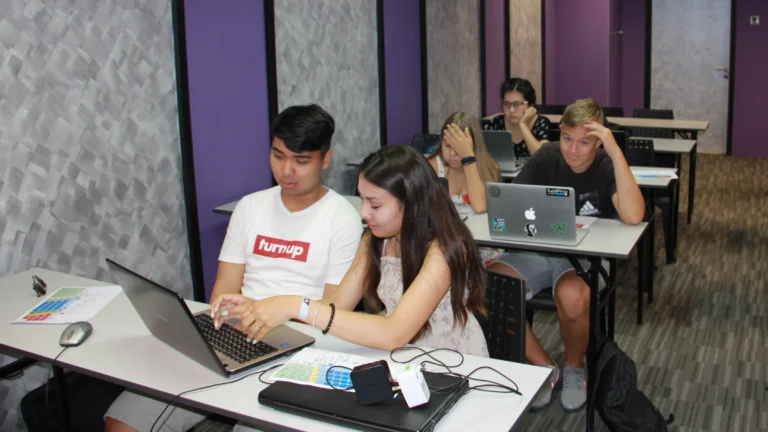
Embassy Camp’s AI Future Camp in Malaysia introduces students to AI platforms and prompt writing, alongside touch typing, English learning, leadership skills, team activities and excursions in Kuala Lumpur.
This kind of camp setting can help students learn AI in a more balanced way. They are not just sitting alone in front of a screen. They are learning through structured sessions, group tasks, social activities, travel and real communication.
Parents who want a broader program comparison can also explore Get Help Choosing Summer Camps or read about summer camps in Malaysia.
What Parents Should Check Before Booking an AI Camp
Before booking an AI-focused summer camp, parents should ask clear questions about safety, learning goals and supervision.
Use this checklist:
- What AI tools or platforms will students learn?
- Will students learn prompt writing?
- Are lessons beginner-friendly?
- Is the focus on safe and ethical AI use?
- Are students taught to fact-check AI outputs?
- Are teachers or instructors experienced?
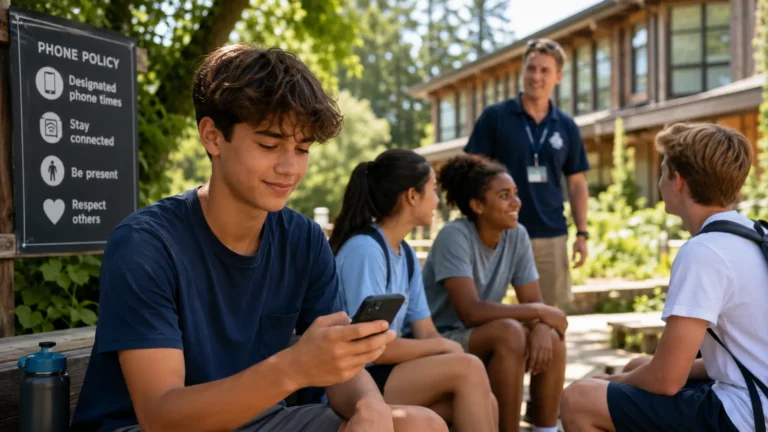
- How much screen time is included each day?
- Are there offline activities, sports and excursions?
- Is accommodation supervised?
- Are boys and girls accommodated separately?
- Is airport pickup included?
- How do parents receive updates?
- What is included in the program fee?
- What happens if a student needs extra support?
AI education should not feel like unlimited device time. It should feel structured, supervised and connected to useful skills.
What Is Included in the Program Fee?
For an AI or future skills camp, parents should check whether the fee includes both learning and care.
Ask whether the fee includes:
- AI lessons or platform training
- Prompt writing sessions
- English language practice
- Touch typing or digital skills
- Project work or presentations
- Accommodation
- Meals
- Airport pickup and drop-off
- Local transport
- Excursions
- Camp leader supervision
- Parent updates
- Local SIM card, if offered
- Camp materials
- Emergency support
The AI Future Camp page lists AI platforms and prompts, touch typing, English, excursions, accommodation, meals, airport transfers, local SIM card and local transport according to the program. Parents should still confirm the latest inclusion list before booking because details may vary by season and package.
Families comparing budgets can also read Embassy Camp’s guide on how much international summer camps cost and what is included in an international summer camp fee.
Red Flags Parents Should Avoid
Be careful if an AI program sounds impressive but cannot explain what students actually learn.
- “AI mastery” with no clear curriculum
- No explanation of prompt writing
- No safety or ethics discussion
- Too much unsupervised screen time
- No fact-checking habits
- No parent communication process
- No trained instructors
- No clear accommodation supervision
- No balance between learning and recreation
- No explanation of program fee inclusions
A good AI learning program should make students more thoughtful, not more dependent on tools.

Embassy Camp Perspective: AI Skills With Human Development
ChatGPT for students is most valuable when it supports human skills. Students still need confidence, communication, teamwork, creativity, responsibility and emotional maturity.
That is why AI education works best when it is taught alongside real-world experiences. A teenager who learns prompt writing, then applies it in a group project, presentation or problem-solving challenge, is building more than technical skill. They are building confidence.
Embassy Camp’s AI Future Camp connects AI platforms and prompt writing with English practice, leadership, logic, creative thinking, team activities and cultural exploration in Malaysia.
This helps parents see AI as part of a wider future skills pathway, not just another screen-based activity.
Parents exploring destinations can compare Embassy Camp summer camps in Malaysia, summer camps in Singapore, summer camps in Dubai, summer camps in Bali, summer camps in Korea, summer camps in Spain and summer camps in China.
Need help choosing an AI camp for your child?
Speak with an Embassy Camp advisor to compare AI Future Camp, destination options, supervision, accommodation, airport support, parent communication and the best fit for your child’s age and learning goals.
Compare the Best Destination for Your TeenFAQs About ChatGPT for Students
What is ChatGPT for students?
ChatGPT for students means using ChatGPT as a learning support tool. Students can use it to explain topics, create practice questions, summarize notes, plan projects, improve writing and learn prompt writing, as long as they follow school rules and do not copy work dishonestly.
What age is best for ChatGPT for students?
ChatGPT is not meant for children under 13, and children ages 13 to 18 should have parental consent before using it. For most teenagers, ages 13 to 17 can be a useful time to learn safe AI habits with parent or teacher guidance.
How safe is ChatGPT for students?
ChatGPT can be useful, but it is not perfect. It may make mistakes or produce content that is not suitable for all ages. Parents should set rules, teach fact checking, discuss privacy and encourage students to use ChatGPT as a study aid, not as a replacement for teachers or schoolwork.
What AI literacy students should learn first?
Students should first learn what AI can and cannot do, how to write clear prompts, how to check facts, how to protect personal information, how to avoid plagiarism and how to follow school rules when using AI tools.
What is prompt writing for students?
Prompt writing for students is the skill of asking AI tools clear, specific questions. A good prompt includes the topic, student level, task, format and type of help needed, such as explanation, quiz, outline, feedback or examples.
Can ChatGPT help with homework?
Yes, ChatGPT can help students understand homework, create practice questions, explain steps and review concepts. It should not be used to copy answers or submit AI-generated work as the student’s own.
What should parents check before booking an AI camp?
Parents should check the AI curriculum, teacher experience, prompt writing lessons, safety rules, screen-time balance, supervision, accommodation, airport pickup, parent communication and what is included in the program fee.
What is included in an AI Future Camp program fee?
Inclusions vary by camp and season. Embassy Camp’s AI Future Camp page lists learning, AI platforms and prompts, touch typing, English, excursions, accommodation, meals, airport transfers, local SIM card and local transport according to the program. Parents should confirm current details before booking.
Final Thoughts
ChatGPT for students can be safe and useful when teenagers learn the right habits early. The most important skills are not only technical. Students need prompt writing, critical thinking, privacy awareness, fact checking, academic honesty and balanced screen habits.
Parents should not treat AI as something to fear or something to use without limits. The best approach is guided practice.
When students learn ChatGPT responsibly, they gain more than a tool. They gain a practical future skill that can support school, communication, creativity and lifelong learning.