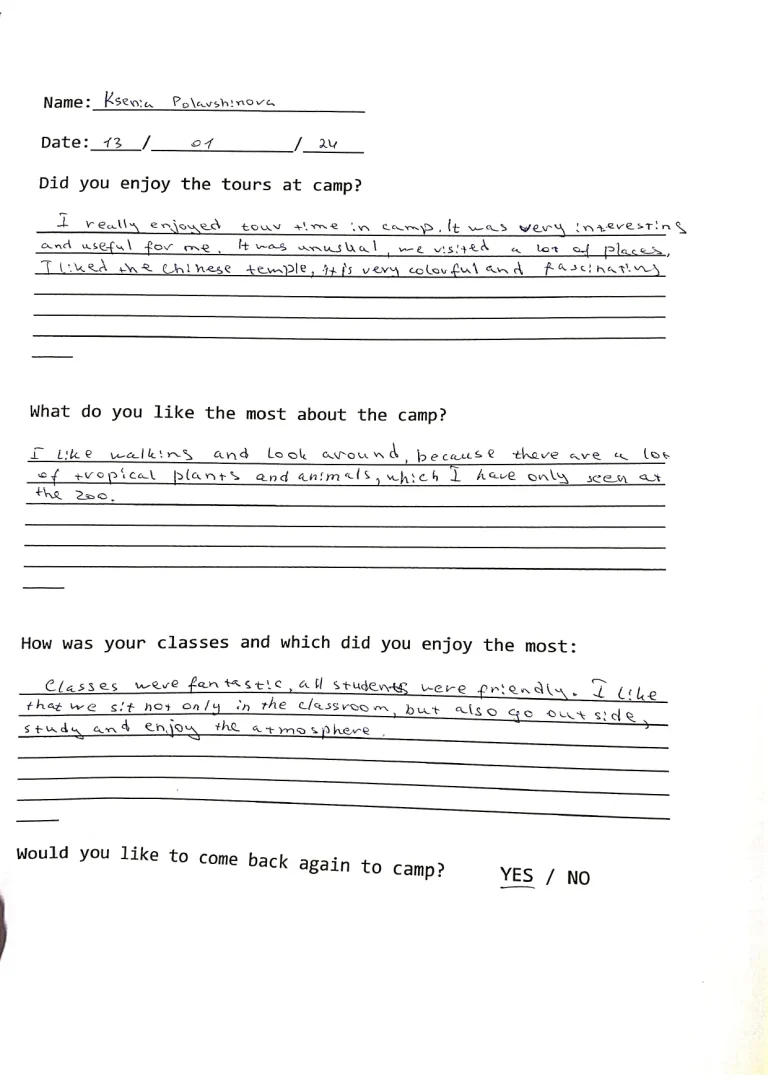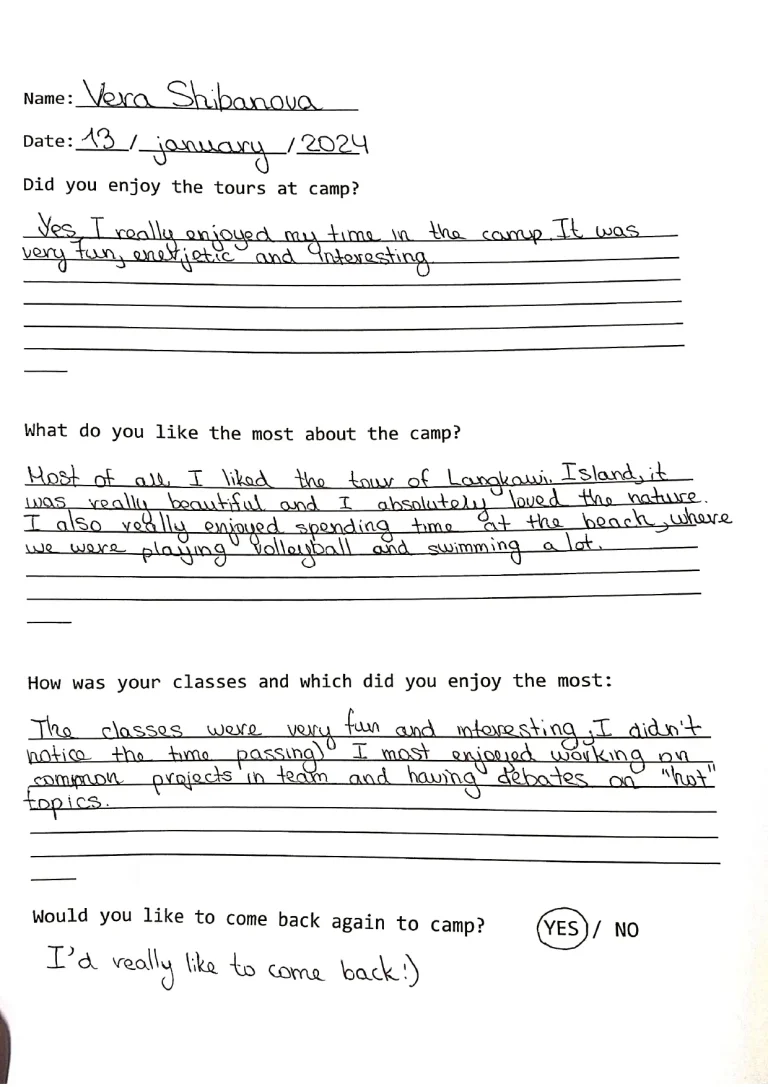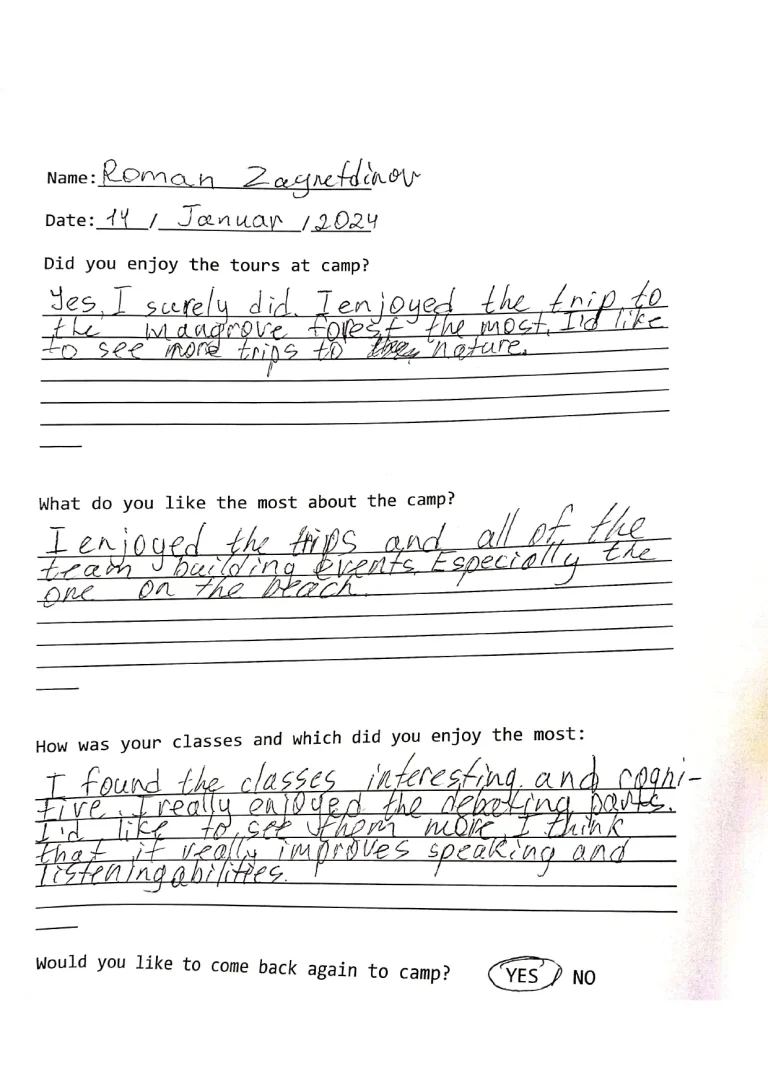



Summer camps improve teen mental health by combining nature exposure, structured peer connection, digital detox, and real-world challenge into a single experience that most home environments simply cannot replicate. If your teenager has been anxious, withdrawn, unmotivated, or glued to a screen for most of the holiday, you are not alone, and there is a reason why more parents and child development researchers are pointing to structured camp programs as one of the most effective interventions available today.
Why Is Teen Mental Health Getting Worse?
Teen mental health is declining globally, and the data in 2025 makes it hard to ignore. According to the World Health Organization, one in seven adolescents aged 10 to 19 currently lives with a diagnosed mental health condition. In Southeast Asia, surveys from UNICEF consistently show that anxiety and depression among teenagers have risen sharply since 2020, with many teens reporting they feel lonely, purposeless, and overwhelmed even during school holidays.
The reasons are not complicated. Teenagers today face relentless academic pressure, constant social media comparison, and very few opportunities for genuine, unscripted human connection. They spend hours consuming content passively instead of doing things actively. Many go through entire school holidays without a single experience that challenges them, builds their confidence, or connects them meaningfully to other people their age.
This is the environment that camp programs are designed to break.
How Do Camps Actually Improve Teen Mental Health?
Camps improve teen mental health through seven well-documented mechanisms: digital detox, nature exposure, peer bonding, structured routine, confidence through challenge, emotional independence, and identity expansion. Each one targets a different root cause of teen anxiety and low mood, which is why the overall effect tends to be significant and lasting.
Most parents assume camp is simply a fun activity. What the research shows is that a well-designed camp program is one of the most concentrated mental health interventions available outside of clinical settings, and it does not feel like therapy at all to the teenager experiencing it.
Digital Detox: What Happens When Teens Put the Phone Down
A digital detox is a period of intentional disconnection from screens, social media, and constant notifications. At camp, this happens naturally because teenagers are simply too busy and too engaged to spend three hours scrolling.
What most parents do not realize is how quickly the teen brain recovers once the screen is removed. Research from the American Psychological Association shows that even brief reductions in social media use, as short as one week, significantly reduce anxiety and depression symptoms in adolescents. At camp, teens typically experience this detox for days or weeks at a time.
The result is not withdrawal. It is relief. Most teenagers report that they feel more present, more connected to the people around them, and more energized once they are genuinely offline. The comparison cycle, the follower counts, the performance anxiety that social media creates, all of it pauses. And in that pause, the teen brain begins to regulate.
Nature Exposure: Why Being Outdoors Is Not Optional
Spending time in natural environments actively reduces the stress hormone cortisol in teenagers. This is not a wellness claim. It is a well-replicated finding supported by researchers at institutions including Stanford University, whose studies on “nature and mental health” show measurable changes in brain activity after time spent outdoors.
Attention Restoration Theory, developed by psychologists Rachel and Stephen Kaplan, explains this clearly. The human brain has two attention systems. Directed attention is the system teenagers use in school, on screens, and in high-pressure environments. It exhausts itself quickly. Involuntary attention, the kind that activates naturally when you are in a forest, near water, or looking at open sky, restores the brain without effort.
Camp programs that include outdoor activities, whether hiking, kayaking, team challenges in open spaces, or simply eating meals outside, give teenagers access to this restoration every single day. Over one or two weeks, the cumulative effect on anxiety levels and mood is significant.
Peer Connection: The One Thing That Protects Against Teen Depression
Genuine peer connection is the single strongest protective factor against depression in adolescents. That is not an opinion. The Journal of Adolescence has published multiple studies confirming that teens with strong, real friendships experience depression at significantly lower rates than those who are isolated.
The problem is that most modern teenagers struggle to form deep friendships. School friendships are complicated by status, history, and social hierarchy. Online friendships often feel shallow. Camp is different because it removes all of those complications.
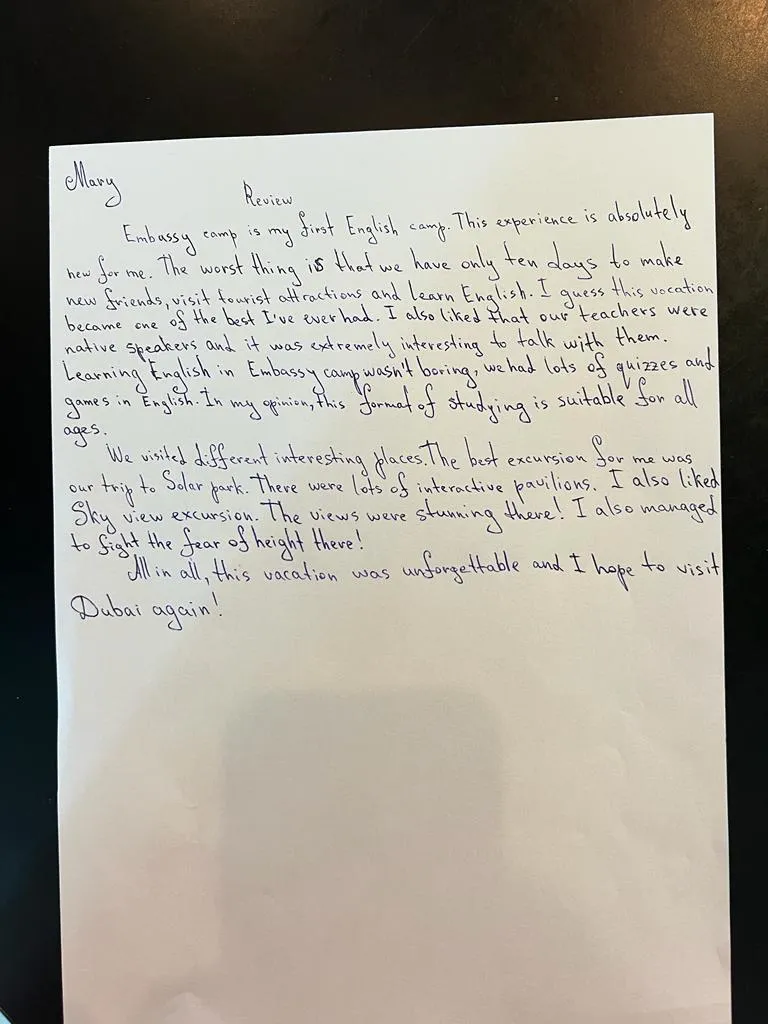
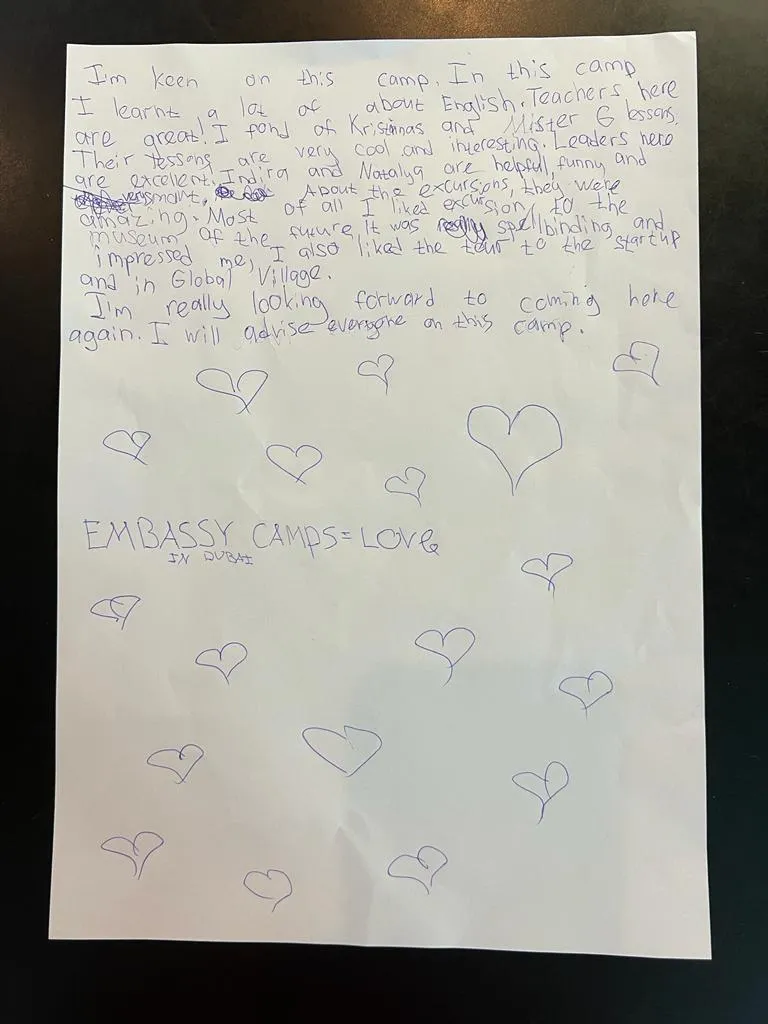
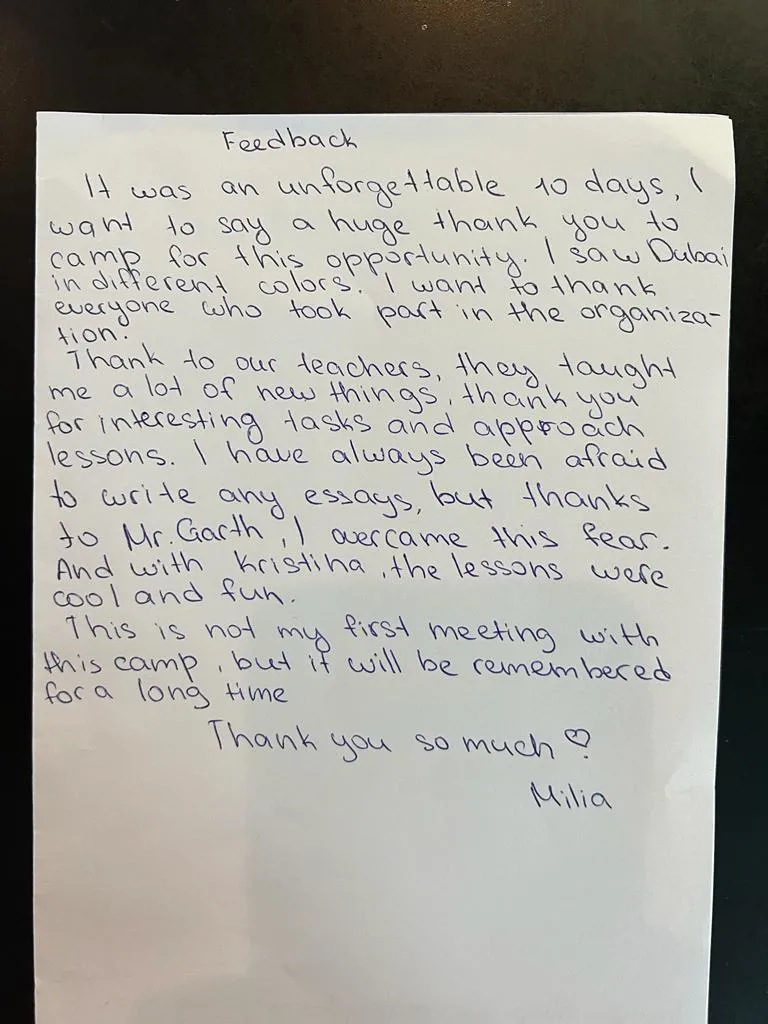
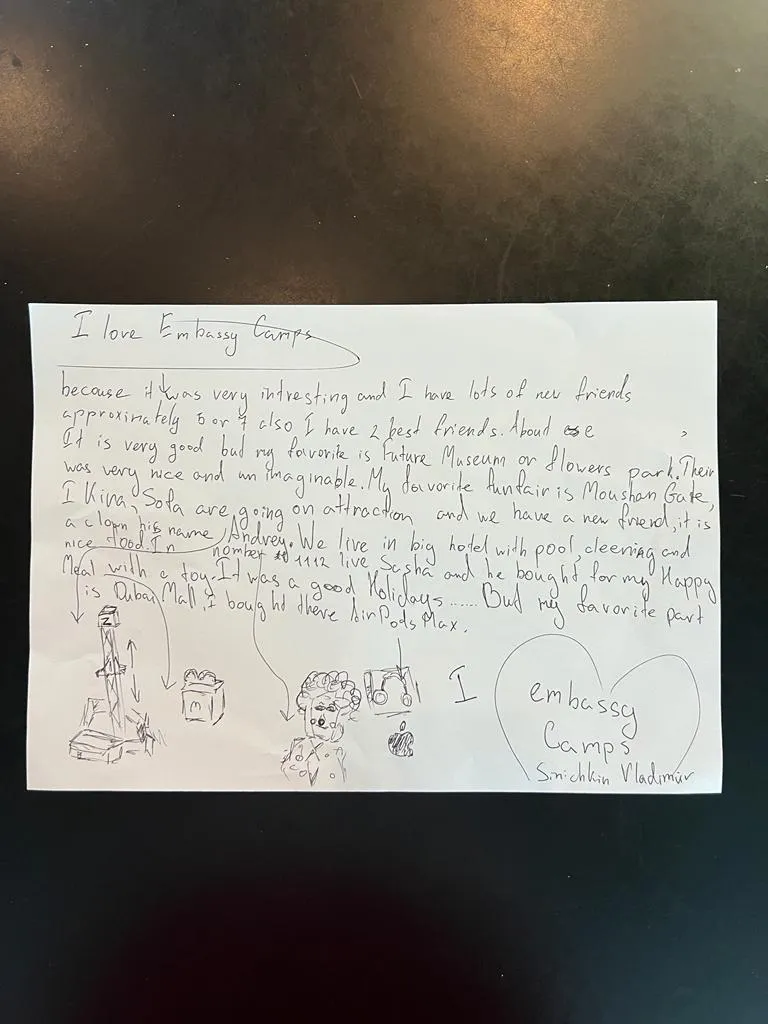
At an international camp, your teenager is suddenly in a group with students from Malaysia, Singapore, Korea, Dubai, and Spain. Nobody knows anyone. There is no existing social hierarchy. Everyone is figuring it out together, sharing meals, working through group challenges, laughing at the same awkward moments. This is exactly the kind of environment where genuine connection happens fast.
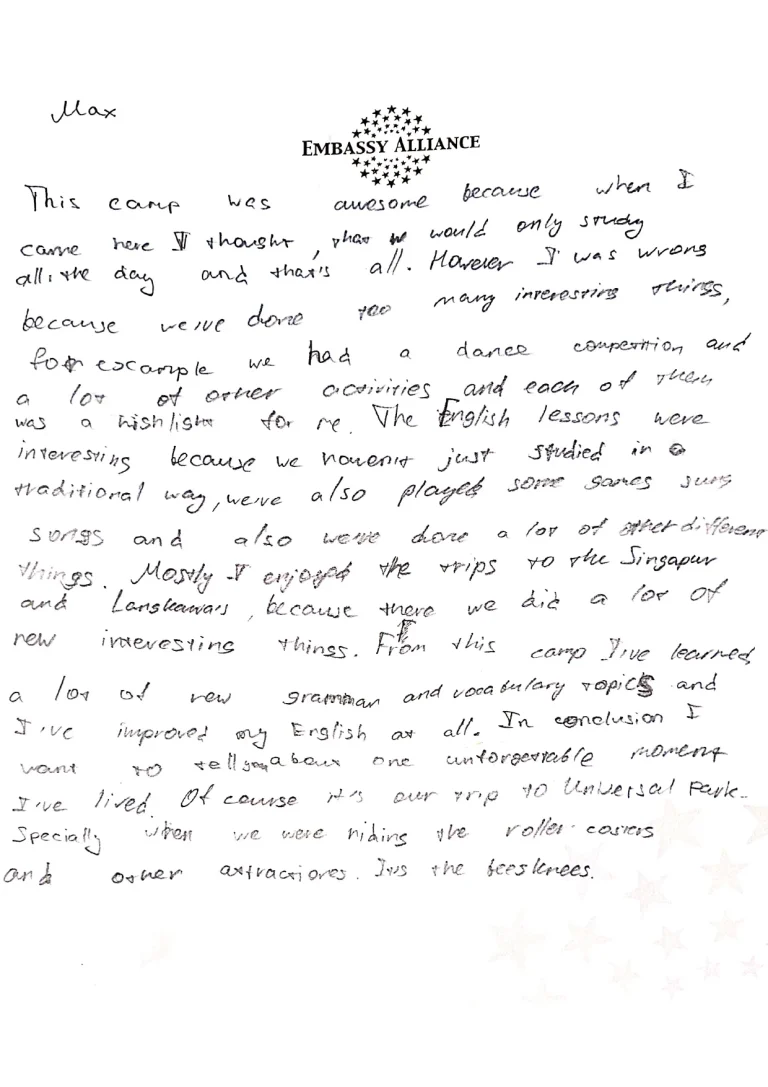
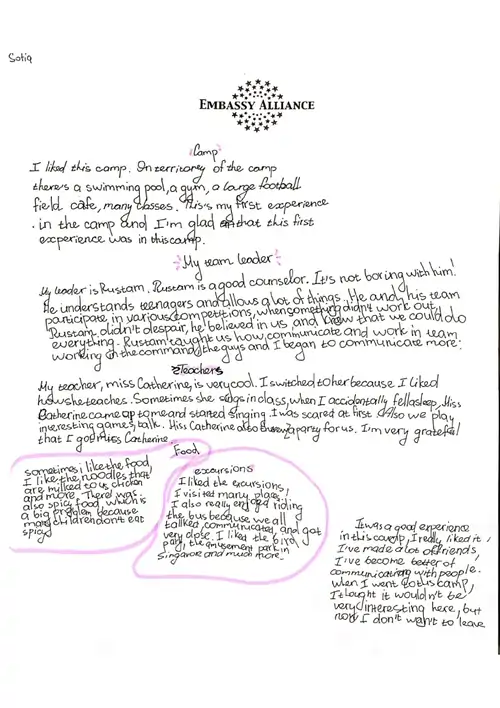
What teenagers take home from this experience is not just a contact in their phone. It is the felt memory of belonging, of being part of something, of being liked for who they actually are rather than who they perform themselves to be online.
Recommended Read: Top Boarding Summer Camps for Teens
Structured Routine: Why Anxious Teens Thrive at Camp
Anxiety in teenagers often intensifies during unstructured time. When there is nothing to do, the anxious brain fills that space with worry. Holiday periods, ironically, are among the most anxiety-provoking times for many teenagers precisely because there is no schedule to follow.
Camp provides structure without pressure. There is a morning activity, a midday session, an afternoon challenge, an evening program. Teenagers always know what comes next. That predictability is not boring for an anxious teen. It is calming.
Crucially, the structure at camp is not the pressure of academic performance. Nobody is being graded. Nobody is competing for a ranking. The activities are designed to be engaging, collaborative, and achievable, which means teenagers experience routine without the stress usually attached to it.
Confidence Through Challenge: The Kind of Confidence Schools Cannot Build
There is a fundamental difference between being told you are capable and actually discovering it yourself. Schools tell teenagers they are capable. Camp proves it.
When a shy teenager stands up and gives a presentation to a group of international peers, when a student who has never hiked before reaches the top of a trail, when a teenager navigates a group challenge in a second language and realizes the group succeeded partly because of them, something shifts. That shift is real confidence. It is embodied, not verbal.
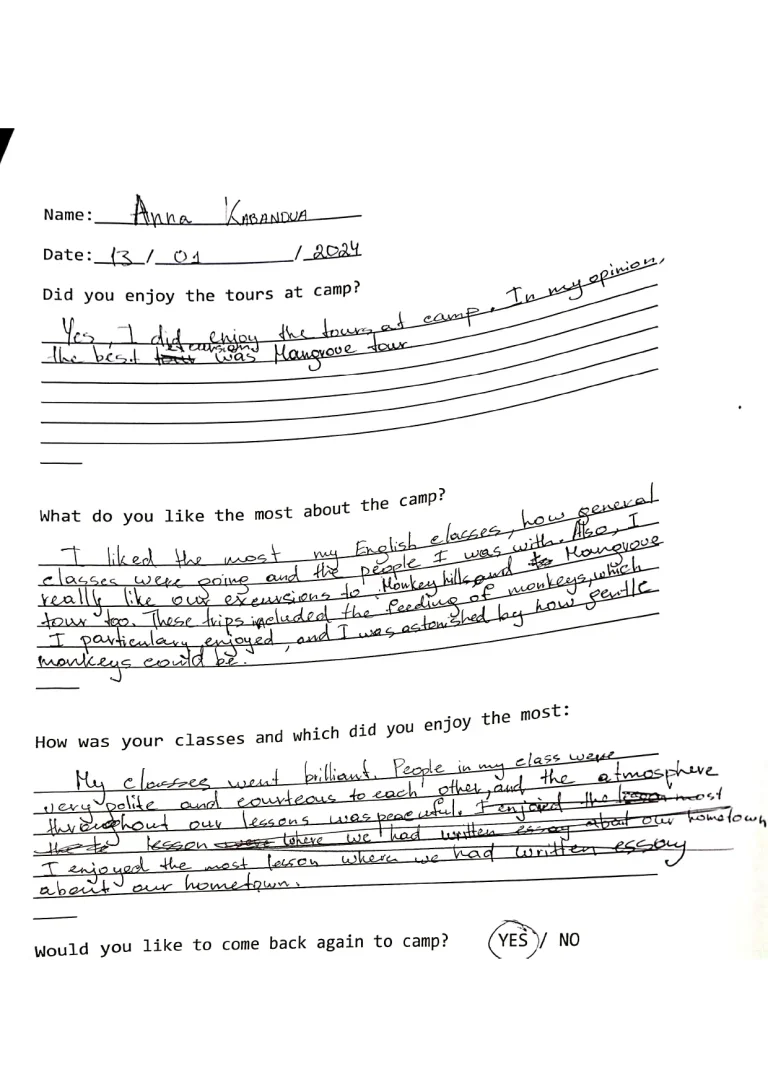
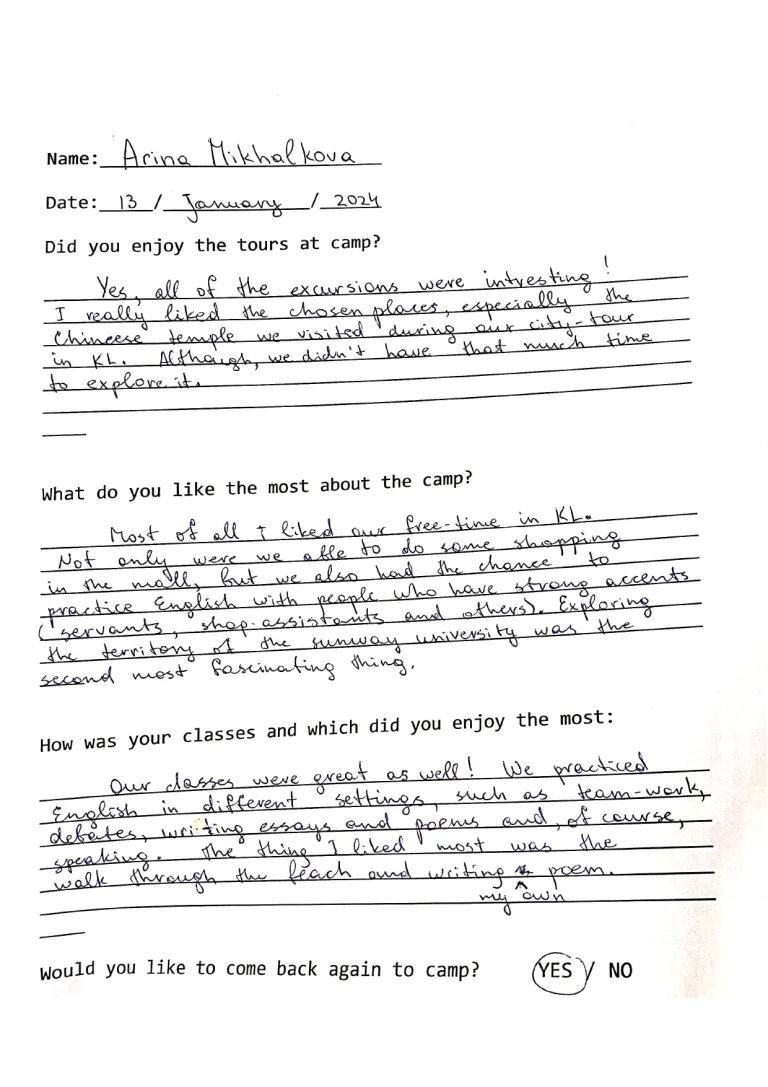
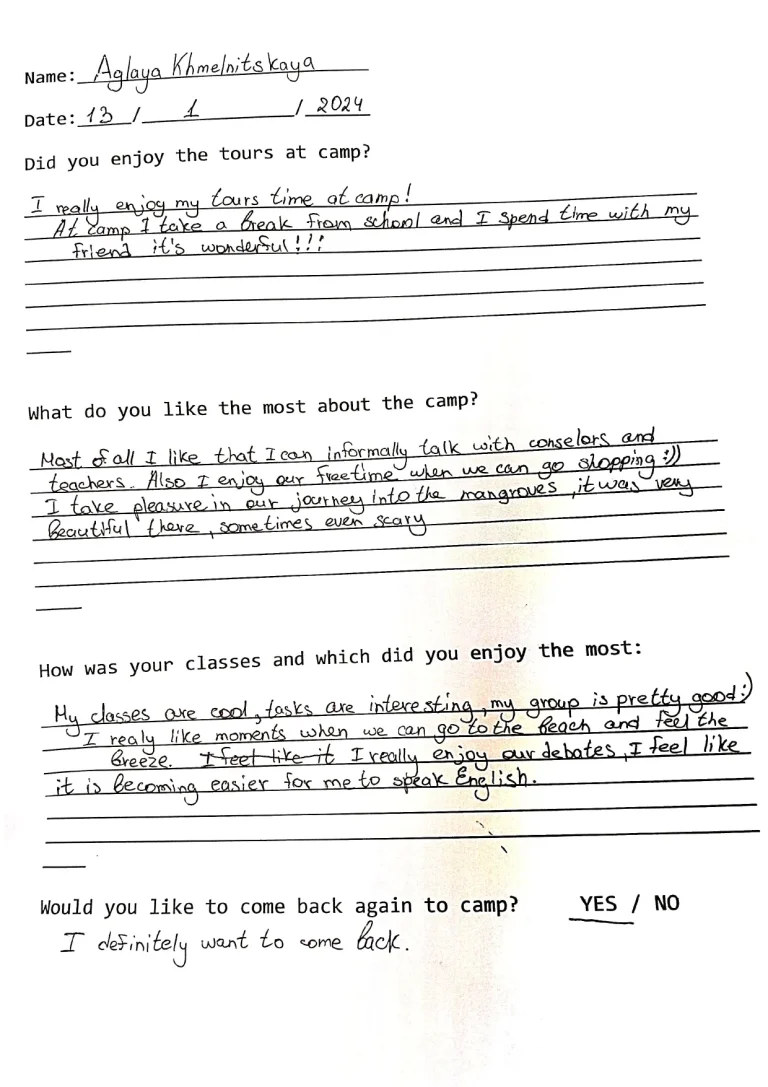
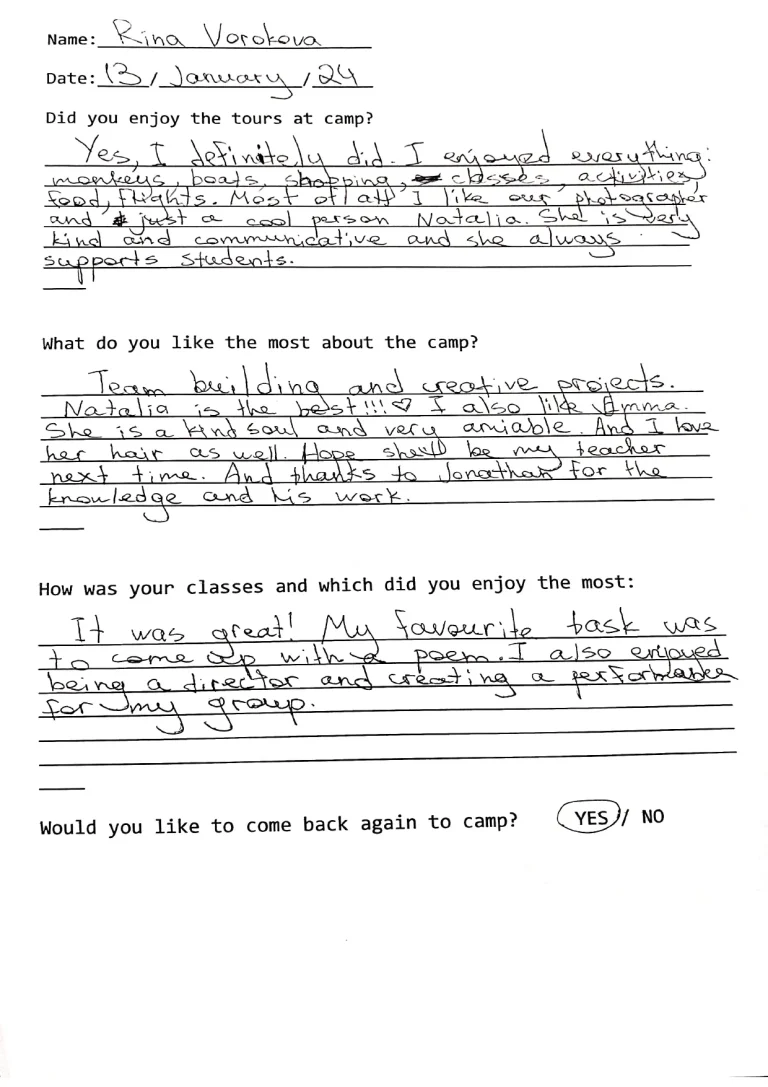
A 2023 study published by the American Camp Association found that 92% of young people who attended structured camp programs reported significant gains in self-confidence. More importantly, that confidence was observed by parents after the camper returned home. It was not a temporary camp high. It persisted.
Identity Expansion: The Clean Slate That Schools Never Give
One of the quieter but most powerful mental health benefits of camp is one most parents never anticipate. Camp gives teenagers a clean slate.
At school, your teenager has a reputation. They are the quiet one, the academic one, the sporty one, the kid who failed that presentation in Grade 9. That identity is sticky. Teenagers often spend years trapped in a self-concept that was formed before they were mature enough to choose it.
At camp, nobody knows that story. Your teenager arrives as a blank page. They can try new things, take risks, be funny, lead, perform, create, without any social cost. Many teenagers discover qualities in themselves at camp that their school environment had never given them room to express. This identity expansion, the experience of being more than your school label, is one of the most lasting mental health gifts a camp experience can offer.
What Does the Research Say About Camps and Teen Mental Health?
The research on camps and teen mental health is consistently positive. The American Camp Association’s landmark “Directions: Youth Development Outcomes of the Camp Experience” study found that attendance at residential camp programs led to measurable improvements in self-esteem, independence, leadership confidence, and peer relationships in adolescents across multiple age groups.
A 2024 meta-analysis published in the Journal of Youth and Adolescence reviewed 38 separate studies on structured youth programs and found that programs combining outdoor challenge, peer interaction, and skilled adult facilitation produced the strongest positive outcomes for adolescent mental health, outperforming digital wellness programs and classroom-based interventions.
The data is not surprising when you think about what camp actually does. It addresses multiple root causes of teen mental health struggles simultaneously, something very few interventions manage to do.
International Camp vs. No Camp: How Do the Outcomes Compare?
| Factor | Teen With Camp Experience | Teen Without Structured Holiday Program |
|---|---|---|
| Screen Time During Holidays | Significantly reduced | Average 7–9 hours daily (Ofcom 2024) |
| New Friendships Formed | Multiple, cross-cultural | Few or none during the holiday period |
| Confidence Reported by Parents | 92% improvement (ACA study) | No structured confidence-building |
| Stress Levels After Holiday | Measurably lower | Often higher due to unstructured anxiety |
| Identity & Self-Awareness | Actively expanded | Largely unchanged |
| Independence Skills | Directly practiced | Rarely exercised at home |
| Readiness for Real-World Challenges | Significantly higher | Dependent on individual home environment |
What Signs Show Your Teen Could Benefit From a Camp Experience?
Your teen would likely benefit from a structured camp program if you notice several of these patterns during school holidays:
- They spend most of the day on screens with no clear purpose
- They say they are bored even when there is plenty to do
- They seem anxious in social situations or avoid meeting new people
- They have lost interest in activities they used to enjoy
- They struggle to make friends or maintain friendships outside of school
- They seem stuck in a fixed idea of who they are and what they can do
- They have high academic pressure with no creative or physical outlet
- They feel disconnected from a sense of purpose or direction
None of these signs indicates a serious clinical problem on its own. They indicate a teenager who needs new experiences, new connections, and a genuine challenge. That is exactly what a well-designed camp program delivers.
How Do You Choose a Camp That Actually Supports Teen Wellbeing?
Not every camp program delivers the mental health benefits described above. The quality of the program design and the people running it matters enormously. When evaluating a camp for your teenager, look for these specific indicators:
Staff qualifications: Counselors should have training in youth development, safeguarding, and first aid. Ask directly about the staff-to-participant ratio. A good program keeps it low enough for individual attention.
Balance of structure and freedom: The best programs schedule structured activities while also building in reflection time, free social time, and rest. A schedule that is packed from 7am to 10pm every day is not good for teen mental health.
Personal development focus: Look for programs that include elements like public speaking, leadership challenges, group problem-solving, or reflective journaling. These are the activities that produce lasting mental health gains, not just a fun memory.
Small group sizes: Genuine connection is harder to form in large groups. Programs with smaller cohorts, typically under 30 participants, tend to produce stronger peer bonding outcomes.
Mixed nationalities: If you want the full mental health benefit of cultural exposure and identity expansion, choose a program that actively brings together teenagers from different countries rather than one where everyone is from the same background.
Ready to Give Your Teenager This Experience?
At Embassy Camp, we design every program around one goal: helping teenagers grow into confident, capable, and globally aware young adults.
Our international camps run across Malaysia, Singapore, Dubai, Bali, Spain, Korea, and Qatar. Every program combines real skill-building, cross-cultural friendships, and structured challenge in an environment that is safe, supervised, and genuinely transformative.
FAQ: How Camps Improve Teen Mental Health
Does one week at camp actually make a difference to a teen's mental health?
Yes. Even a one-week structured camp experience can produce measurable reductions in anxiety and significant gains in self-reported confidence. Research from the American Camp Association shows that the benefits are observable both immediately after camp and in follow-up assessments weeks later. The key is program quality, not just length.
What if my teenager doesn't want to go to camp?
This is extremely common and rarely reflects how the teenager will actually feel once they arrive. Most teens who resist attending camp initially report, within the first two days, that they are glad they came. The resistance is usually rooted in social anxiety or fear of the unfamiliar, both of which camps are specifically designed to address.
Is camp a substitute for therapy for a teen with serious mental health issues?
No. If your teenager is experiencing clinical depression, severe anxiety, or other serious mental health conditions, please consult a qualified mental health professional first. Camp is not a replacement for clinical care. It is a powerful complementary experience for teens who are struggling with everyday stress, low confidence, isolation, and the general mental health challenges that most adolescents face today.
Does an international camp help more than a local camp?
For most teenagers, yes. The additional layer of cross-cultural experience, new environments, and the confidence that comes from navigating an unfamiliar country adds specific mental health benefits that a local camp cannot fully replicate. The identity-expansion and social-confidence gains are particularly stronger in international programs.
How long do the mental health benefits of camp last after the program ends?
According to follow-up research by the American Camp Association, most teenagers retain the confidence gains, social skills improvements, and resilience built at camp for at least six months after the program ends. Parents consistently report that the changes they observe in their child’s behavior and outlook persist well into the new school year.
Can camp help a teenager who struggles socially?
This is actually one of the strongest use cases for camp. Teenagers who struggle socially in school often thrive at camp because the environment removes existing social hierarchies and gives them a clean start. Many shy or socially anxious teens discover at camp that they are more socially capable than their school environment ever suggested.
Final Thoughts
Speed reading for teens is a real, learnable skill grounded in the science of how eyes and brains process text. It is not a shortcut that lets anyone read 1,000 words per minute with perfect retention, but it is a practical toolkit that can help teenagers read 50 to 150 percent faster by eliminating the inefficient habits that hold most readers back.
Teenagers are particularly well-suited to learning this skill because of brain plasticity and their natural response to measurable improvement. The techniques that work best involve reducing subvocalization, training eye movement, expanding vocabulary, and building consistent reading habits through structured practice.
For teens looking to gain a meaningful academic edge, speed reading for teens is one of the highest-return skills to develop during the school years. And unlike many study tips, it is a skill that continues to pay dividends for decades.