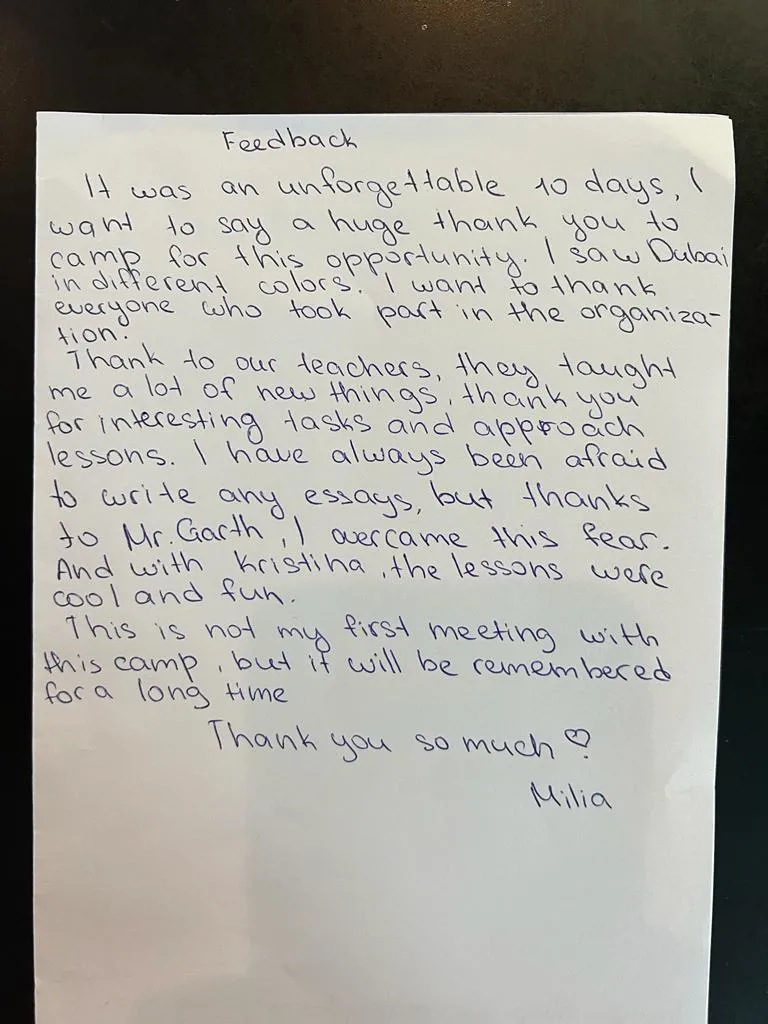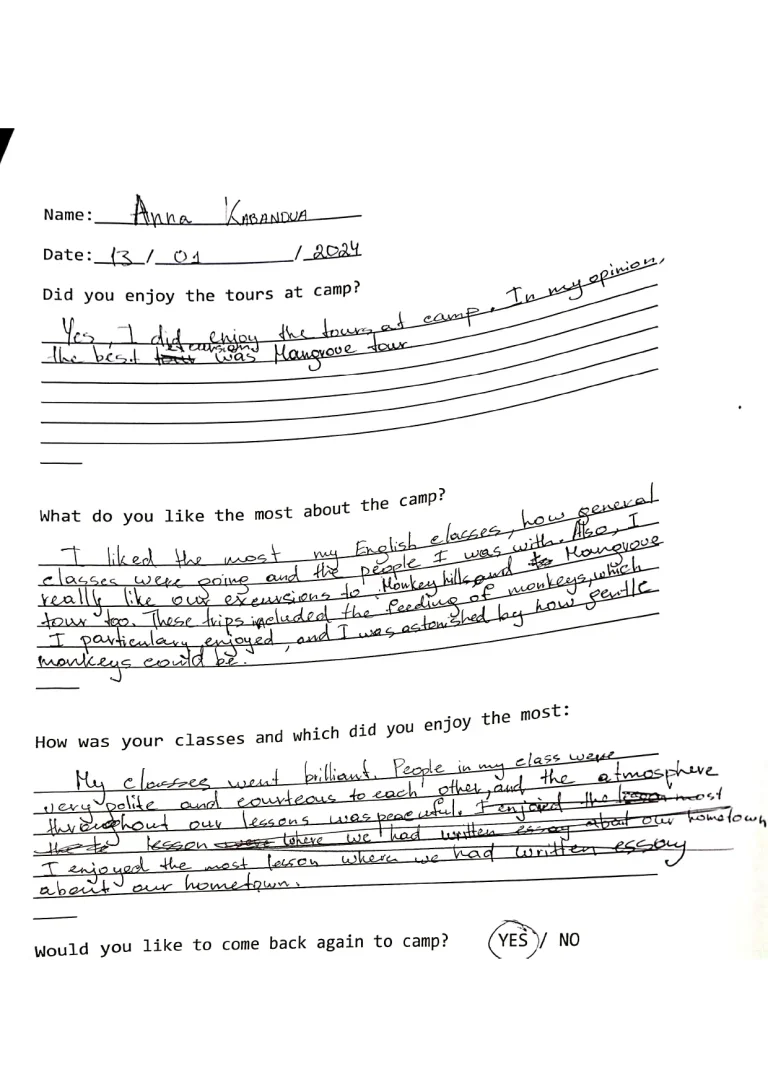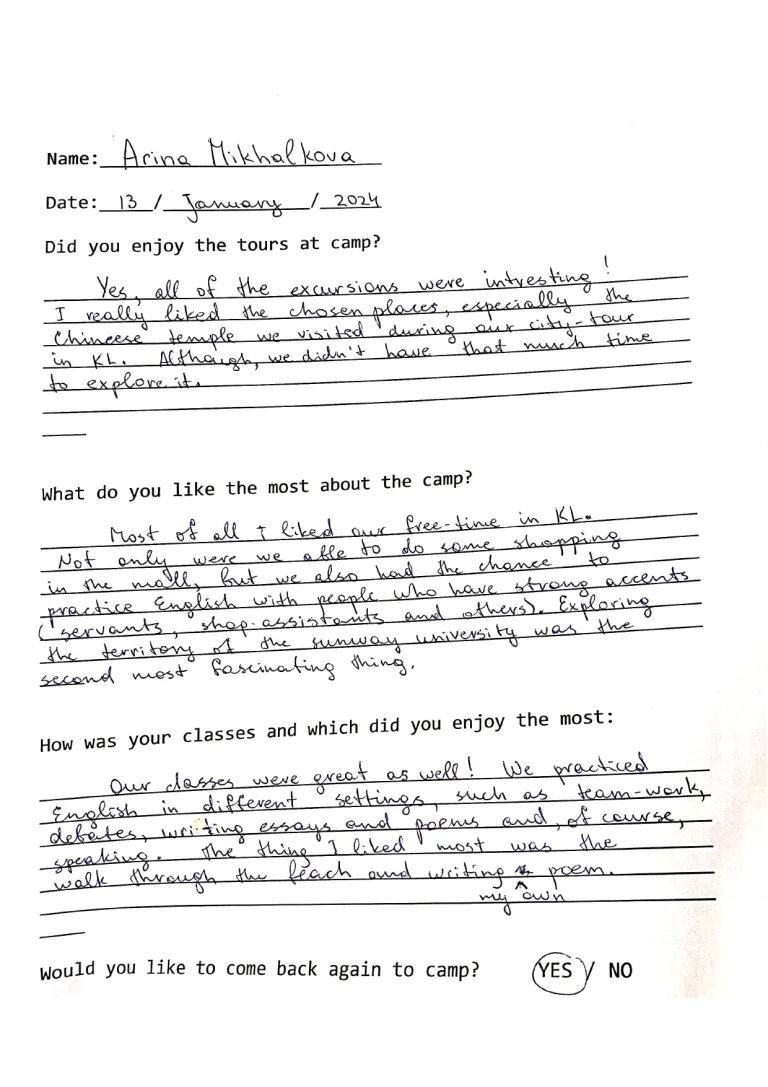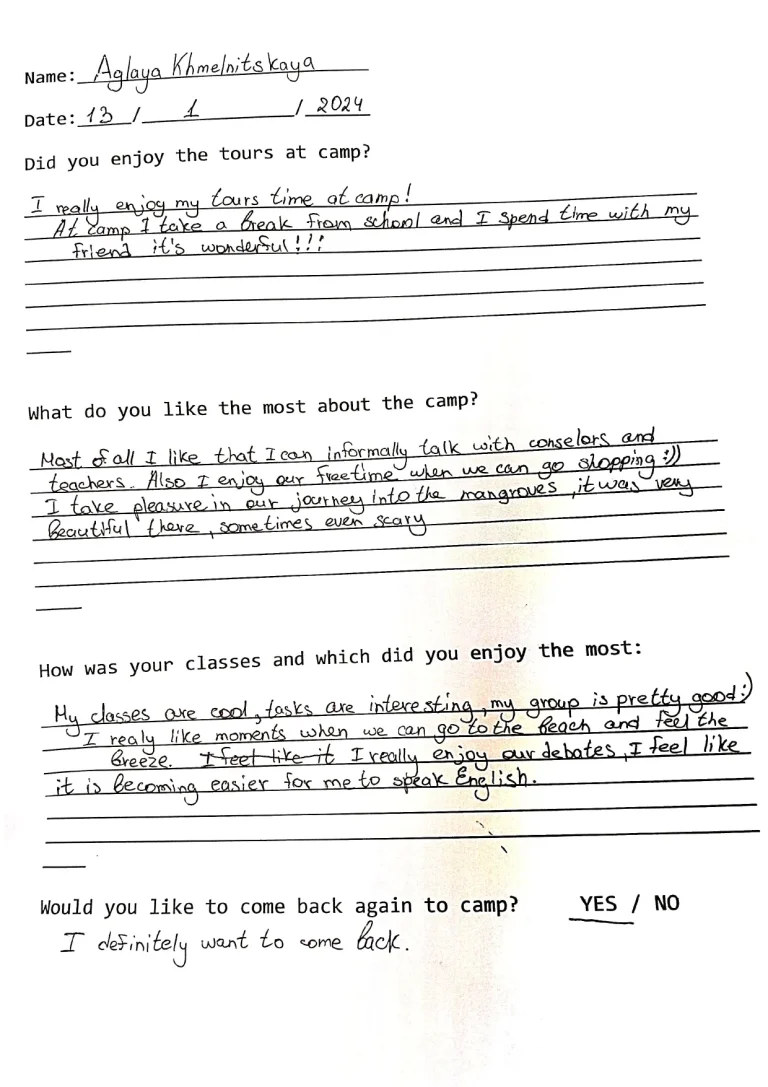



Picture this. Two teenagers, same age, same school, same academic pressure. One spends summer in a structured international camp alongside peers from six countries, guided by trained leaders through cultural workshops, team challenges, and shared adventures. The other boards a flight alone to spend three weeks navigating a new country with nothing but a backpack, a budget, and a plan they built themselves.
Both come home changed. Both come home more confident. But the experiences they had, and the skills they developed, could not be more different.
This is the heart of the group travel vs independent travel for teens debate. Neither option is universally better. But understanding what each one actually delivers helps parents and teenagers make a smarter, more intentional decision.
What Does Independent Travel for Teens Actually Look Like?
Independent travel for teens is broader than most parents initially assume. It does not only mean a teenager backpacking solo through Southeast Asia. It spans a wide range, from a 15-year-old flying unaccompanied to visit family in another country, to a pair of 17-year-olds exploring a city on their own for the first time, to a teen joining a loosely structured gap-year program with minimal supervision.
The defining thread is self-reliance. When it comes to independent travel for teens, the teenager owns the decisions, manages the problems, and carries the experience without a safety net of adult supervisors managing every step. That self-reliance is both the greatest strength and the most legitimate source of parental concern.
A June 2025 national poll from the University of Michigan’s C.S. Mott Children’s Hospital found that one in five parents say they have never allowed their teen to be away from them during a vacation or trip at all. Only 31 percent would let their teen walk to a nearby coffee shop alone. Yet two-thirds of those same parents said they are very confident their teen would follow the rules if given the opportunity. The gap between confidence and action is revealing, and it points directly to why independent travel for teens feels so daunting for many families. Most parents trust their teens in principle. They just have not built the bridge between that trust and actual independence.
What Is Group Travel for Teens?
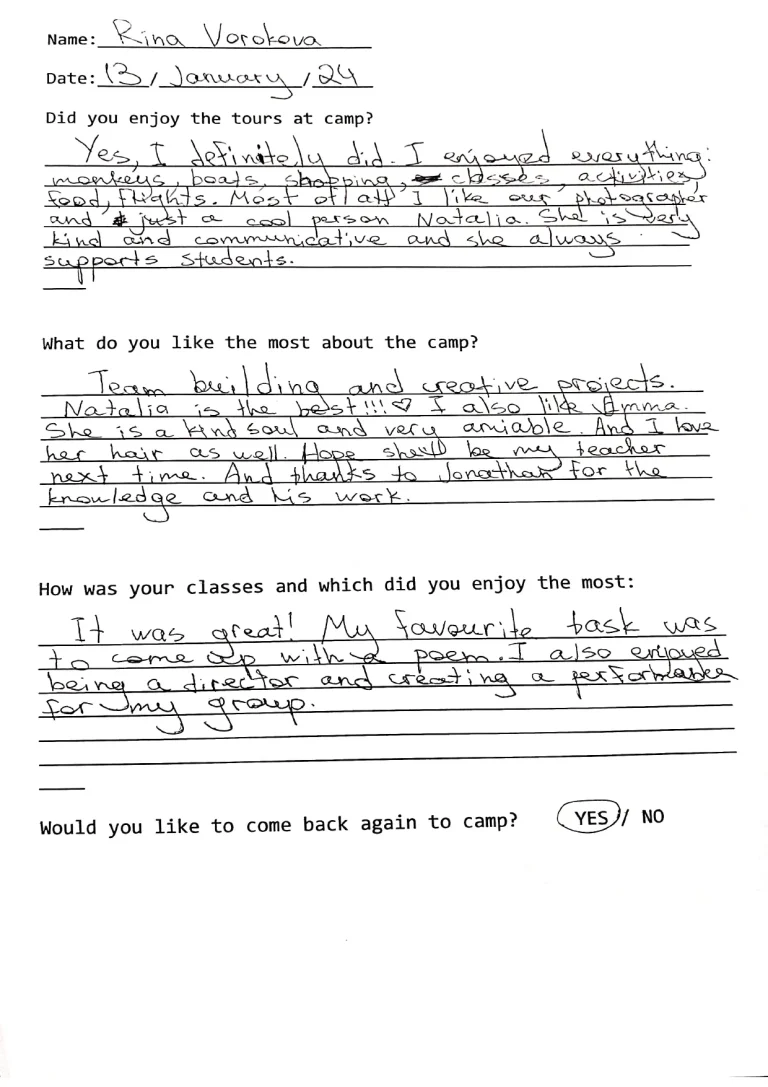
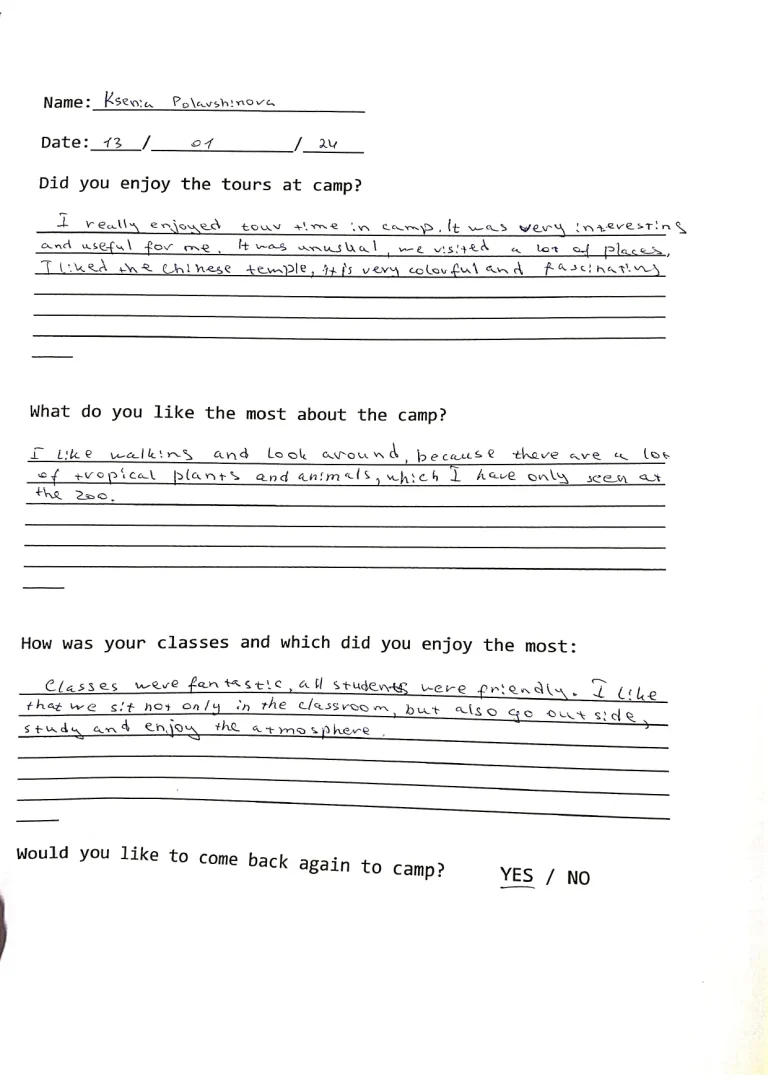
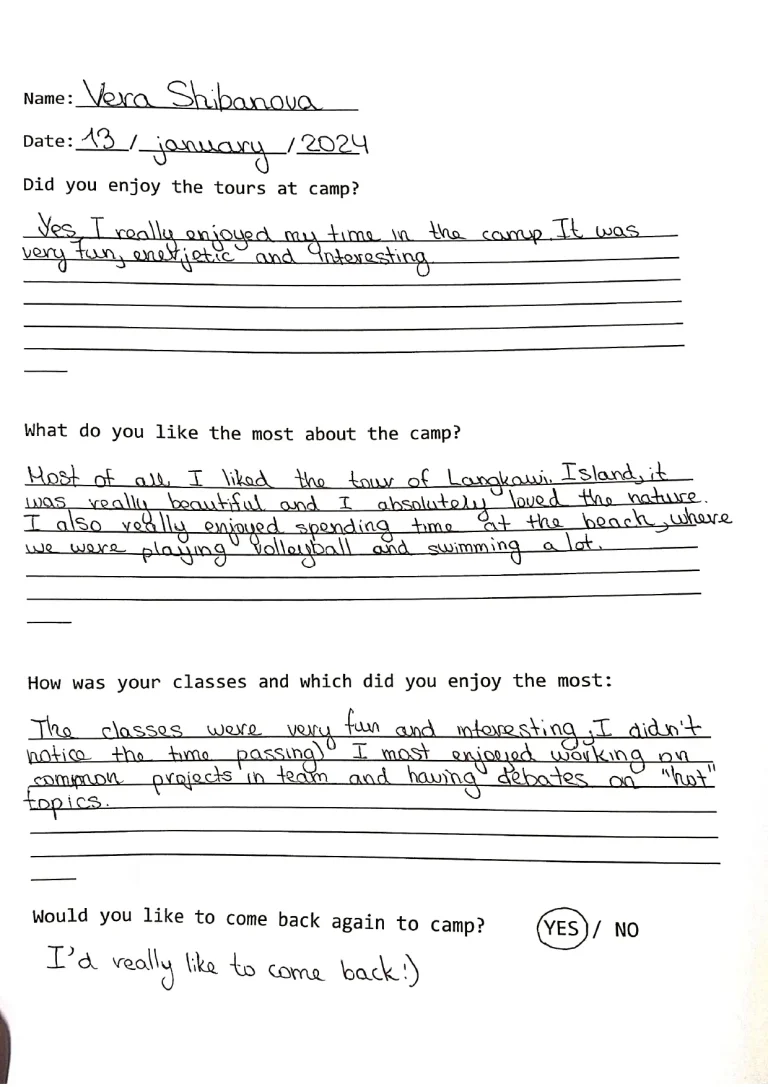
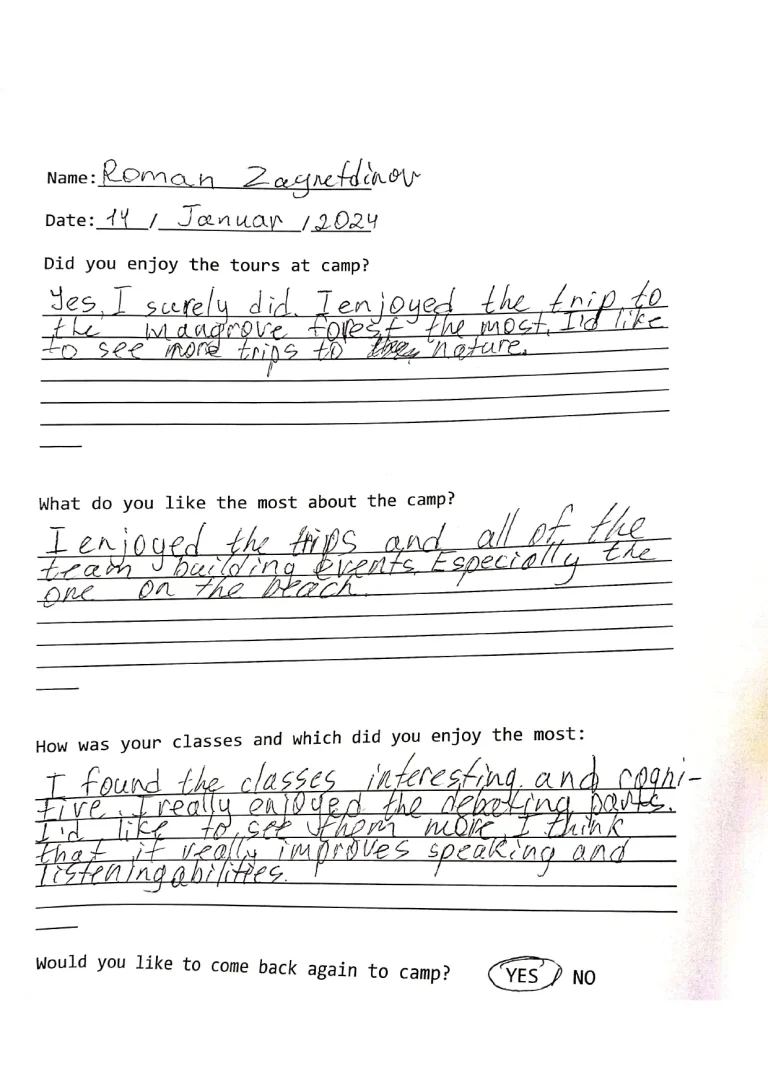
Group travel for teens means travelling within a structured program, alongside other young people, under the guidance of trained adult leaders. This covers a wide spectrum: international summer camps, school expeditions, educational tours, leadership programs, cultural immersion experiences, and adventure camps.
The key feature of group travel is structure. Accommodation, activities, safety, meals, and emergencies are all managed by the program. The teen participates, connects with peers, and grows within a framework that has been designed and tested by experienced professionals.
According to research from Rustic Pathways, a student travel organisation with 40 years of experience, 80 percent of teen group travel participants report increased cultural awareness and leadership skills. A peer-reviewed study published in the journal Adolescents found that participation in structured group programs significantly enhances adolescent civic engagement and sense of purpose.
One important point: group travel for teens is not passive. The best programs still push teenagers into genuinely challenging situations. The difference is that a skilled, experienced adult is nearby when things become overwhelming.
Group Travel vs Independent Travel: Side-by-Side Comparison
| Factor | Group Travel | Independent Travel for Teens |
|---|---|---|
| Safety and supervision | 24/7 trained adult supervision | Teens manage their own safety |
| Best starting age | 12 to 16 | 16 and above, maturity-dependent |
| Social experience | Instant structured peer group | Organic, self-directed connections |
| Personal growth style | Guided within a supportive framework | Self-directed under real pressure |
| Parental peace of mind | High | Requires preparation and trust |
| Cost predictability | Fixed and transparent | Variable, harder to budget |
| Cultural depth | Curated with expert context | Organic and unpredictable |
| Problem-solving intensity | Moderate, with support available | High, with no immediate backup |
| Flexibility | Limited by the program schedule | Maximum |
| Ideal for first-timers | Yes | Rarely recommended |
The Real Benefits of Independent Travel for Teens
1. It Forces Real Problem-Solving
Independent travel for teens creates the kind of high-stakes learning moments that supervised environments simply cannot replicate. When a teenager misses a connection, gets a booking wrong, or finds themselves in an unfamiliar neighbourhood after dark, they have to figure it out. No supervisor is stepping in. That is uncomfortable, occasionally frightening, and genuinely formative.
Research on adolescent development consistently shows that agency, a quality that independent travel for teens develops directly, the sense of having real control over one’s decisions and outcomes, is one of the most powerful contributors to both confidence and long-term success. Christine Carter, writing in Greater Good Magazine, describes adolescence as the period when teenagers hold their “learner’s permit for life.” Independent travel for teens is one of the few environments where that permit gets used in full.
2. It Builds a Different Kind of Confidence
The confidence built through independent travel for teens is distinctly different from the confidence built in a supervised program. Both are real. But the teen who built their confidence through independent travel for teens and navigated a genuine crisis alone at 16 arrives at university carrying something that group travel rarely provides: proof that they can handle the unknown without any structural support.
Research cited by Oregon Girl Around the World notes that 90 percent of teens who take gap years return ready for higher education, with studies showing higher grade point averages when they eventually enrol. The experience of genuine self-reliance creates an internal reference point that stays with teenagers for years.
Recommended Read: Steps on How to be Confident
3. It Offers Complete Flexibility and Authenticity
Group travel runs on schedules. Independent travel for teens runs on curiosity. A teen travelling independently can change plans because a local recommended something unexpected, spend three hours somewhere they were only meant to visit for 30 minutes, or simply sit with the experience of being somewhere new without being anywhere in particular.
That freedom is a defining feature of independent travel for teens and produces a different quality of memory. Unplanned moments are often the ones teenagers remember and talk about most, precisely because they were not curated for them.
4. It Prepares Teens for Adult Life More Directly
By 18, most teenagers are expected to leave home, manage finances, navigate new cities, and handle emergencies without a parent on speed dial. Independent travel for teens is one of the most direct rehearsals for that transition. A teen who has built experience through independent travel for teens and already dealt with airport delays, unfamiliar public transport, currency exchange, budget management, and accommodation issues arrives at adulthood with a significantly different toolkit than one who has always been managed and supervised.
5. It Develops Deep Self-Knowledge
Independent travel for teens raises questions that comfortable environments rarely force: What do I actually enjoy when nobody is directing me? How do I handle being genuinely lost? Who am I when I am fully on my own? The answers to these questions, which only independent travel for teens tends to surface, reveal a great deal about a teenager’s values, resilience, and character, and they are answers that cannot be found in a classroom or on a family holiday.
The Real Benefits of Group Travel for Teens
1. Safety Without Sacrificing Real Adventure
The most immediate advantage of group travel for teens is that parents can trust the experience from a safety standpoint. Reputable programs carry trained staff, emergency protocols, 24/7 supervision, vetted accommodation, and real-time communication with families. That safety infrastructure does not make the experience soft. The best group programs still take teenagers white water rafting, into local markets, across borders, and into situations that stretch them. The difference is that a qualified adult is in reach when things go wrong.
For families new to teen travel, the University of Michigan poll finding is telling: half of all parents worry about accident or injury regardless of their teen’s age. Group travel for teens is designed specifically to address this concern without removing the growth-producing challenge.
2. Immediate, Deep Social Connection
Walking into a new environment knowing nobody is genuinely difficult, even for social teenagers. Group travel for teens solves this structurally. Teens arrive with a ready-made peer group, shared activities, and a common experience that creates connection quickly.
A post-program survey from Rustic Pathways found that 81 percent of participants maintained contact with fellow travellers six months after the program ended. Group travel friendships are often unusually durable because the intensity of shared experience creates bonds that typical school friendships rarely reach.
3. Structured Learning With Real Outcomes
Group programs, particularly educational camps and language immersion experiences, deliver specific, measurable outcomes. A teenager at a structured international camp is not just specific, measurable outcomes. A teenager at a structured international camp is not just sightseeing. They are developing leadership skills, practising communication with peers from different cultures, building academic confidence, and, in the best programs, acquiring tangible skills they can name on a university application or in a job interview.
West Coast Connection, a teen travel organisation, reports that research links familiarity with new cultures to measurable increases in young people’s tolerance and cross-cultural competence. These are not soft, vague outcomes. They are real, documented shifts.
4. A Fresh Social Identity
Group travel for teens offers something that independent travel rarely matches: the chance for teenagers to be seen differently. Away from the social labels that follow them at school (the quiet one, the sporty one, the anxious one), teenagers in group programs meet people who have no preconceptions. That social reset is powerful. It consistently unlocks confidence in teens who have felt limited by their existing reputation among peers.
Bold Earth, an adventure travel organisation, describes this as the opportunity for teenagers to “rewrite their story” in a supportive and judgment-free community. Parents who have sent a reserved teen on a group program and watched them come home visibly more open will recognise exactly what this means.
5. Cultural Immersion With Context
Experiencing a new culture is more meaningful when someone helps explain what you are seeing. Group travel for teens includes local guides, cultural workshops, and structured community interactions that give teenagers genuine insight rather than a surface-level tourist experience. A teenager in a structured program in Bali does not just photograph a temple. They learn why the ceremony matters, what the symbols mean, and what that tells them about the culture they are visiting.
Who Is Ready for Independent Travel for Teens?
Independent travel for teens is not about age alone. Maturity, temperament, and prior experience matter far more than age when it comes to independent travel for teens. The University of Michigan’s 2025 poll found that 64 percent of parents are very confident their teen would follow rules if given genuine freedom. But confidence and readiness are not the same thing.
Use these indicators to assess your teen’s genuine readiness:
Signs a teen is ready for independent travel:
- They have already had experience in group or supervised travel programs
- They handle unexpected changes calmly rather than shutting down
- They manage money sensibly and understand budgets
- They communicate proactively and check in without being prompted
- They can articulate a plan and adapt it when circumstances change
- They are 16 or older, though maturity remains the primary criterion
Signs a teen needs more time before independent travel:
- They have never travelled without family or a supervised program
- They quickly become overwhelmed when plans change
- They struggle to problem-solve without guidance
- They are under 15, particularly for international independent travel
- They express a desire for independence but have not yet demonstrated self-regulation at home
The honest assessment for most parents is that group travel comes first, and independent travel for teens builds from that foundation. Group programs give teenagers a controlled environment to practice independence, make small decisions, and develop confidence in unfamiliar settings.
Who Is Ready for Group Travel?
Group travel for teens works well across a wider age range and maturity spectrum than independent travel. It is generally the right starting point for most teenagers travelling internationally for the first time.
A teen is typically a strong candidate for group travel if they:
- Are between 12 and 16 years old
- Are you experiencing international travel for the first time
- Thrive in structured environments with clear expectations
- Are naturally social and motivated by peer interaction
- Have parents who need a trusted, vetted safety structure before extending greater freedom
Group travel for teens is also valuable for older, more experienced teens who want something specific: a designed learning outcome, a particular skill developed, or a community of peers from around the world. The structure is not a constraint for every teen. For many, it is the very thing that unlocks their best experience.
The Growing Middle Ground: Structured-Independent Programs
In 2026, the group travel vs independent travel binary has a compelling third option. More programs now deliberately bridge the two, building structured support around genuine autonomy. Teens travel internationally, live alongside peers from multiple countries, and benefit from trained leadership, but they also have free time in cities, lead their own activities, manage small budgets independently, and return home with real stories of their own.
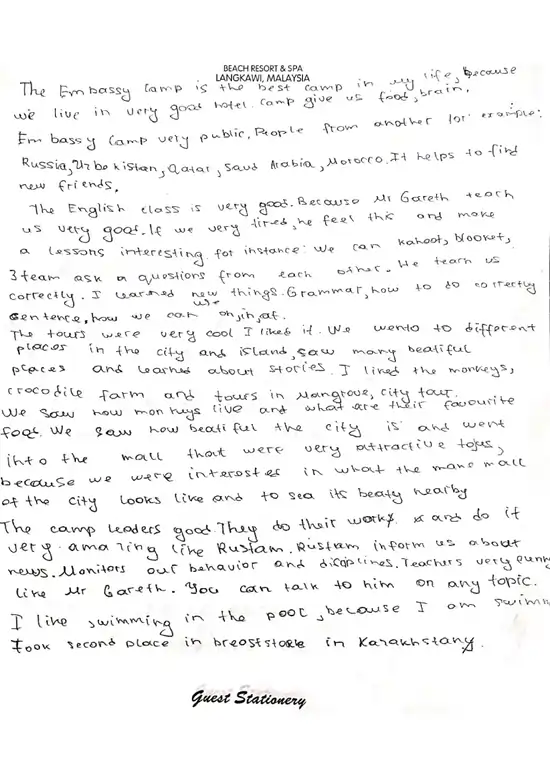
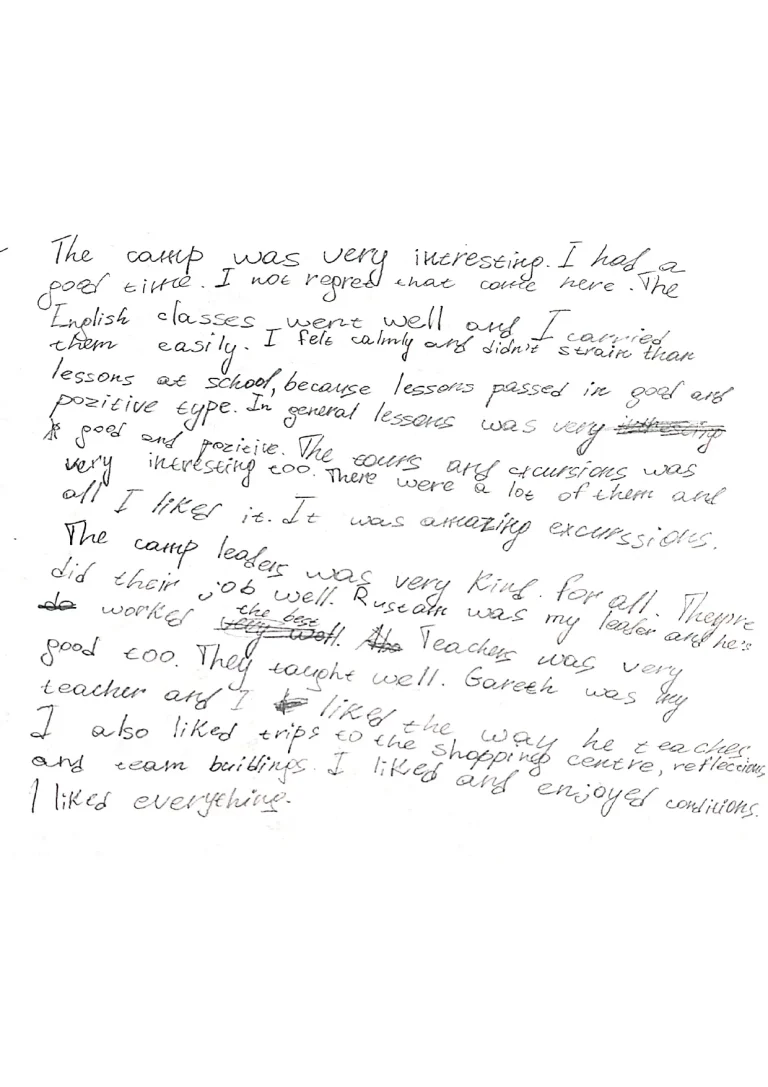
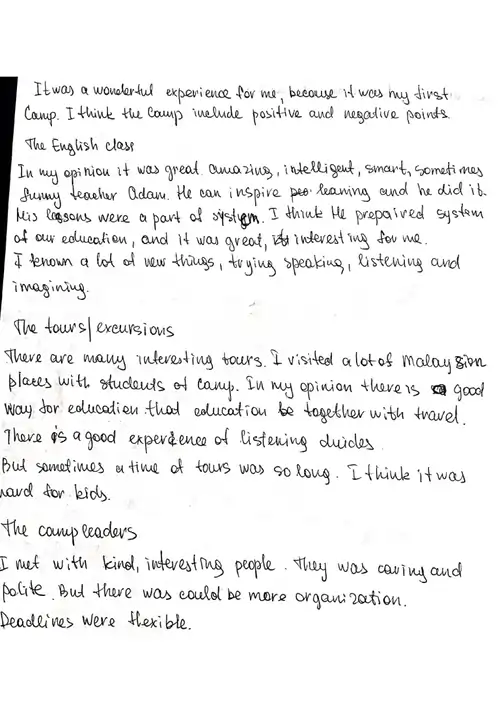
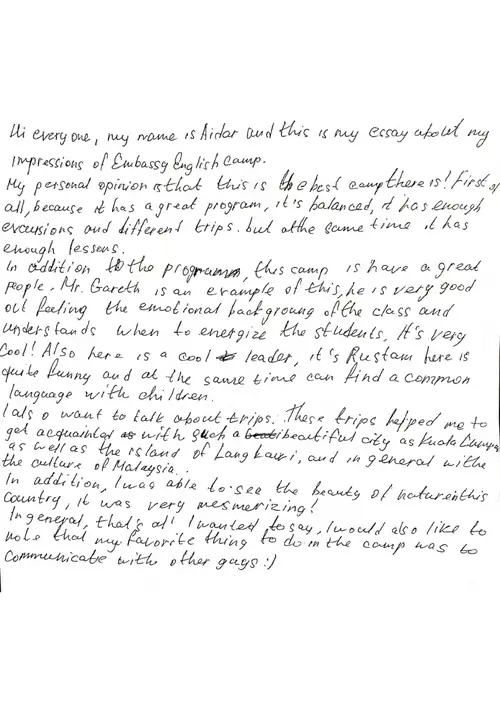
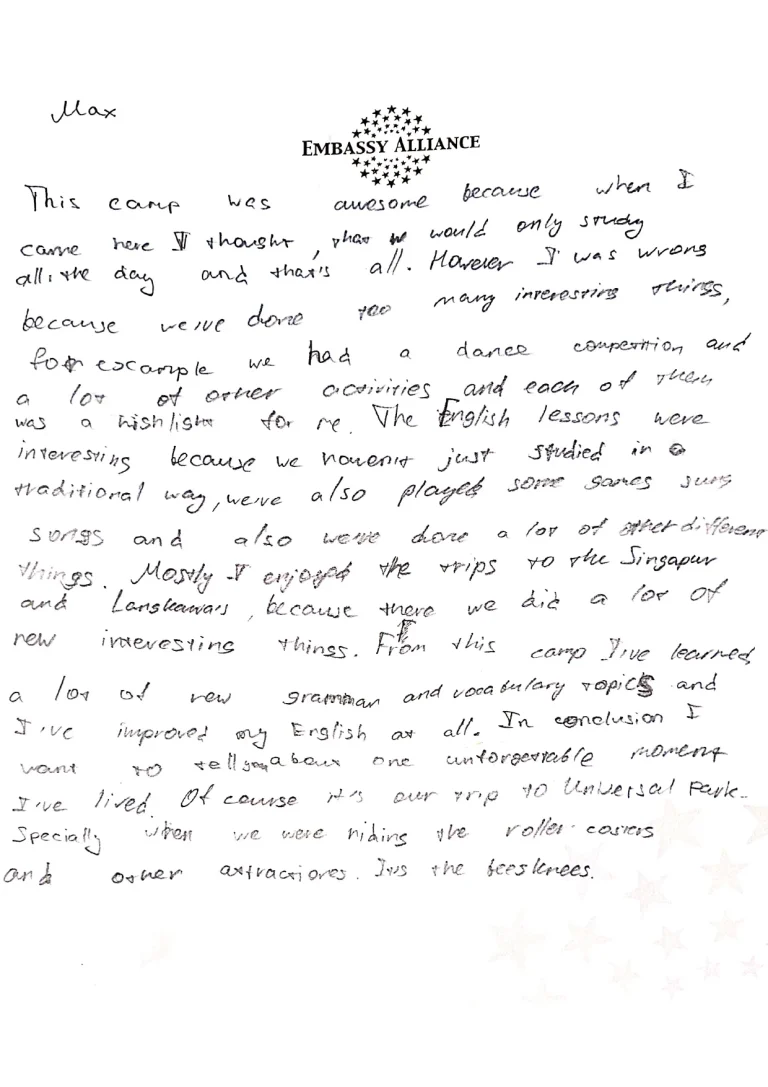
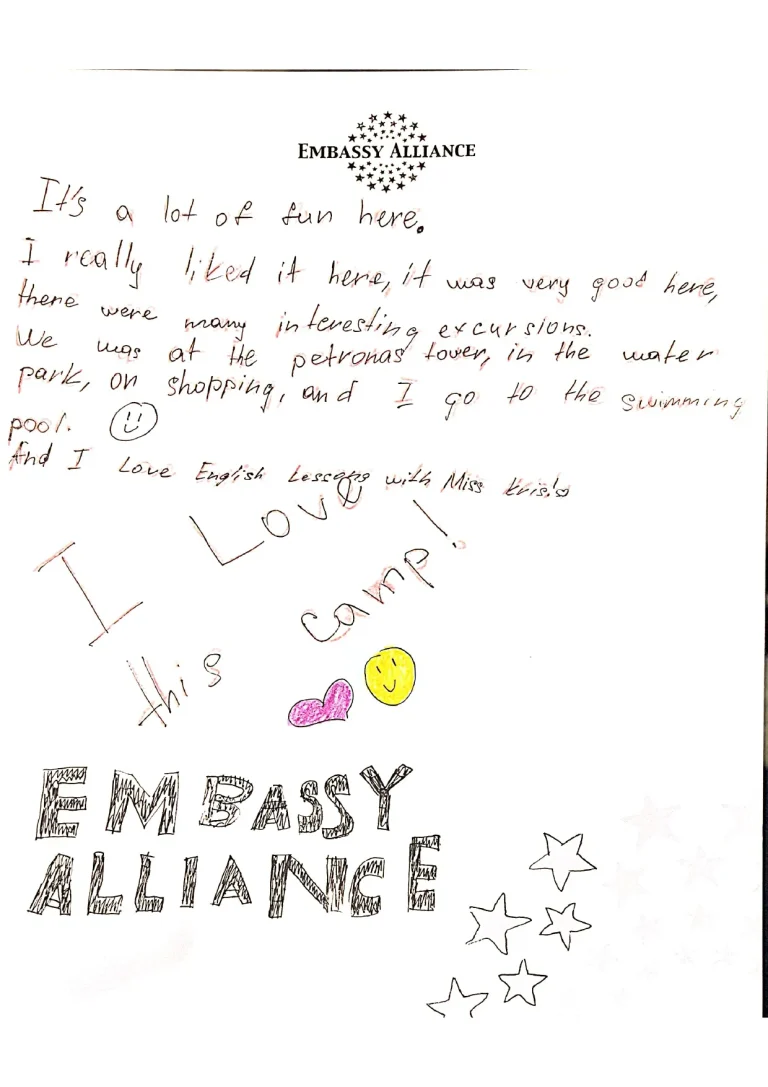
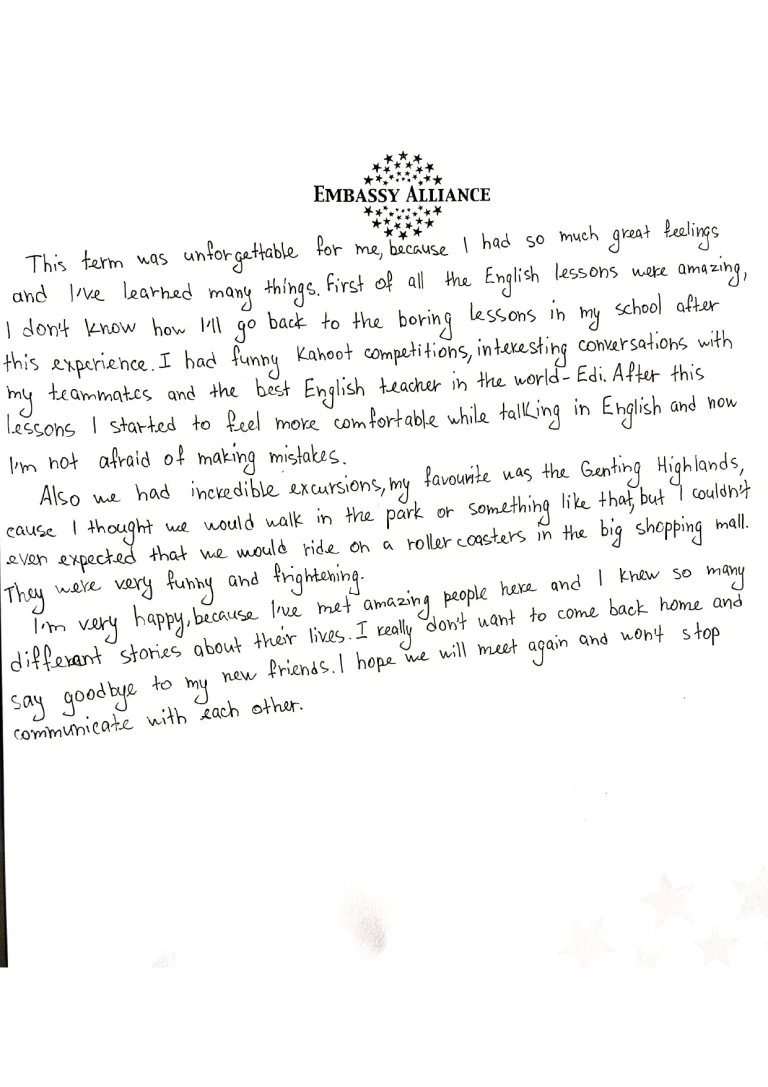
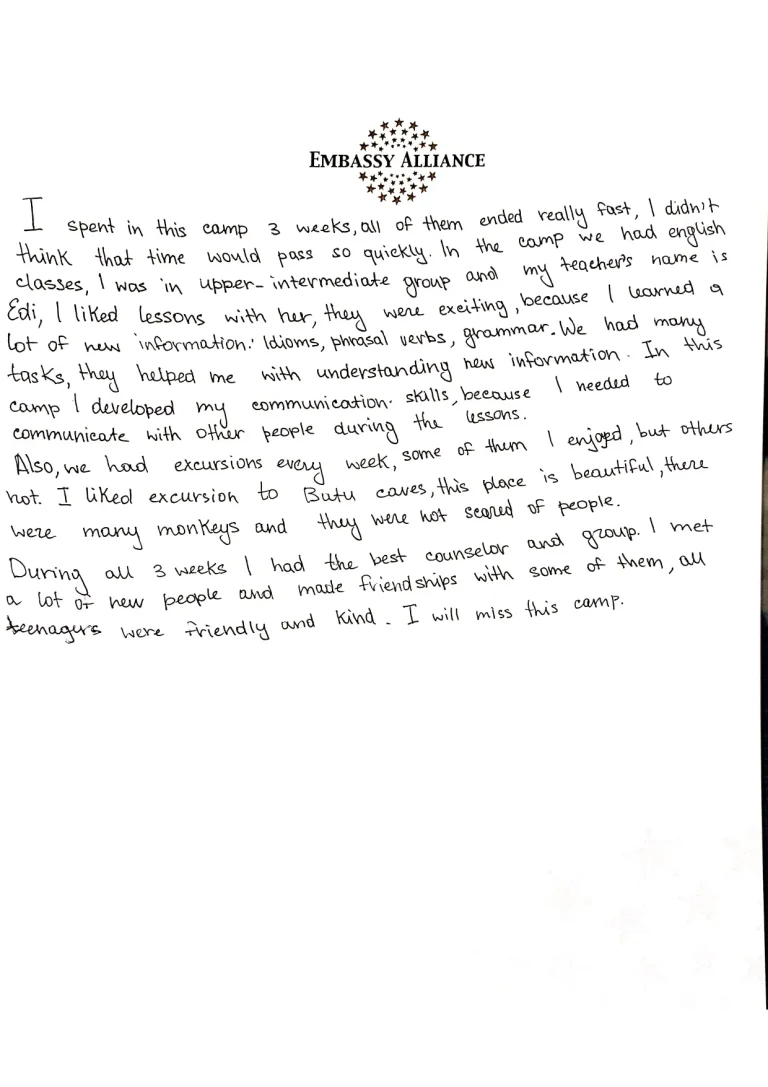
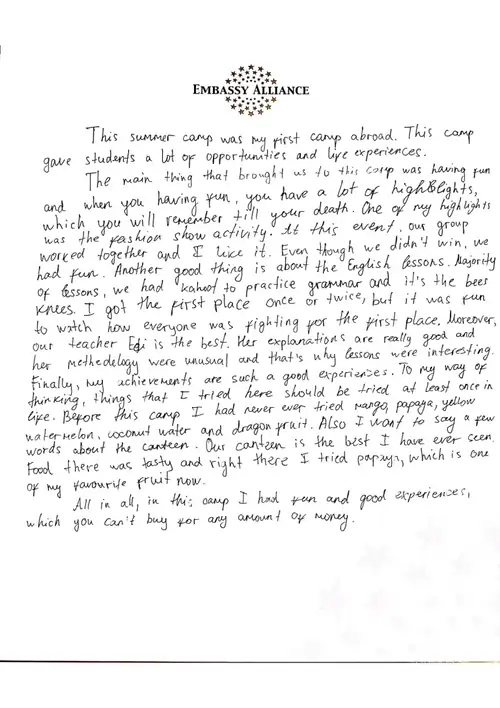
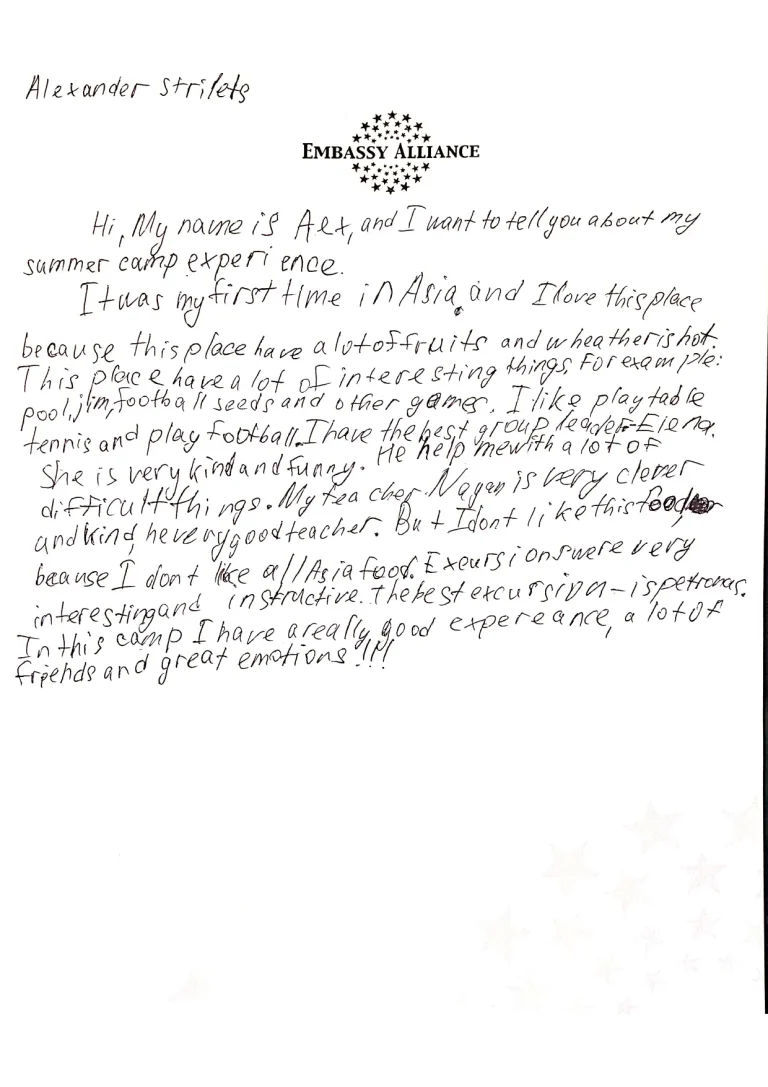
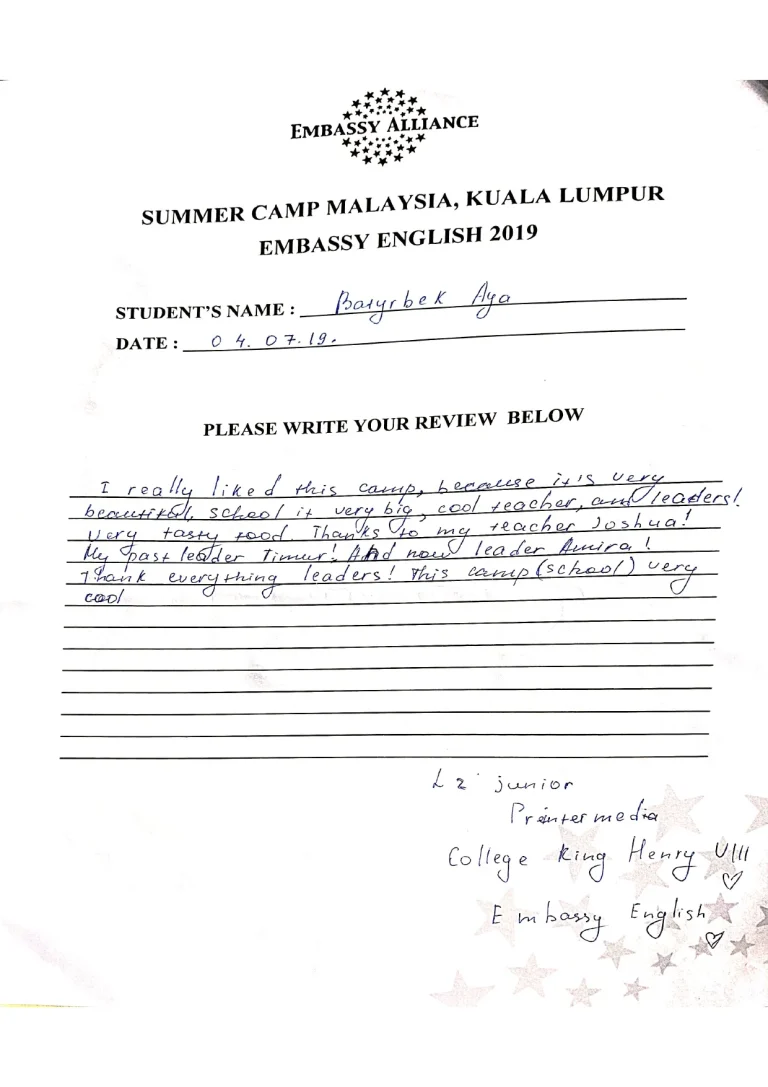
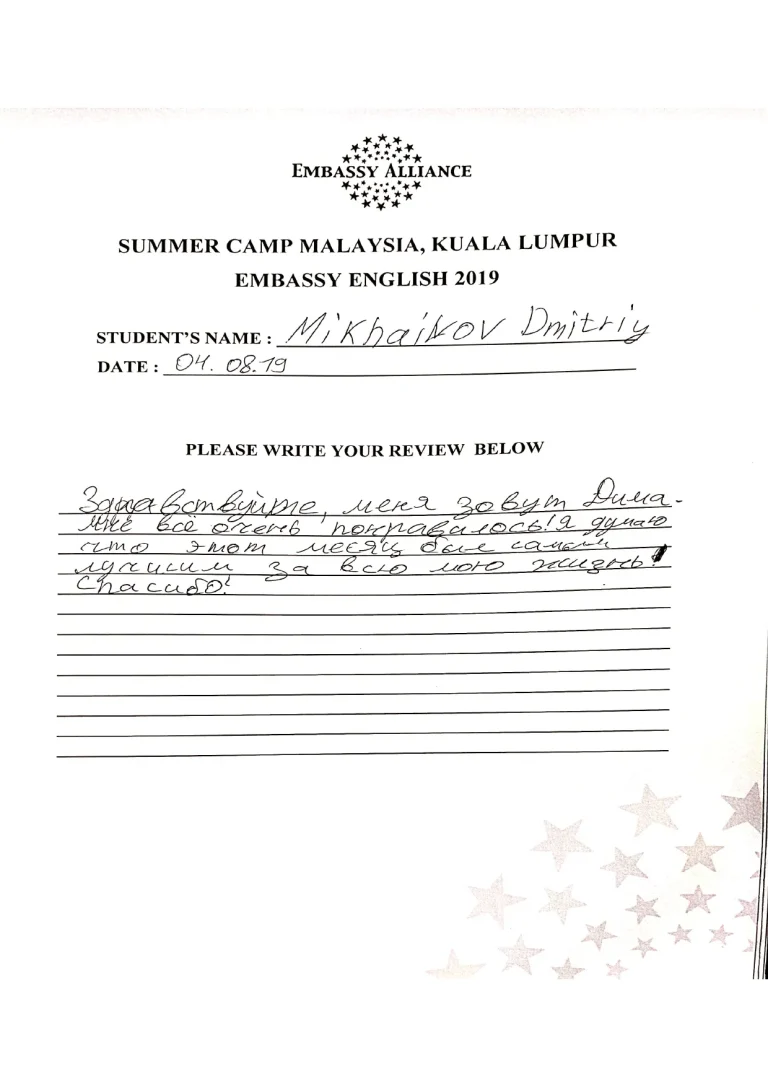
Embassy Camps operates in exactly this space. Teens from across the world come together in international destinations for programs that combine structured skill development with meaningful cultural immersion. Within the program, real independence is built in: decisions are made, problems are navigated, and friendships are formed without anyone orchestrating them. The safety of a trusted structure and the growth of genuine challenge coexist.
This model reflects what the research actually supports. The University of Michigan’s researchers note that helping teens gain independence is a gradual process, and travel is “an ideal testing ground.” The best programs, whether group or hybrid, give teenagers just enough support to stay safe and just enough space to genuinely grow.
Take the First Step Toward Independent Travel for Teens with Embassy Camps
Embassy Camps offers structured international programs across Malaysia, Singapore, Bali, Dubai, Spain, Korea, Qatar, and China for teens aged 8 to 17. Each program blends real challenge with appropriate support, giving teenagers the independence they need to grow and the structure parents need to feel confident.
It is not a holiday. It is the experience that makes every future experience easier.
How to Make the Right Choice for Your Teen
The right answer is always your teen’s answer, not a universal one. Base the decision on who they actually are, not who you hope they are or who you are worried about.
Choose group travel if:
- This is their first international experience
- They are 12 to 15 years old
- They benefit from structure and thrive in peer environments
- You want to build trust and a track record before extending independence
- The program offers a specific learning outcome you value (language, leadership, adventure)
Choose independent travel for teens if your teenager:
- They have solid group or supervised travel experience already
- They are 16 or older and consistently demonstrate judgment and self-regulation
- They have expressed a genuine, specific desire for independence
- The destination is appropriate for a teen travelling with limited supervision
- You have worked through the practical safety preparation together
Consider a hybrid program if:
- You want the safety of a structured program with genuine independence built in
- Your teen is mature enough for responsibility but not yet experienced enough to go fully unsupported
- You want measurable skill development alongside cultural immersion
Recommended Read: Benefits of Summer Camps for Teens
Frequently Asked Questions
At what age is it right for independent travel for teens?
Most travel experts and child development researchers point to 16 as a practical minimum for international independent travel, though maturity consistently matters more than age. A self-aware, well-prepared 15-year-old may be genuinely ready. An impulsive 17-year-old may not be. Start with shorter, lower-stakes independent experiences domestically before moving to international independent travel for teens.
Is group travel worth the cost?
For most families, yes. The combination of supervision, structured programming, peer community, and designed learning outcomes is difficult to replicate cheaply. Most programs range between $2,500 and $8,500, including accommodation, meals, activities, and full leadership. According to student travel statistics from WYSE Travel Confederation, 78 percent of student trips are funded by families who consider them a worthwhile educational investment.
Can introverted teens thrive in group travel?
Frequently, more than extroverted ones. Group travel removes the social anxiety of having to build a friend group from nothing. The structure creates connection organically through shared activities, and many introverted teens describe group travel as the experience that first showed them they could connect confidently with strangers.
How do I prepare my teen for independent travel?
Build the skill gradually. Start with domestic solo trips, progress to short stays away from home, and only then move toward international independent travel for teens. Practically, ensure your teen can read maps and transit systems, manage a daily budget, communicate with embassies or emergency contacts, and operate confidently in airport environments. The preparation itself builds the confidence that makes the trip successful.
What is the biggest mistake parents make in this decision?
Choosing based on their own anxiety rather than their teen’s actual readiness. Some parents push independent travel for teens before the teenager has built any foundation. Others hold back teenagers who are clearly ready because letting go feels difficult. The starting point should always be an honest assessment of the teenager, not the parent’s comfort level.
Does group travel still build genuine independence?
Yes, when the program is designed well. Research from West Coast Connection notes that group travel programs allow teens to experience independence in a safe and structured environment. The best programs build genuine autonomy within a trusted framework, which is often the most developmentally appropriate form of independence for teens aged 12 to 15.
Final Thoughts
The group travel vs independent travel debate does not have one universal answer — it depends on your teenager’s maturity, confidence, and readiness at this stage of life. Both experiences can create meaningful personal growth when the balance between challenge and support is right.
Group travel helps teens build confidence, social skills, cultural awareness, and independence within a safe and structured environment, while independent travel can develop resilience and self-reliance for teenagers ready to take that step.
At Embassy Camp, we create enriching travel experiences that encourage teenagers to explore the world, develop life skills, and grow with confidence through safe, engaging, and well-supported programs designed specifically for young travelers.