

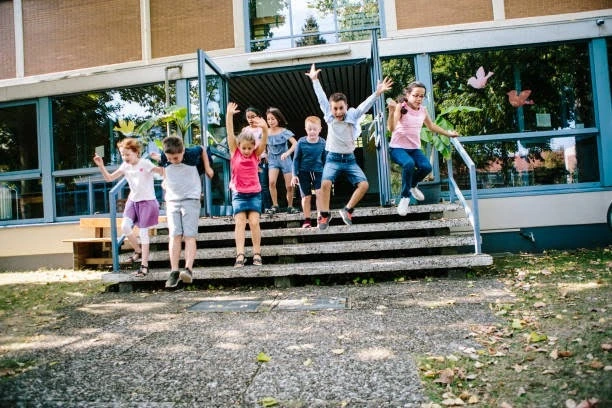
Something has quietly shifted in how the best educators and most thoughtful parents think about learning.
It is not about adding more screen time. It is not about extra tutoring or another online course. It is about getting students outside, into real environments, facing real challenges, and learning in ways that actually stick.
The benefits of outdoor education have been studied, debated, and documented for decades. But in 2026, with student mental health at a critical low, attention spans shrinking, and employers increasingly demanding soft skills that classrooms struggle to build, outdoor education is no longer a nice addition to a student’s life. It is a necessary one.
This article covers 15 powerful, research-backed benefits of outdoor education for students, grouped by theme, with real examples and practical insights. Whether you are a parent, a teacher, or someone exploring outdoor learning programs for your teen, this guide will show you exactly what nature-based learning delivers and why it matters so deeply right now.
What Is Outdoor Education?
Outdoor education is a structured approach to learning that takes place outside the traditional classroom, using the natural and social environment as the primary setting for skill development and personal growth.
It covers a wide range of experiences. Forest schools, adventure camps, international immersive programs, field-based science, team challenges in nature, cultural expeditions, and wilderness survival courses all fall under this umbrella. The common thread is that learning happens through doing, in the real world, not through reading about it in a textbook.
In 2026, outdoor education has evolved well beyond camping trips and nature walks. The best programs now combine experiential learning with structured skill development, cultural immersion, leadership training, and future-ready cognitive skills, all delivered in environments that challenge and inspire students simultaneously.
| Element | Traditional Classroom Learning | Outdoor Education |
|---|---|---|
| Learning Style | Passive, text-based, instructor-led | Active, experiential, student-led |
| Environment | Controlled, indoor, static | Dynamic, natural, real-world |
| Skills Built | Academic knowledge, subject content | Soft skills, leadership, resilience |
| Student Engagement | Variable, often low | Consistently high |
| Memory Retention | Lower for passive learners | Higher through experiential methods |
| Social Development | Limited peer interaction by design | Deep collaboration and teamwork |
| Wellbeing Impact | Neutral to mixed | Strongly positive across research |
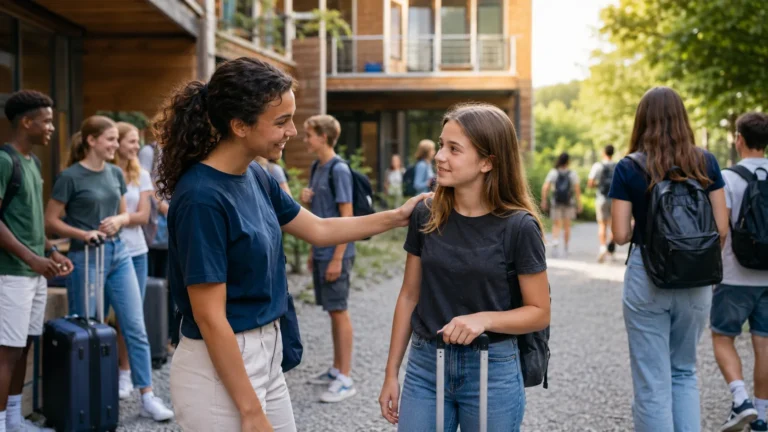
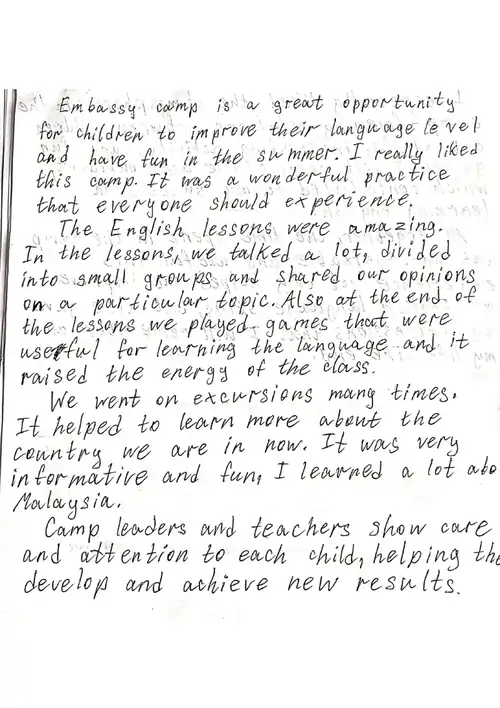
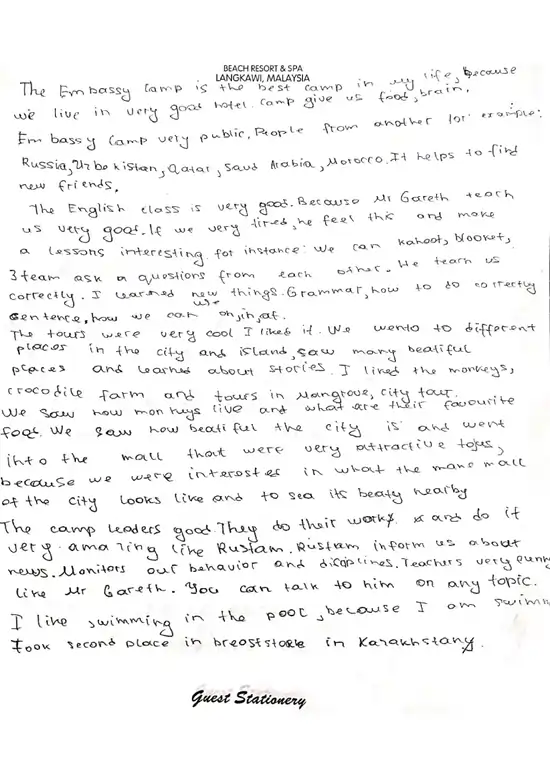
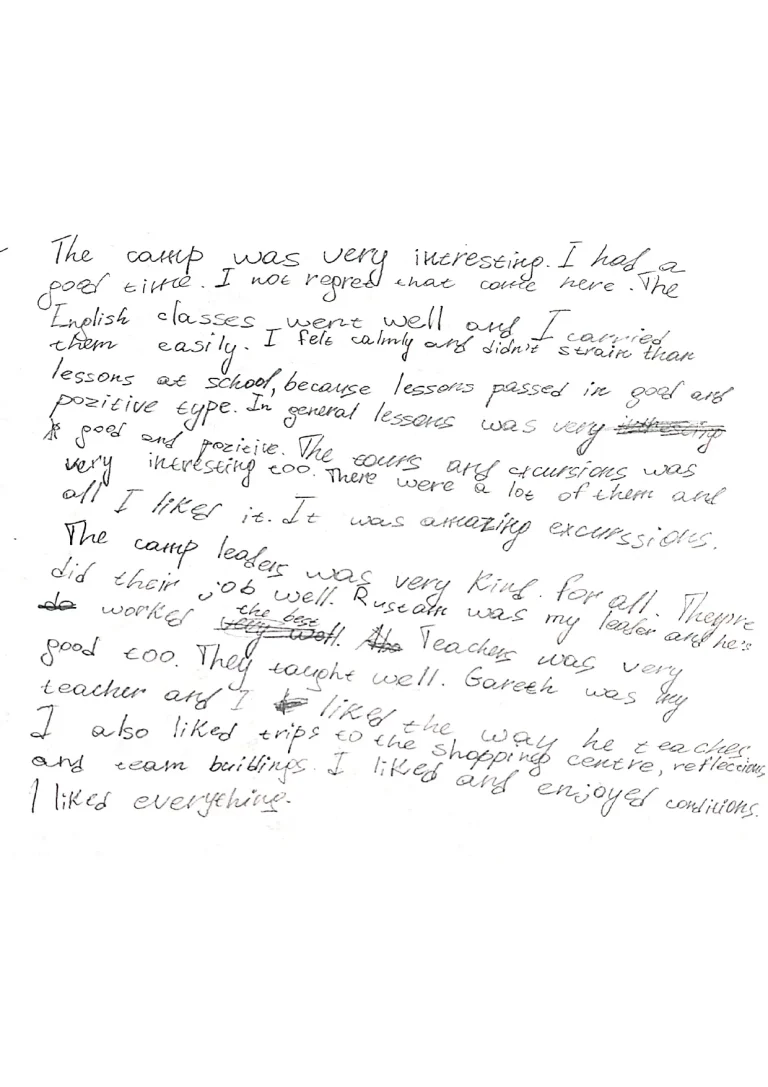
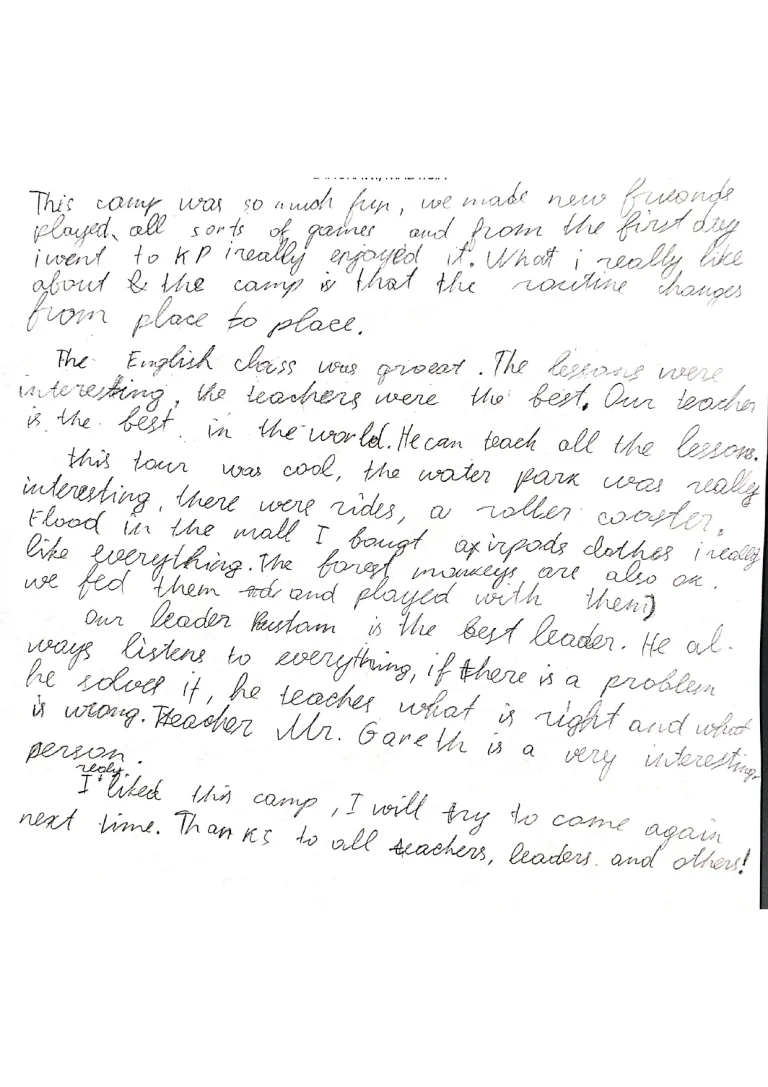
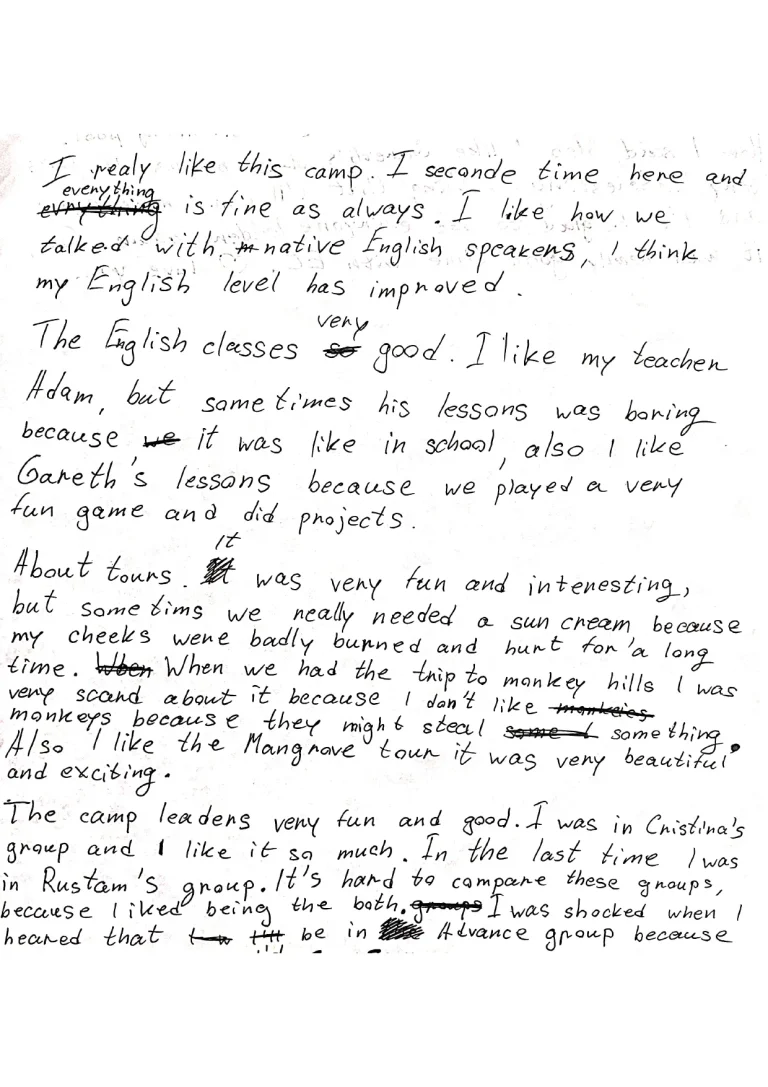
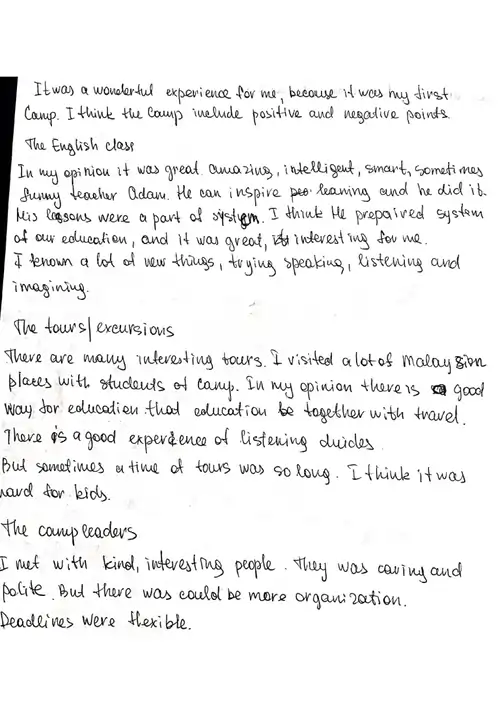
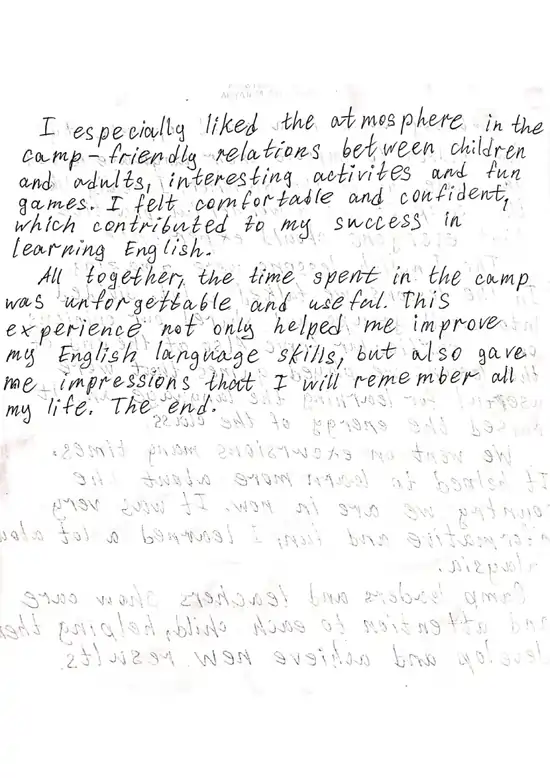
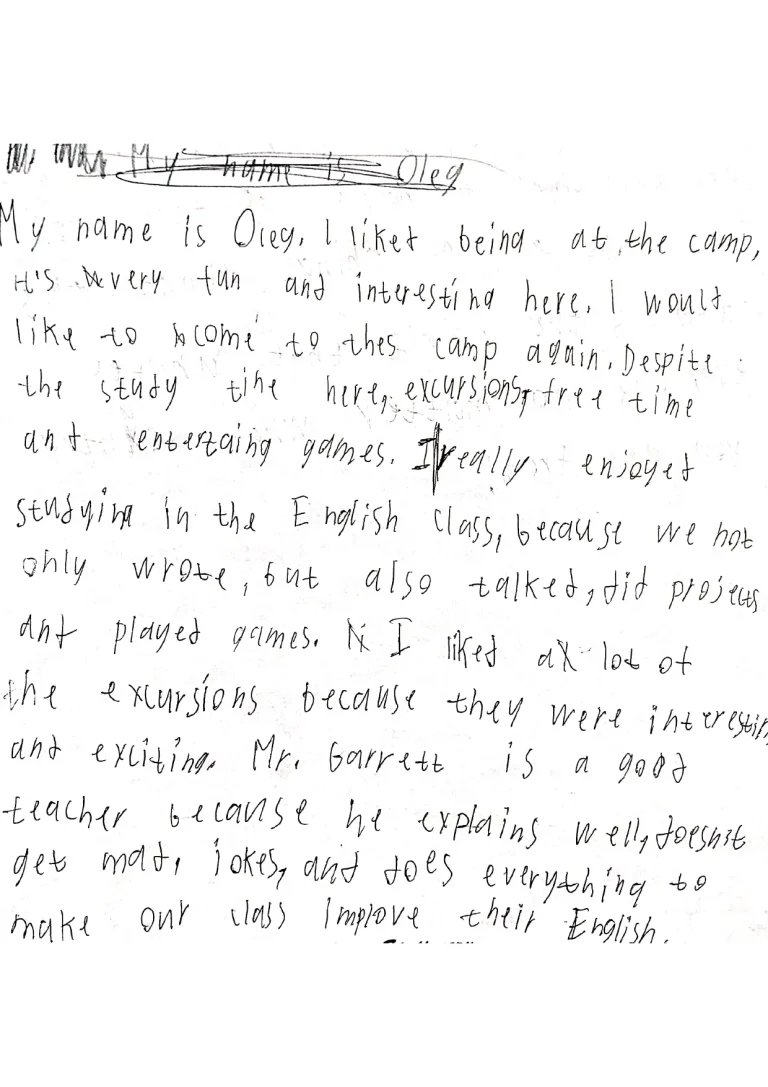
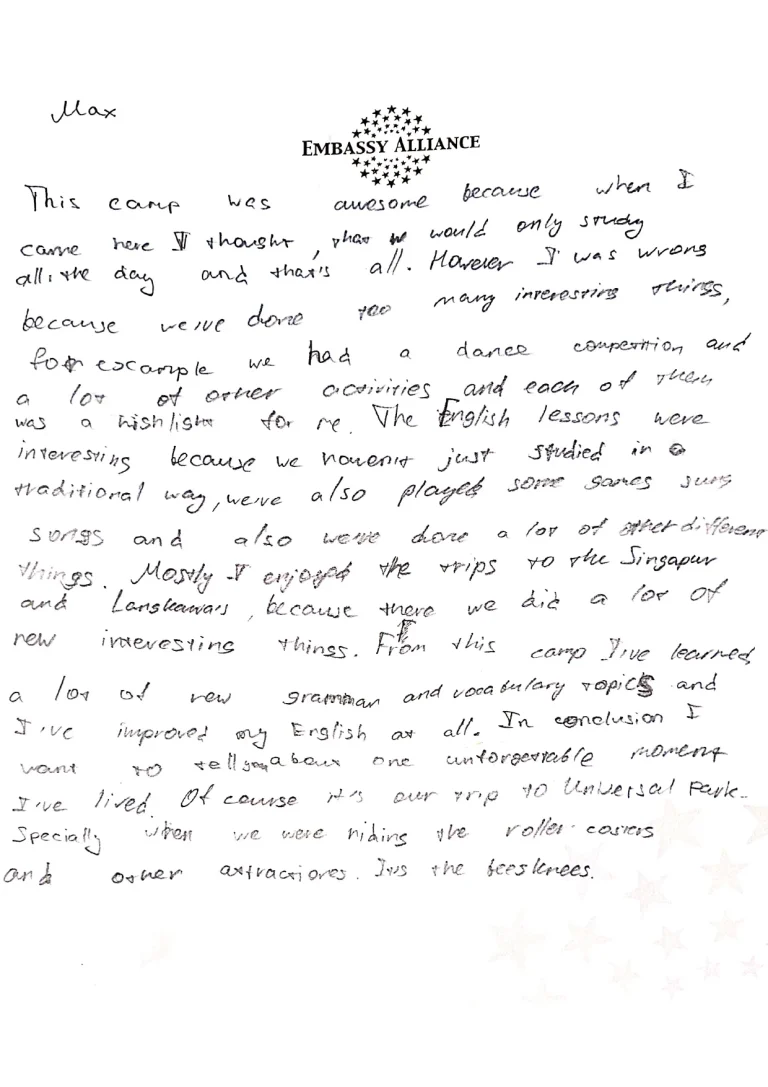
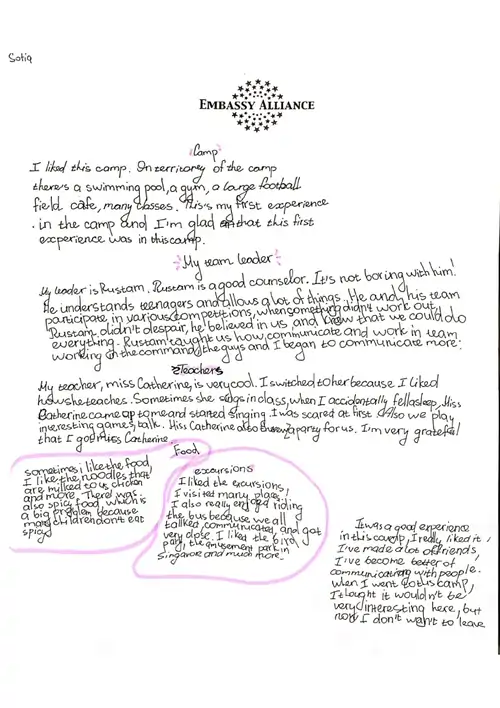
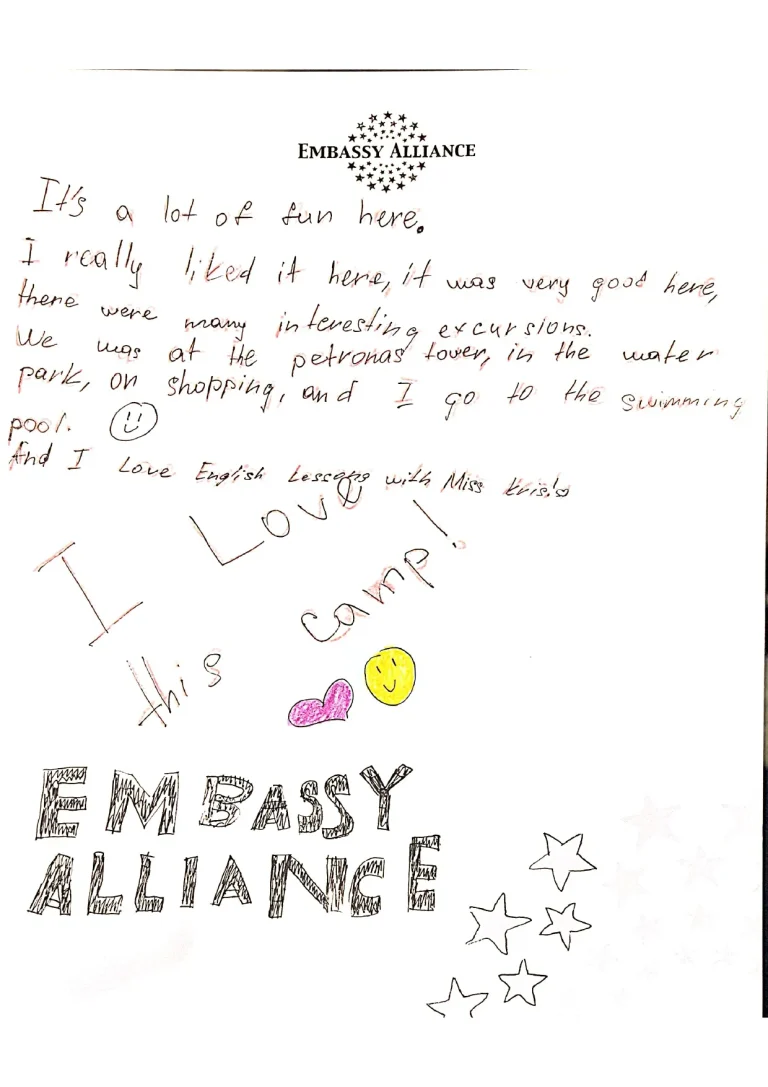
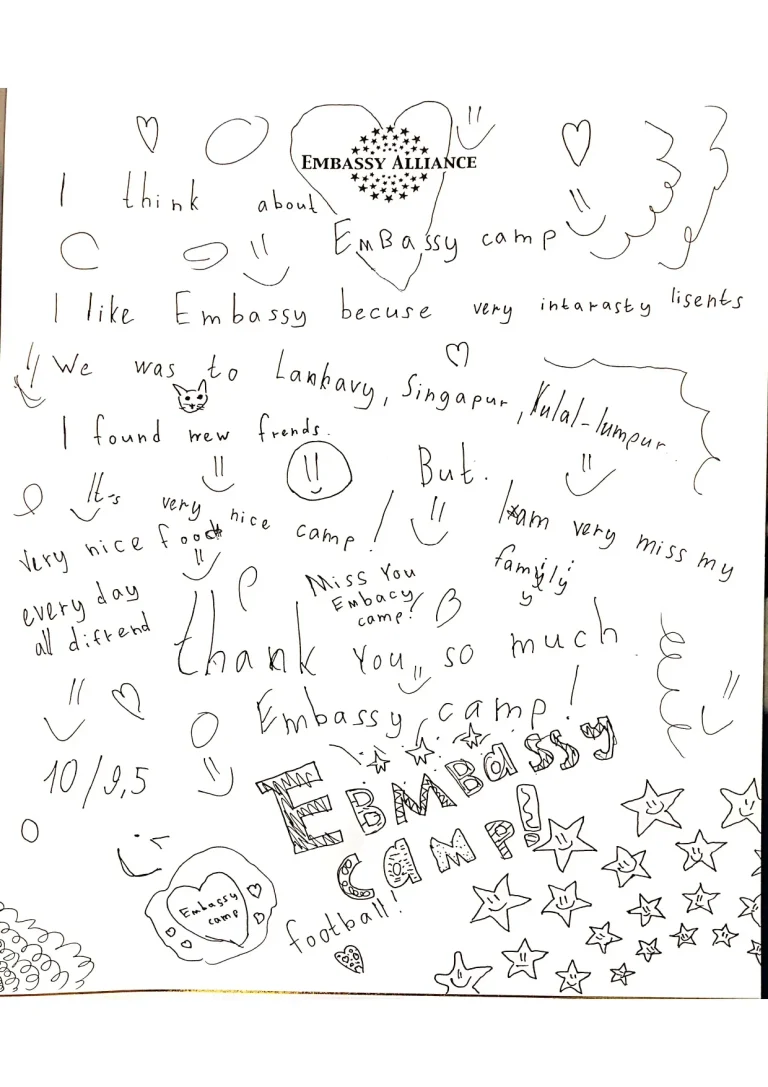
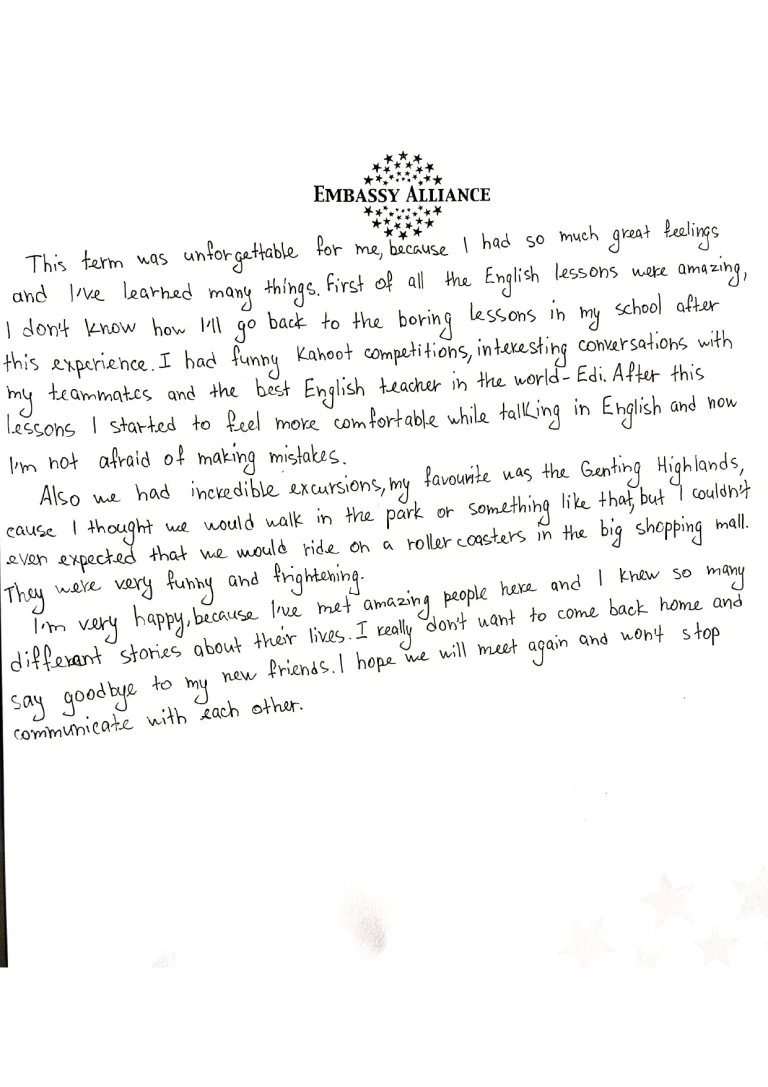
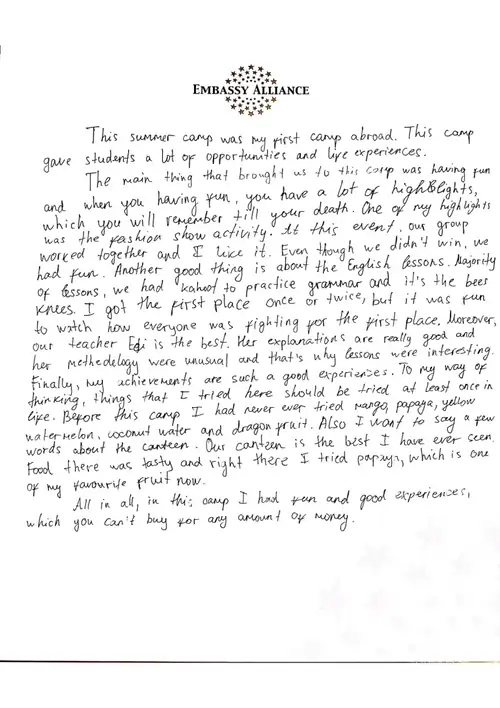
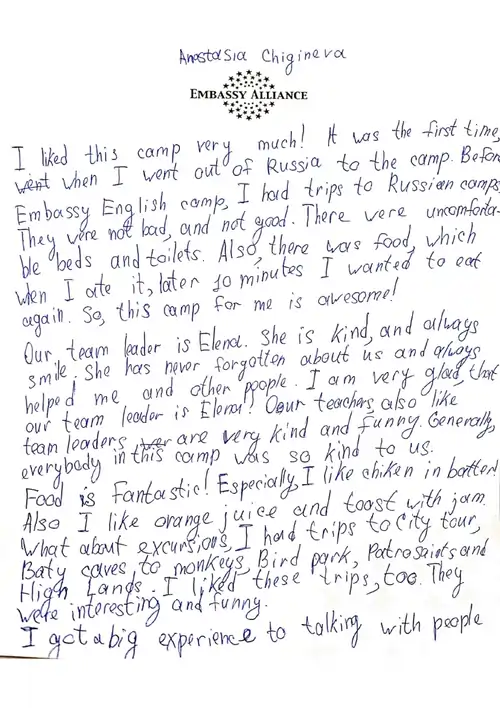
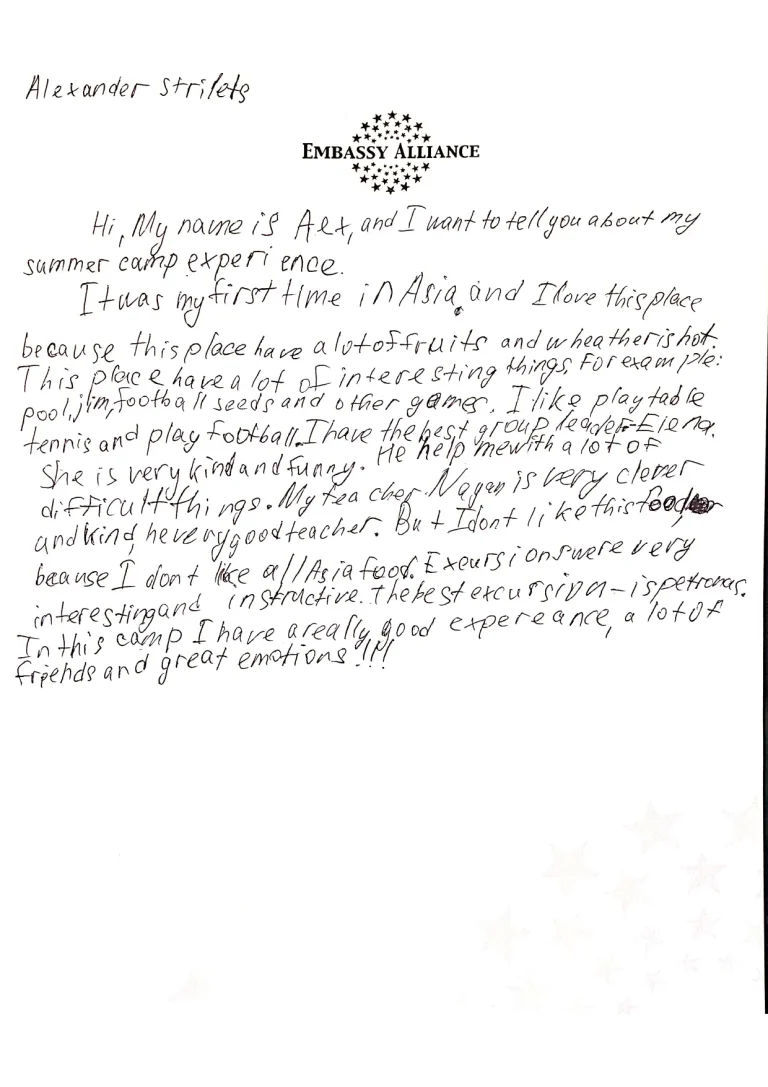
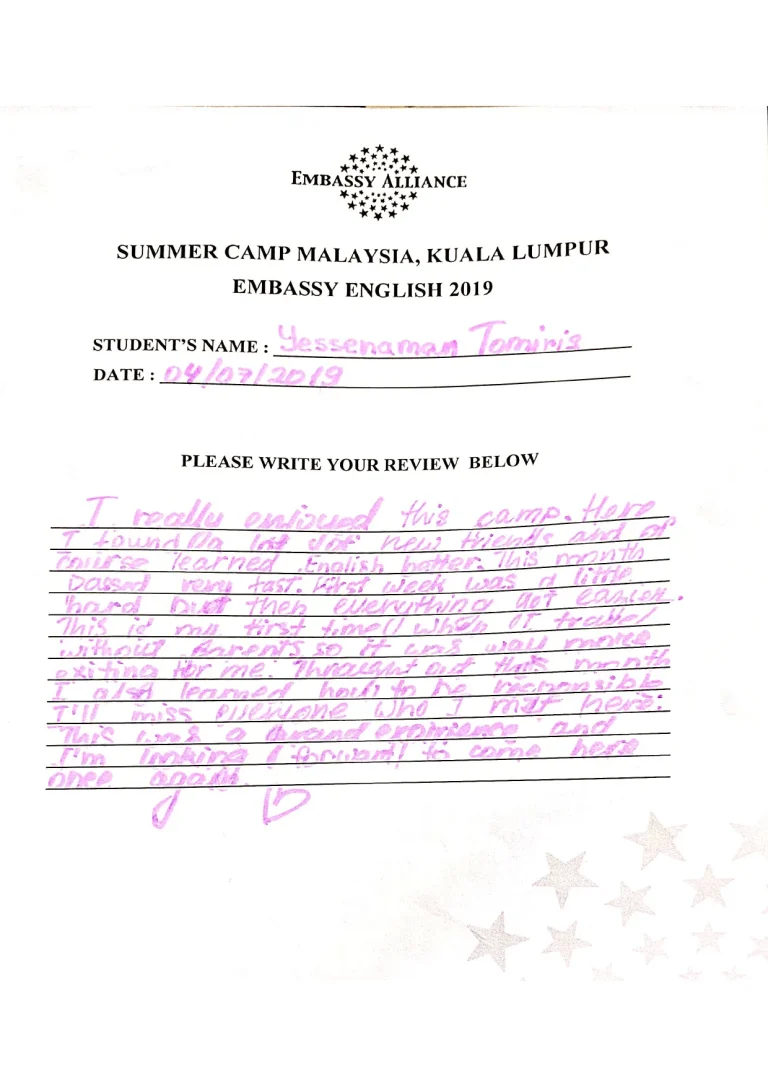
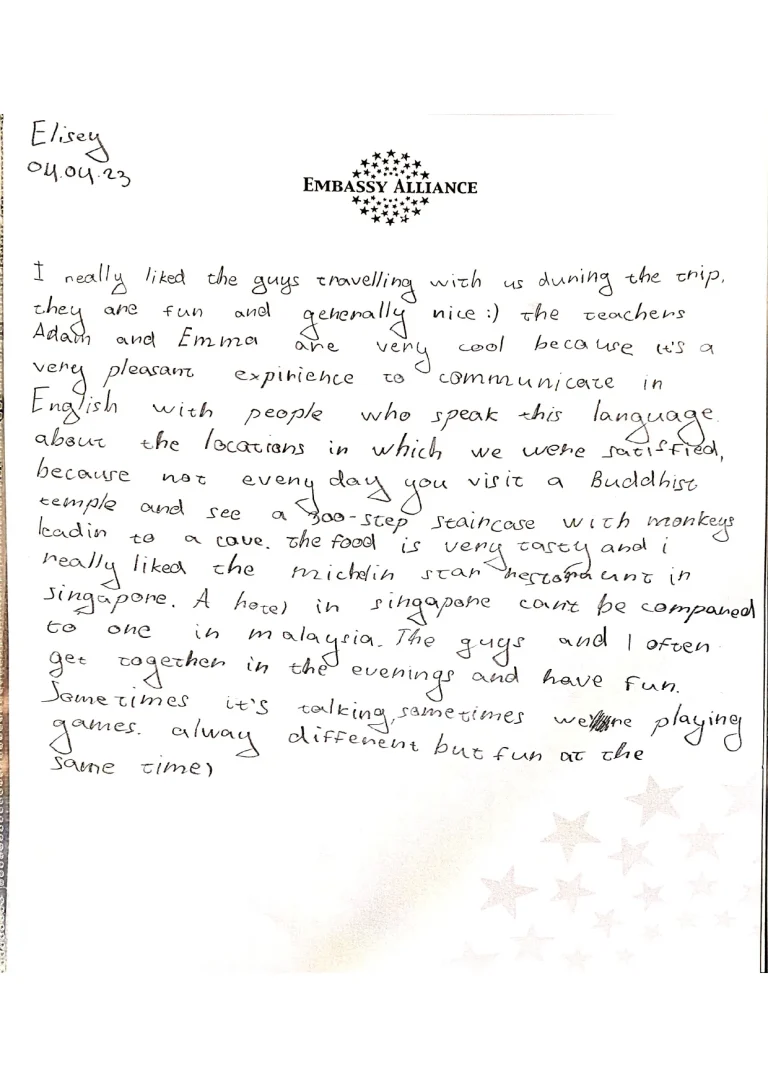
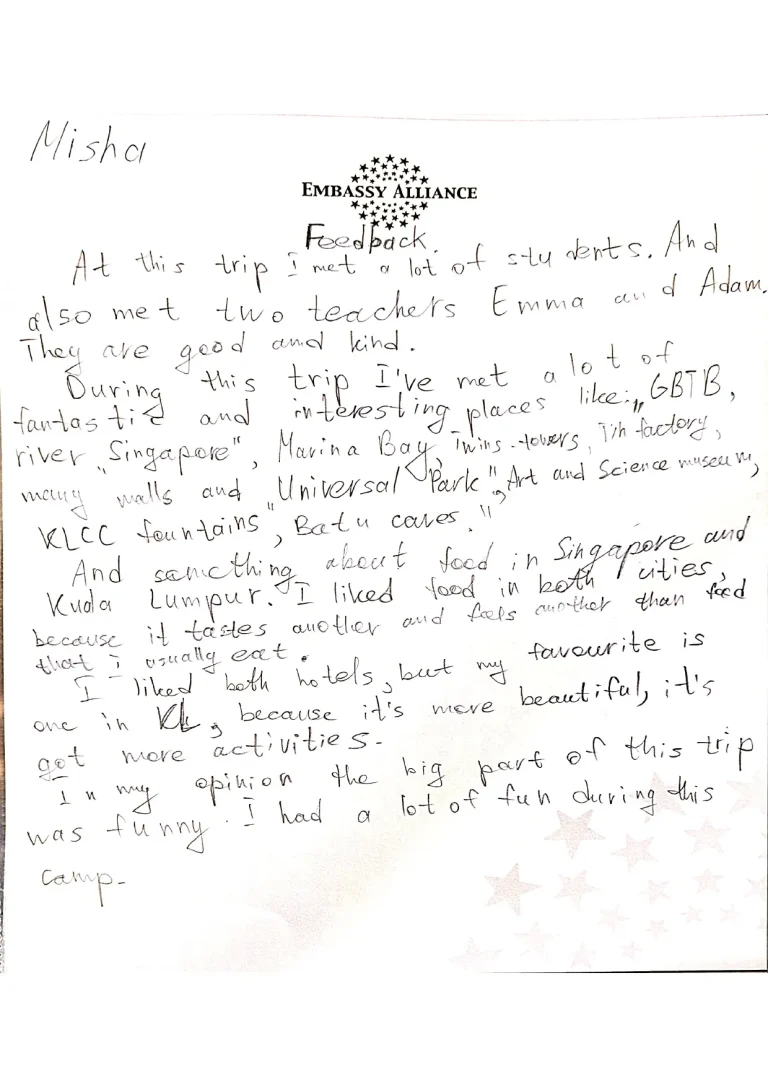
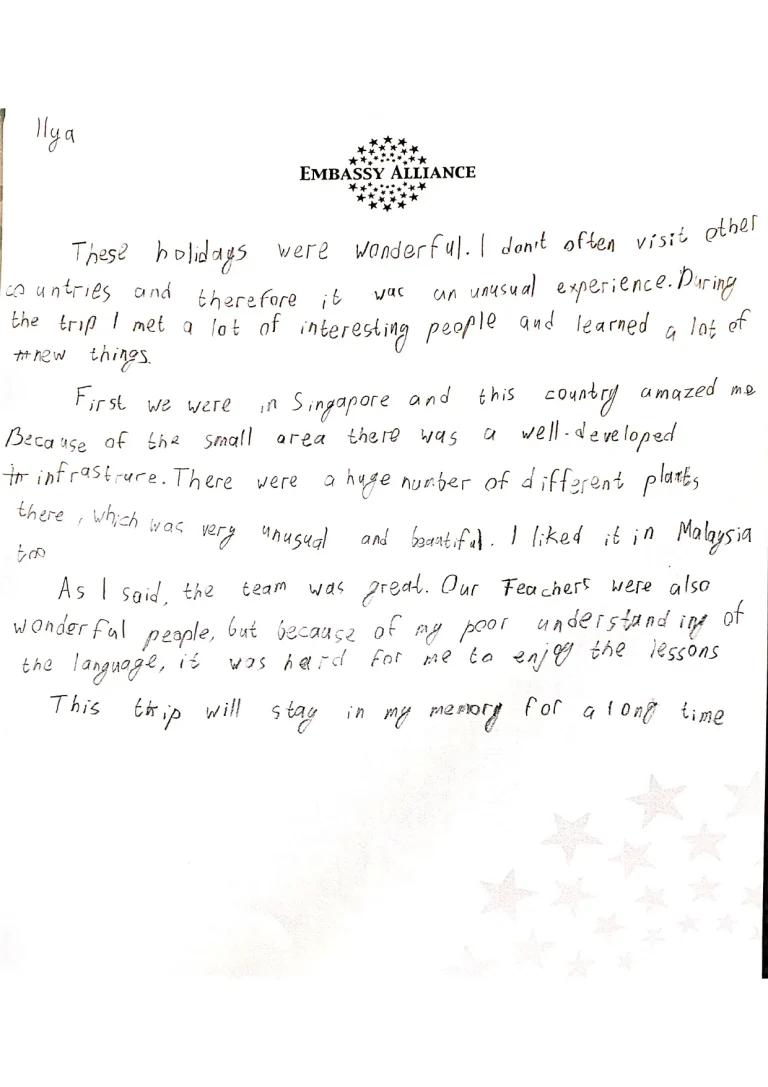
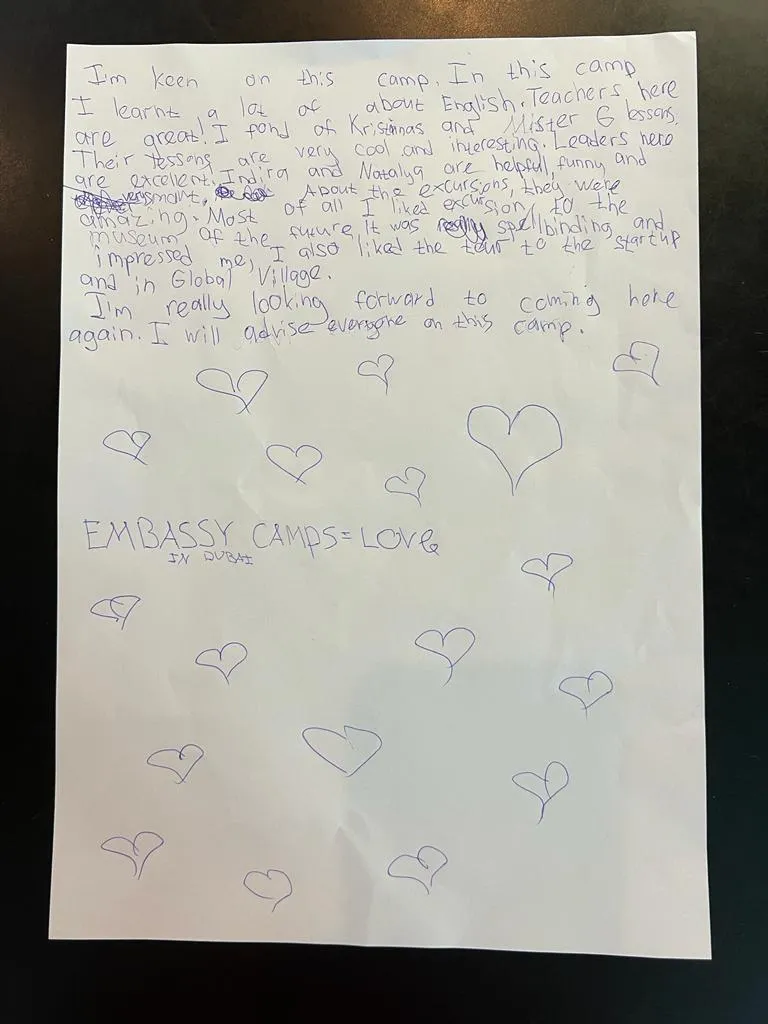
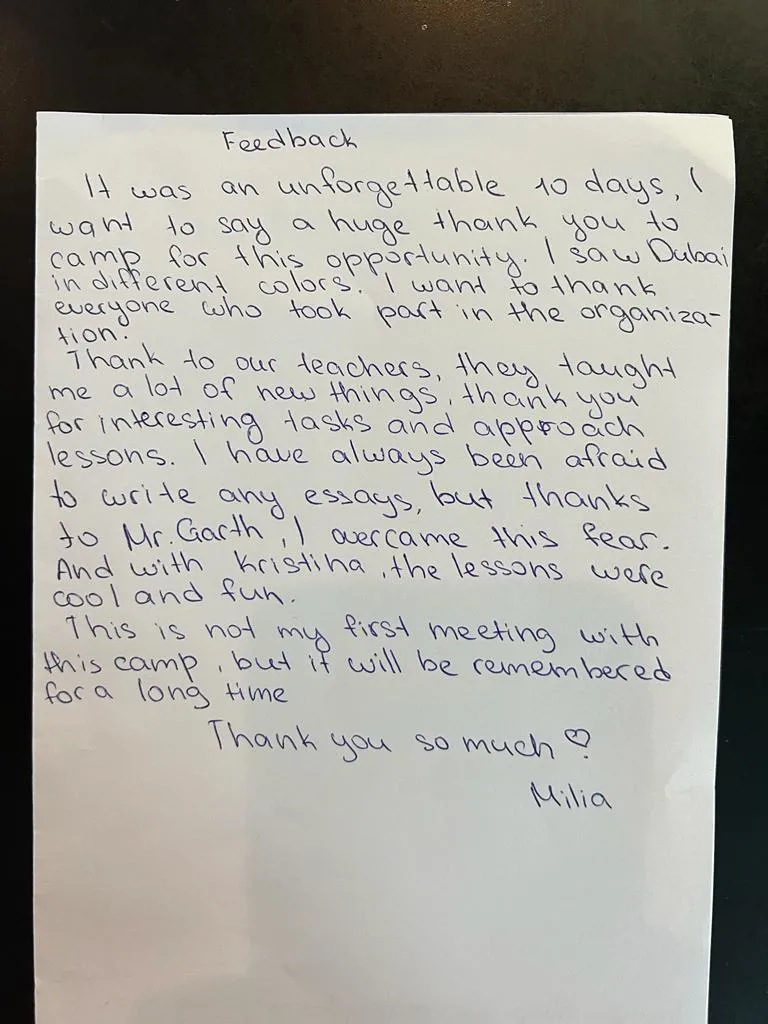
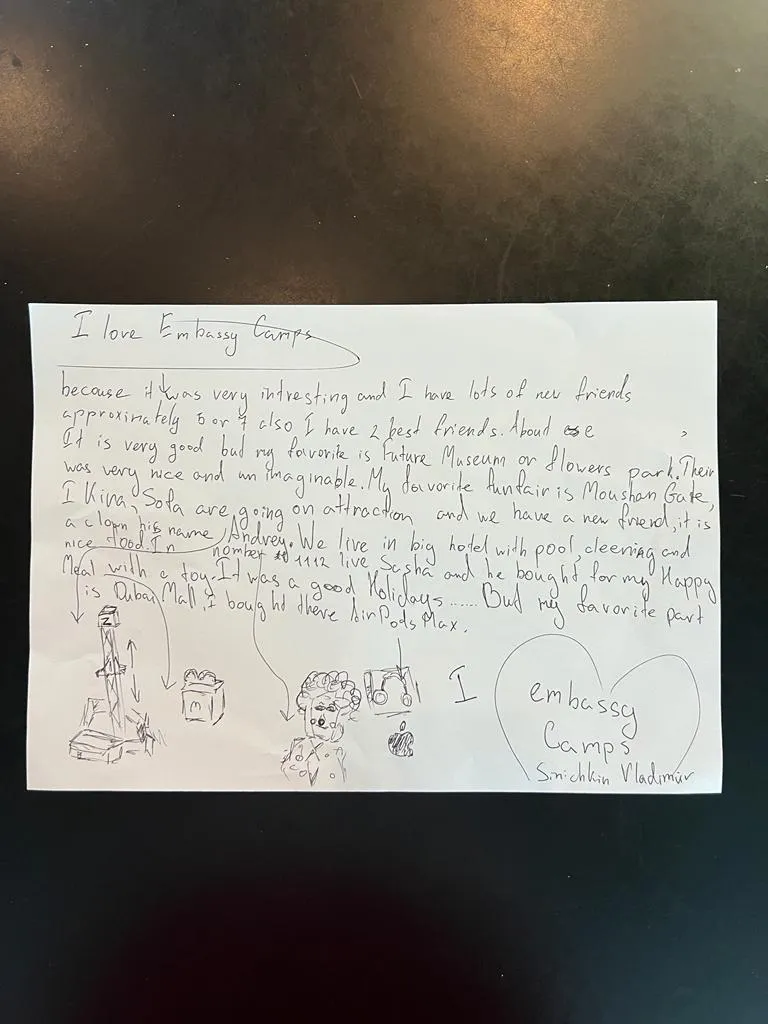
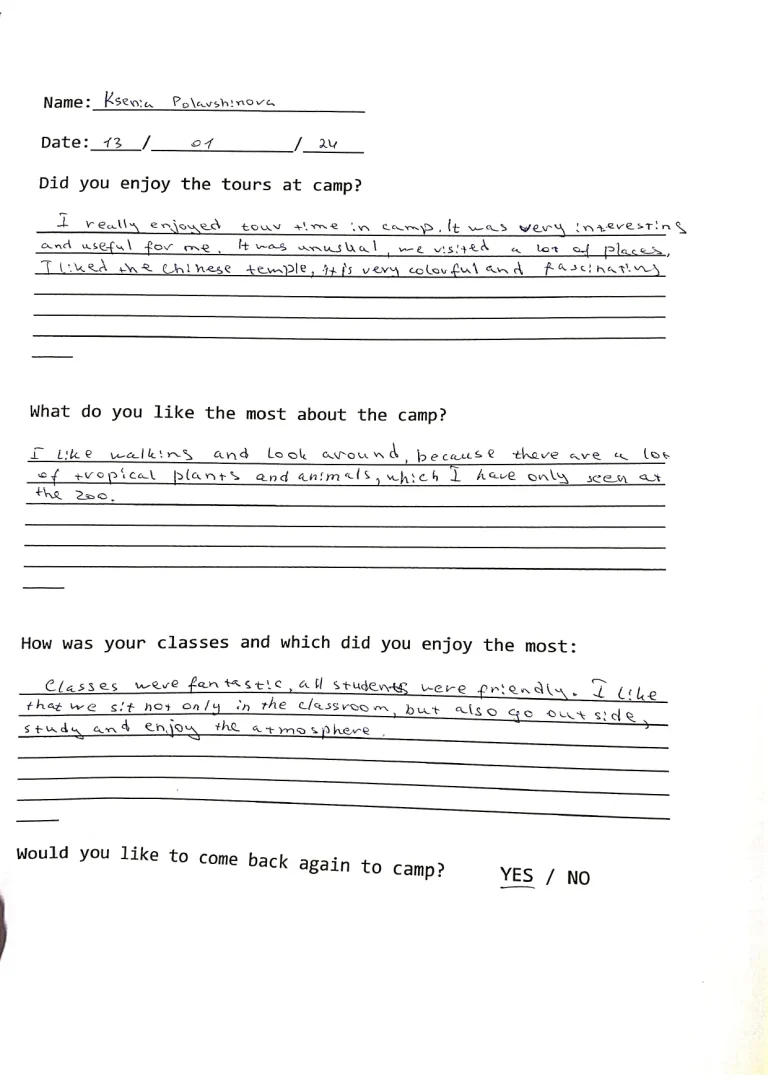
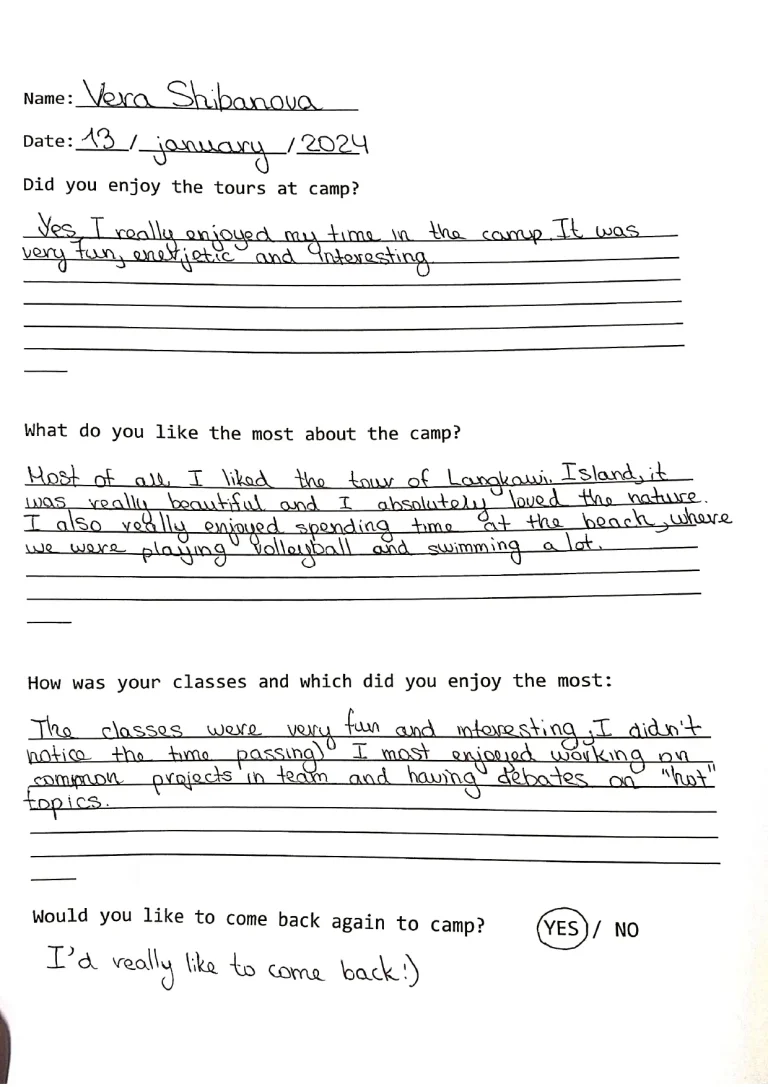
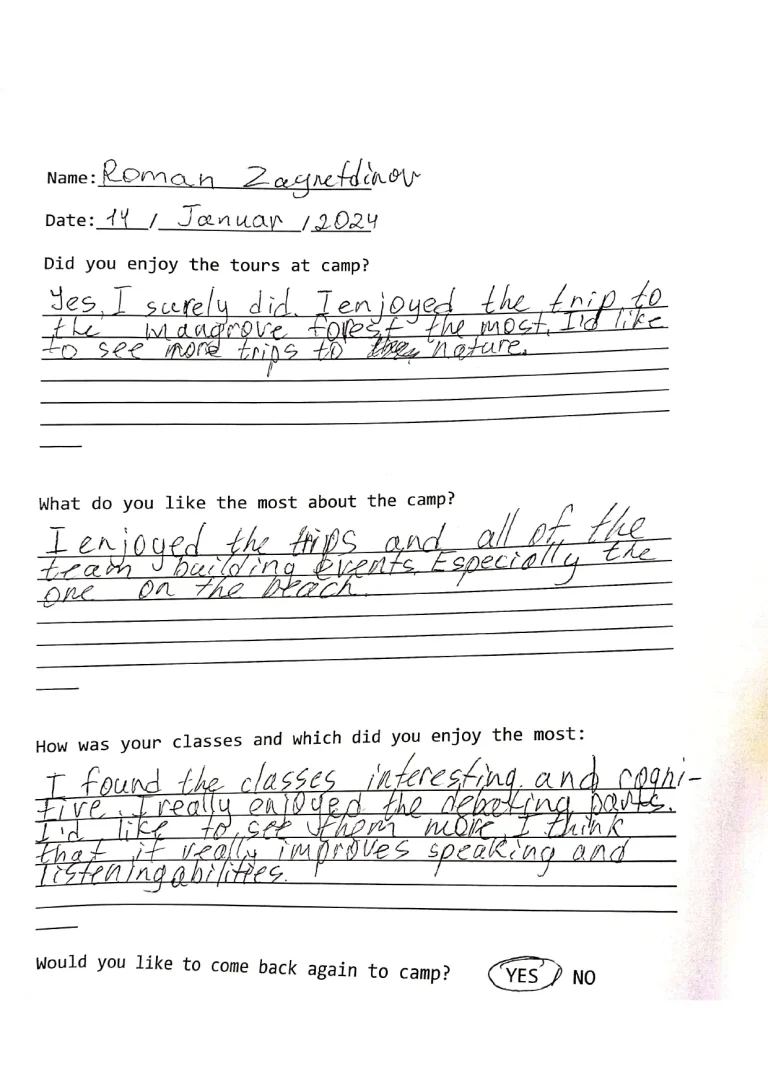
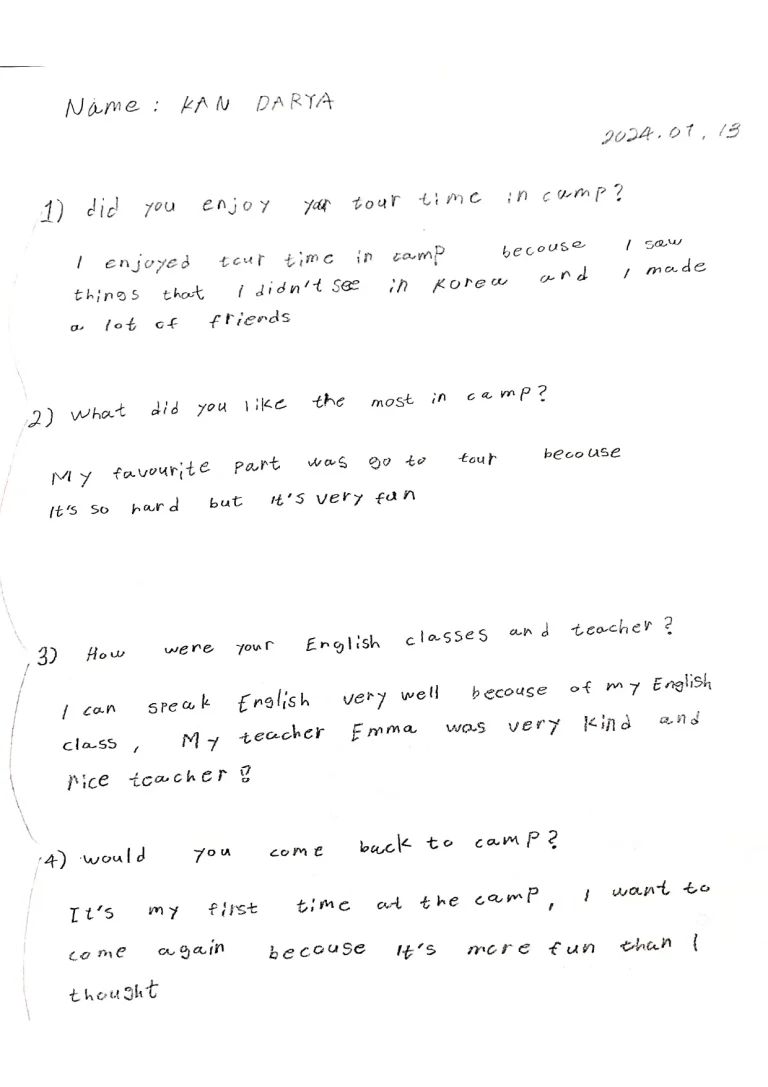
Embassy Camp offers exciting outdoor education experiences that help students develop leadership, teamwork, confidence, and problem-solving skills beyond the classroom. Our programs are designed to inspire personal growth, creativity, and lifelong learning.
Why Outdoor Education Matters More Than Ever in 2026
The timing of this conversation could not be more important.
Students today face a uniquely challenging environment. Screen time among teenagers has risen sharply over the past five years. Anxiety and depression rates among school-age children remain at historically high levels. And the skills that employers consistently say they need most, things like communication, adaptability, critical thinking, and emotional intelligence, are exactly the skills that traditional education struggles most to develop.
Nature-based learning offers a direct response to each of these challenges. Time outdoors reduces stress hormones. Physical activity in natural settings improves mood and cognitive function. Team-based challenges build the soft skills that no worksheet can teach.
Research from the University of Illinois found that students who spend time learning in outdoor environments show significant improvements in attention, behaviour, and academic performance. Studies in the UK, Finland, and Singapore have all pointed to the same conclusion: students who learn outside perform better across multiple dimensions, not just in the specific outdoor activities themselves.The world has changed. The classroom alone is no longer enough.
Recommended Read: 14 Ways to Motivate Your Child 2026
The 15 Powerful Benefits of Outdoor Education for Students
Outdoor education is transforming the way students learn, grow, and thrive. From boosting mental health to building real-world skills, the impact of outdoor education runs deeper than most people realize. Below, we have gathered 15 of the most powerful benefits of outdoor education for students — benefits that go beyond grades and touch every dimension of a young person’s development. Read on and discover why stepping outside might be the most important step your students ever take.
Mental and Emotional Benefits
Benefit 1: Reduces Stress and Anxiety
One of the most well-documented benefits of outdoor education is its impact on stress reduction. Time spent in natural environments lowers cortisol, the body’s primary stress hormone, in ways that indoor environments simply cannot replicate.
For students carrying the weight of academic pressure, social comparison, and digital overload, even a few hours in a structured outdoor learning environment creates measurable physiological relief. This is not anecdotal. It is biology.
In practical terms, students who participate in regular outdoor learning programs report lower anxiety levels, better sleep, and a more positive relationship with school overall.
“Students are not lazy or disengaged. Many are simply overwhelmed. Outdoor education gives their nervous systems a genuine chance to reset.”
Benefit 2: Boosts Mental Health and Emotional Well-being
The connection between green spaces and improved mental health is one of the most replicated findings in environmental psychology. Students who spend meaningful time outdoors show lower rates of depression, better emotional regulation, and greater overall life satisfaction.
This is particularly relevant in 2026. The post-pandemic generation of students carries emotional scars that structured outdoor experiences are uniquely positioned to address. Nature-based learning provides safe challenges, real achievements, and genuine connection with peers, all of which are powerful protective factors for mental health.
Benefit 3: Builds Resilience and Grit
Resilience cannot be explained into existence. It has to be experienced.
When a student struggles up a difficult trail, works through a team challenge that initially fails, or navigates an unfamiliar environment without their usual support systems, they encounter and overcome genuine difficulty. That process, repeated across an outdoor education program, builds the kind of grit that follows students into every other area of their lives.
This is one of the most enduring benefits of outdoor education. Students who have faced real challenges in nature approach difficult situations in school, at work, and in relationships with a fundamentally different mindset.
Benefit 4: Improves Focus and Attention Span
Attention Restoration Theory, developed by researchers Rachel and Stephen Kaplan, proposes that natural environments restore the brain’s capacity for focused attention in ways that built environments cannot. In simple terms, time in nature gives the mind a chance to recover from the mental fatigue that screens and structured tasks create.
For students who struggle to focus in class, outdoor learning is not a distraction. It is a restoration. Many teachers report that students who spend time in outdoor education settings return to classroom work with noticeably better concentration and a greater capacity for sustained effort.
Social and Character Benefits
Benefit 5: Develops Leadership Skills
Leadership does not emerge in a lecture hall. It emerges when someone has to make a decision under uncertainty, motivate a group that is losing focus, or take responsibility for an outcome that matters.
Outdoor education creates these moments naturally and regularly. Group navigation challenges, team problem-solving tasks, and camp-based responsibilities all place students in situations where leadership qualities surface and develop organically. The student who rarely speaks in class often becomes the quiet leader the group relies on during a field challenge.
International outdoor education programs, like those at Embassy Camp, deliberately structure these leadership moments into every day of the program, giving students repeated practice in a high-stakes but safe environment.
Recommended Read: 15 Leadership Skills for Teens
Benefit 6: Strengthens Teamwork and Collaboration
Teamwork in a classroom often means dividing a project into sections. Teamwork in an outdoor education setting means genuinely relying on each other to succeed.
You cannot fake cooperation when you are navigating a challenge course, preparing a group presentation after a full day of shared experiences, or supporting a teammate who is struggling. The interdependence is real, and the bonds it creates are correspondingly deep.
Research consistently shows that students who participate in outdoor learning programs develop stronger collaborative skills than those in purely classroom-based settings. These are exactly the skills that universities and employers identify as critical for the next generation of professionals.
Benefit 7: Builds Confidence and Self-Belief
There is a specific kind of confidence that only comes from doing something you were not sure you could do.
Every outdoor education program is full of these moments. The first time a student speaks in front of a group of peers they did not know a week ago. The moment they complete a physical challenge, they almost give up. The day they navigate a new city independently for the first time.
These experiences create a self-belief that classroom achievements rarely generate. And once a teenager has that confidence, it touches everything: their schoolwork, their social life, and their ambitions.
“Parents consistently report that the most visible change in their teenagers after an outdoor education program is not a specific skill. It is a quiet, unmistakable confidence.”
Benefit 8: Improves Communication Skills
Face-to-face communication is a skill. And like all skills, it needs practice in real situations with real stakes.
Outdoor education programs naturally demand communication. Students have to articulate their ideas during group challenges, listen carefully to others during planning sessions, give and receive feedback in debriefs, and present their learning to the wider group.
In international outdoor programs specifically, students often communicate across language barriers and cultural differences. That experience develops a communication fluency and adaptability that purely domestic environments cannot provide.
Academic and Cognitive Benefits
Benefit 9: Enhances Academic Performance
This surprises many people. Outdoor education is often seen as a break from academics, not a contributor to them. But the research consistently tells a different story.
Multiple studies across the UK, USA, and Scandinavia have found that students who participate in regular outdoor learning show measurable improvements in mathematics, literacy, and science outcomes. The physical activity, novelty, and emotional engagement of outdoor environments activate the brain in ways that improve encoding and retrieval of information.
Put simply, an active, curious, emotionally engaged brain learns better. Outdoor education creates that brain state more reliably than most classroom strategies.
Benefit 10: Develops Critical Thinking and Problem Solving
Real-world problems do not come with answer keys. Neither do outdoor education challenges.
When students have to plan a route, manage limited resources, troubleshoot a failed team strategy, or adapt to unexpected weather, they practice genuine analytical thinking. There is no right answer to copy. There is only the problem in front of them and the tools they have to solve it.
This kind of experiential problem-solving develops critical thinking in ways that are immediately transferable to academic and professional contexts. Students learn to ask better questions, test their assumptions, and revise their thinking based on evidence.
Benefit 11: Sparks Creativity and Curiosity
Curiosity is the engine of learning. And nature is exceptionally good at activating it.
Unstructured time in natural settings, combined with guided exploration and reflective activities, gives students the mental space to ask questions they would never think of in a classroom. Why does that plant grow like that? How do different cultures approach the same problem differently? What would happen if we tried this instead?
Outdoor education feeds the creative and curious brain that too much structured screen time tends to suppress. The best programs deliberately build in exploration time alongside structured activities precisely because this balance produces the most engaged and innovative learners.
Benefit 12: Improves Memory and Information Retention
Cognitive science is clear on this: we remember experiences more vividly and durably than information we passively receive.
When a student learns about ecosystems by exploring one, studies mathematics through real measurements in an outdoor context, or develops communication skills by actually communicating under pressure, that learning is encoded more deeply than the equivalent classroom lesson.
This is the core argument for experiential education, and it is supported by decades of research in cognitive psychology. Outdoor education does not replace academic learning. It makes academic learning more effective by grounding abstract concepts in lived experience.
Life Skills and Global Benefits
Benefit 13: Builds Independence and Self-Reliance
Many teenagers arrive at adulthood having never truly managed on their own. They have always had a parent nearby, a teacher to ask, a familiar routine to fall back on.
Outdoor education, particularly residential and international programs, changes that. When a student manages their own schedule, resolves their own conflicts, and navigates genuine challenges without their usual support structures, they discover a capacity for self-reliance that surprises even them.
This benefit of outdoor education is one that parents notice most immediately on their teen’s return home. The student who left uncertain and dependent comes back purposeful and self-directed. That shift is one of the most valuable things a structured outdoor program can deliver.
Benefit 14: Cultivates Environmental Awareness and Responsibility
Students who learn outdoors develop a relationship with the natural world that students who only learn indoors simply do not have.
That relationship matters. The generation currently in schools will make the environmental decisions that shape the next fifty years. Students who have experienced the beauty, complexity, and fragility of natural ecosystems firsthand are far more likely to make those decisions thoughtfully.
Environmental education that happens in the environment is not just more engaging. It is more effective at producing the values and behaviours that genuine sustainability requires.
Benefit 15: Develops Cultural Intelligence and a Global Mindset
The final and perhaps most far-reaching benefit of outdoor education, specifically international outdoor education, is the development of cultural intelligence.
When students travel to another country, engage with local communities, share living and learning spaces with peers from different backgrounds, and navigate cultural differences with curiosity rather than anxiety, they develop a global mindset that no classroom lesson can replicate.
In a world that is more interconnected and more complex than ever, cultural intelligence is not a bonus skill. It is a fundamental competency. Students who develop it early carry a significant advantage into higher education, careers, and life.
“The students who will lead the next generation are not necessarily the ones who scored highest in exams. They are the ones who can think clearly, communicate across differences, and adapt to whatever the world throws at them. Outdoor education builds exactly those qualities.”
How International Outdoor Education Takes These Benefits Further
Every benefit listed above applies to outdoor education in any setting. But when outdoor learning takes place in another country, each benefit becomes amplified.
The stress reduction is deeper when the environment is genuinely novel. The confidence is greater when the challenges are further outside the student’s comfort zone. The cultural intelligence is richer when the cultural differences are real and immediate rather than academic.
International outdoor education programs do not just deliver the benefits of nature-based learning. They deliver them at a higher intensity, in a more memorable context, with a peer group that itself represents the kind of diversity students will navigate throughout their adult lives.
| Factor | Local Outdoor Activity | International Outdoor Education |
|---|---|---|
| Novelty Level | Moderate | High — new country, culture, language |
| Confidence Built | Good | Exceptional — genuine unfamiliarity |
| Peer Diversity | Limited to the local peer group | Cross-cultural, international friendships |
| Cultural Intelligence | Minimal development | Direct, immersive development |
| Independence Level | Partial | Full — away from home entirely |
| Global Mindset | Limited | Significantly expanded |
| Memory and Impact | Good | Lasting — vivid cross-cultural experiences |
Experience the Benefits of Outdoor Education at Embassy Camp
If you are looking for an outdoor education program that delivers every benefit on this list, Embassy Camp was designed to do exactly that.
Embassy Camp runs international summer programs for teens aged 12 to 18, combining smart skill development, cultural immersion, outdoor adventure, and personal growth into a single, cohesive experience. Students do not just visit another country. They live, learn, and grow in it, guided by experienced facilitators who understand both the educational and pastoral dimensions of international youth programs.
What Makes Embassy Camp Different
- Morning skill workshops: Students develop future-ready skills, including AI tools literacy, speed reading, mental math, public speaking, and critical thinking.
- Afternoon cultural exploration: Guided excursions into local communities, landmarks, and natural environments bring outdoor and cultural education to life.
- Evening team-building activities: Carefully designed group challenges and reflection sessions build the social and leadership skills that last well beyond the program.
- International peer group: Students share their experience with peers from across the world, developing cross-cultural friendships and a genuine global mindset.
- Safe, professionally managed environment: Experienced staff, clear safeguarding protocols, and regular parent communication ensure every student is supported throughout.
Embassy Camp Destinations and Outdoor Education Highlights
| Destination | Outdoor Education Focus | Signature Experiences |
|---|---|---|
| Malaysia | Nature immersion, leadership, English enrichment | Rainforest treks, city cultural exploration, and team challenges |
| Bali, Indonesia | Adventure learning, personal development, resilience | Rice terrace hikes, cultural village visits, and outdoor team activities |
| Dubai, UAE | Innovation, public speaking, and future skills | Desert safari, urban exploration, VR innovation workshops |
| Singapore | Academic enrichment, cultural intelligence | Garden City nature trails, multicultural district exploration |
| Qatar | Communication, cultural immersion, and teamwork | Desert landscape, heritage sites, cross-cultural group projects |
| South Korea | Smart skills, independence, global mindset | Mountain hiking, K-culture immersion, technology district visits |
Every Embassy Camp destination is chosen specifically because it offers the kind of genuine novelty, cultural richness, and natural beauty that maximise the benefits of outdoor education for students.
“Students leave Embassy Camp with more than memories. They leave with skills, certificates, international friendships, and a version of themselves they could not have found at home.”
💡 Explore Embassy Camp programmes, destinations, and dates at embassy.camp
What to Look for in an Outdoor Education Programme
Not every outdoor education program delivers on its promises. Before enrolling your teenager, use this checklist to evaluate any program you are considering:
- Clear learning outcomes: The program should specify exactly what skills and experiences students will gain, not just general claims about growth.
- Qualified and experienced facilitators: Ask about staff training, pastoral care experience, and the ratio of staff to students.
- Transparent safety protocols: Reputable programs welcome detailed questions about emergency procedures, medical support, and safeguarding policies.
- Age-appropriate design: Programs should be tailored to the developmental stage of the students, not simply adapted from adult formats.
- Balance of structure and freedom: The best outdoor education programs combine structured learning with genuine exploration time.
- Cultural and environmental respect: Programs that take place in local communities should demonstrate clear respect for local culture, environment, and people.
- Peer group diversity: A diverse peer group enhances social learning and cultural development significantly.
- Verified parent reviews: Look for specific, detailed testimonials from parents who can speak to real outcomes, not generic five-star ratings.
Ready to Give Your Teen a Life-Changing Outdoor Education Experience?
Embassy Camp offers international summer programs in Malaysia, Bali, Dubai, Singapore, Qatar, and South Korea for teens aged 12 to 18. Each program combines smart skill workshops, cultural immersion, outdoor adventure, and personal development in a safe, professionally managed environment.
Visit embassy.camp to explore programmes, dates, and destinations.
Frequently Asked Questions
What are the main benefits of outdoor education for students?
The main benefits of outdoor education include reduced stress and anxiety, improved mental health, stronger resilience and grit, better focus and attention, leadership and teamwork development, improved academic performance, critical thinking skills, and the development of a global mindset. Research consistently shows that students who participate in outdoor learning programs perform better across multiple dimensions compared to those in purely classroom-based settings.
How does outdoor education improve mental health?
Outdoor education improves mental health through several mechanisms. Time in natural environments reduces cortisol, the primary stress hormone. Physical activity in outdoor settings releases endorphins and improves mood. Structured group challenges build confidence and social connection, both of which are strong protective factors against anxiety and depression. Research in environmental psychology consistently links regular outdoor learning with lower rates of mental health difficulties in school-age students.
At what age is best for outdoor education programs?
Outdoor education is beneficial at every age, but the 12 to 18 age range is particularly powerful for intensive programs. This is the developmental window during which identity, independence, and social skills are most actively forming. Experiences that challenge and stretch teenagers during this period tend to have the most lasting impact on their confidence, character, and worldview.
Is outdoor education better than classroom learning?
Outdoor education and classroom learning are not opposites. They are complementary. Research suggests that students who combine strong classroom education with regular outdoor learning outperform those in purely classroom-based settings across multiple measures. The most effective approach integrates both, using outdoor experiences to deepen, contextualise, and apply the knowledge students develop indoors.
How do international camps enhance outdoor education?
International camps amplify every benefit of outdoor education by adding genuine novelty, cross-cultural immersion, and full independence from home environments. The combination of outdoor learning in an unfamiliar country, with a diverse peer group, and under the guidance of experienced facilitators produces a depth of personal development that domestic outdoor programs rarely match. Students develop not just outdoor skills but cultural intelligence, adaptability, and a global perspective that stays with them for life.
What should I look for in an outdoor education camp?
Look for clear and specific learning outcomes, qualified and experienced staff, transparent safety protocols, age-appropriate program design, and verified reviews from past participants and parents. The best outdoor education camps balance structured skill development with genuine exploration, maintain high standards of pastoral care, and create a diverse peer group that enhances the social learning experience.
Final Thoughts: The Right Camp Changes Everything
The benefits of outdoor education for students are not theoretical. They are documented, replicated, and visible in the lives of students who have experienced well-designed outdoor learning programs.
In 2026, the case for outdoor education is stronger than it has ever been. Students need more than academic knowledge. They need resilience, confidence, cultural intelligence, and the ability to communicate, collaborate, and solve problems in a world that changes faster than any curriculum can keep up with.
Nature-based learning, adventure education, and international outdoor programs do not just build those qualities. They build them in ways that last, through experience, challenge, genuine connection, and the kind of growth that only happens when students step outside the walls of the classroom and into the world.