

Quick Answer
Parent communication during summer camp is the system a camp uses to keep families informed while teenagers are away from home. It may include arrival confirmation, group updates, emergency contacts, scheduled messages, WhatsApp updates, email support, phone calls, camp advisor communication and clear rules for when students can contact parents directly.
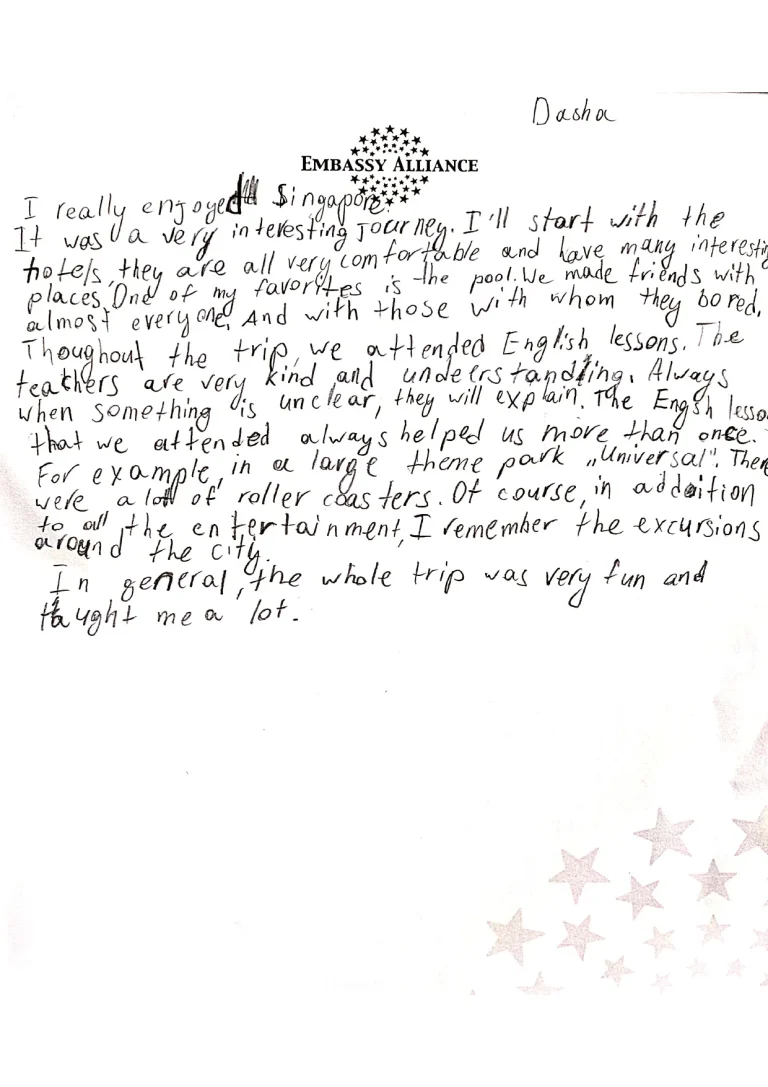
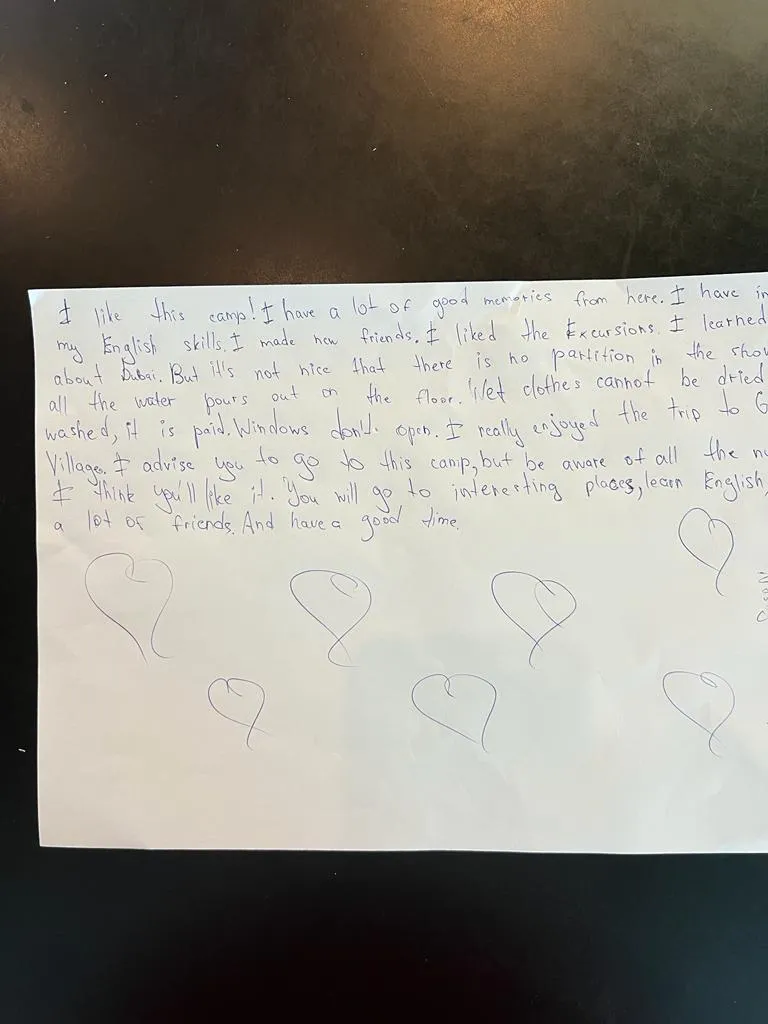
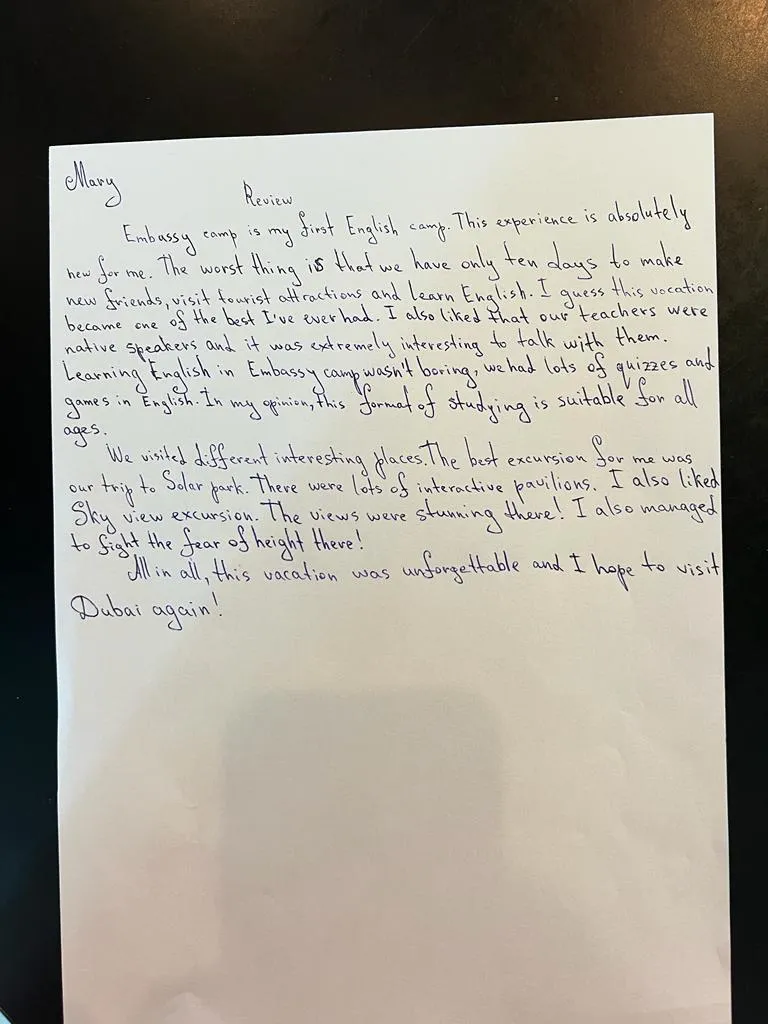
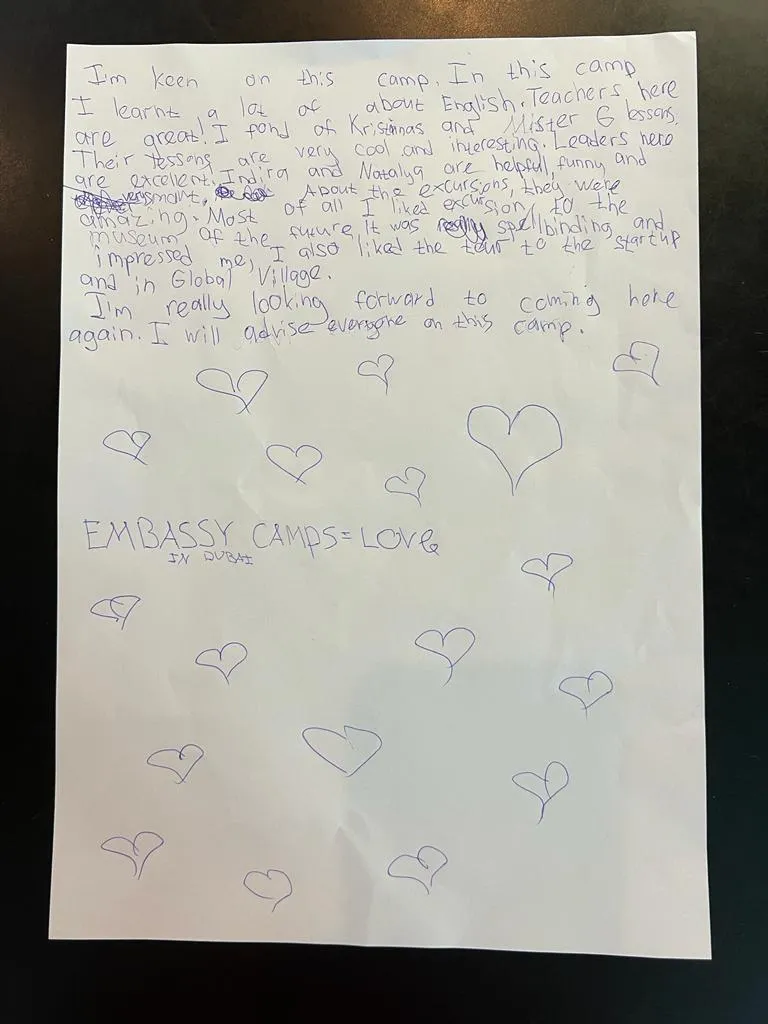
For international summer camps, parents should ask how updates are shared, who they contact during the program, whether there is a dedicated group leader, how emergencies are handled and how often they can expect teen camp parent updates. At Embassy Camp, published safety information says professional group leaders care for students 24/7, every group of 16 students has one camp leader and one assistant, and camp leaders accompany participants from dozens of airports. These details are important because parent communication works best when supervision is clearly assigned.
The goal is not to message your child every hour. The goal is to have a clear camp communication policy that keeps parents reassured while giving teenagers enough independence to grow.
For most parents, sending a teenager to an international summer camp is exciting, but it also brings questions. Is my child safe? Did they arrive on time? Are they eating well? Are they making friends? Who should I contact if I need help?
These questions are normal, especially for first-time teen travelers. Parent communication during summer camp helps families feel connected without interrupting the student’s experience.

Why Parent Communication Matters During International Summer Camp
A good communication system should do three things:
- Confirm the child has arrived safely
- Keep parents informed about the camp routine
- Provide a clear contact process if there is a problem
Parents should not have to guess whether updates will come through WhatsApp, email, phone or a parent group. The camp communication policy should be explained before departure.
Parents who are still choosing a program can also read Embassy Camp’s guide on how to choose the right international summer camp.
What a Good Camp Communication Policy Should Include
A strong camp communication policy does not need to be complicated. It just needs to be clear, consistent and realistic.
Parents should ask the camp:
- Who is the main contact person during the program?
- Will parents receive arrival confirmation?
- Are updates shared by WhatsApp, email, phone or another platform?
- Are updates sent daily, every few days or only when needed?
- Can parents contact the group leader directly?
- Can students use their phones during camp?
- What happens if a parent cannot reach their child?
- What happens if the child feels unwell or homesick?
- How are emergencies communicated?
- Are photos or activity updates shared with parents?
The best parent communication during summer camp gives families peace of mind while still allowing teenagers to participate fully in classes, activities, excursions and social time.
How Parents Usually Stay in Touch During Camp
Every camp handles communication differently, but most international programs use a combination of parent updates, student phone access and emergency contact support.
1. Arrival Confirmation
The first update parents usually want is simple: “Your child has arrived safely.”
For teen summer camps abroad, this may happen after airport pickup, after the student reaches accommodation or after group check-in. Arrival confirmation is especially important when students travel internationally without parents.
At Embassy Camp, the website says camp leaders accompany participants from dozens of airports, which supports the wider airport arrival process for international campers. Parents can also read more about how airport pickup works for teen summer camps abroad.
Parents should ask:
- Will I receive confirmation after airport pickup?
- Will I receive confirmation after accommodation check-in?
- Who sends the arrival update?
- What should I do if I do not receive an update?
This is one of the most important parts of teen camp parent updates because it reduces anxiety at the start of the program.
2. WhatsApp Updates and Parent Groups
Many parents prefer summer camp WhatsApp updates because WhatsApp is fast, familiar and easy to check during international travel. Depending on the camp, updates may be sent through a parent group, broadcast list, direct message or camp advisor.
WhatsApp updates may include:
- Arrival confirmation
- Daily highlights
- Schedule reminders
- Excursion updates
- Important timing changes
- Photos or short activity notes
- Emergency notices, if needed
Parents should remember that not every camp uses WhatsApp in the same way. Some programs may use email, phone calls or a parent portal instead.
Before booking, ask whether summer camp WhatsApp updates are part of the communication plan. If yes, ask whether the group is used for announcements only or for parent questions as well.

3. Student Phone Access
Teenagers usually want to use their phones during camp, but unlimited phone use can distract from learning, social activities and sleep. A good camp will usually balance connection with independence.
Parents should ask:
- Can students keep their phones during the day?
- Are phones restricted during lessons or activities?
- Is there Wi-Fi at the accommodation?
- Are students allowed to call parents in the evening?
- What happens if a student loses their phone?
- Will the camp help students get a local SIM card if included in the program?
Some Embassy Camp program pages mention local SIM cards and transport according to the program, but inclusions can vary by destination and camp package. Parents should confirm the latest details before booking.
4. Group Leader Communication
For parent communication during summer camp, the most important person is often the group leader. This is the adult responsible for the student group and daily supervision.
Embassy Camp’s published safety information states that professional group leaders care for children 24/7 and that every group of 16 students has one camp leader and one assistant.
This matters because parents should know who is responsible for their child during:
- Airport arrival
- Accommodation check-in
- Meals
- Classes
- Activities
- Excursions
- Evening routines
- Emergencies
Parents should ask whether the group leader is also the parent contact, or whether parent communication is handled by a separate camp coordinator.
5. Emergency Communication
Emergency communication should always be clear before departure. Parents should not have to search for phone numbers after a problem happens.
A camp communication policy should explain:
- Emergency phone number
- Main camp contact
- Backup contact
- Local destination contact
- Medical support process
- Parent notification process
- What happens if a student is sick, injured or emotionally distressed
Parents should also share important information before the camp starts, including allergies, medication, dietary needs, emergency contacts and any personal concerns that may affect the student’s wellbeing.
For broader preparation, parents can also use Embassy Camp’s international summer camp safety checklist for parents.
How Often Should Parents Receive Updates?
There is no single perfect update schedule. Some parents prefer daily updates, while others are comfortable with key updates at arrival, excursions and departure.
A realistic communication plan may include:
| Update Type | When It Usually Happens | Why It Matters |
|---|---|---|
| Arrival confirmation | After airport pickup or accommodation check-in | Reassures parents that travel went smoothly |
| Daily or regular updates | Once a day or several times per week | Shows that students are active and following the program |
| Excursion updates | Before or after major trips | Helps parents understand where students are going |
| Important notices | When plans change | Keeps families informed about timing or logistics |
| Emergency updates | Immediately when needed | Gives parents direct communication during serious issues |
| Departure confirmation | On the final travel day | Helps parents track return travel |
For first-time families, it is better to ask the camp what is normal rather than expecting constant messages. Teenagers also need space to participate fully in the camp.
How Much Should Parents Message Their Teenager?
Parents naturally want to check in, but too much messaging can make homesickness worse. It can also pull teenagers away from new friends, activities and personal growth.
A healthy approach is to agree on a simple communication rhythm before camp starts.
- A short message after arrival
- One evening message or call every few days
- Extra contact if the student feels unwell or anxious
- No constant checking during lessons, meals or excursions
The right balance depends on the child’s age, personality and travel experience. Younger students may need more reassurance, while older teenagers may benefit from more independence.
Parents preparing a child for the first trip can also read Embassy Camp’s guide on how to prepare your teen for their first international camp.
What Age Needs the Most Parent Communication During Summer Camp?
Parent communication during summer camp is important for every age, but the level of contact should match the child’s maturity.
| Age Group | Communication Need | Parent Advice |
|---|---|---|
| 9 to 11 | High | Use clear routines, arrival confirmation and regular parent updates. |
| 12 to 14 | Moderate to high | Agree on check-in times and explain who the child should contact at camp. |
| 15 to 17 | Moderate | Give more independence while keeping emergency contact clear. |
| 18 to 19 | Lower to moderate | Confirm whether the camp treats them as minors or young adults. |
The goal is not to remove independence. The goal is to support it safely.
How Safe Is Parent Communication During Summer Camp for First-Time Teen Travelers?
Parent communication during summer camp can be very helpful for first-time teen travelers because it gives both parents and students a clear support system. The safest setup includes arrival confirmation, group leader contact, emergency numbers and realistic update expectations.
Parents should avoid relying only on the child’s personal phone. A teenager may lose battery, have no data, miss a message or feel unsure what to say. Camp-level communication gives parents a more reliable support channel.
For first-time travelers, parents should confirm:
- How the camp confirms arrival
- Who sends updates
- How parents contact the team
- What happens if the child does not reply
- How medical or emotional concerns are handled
- Whether the student has Wi-Fi or local SIM access
Parents asking broader safety questions can also read Are International Summer Camps Safe for Teenagers?
What Should Parents Check Before Booking?
Before booking, parents should ask direct questions about the camp communication policy. Communication is part of parent trust, and it should not be treated as an afterthought.
Use this checklist:
- Will parents receive arrival confirmation?
- Are regular teen camp parent updates provided?
- Are updates sent by WhatsApp, email, phone or parent portal?
- Is there a parent WhatsApp group or broadcast list?
- Who is the main contact person during the camp?
- Is there a 24/7 emergency contact number?
- Can parents contact the group leader directly?
- Can students keep their phones?
- Are there phone-use rules during lessons and activities?
- Is Wi-Fi available at accommodation?
- Is a local SIM card included or recommended?
- How does the camp handle homesickness?
- How are medical updates shared?
- Will parents receive departure confirmation?
This checklist works well with a larger camp review process. Parents can also read Embassy Camp’s guide on what is included in an international summer camp fee.
WhatsApp Updates vs Direct Calls
Summer camp WhatsApp updates are useful because they are quick and easy, but they should not replace proper emergency communication.
| Channel | Best For | Parent Note |
|---|---|---|
| WhatsApp updates | Short updates, arrival confirmation, group announcements, activity highlights and reminder messages. | Ask whether WhatsApp is used for announcements only or two-way parent questions. |
| Direct calls | Medical concerns, emotional distress, travel delays, lost documents or urgent parent decisions. | Keep emergency phone numbers saved separately from group chats. |
Parents should ask whether WhatsApp is monitored throughout the day or only during certain hours. They should also keep emergency phone numbers saved separately.
What Is Included in the Program Fee?
Communication support may not always appear as a separate line item in the program fee, but it is part of the overall camp experience.
Parents should ask whether the fee includes:
- Airport arrival support
- Local SIM card, if offered
- Wi-Fi access at accommodation
- Group leader supervision
- Parent updates
- Emergency support
- Excursion supervision
- Local transport updates
- Departure coordination
Program inclusions vary by destination and package. Families comparing costs can read Embassy Camp’s guide on how much international summer camps cost.
Red Flags Parents Should Avoid
Be careful if a camp cannot explain how parents will stay informed. A good program should make communication clear before payment.
- No parent contact person
- No arrival confirmation process
- No emergency number
- No explanation of update frequency
- No clear phone rules for students
- No guidance for homesickness
- No process for medical updates
- No backup contact if the main person is unavailable
- Vague answers about WhatsApp or parent groups
If communication sounds unclear before booking, it may also feel unclear during the program.
Embassy Camp Perspective: Communication Supports Trust
Parent communication during summer camp is closely connected to supervision. Parents feel more comfortable when they know who is responsible for their child and how updates are shared.
Embassy Camp’s published safety information highlights 24/7 group leader care, one camp leader plus one assistant for every 16 students, airport accompaniment and separate guarded dormitories or hotel floors for male and female participants.
These points help parents understand the supervision structure behind communication. A clear contact process is strongest when there is also a clear care structure.
Parents exploring destinations can compare Embassy Camp summer camps in Malaysia, summer camps in Singapore, summer camps in Dubai, summer camps in Bali, summer camps in Korea, summer camps in Spain and summer camps in China.
Need help understanding camp communication?
Speak with an Embassy Camp advisor to compare destinations, parent updates, airport support, accommodation, supervision and the best program fit for your child.
Explore Embassy Camp ProgramsFAQs About Parent Communication During Summer Camp
What is parent communication during summer camp?
Parent communication during summer camp is the process used to keep families informed while students are away. It may include arrival confirmation, WhatsApp updates, email updates, emergency contacts, phone calls, camp advisor support and communication through group leaders.
What age needs the most parent communication during summer camp?
Younger students and first-time teen travelers usually need more parent communication. Students aged 9 to 14 often benefit from clearer routines, arrival confirmation and regular updates. Older teenagers may need less frequent contact but still need emergency support.
How safe is parent communication during summer camp for first-time teen travelers?
It is safest when parents have more than one contact option. A strong communication plan includes a group leader, emergency phone number, arrival confirmation, student phone access rules and a process for medical or emotional concerns.
Do camps provide summer camp WhatsApp updates?
Some camps use WhatsApp groups, broadcast lists or direct messages for parent updates, while others use email, phone calls or parent portals. Parents should ask before booking how updates are shared and whether WhatsApp is used for announcements or two-way communication.
How often should parents receive teen camp parent updates?
This depends on the camp policy. Some camps share daily updates, while others provide arrival, excursion and departure updates. Parents should confirm the update schedule before the program starts so expectations are clear.
Can parents call their child during camp?
Usually yes, but phone rules vary. Some camps limit phone use during lessons, meals and activities so students can focus on the experience. Parents should agree on a reasonable check-in schedule before departure.
What should parents check before booking?
Parents should check who sends updates, how often updates are shared, whether WhatsApp is used, who the emergency contact is, how medical issues are communicated, whether students can use phones and how arrival and departure confirmation works.
What if my child does not reply during camp?
Parents should not panic immediately. The student may be in class, on an excursion, asleep or without internet. Parents should use the official camp contact process if they are concerned, rather than relying only on the child’s phone.
Final Thoughts
Parent communication during summer camp is one of the strongest trust factors for international programs. It helps parents feel informed, helps students feel supported and makes the camp experience easier for everyone.
The best communication systems are clear before departure. Parents should know who to contact, how updates are shared, how emergencies are handled and how often they can expect news from the camp.
A good international summer camp should give teenagers room to grow, while still giving parents the reassurance that their child is supervised, supported and reachable when needed.