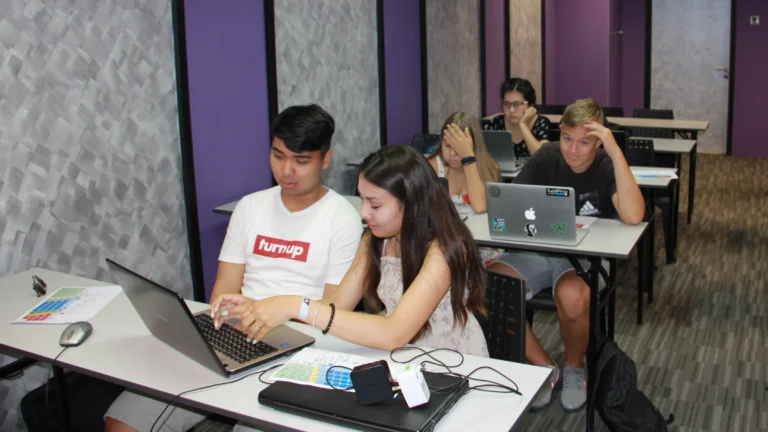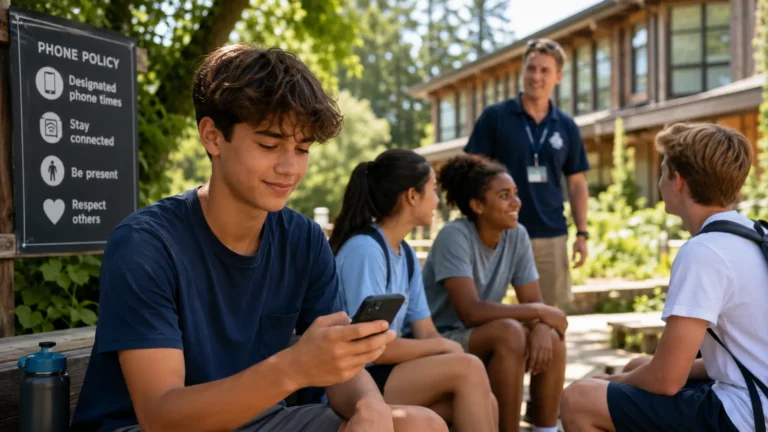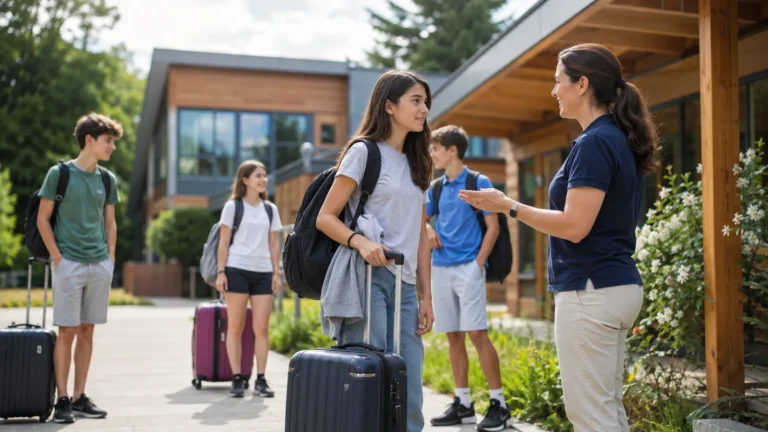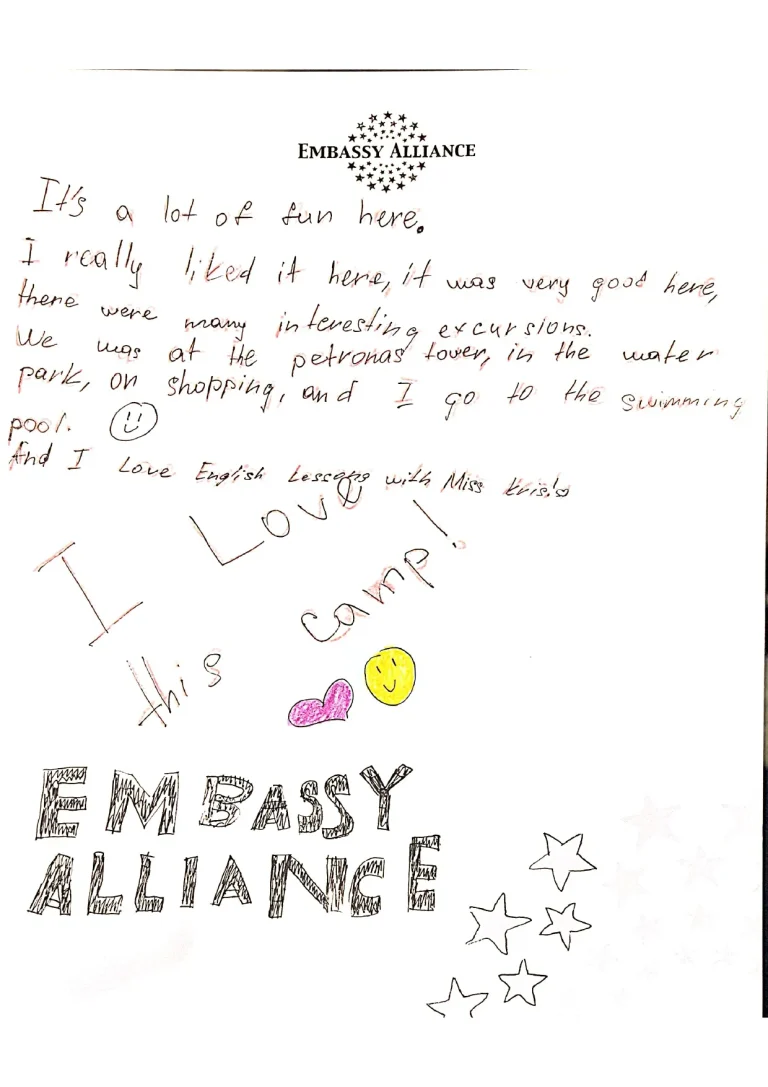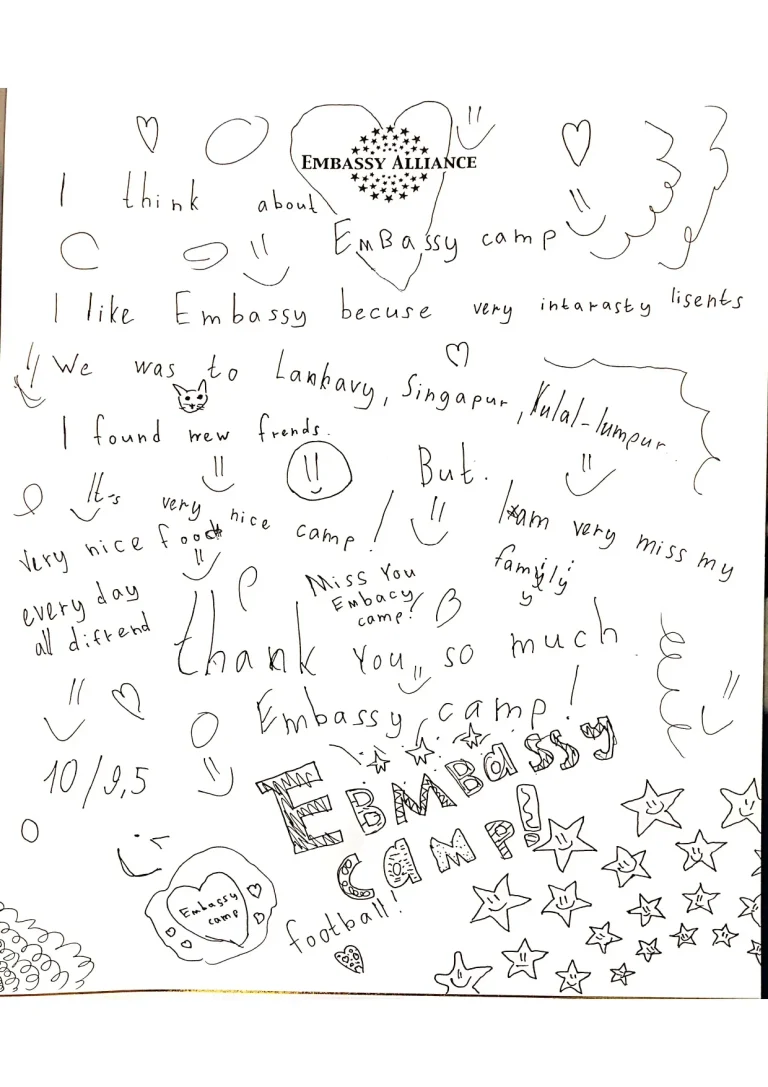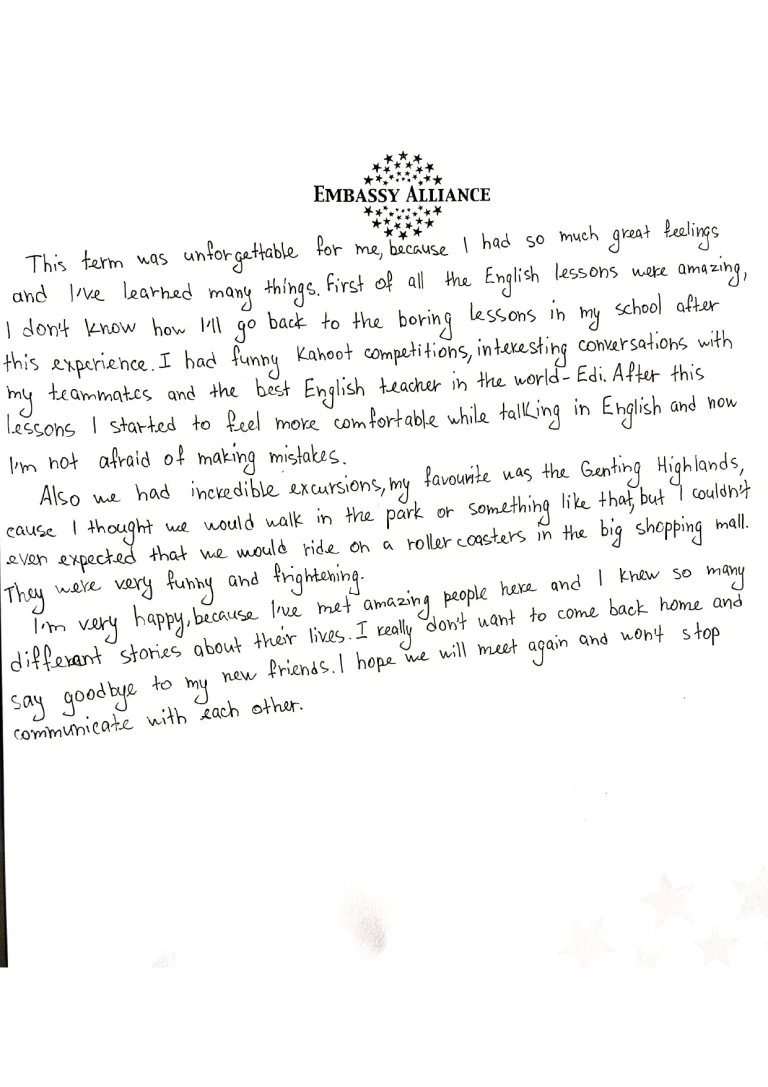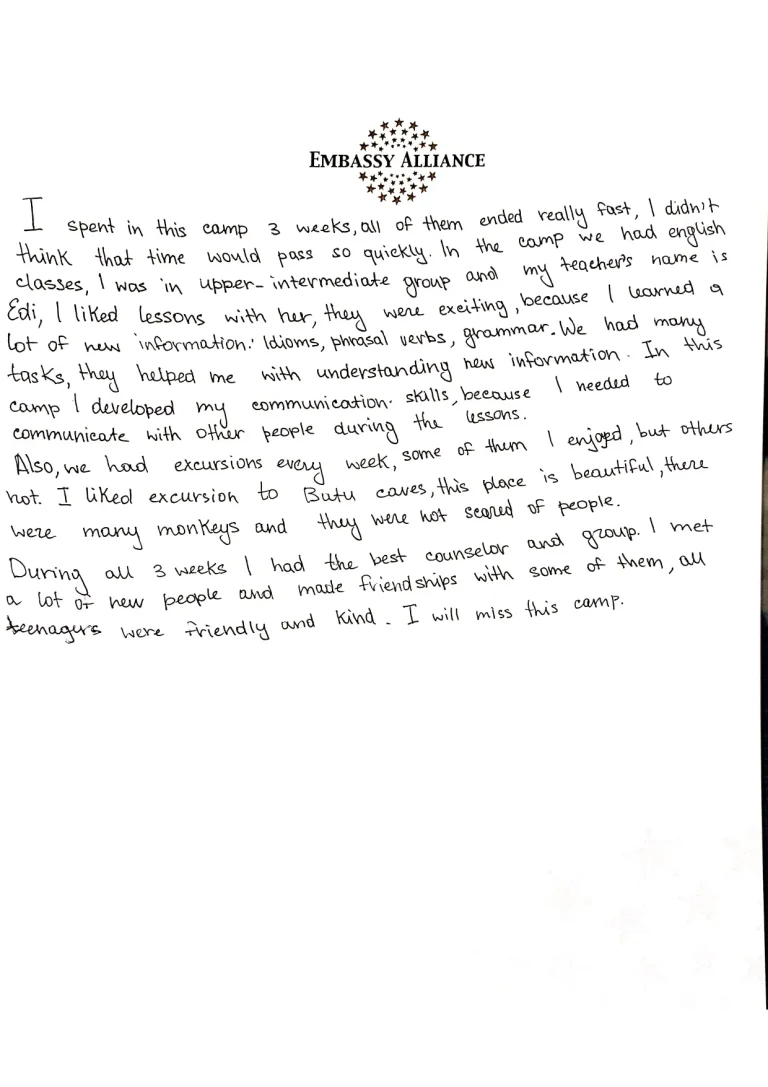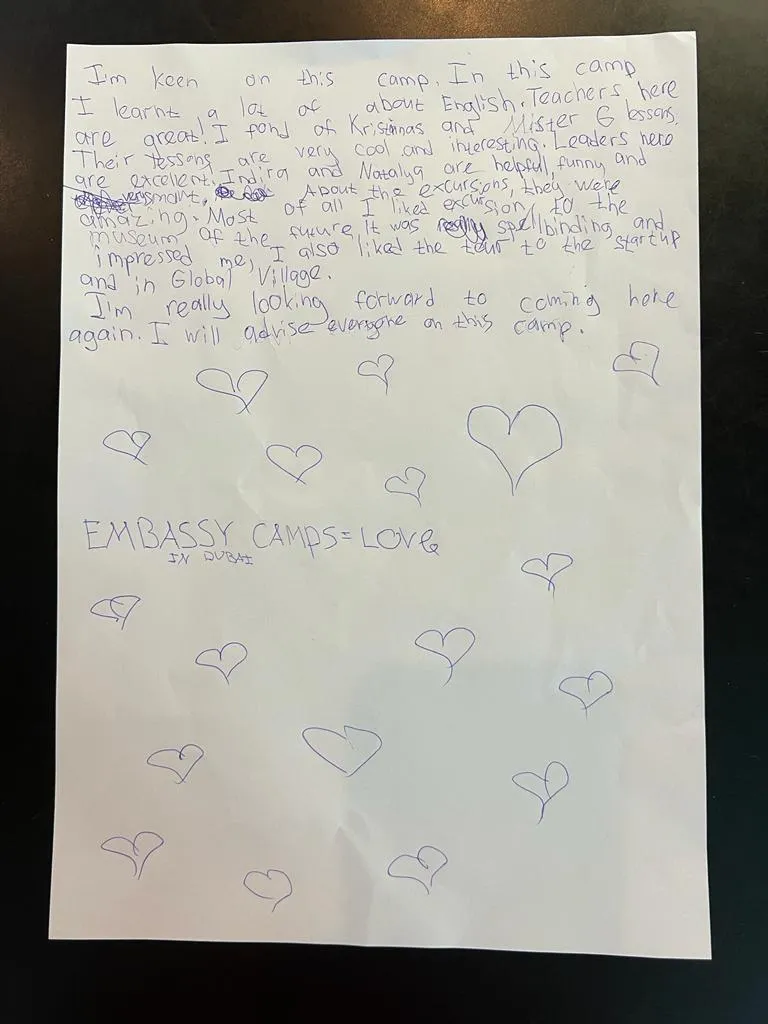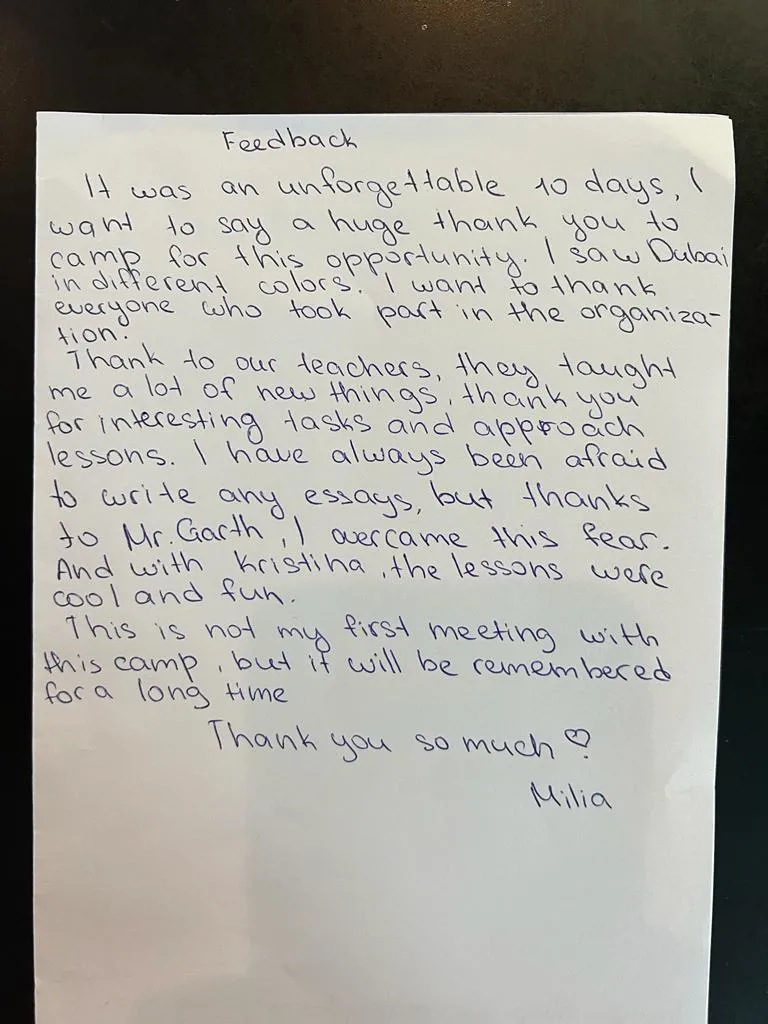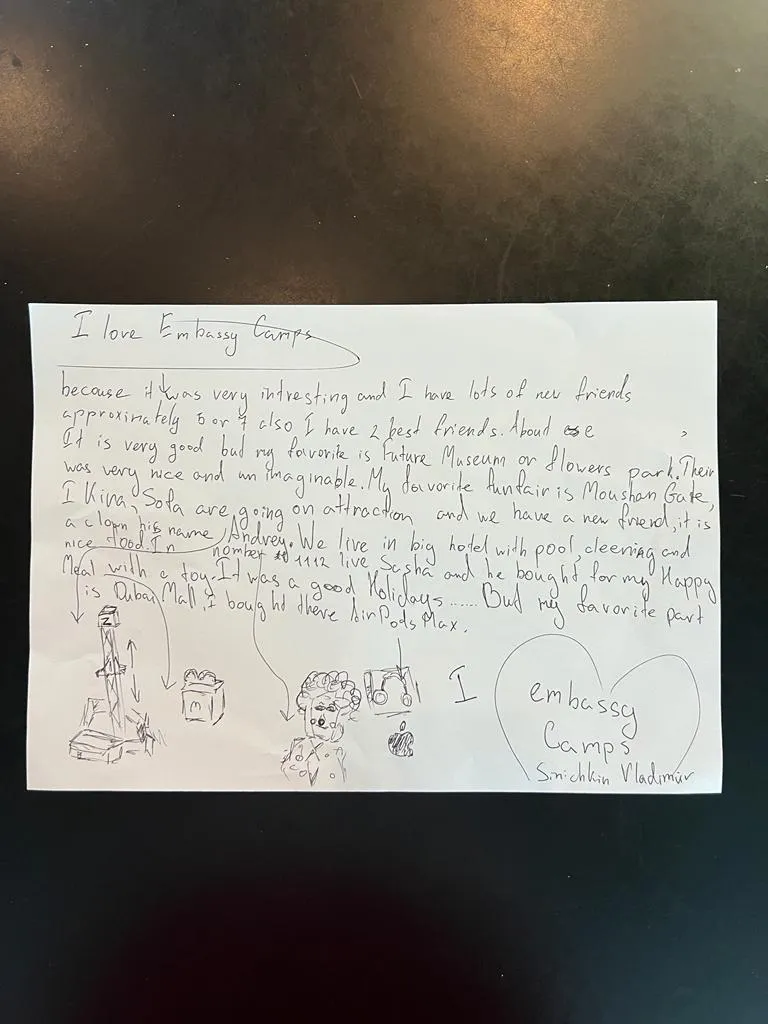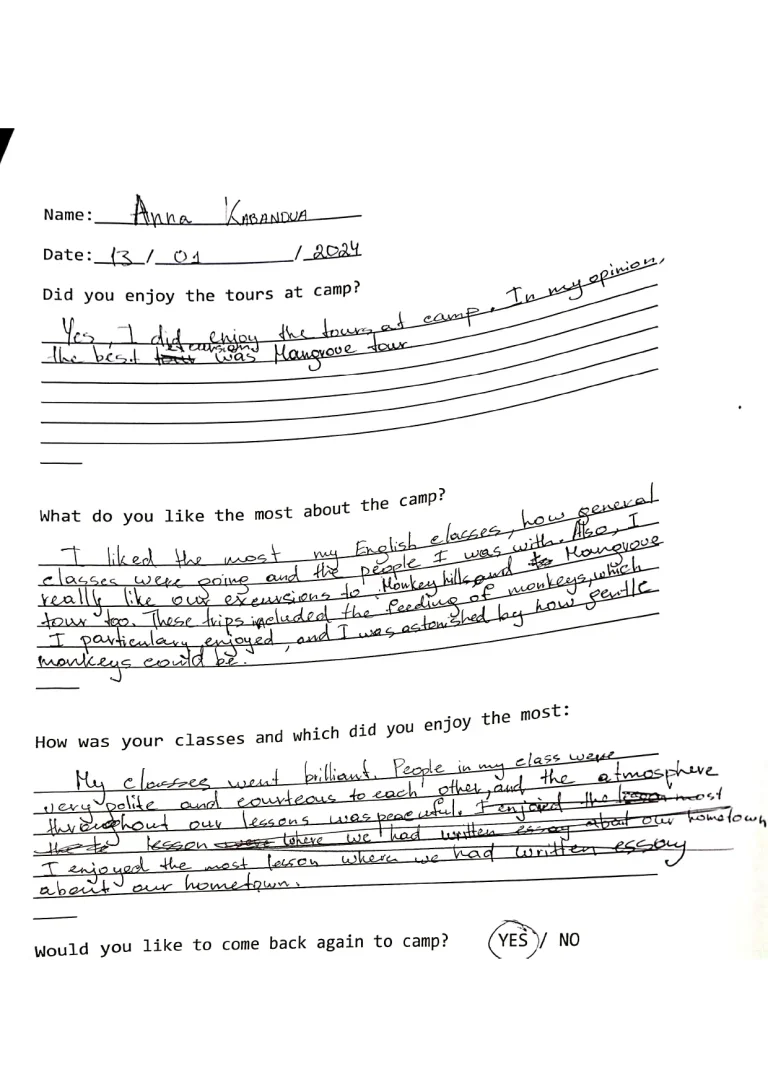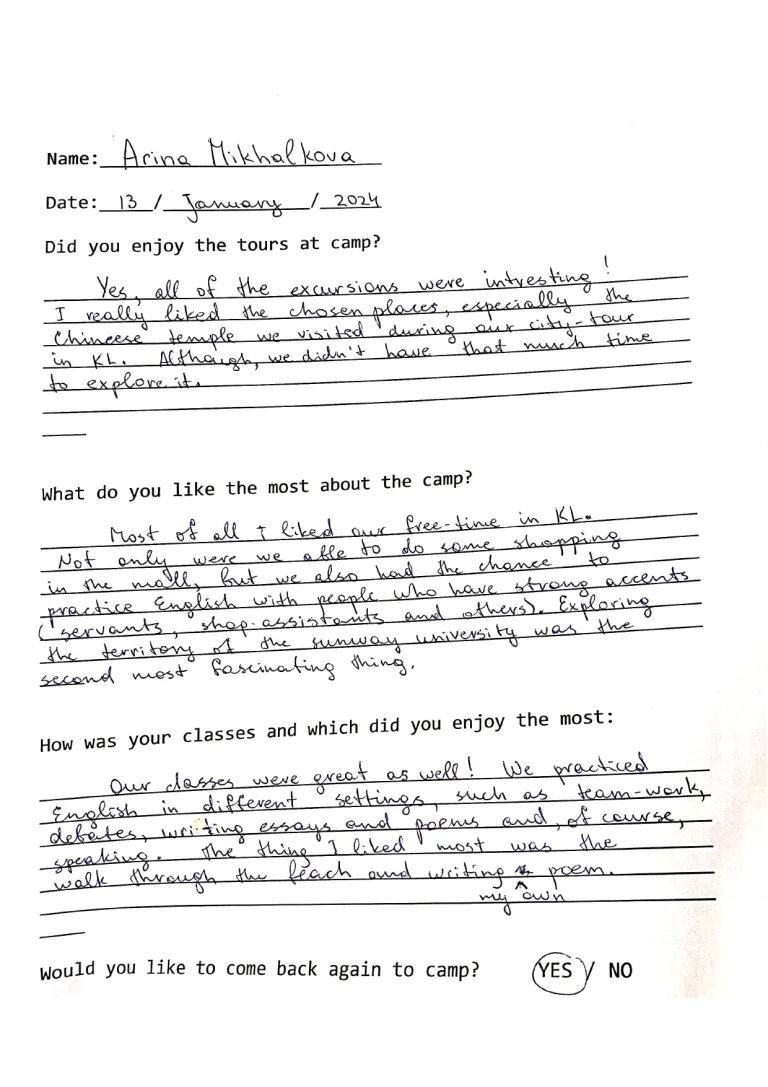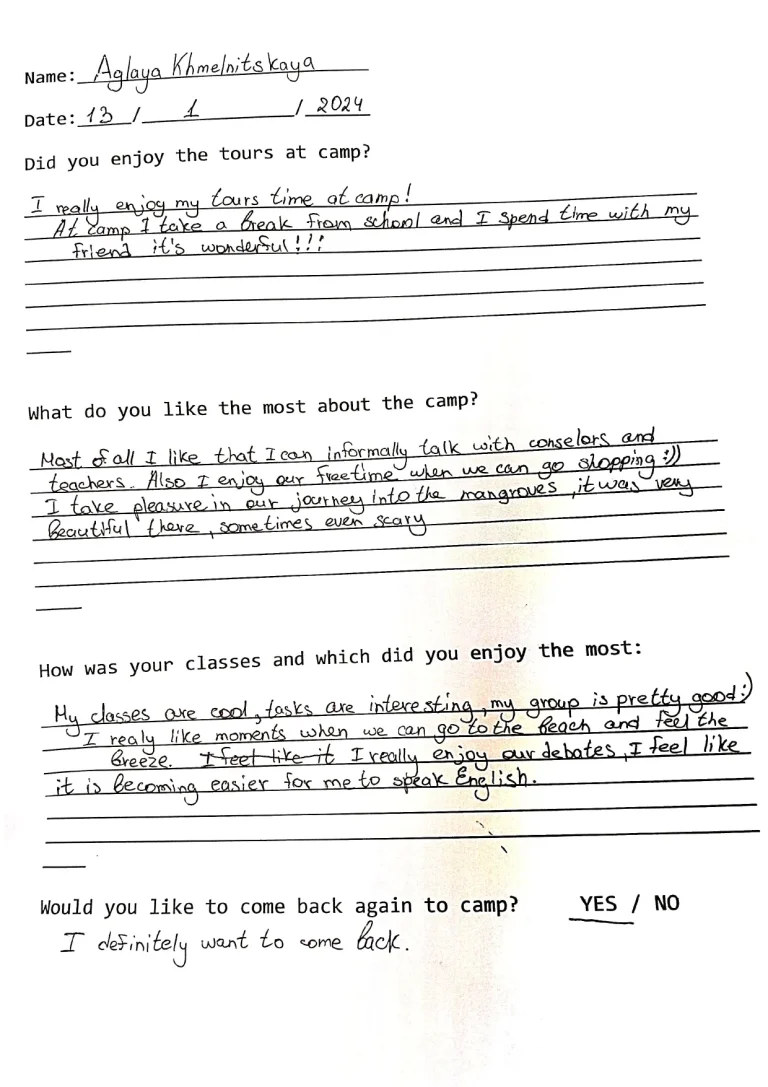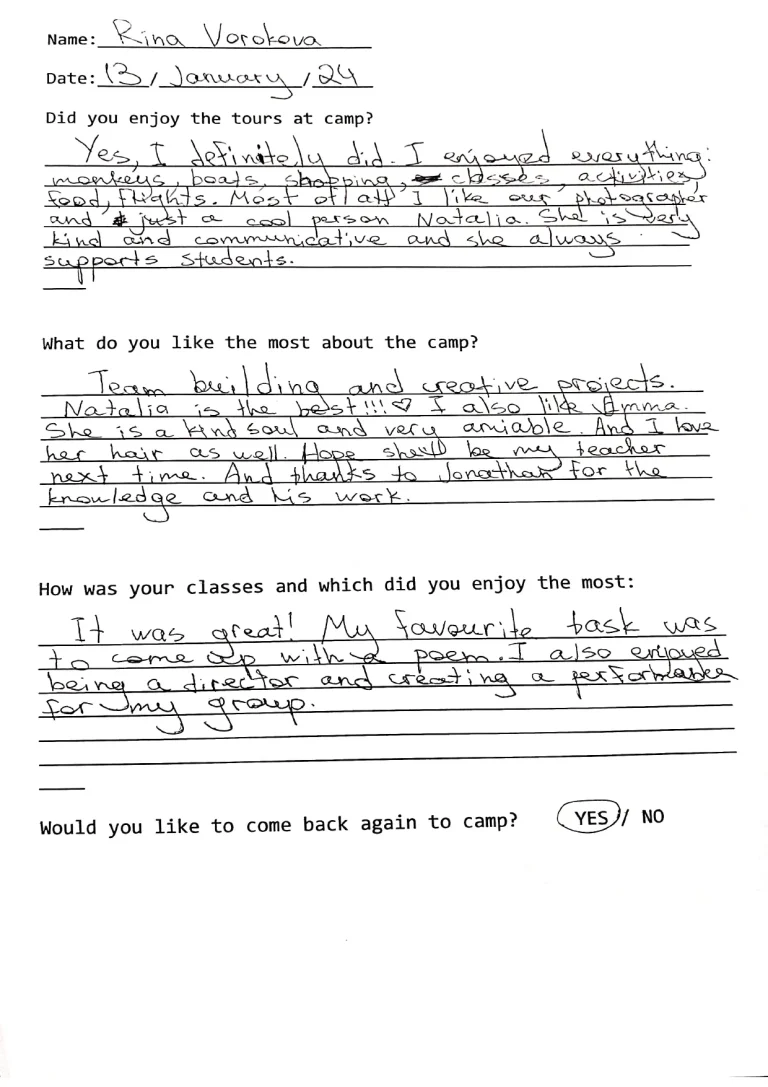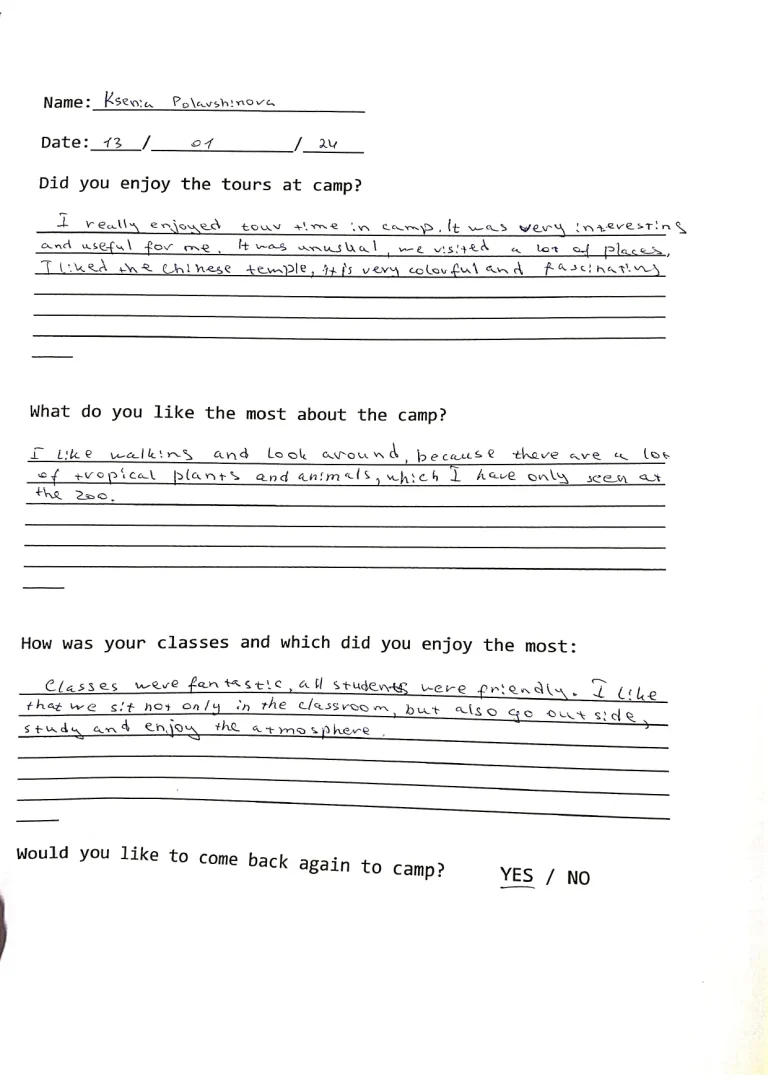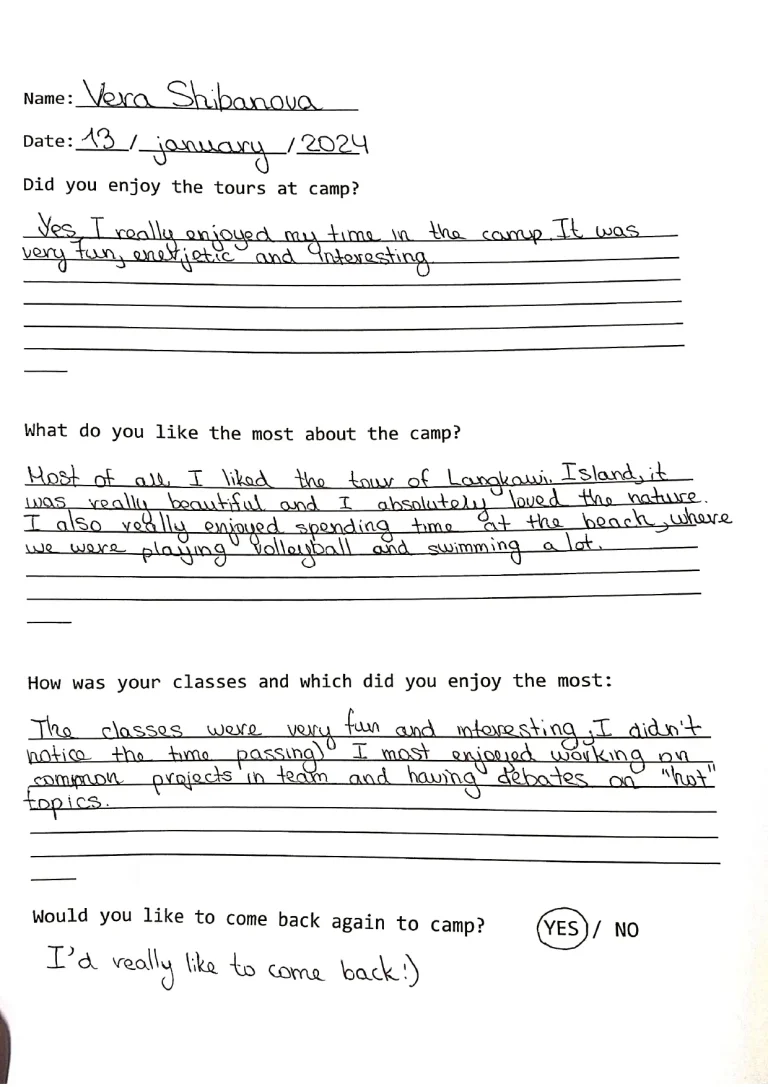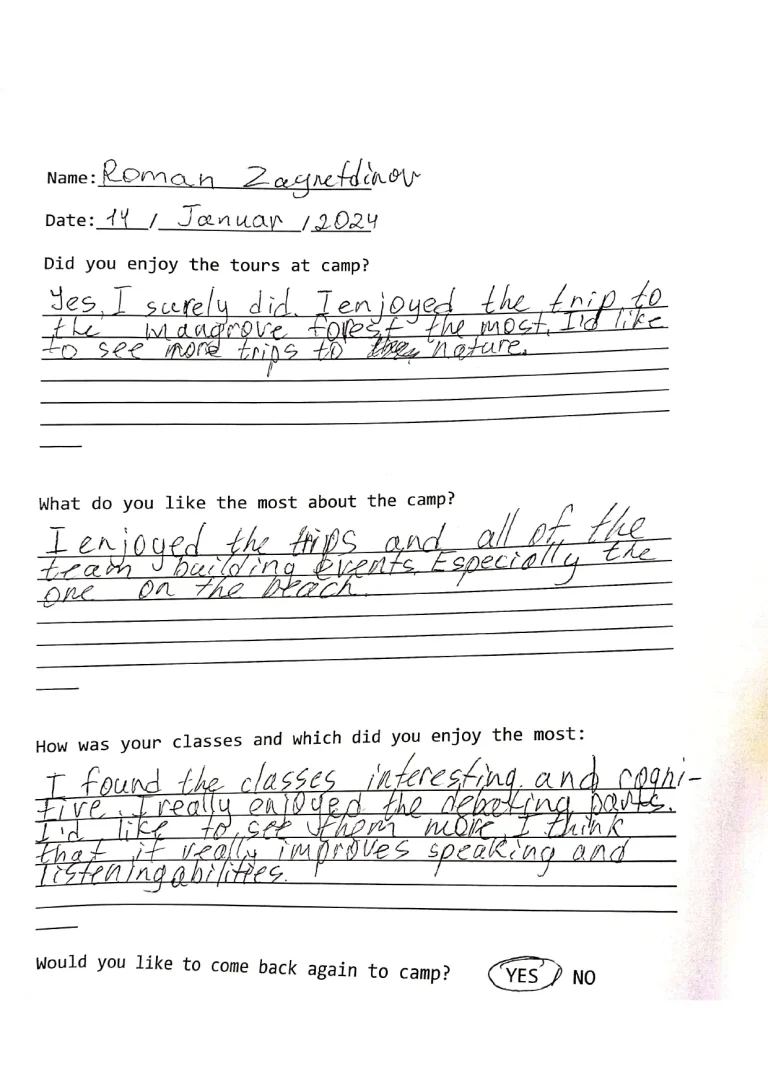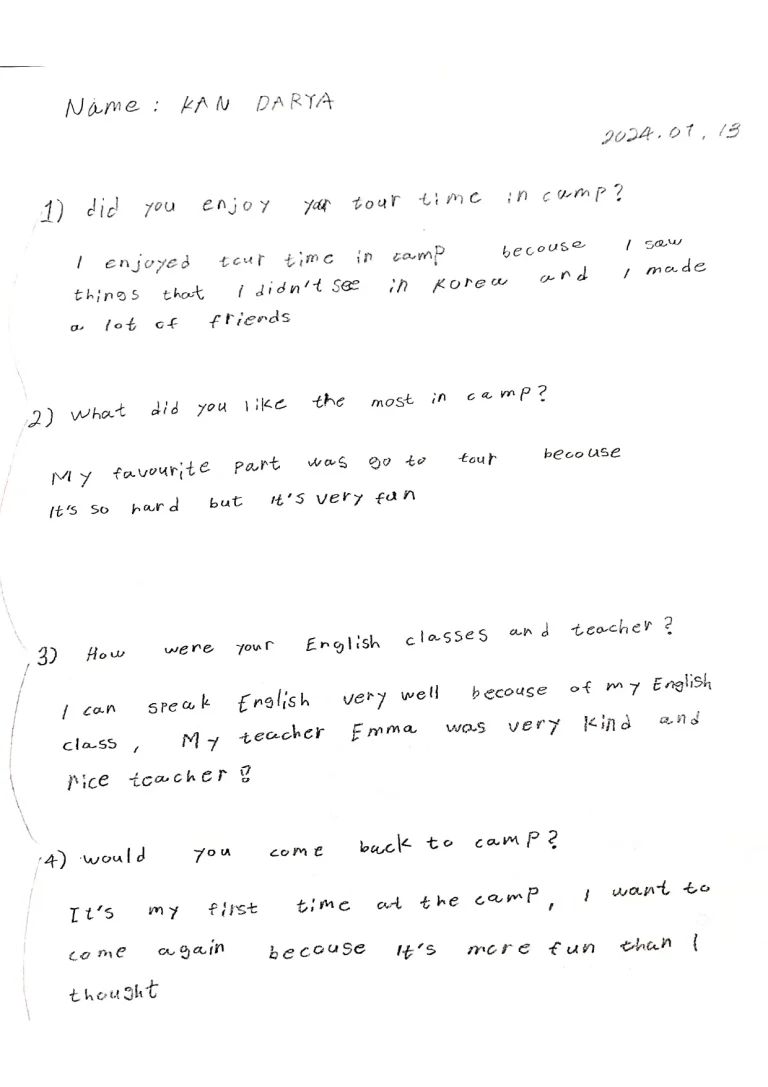



Summer camps abroad for teens are one of the most useful growth experiences parents can choose during the school years.
A strong program helps teenagers build confidence, learn future-ready skills, form cross-cultural friendships, and practise independence in a safe setting.
This parent guide explains how to choose, prepare for, and book the right international camp program for your teenager in 2026.
What Are Summer Camps Abroad for Teens?
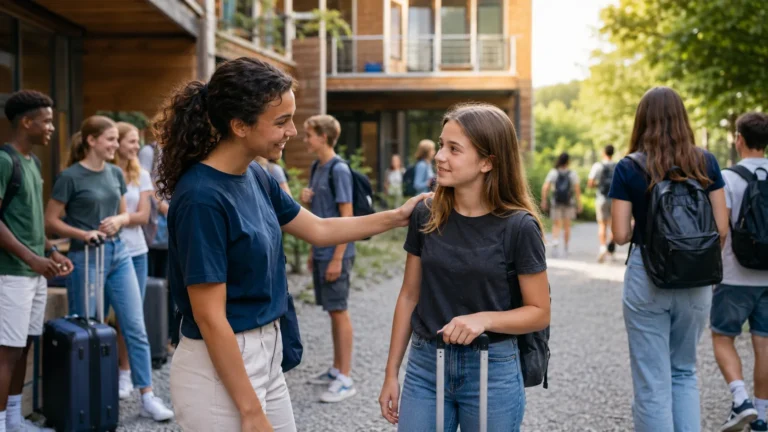
Summer camps abroad for teens are structured residential programs in another country. Teenagers live, learn, and take part in planned activities with peers from different cultures.
They are not simple holidays, tours, or extra classes. The best overseas summer camps for teenagers are designed to support clear growth outcomes.
- Leadership and communication
- English language confidence
- Independence and resilience
- Cultural awareness and global friendships
According to the Rustic Pathways 2026 Summer Camp Research Report, which brings together more than 50 verified statistics from the American Camp Association and peer-reviewed studies, high-quality camp experiences improve independence, teamwork, leadership, and well-being.
Quick takeaway: A family trip gives a teenager a holiday. A structured international teen camp program gives them a growth experience with clear outcomes.
Why Are More Families Choosing Summer Camps Abroad for Teens in 2026?
Parents are choosing international teen camp programs because school alone cannot build every skill teenagers need today.
Academic results still matter. But universities and employers now value teenagers who can adapt, lead, communicate across cultures, and solve problems under pressure.
The World Economic Forum Future of Jobs Report highlights critical thinking, cross-cultural communication, adaptability, and AI literacy as key skills for the future workplace. Most school curricula do not develop these skills in a practical, daily way.
Mental health is another reason. The World Health Organization reports that one in seven adolescents aged 10 to 19 lives with a diagnosed mental health condition.
Research from the American Psychological Association also shows that even one week of reduced social media use can lower anxiety and depression in teenagers.
- Real peer connection
- A natural digital detox
- A meaningful daily routine
- A safe way to practise independence
Quick takeaway: A well-designed summer camp abroad gives teenagers structure, purpose, and real-world skills during school holidays.
What Types of Summer Camps Abroad Are Available for Teenagers in 2026?
The range of international camps for teenagers has grown quickly. Parents can now choose programs based on their teenager’s needs, not just the destination.

Leadership Camps Abroad
A leadership camp abroad helps teenagers practise real decision-making, teamwork, and communication. They learn by leading group tasks with peers they do not already know.
This makes the leadership experience more authentic than classroom role-play. Teenagers must listen, speak clearly, solve problems, and support the group.
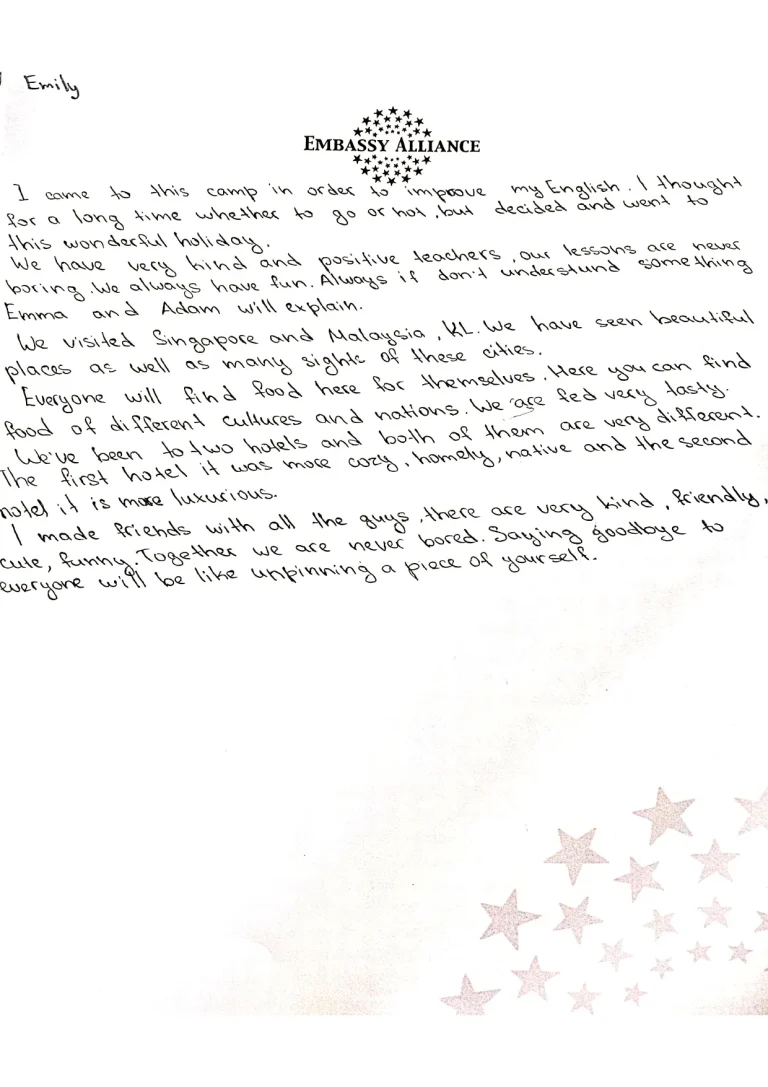
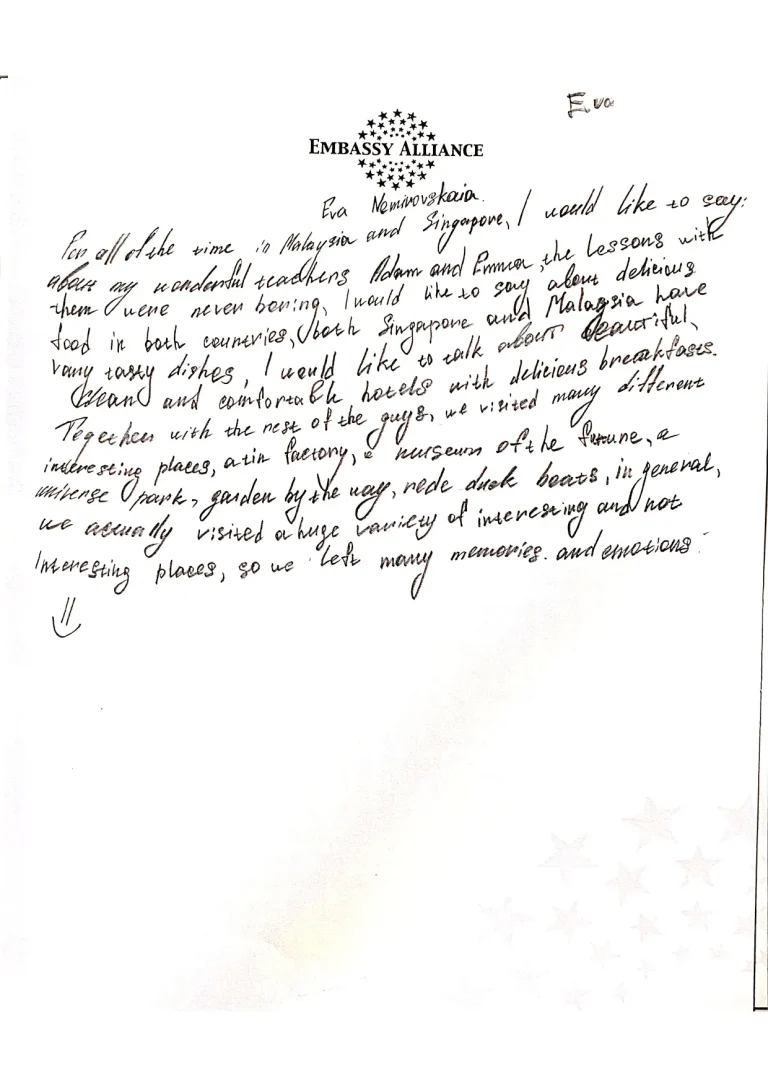
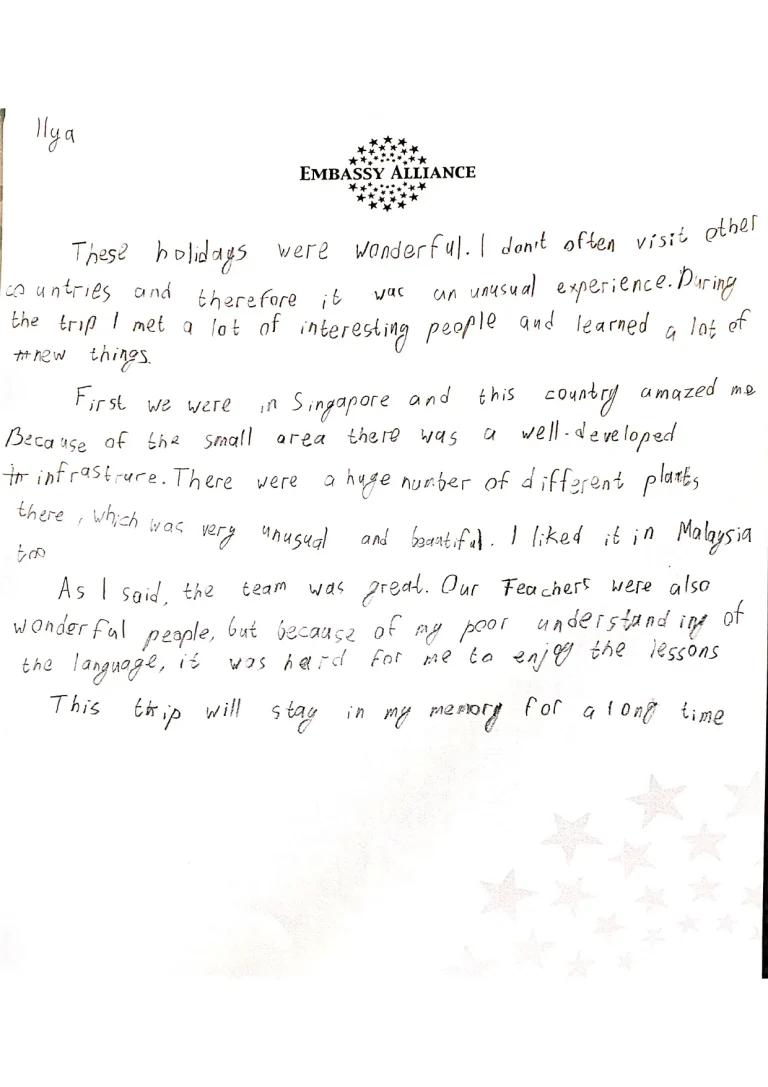
Embassy Camp Leadership Programs run across Malaysia, Singapore, Spain, and Bali. Each program combines structured leadership challenges with personal development activities.
Best for: Teenagers who want stronger communication, decision-making, and team leadership skills. This is also useful for university applications.
English Language Camps Abroad
An English language camp abroad is different from an English class. At camp, English becomes the language teenagers use to make friends, complete tasks, and share ideas.
Research on language acquisition shows that immersive environments can improve spoken fluency faster than classroom study alone, especially for teenagers who understand English but lack confidence.
Embassy Camp English Language Camp programs, including Q-Speak communication programs in Malaysia and Qatar, use English across activities, social time, and guided sessions.
Best for: Teenagers who want better spoken English, stronger public speaking, and more confidence in real conversations.
Academic Camps Abroad
Academic camps abroad combine learning with real-world exposure. They may include campus visits, study-skills workshops, critical-thinking tasks, and university preparation.
This is different from tuition. It helps teenagers connect academic goals with confidence, independence, and future planning.
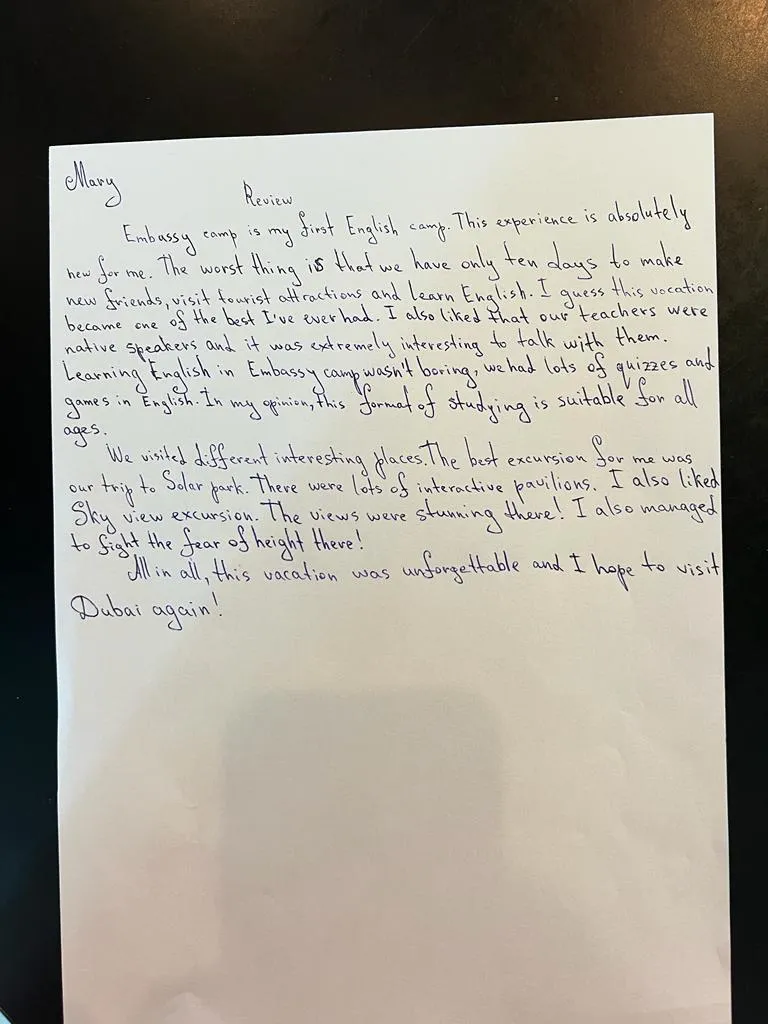
Embassy Camp Academic Camp programs run across Malaysia, Singapore, Dubai, Bali, Korea, and Qatar. They combine academic enrichment with personal growth and cross-cultural experience.
Best for: Teenagers preparing for university who need both academic development and a strong extracurricular story.
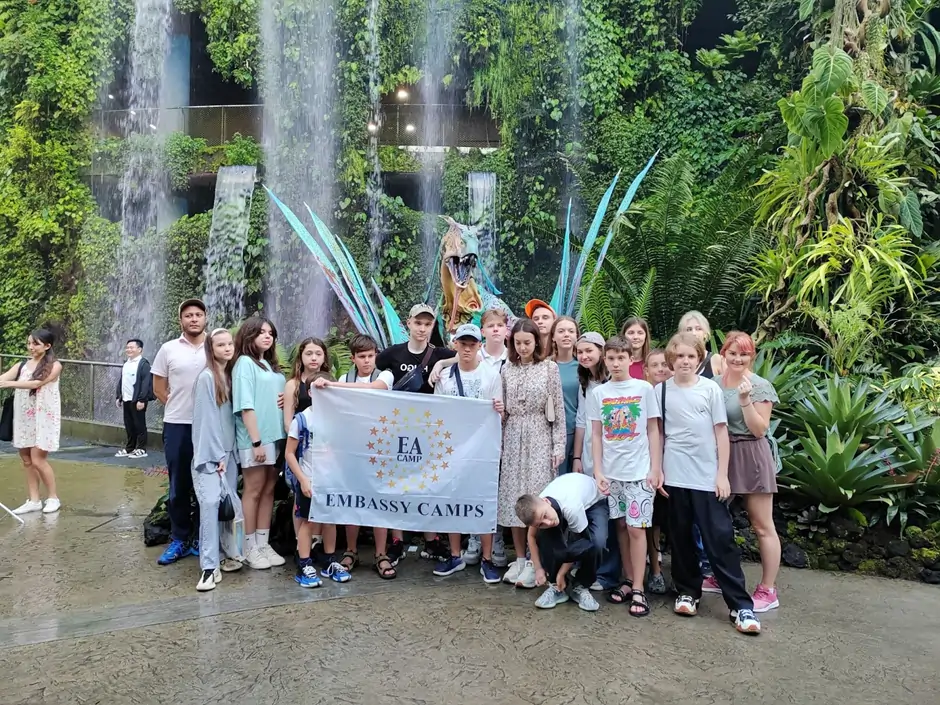
Adventure Camps Abroad
Adventure camps abroad use safe challenges to build confidence, resilience, and teamwork. Activities may include outdoor challenges, treks, group tasks, and destination-based experiences.
The goal is not danger. The goal is a healthy challenge with trained support.
Research from the National Center for Biotechnology Information confirms that structured group experiences with skilled adult supervision can increase adolescent resilience, optimism, and emotional self-control.
Embassy Camp Adventure Camp programs run across Bali, Spain, and Malaysia. Each activity is designed to create a challenge without unnecessary risk.
Best for: Teenagers who need more confidence, mental strength, and the satisfaction of completing something difficult.
AI and Future Skills Camps Abroad
AI and future skills camps are among the fastest-growing teen travel-abroad programs in 2026. Parents know that future career success will depend on more than exam results.
At Embassy Camp AI and Future Skills Camp, teenagers learn to use AI tools responsibly, judge information critically, communicate ideas clearly, and solve complex problems with structure.
The Rustic Pathways 2026 Research Report states that 75 percent of employers have positive impressions of applicants who include structured program experience on their resumes.
Best for: Teenagers interested in AI, technology, future careers, and practical skills that schools may not yet teach.
Cultural Immersion Teen Programs Abroad
Cultural immersion teen programs help teenagers experience a new culture from the inside, not as tourists.
They live, learn, eat, and build friendships with peers from different backgrounds. This supports empathy, cognitive flexibility, and cross-cultural communication.
Embassy Camp builds cultural exposure into programs across Malaysia, Singapore, Dubai, Bali, Korea, Qatar, and Spain.
Best for: Teenagers who need global awareness, international friendships, and a wider view of the world.
How Do You Choose the Right Summer Camp Abroad for Your Teenager?
Knowing how to choose a teen summer camp abroad helps parents avoid poor-fit programs. The right choice depends on your teenager’s needs, the safety standards, and the quality of the program design.
Do not choose only by price or destination. Choose by fit.
Factor 1: Match the Program to What Your Teen Actually Needs
Start with your teenager, not the brochure. Ask what they need most right now.
- A shy teen may need social confidence and peer connection.
- A high-achieving teen may need academic and leadership experience.
- A burnt-out teen may need adventure, nature, and a break from pressure.
The best summer camp abroad is not always the most famous one. It is the one that matches your teenager at this stage of life.
Parent tip: Involve your teenager early. The camps that create the most growth are often the ones the teenager genuinely wants to attend.
Factor 2: Evaluate Safety Standards Specifically
Teen camp abroad safety should be checked in detail. Do not rely on general reassurance.
Rustic Pathways 2026 research identifies safety as the first factor parents should evaluate when comparing teen travel abroad programs.
Ask these questions before booking:
- What is the staff-to-participant ratio?
- Where are staff stationed during the program?
- What qualifications do counselors have?
- What is the written emergency response protocol?
- What medical support is available on-site and nearby?
- How often do you update parents?
- What happens if a participant must leave early?
Warning sign: Vague answers, rushed booking pressure, or unclear safety details should make parents pause.
Factor 3: Look for Named Outcomes, Not Vague Promises
Every camp website uses words like growth and life-changing. These words only matter if the program can explain how growth happens.
Look for clear answers to these questions:
- What skills will my teenager develop?
- What does a typical day look like?
- What research or evidence supports the program design?
- What do verified parent reviews say?
A strong provider explains outcomes clearly. A weak provider relies on vague language.
Factor 4: Check Group Composition and Size
Group size and mix can shape the whole experience. Smaller groups often allow more attention from staff and a stronger peer connection.
Programs that deliberately mix nationalities usually produce stronger cross-cultural outcomes.
- How many participants are in each cohort?
- Which countries do participants come from?
- Is the group mixed by nationality and age?
Embassy Camp programs use mixed-nationality cohorts. A typical group brings together teenagers from six to ten countries.
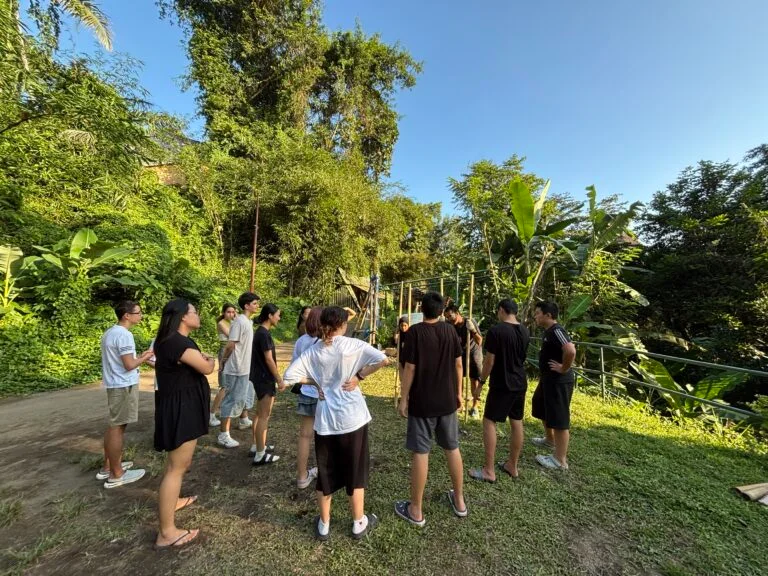
Factor 5: Involve Your Teenager in the Decision
A teenager who helps choose the camp is more likely to engage fully.
Review program options together. Watch destination videos. Read reviews. Let your teenager ask the camp team questions.
This creates ownership before departure. Ownership helps teenagers settle faster and take the experience seriously.
What Are the Best Destinations for Teen Summer Camps Abroad in 2026?
The best destination depends on what your teenager needs most. Use this quick guide to compare Embassy Camp destinations.
| Destination | What Makes It Useful | Best Program Types |
|---|---|---|
| Malaysia | Multicultural, accessible, safe, and well-developed. Good mix of city and nature. | Leadership, English Language, Academic, AI and Future Skills, Family Camp |
| Singapore | Very safe, organized, modern, and ideal for a first international camp experience. | Academic, Leadership |
| Dubai | Global city with strong facilities and a clear contrast between tradition and modern life. | Academic, Leadership, Adventure |
| Bali | Rich eco, cultural, creative, and outdoor environment. | Adventure, Cultural Immersion |
| South Korea | Engaging teens interested in K-culture, technology, and modern Asian culture. | Cultural Immersion, Academic, English Language |
| Qatar | World-class facilities, global culture, and strong English communication demand. | English Language (Q-Speak), Academic, Leadership |
| Spain | European culture, history, language, and outdoor experiences broaden perspective. | Adventure, Leadership, Cultural Immersion |
Destination matters, but program design matters more. A strong program in any destination can create a better outcome than a weak program in a famous location.
Quick takeaway: Choose the destination that gives your teenager the right level of cultural contrast, challenge, and comfort.
Are Summer Camps Abroad Safe for Teenagers?
Yes, summer camps abroad for teens can be safe when the provider is experienced, transparent, and professionally run.
Safety depends on the organization behind the program. Parents should check systems, staff, communication, and emergency planning before booking.
What Safety Standards Should You Look For?
According to Rustic Pathways’ 2026 research on teen travel program safety, high-quality teen camps share several non-negotiable safety commitments.
- Staff supervision: Trained adult leaders should be on-site 24 hours a day.
- Supervision ratio: The American Camp Association recommends one staff member for every eight campers aged 13 to 16 at overnight camps.
- Staff qualifications: Staff should have first aid and CPR training, with background checks completed before appointment.
- Emergency protocols: The provider should have written emergency plans and confirmed access to local medical facilities.
- Parent communication: Parents should know when and how updates will be shared.
- Health support: The provider should manage illness, injury, dietary needs, and emotional distress clearly.
- Insurance: Travel and medical insurance should be included or available with the program fee.
Questions to Ask Any Camp Provider Before Booking
Use this checklist before paying a deposit:
What Embassy Camp Does for Safety
Embassy Camp applies safety standards across all seven destinations.
- Vetted and trained counselors with youth development and safeguarding qualifications
- 24-hour on-site staff presence
- Written emergency protocols for each destination
- Regular parent communication during the program
- Small group sizes for individual attention
- Pre-program health and dietary information was collected from every participant
- Transparent schedules shared with parents before departure
Parents should ask any safety questions they have before booking. A strong camp team will answer directly.
How Much Do Summer Camps Abroad for Teens Cost in 2026?
The cost of a teen camp abroad depends on destination, program type, duration, and what is included.
According to Go Overseas, language immersion programs abroad often range from USD 2,000 to USD 6,000 for two to four weeks, usually including tuition, accommodation, meals, and cultural activities.
Rustic Pathways 2026 research notes that the average cost per day for a one to three-week summer program abroad is about USD 370, excluding airfare.
| Cost Item | Estimated Range in 2026 |
|---|---|
| Program Fee | USD 1,500 to USD 5,000, depending on duration and destination |
| Return Airfare | USD 300 to USD 1,500, depending on route |
| Travel Insurance | USD 100 to USD 300, sometimes included |
| Personal Spending Money | USD 100 to USD 300 |
| Passport and Visa Costs | Varies by nationality and destination |
| Total Estimated Range | USD 2,000 to USD 7,000 for a one to three-week program |
The better question is not only how much it costs. Parents should also ask what the investment delivers.
Rustic Pathways 2026 research reports that 60 percent of camp alumni improved independence, teamwork, and leadership skills months after the program. It also states that 75 percent of employers have positive impressions of applicants who include structured camp experience on their resumes.
Practical ways to manage cost:
- Book early when quality programs open enrollment.
- Ask about group or sibling rates.
- Check what is included before comparing fees.
- Compare different holiday windows and destinations.
Quick takeaway: A summer camp abroad is not just a holiday expense. It is a developmental investment when the program is well-designed.

How Do You Prepare Your Teen for a Summer Camp Abroad?
Preparation helps teenagers settle faster, feel calmer, and take more from the experience.
Parents should prepare both the practical details and the emotional side of being away from home.
Six to Eight Weeks Before the Program
Start early conversations about the camp. Walk through the daily schedule and explore the destination together.
Ask what your teenager is excited about and what worries them. This keeps preparation calm and open.
Dr. Christopher Thurber of the American Camp Association notes that practice separations can reduce homesickness and anxiety during camp.
- Plan a sleepover with relatives.
- Try a short school or group overnight trip.
- Let your teen manage small tasks without parent help.
Two to Four Weeks Before the Program
Complete travel documents, insurance, health forms, and any camp requirements.
Pack with your teenager, not for them. A teenager who knows what is in their bag feels more independent from day one.
Summer camp abroad packing list:
- Comfortable activity clothing and spare changes
- Sturdy shoes already worn in
- Refillable water bottle with name label
- Personal care items and required medication
- Written medication instructions for camp staff
- Travel documents and copies are stored separately
- Travel adapter if needed
- Notebook and pen
- Small family photo or short handwritten note
- Name labels on everything
The Week Before Departure
Talk through the safety process. Your teenager should know who to speak to if they need help.
Discuss homesickness before it happens. Keep the tone calm and practical.
- Who will they contact first if they feel upset?
- What can they do when they miss home?
- When should they ask staff for help?
A plan made before departure is easier to use during the program.
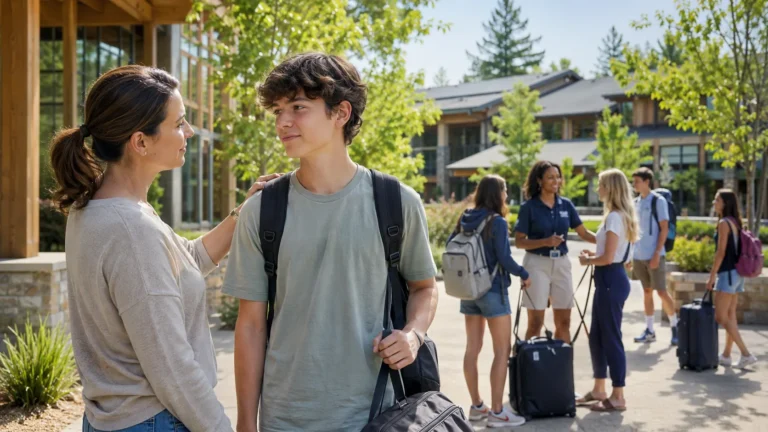
Drop-Off Day
Arrive a little early. Help your teenager meet at least one staff member before the program begins.
Then keep the goodbye short, warm, and confident. Your tone tells your teenager whether they should feel safe and ready.
Parent tip: A calm goodbye communicates trust. If you feel emotional, step away before showing too much worry.
What Do Teenagers Actually Gain From Summer Camps Abroad?
The outcomes of overseas summer camps for teenagers go beyond activities on a schedule. The research shows real growth in confidence, independence, social skills, and emotional strength.
Research published in the National Center for Biotechnology Information tracked 607 adolescents aged 14 to 17 through a two-week structured camp program. Participants showed increased empathy, emotional self-control, optimism, assertiveness, self-esteem, and readiness to contribute to their community.
The American Camp Association National Camp Impact Study, conducted across nearly 80 camps over five years, found measurable improvements in self-confidence, independence, leadership capacity, and social skills. Follow-up assessments showed that these gains can last for months.
Research also shows that 70 to 85 percent of campers report increased confidence after a structured camp program. In addition, 60 percent of alumni report improved independence, teamwork, and leadership months after camp.
Parents often notice smaller changes first:
- Their teenager seems calmer and more settled.
- They share stories without being pushed.
- They are more willing to try new things.
- They talk about friends from other countries.
- They show more confidence in unfamiliar situations.
Teen independence abroad grows through daily practice. Teenagers navigate a new setting, solve small problems, and build friendships without parents stepping in.
Psychologists call this self-efficacy, the belief that you can handle challenges. A strong international camp experience helps teenagers bring that belief home.
Summer Camp Abroad Program Types vs Key Benefits
Use this table as a quick reference. Choose based on what your teenager needs most right now.
| Program Type | Confidence | Leadership | Language | Resilience | Uni Prep |
|---|---|---|---|---|---|
| Leadership Camp | Very High | Very High | High | High | Very High |
| English Language Camp | High | Medium | Very High | Medium | High |
| Academic Camp | High | High | High | Medium | Very High |
| Adventure Camp | Very High | High | Medium | Very High | High |
| AI and Future Skills Camp | High | High | Medium | High | Very High |
| Cultural Immersion Camp | High | Medium | High | Medium | High |
Ready to Give Your Teenager This Experience?
At Embassy Camp, we design every program around one goal: helping teenagers grow into confident, capable, and globally aware young adults.
Our international camps run across Malaysia, Singapore, Dubai, Bali, Spain, Korea, and Qatar. Every program combines real skill-building, cross-cultural friendships, and structured challenge in an environment that is safe, supervised, and genuinely transformative.
FAQ: Summer Camps Abroad for Teens
What is the right age for a teenager to attend a summer camp abroad?
Most teenagers are ready from around age 10 to 12, depending on maturity and prior experience away from home. Embassy Camp runs programs for teenagers aged 10 to 18, with program design adjusted for different age groups. Emotional readiness matters as much as age.
How do I know if a summer camp abroad is legitimate and safe?
Look for a transparent website, named programs, staff details, parent reviews, clear pricing, and specific safety information. Ask about emergency protocols, staff qualifications, supervision ratios, and communication. Vague answers are warning signs.
How long should a first summer camp abroad program be?
For a first international camp experience, one to two weeks is a practical starting point for most teenagers. It is long enough to build connection and growth, but short enough for teens who are new to being away from home.
What if my teenager is shy or does not make friends easily?
Shy teenagers often benefit strongly from international camp programs. Camp removes the school social hierarchy. On day one, most participants are new, which gives quieter teenagers a fresh start and a safer way to connect.
How do summer camps abroad help with university applications?
International camp programs give universities evidence of character, leadership, global awareness, initiative, and adaptability. A teenager who can explain what they learned from an international leadership or academic camp has a clear story for a personal statement or interview.
What is the difference between a teen tour and a teen camp abroad?
A teen tour is mainly travel-focused. A teen camp abroad is program-focused. Teenagers join structured activities, build peer relationships over several days or weeks, and leave with specific skills and personal growth.
Final Thoughts
Summer camps abroad for teens in 2026 are not just a luxury. They are one of the most practical developmental investments parents can make during the teenage years.
The research is consistent. Quality international camp programs support confidence, independence, leadership, social skills, cross-cultural friendships, and future readiness.
Teenagers return with more than memories. They return with a clearer sense of who they are, what they can handle, and how wide the world can be.
Choosing the right program takes research. Preparing your teenager takes time. Trusting them to grow takes courage.
All of it is worth it when the program is safe, structured, and designed around real outcomes.
Embassy Camp runs international programs for teenagers aged 10 to 18 across Malaysia, Singapore, Dubai, Bali, Korea, Qatar, and Spain.
Each program combines skill development, cross-cultural friendship, trained youth development professionals, and a structured international experience that parents and teenagers can feel for years after the program ends.