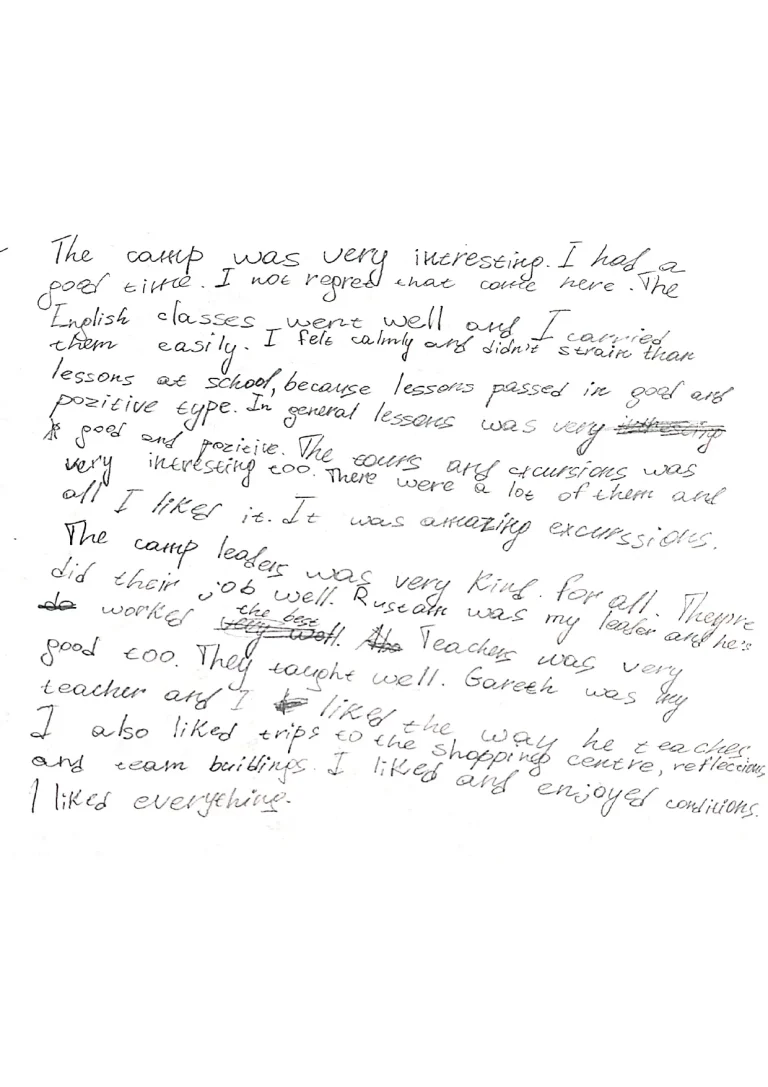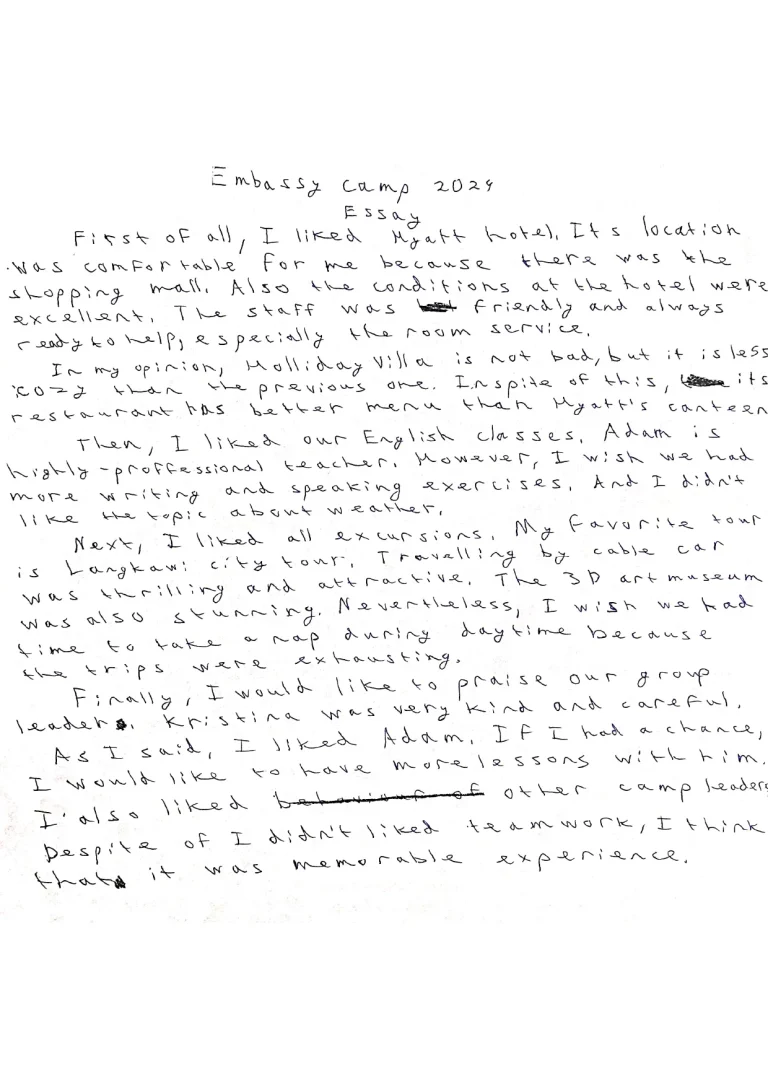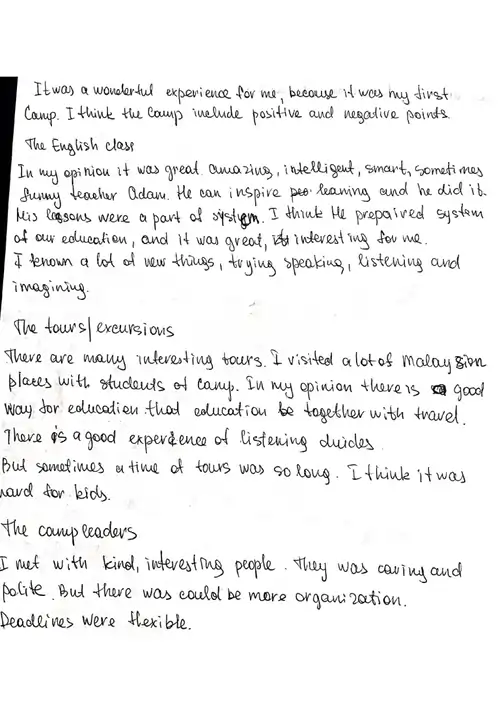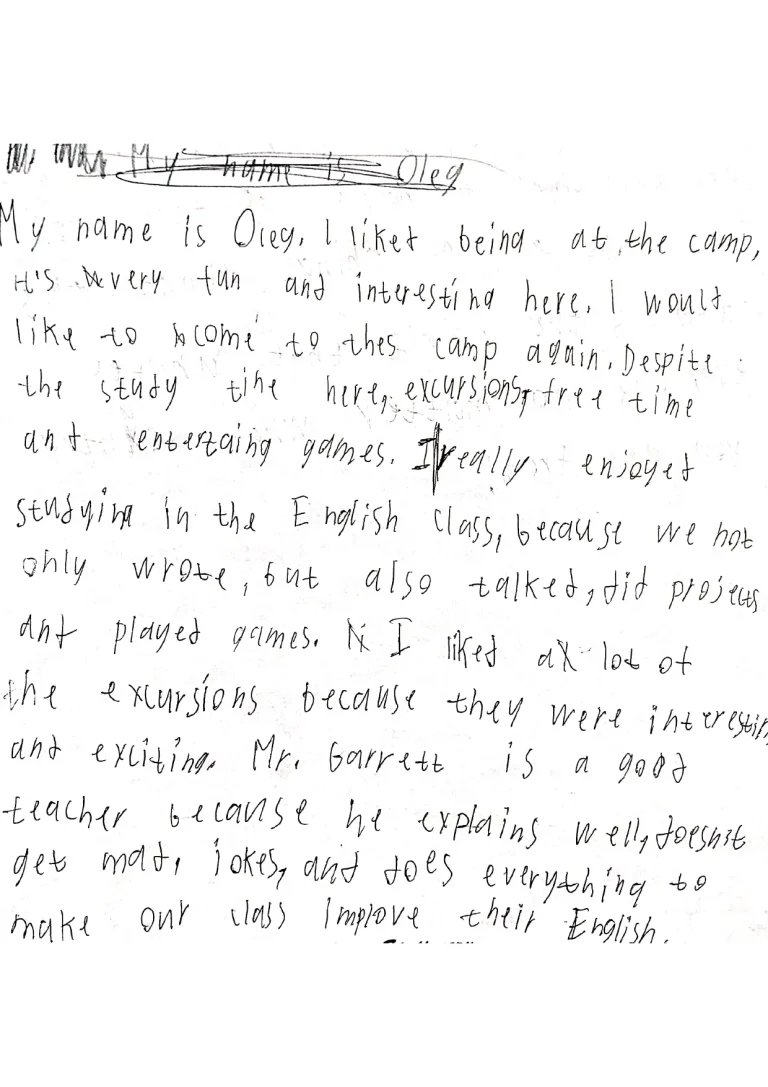


"You need English for your future."
Many teenagers have heard that sentence hundreds of times. They may already understand that English can help with university, travel, technology, careers, and international communication. Yet knowing that English is important does not automatically make them excited to study it.
If you want to motivate teenager to learn English, increasing pressure is not always the best starting point. A teenager who is bored, embarrassed about mistakes, tired of exams, or unable to see a practical reason for learning may not need another lecture about the future.
They may need a better reason to use English today.
The goal is not to control motivation. It is to create an environment where motivation has a better chance to grow.
Quick Answer: How Do You Motivate a Teenager to Learn English?
To motivate a teenager to learn English, connect the language with their interests and real goals, give them some choice over how they practice, keep goals achievable, notice progress, and create low-pressure opportunities to use English in real situations.
- Connect English with hobbies
- Let the teenager choose some learning materials
- Set small achievable goals
- Focus on communication rather than perfect grammar
- Use movies, games, music, travel, and technology
- Create opportunities to speak with real people
- Praise specific progress
- Avoid comparisons with siblings or classmates
- Give mistakes room to happen
- Show how English is useful outside school
The most useful shift is from "You need to study English" to "Here is something you want to do, and English can help you do it."
Why Is My Teenager Not Motivated to Learn English?
Before trying to increase motivation, it helps to understand what may be reducing it. A teenager who seems uninterested is not necessarily rejecting English itself. They may be reacting to the way they currently experience it.
English Feels Like Another School Subject
If English mainly means grammar exercises, vocabulary tests, homework, corrections, and exams, the teenager may never experience the enjoyable side of actually using it.
They Are Afraid of Mistakes
A teenager may know the answer but stay silent because they worry about pronunciation, grammar, or being judged.
The Level Feels Wrong
Material that is too easy can become boring, while material that is too difficult can make the learner feel unsuccessful.
The Benefit Feels Too Distant
"Useful for your career someday" may feel remote. Understanding a favorite creator or speaking while travelling is immediate.
They Are Being Compared With Others
Comparisons with siblings, classmates, or cousins can make language learning feel like a competition the teenager is already losing.
Someone Else Controls Everything
Giving teenagers some reasonable choice over materials, topics, or practice formats can make learning feel less imposed.
Motivation vs Pressure: What Is the Difference?
Motivation
- "Which topic would you like to practice?"
- Progress is noticed
- The teenager has some choice
- English connects with interests
- Goals feel achievable
- Mistakes are part of learning
- Communication matters
Pressure
- "You have to study another hour."
- Mistakes dominate feedback
- Adults control everything
- English exists mainly for grades
- Expectations feel overwhelming
- Mistakes feel like failure
- Perfection becomes the focus
Parents still need boundaries. A teenager cannot simply decide never to study anything difficult. But there is a major difference between providing structure and making every interaction about performance.
10 Ways to Motivate a Teenager to Learn English Without Pressure
1. Connect English With What They Love
Use football, gaming, music, fashion, photography, technology, AI, travel, movies, cooking, or another real interest. English becomes the door, not the destination.
2. Give Them Some Choice
Let them choose between a video, article, conversation task, podcast, app, or topic. Small choices create ownership.
3. Focus on Communication
Grammar matters, but not every casual conversation needs to become a correction session. Let the teenager finish the thought.
4. Set Small Goals
Replace "become fluent" with goals such as watching one short video, learning five useful phrases, or speaking for five minutes.
5. Use English With Real People
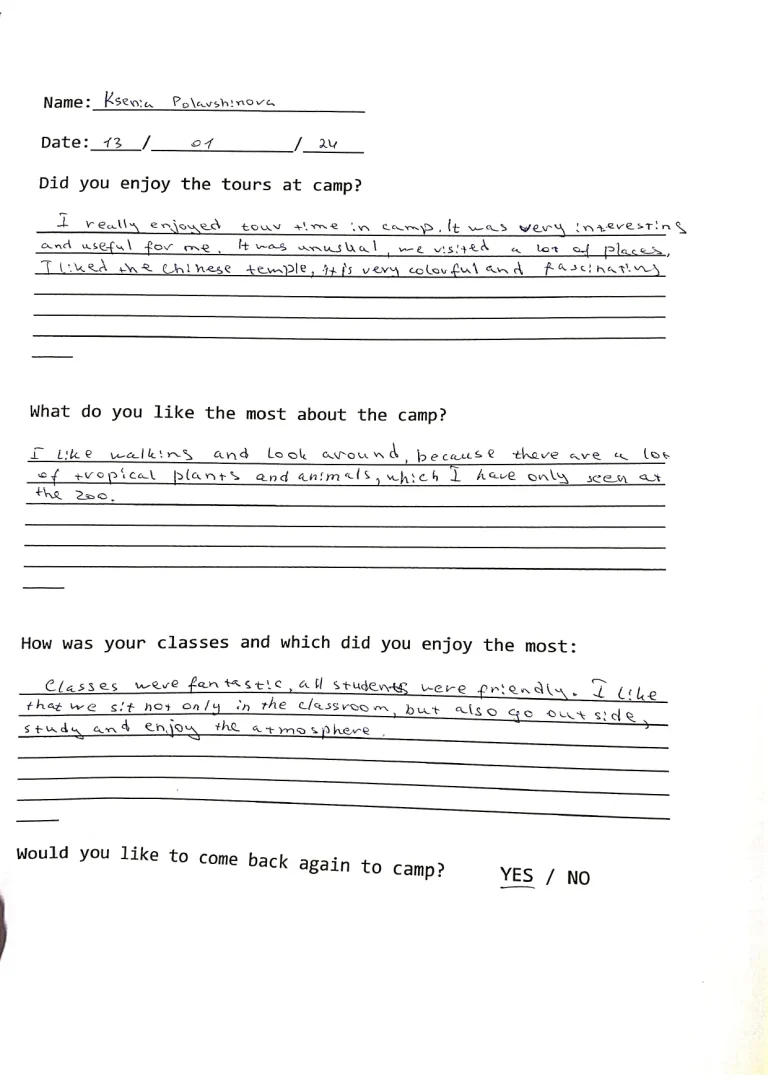
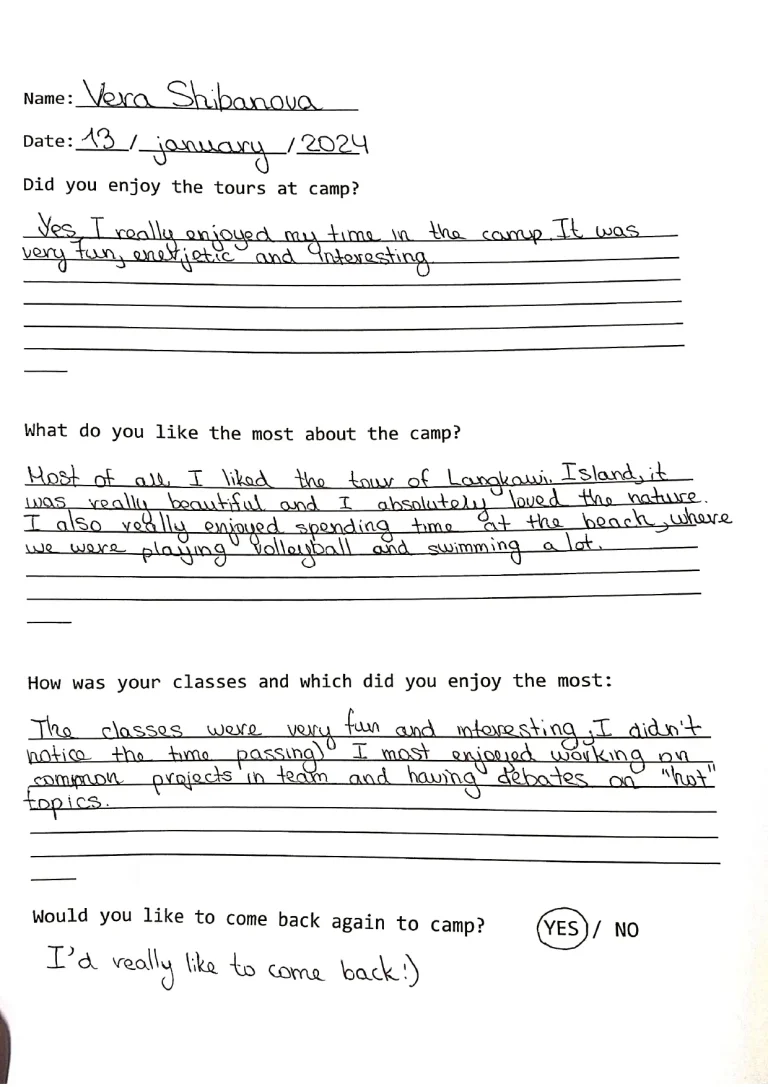
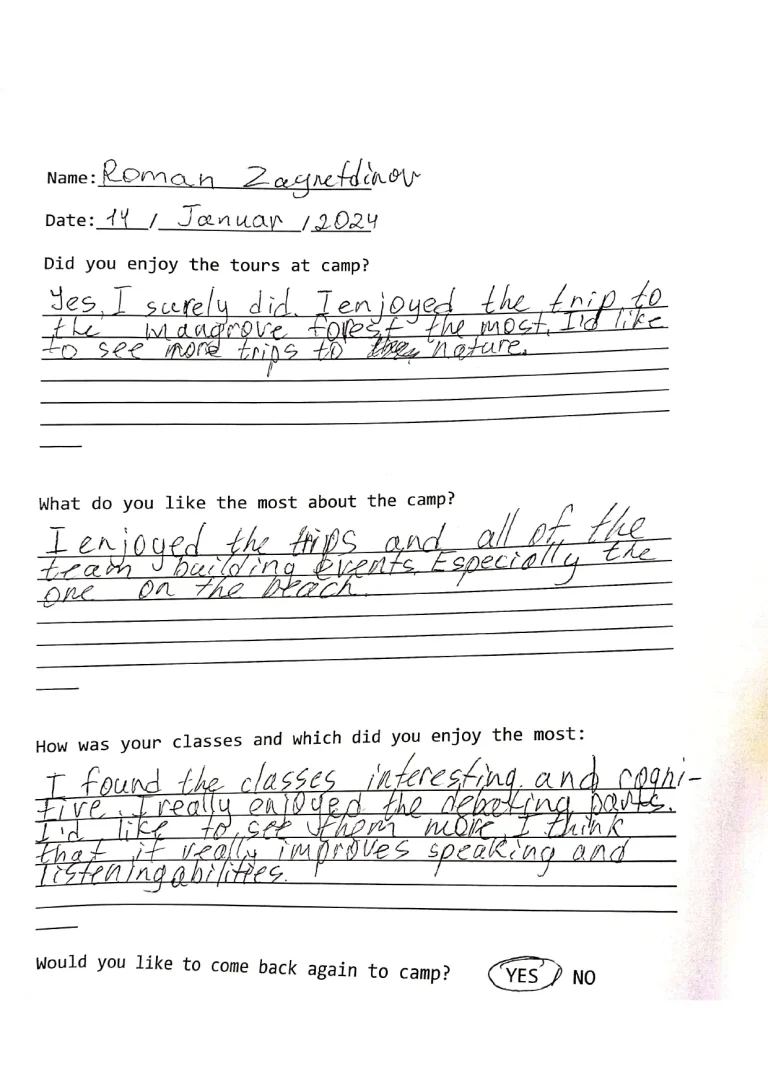
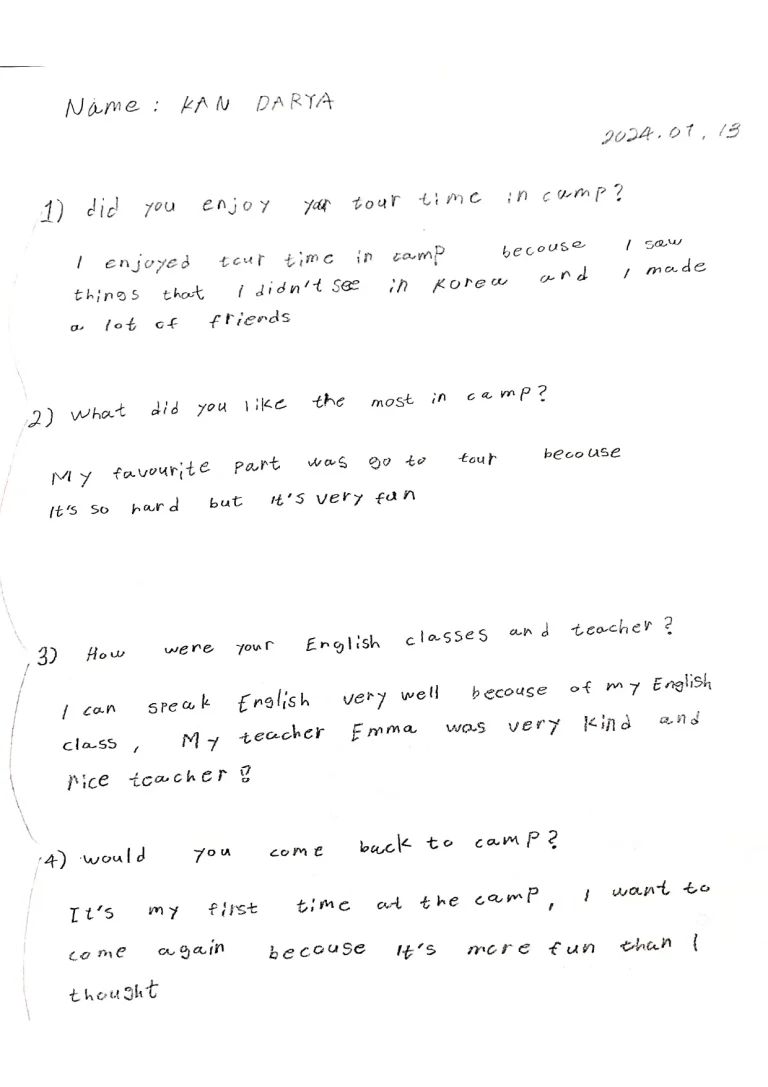
Conversation classes, camps, school clubs, supervised exchanges, travel, and group projects can make English useful for genuine communication.
6. Use Entertainment Strategically
Movies, series, music, podcasts, games, and YouTube can all expose teenagers to English. Not every activity needs a worksheet afterward.
7. Notice Specific Progress
Say, "You answered that much faster," or "You explained that clearly." Specific feedback makes progress visible.
8. Stop Comparing Them
Compare the teenager with their own earlier progress rather than with a sibling, cousin, or classmate.
9. Make English Part of Real Experiences
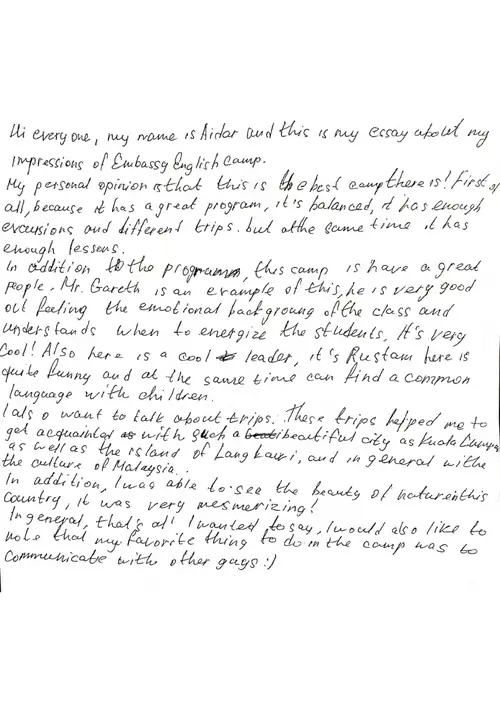
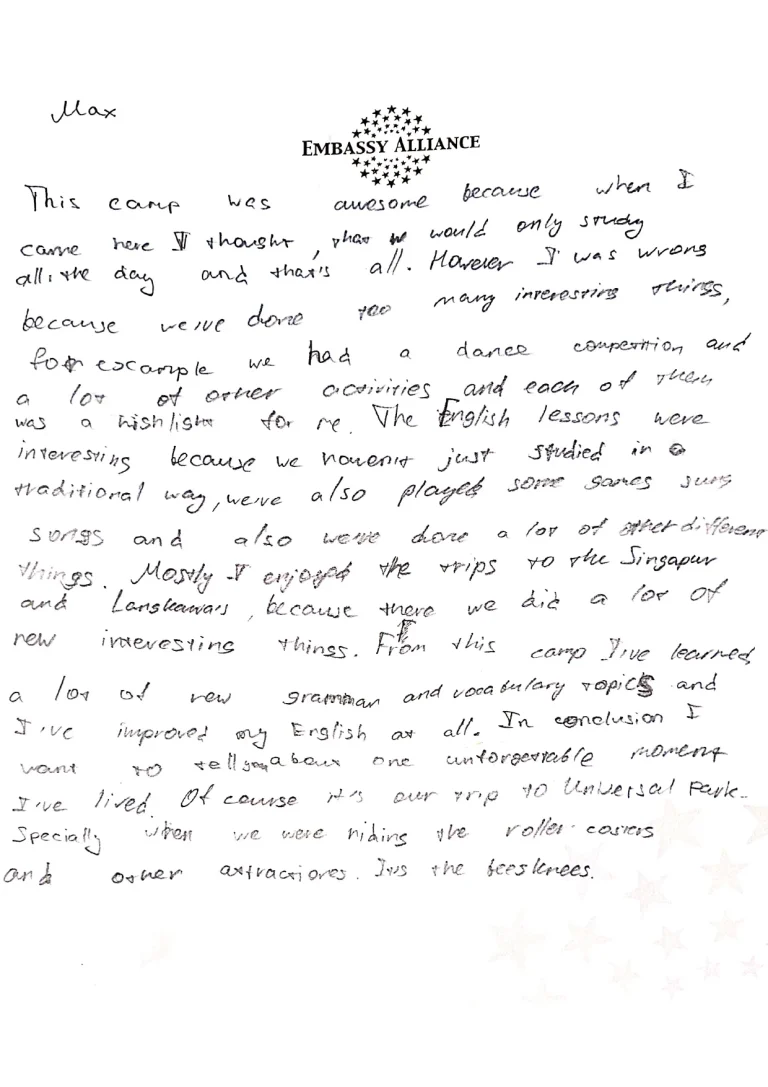
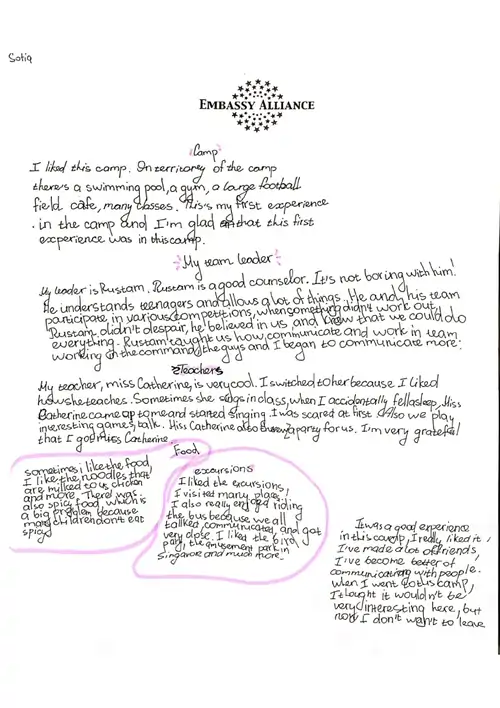
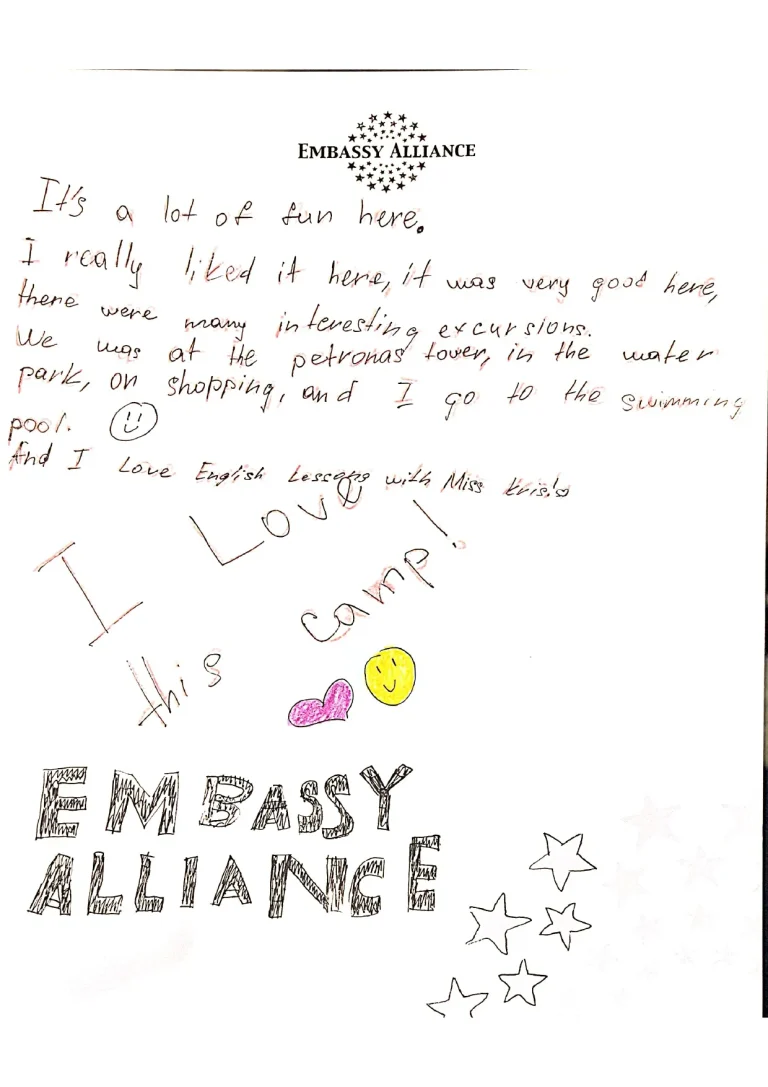
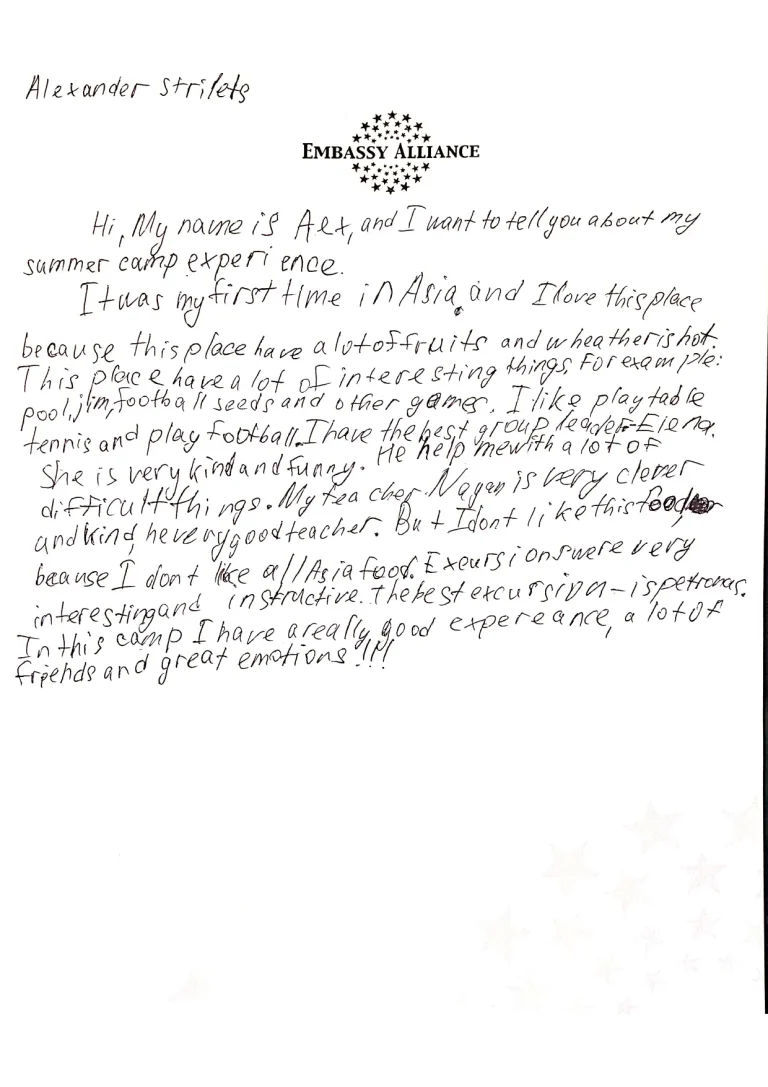
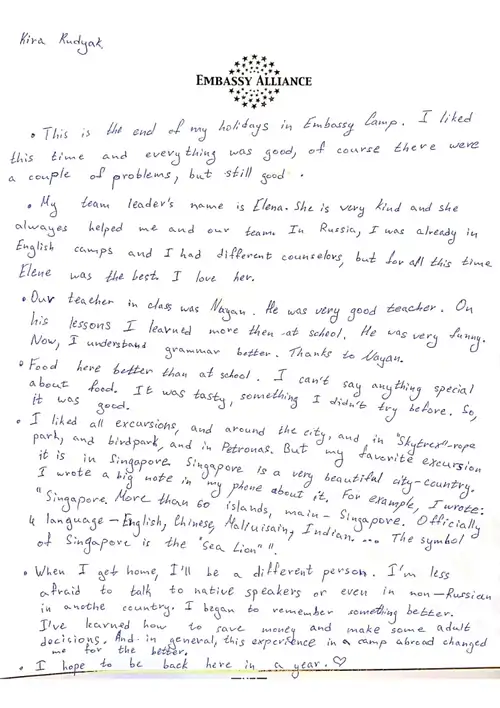
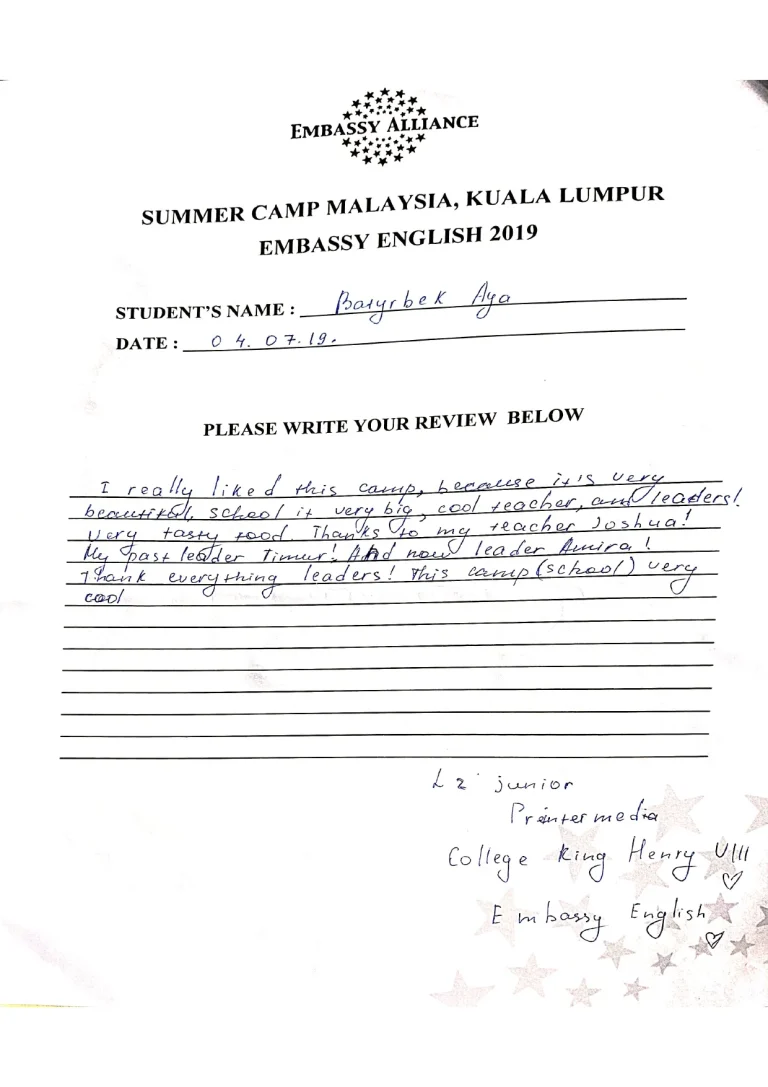
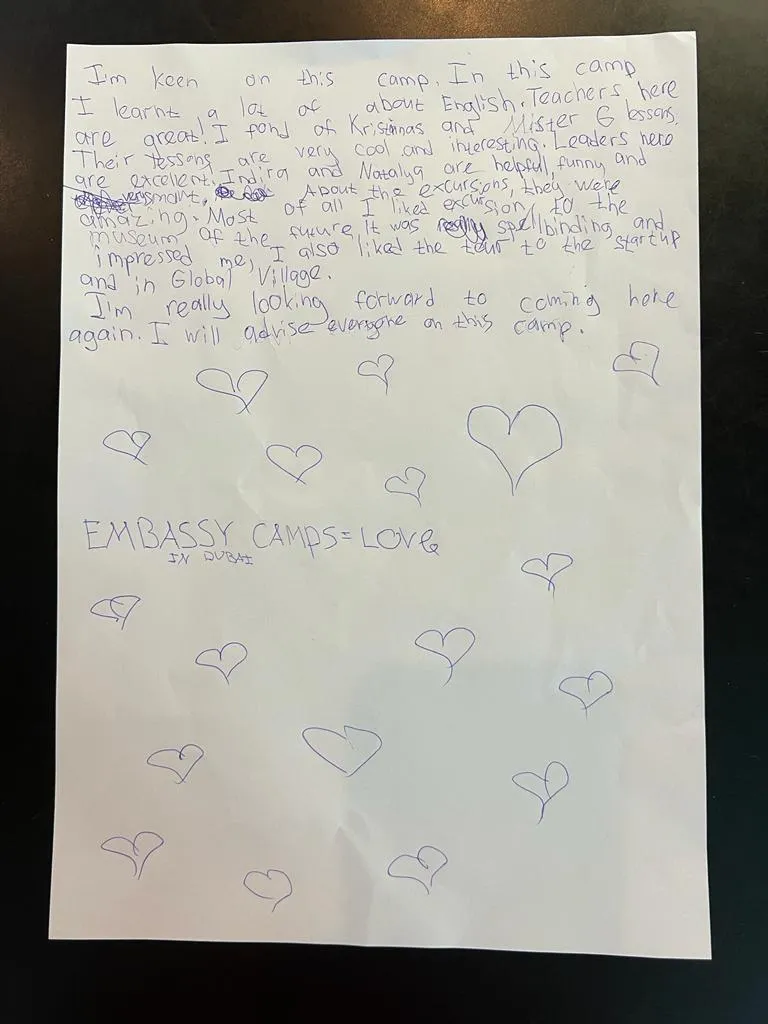
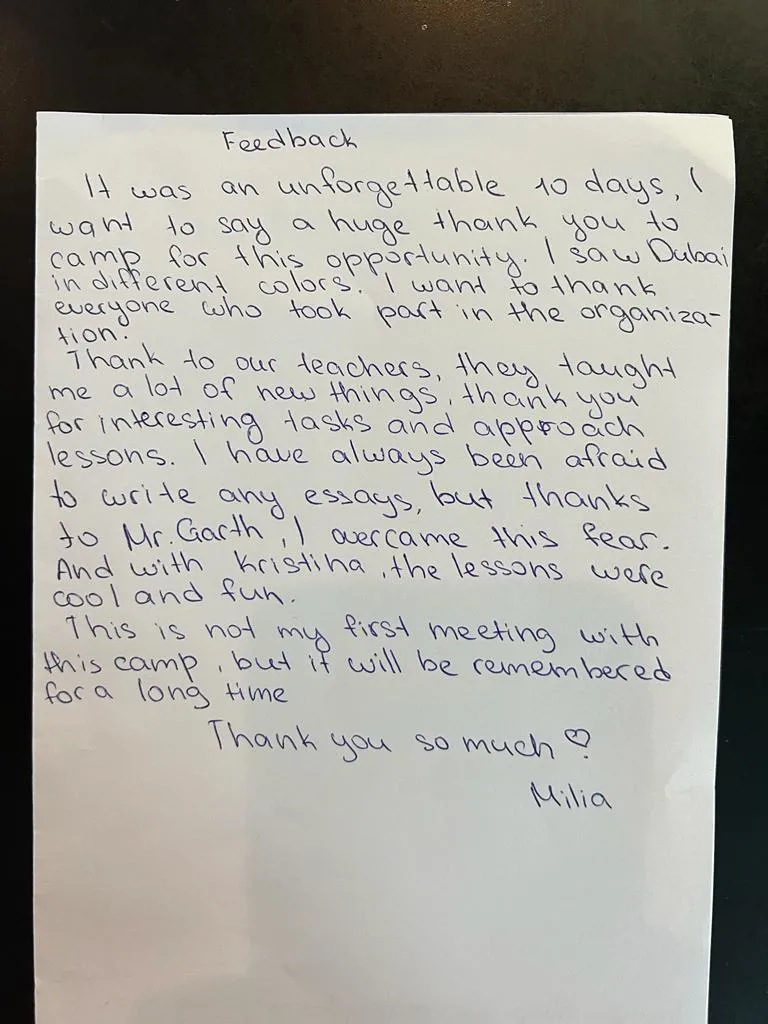
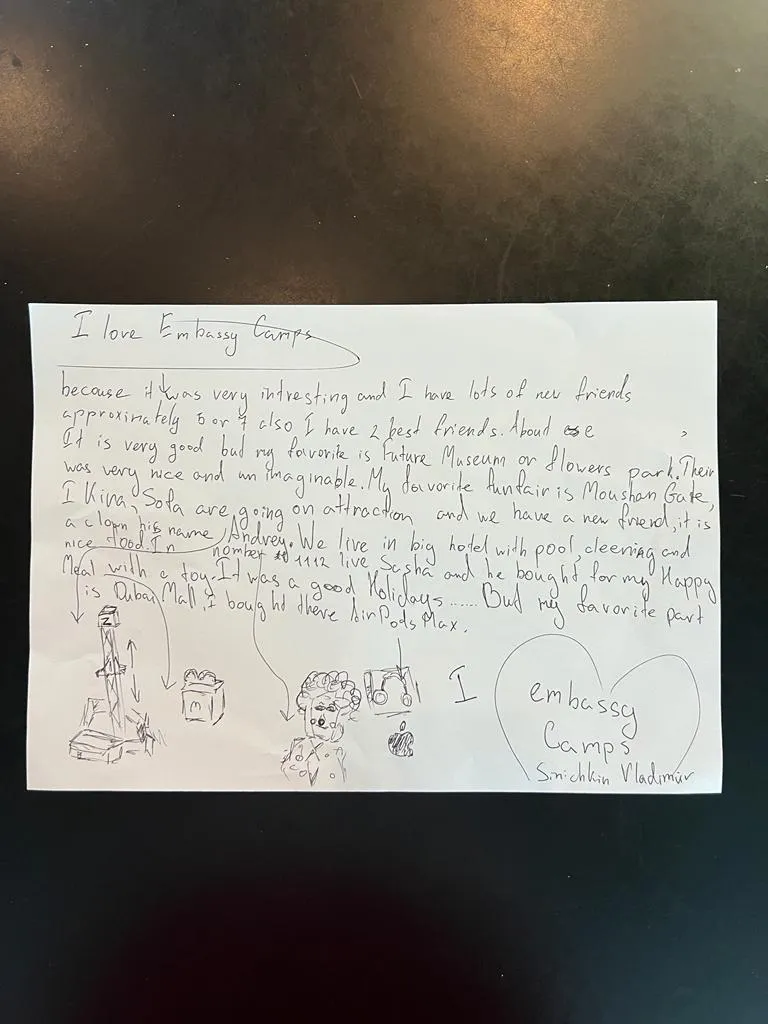
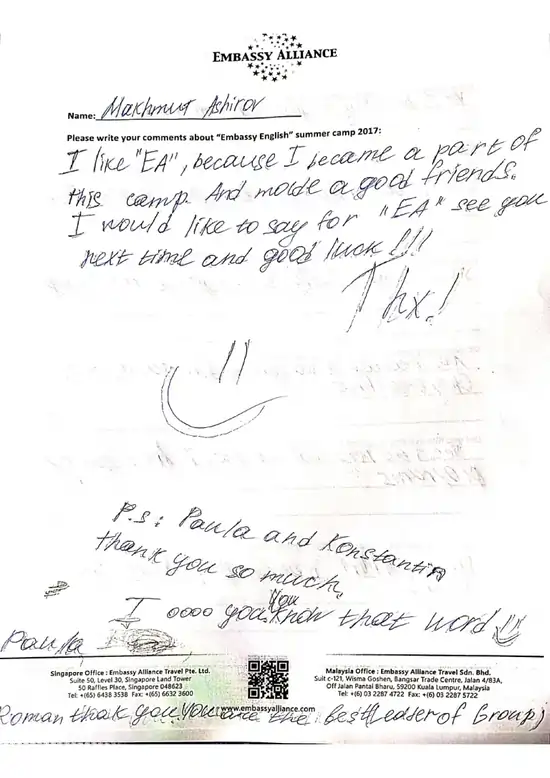
Travel, excursions, camps, and international activities can show how English helps with instructions, questions, activities, and friendships.
10. Let Them Experience Success
Useful tasks should challenge the learner without making failure inevitable. Sometimes motivation appears after a successful experience.

Why Teenagers Need a Personal Reason to Learn English
Parents may be thinking about university, career opportunities, international study, business, or future travel.
The teenager's motivation may come from somewhere else.
The parent's reason and the teenager's reason do not need to be identical. If both lead toward stronger English, that is fine.
How Can Parents Make English Feel Less Like Homework?
- Follow one English-speaking creator related to a hobby
- Watch selected videos in English
- Change a favorite game's language setting
- Read short English articles about sports or technology
- Listen to an English podcast while travelling
- Follow an English recipe
- Watch interviews with favorite athletes or musicians
- Join a structured conversation activity
- Travel somewhere where English is useful
- Participate in an international programme
Do not try to use all of these at once. The purpose is not to fill every free moment with English. Choose what fits naturally.
Should Parents Correct Every English Mistake?
Usually, no. Correction has an important role in language learning, but the timing matters.
During Formal Study
Correction is useful when the teenager is intentionally practicing grammar, writing, pronunciation, or a specific language structure.
During Casual Conversation
Constant correction can interrupt communication. Let the teenager finish and choose only the most useful corrections when needed.
The objective during casual speaking is often confidence and communication.
What If My Teenager Is Embarrassed to Speak English?
A teenager may worry about pronunciation, grammar, speaking slowly, forgetting vocabulary, classmates laughing, sounding different, or not understanding the reply.
- One-to-one conversation
- Pair activities
- Small groups
- Familiar topics
- Short answers
- Supportive teachers
- Regular interaction with familiar peers
- Activities where speaking has a clear purpose
A shy teenager may first become comfortable speaking to one person, then three, then a group. Confidence can grow gradually.
Parents concerned about this can also read International Summer Camp for Shy Teenagers.
How Can International Friends Increase English Motivation?
Imagine a teenager has spent months learning English vocabulary because a teacher assigned it.
Now imagine they meet another teenager from a different country and English is the only language they both speak.
Suddenly English has immediate value.
They do not need to be reminded to practice. They already have a reason because they want the conversation to continue.
This is one reason real international interaction can complement classroom learning.

Can English Immersion Help an Unmotivated Teenager?
Sometimes. It depends on why the teenager lacks motivation.
If English feels overly academic, an immersion environment may help because the language becomes part of everyday life.
- Join a team activity
- Speak with roommates
- Understand instructions
- Participate in excursions
- Ask for help
- Make friends
- Solve a challenge
- Share a story
However, an English camp is not a cure for every motivation problem. Programme fit matters.
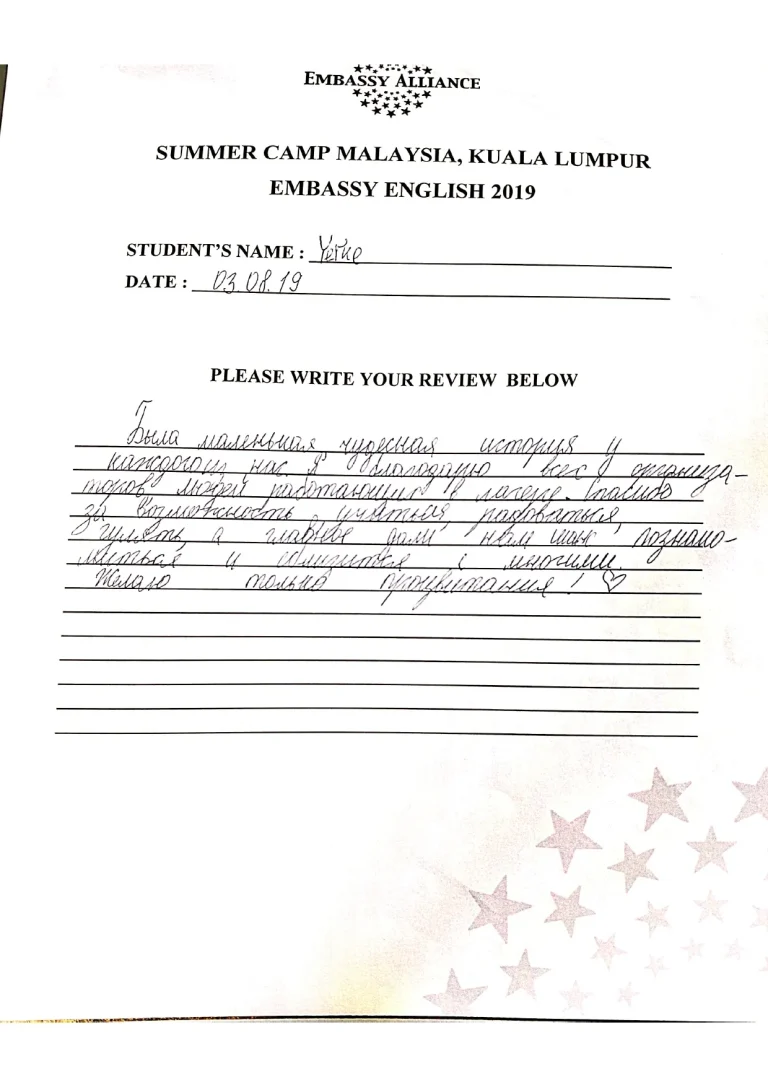
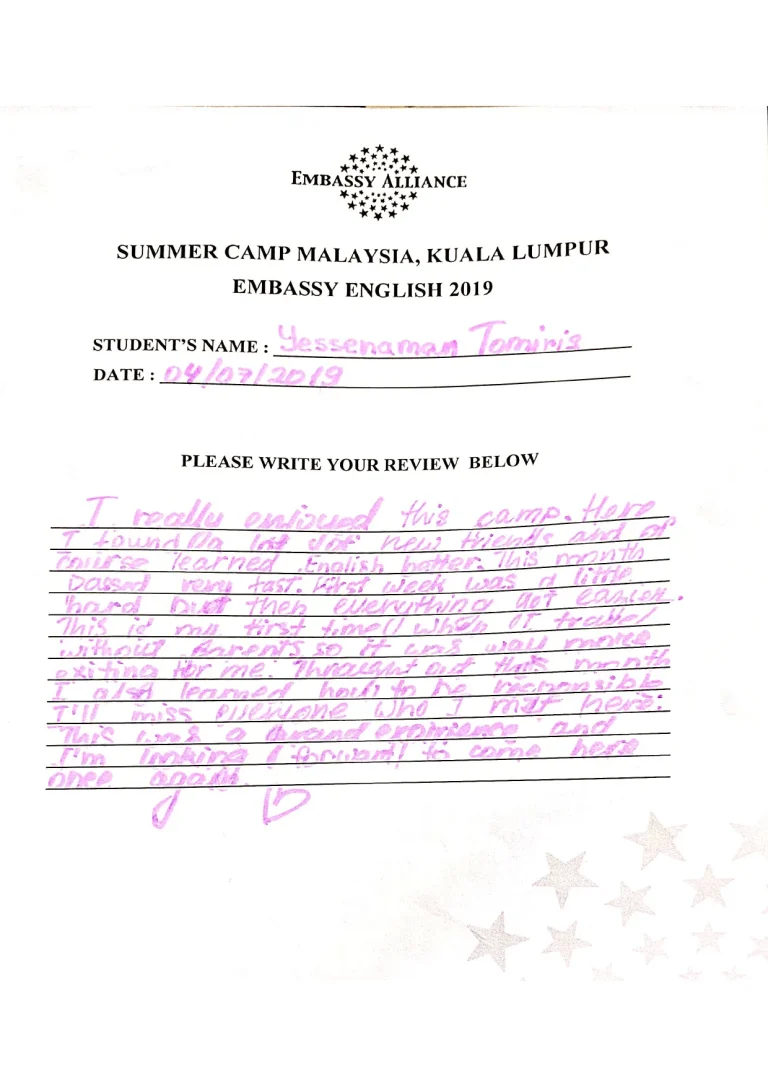
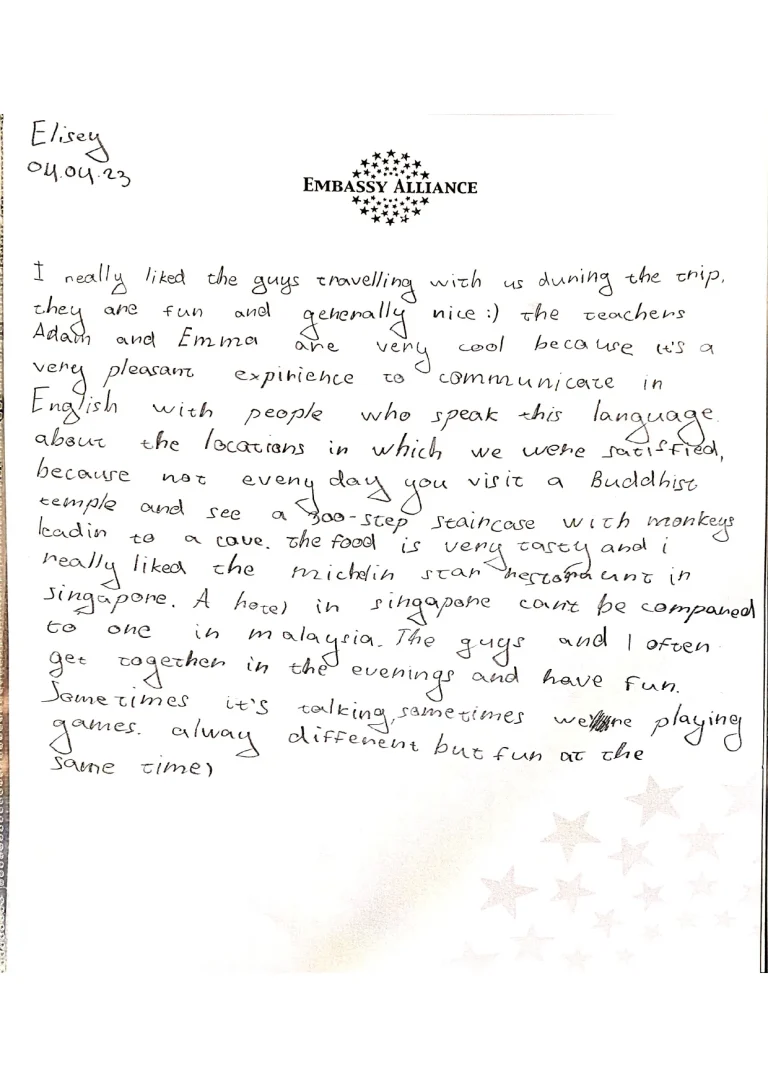
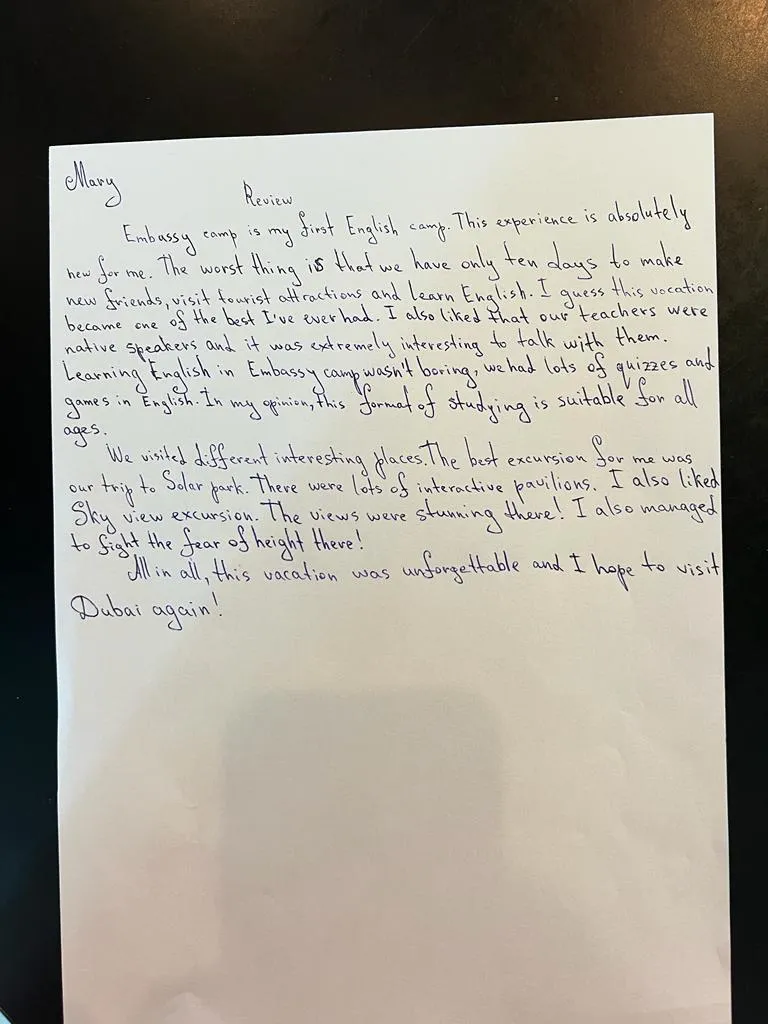
Families interested in immersion can explore Embassy Camp's English Language Camp in Malaysia and compare the learning format, activities, age range, and programme structure.
What Should Parents Avoid When Encouraging English?
Structure is useful. Constant surveillance is different.
A Simple Weekly English Routine Without Pressure
A routine can help, but it should remain flexible. Here is one example.
Spend 10 to 15 minutes watching or reading something connected with a hobby.
Learn five useful expressions the teenager could realistically use.
Watch part of a movie, episode, interview, or video in English.
Have a 5 to 10 minute conversation around a familiar topic.
No formal English practice. Give the learner a break.
Use English through gaming, travel planning, a hobby, a group activity, or another practical situation.
This is only an example. The best routine is one the teenager can maintain.
How Can Parents Measure Progress Without Making English Another Test?
Grades are useful information, but they are not the only evidence of progress.
Progress can appear in communication before it appears dramatically in test scores.
When Should Parents Consider a Tutor, Course, or Camp?
Best for Targeted Support
- Specific grammar weaknesses
- Exam preparation
- One-to-one explanations
- Schoolwork support
Best for Structured Progress
- Regular weekly study
- A clear syllabus
- Balanced skill development
- Longer-term progression
Best for Real Communication
- Speaking confidence
- Activity-based practice
- International interaction
- English outside school
There is no rule saying families must choose only one. Different formats can complement each other.
Embassy Camp Perspective: Give English a Real Purpose
One of the best ways to motivate teenager to learn English is to make the language useful for something that matters to them.
- Join an activity
- Talk to a roommate
- Understand an instructor
- Make an international friend
- Complete a team challenge
- Participate in an excursion
- Tell a story
- Solve a problem
- Ask for help
- Share an idea
English moves from "Something I have to study" to "Something I can use."
Families interested in combining structured English learning with international activities can explore English Language Camp in Malaysia.
Final Thoughts: How to Motivate a Teenager to Learn English
Parents cannot completely control motivation. You cannot simply tell a teenager, "Be motivated."
But you can influence the environment around learning.
If you want to motivate teenager to learn English, focus less on increasing pressure and more on increasing relevance.
Give them some choices. Connect English with what they already enjoy. Set goals that feel achievable. Notice genuine progress. Do not turn every conversation into a correction exercise. Create opportunities to use English with real people. Let them experience the satisfaction of successfully communicating.
The goal is not necessarily to make your teenager love studying English. A more useful goal is helping them discover something they already care about that English allows them to do.
Once English becomes useful, motivation has a much stronger reason to appear.
Give English a Real-World Purpose
Explore an international English camp where language learning is combined with activities, communication, and practical everyday use.
FAQs About Motivating Teenagers to Learn English
How do I motivate my teenager to learn English?
Connect English with interests they already enjoy, give them some choice over learning activities, set small goals, create opportunities for real communication, and notice specific progress rather than focusing only on mistakes.
Why is my teenager not interested in learning English?
Possible reasons include boredom, lack of confidence, fear of mistakes, material that is too easy or difficult, constant correction, exam pressure, or simply not seeing how English connects with their current interests.
Should parents force teenagers to study English?
Teenagers still need educational structure and expectations, but constant pressure can make learning feel like a source of conflict. A better approach is to combine reasonable study expectations with choice, relevance, achievable goals, and real opportunities to use English.
How can I make English fun for a teenager?
Use their existing interests. English can be practiced through movies, games, sports, music, technology, travel, cooking, videos, podcasts, and conversations rather than only through textbooks and worksheets.
Should I correct my teenager's English mistakes?
Correction is useful during formal study, but correcting every mistake during casual conversation can interrupt communication. Let the teenager finish speaking and focus on the most useful corrections.
How can a shy teenager practice spoken English?
Start with low-pressure situations such as one-to-one conversation, pair work, small groups, familiar topics, and structured activities. Speaking confidence does not need to begin with public presentations.
Can an English camp motivate a teenager to learn?
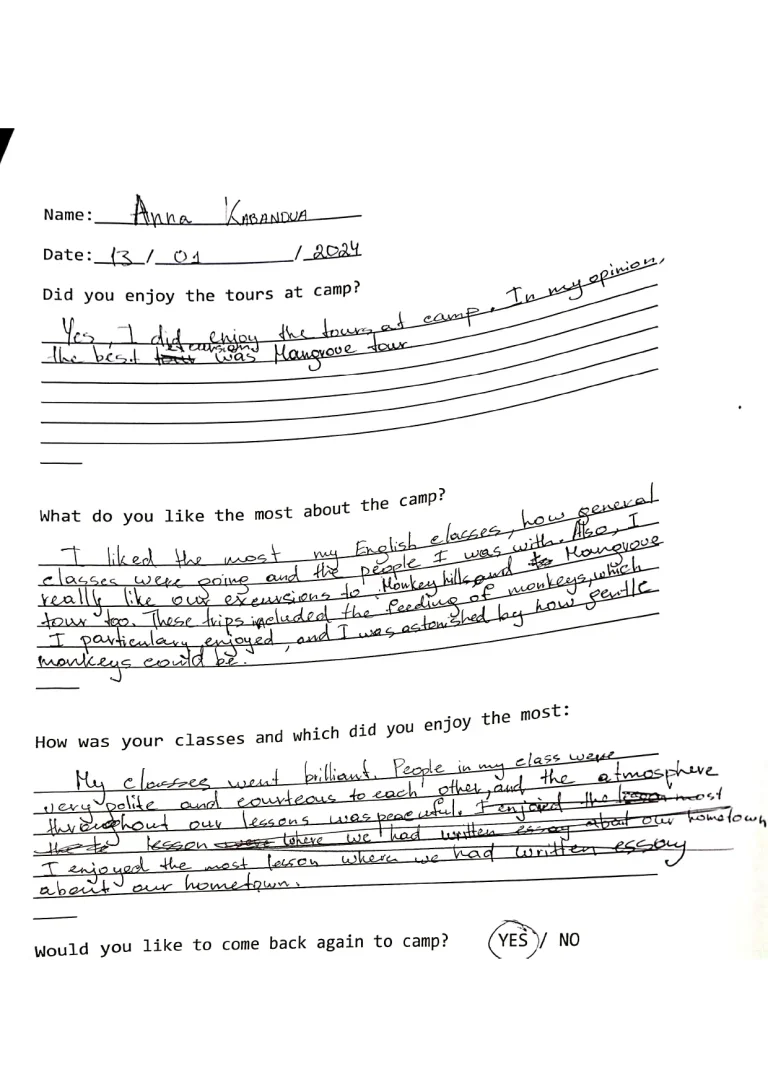
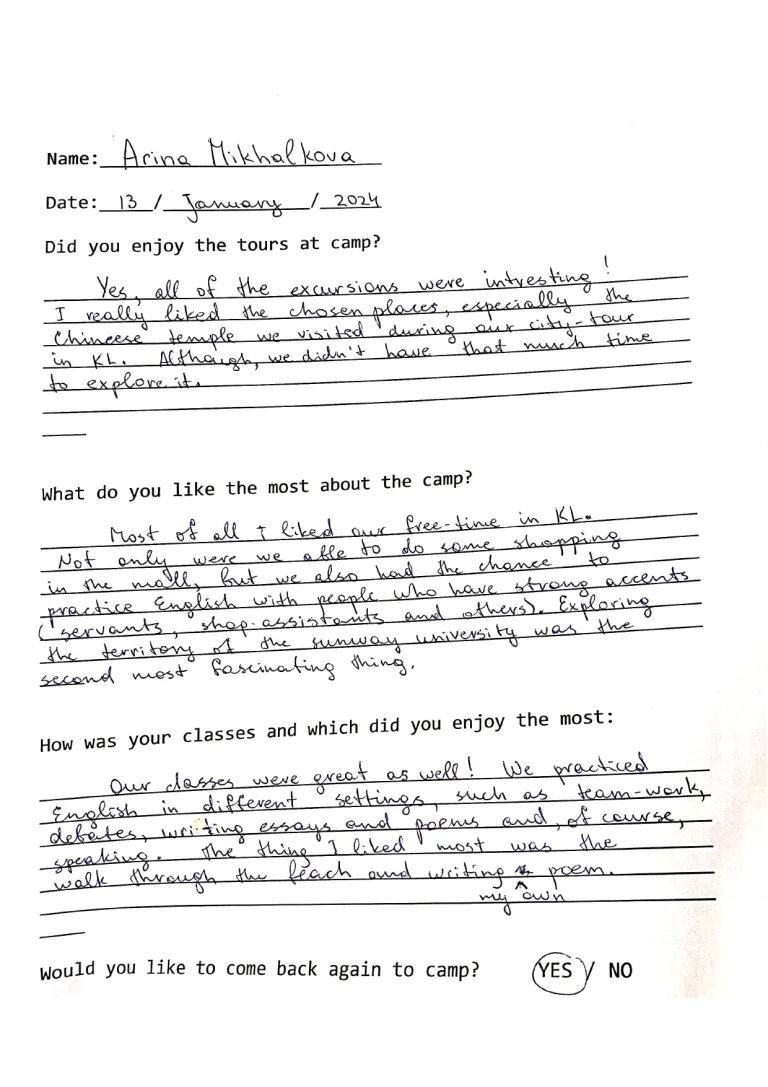
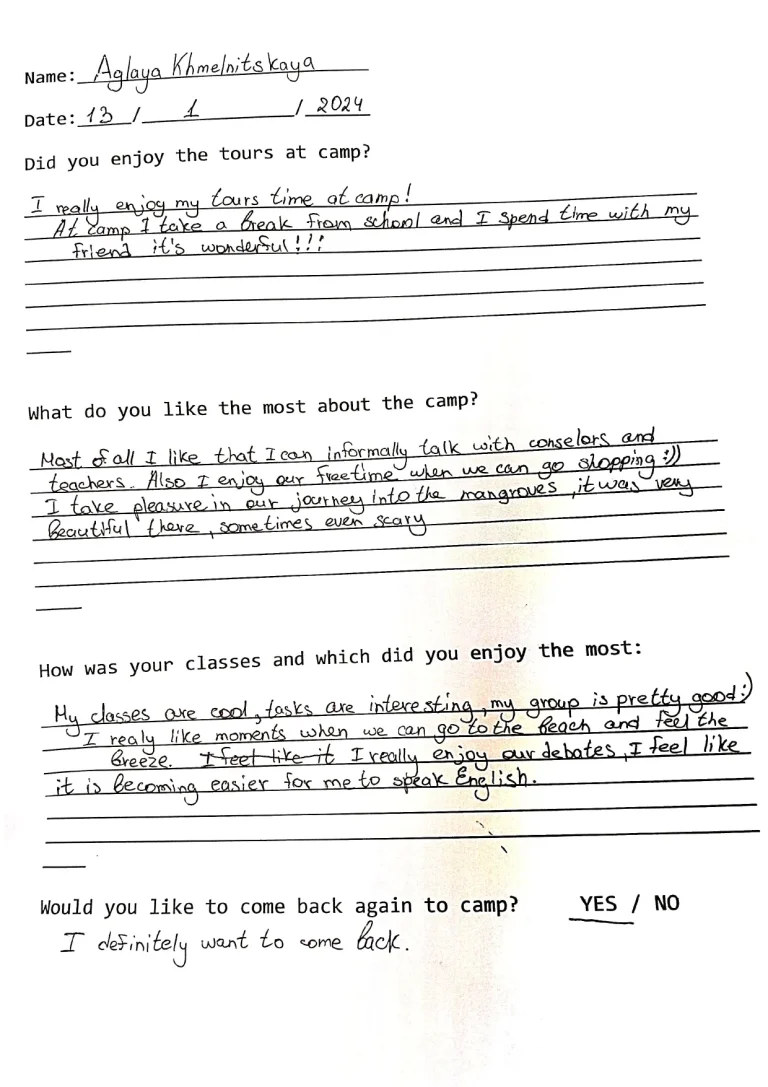
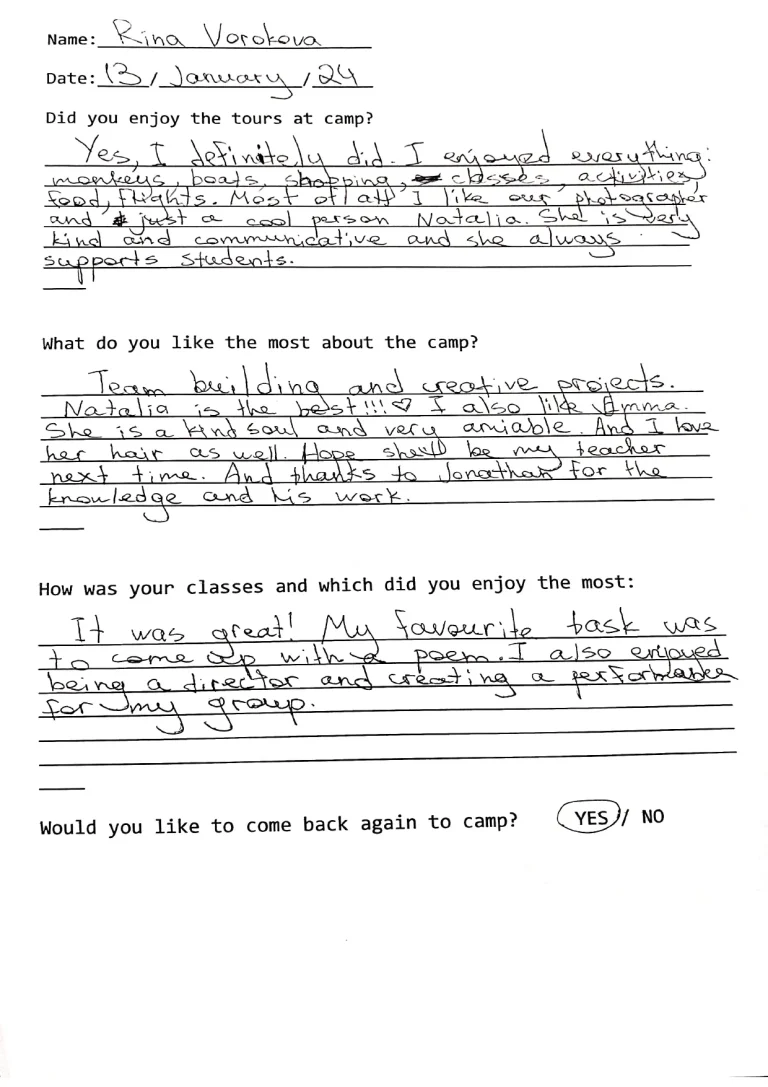
It can help some teenagers because English becomes useful for activities, friendships, excursions, teamwork, and everyday communication. The programme should still match the teenager's language level, interests, age, and readiness.
How much English should a teenager practice each day?
There is no universal number of minutes that works for every teenager. Consistent, manageable practice is generally more useful than an intense schedule the learner quickly abandons. The right amount depends on goals, current level, school workload, and motivation.