


Quick Answer
Residential summer camp accommodation is the place where students live during an overnight or boarding camp. It may be arranged in a student residence, school dormitory, hotel, campus building or supervised boarding facility, depending on the destination and program.
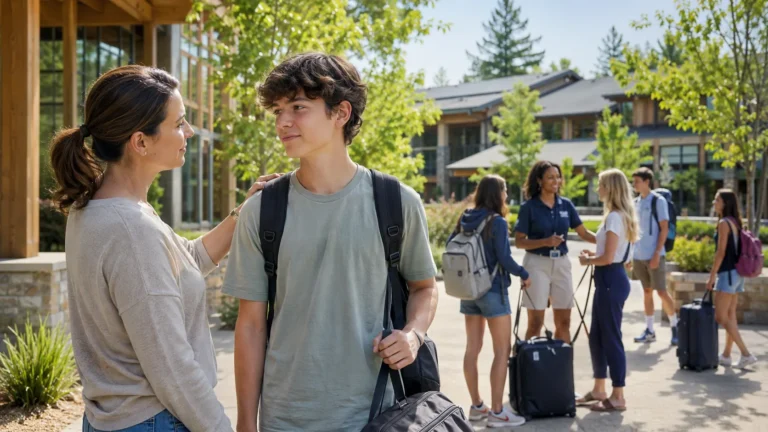
Parents should check room type, sharing rules, gender separation, night supervision, security, bathroom arrangements, meals, laundry, medical support and who students can contact after hours. At Embassy Camp, published safety information mentions 24/7 care by professional group leaders, one camp leader plus one assistant for every 16 students, airport accompaniment, separate guarded dormitories or hotel floors for male and female participants, and guarded camp territories based in schools or hotels.
Accommodation is one of the biggest trust factors in any international summer camp. Parents may love the destination, activities and learning outcomes, but they still need to know where their teenager will sleep, who will supervise them and how the accommodation is managed each day.
This residential summer camp accommodation guide helps parents understand what to check before booking a boarding camp abroad. It explains the difference between hotels, residences and summer camp dormitory setups, what supervised accommodation should include, and which questions to ask before sending a teenager away from home.

Why Accommodation Matters So Much in a Residential Camp
Residential camp accommodation is not just a room. It is the student’s base for rest, safety, routine and emotional comfort. A teenager may spend the day learning English, joining AI workshops, building leadership skills or exploring a new destination, but the accommodation is where they recover, organize personal belongings, follow evening routines and prepare for the next day.
For first-time teen travelers, the accommodation experience can shape the entire camp. If students feel safe, rested and supported, they are more likely to enjoy the learning and social parts of the program.
Parent Tip
When comparing camp options, do not only ask “Is accommodation included?” Ask what type of accommodation is used, who supervises students, how rooms are assigned and what happens if a child needs help at night.
Parents still comparing programs can also read Embassy Camp’s guide on how to choose the right international summer camp.
Types of Boarding Camp Accommodation
International camps may use different accommodation models depending on the country, program style and age group. None is automatically better than the other. The right choice depends on safety, supervision, location, student comfort and how well the accommodation supports the daily schedule.
| Accommodation Type | What It Usually Means | What Parents Should Check |
|---|---|---|
| Student residence | A residential building designed for students, often with shared facilities and study areas. | Room sharing, floor monitoring, access control, meals, common areas and staff presence. |
| Hotel accommodation | Students stay in a hotel used by the camp, often with organized rooming and group movement. | Separate floors, leader rooms nearby, security, meal arrangements and transport to activities. |
| School dormitory | A campus or boarding school dormitory used during holiday programs. | Bathroom setup, dorm rules, night supervision, visitor policy and campus security. |
| Campus accommodation | Students live close to classrooms, sports facilities and activity spaces. | Distance between rooms and classrooms, access after hours, supervision and medical support. |
| Mixed destination accommodation | Some programs use different hotels or residences across multiple cities or regions. | Transfer arrangements, room consistency, luggage handling and supervision during movement. |
What Embassy Camp Accommodation Pages Show
Embassy Camp uses different accommodation arrangements across destinations and programs, so parents should always check the specific camp page before booking.
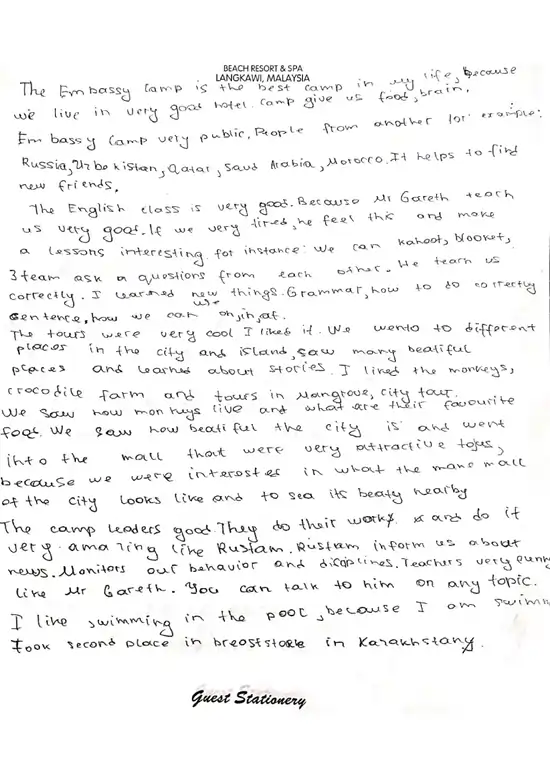
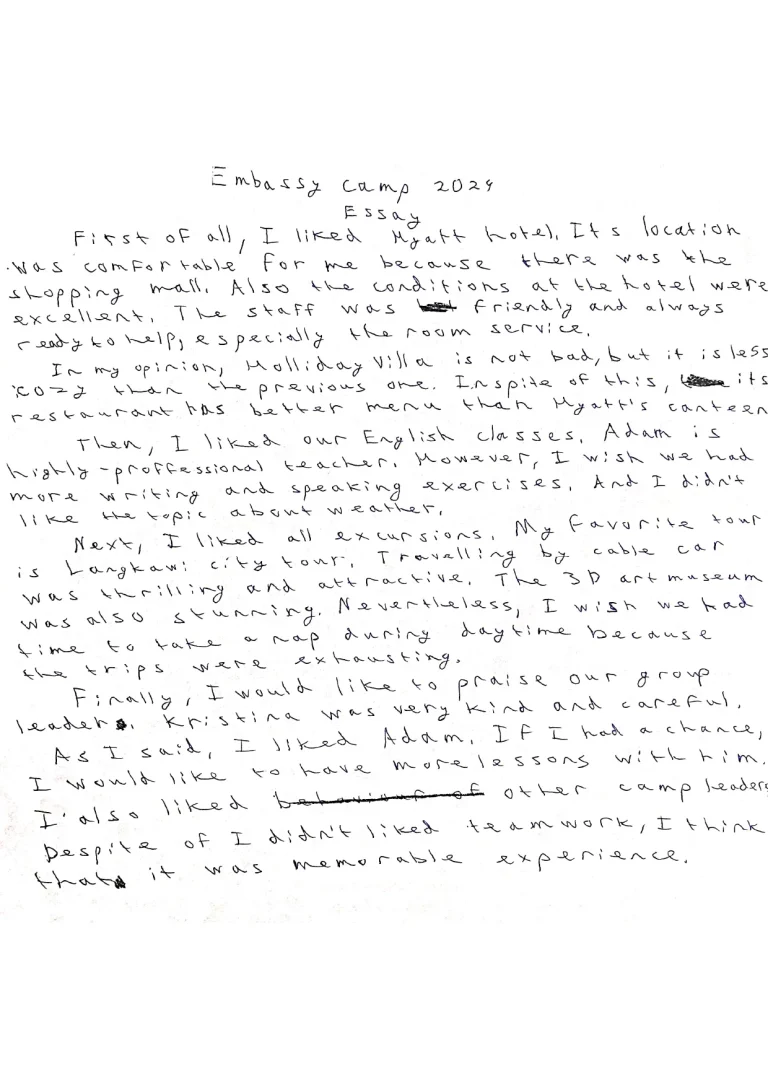
For example, Embassy Camp’s Travel and English Holiday Camp in Malaysia page states that accommodation is arranged in a 4-star hotel located in a convenient and peaceful part of Kuala Lumpur and Borneo Island. The page lists room features such as refrigerator and TV, air conditioning, cabinet safe, bathroom and two separate beds.
The winter Malaysia version describes accommodation in 4-star hotels in convenient and peaceful parts of Kuala Lumpur and Langkawi Island. Embassy Camp’s English Language Camp in Singapore Spring page mentions accommodation in 4-star hotels for Singapore and Borneo Island, with residence features including a dining area, swimming pool, recreational and play area, and educational classes.
Across general Embassy Camp safety sections, the website also highlights separate guarded dormitories or hotel floors for male and female participants, guarded camp territories based in schools or hotels, and students under the care of camp leaders and guides during excursions and visits.

What Parents Should Check in a Summer Camp Dormitory or Residence
Before booking, parents should ask for practical accommodation details. A beautiful room photo is helpful, but it does not answer the full safety question.
- What type of accommodation is used: hotel, residence, dormitory or campus?
- How many students share one room?
- Are boys and girls accommodated separately?
- Are camp leaders staying on the same floor, building or nearby area?
- Who supervises students at night?
- Are common areas monitored?
- Can students leave the accommodation independently?
- What is the evening curfew?
- Are bathrooms private, shared or attached to rooms?
- Is laundry included or available?
- How are valuables stored?
- Who should a student contact if they feel unwell or uncomfortable?
Parents who want a wider safety review can use Embassy Camp’s international summer camp safety checklist for parents.
How Safe Is Residential Summer Camp Accommodation?
Residential summer camp accommodation can be safe when the camp has clear rules, trained staff, controlled access, separate rooming policies, emergency contacts and supervision during daily routines. Safety depends less on whether the building is a hotel or dormitory, and more on how the camp manages students inside that space.
At Embassy Camp, published safety information says professional group leaders take care of children 24/7, and that every group of 16 students has one camp leader and one assistant. This matters because accommodation safety depends on people as much as facilities.
Parents should also ask how the camp handles illness, homesickness, roommate issues, lost items, late-night needs and behavior rules. A safe accommodation plan should include both physical security and student wellbeing.
Room Sharing, Gender Separation and Privacy
Room sharing is normal in many residential camps because it helps students make friends and build social confidence. However, parents should still understand how room assignments are managed.
Ask whether students are grouped by age, gender, nationality, language level or friendship requests. Also ask whether a student can request support if they feel uncomfortable with a roommate.
Gender separation is another important parent concern. Embassy Camp’s safety information mentions separate guarded dormitories or hotel floors for male and female participants. Parents should still confirm how this applies to the exact destination and program they are considering.
Meals, Daily Routine and Accommodation Comfort
Accommodation is closely connected to meals and daily rhythm. A good residential camp setup should make the day predictable for students: wake up, breakfast, lessons, lunch, activities, excursions, dinner, evening program and rest.
Parents should confirm whether meals are served at the hotel, residence, school dining area or outside venues during excursions. They should also share allergy, halal, vegetarian or medical dietary requirements before arrival.
If your main question is what the fee covers, read Embassy Camp’s guide on what is included in an international summer camp fee.
What Age Is Best for Residential Summer Camp Accommodation?
The best age depends on maturity, not only the number. Some children are ready at a younger age because they can follow instructions, manage personal belongings and ask adults for help. Others may need more preparation before staying away from home.
| Age Group | Accommodation Readiness | Parent Advice |
|---|---|---|
| 9 to 11 | Needs closer routine, emotional support and simple room rules. | Choose a structured program with strong residential supervision and clear parent communication. |
| 12 to 14 | Often ready for a first residential camp if emotionally prepared. | Practice packing, bedtime routine, hygiene, pocket money and asking for help. |
| 15 to 17 | Can manage more independence but still needs boundaries and curfew rules. | Look for supervised freedom, leadership activities and clear accommodation rules. |
| 18 to 19 | May be comfortable in student residence-style accommodation. | Confirm whether the program treats older students as minors or young adults. |
How Parents Can Prepare Teenagers for Boarding Camp Accommodation
Even strong supervised accommodation works better when students are prepared before departure. Parents should talk through simple expectations at home.
- Practice packing and organizing clothes.
- Explain how to keep passport, money and valuables safe.
- Discuss room-sharing manners and respect for others.
- Teach the student to report discomfort early.
- Review hygiene, laundry and bedtime habits.
- Set expectations for phone use and parent communication.
- Remind them not to leave the accommodation or group without permission.
For more preparation advice, parents can also read Embassy Camp’s guide on how to prepare your teen for their first international camp.
Red Flags Parents Should Not Ignore
A camp should be able to answer accommodation questions clearly. Be careful if information is vague or incomplete.
- No clear accommodation name, type or location
- No explanation of room sharing
- No gender separation details
- No night supervision information
- No emergency contact process
- No details about meals or dietary support
- No rules about students leaving accommodation
- No written schedule or daily routine
Parents asking whether accommodation is safe may also find the guide Are International Summer Camps Safe for Teenagers? useful.
Embassy Camp Perspective: Accommodation Should Support Growth
The best supervised accommodation does more than keep students safe. It helps teenagers build independence in a controlled environment. They learn to manage their belongings, respect shared spaces, follow schedules, communicate with leaders and live with peers from different backgrounds.
That is why residential summer camp accommodation is an important part of the educational experience. It supports confidence, self-management, social skills and responsibility, while still giving parents the reassurance of structured supervision.
Embassy Camp’s international programs combine travel, education, activities and student care across destinations such as Malaysia, Singapore, Dubai, Bali, Korea, Spain and China.
Need help choosing the right accommodation setup?
Speak with an Embassy Camp advisor to compare destinations, accommodation style, supervision, room setup and the best program fit for your child.
Talk to a Camp AdvisorFAQs About Residential Summer Camp Accommodation
What is residential summer camp accommodation?
Residential summer camp accommodation is the overnight housing provided during a boarding camp. It may be a student residence, hotel, dormitory, school campus or supervised accommodation facility. Parents should check room type, supervision, meals, security and gender separation before booking.
What age is best for residential summer camp accommodation?
The best age depends on the child’s maturity and the camp structure. Many students aged 12 to 17 are ready if they can follow instructions, manage basic personal routines and ask adults for help. Younger students may need a more structured program with closer supervision.
How safe is residential summer camp accommodation for first-time teen travelers?
It can be safe when the camp has supervised accommodation, clear room rules, trained leaders, emergency contacts, gender separation and controlled movement. Parents should ask who supervises students at night, where leaders stay and what happens if a student needs help after hours.
What should parents check before booking accommodation?
Parents should check accommodation type, room sharing, bathrooms, meals, laundry, gender separation, security, curfew, night supervision, medical support, emergency contacts and whether camp leaders stay nearby. All important details should be confirmed in writing.
Are boys and girls accommodated separately at boarding camps?
Many boarding camps separate boys and girls by rooms, floors, dormitories or accommodation areas. Embassy Camp’s published safety information mentions separate guarded dormitories or hotel floors for male and female participants, but parents should confirm details for the exact program.
Are meals included with summer camp dormitory accommodation?
Many residential camps include meals, but parents should confirm the number of meals per day, dining location, dietary support, snacks and meal arrangements during excursions. Meal inclusions can vary by destination and program.
Can students leave the accommodation alone?
This depends on the camp rules and destination. For teen safety, parents should ask whether students can leave independently, what curfew applies, how attendance is checked and how group movement is managed during shopping trips or excursions.
What is included in the program fee?
Program inclusions vary, but residential camps may include accommodation, meals, lessons, excursions, local transport, airport transfers, supervision and camp materials. Parents should request the latest written fee breakdown before booking.
Final Thoughts
Residential summer camp accommodation is one of the most important details parents should review before booking. It affects safety, comfort, sleep, routine, friendships and the overall camp experience.
The right accommodation should be supervised, age-appropriate, secure, clearly explained and connected to the daily camp schedule. When parents know where students stay, who supervises them and what support is available, they can choose an international camp with greater confidence.