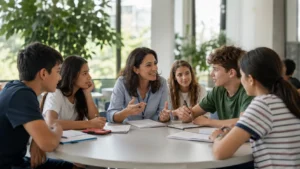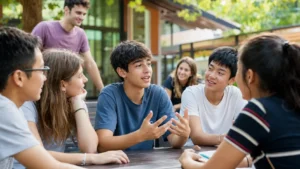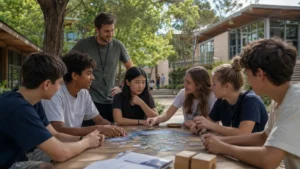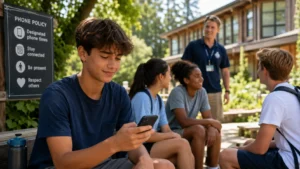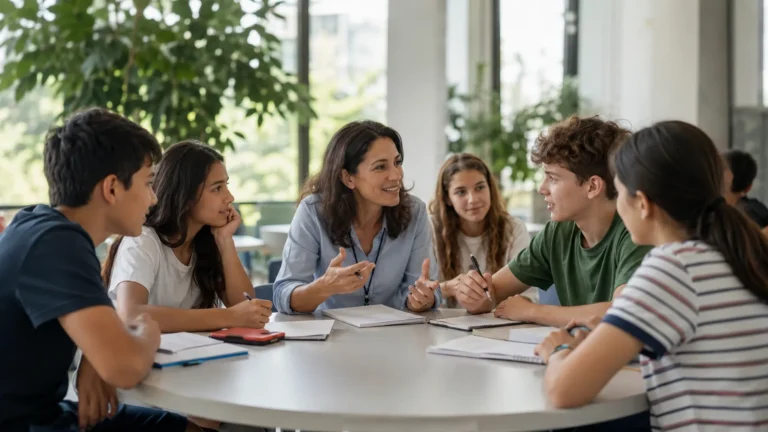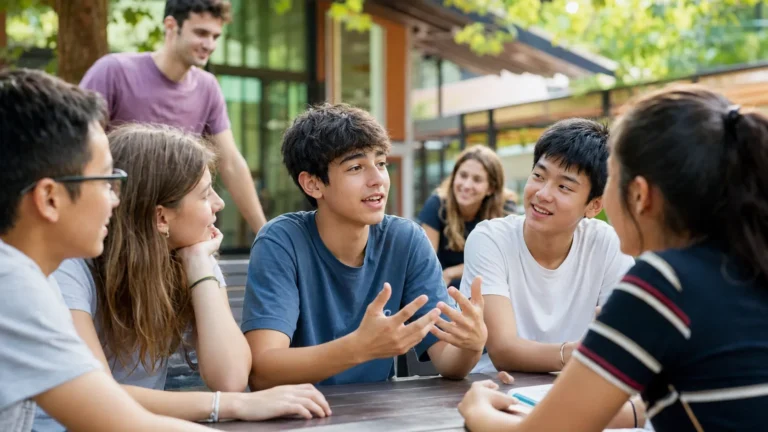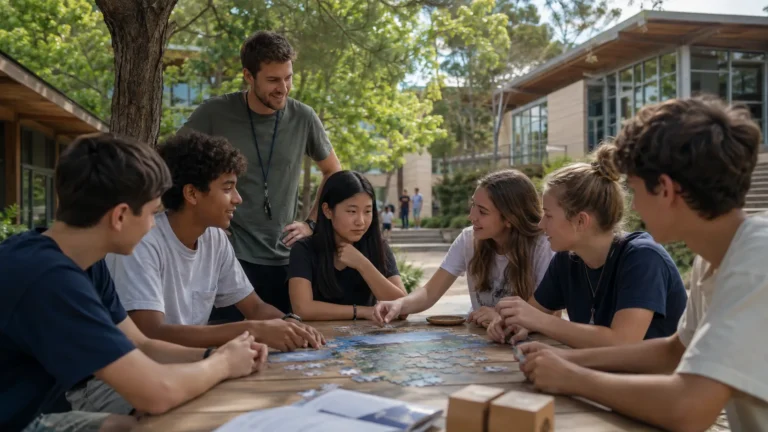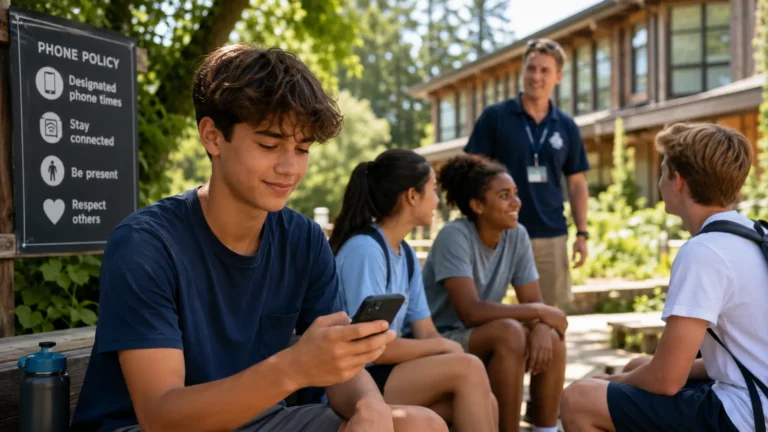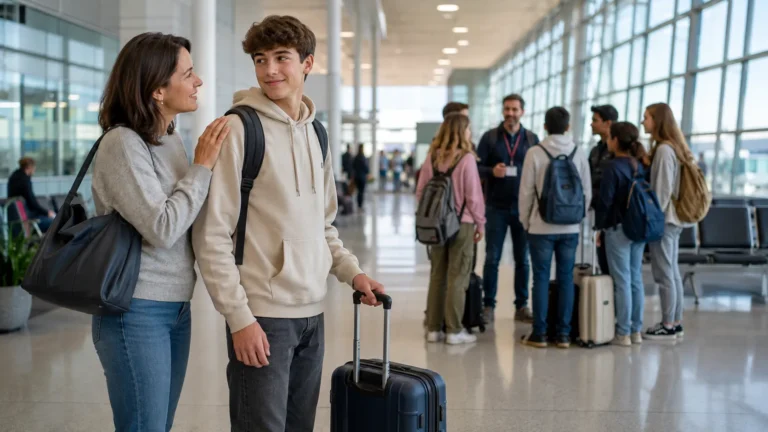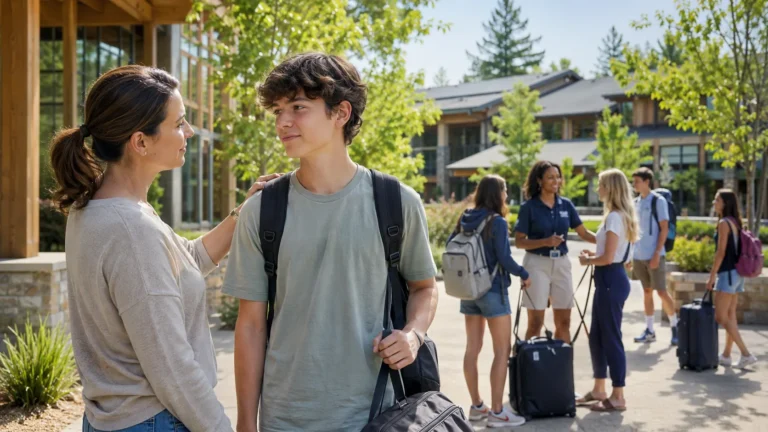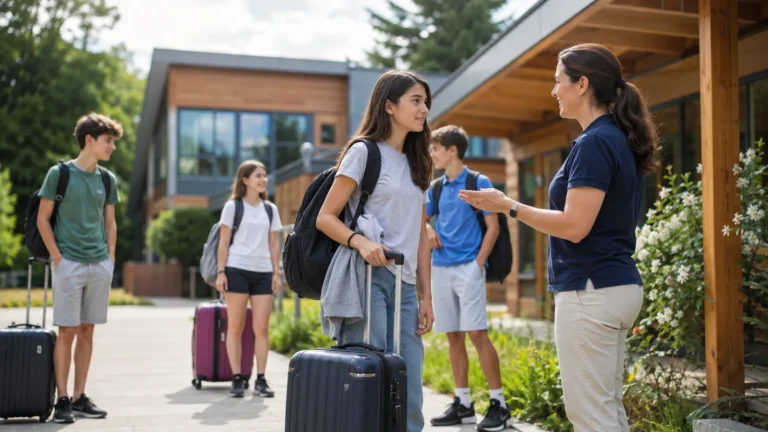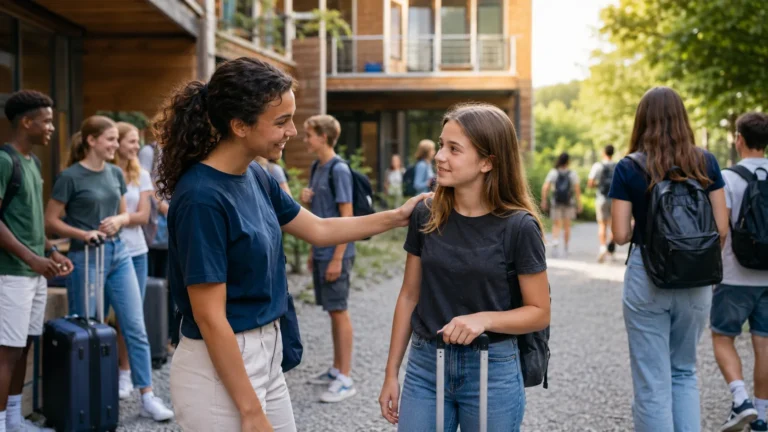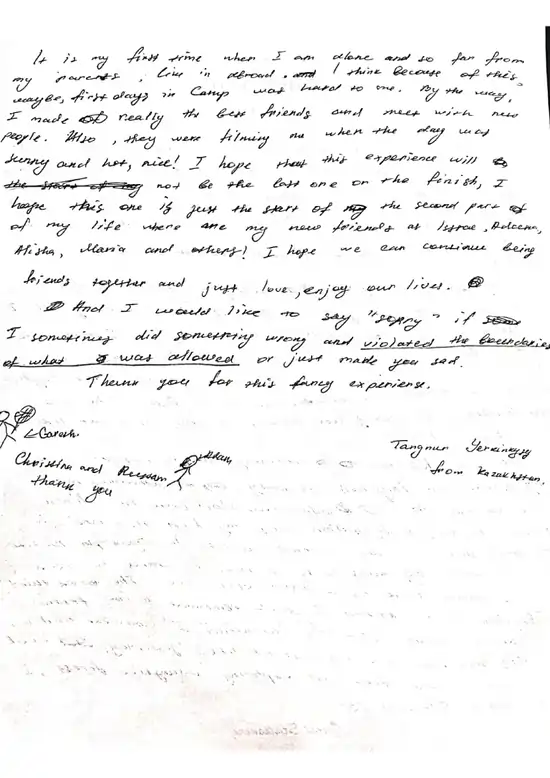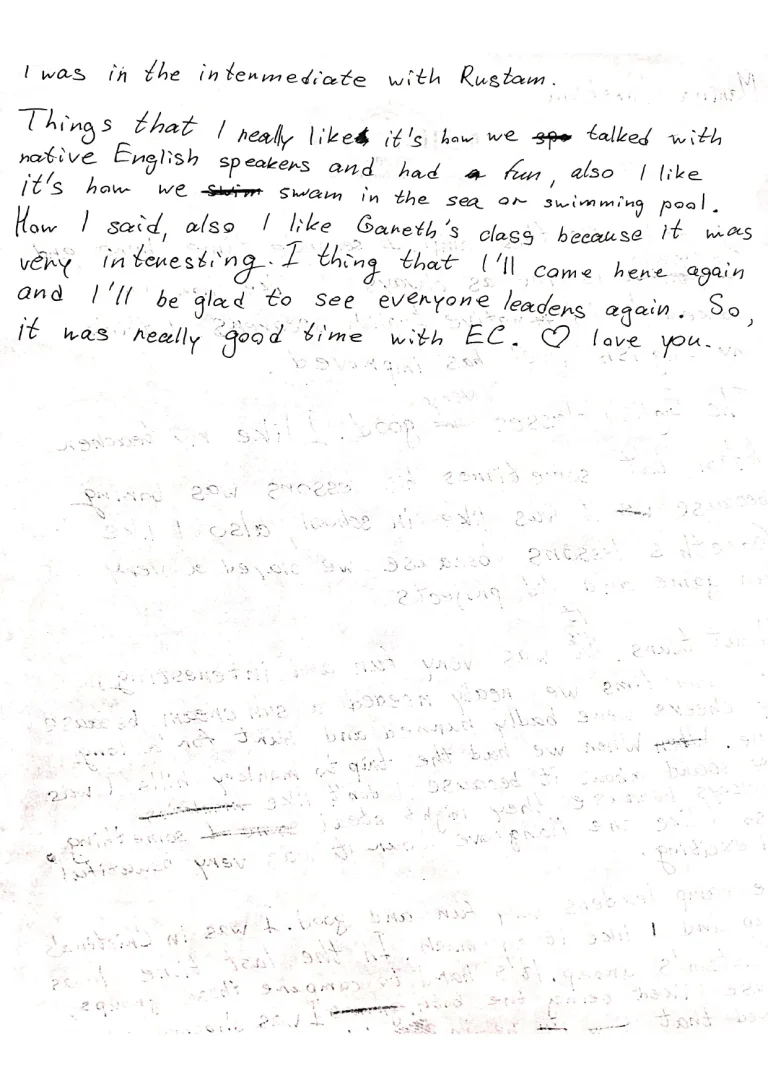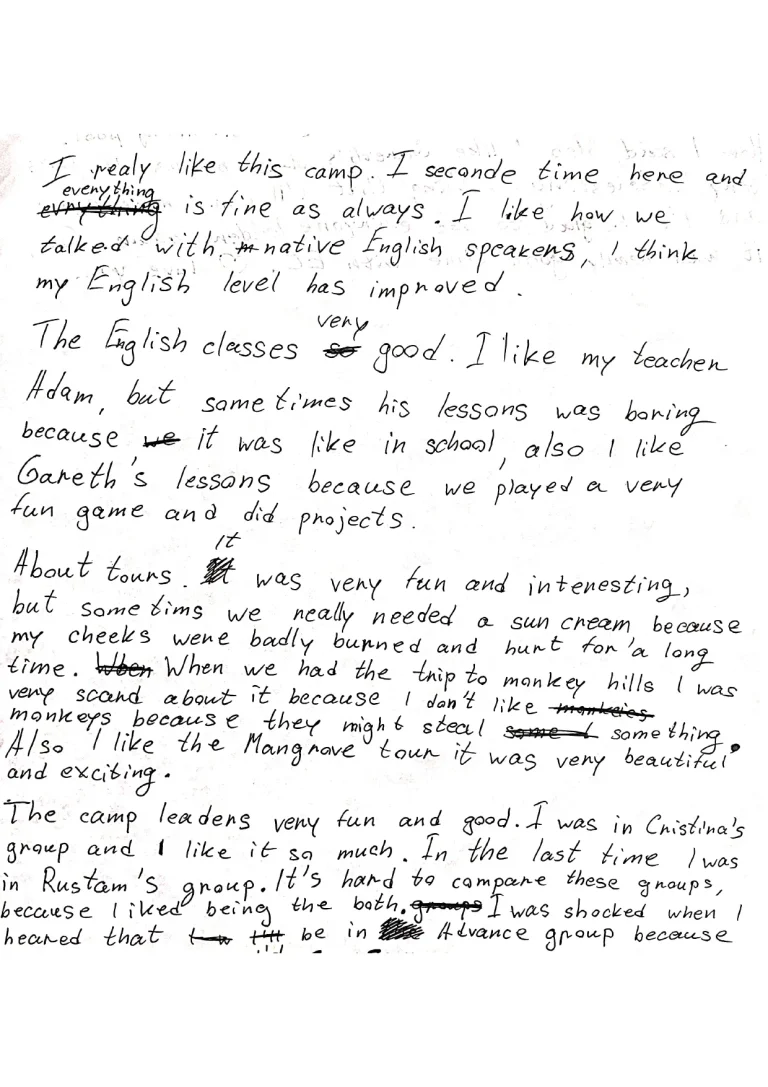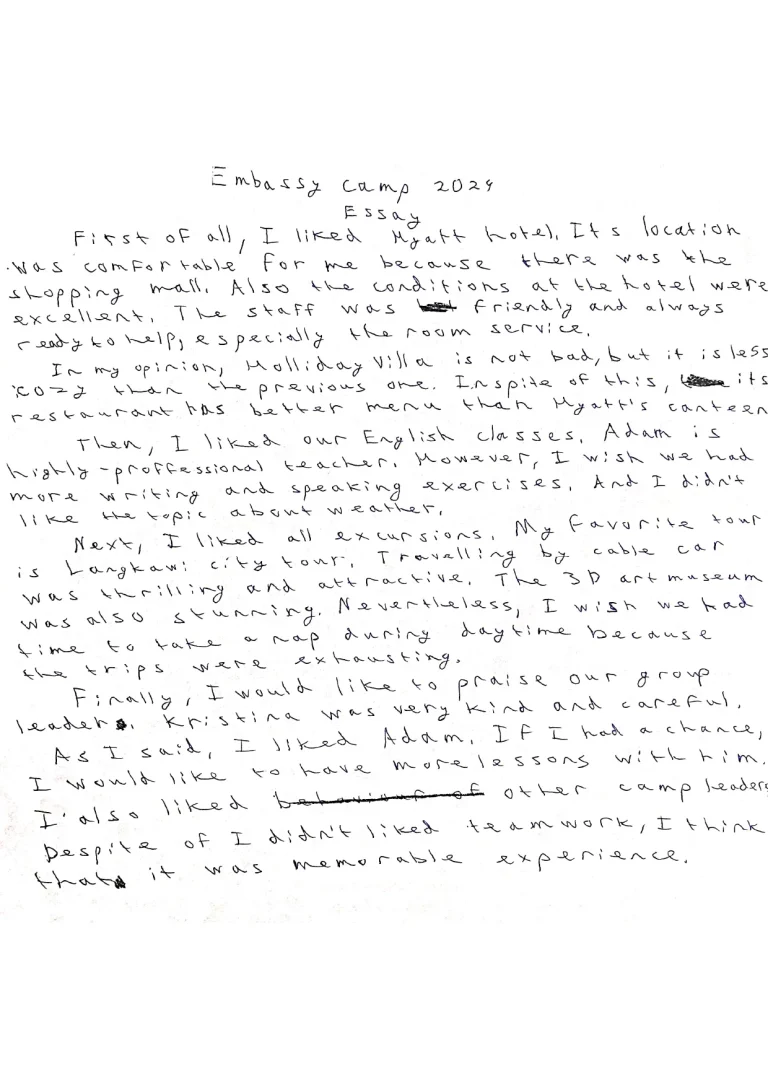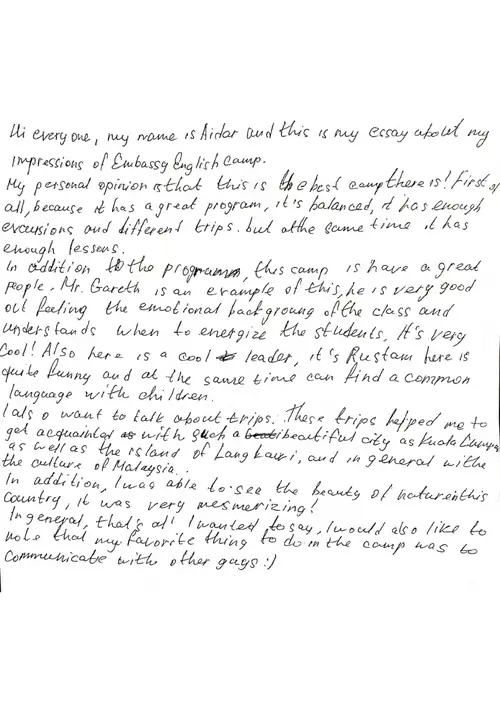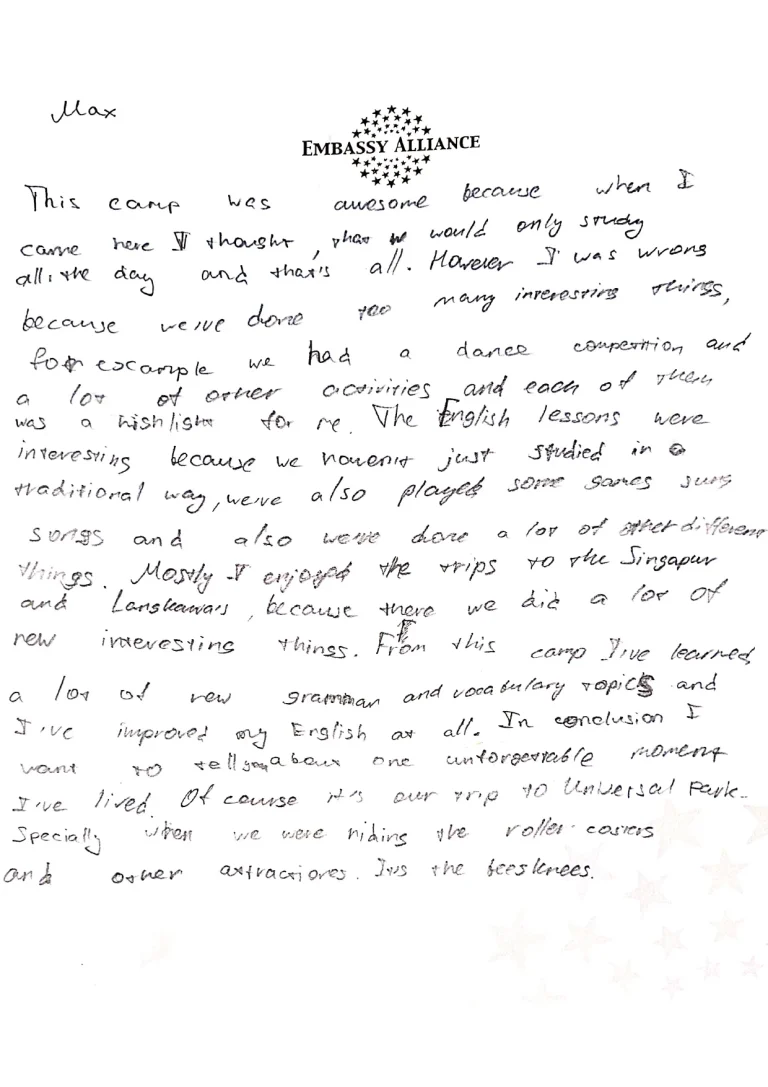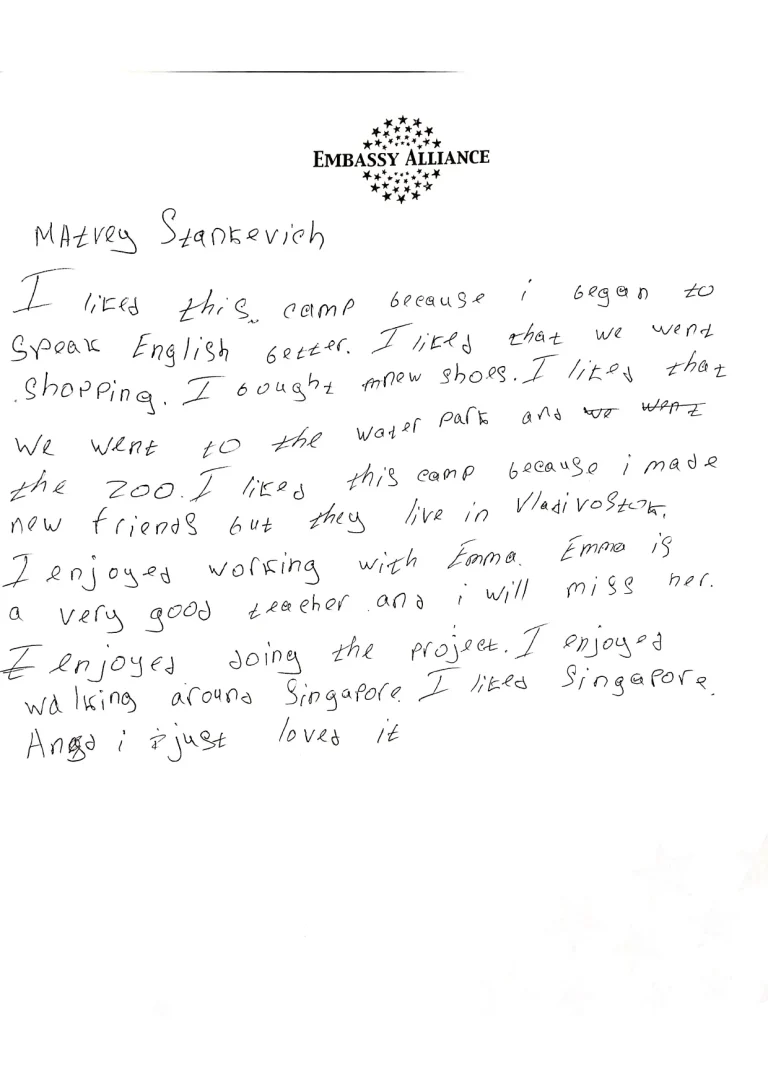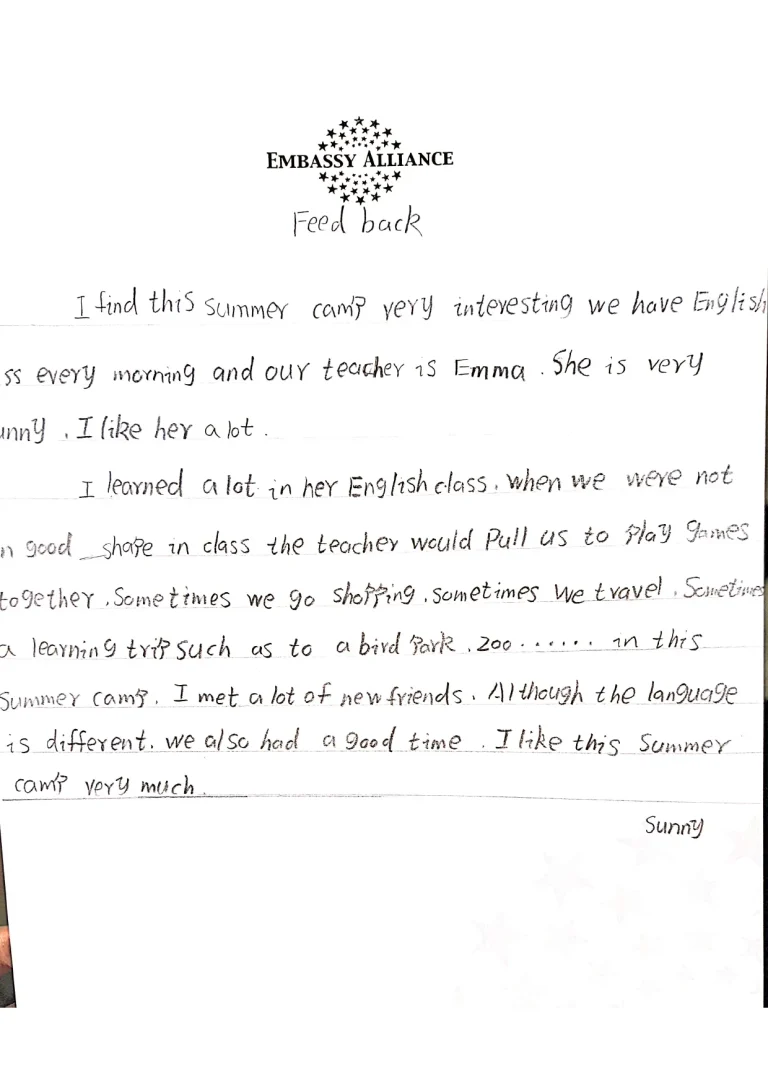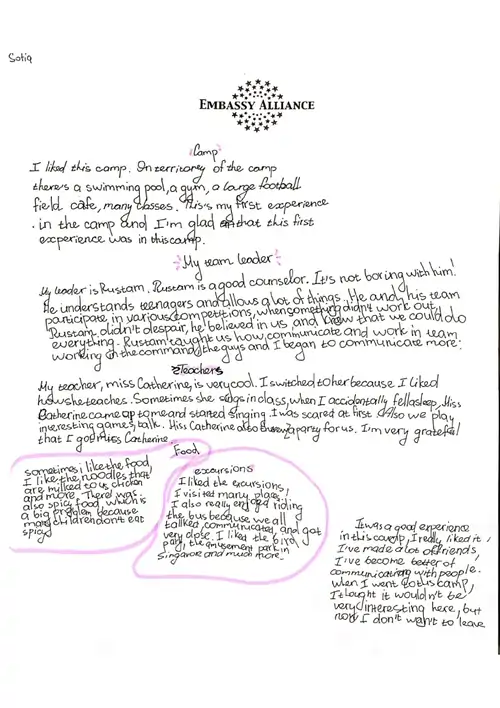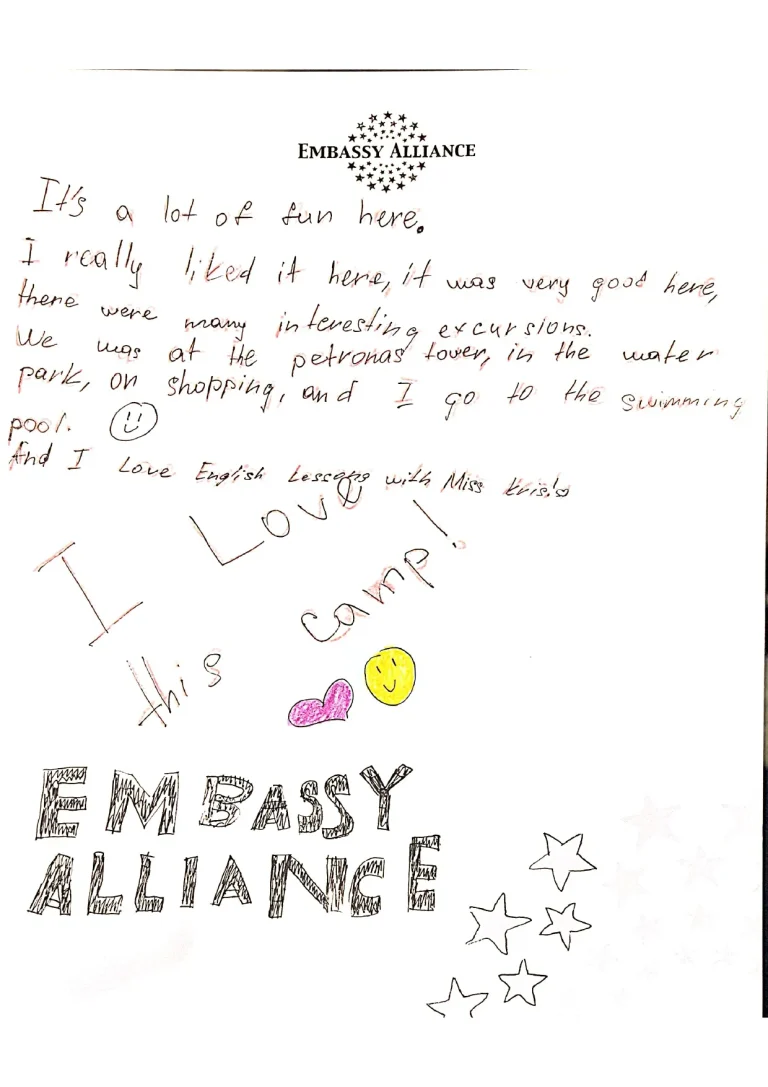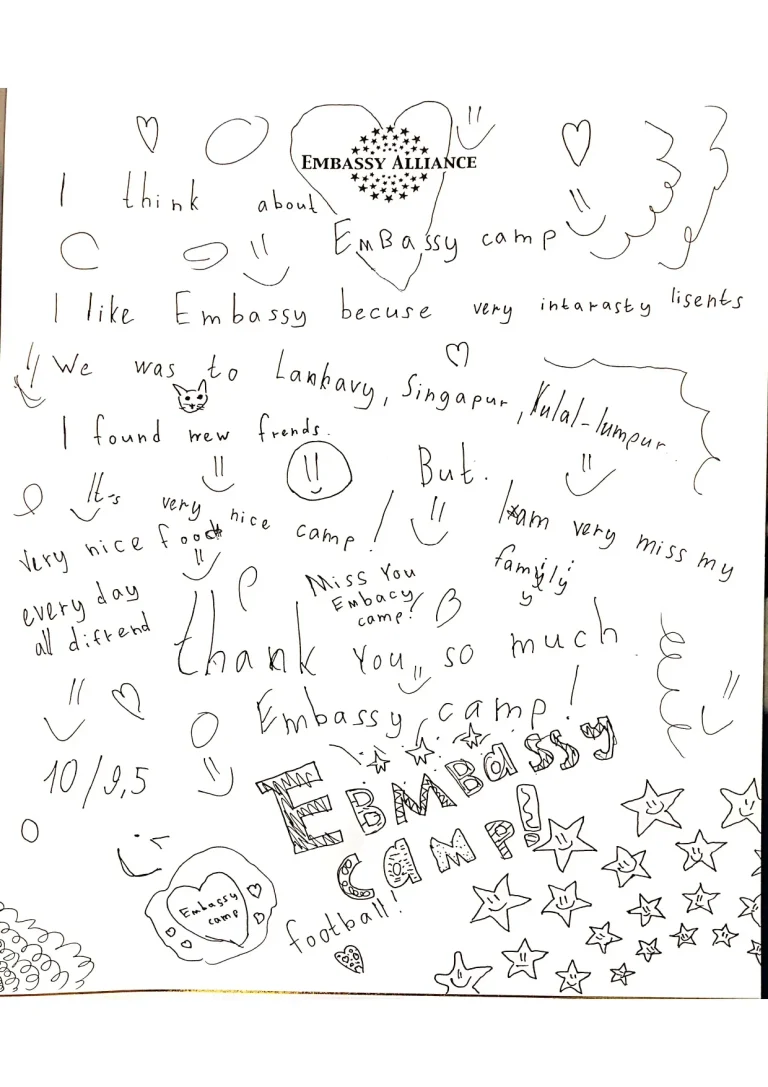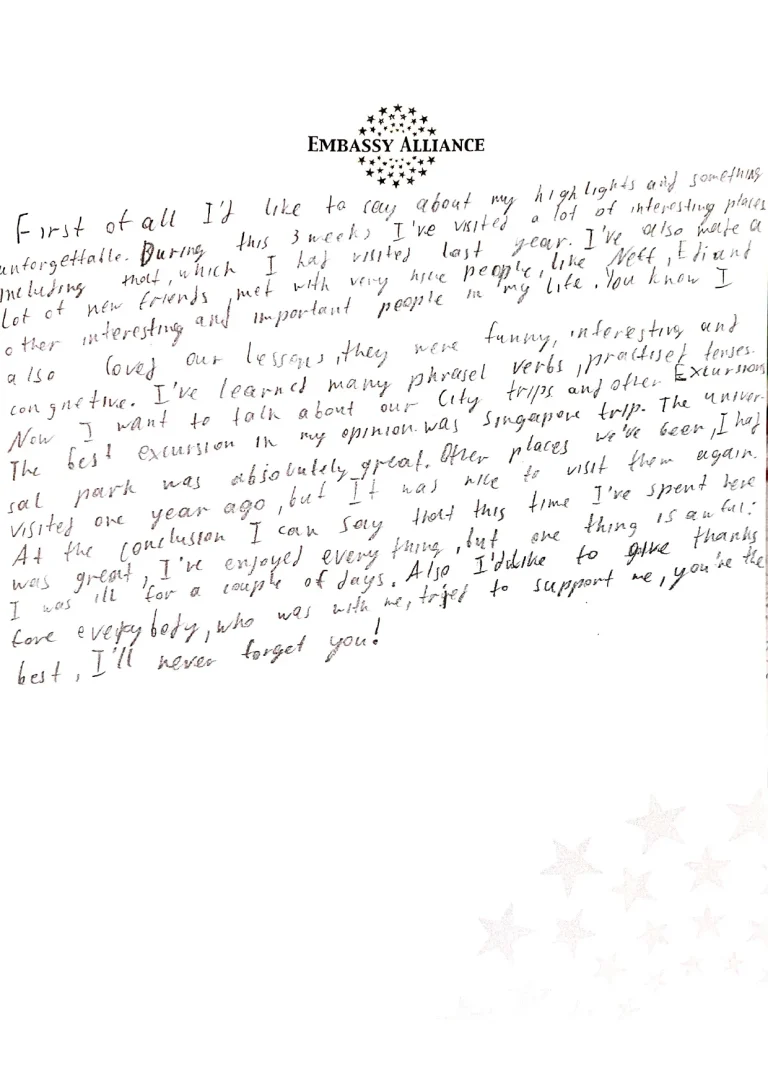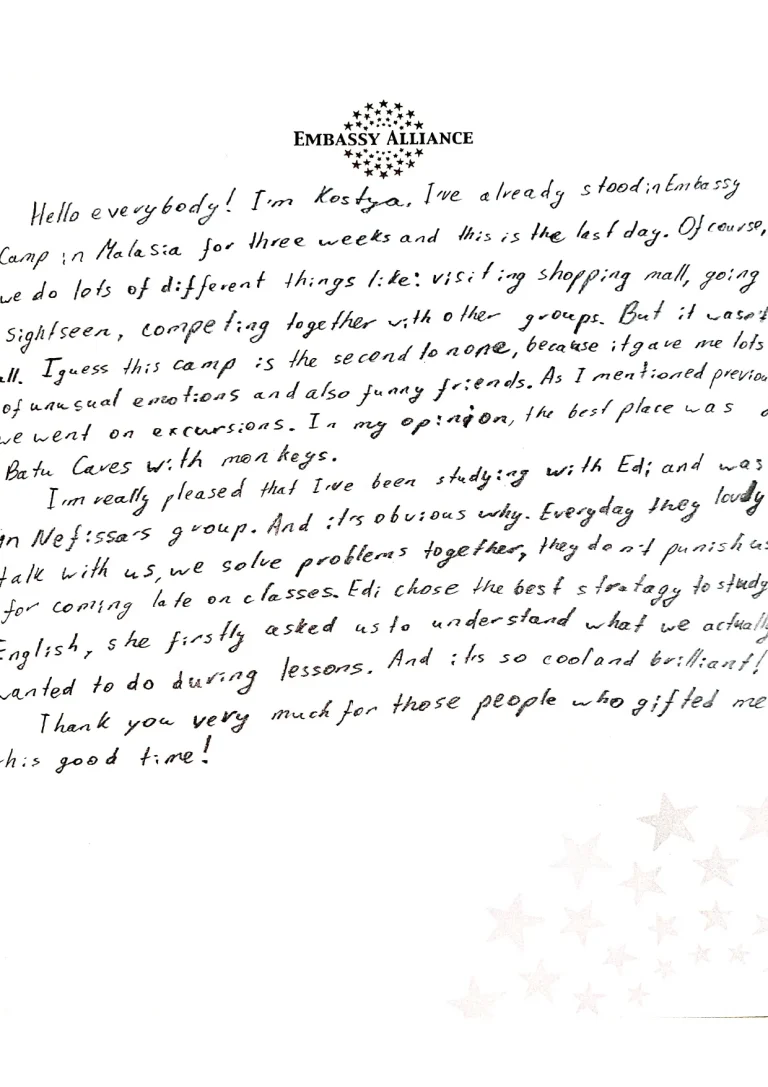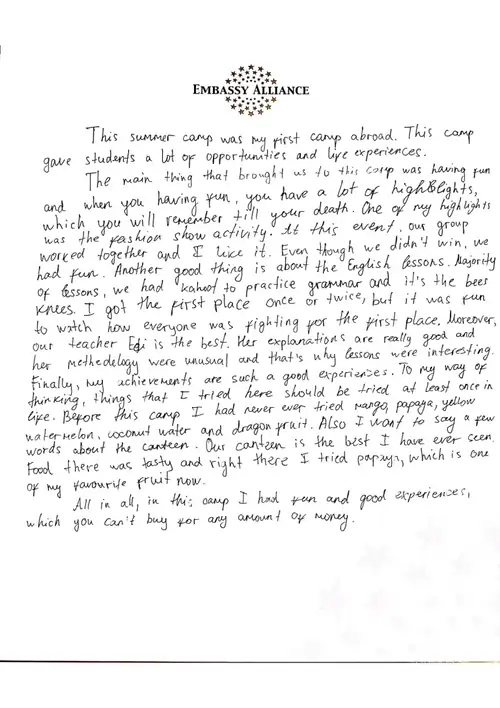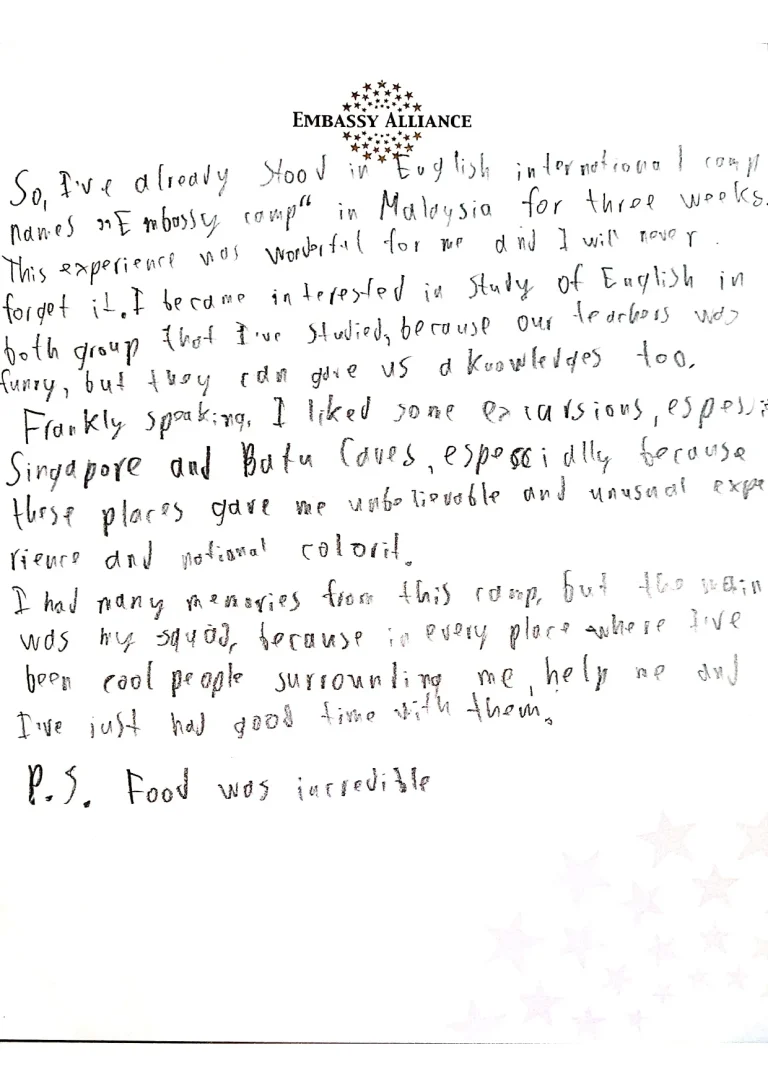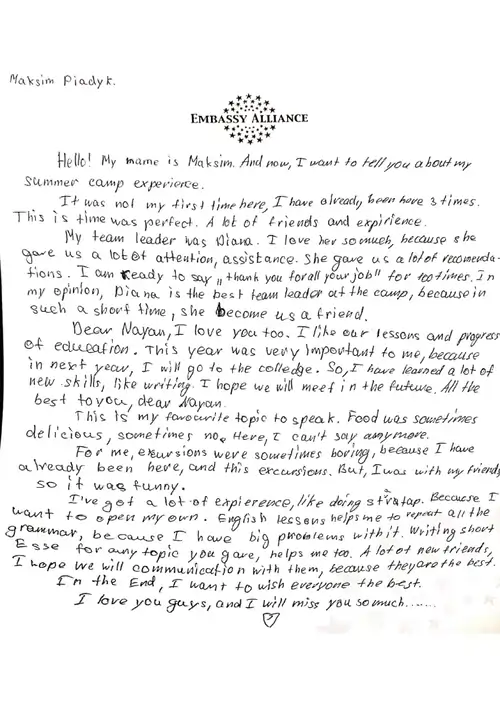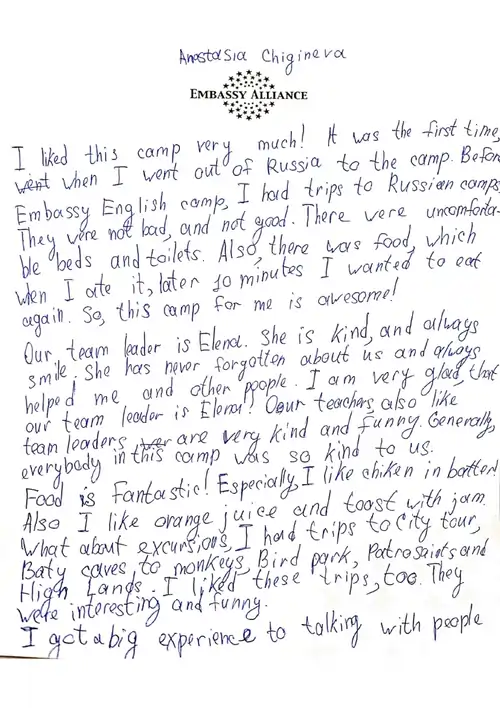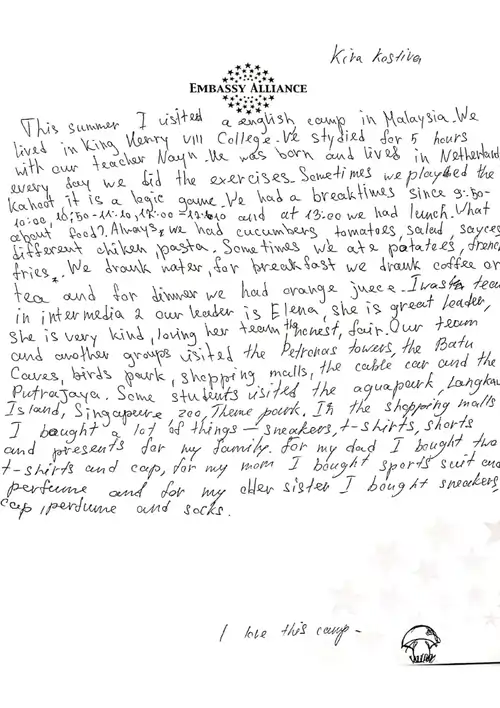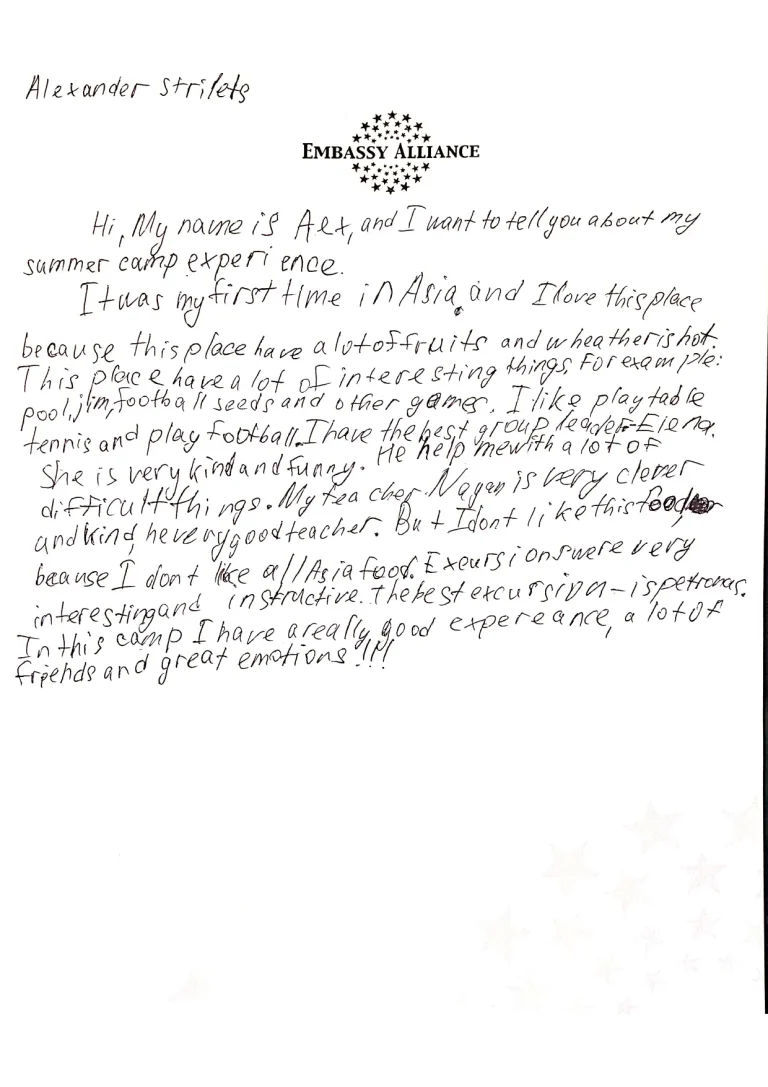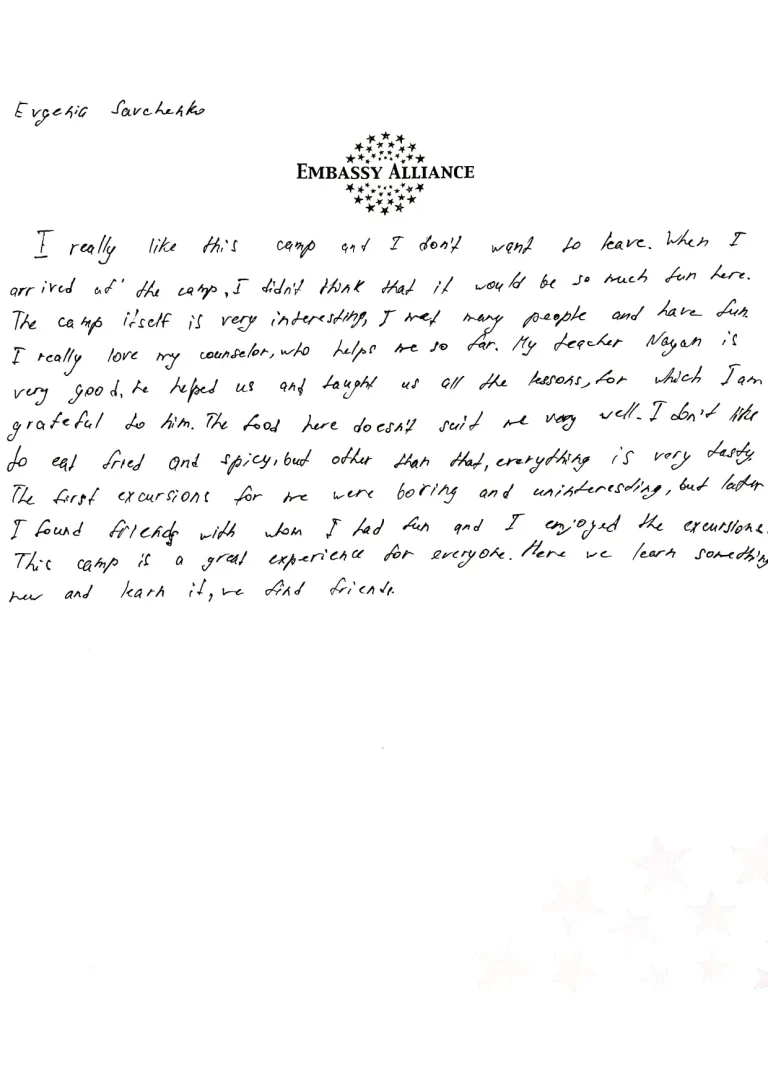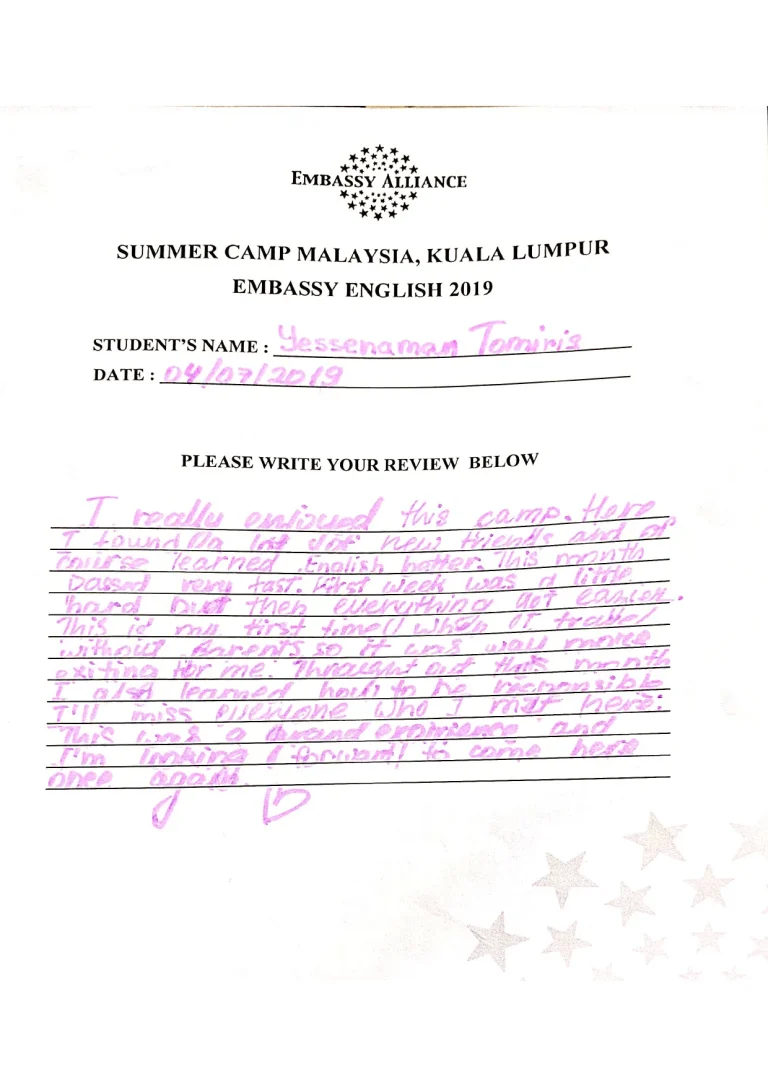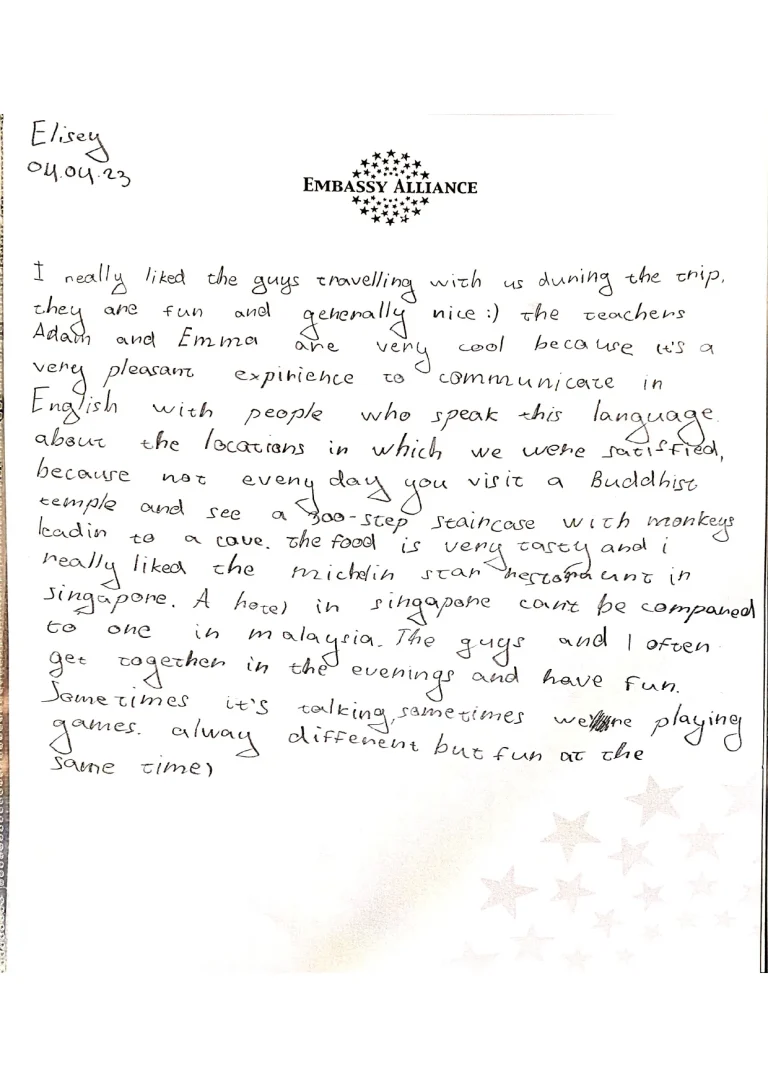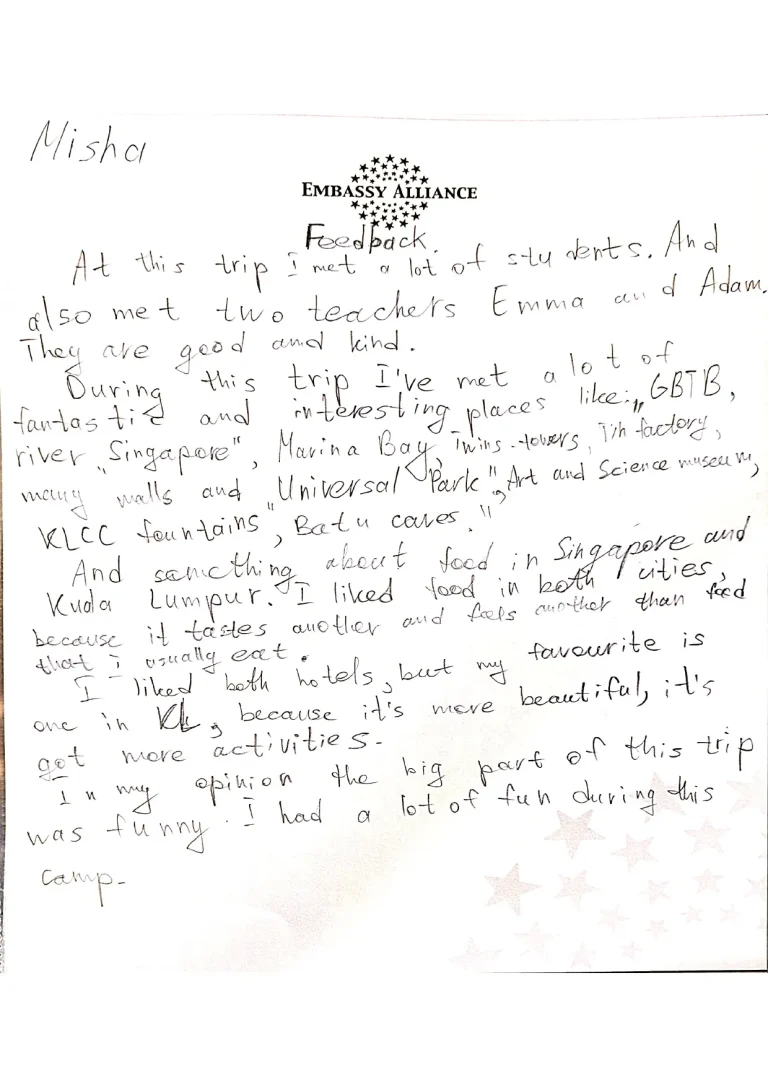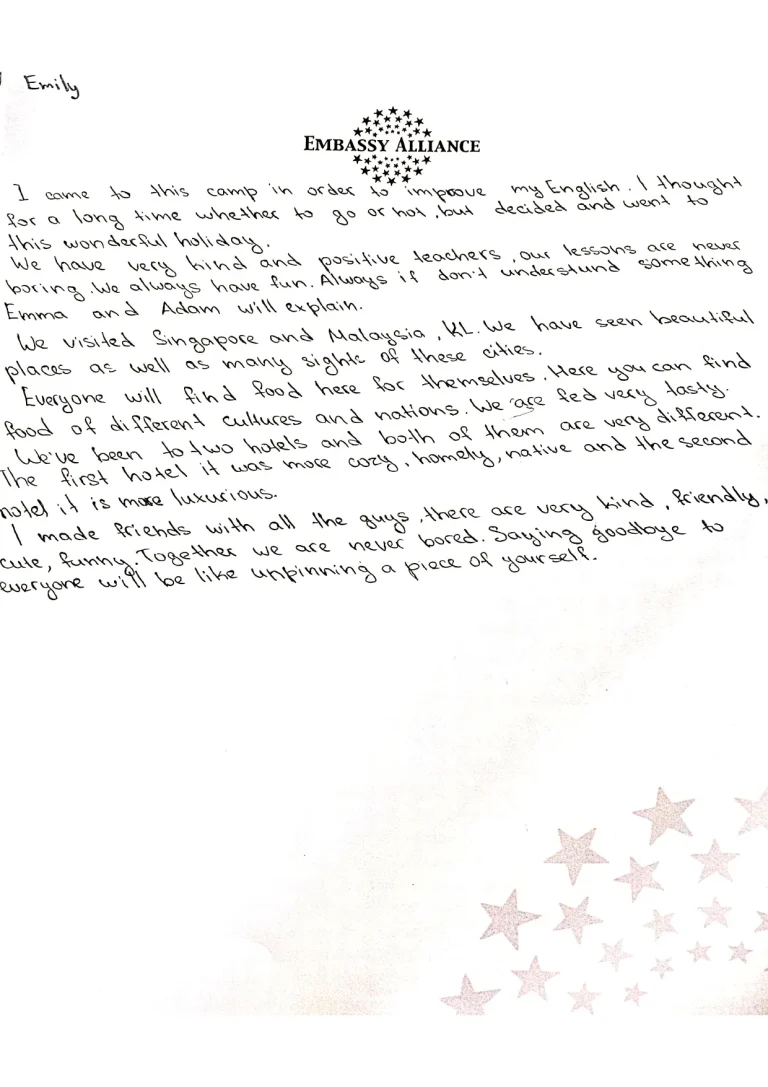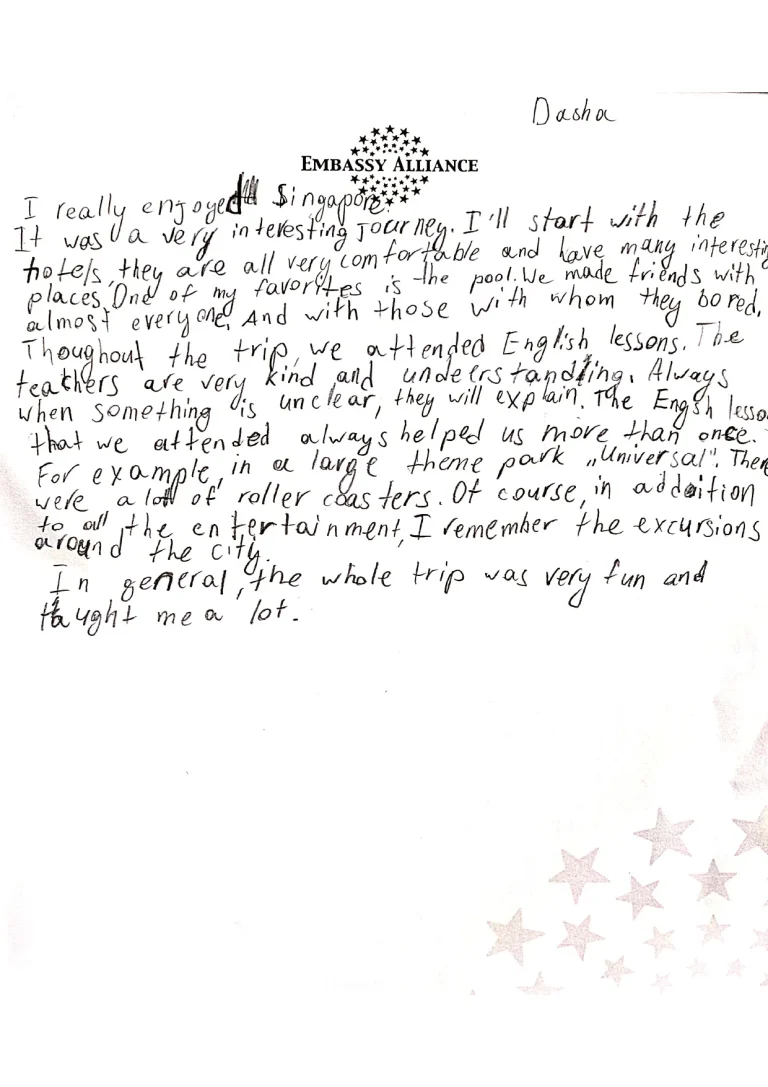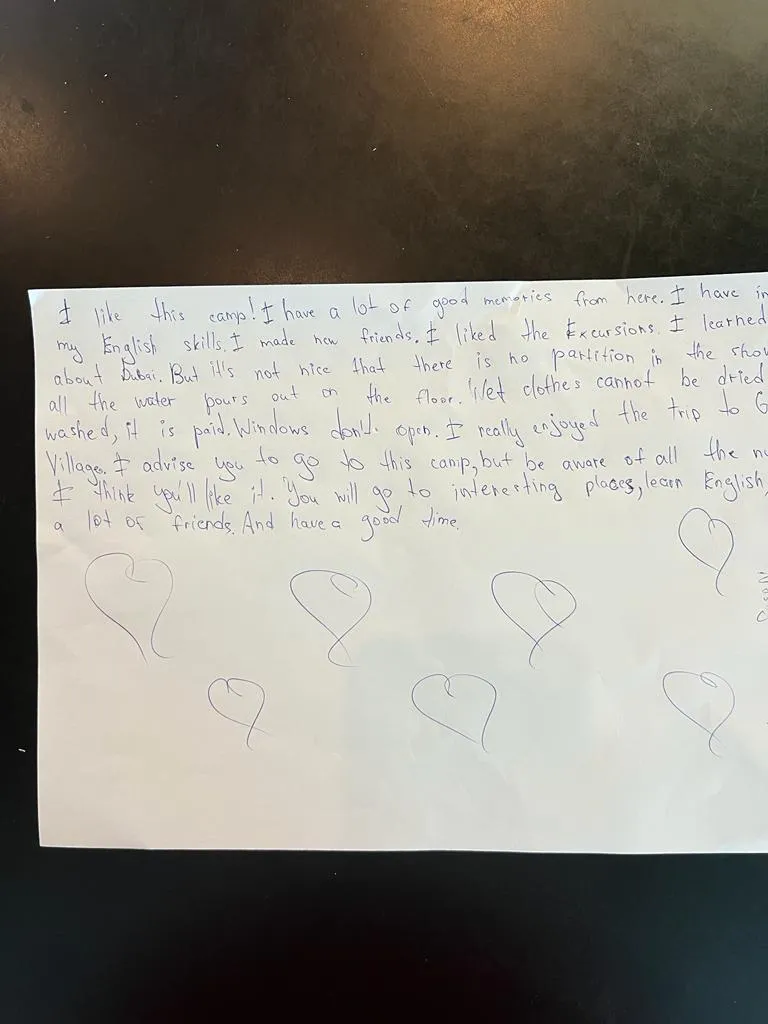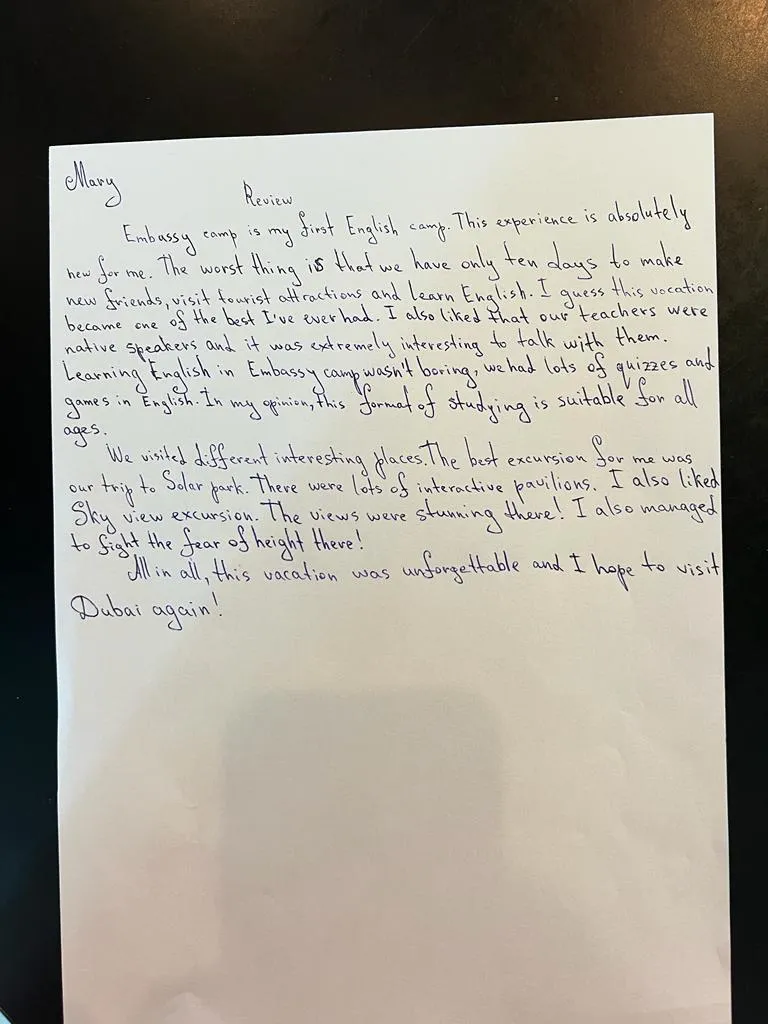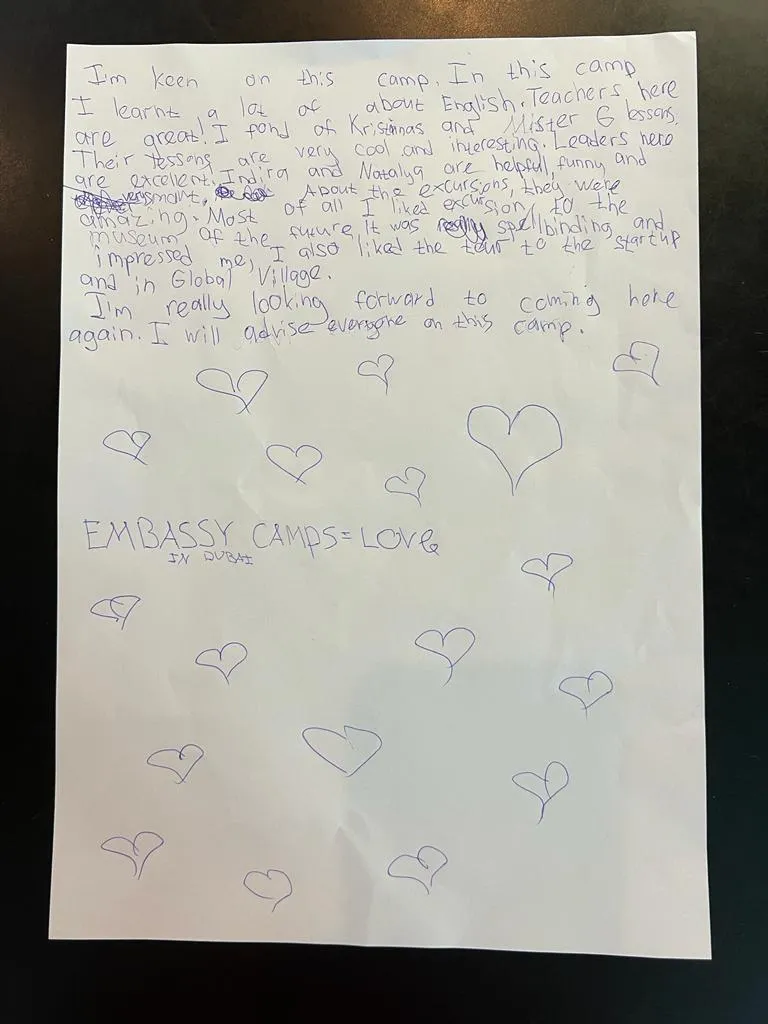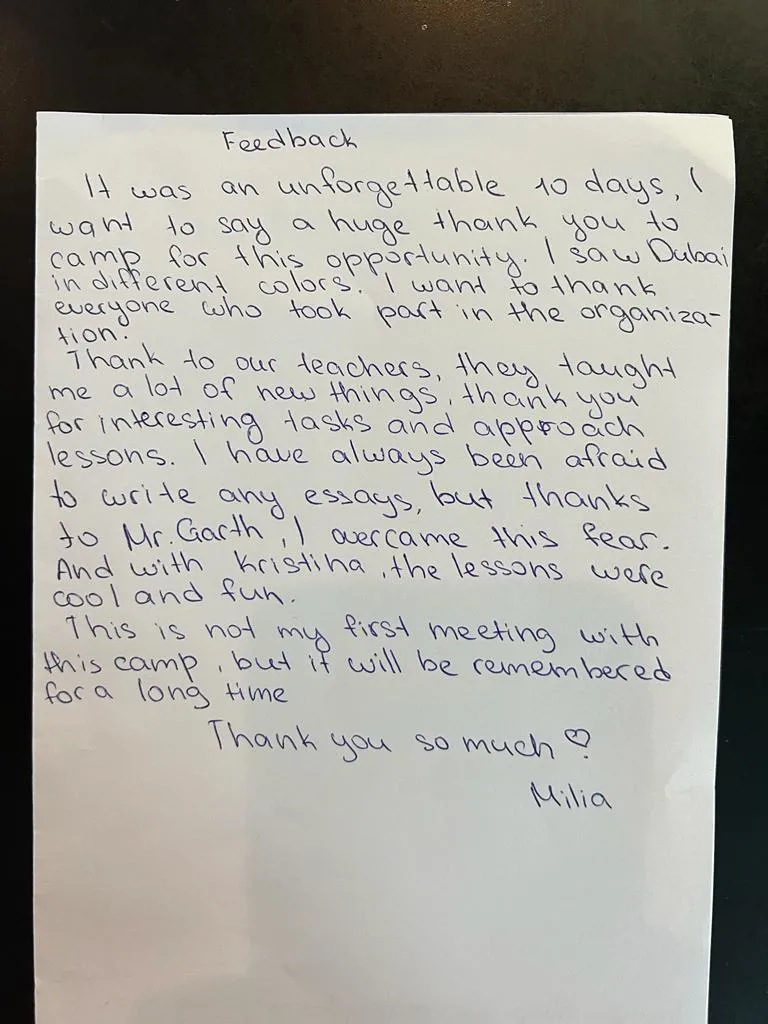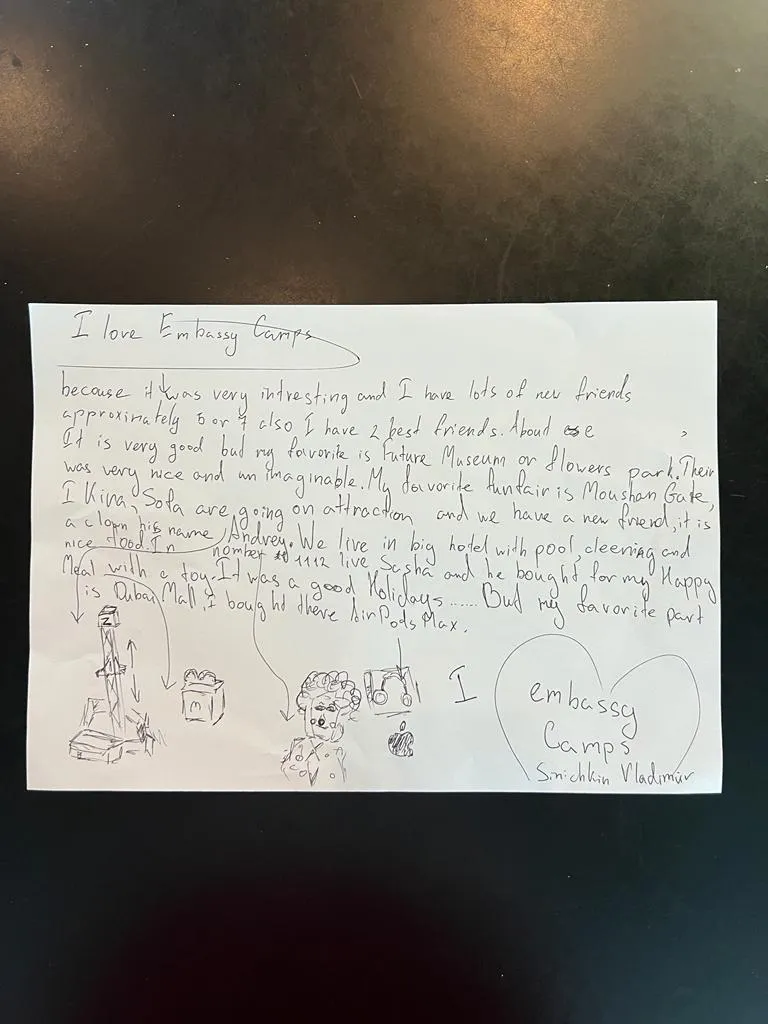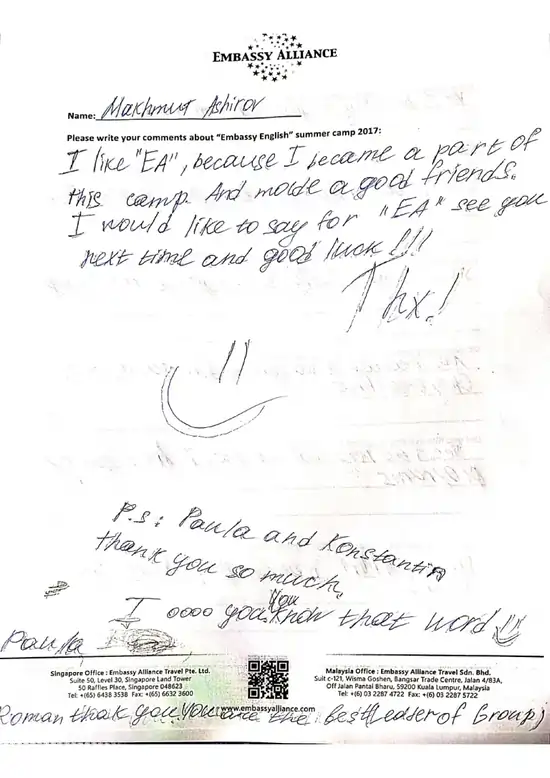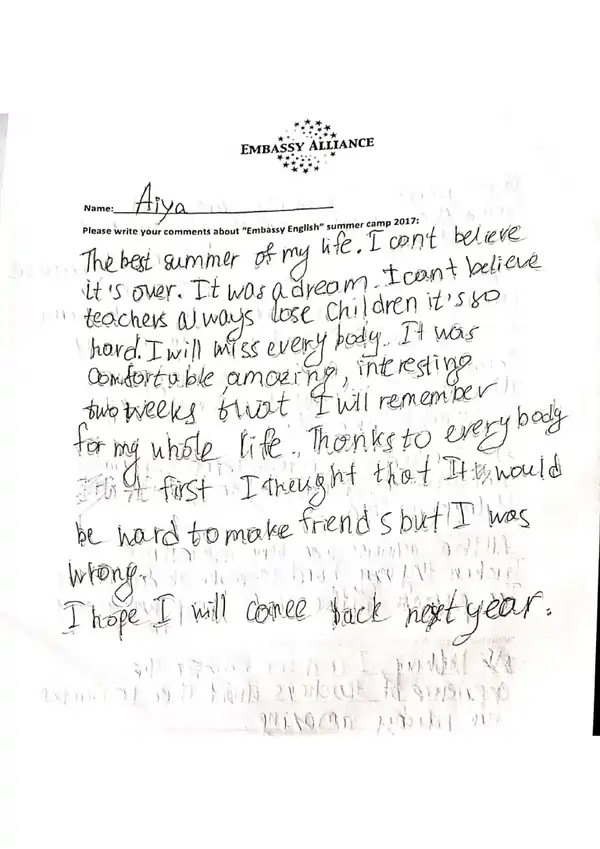

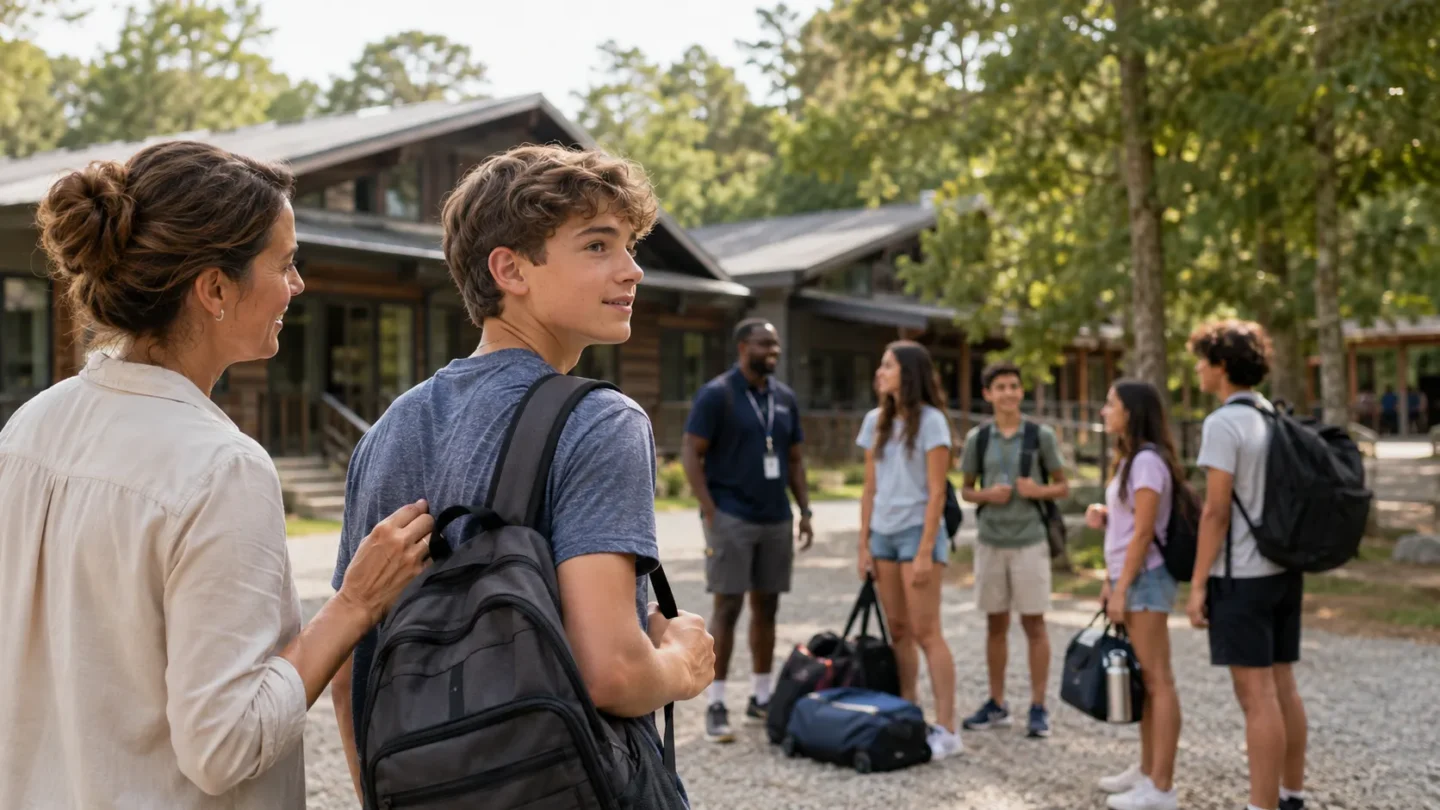
Some children walk into a new group and start talking within minutes. Others prefer to observe, understand the people around them, and join when they feel comfortable.
Both can succeed at summer camp.
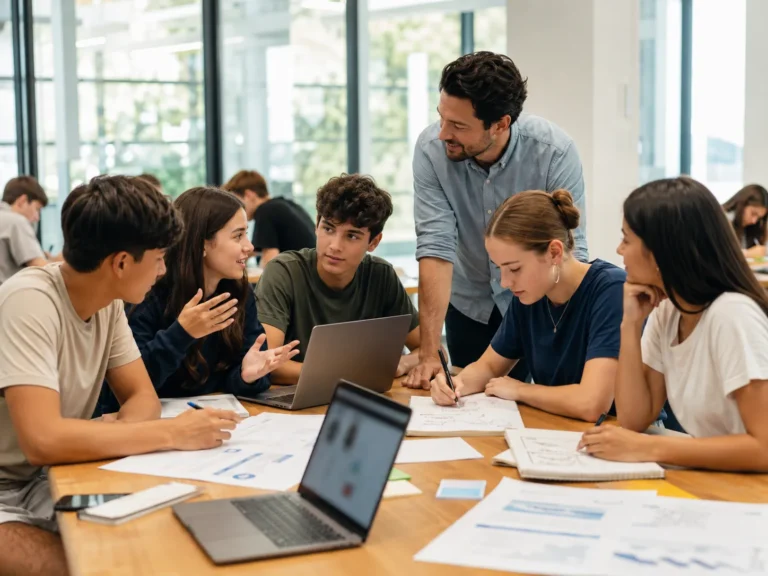
One reason summer camp social skills can develop naturally is that children are not simply placed together and told to "make friends." They repeatedly meet through activities, meals, excursions, team challenges, accommodation routines, and informal free time.
That repetition matters.
A first conversation can become lunch together. Lunch can become a team activity. The activity creates something to talk about later. By the end of the day, two children who were strangers that morning may already feel more familiar with each other.
Social growth can be quieter than becoming highly outgoing. For one child, success may mean confidently joining a group. For another, it may mean starting a conversation without being prompted. For a shy teenager, one genuine new friendship may be more meaningful than becoming the most social person at camp.
Quick Answer: Does Summer Camp Improve Social Skills?
Summer camp can help children practice communication, teamwork, cooperation, listening, problem solving, confidence, empathy, and friendship skills because they spend repeated time interacting with peers and adults in both structured and informal situations.
Camp naturally creates opportunities to:
- Introduce yourself
- Join a group
- Listen to different opinions
- Work with teammates
- Share space
- Ask for help
- Handle small disagreements
- Support another camper
- Meet people from different backgrounds
- Build friendships through repeated interaction
The important qualification is that camp does not need to turn a quiet child into an extrovert. Improved social confidence can simply mean that interacting with other people becomes a little easier.
Why Is Summer Camp Socially Different From School?
School and camp can involve many of the same children, teamwork, and group situations, but their social environments are different.
At school, friendship groups may have existed for years. Children may already have familiar labels such as "the sporty one," "the funny one," "the quiet one," or "the new student."
At summer camp, many participants are arriving in a new environment at the same time.
Camp also moves children through different environments during the day. Someone who does not immediately connect with their roommate might find common ground with another camper during football, a creative workshop, an outdoor challenge, a language activity, or an excursion.
This gives children more than one opportunity to find their place.
8 Summer Camp Social Skills Children Practice Naturally
Social development at camp usually does not happen through a lecture about friendship. It happens through dozens of small interactions.
1. Starting Conversations
Camp creates simple conversation starters naturally. Questions about names, countries, activities, rooms, and excursions give children a low-pressure reason to speak.
2. Joining a Group
Campers practice approaching an activity, listening first, understanding what the group is doing, finding a role, and participating without dominating.
3. Listening to Other People
Team activities require children to hear instructions, different ideas, other opinions, and group decisions. Social confidence includes listening as well as speaking.
4. Cooperation and Teamwork
Shared tasks teach campers to divide responsibility, encourage teammates, take turns, compromise, and complete something together.
5. Handling Small Disagreements
Room habits, team roles, game rules, activity choices, and personality differences create ordinary opportunities to communicate and compromise.
6. Asking for Help
A camper may need to tell an adult, "I don't understand," "I lost something," "I don't feel well," or "I'm having trouble joining the group."
7. Understanding Different People
International camp can expose children to different personalities, languages, interests, habits, and ways of communicating, encouraging patience and curiosity.
8. Building Confidence Through Repetition
One introduction can lead to lunch together, then a team activity, then an excursion, then a conversation the next day. Familiarity builds gradually.
Outdoor and team-based activities can be especially useful because they give campers a shared task. Parents interested in this side of camp can also read Embassy Camp's guide to the benefits of outdoor education for students.
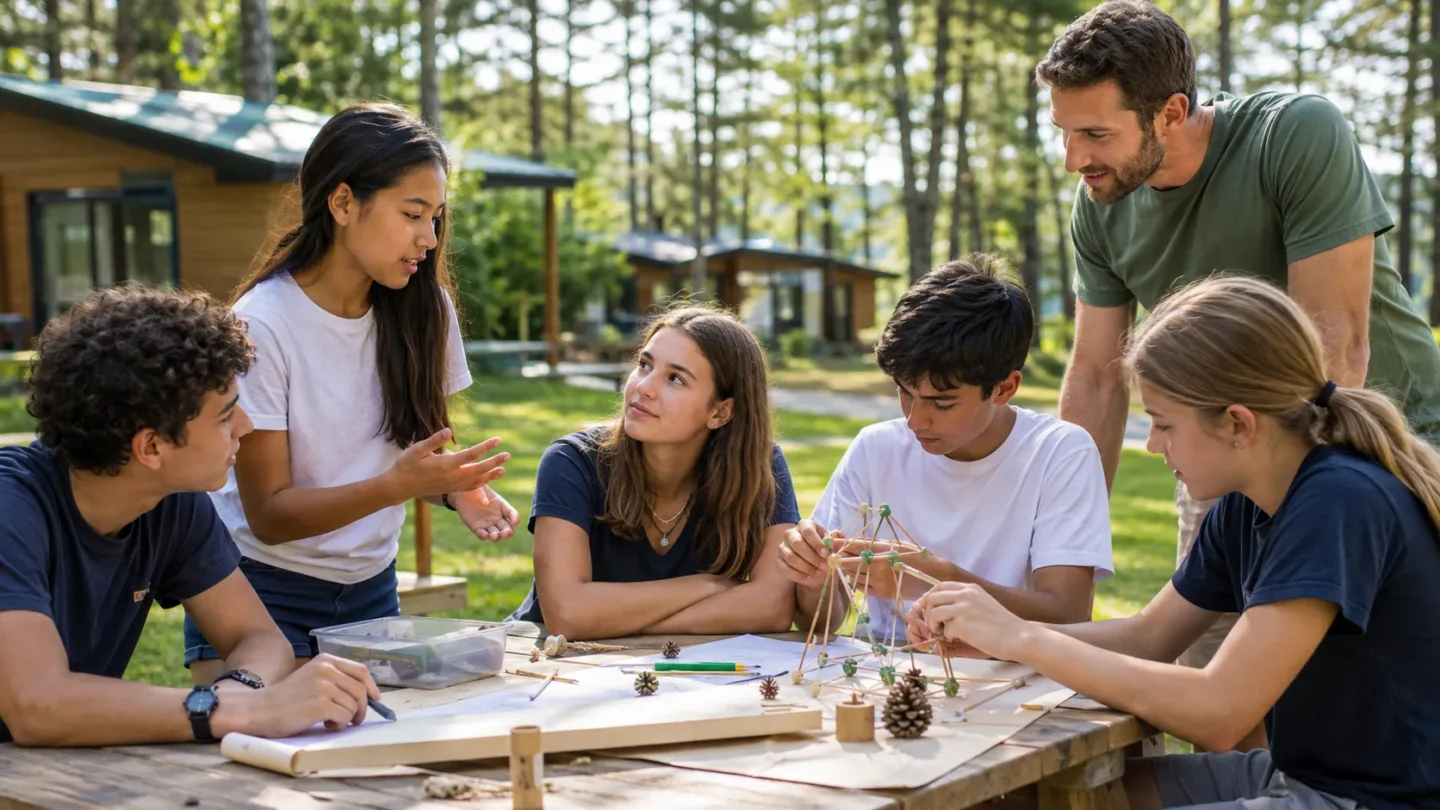
How Do Children Actually Make Friends at Summer Camp?
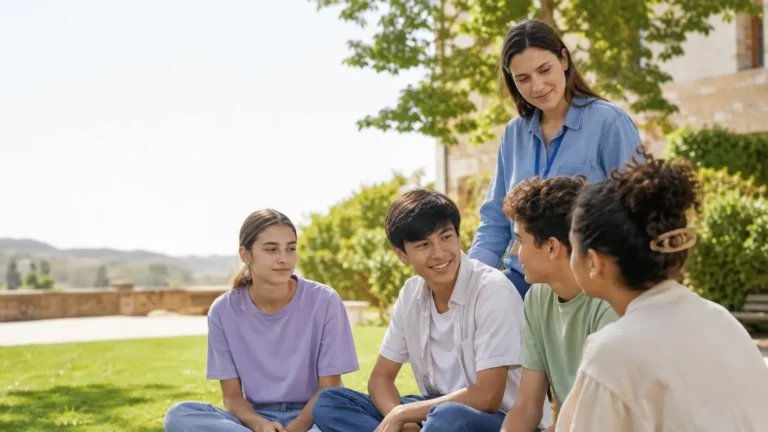
Friendships at camp often develop because children are doing something together. That removes some of the pressure from socializing.
Shared Activities
Two campers working on the same challenge already have something to talk about.
Meals
Breakfast, lunch, and dinner create repeated opportunities for informal conversation outside structured activities.
Roommates
Residential campers spend time together before and after activities, allowing familiarity to develop naturally.
Excursions
New places and shared experiences give campers stories to remember and talk about later.
Free Time
Structured activities may introduce campers, while informal time gives those connections space to deepen.
Parents who want to understand the residential side more clearly can read the Residential Summer Camp Accommodation Guide for Parents.
Why Repeated Interaction Can Make Friendship Easier
Imagine telling a child, "Go over there and make a friend."
For a socially confident child, that may be fine. For a quieter child, it can create pressure.
Camp changes the task. Instead of saying, "Make a friend," the environment effectively says, "Do this activity together." Then, "Eat together." Then, "Travel to the next activity together." Friendship has room to develop as familiarity grows.
This is one of the most useful ways to understand summer camp social skills. The environment repeatedly creates a reason for children to interact.
Is Summer Camp Good for Shy or Quiet Children?
It can be, provided the programme offers appropriate support.
Shyness is not something that needs to be fixed. A quiet child does not need to become the loudest camper in the group for camp to be successful.
Helpful Conditions for Quieter Campers
- Small group activities
- Structured introductions
- Consistent group leaders
- Predictable routines
- Activities with a clear shared purpose
- One-to-one conversations
- Repeated interaction with familiar campers
- Leaders who notice when someone is being left out
Parents of children who take longer to warm up can read International Summer Camp for Shy Teenagers for more specific preparation advice.
What If My Child Does Not Make Friends Immediately?
Not every camper finds their closest friend during the first afternoon.
Some children connect quickly. Others observe first, start with one roommate, speak to someone during an activity, and gradually become more comfortable over several days.
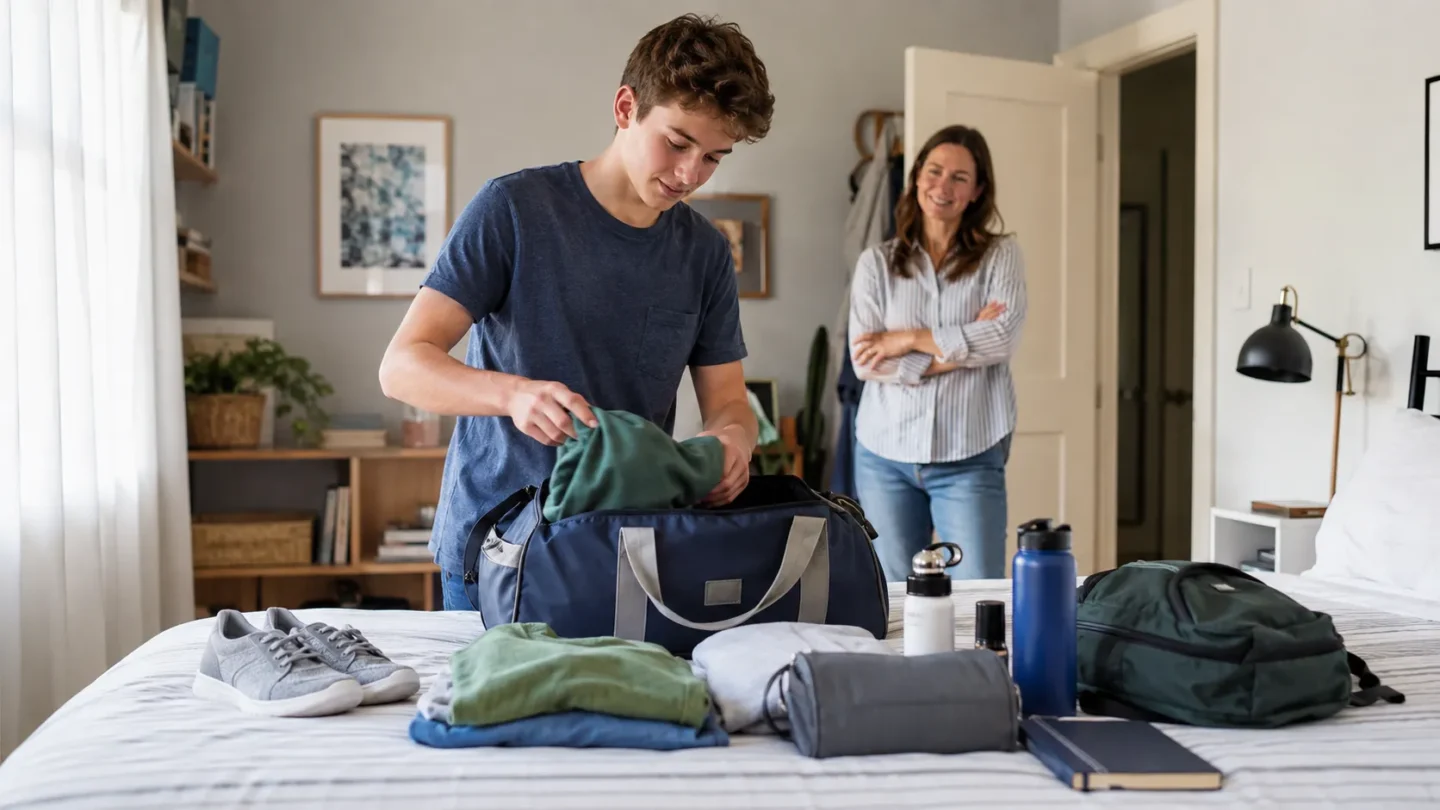
If your child says, "I haven't made any friends yet," especially early in the programme, avoid immediately assuming something is wrong.
These questions focus on participation rather than popularity. Participation often comes before friendship.
Can International Summer Camp Build Communication Skills?
An international camp can create many reasons to communicate.
Campers may need to speak with peers whose first language, accent, communication style, or background differs from their own.
- Speak clearly
- Listen carefully
- Repeat something when misunderstood
- Ask follow-up questions
- Explain an idea differently
- Read facial expressions and body language
- Be patient when communication takes longer
This does not mean attending an international camp automatically produces language fluency. The more realistic benefit is that campers have repeated, meaningful reasons to communicate with other people.
Social Skills vs Popularity: What Should Parents Actually Look For?
Not the Goal
- Having the biggest friend group
- Becoming highly outgoing
- Being popular
- Talking constantly
Better Signs of Social Growth
- Starting one conversation
- Joining activities independently
- Remembering someone's name
- Helping a teammate
- Handling a disagreement
- Speaking to a group leader
- Maintaining one or two friendships
For a broader look at communication, cooperation, confidence, empathy, and related abilities, parents can also explore Embassy Camp's practical guide to social skills for teens.
What Activities Help Build Social Skills at Camp?
There is no single best activity. Different activities create different types of interaction.
Team Sports
Communication, encouragement, role awareness, cooperation, and handling both winning and losing.
Creative Projects
Sharing ideas, listening to preferences, and making decisions together.
Outdoor Challenges
Problem solving, communication, trust, and shared responsibility.
Group Excursions
Informal conversation, shared memories, and opportunities to interact outside the normal routine.
Language Activities
Speaking, listening, explaining ideas, and asking questions with a natural purpose.
Leadership Challenges
Decision making, responsibility, delegation, and supporting other group members.
Some of the most important social learning also happens during meals and residential life, where children practice patience, conversation, shared routines, and living alongside other people.
How Can Camp Leaders Help Children Connect?
Friendship cannot be guaranteed. However, good camp staff can create conditions that make connection easier.
The goal is not for staff to manufacture friendships. It is to make it easier for campers to interact.
What Can Parents Do Before Camp?
Do Not Say, "You Must Make Lots of Friends"
That can make a naturally social experience feel like a test. Encourage participation instead.
Practice Simple Conversation Openers
Useful questions include, "Is this your first camp?", "Where are you from?", and "What activity are you doing next?"
Encourage Joining, Not Popularity
A better first-day goal is "Join one activity" rather than "Make three friends."
Tell the Camp If Your Child Takes Time to Warm Up
This gives staff useful context without asking them to force interaction.
Avoid Comparisons
One sibling may return with ten phone numbers. Another may return talking about one close friend. Both may have had a valuable social experience.
What Should Parents Ask After Camp?
Once camp is over, avoid reducing the social experience to, "Did you make lots of friends?"
Embassy Camp Perspective: Social Growth Through Shared Experiences
At a well-structured international camp, social development does not need to be a separate class.
It can happen throughout the day through learning activities, team challenges, meals, excursions, sports, creative activities, residential routines, free time, and conversations with camp leaders.
A child who hesitates to speak during the first activity may feel more comfortable at lunch. That conversation may make the afternoon team challenge easier. By the evening, they recognize several faces. The next morning no longer feels like walking into a room of strangers.
That is how social confidence often develops: through small experiences building on one another.
Final Thoughts: Why Summer Camp Social Skills Matter Beyond Camp
The value of summer camp social skills is not measured by how many contacts a child adds to their phone before returning home.
The more meaningful question is whether they became more comfortable interacting with other people.
Did they practice starting a conversation? Could they join a group? Did they listen to someone with a different opinion? Could they cooperate with a teammate? Did they handle a small disagreement? Did they speak up when they needed help? Did they form a genuine connection with someone new?
These experiences can support children when they later enter new classrooms, sports teams, universities, travel groups, clubs, and other unfamiliar environments.
Summer camp does not guarantee a personality transformation. What it can provide is repeated practice.
And when children repeatedly talk, cooperate, solve problems, share experiences, and spend time together, friendship has a natural opportunity to grow.
Explore Summer Camp Experiences Built Around Shared Activities
Compare Embassy Camp programmes by destination, age group, activities, accommodation, and programme format to find an environment that suits your child.
FAQs About Summer Camp Social Skills
Does summer camp improve social skills?
Summer camp can provide repeated opportunities to practice communication, cooperation, teamwork, friendship, conflict resolution, and asking for help through both structured activities and everyday group life.
How does summer camp help children make friends?
Campers repeatedly meet through activities, meals, excursions, residential routines, team challenges, and free time. Shared experiences give children natural conversation topics and allow familiarity to build gradually.
Is summer camp good for shy children?
It can be. Quiet or shy children may benefit from small groups, structured activities, repeated interaction, supportive leaders, and opportunities to connect without being pressured to become highly outgoing.
What if my child does not make friends at camp?
Give them time, particularly during the first few days. Ask about activities, roommates, meals, and people they have spoken to rather than only asking whether they have made friends. If the child remains consistently isolated or distressed, contact camp staff for context and support.
What social skills do children learn at summer camp?
Children may practice introducing themselves, joining groups, listening, teamwork, cooperation, problem solving, managing disagreements, asking for help, supporting peers, and communicating with people from different backgrounds.
Can international summer camp improve communication skills?
International camp can give children repeated reasons to communicate with peers from different backgrounds. They may practice speaking clearly, listening carefully, asking questions, explaining ideas, and adjusting when someone does not immediately understand them.
How can parents help a child make friends at camp?
Keep the pressure low. Practice a few simple conversation starters, encourage your child to join activities, tell staff if they are slow to warm up, and focus on participation rather than expecting a certain number of friends.