

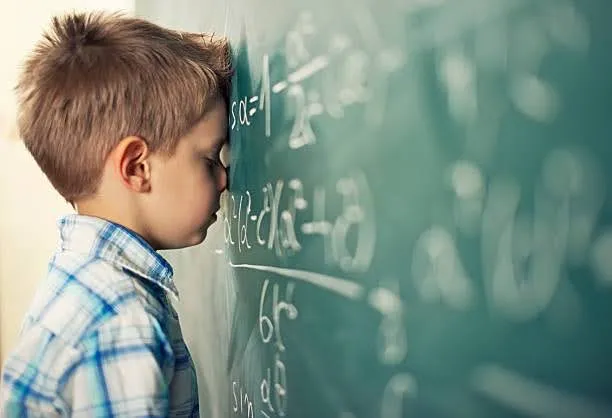
Ask any parent who has watched their child count on fingers at age ten, stare blankly at a restaurant bill, or reach for a calculator to add 25 and 15, and you will hear the same quiet frustration: ” Why is this so hard?
The answer, more often than not, is that the child was never taught to think with numbers. They learned to follow steps on paper, but not to work with numbers in their head. That is exactly the gap mental math for kids is designed to close, and it is one of the most worthwhile investments parents can make in their child’s early education.
Mental math is not a trick. It is not about being a genius or a prodigy. It is a set of learnable thinking habits that help children calculate quickly and confidently without needing a pen, paper, or calculator. And the benefits extend well beyond arithmetic.
This guide to mental math for kids covers everything parents need to know: what mental math is, why it matters, the best techniques to teach, and practical ways to build the habit at home.
What Is Mental Math?
Mental math for kids, at its most fundamental level, is the ability to perform arithmetic calculations entirely in the mind, without external tools. No calculator, no paper, no fingers. Just the child, the numbers, and a set of strategies for manipulating them quickly.
Before going further, it is worth being clear about what mental math for kids is not. It is not rote memorization of times tables, though that is part of the foundation. It is not speed drills designed to create anxiety. And it is certainly not the ability to compute 6-digit multiplication in your head after a weekend of practice.
At its core, mental math builds what educators call number sense: the intuitive ability to understand how numbers relate to each other, to estimate confidently, and to choose the most efficient calculation strategy for a given problem. A child with strong number sense does not just know that 8 x 7 = 56. They understand why, and they can use that understanding to solve 16 x 7, or 8 x 14, without starting from scratch.
Why Mental Math for Kids Matters More Than Most Parents Realize
It Activates Multiple Brain Regions Simultaneously
When a child works on mental math for kids exercises and performs a mental calculation, they are not just doing math. Research using neuroimaging shows that mental arithmetic activates the brain’s prefrontal cortex, the region responsible for planning, problem-solving, and self-control. Separately, a brain scan study of 186 undergraduates published via Prodigy Education found that engaging the prefrontal cortex during mental math exercises is linked to better emotional health.
In practical terms, mental math for kids is one of the few activities that simultaneously exercises working memory, attention, logical reasoning, and visualization. A child solving 47 + 36 mentally must hold two numbers in memory, break them into parts, add in sequence, and reconstruct the answer without losing track. That is genuine cognitive work.
It Builds Confidence That Transfers Across Subjects
There is a direct link between arithmetic confidence and how a child approaches difficult problems in any subject. Children who can calculate mentally feel less anxious when numbers appear in science, economics, geography, or everyday life. They do not freeze. They estimate, reason, and move forward.
Research cited by UCMAS consistently shows that children who regularly practice mental math for kids tend to grasp new concepts more quickly and show greater confidence when solving problems across all academic areas, not just mathematics.
Recommended Read: Steps on How to be Confident
It Develops Real-World Problem-Solving Ability
Of all the skills on this list, mental math for kids is arguably the most practical skill a child can build in their early years. Every time a child figures out change at a shop, estimates how long a journey will take, splits a bill between friends, or calculates a discount during a sale, they are using mental arithmetic. These are not abstract school skills. They are daily life skills that adults use constantly, and children who develop them early carry a genuine advantage.
It Lays the Foundation for Advanced Mathematics
Children who develop strong mental calculation habits in their early years are better prepared for algebra, geometry, and higher-level mathematics because they already understand how numbers behave. They spend less cognitive energy on arithmetic mechanics and more on the actual mathematical thinking at hand.
At What Age Should Kids Start Learning Mental Math?
There is no single right age to begin mental math for kids, but there is a well-supported range.
| Age | What Kids Can Handle |
|---|---|
| 4 to 6 years | Counting, recognizing quantities, simple addition, and subtraction through play |
| 6 to 8 years | Addition and subtraction within 100, making tens, and basic number patterns |
| 8 to 10 years | Multiplication, division, decomposition, rounding, estimation |
| 10 to 13 years | Multi-step calculations, percentage, fractions, Vedic math shortcuts |
| 13 and above | Advanced mental strategies, speed calculation, and algebraic thinking are mentally demanding |
Most experts recommend introducing mental math for kids between the ages of 4 and 6, when the brain is highly plastic, and children are naturally curious about numbers. The key at this stage is making it feel like play, not instruction.
Children trained in abacus-based mental math from an early age consistently outperform peers in working memory, numerical fluency, and problem-solving, according to research cited by Bhanzu. But even children who start later at 8 or 10 can make significant progress with consistent practice.
8 Core Mental Math Techniques for Kids (With Examples)
These are the mental math for kids techniques that educators and researchers consistently point to as the most effective for building arithmetic fluency.
1. Decomposition (Breaking Numbers Apart)
Decomposition is the foundation of almost every mental math for kids strategy. The child breaks a number into its parts, works with each part separately, then combines the results.
Example: 47 + 36
- Break into tens and ones: (40 + 30) + (7 + 6)
- Add: 70 + 13 = 83
Children who learn to decompose numbers stop seeing 47 as a single frightening lump. They start seeing 40 and 7, which are far more manageable. This shift in perception is the beginning of genuine number sense.
2. Making Tens
Making tens is one of the most powerful mental math techniques for younger children. The idea is to identify how much a number needs to reach the nearest ten, then borrow that amount from the other number.
Example: 8 + 6
- 8 needs 2 to make 10
- Borrow 2 from 6, leaving 4
- 10 + 4 = 14
Once children master making tens, addition becomes dramatically faster. The strategy scales naturally into making hundreds and thousands as children progress.
3. Rounding and Compensation
Children round one number to a friendly figure (usually a multiple of 10), perform the easier calculation, then adjust the answer to compensate for the rounding.
Example: 99 x 6
- Round 99 up to 100: 100 x 6 = 600
- Compensate for rounding up by 1: 600 – 6 = 594
This technique is particularly powerful for multiplication and is one of the first mental math for kids strategies that starts to feel genuinely fast and satisfying.
4. Doubling and Halving
Children who know their doubles well can use them to simplify multiplication problems significantly.
Example: 16 x 5
- Halve 16 to get 8, double 5 to get 10
- 8 x 10 = 80
Example: 25 x 8
- Double 25 to get 50, halve 8 to get 4
- 50 x 4 = 200
This technique teaches children that numbers are flexible, that you can transform a problem into a simpler version without changing the answer.
5. Pattern Recognition
Numbers follow patterns everywhere, and teaching children to spot them dramatically accelerates mental calculation.
Useful patterns to teach:
- Any number multiplied by 9: the digits of the answer add up to 9 (9 x 7 = 63, and 6 + 3 = 9)
- Multiplying by 11 up to 9 x 11: the two digits of the answer are simply the original number repeated (11 x 7 = 77)
- Numbers ending in 5 multiplied by themselves always end in 25 (5 x 5 = 25, 15 x 15 = 225, 25 x 25 = 625)
Pattern recognition turns mental math for kids from effortful arithmetic into something closer to pattern spotting, which is naturally enjoyable for most children.
6. Left-to-Right Calculation
School-taught written arithmetic almost always works right to left (ones first, then tens). Mental math works much more naturally from left to right, starting with the largest values.
Example: 342 + 215
- Start with hundreds: 300 + 200 = 500
- Add tens: 40 + 10 = 50
- Add ones: 2 + 5 = 7
- Total: 557
Working left to right feels more natural during mental math because it mirrors how we say and think about numbers. It also produces a rough answer almost immediately, which helps children check their work.
7. Abacus-Based Visualization
The abacus is one of the oldest and most validated tools for developing mental arithmetic. Children begin by physically manipulating beads, then gradually transition to visualizing the bead movements in their minds without touching the tool.
Studies cited by Bhanzu show that children trained in abacus-based mental math develop superior working memory, numerical fluency, and visual-spatial reasoning compared to peers. The key benefit is that the abacus activates both hemispheres of the brain, something that written arithmetic alone does not achieve.
Abacus training is particularly effective for children aged 5 to 13. The physical-to-mental transition typically happens around ages 8 to 10 with consistent practice.
8. Vedic Math Shortcuts
Vedic Mathematics is an ancient Indian system of calculation based on 16 core sutras (formulas) that make certain operations dramatically faster. It is best introduced to children aged 10 and above who already have a solid arithmetic foundation.
One widely used example, multiplying numbers close to 100:
98 x 97:
- Find how far each number is from 100: 98 is 2 below, 97 is 3 below
- Cross-subtract: 98 – 3 = 95 (or 97 – 2 = 95)
- Multiply the differences: 2 x 3 = 6
- Answer: 9506
That calculation, which would take most children a minute with long multiplication, takes under ten seconds with the Vedic approach. For children preparing for competitive exams or advanced academic programs, Vedic shortcuts represent a significant advantage.
How to Practice Mental Math for Kids at Home
Keep Sessions Short and Consistent
Research consistently supports short, daily practice over occasional long sessions. Eight to ten minutes per day produces better long-term results than an hour on the weekend. The brain builds arithmetic fluency through repeated retrieval, not marathon drilling.
A practical structure:
- Two to three minutes of warm-up on a familiar skill (making tens, doubles)
- Three to four minutes on a new or developing technique
- Two minutes of a game or challenge to finish on a high note
Embed Math into Everyday Life
The most effective mental math for kids practice does not feel like practice at all. It feels like life.
Practical everyday opportunities:
- At the supermarket: “We have three items at $4 each, and one at $7. What do we owe before we get to the checkout?”
- In the car: “We have been driving for 25 minutes. If the trip takes 1 hour and 10 minutes total, how long do we have left?”
- At a restaurant: “The bill is $64, and we want to leave a 15% tip. How much is that?”
- While cooking: “The recipe serves 4. We need to feed 6. If it calls for 2 cups of flour, how much do we need?”
These are not manufactured drill questions. They are real problems with real answers that the child will feel genuinely satisfied to solve.
Use Games and Challenges
create low-stakes repetition. Children practice dozens of calculations without noticing, because they are focused on winning.
Games that work well at home:
- Flashcard races: Both players flip a card simultaneously, and the first to shout the product or sum wins
- Target number: Roll two dice, use any operations to get as close to a target number (say, 24) as possible
- Number talks: Write a calculation on the board, give children quiet time to solve it mentally, then ask them to explain their strategy (the explanation is often more valuable than the answer)
- Countdown: Inspired by the TV game, give children a set of numbers and a target; they use addition, subtraction, multiplication, and division to reach it.
Recommended Read: Tips to Study Effectively to be Successful
Ask "How Did You Get That?" More Than "Is That Right?"
This is possibly the most important shift parents can make. When a child answers, the instinct is to check whether it is correct. But in mental math for kids, the thinking process matters more than the outcome.
Asking “how did you get that?” does several things. It forces the child to articulate their strategy, which deepens understanding. It shows the parent where the child’s reasoning is strong or weak. And it communicates that the process, not just the answer, is valued. Children who get asked this question regularly develop metacognition, the ability to think about their own thinking, which is one of the strongest predictors of academic success.
Progress by Age, Not by School Year
Children develop at different rates. A 9-year-old who has been doing number talks since age 6 will have very different mental math fluency from a 9-year-old who has only used calculators. Match the challenge to where the child actually is, not where the school curriculum says they should be.
Signs a child is ready to move up:
- They answer familiar-level problems without hesitation or finger-counting
- They can explain their strategy clearly
- They are starting to look bored with the current challenges
Signs a child needs more time at their current level:
- They still use fingers or counting-up strategies for basic facts
- They cannot explain how they reached an answer
- They become anxious when the problem type changes
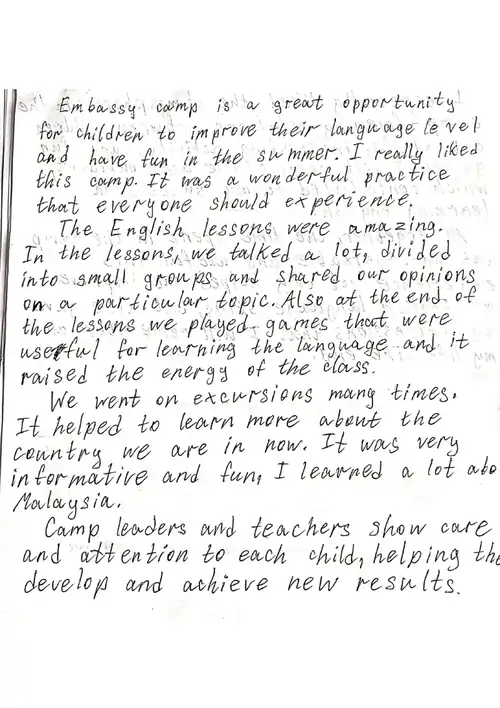
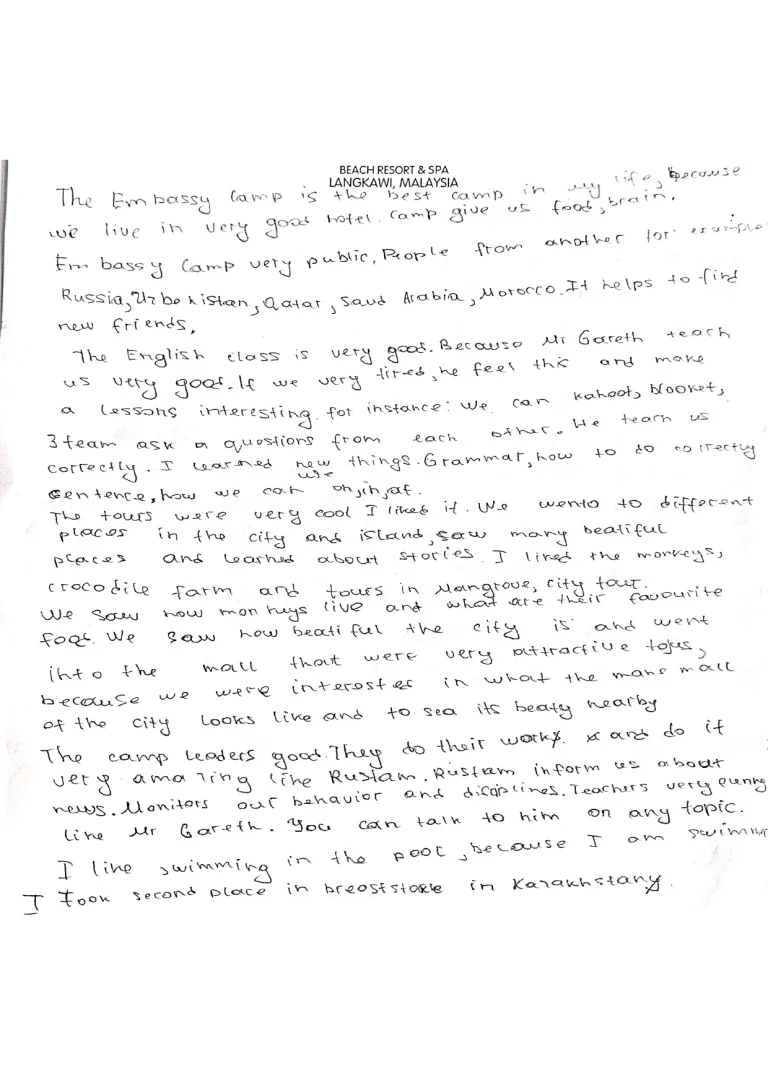
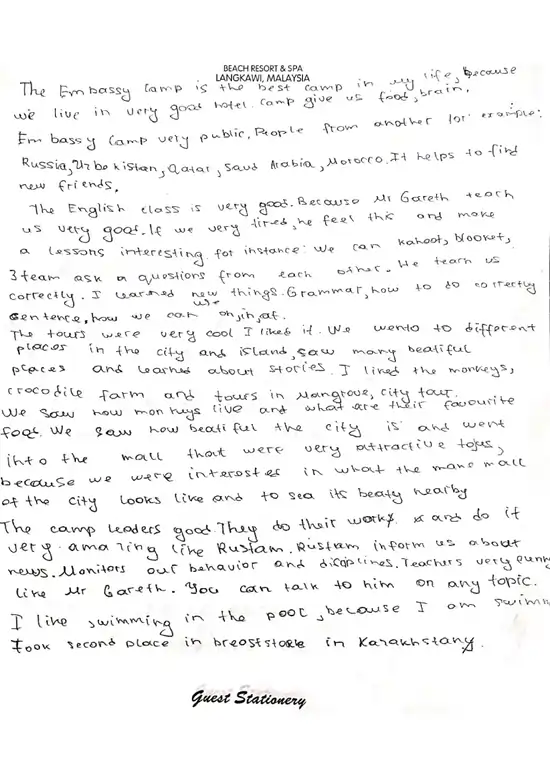
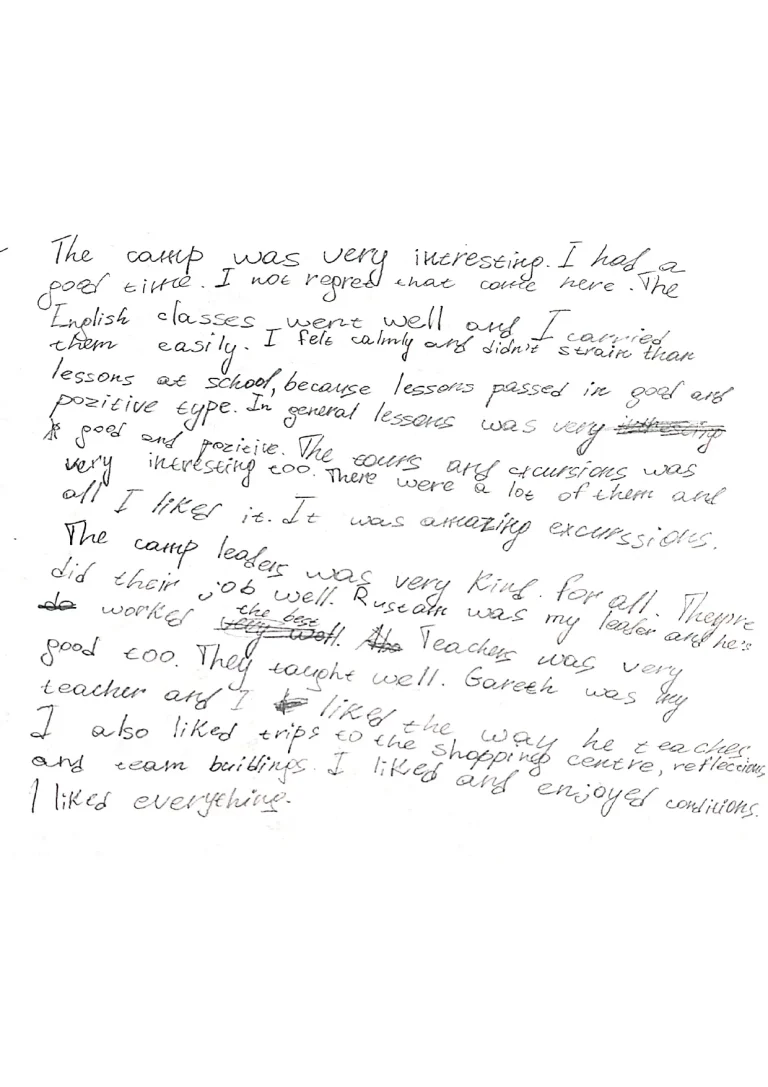
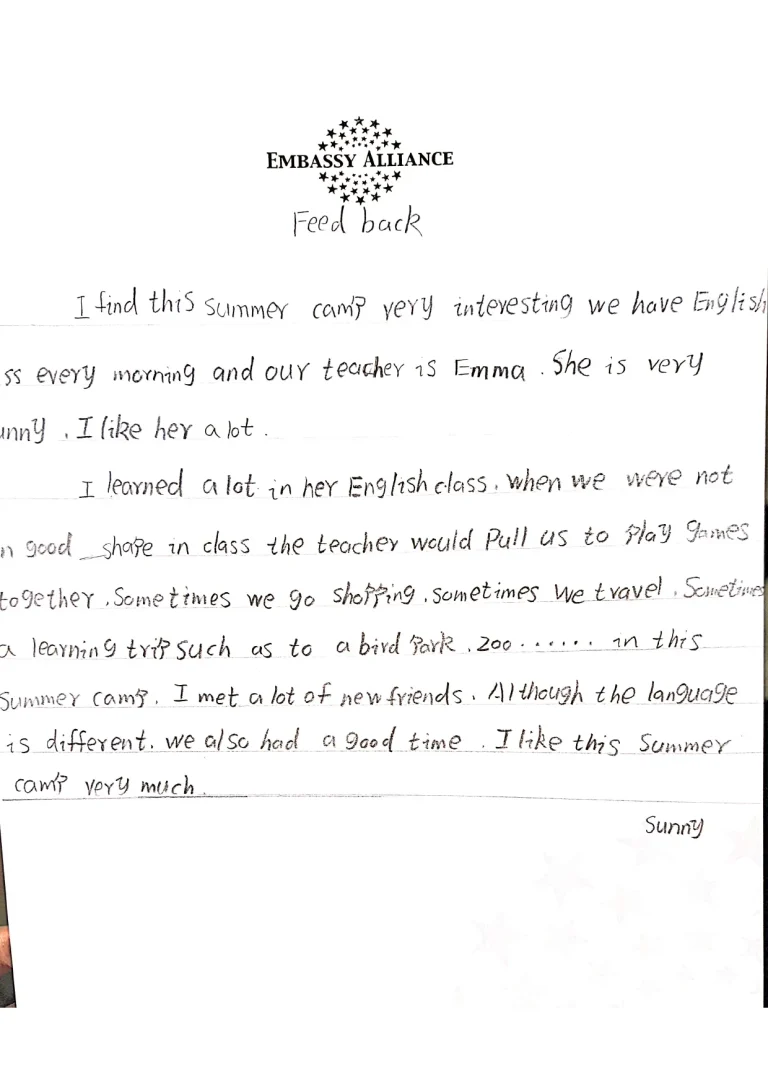
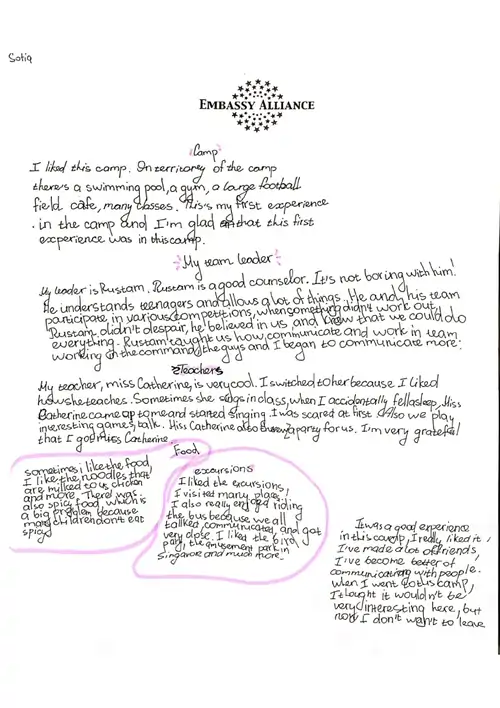
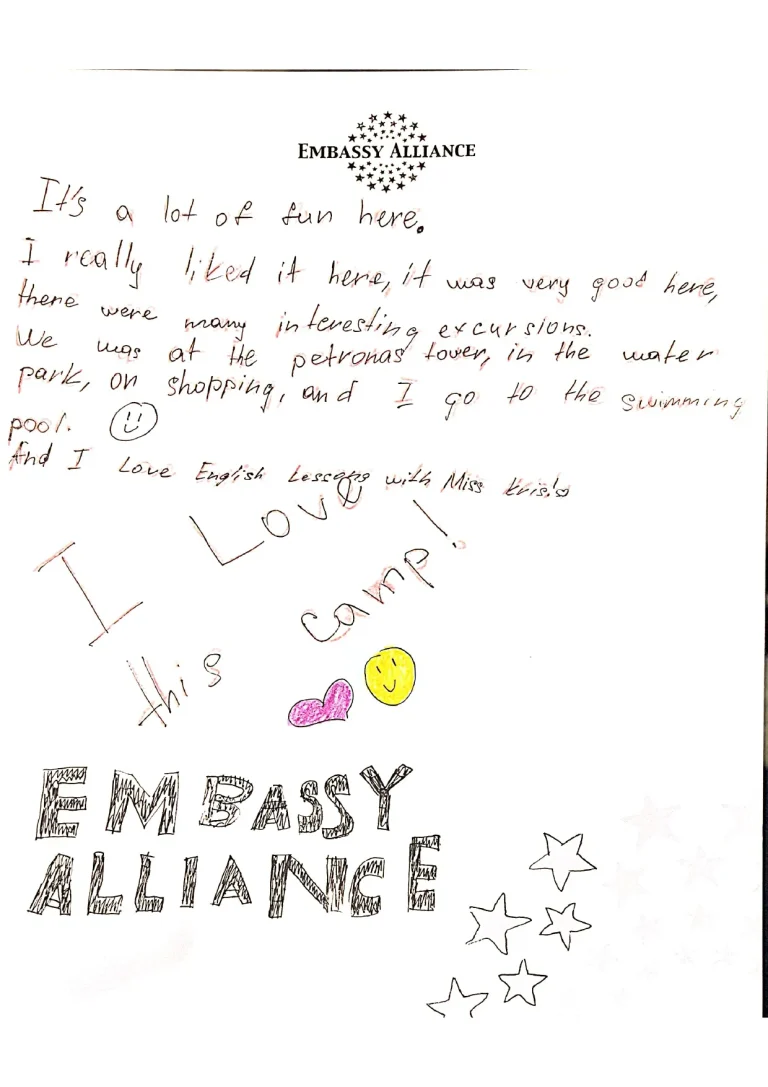
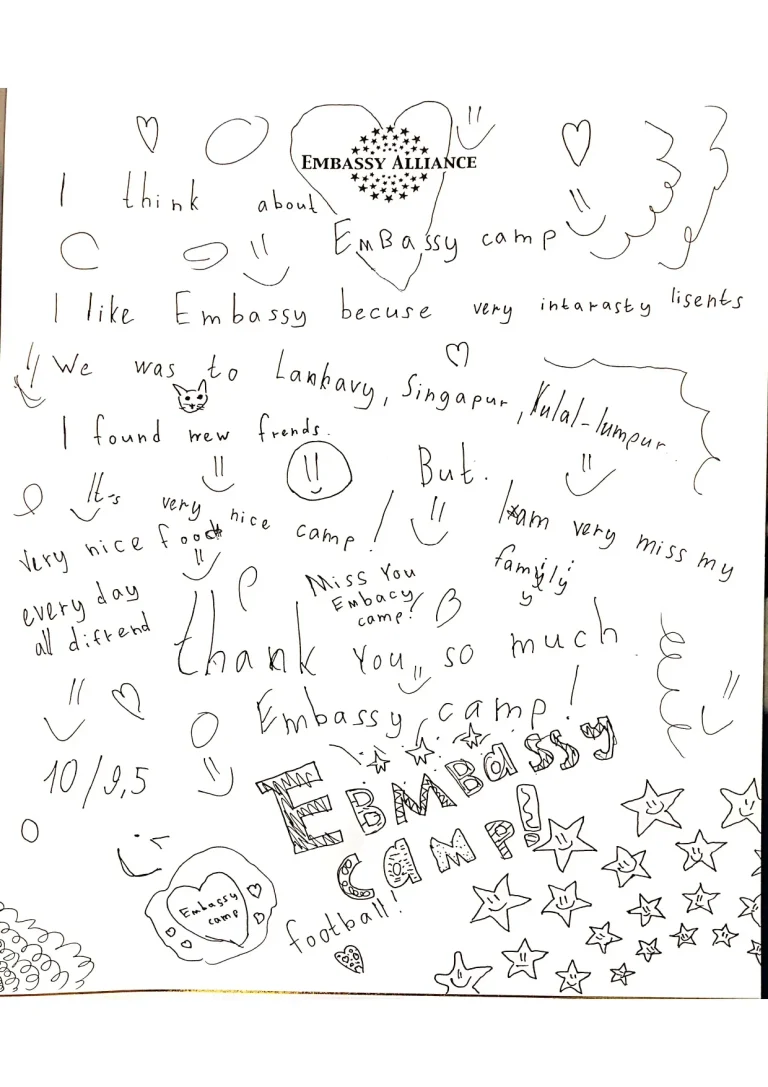
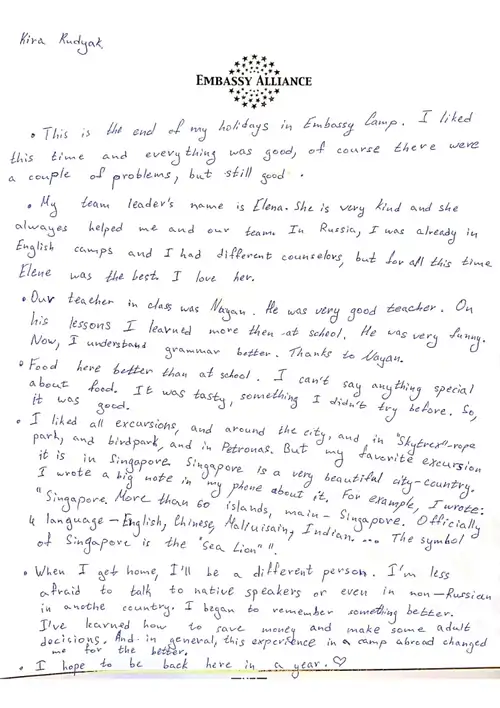
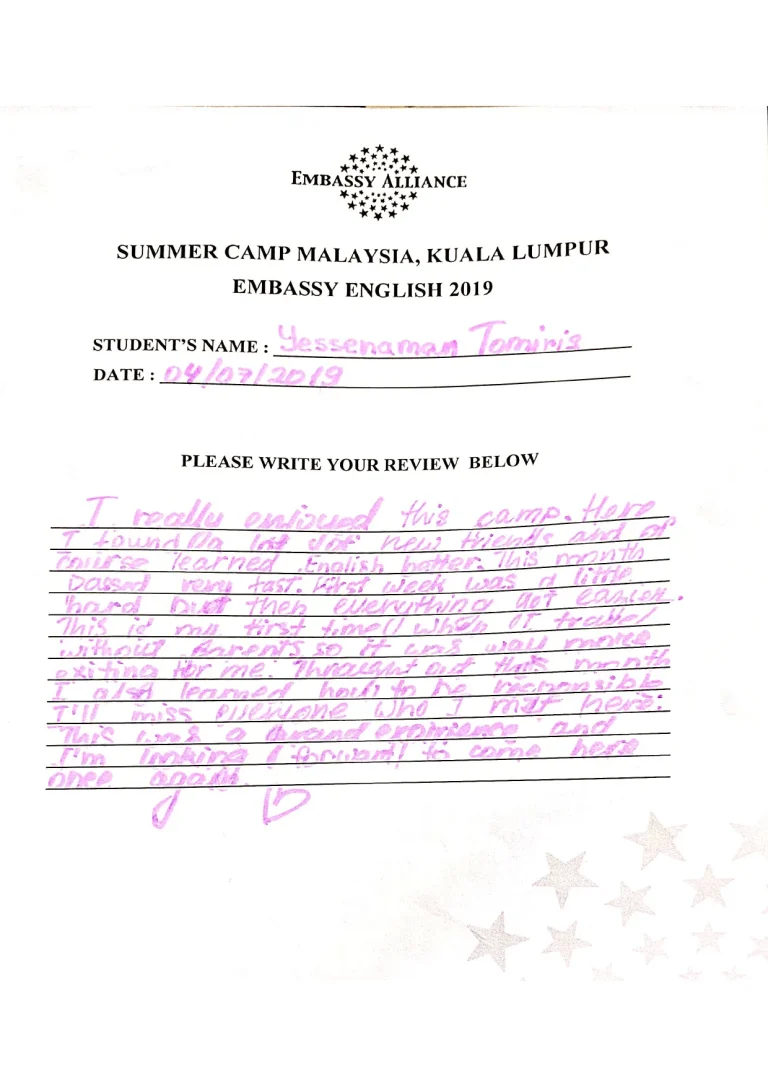
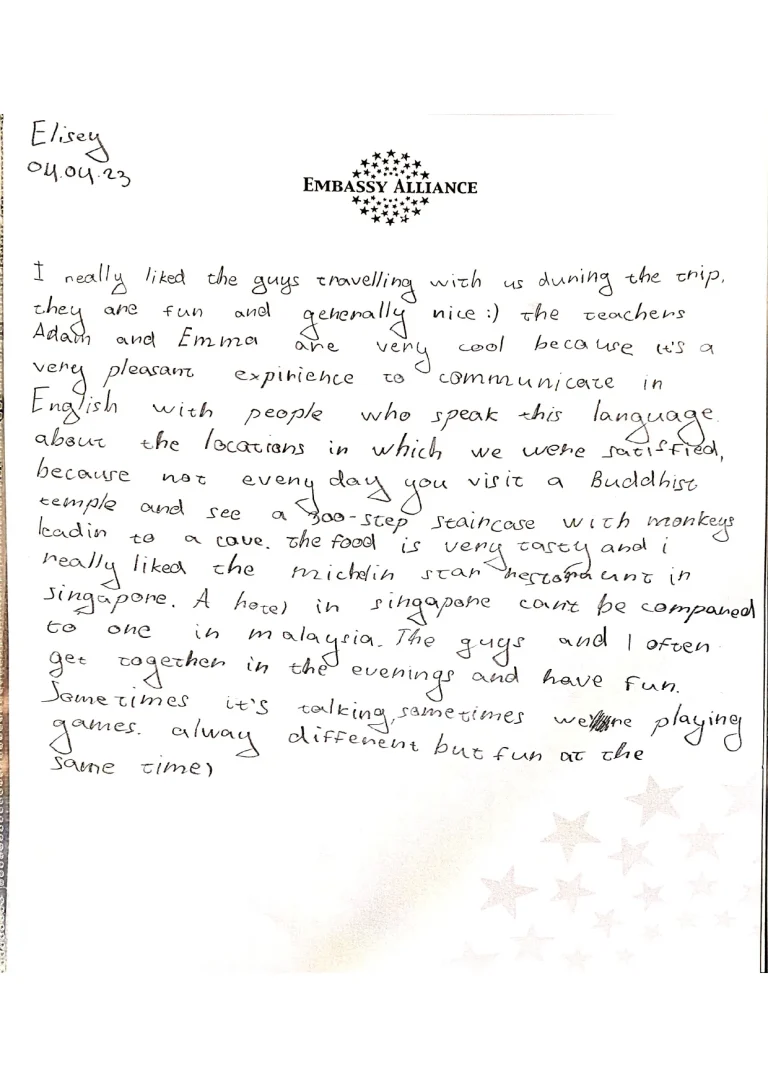
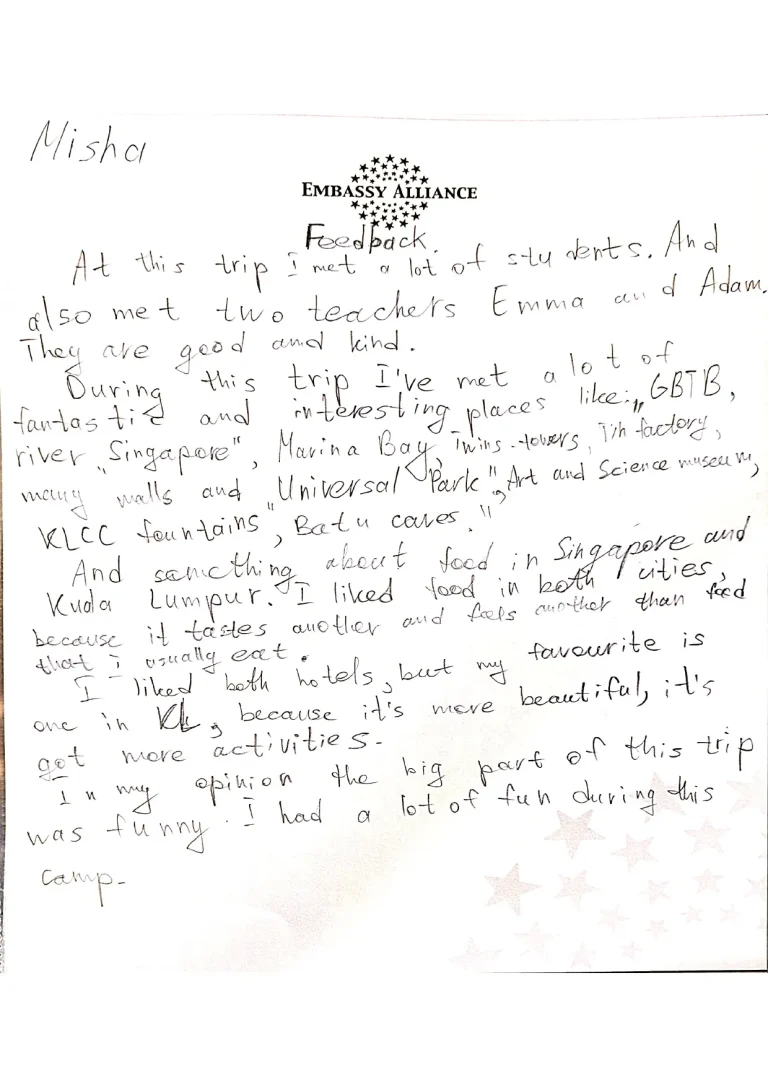
How Mental Math Is Taught at Embassy Camps
At Embassy Camps, mental math for kids is taught as a foundational smart skill within the Smart Camp program. Rather than drilling isolated facts, the approach focuses on building flexible number thinking from the ground up: decomposition, pattern recognition, rounding, abacus visualization, and Vedic shortcuts, introduced in sequence and made concrete through games, timed challenges, and peer learning.
The structure is deliberately different from school math. Sessions are short, competitive in a fun way, and designed to produce visible progress within days. Most participants in our mental math for kids program notice measurable improvement in calculation speed and confidence within the first week.
More importantly, the skills transfer. Teens who develop strong mental arithmetic at Embassy Camps return to school with a different relationship with numbers: more confident, more intuitive, and more willing to tackle problems rather than avoid them.
Common Mistakes Parents Make When Teaching Mental Math for Kids
Being aware of what does not work is just as useful as knowing what does.
Prioritizing speed over understanding. Speed is a byproduct of genuine understanding, not a goal in itself. Drilling children to answer faster before they grasp the underlying strategy produces anxiety, not fluency. A child who understands why 8 + 7 = 15 will eventually answer it instantly. A child who just memorized the answer will forget it under pressure.
Only practicing during homework time. If mental math only happens when a child is already tired and frustrated, it will always feel like a burden. The supermarket, the car, and the dinner table are far better classrooms than a desk at 8 pm.
Skipping the explanation step. Too many parents accept a correct answer and move on. The explanation is where the real learning happens. Make it a habit.
Moving too fast through the techniques. Decomposition and making tens need to be completely automatic before a child moves to compensation and Vedic shortcuts. Rushing the sequence produces a child who knows the tricks but cannot apply them reliably.
Mental Math for Kids vs. Calculator Dependency: What the Research Says
One question parents often ask: Does mental math for kids still matter, given that calculators and phones are everywhere?
Yes, it matters significantly.
Stanford research on brain development found that children who exercise their mental math muscles show stronger long-term mathematical ability, even when calculators are available. The point of teaching mental math for kids is not to avoid calculators. The point is that mental math builds a kind of number intuition that a calculator cannot provide.
A child who skips mental math for kids and relies entirely on a calculator cannot estimate whether an answer is plausible. They cannot catch errors. They cannot perform quick mental checks during exams. They cannot reason about numbers in conversation. These are not trivial limitations.
Mental math for kids builds the internal number sense that makes all other mathematical tools, including calculators, more useful, not less.
Frequently Asked Questions
What is the best age to start mental math for kids?
Most experts recommend starting between ages 4 and 6 through play-based activities like counting games and simple addition. Children in this range are at peak brain plasticity and respond extremely well to number activities. Formal mental math techniques like decomposition and rounding are best introduced from age 6 onwards.
How long does it take to see improvement?
With 10 minutes of daily practice, most children show noticeable improvement in confidence and speed within two to four weeks. Lasting fluency in mental math for kids typically builds over three to six months of consistent practice. Abacus-trained children often show measurable gains in working memory and calculation speed within four to six weeks of structured training.
Is mental math the same as Vedic math?
No. Vedic math is a specific system of calculation shortcuts derived from ancient Indian mathematics. Mental math for kids is a broader category that includes many strategies, of which Vedic techniques are just one. Vedic math is best introduced after children have a solid foundation in standard mental calculation.
Can shy or anxious children benefit from mental math?
Absolutely. Math anxiety is extremely common in children and is often made worse by timed written tests. Mental math practiced in a game-based, low-pressure environment actually helps reduce math anxiety by making numbers feel manageable and familiar. The key is to avoid introducing timers or competition until the child feels confident with the underlying strategy.
How is mental math different from standard school math?
School math typically focuses on written algorithms: carrying, borrowing, long multiplication. These are reliable but slow, and they do not build number intuition. Mental math for kids focuses on flexible strategies that work in the head, building a deeper understanding of why numbers behave the way they do.
Does practicing mental math help with exams?
Significantly. Mental arithmetic skills help in every part of a maths exam, from quickly checking whether an answer is in the right ballpark to working through multi-step problems faster. Children who calculate mentally also spend less time on arithmetic mechanics during exams, freeing more cognitive energy for the actual mathematical reasoning.
Final Thoughts
Mental math for kids is more than just faster calculation — it’s a lifelong skill that builds confidence, strengthens problem-solving abilities, and creates a positive relationship with learning. With consistent daily practice, children can develop strong number sense, better focus, and the confidence to approach challenges with curiosity instead of fear.
At Embassy Camp, we help children strengthen critical thinking and mental math skills through engaging, interactive learning experiences designed to make education enjoyable and lasting. Whether through practical activities, creative exercises, or confidence-building programs, our goal is to help every child unlock their full potential.