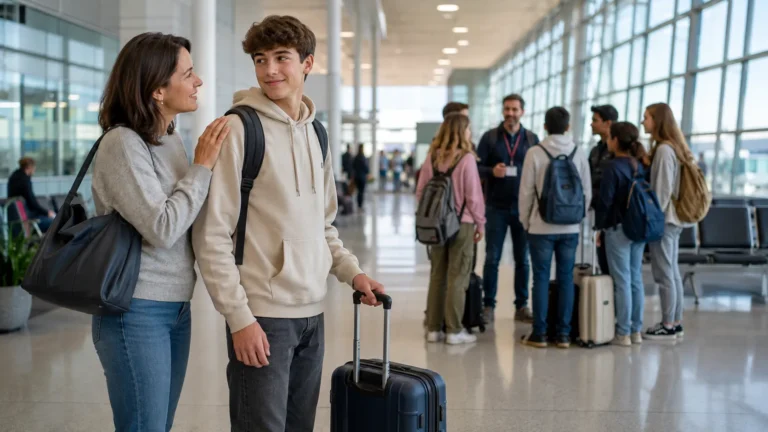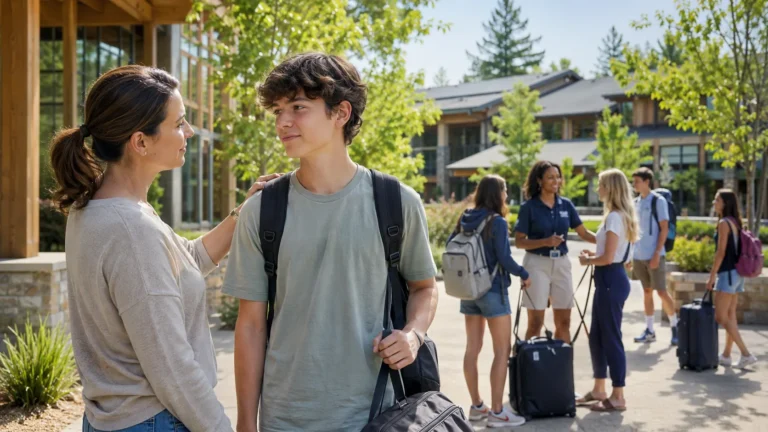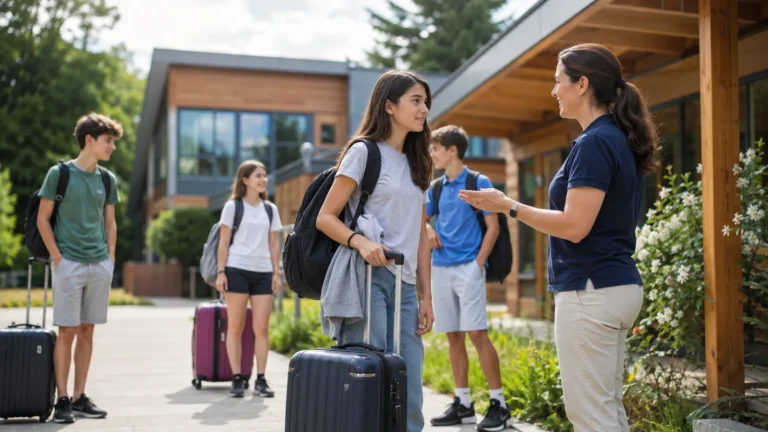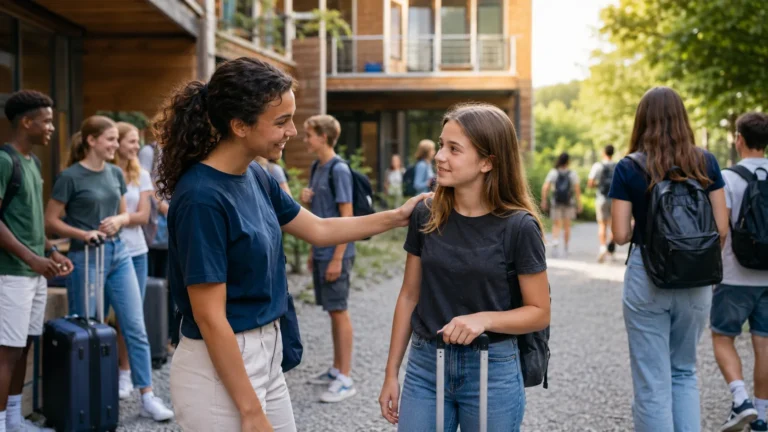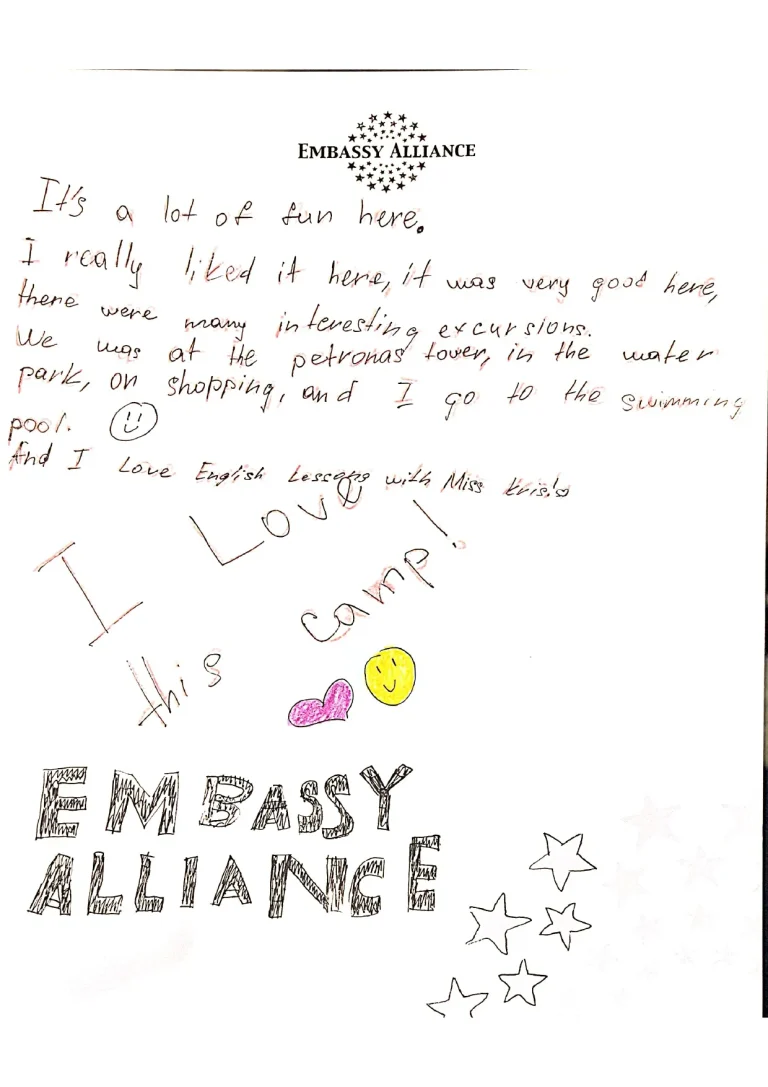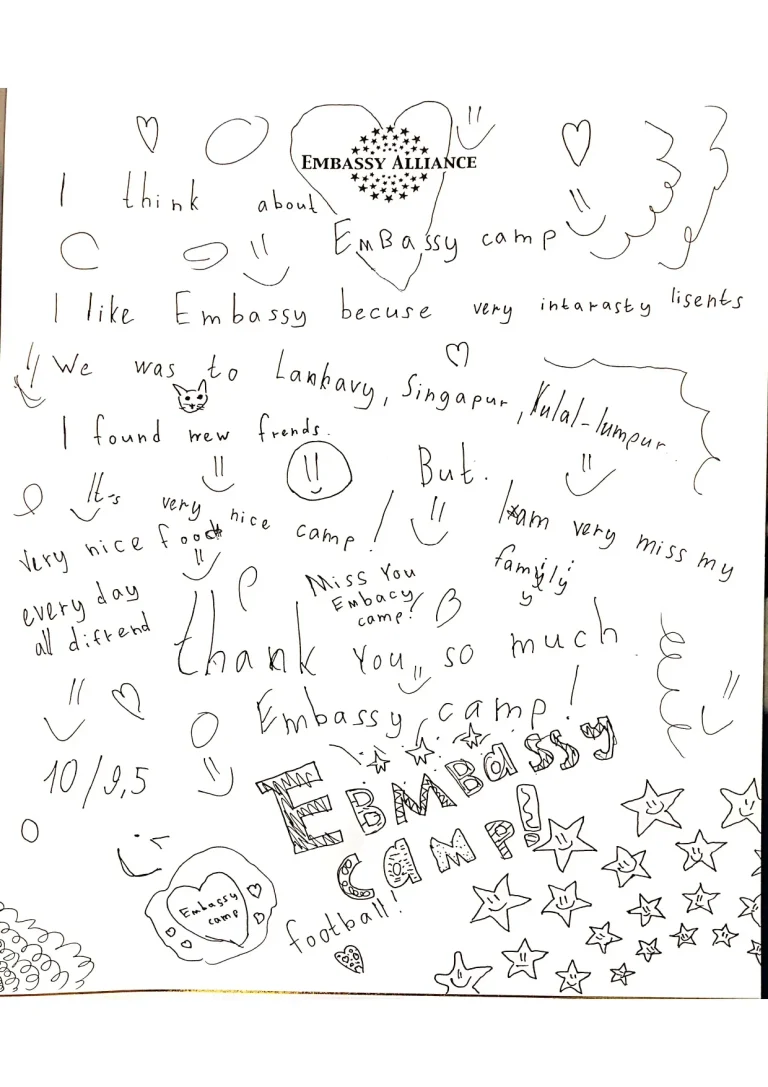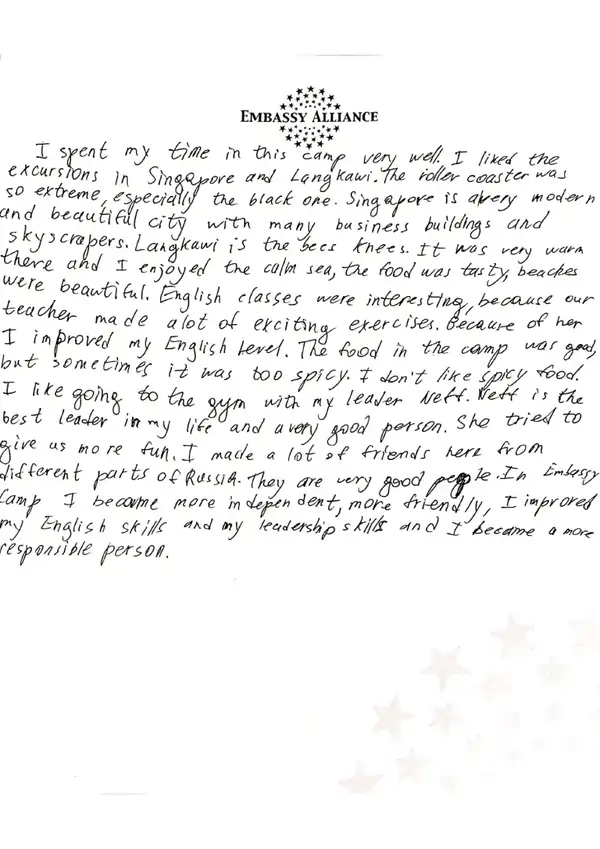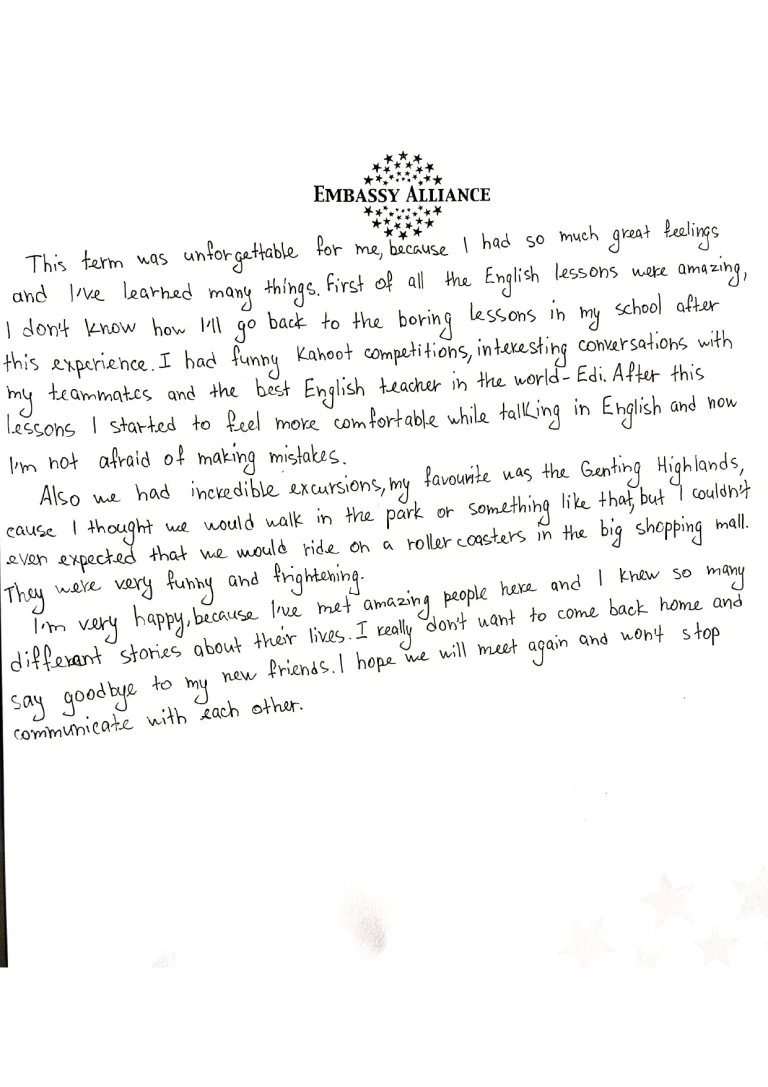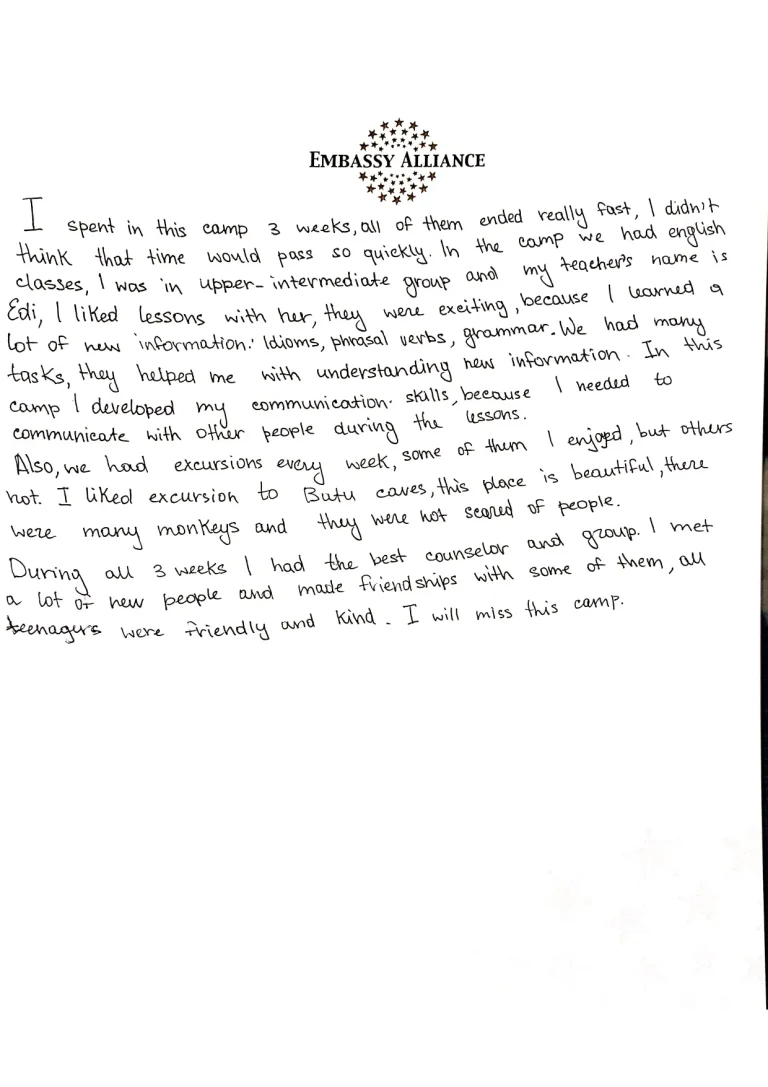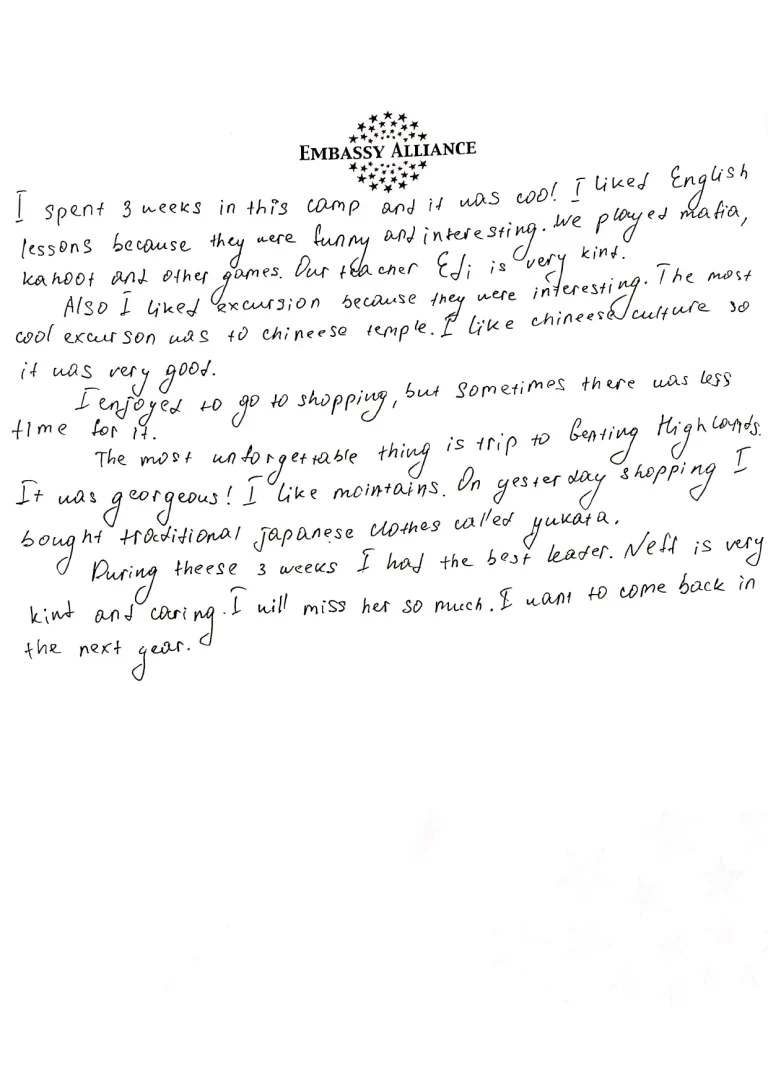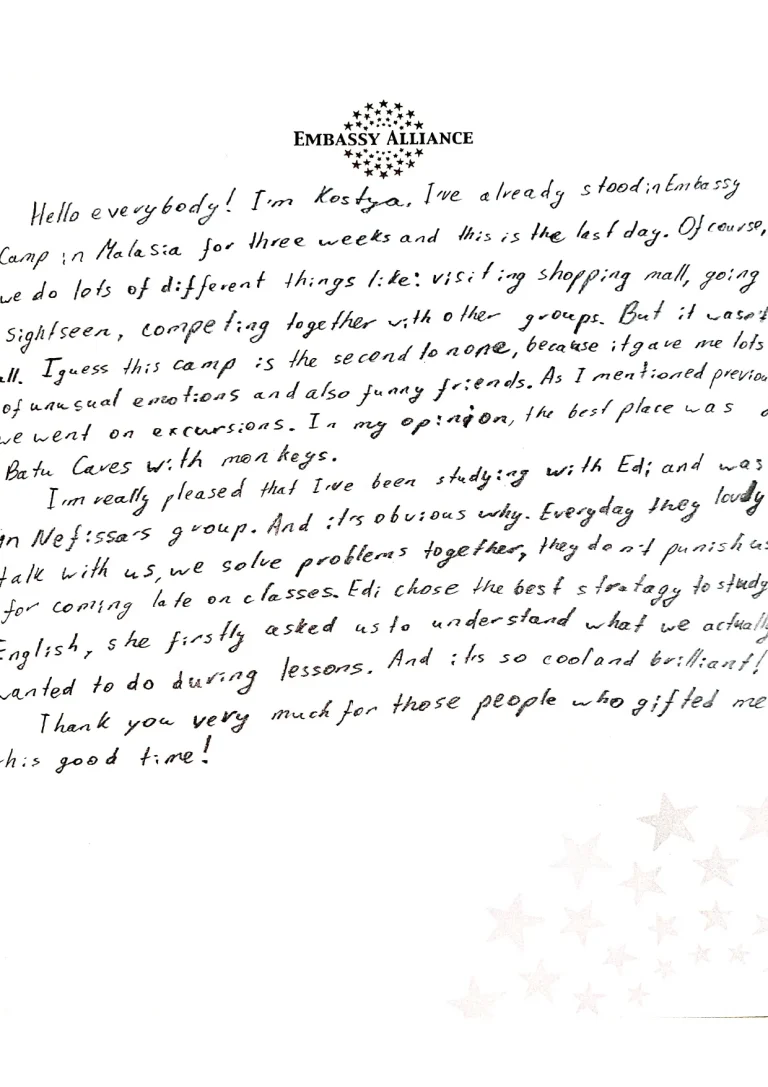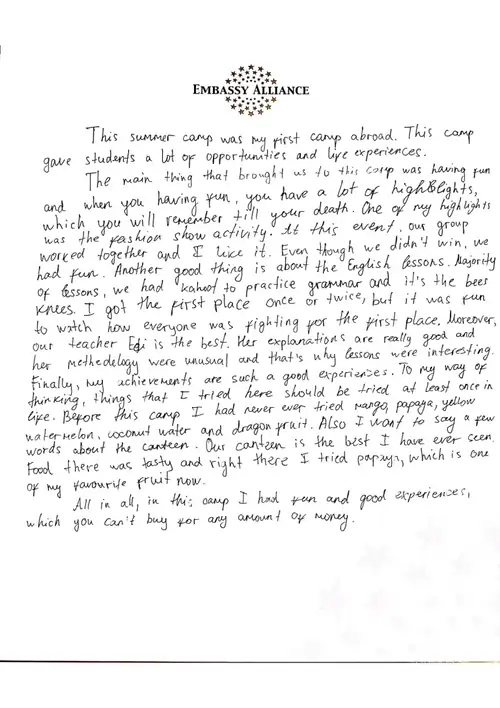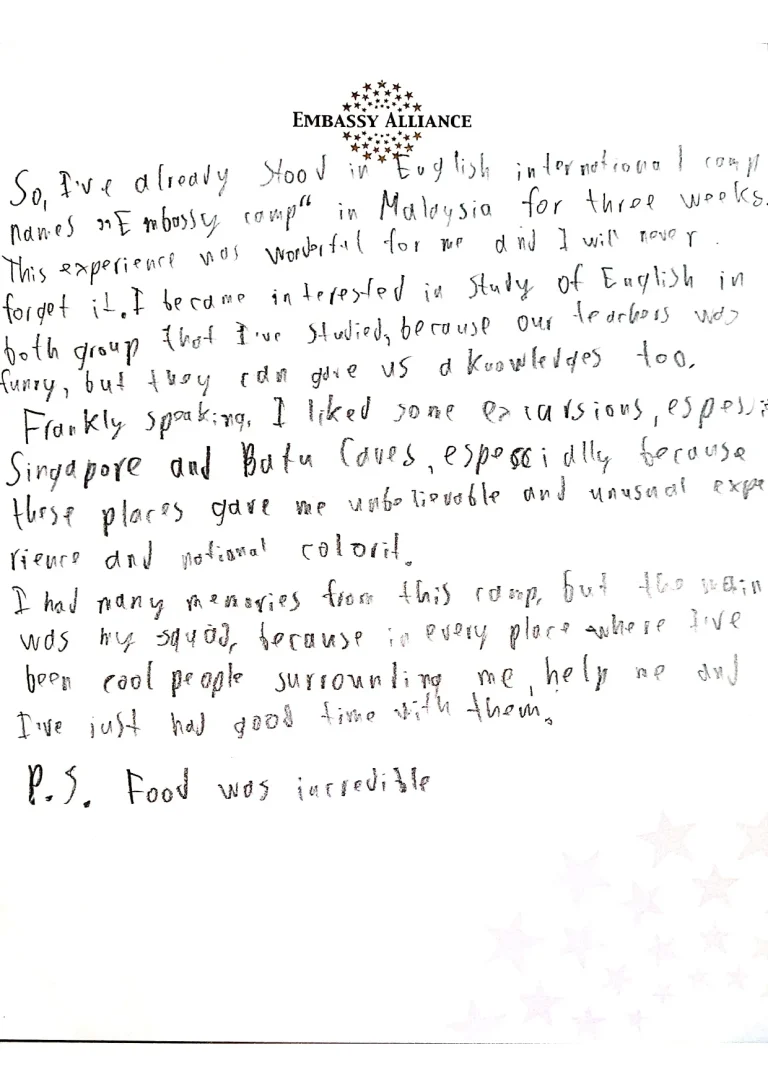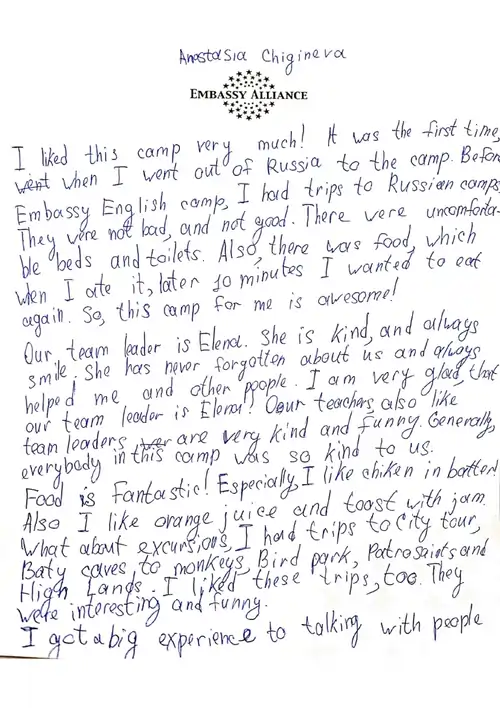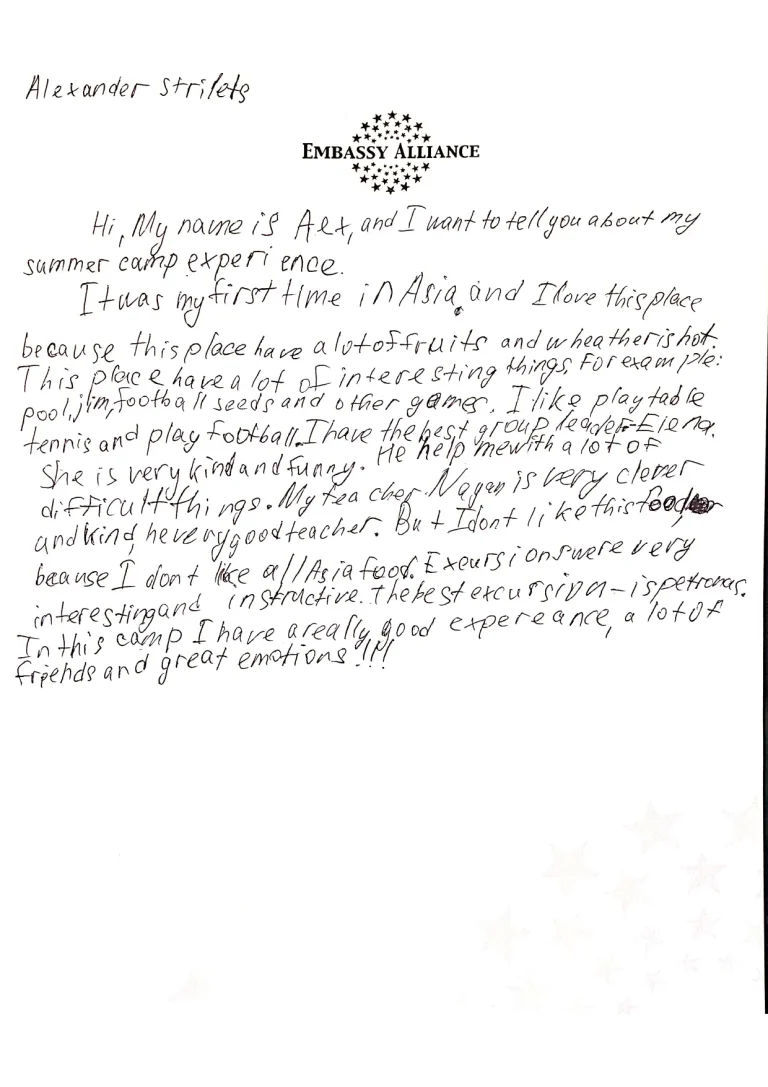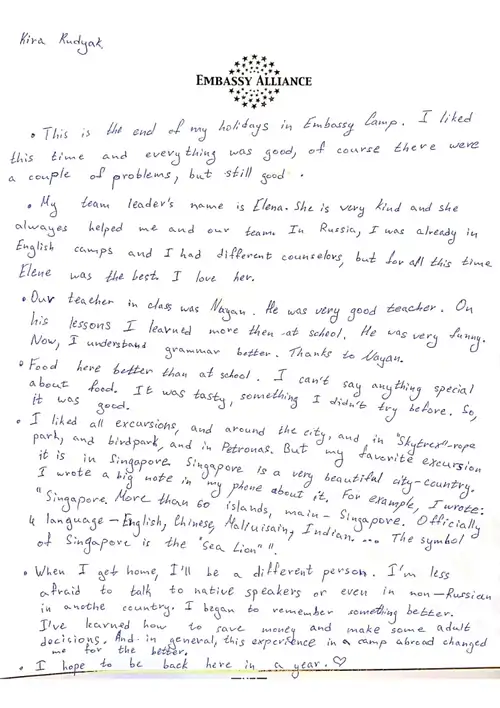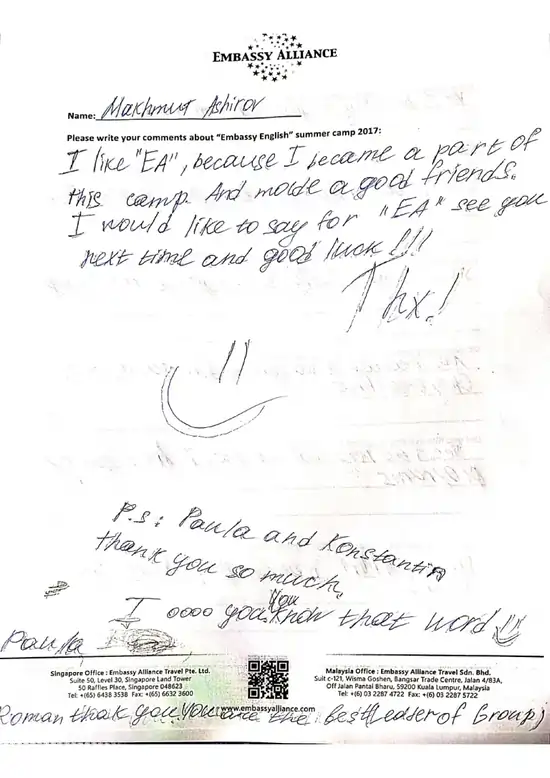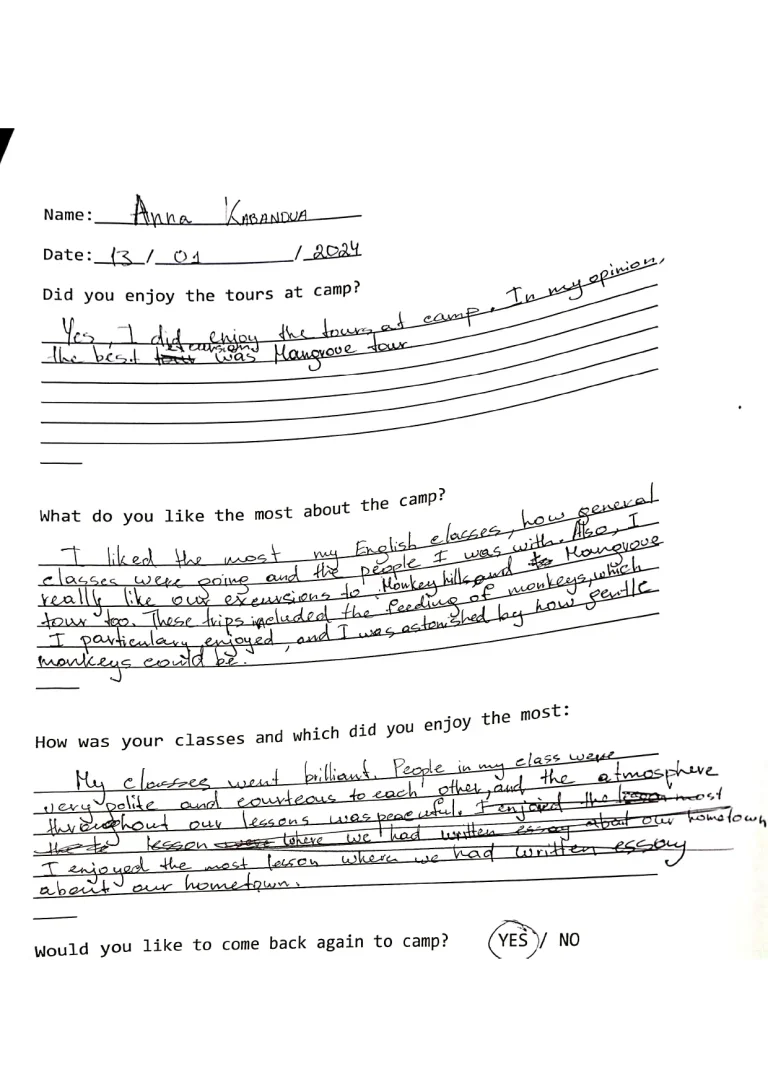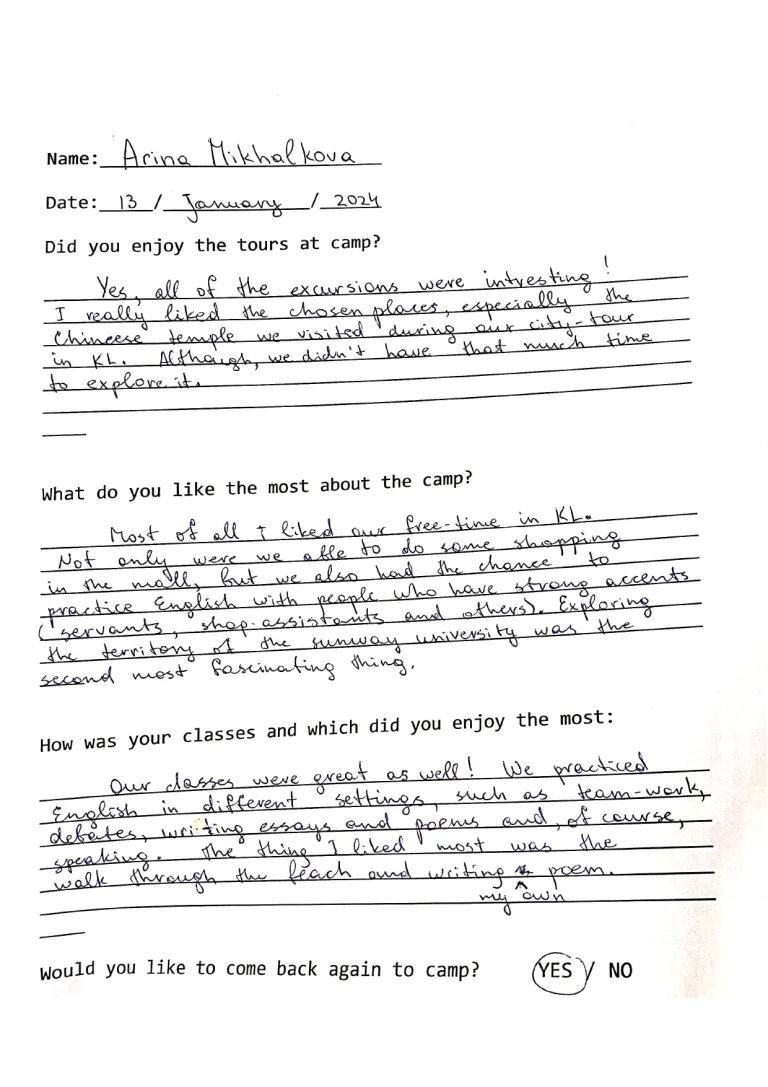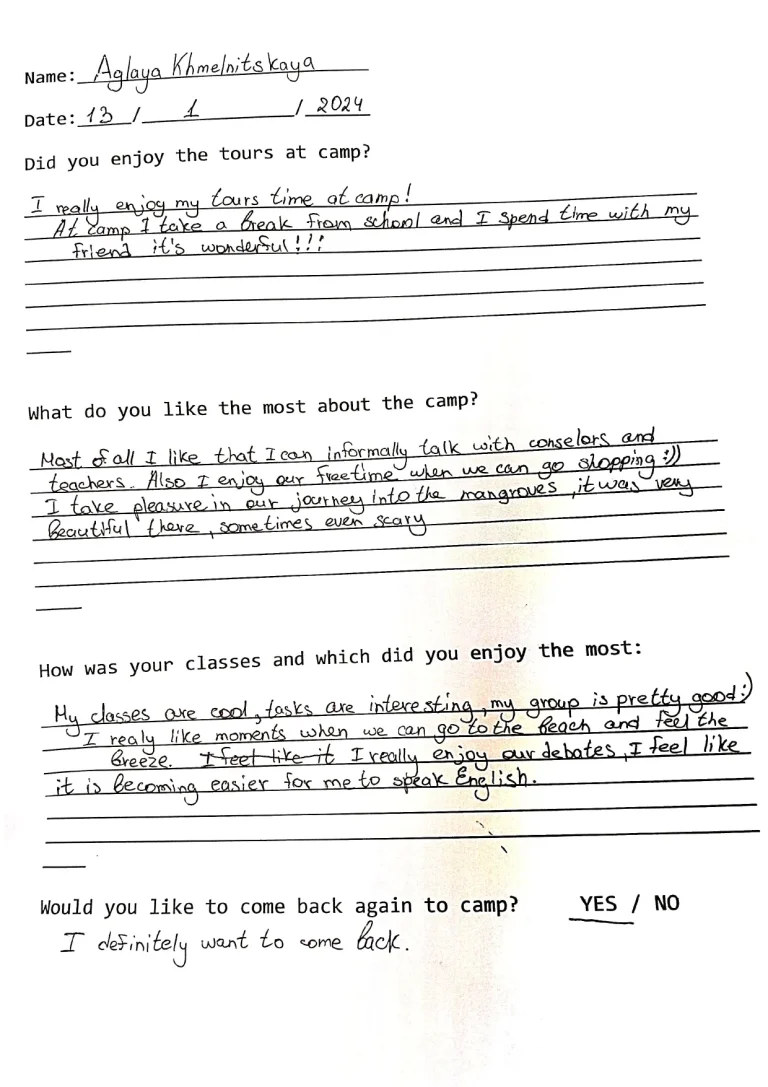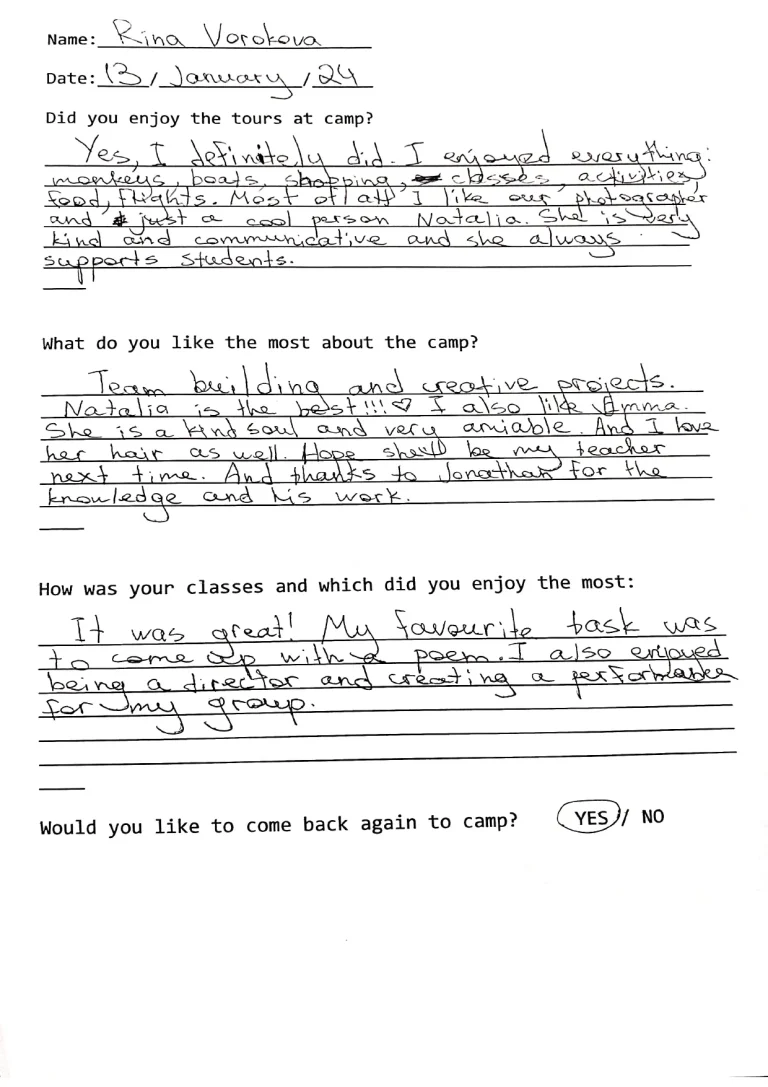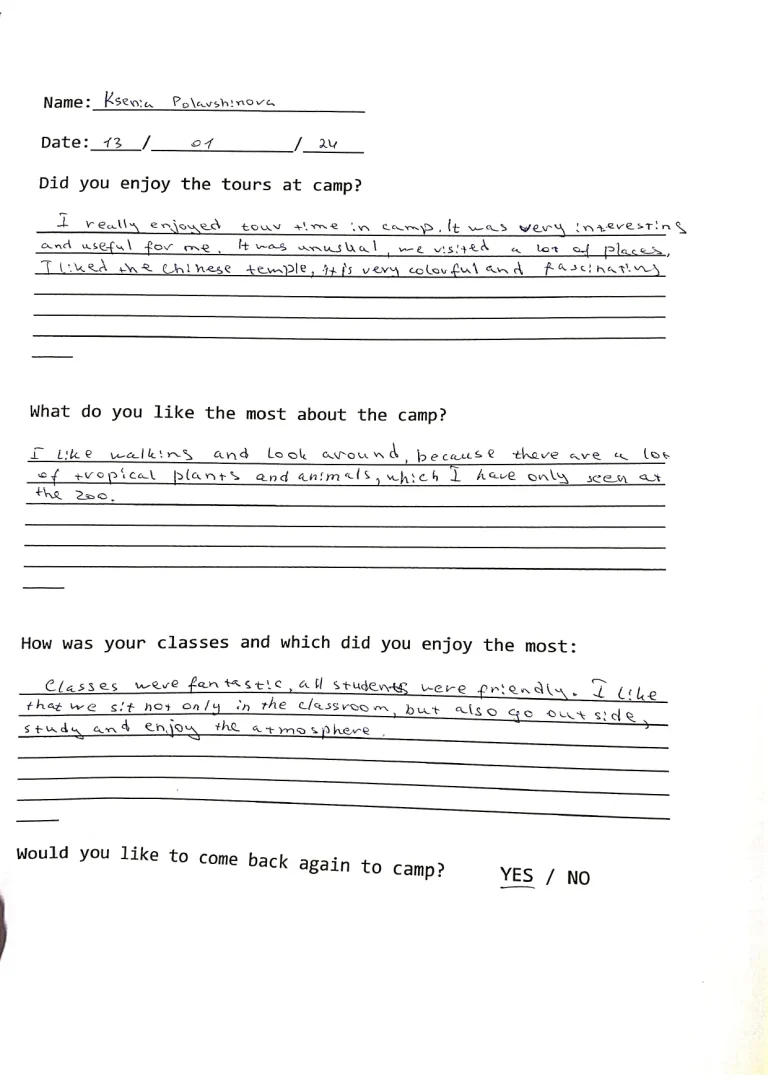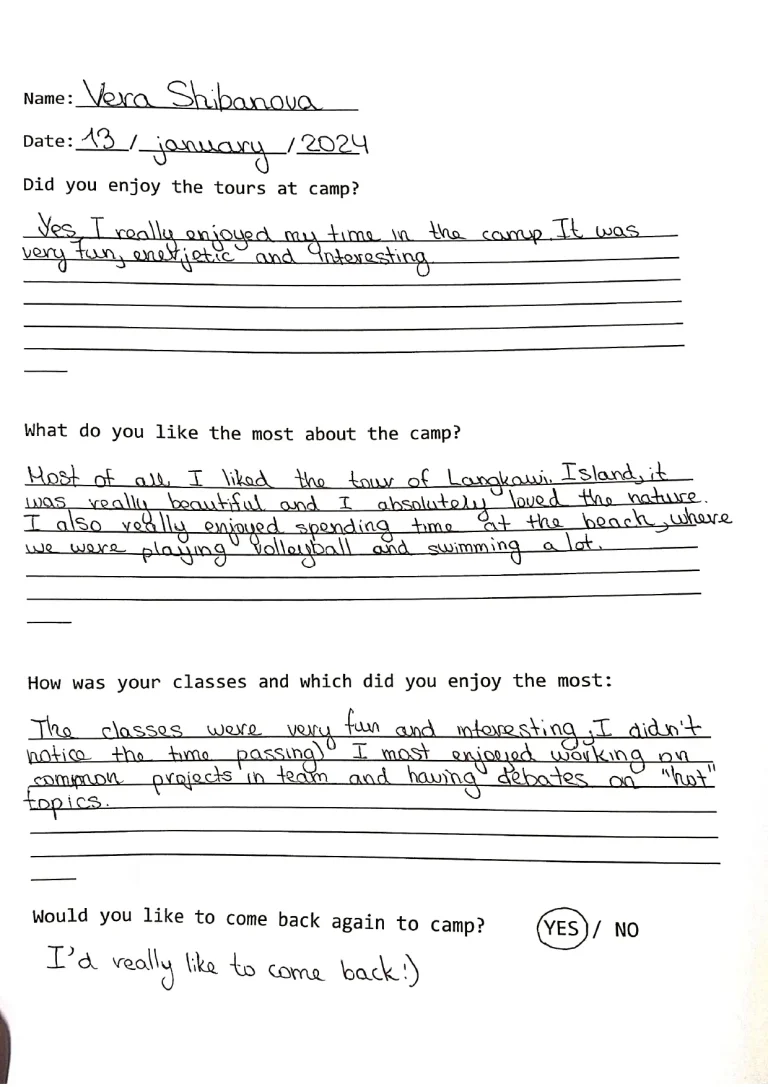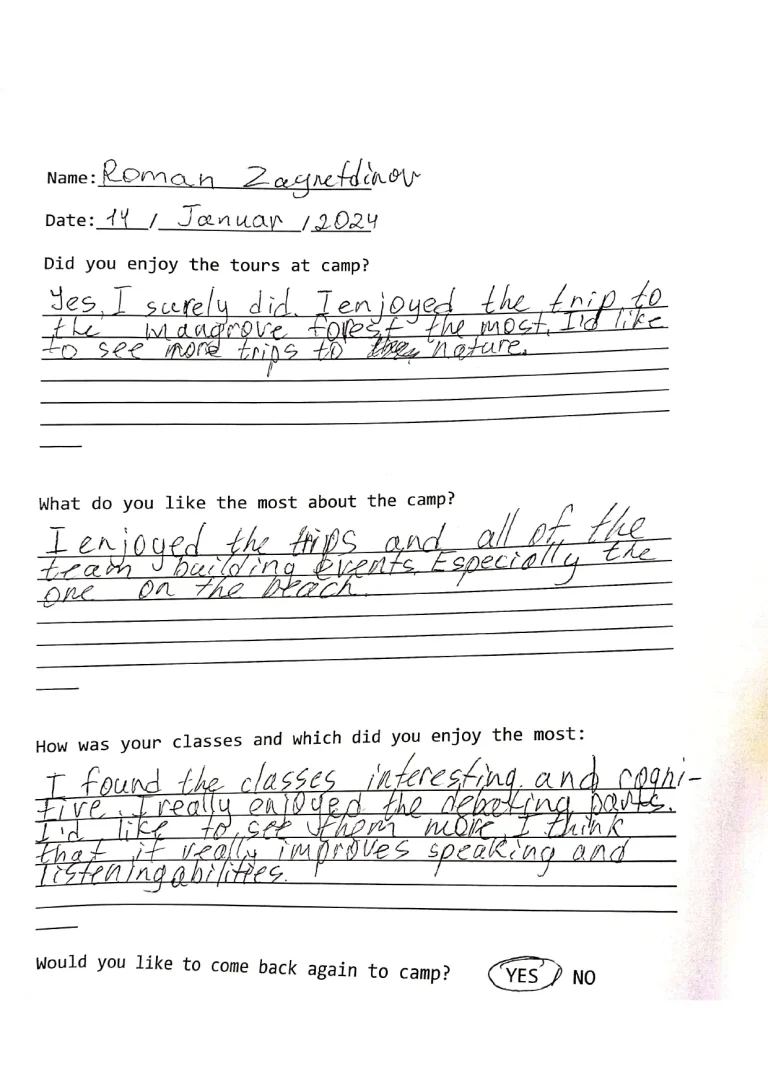


The benefits of group travel for teenagers go far beyond seeing new places. A well-designed program gives teens safe independence, new friendships, real confidence, and practical life skills.
In 2026, parents are looking for more than another holiday. They want structured experiences that help teens grow, communicate, and adapt in a changing world.
This guide explains the 12 proven benefits, using research-backed insight and clear advice for parents who want real answers before booking.
What Makes Group Travel for Teenagers Different From Other Travel Experiences?
Group travel for teenagers sits between a family holiday, a school trip, and solo travel. It gives teens more freedom than family travel, but more support than travelling alone.
That balance matters. Teenagers need room to make decisions, but they still need trained adults, clear rules, and a safe structure around them.
- On a family holiday, parents usually solve the problems.
- On a school trip, teens remain within their old friendship groups and social roles.
- When traveling solo, most teens face more risk than they are ready to manage.
- In teen group travel programs, they gain independence with professional support.
According to the WYSE Travel Confederation, youth travelers on student travel programs now represent over 23 percent of all international tourists. This growth shows how strongly families value structured travel experiences for young people.
Quick takeaway: Group travel works because it combines independence, new relationships, and safety in one structured experience.
What Are the 12 Proven Benefits of Group Travel for Teenagers?
The best international group programs for teens are not built around sightseeing alone. They are designed to help teenagers grow socially, emotionally, and practically.
1. Built-In Safety and 24-Hour Supervision
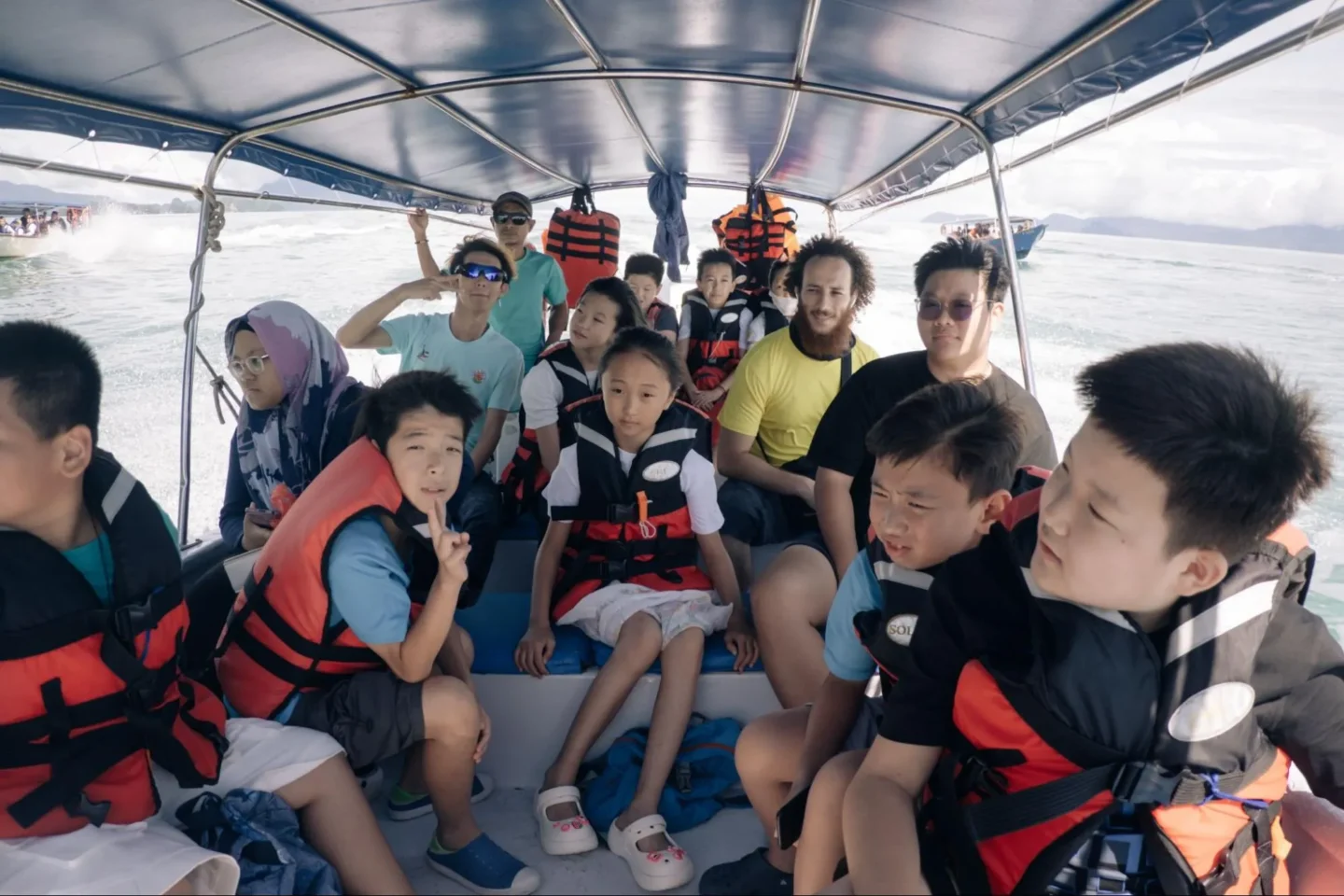
The safety of group travel for teenagers is usually the first concern for parents. A quality program gives teens 24-hour adult supervision, trained staff, emergency plans, and clear parent communication.
This support helps teenagers relax and engage. They can focus on the experience because they know help is close if needed.
Rustic Pathways 2026 research notes that strong supervised programs use written emergency protocols, background-checked staff, first aid and CPR training, and regular parent updates.
- 24-hour staff presence
- Vetted and trained counselors
- Clear emergency protocols
- Medical access and parent communication
Quick takeaway: Safety is not only about protection. It creates the confidence teens need to take part fully.
2. Faster and Deeper Cross-Cultural Friendships
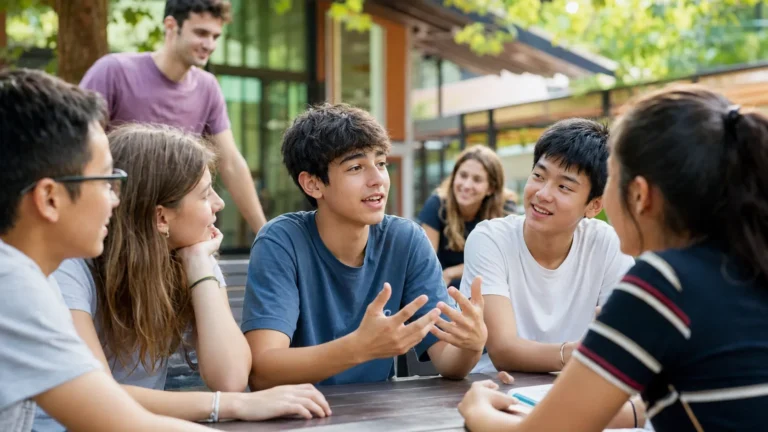
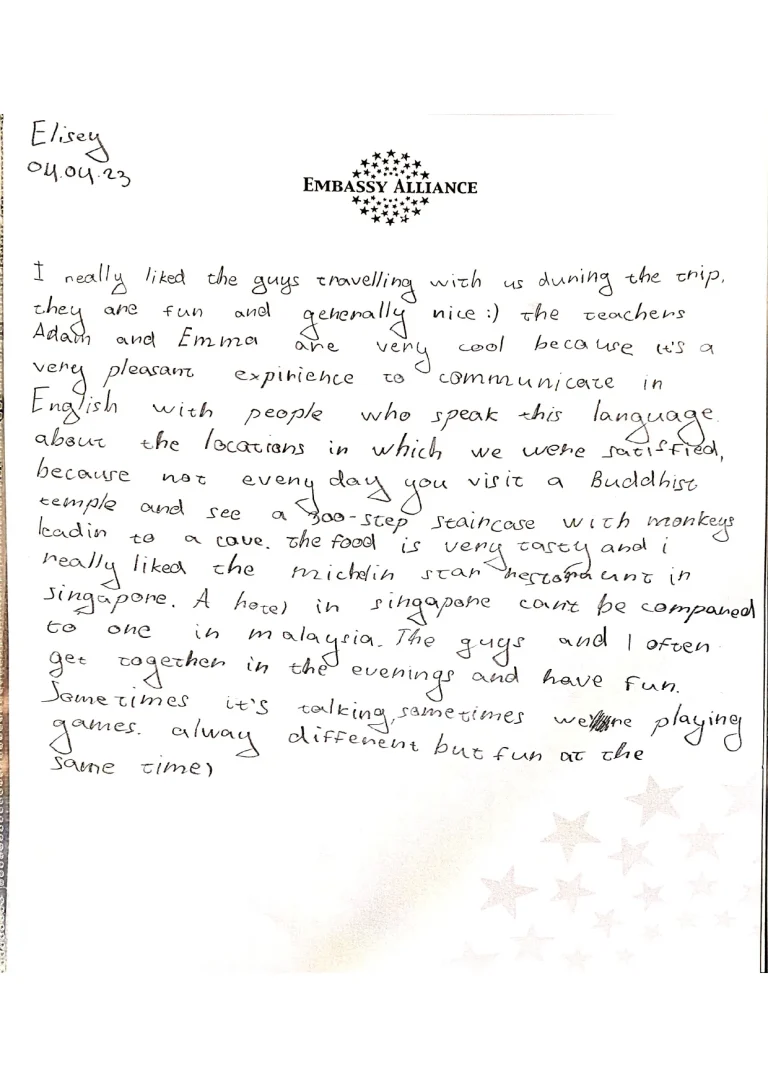
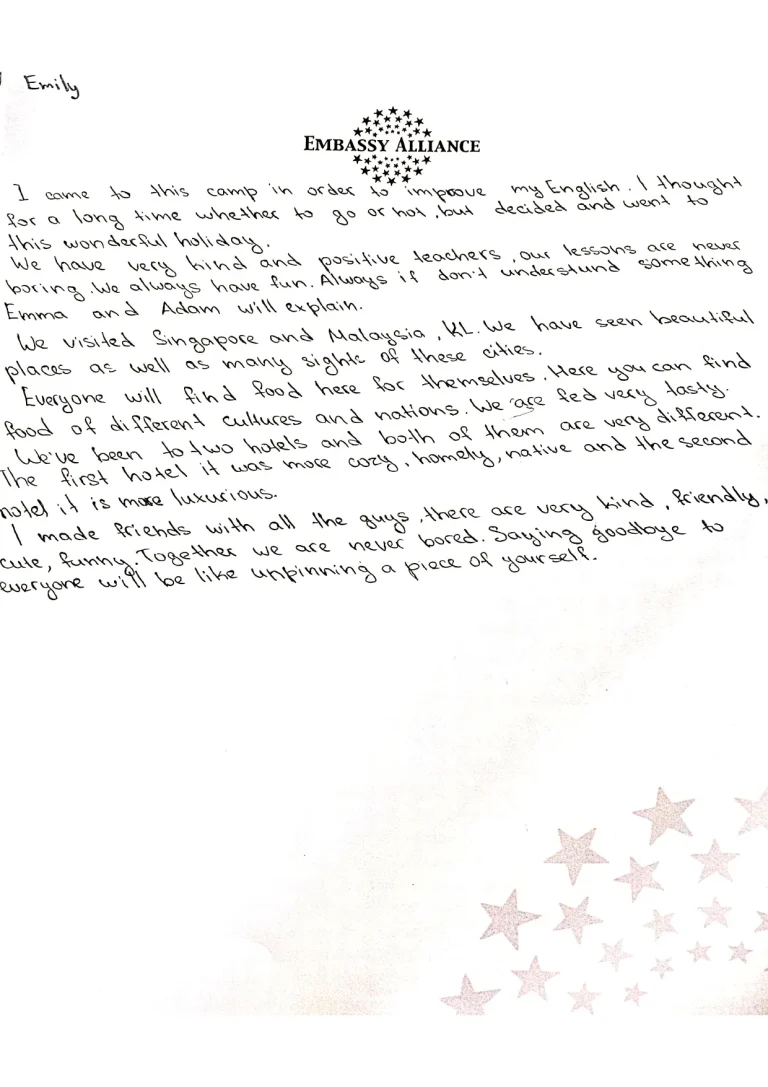
Group travel creates fast, meaningful friendships because everyone starts fresh. There are no old school labels, no fixed friend groups, and no social history to manage.
Research published by the National Center for Biotechnology Information shows that adolescents form strong bonds when they join new groups with no prior relationships. The shared experience helps connection happen quickly.
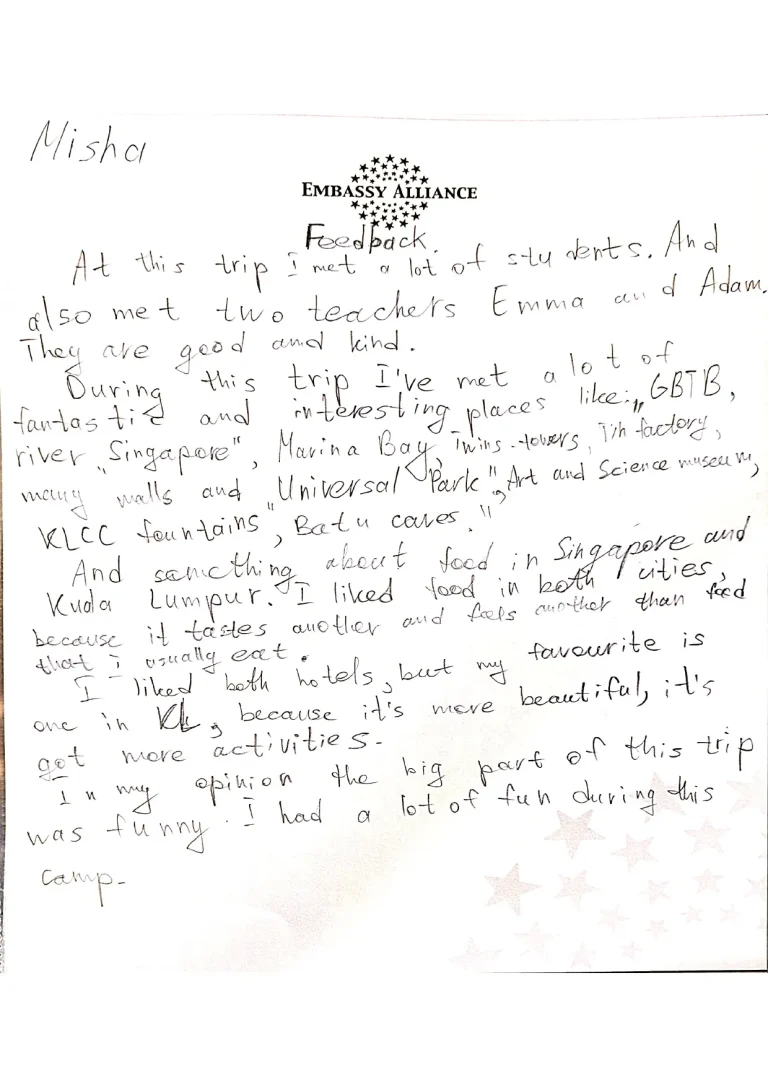
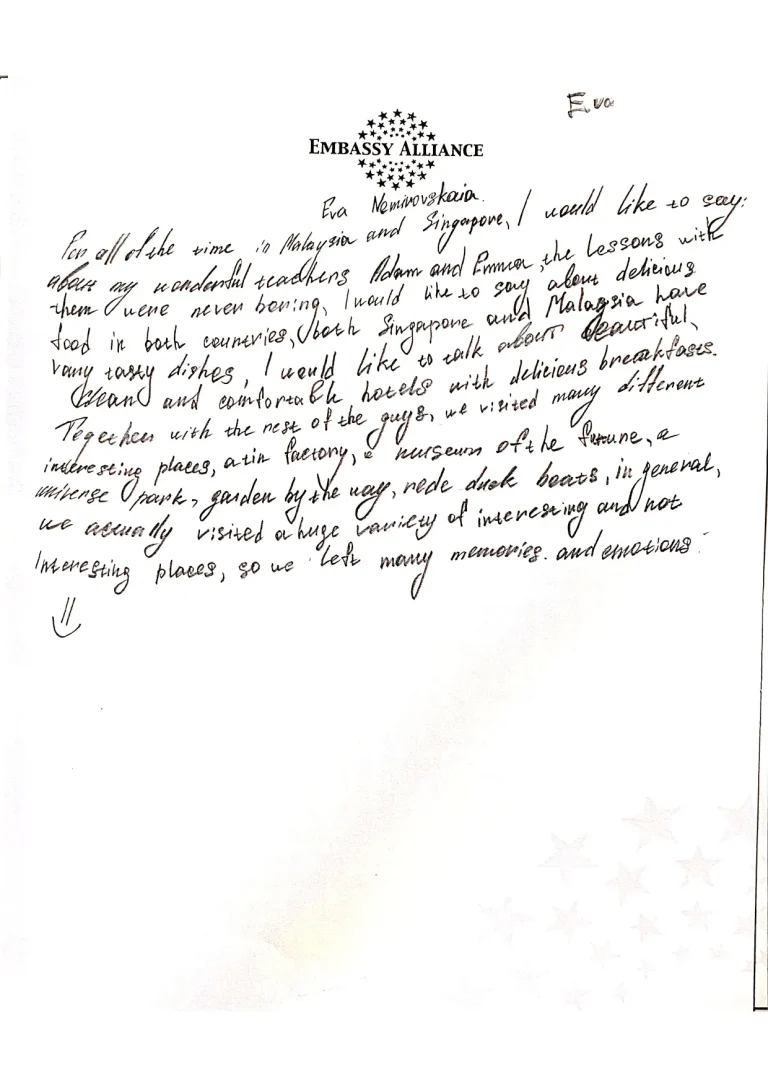
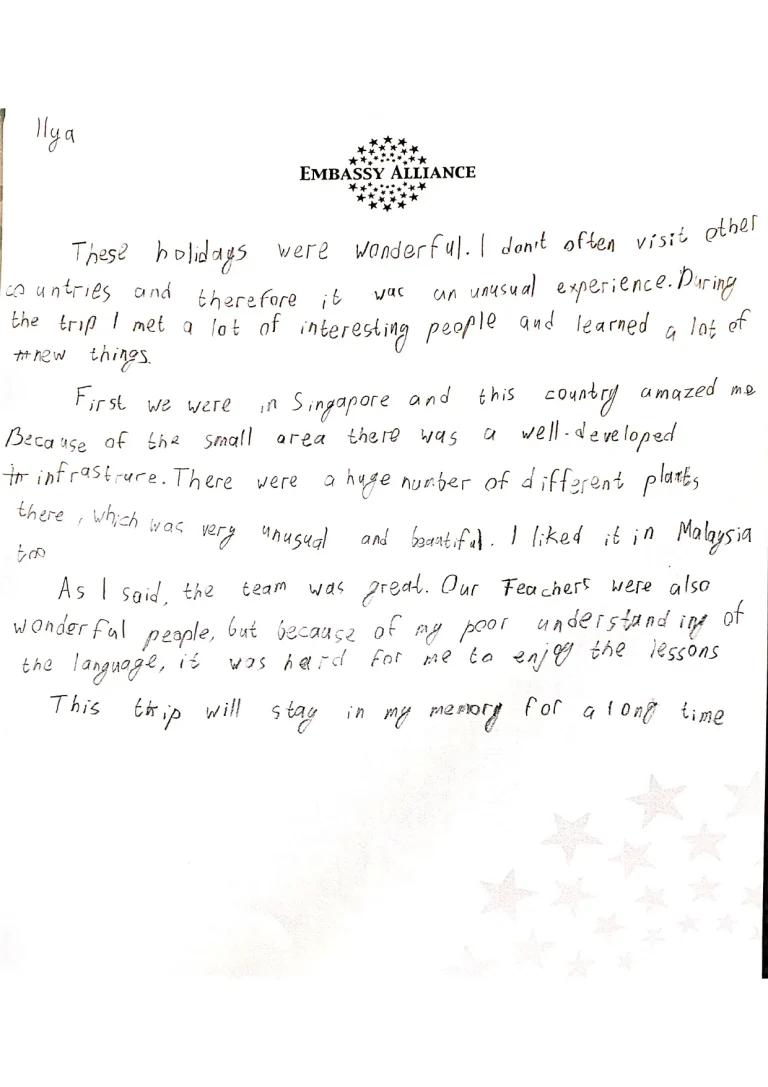
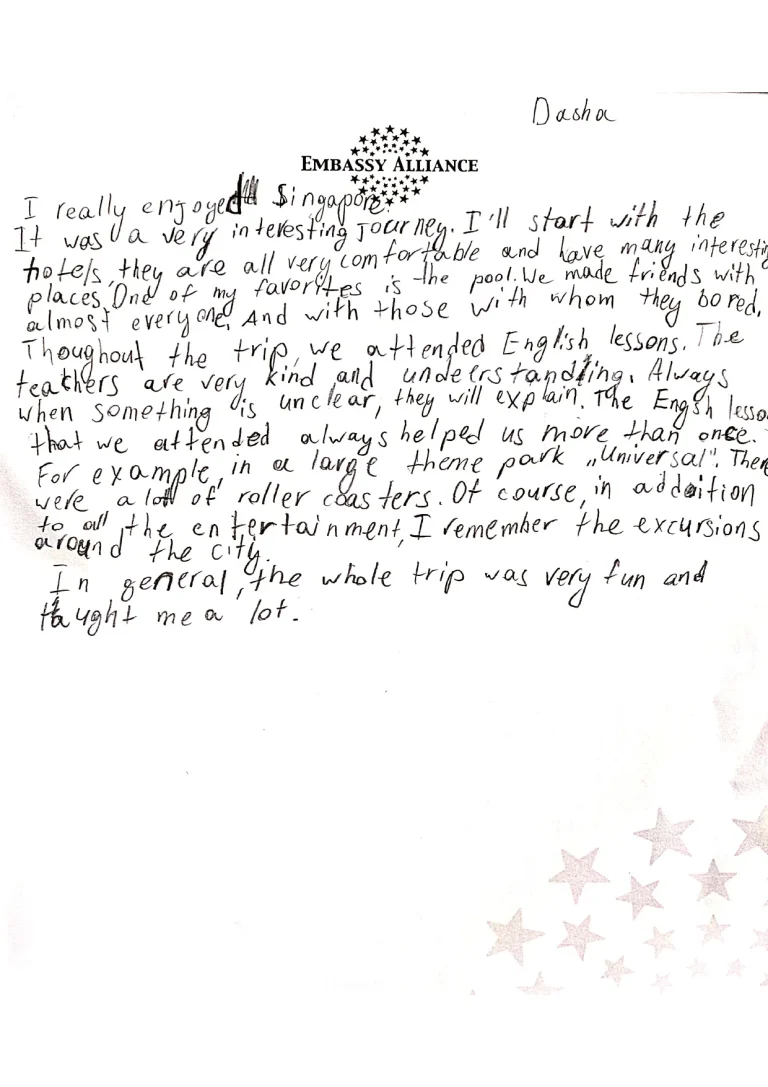
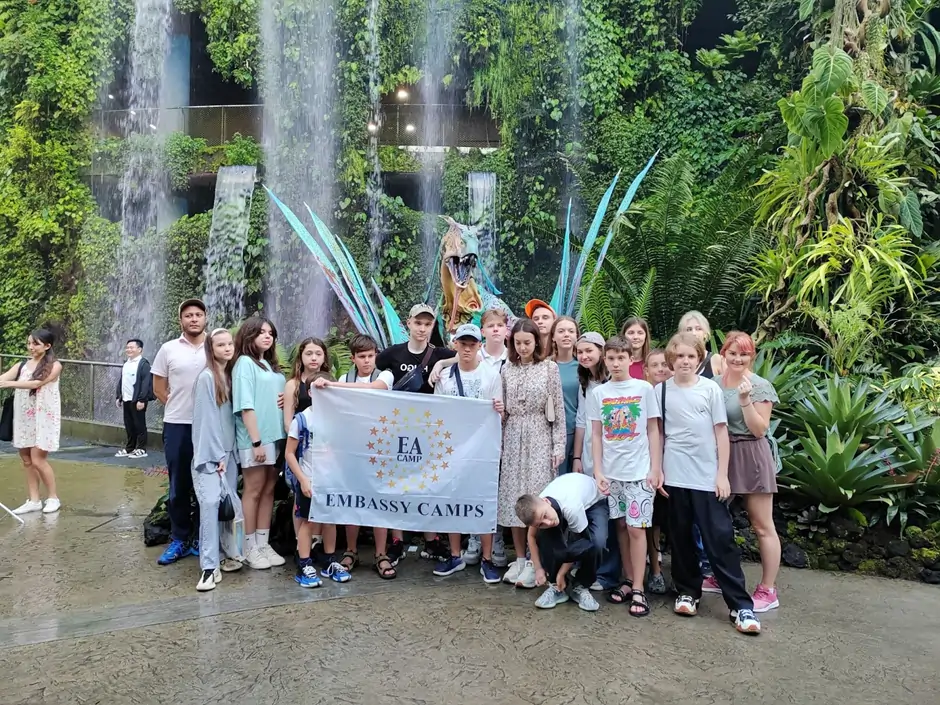
Cross-cultural friendships for teenagers also build empathy, flexibility, and better communication. A teen who makes friends from Singapore, Korea, Dubai, or Spain gains more than memories. They begin building a real global network.
- Teens meet peers from different cultures
- They share meals, challenges, and daily routines
- They learn to connect beyond language or background
- They return home with wider social confidence
Quick takeaway: The friendship benefit is strongest when the group is genuinely mixed by nationality.
3. Structured Independence Without the Risk
Teen independence in group programs develops safely because the freedom is real, but the risk is managed. Teens make decisions, solve problems, and handle new situations without a parent stepping in.
This is the gap group travel fills. Most teenagers are too old for parents to manage everything, but not ready for solo international travel.
The American Camp Association consistently ranks independence as one of the strongest outcomes of structured group programs. Parents often notice it after teens return home.
- Manage their own belongings
- Speak to staff when they need help
- Handle small conflicts with peers
- Take responsibility during group activities
Quick takeaway: Group travel gives teenagers independence with a safety net.
4. Real Leadership Skills in Live Group Dynamics
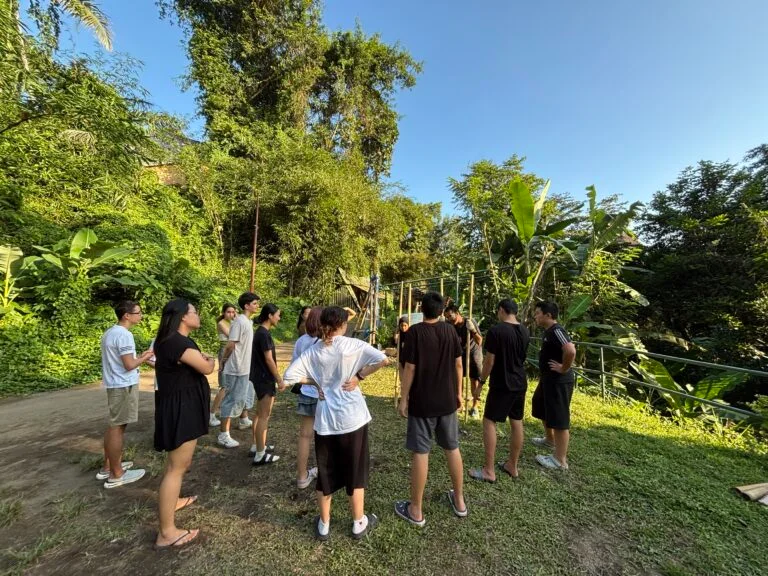
Leadership through group travel develops because the group dynamics are real. Teenagers must communicate, listen, solve problems, and make decisions with people they have just met.
These moments are more useful than classroom leadership exercises. The group needs a plan, energy, and cooperation, so leadership becomes practical.
A PubMed study on adventure education programs found that social connectedness in group settings supports adolescent resilience and leadership capacity. The quality of the group environment matters as much as the activity itself.
- Share ideas clearly
- Motivate peers during challenges
- Manage disagreement respectfully
- Take initiative without waiting for instructions
Quick takeaway: Leadership grows fastest when teens have real responsibility in a supportive group.
5. Reduces Teen Travel Anxiety Naturally
Teen travel anxiety and group programs are closely linked. Group travel does not remove anxiety, but it makes it easier to manage.
Most anxious teens worry about being new, not knowing anyone, and not knowing what to do if something goes wrong. A structured group program answers all three concerns.
Research in the ScienceDirect mental health literature confirms that social connection is a strong buffer against adolescent anxiety. Group travel builds that connection from day one.
- Everyone arrives new
- Staff guide the first interactions
- Daily structure reduces uncertainty
- Peers share the same first-day nerves
Quick takeaway: Many teens settle within the first 24 to 48 hours because they realize they are not alone.
6. Builds Genuine, Lasting Self-Confidence
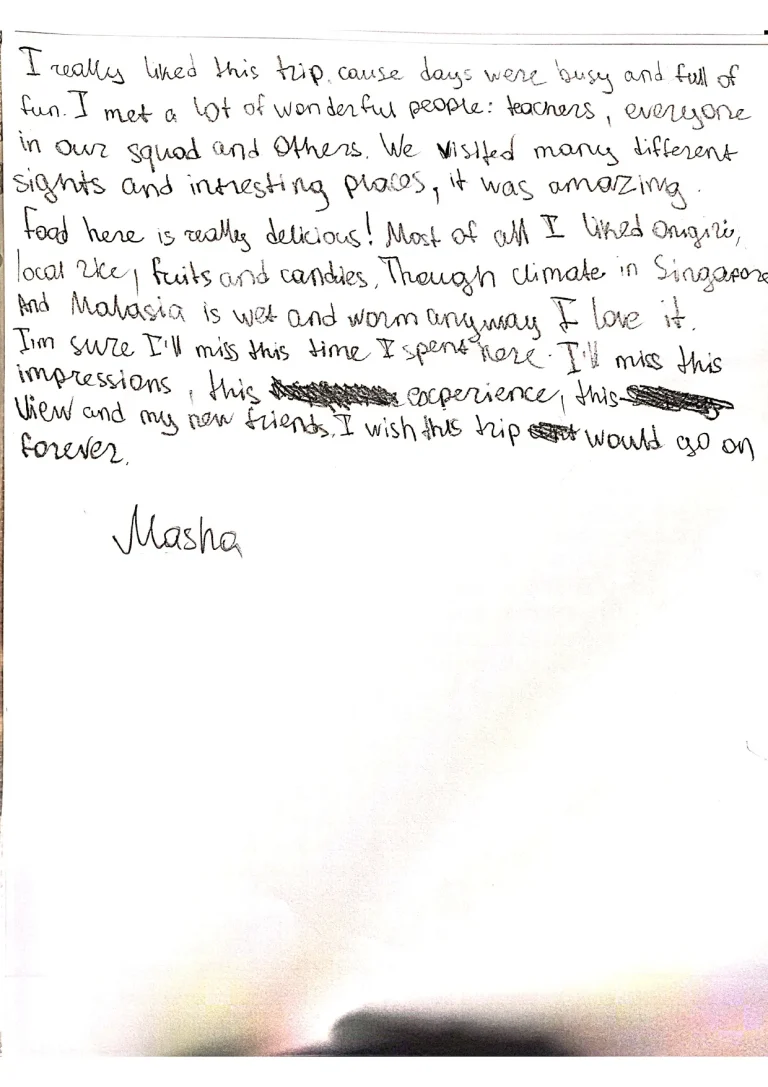
Teen confidence through travel grows when teenagers do hard things and see themselves succeed. Group travel makes this confidence stronger because peers witness those achievements.
This is not empty praise. It is confidence built through action, effort, and real social experience.
A Wherever Family study found that 75 percent of young adults who traveled internationally as teenagers reported a more positive perception of themselves and their place in the world.
- Try unfamiliar activities
- Speak up in a new group
- Solve travel-related challenges
- Earn respect from peers who did not know them before
Quick takeaway: The confidence teens gain through group travel often follows them back into school, friendships, and future challenges.
7. Cultural Immersion Through Peer Experience
Cultural immersion teen programs work best when culture is experienced through people, not just places. Teens learn more from friendships, shared meals, and daily conversations than from sightseeing alone.
A teenager can visit a landmark as a tourist. But real cultural understanding comes when they spend time with peers from different countries in normal, unscripted moments.
Research in cross-cultural psychology shows that direct peer relationships build stronger cross-cultural competency than classroom learning alone.
- Meals with international peers
- Group tasks with mixed nationalities
- Informal conversations between activities
- Shared routines in a new destination
Quick takeaway: In group travel, the relationship becomes the lesson.
8. Communication and Social Skills Development
Social skills through group travel develop quickly because teens must communicate with new people every day. There are no fixed social roles, so they get a fresh chance to connect.
At first, this can feel uncomfortable. Then teens discover they can start conversations, explain ideas, and handle misunderstandings with people from different backgrounds.
The WYSE Travel Confederation identifies communication as one of the top-reported outcomes of structured youth travel programs.
- Starting conversations with new peers
- Explaining ideas in a group
- Listening across accents and cultures
- Building confidence in spoken English
Quick takeaway: Communication improves because teens have to use it in real situations, not just practice it in theory.
9. Practical and Cost-Efficient for Parents
Group travel is efficient for parents because the major logistics are handled in one place. Accommodation, meals, transport, activities, staff supervision, and emergency planning are usually included.
This saves parents time and reduces planning stress. It also makes the experience more development-focused than a self-arranged holiday.
Rustic Pathways 2026 research notes that many student travel programs are family-funded, and that clear, all-inclusive pricing helps parents judge value more accurately.
- What is included in the fee
- Whether meals and transport are covered
- How supervision works
- Whether there are hidden charges
Quick takeaway: The best value is not always the lowest price. It is the program that delivers the strongest outcomes with clear pricing.
10. Strengthens University Applications
Group travel and university applications connect through the skills universities value. Admissions teams want evidence of initiative, character, leadership, and global awareness.
A teenager who joins an international group program has a specific story to tell. They can explain how they handled new cultures, led in group settings, and grew outside their comfort zone.
Rustic Pathways 2026 research reports that high-quality international programs support stronger career readiness and more compelling applications. It also notes that 75 percent of employers view structured international program experience positively on a resume.
- Leadership in real group settings
- Cross-cultural communication
- Adaptability in unfamiliar environments
- A clear extracurricular story for interviews or statements
Quick takeaway: A strong group travel experience gives teens more than an activity to list. It gives them a story with evidence.

11. A Natural Digital Detox in a Social Setting
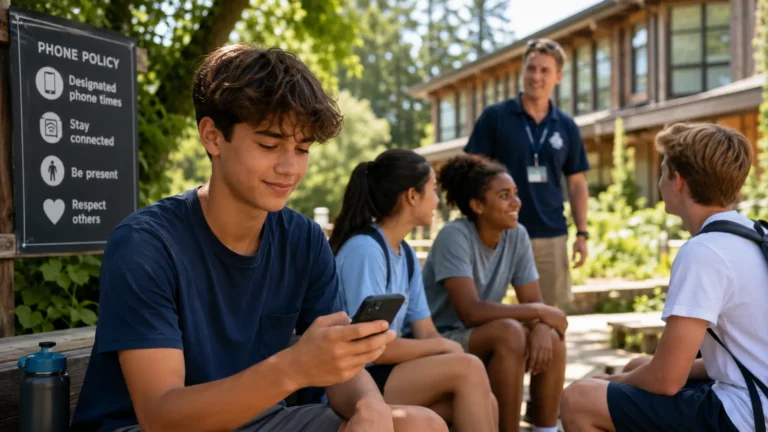
One of the most useful benefits of group travel for teenagers is a natural digital detox. Teens use screens less because real people and real experiences become more interesting.
This works better than simply banning phones. The program replaces scrolling with connection, activity, and shared moments.
Research from the American Psychological Association confirms that even one week of reduced social media use can lower anxiety and depression in adolescents.
- Face-to-face conversations
- Group activities
- Evening discussions
- A routine that keeps teens engaged
Quick takeaway: The goal is not just less screen time. It is a more real connection.
12. Builds a Lifelong Global Network
The final benefit is long-term. Group travel can give teenagers international friendships that continue to grow in value for years.
A 15-year-old who finishes a program with friends in several countries has more than a social memory. They have a network that may support future study, travel, internships, and global confidence.
NCBI research on adolescent group experiences shows that bonds formed in new groups can be strong and resilient. Rustic Pathways 2026 research also notes that 45 percent of students showed a stronger desire to positively impact others six months after international travel.
- International friendships
- Wider perspective
- Future travel and study connections
- A stronger sense of belonging in the world
Quick takeaway: The network built during group travel can matter long after the trip ends.
Group Travel vs Solo Teen Travel: How Do They Compare?
For most teenagers under 18, group travel offers a better balance of independence, safety, social growth, and parent peace of mind than solo travel.
| Factor | Group Travel | Solo Teen Travel |
|---|---|---|
| Safety and Supervision | 24-hour professional supervision | Self-managed or family-supported |
| New Friendships | Multiple, deeper, cross-cultural | Fewer and often more surface-level |
| Independence Building | Structured and supported | Unstructured and higher risk |
| Leadership Development | Built into group activities | Rarely systematic |
| Cultural Immersion | Through peer relationships | Mostly through observation |
| Parent Peace of Mind | High with a quality provider | Depends heavily on maturity |
| University Application Value | Clear extracurricular story with outcomes | Relevant only if structured well |
| Cost and Logistics | All-inclusive and professionally managed | Requires separate planning |
| Suitable Age Range | Strong from age 10 to 18 | Usually better after 18 |
| Anxiety Management | Shared experience reduces pressure | The teen manages it alone |
Quick takeaway: Solo travel can be a powerful later step. For most teenagers, group travel is the safer and more developmental starting point.
What Should Parents Look for in a Teen Group Travel Program?
Not every program delivers the 12 benefits described in this article. The quality of the provider, staff, group design, and safety planning matters most.
| Parent Checklist | What to Look For |
|---|---|
| Supervision | 24-hour supervision and a clear staff-to-teen ratio. |
| Staff Qualifications | First aid, CPR, safeguarding, and youth development training. |
| Group Mix | International groups with diverse nationalities. |
| Program Outcomes | Clear skills and measurable benefits. |
| Daily Structure | Balanced schedule with activities, rest, and reflection. |
| Emergency Protocols | Written procedures shared with parents. |
| Group Size | Small groups, ideally under 30 participants. |
| Parent Reviews | Verified reviews with detailed feedback. |
| Pricing | Transparent, itemized fees. |
| Transparency | Open communication and parent references when possible. |
How Does Embassy Camp's Group Travel Format Deliver These 12 Benefits?
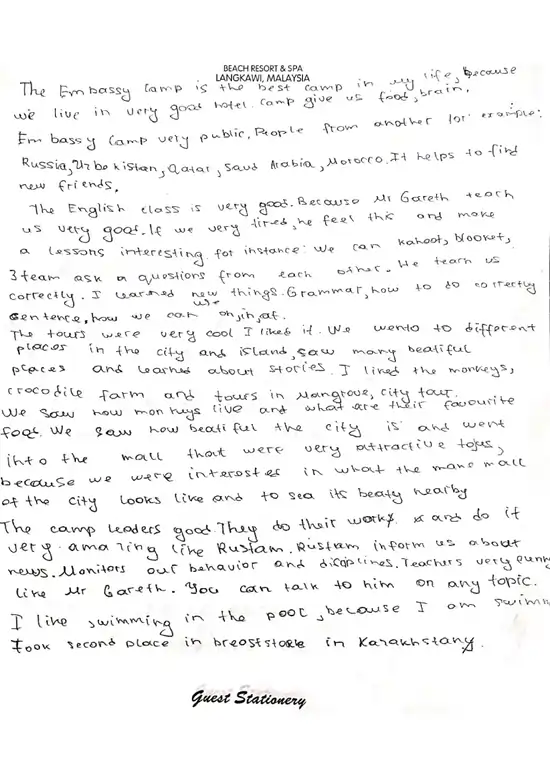
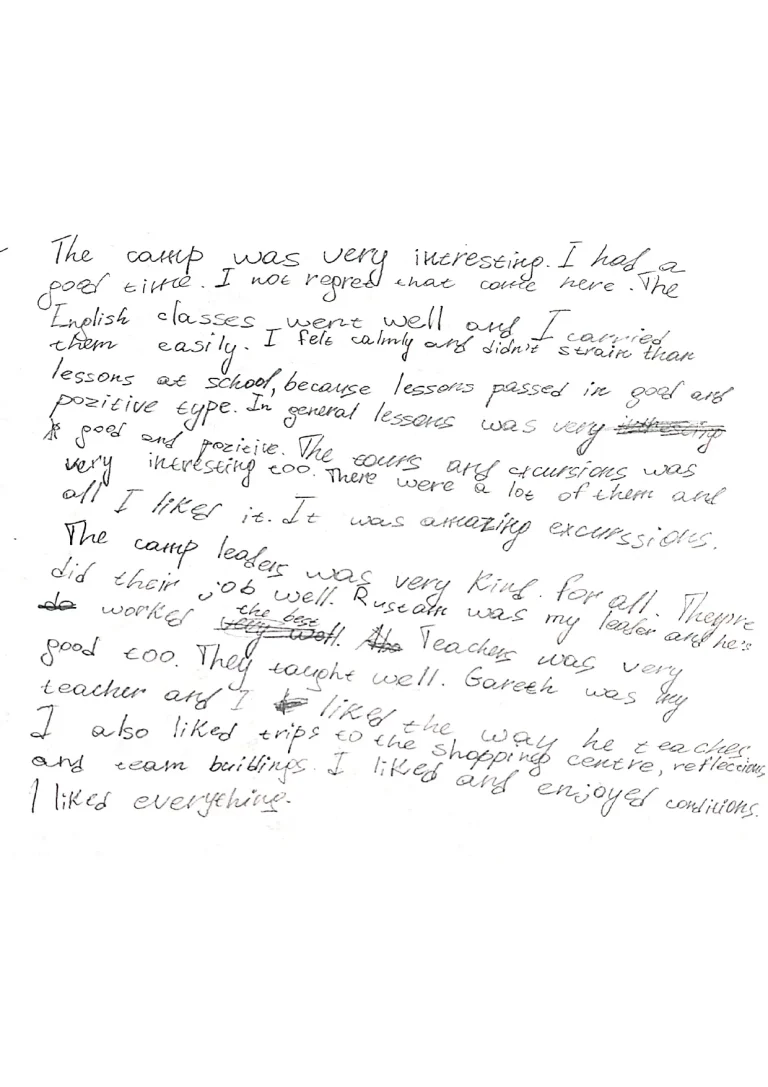
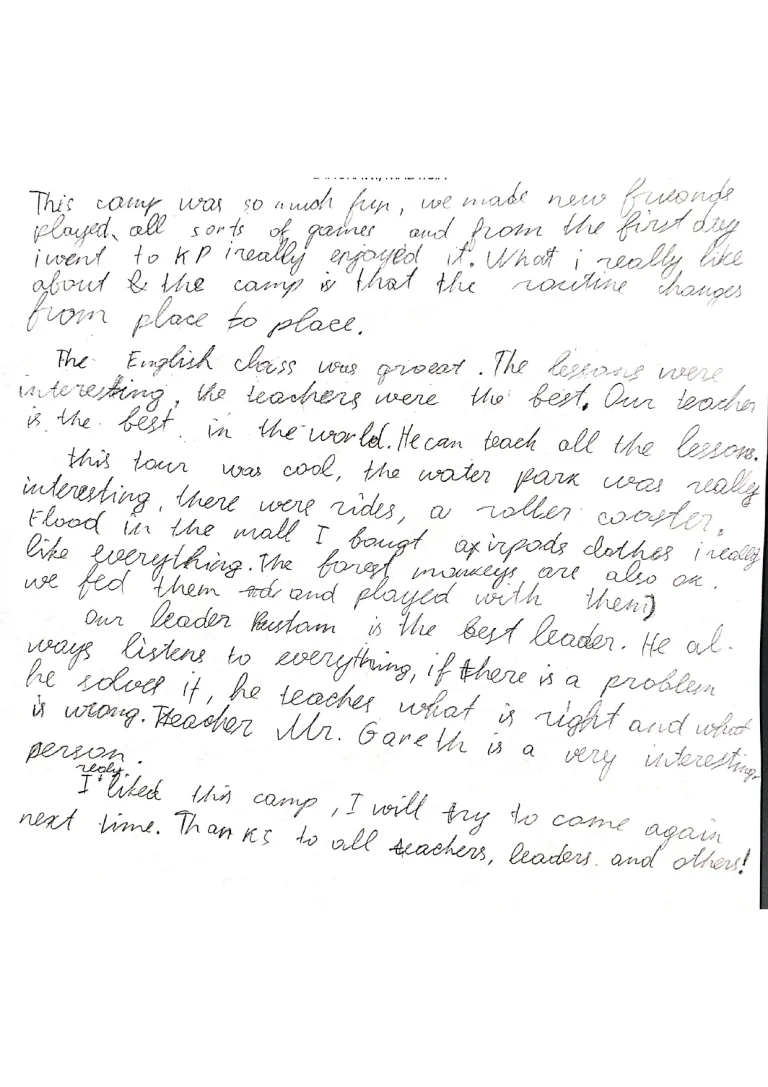
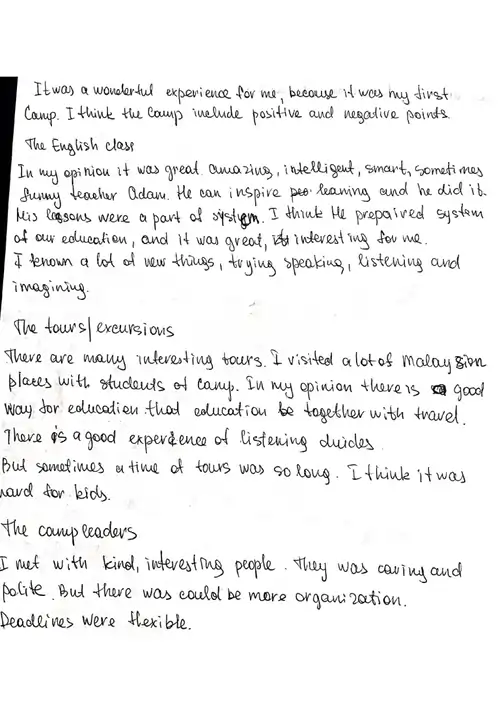
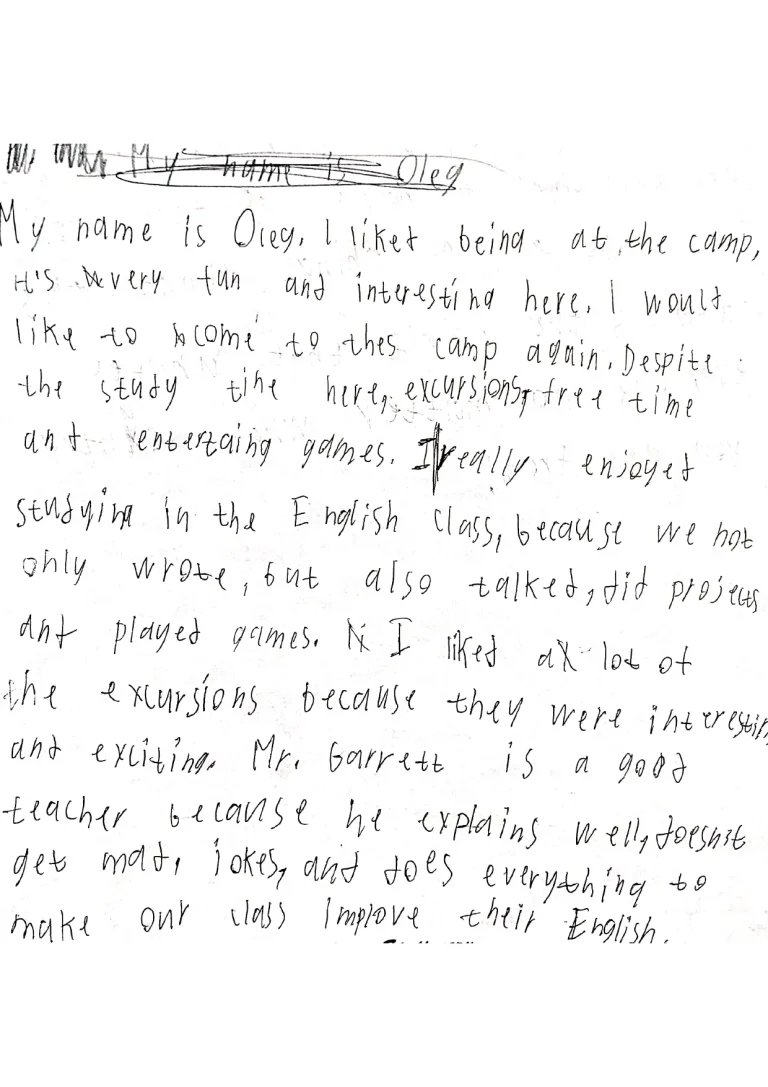
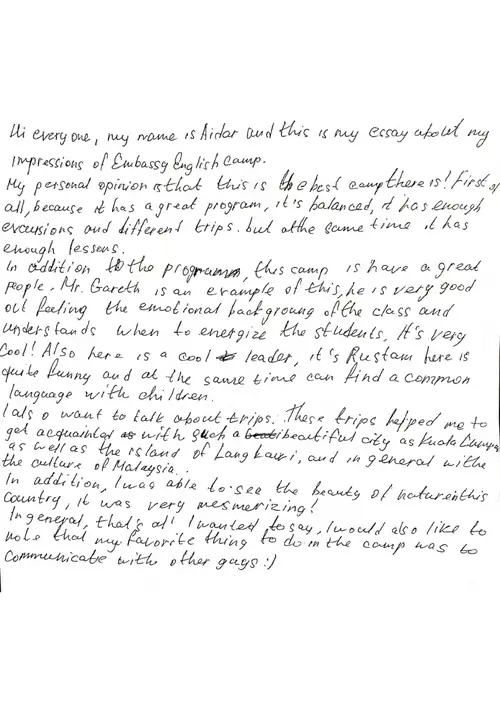
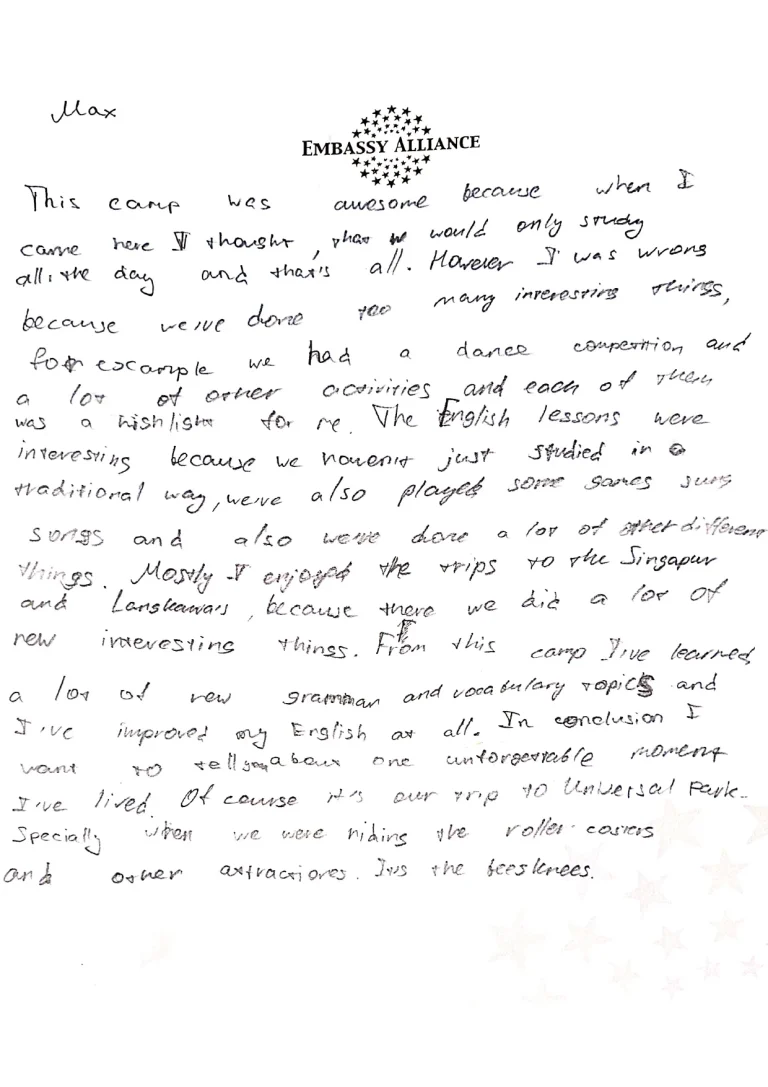
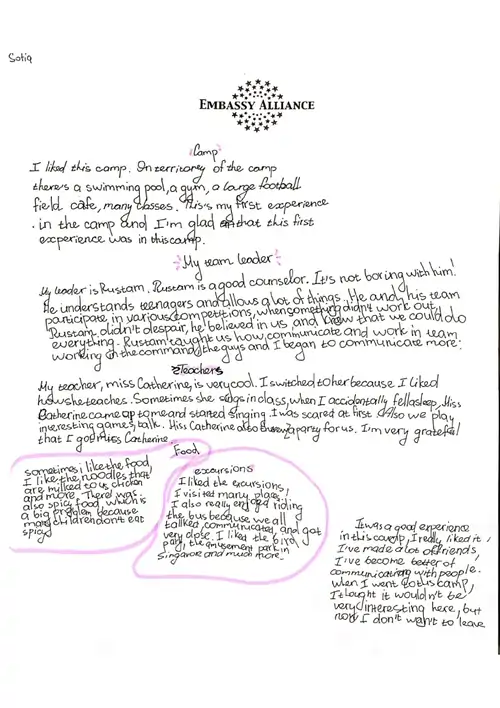
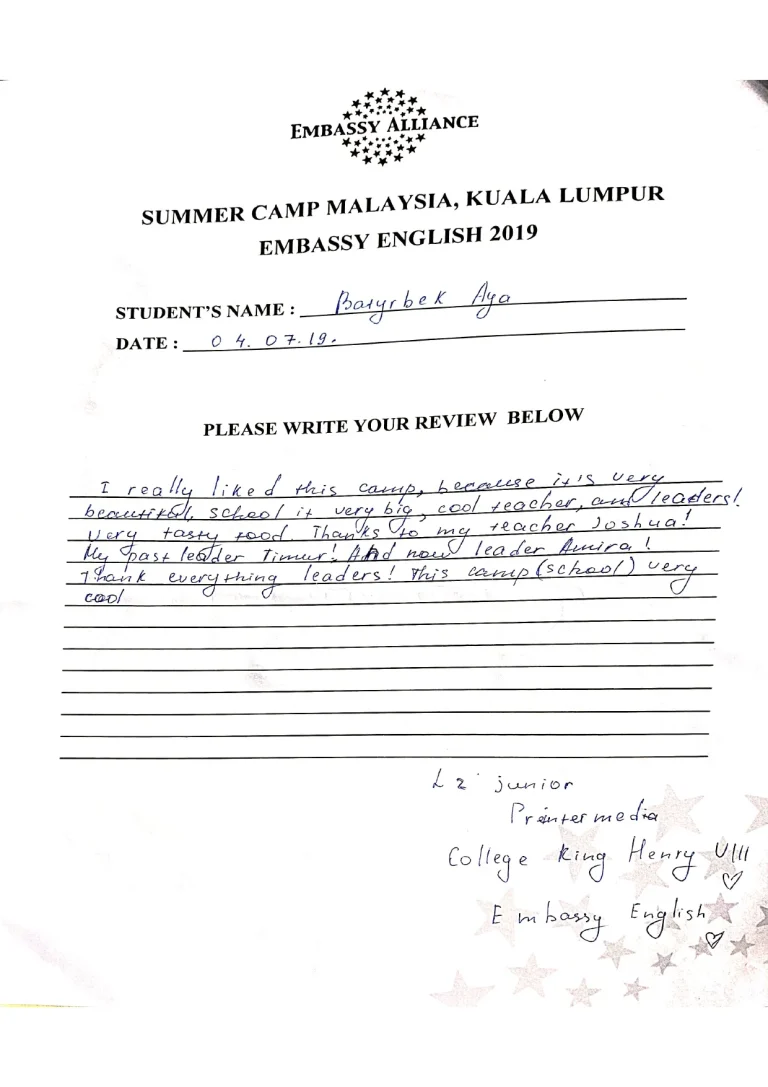
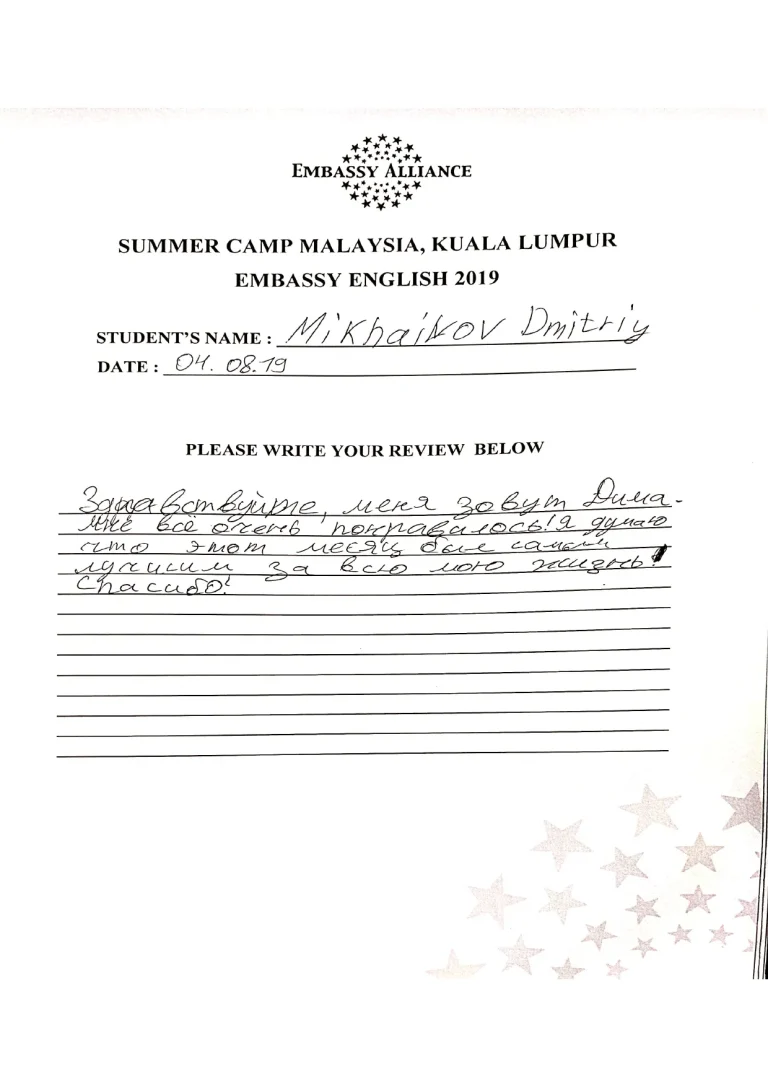
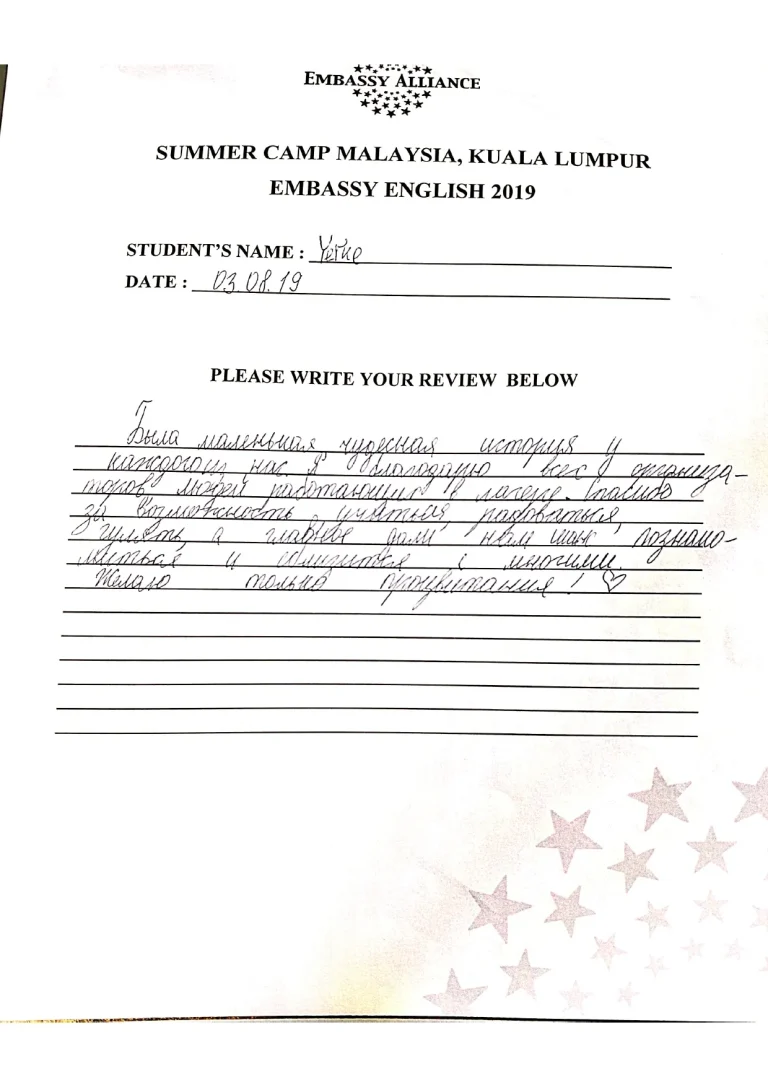
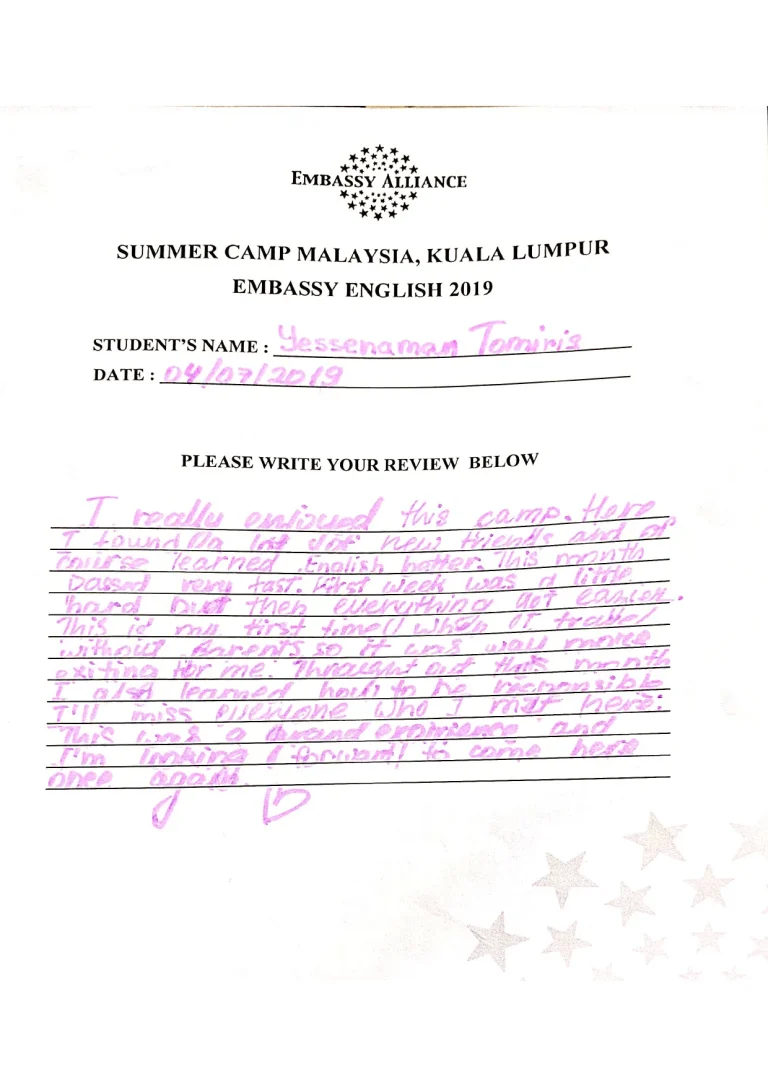
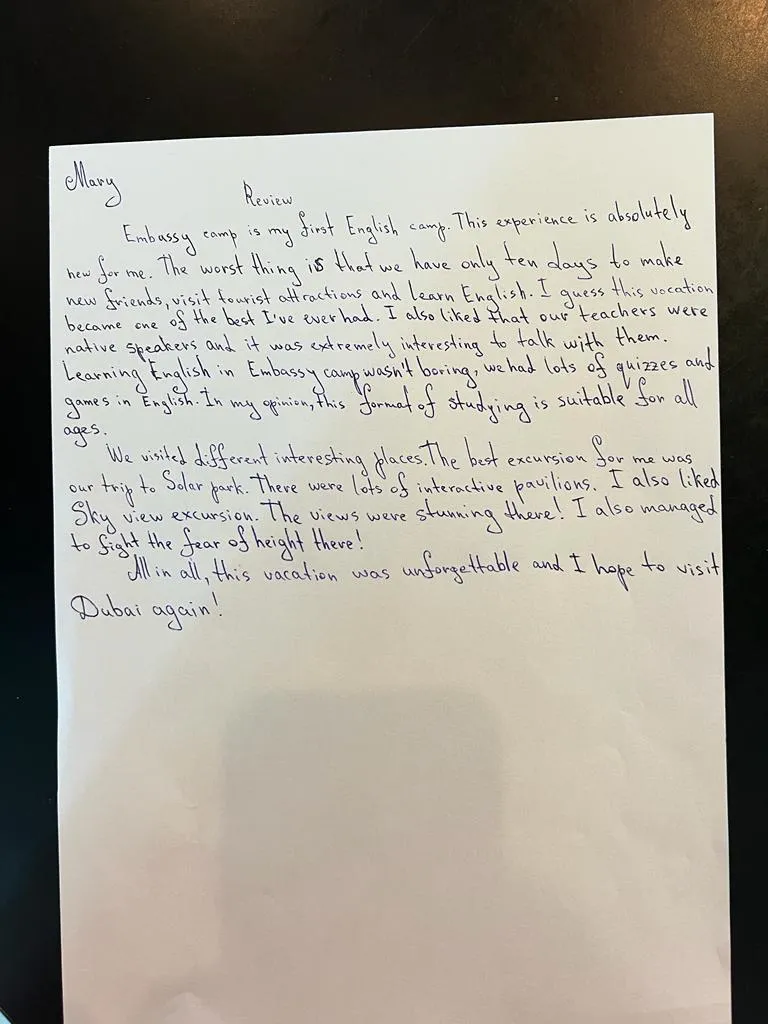
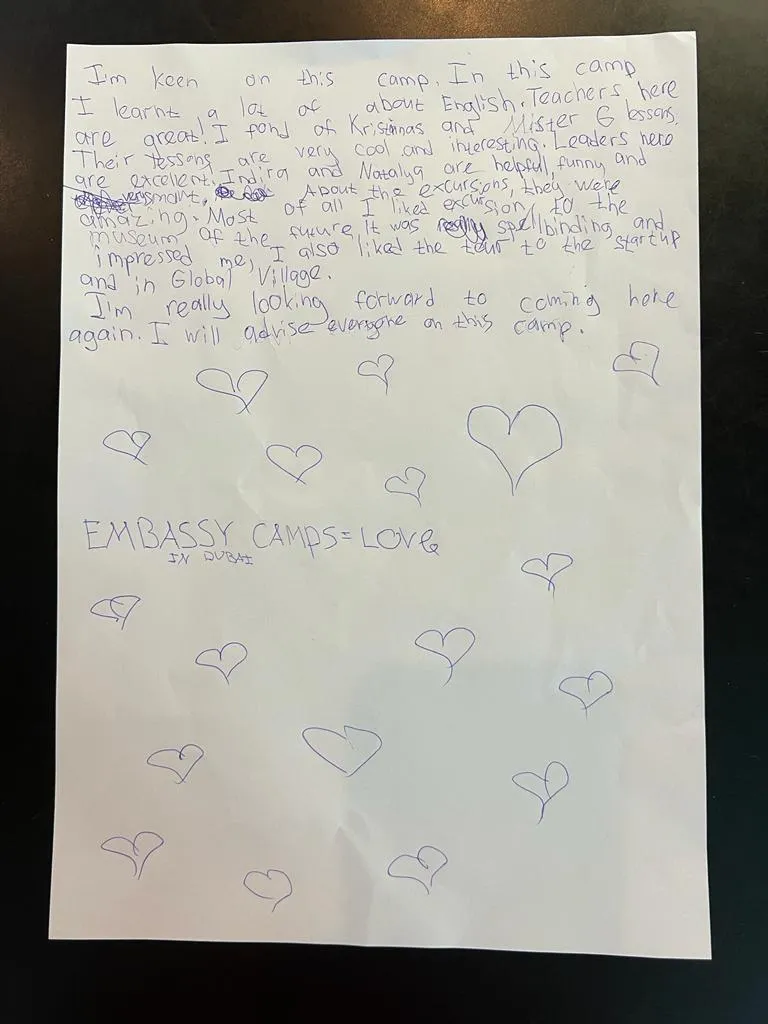
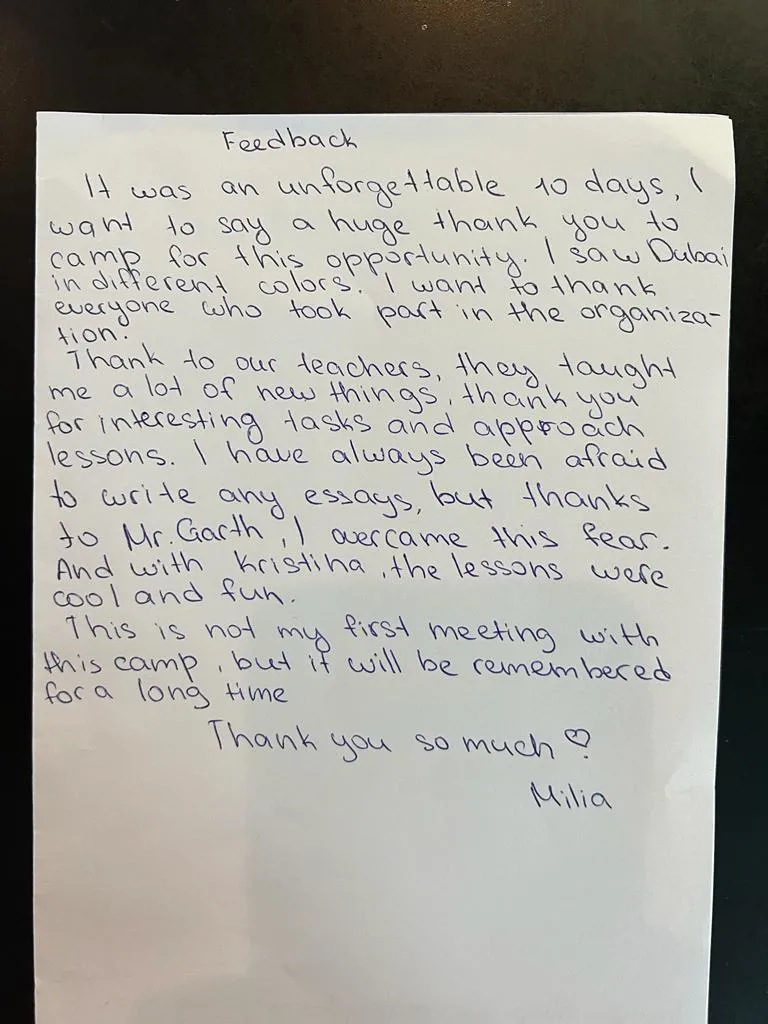
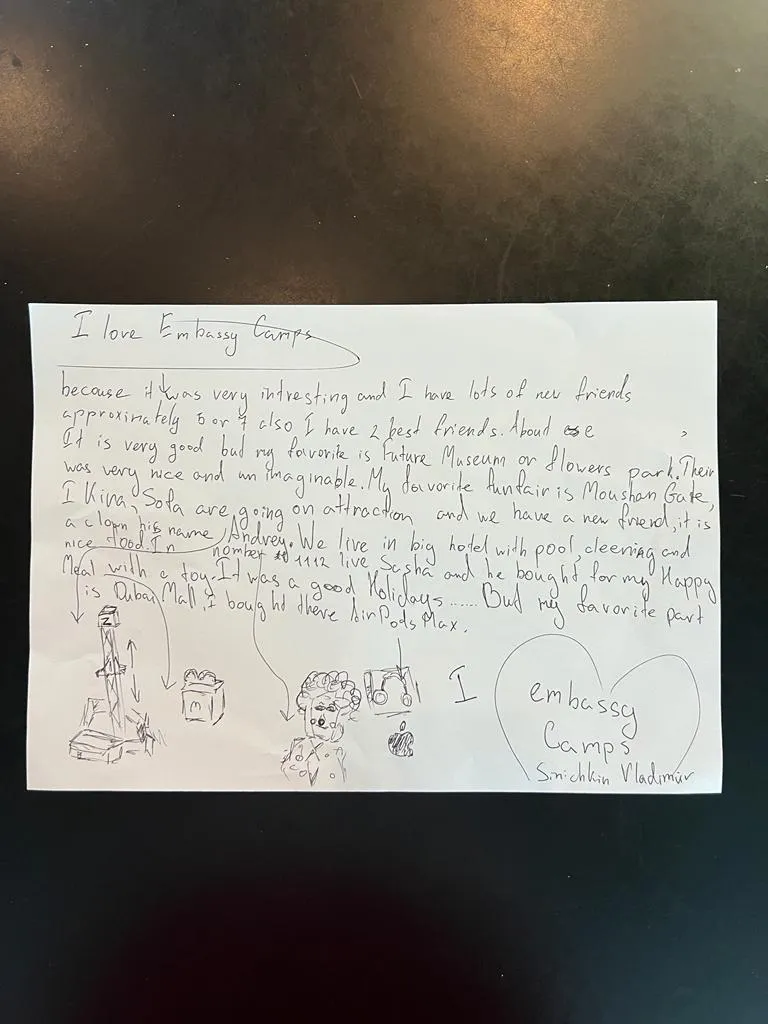
Embassy Camp designs its programs around the group dynamics that support confidence, safety, friendship, leadership, and independence. The format is intentional, not accidental.
| Program Design Element | How It Supports Teen Growth |
|---|---|
| Safety and Supervision | Vetted counselors, 24-hour supervision, and clear safety protocols. |
| Cross-Cultural Friendships | Opportunities to connect with teens from multiple countries. |
| Structured Independence | Encourages responsibility within a safe and supportive environment. |
| Leadership Development | Group challenges and guided reflection build leadership skills. |
| English Communication | Practises English naturally through real-world social interaction. |
| Academic Preparation | Combines skill development with international learning experiences. |
| Adventure and Resilience | Safe challenges help teens build confidence and adaptability. |
| Future Skills | Develops collaboration, communication, and career-ready skills. |
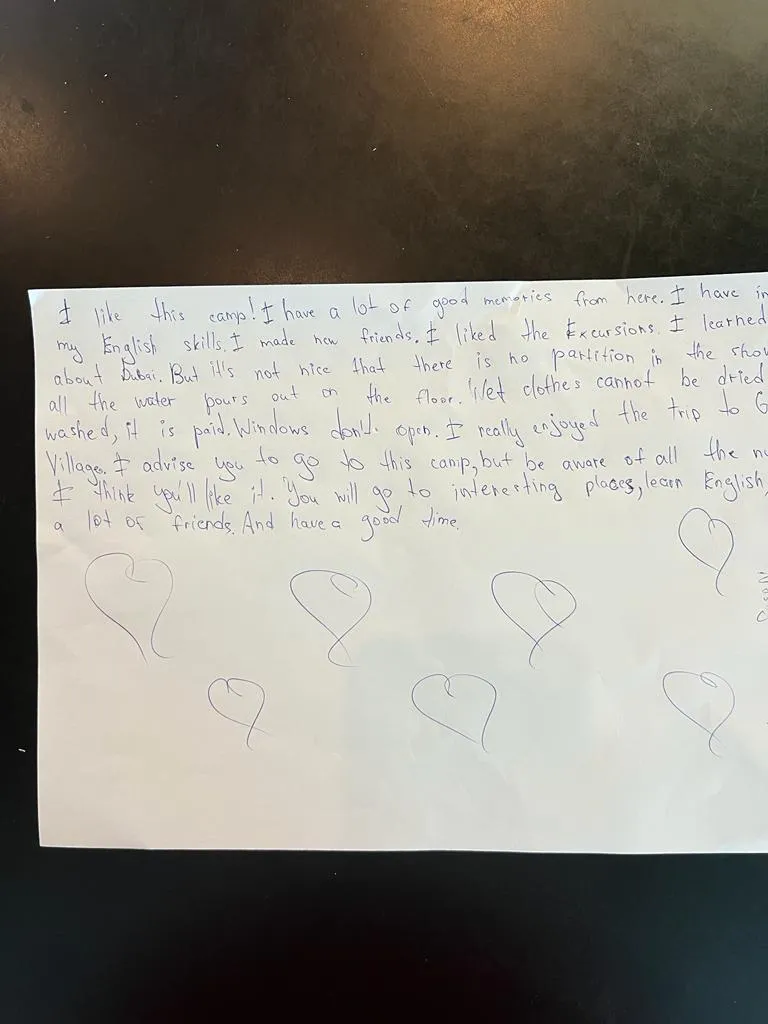
Embassy Camp programs run across Malaysia, Singapore, Dubai, Bali, Korea, Qatar, and Spain during school holiday periods for teenagers aged 10 to 18.

Ready to Give Your Teenager for Group Travel ?
At Embassy Camp, we design every program around one goal: helping teenagers grow into confident, capable, and globally aware young adults.
Our international camps run across Malaysia, Singapore, Dubai, Bali, Spain, Korea, and Qatar. Every program combines real skill-building, cross-cultural friendships, and structured challenge in an environment that is safe, supervised, and genuinely transformative.
FAQ: Benefits of Group Travel for Teenagers
Is group travel safe for my teenager?
Yes, when the program is run by a reputable provider. Look for 24-hour supervision, trained staff, written emergency protocols, medical support, and clear parent communication.
At what age can teenagers benefit from group travel programs?
Many teenagers are ready from around age 10 to 12, depending on maturity and previous experience away from home. Embassy Camp runs programs for ages 10 to 18, with content designed for different age groups.
What if my teenager is shy and struggles to make friends?
Shy teenagers often benefit strongly because nobody knows anyone on day one. There are no old labels or fixed friend groups, which gives quieter teens a fresh social start.
How is group travel better than a family holiday for teen development?
Family holidays are valuable, but parents usually make the decisions. Group travel gives teens new experiences with peers, without parents present, while still keeping professional support in place.
How do I explain the cost of a group travel program to my teenager?
Focus on outcomes, not activities. The value comes from independence, friendships, confidence, leadership, and the skills they can use long after the program ends.
Can group travel really help with my teenager's university application?
Yes. A strong international group program gives teenagers specific examples of initiative, leadership, cultural awareness, and independence, which can strengthen personal statements and interviews.
Final Thoughts
The benefits of group travel for teenagers in 2026 are clear. A strong program gives teens safety, confidence, independence, leadership, cultural awareness, and friendships that cross borders.
For parents, the value is not only in the destination. It is in the structure, supervision, group design, and growth that happens when teenagers step into a new environment with peers from around the world.
If you want those twelve benefits for your teenager, Embassy Camp runs international group programs across Malaysia, Singapore, Dubai, Bali, Korea, Qatar, and Spain for teenagers aged 10 to 18.
Every program brings together mixed-nationality groups in a safe, supervised, and enriching environment designed to deliver the outcomes described in this article.
The next program intake is full. Now is the right time to find the group travel program that fits your teenager.